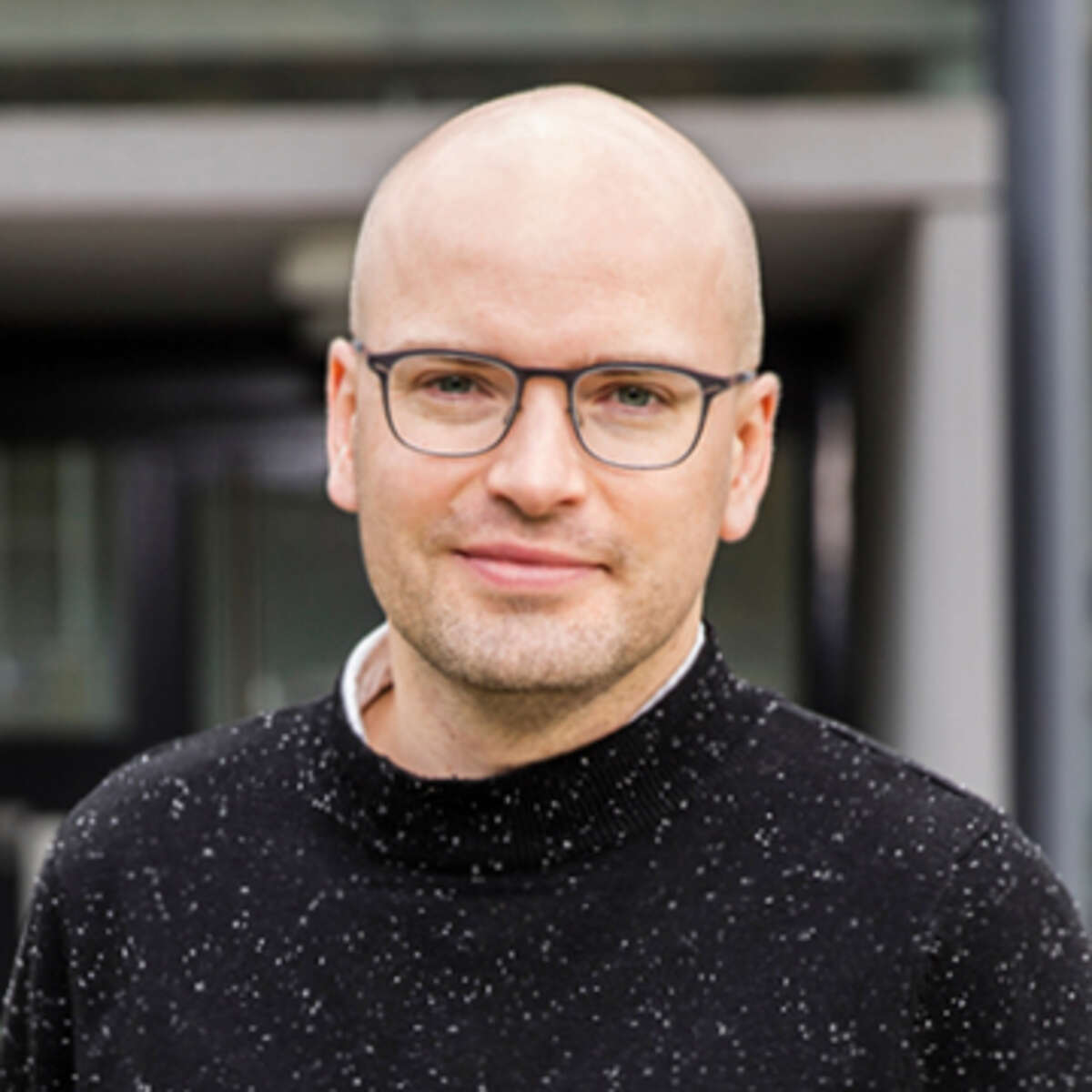
Johannes Larsch is a tenure-track Assistant Professor at the Center for Integrative Genomics within the Faculty of Biology and Medicine at Université de Lausanne (UNIL). His research focuses on understanding the neuronal mechanisms underlying social interactions, using larval zebrafish as a model organism. He employs advanced techniques like virtual reality and optical imaging to study how social signals are processed in the brain. Education: Bachelor of Biology, University of Konstanz, Germany PhD in Neurobiology, Rockefeller University, USA (lab of Cori Bargmann) Postdoc at Max Planck Institute of Neurobiology, Germany (with Herwig Baier) Research interests center on neuronal circuits driving group behavior, social recognition, and the interplay between genetics and environment in shaping behavior. His lab investigates how individual brains coordinate collective social behaviors through studies of neuronal activity and circuit dynamics. Current lab openings include fully funded PhD and PostDoc positions focused on social neuroscience and neurogenomics. Contact: johannes.larsch@unil.ch .
Prof. Knut Drescher is an Associate Professor at the Biozentrum, University of Basel , leading a research group focused on bacterial biofilms , swarming , and microbial multicellularity . Previously, he served as a Professor of Biophysics and Max Planck Research Group Leader at Philipps-Universität Marburg (2015-2021) and conducted postdoctoral research at Princeton University. Research Interests: Physical and biological mechanisms of biofilm formation Cell-cell interactions in microbial communities Antibiotic resistance in biofilms Hydrodynamics of bacterial swarms Evolution of cooperation in multispecies biofilms Development of bioimaging software (BiofilmQ, BacStalk) Scientific Awards: 2023: SNSF Consolidator Grant 2019: Heinz Maier-Leibnitz Prize (DFG), VAAM Research Prize, IUPAP Young Scientist Prize 2016: ERC Starting Grant Advising & Grants: Advises PhD and Master's students in microbiology, biophysics, and bioinformatics Secured major grants from ERC , HFSP , and DFG
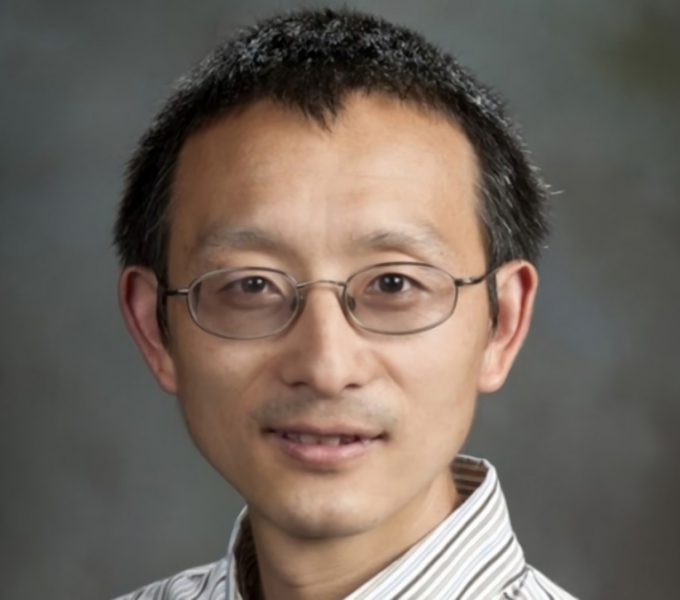
Jianhua Xing is an Associate Professor in the Department of Physics & Astronomy at the University of Pittsburgh , affiliated with the Dietrich School of Arts and Sciences . His research focuses on applying physics-based approaches to study biological systems, particularly cell phenotypic transitions (CPTs) and their underlying dynamics. He integrates quantitative single-cell measurements with computational and theoretical analyses to understand how cells transition between stable states. Key research areas include: Nonequilibrium systems and rate theories for biological transitions Single-cell trajectory analysis and live-cell imaging Epithelial-mesenchymal transition (EMT) dynamics Gene regulatory networks and stochastic processes Biological applications of dynamical systems theory Recent work highlights the coupling between EMT and cell cycle arrest, leveraging machine learning frameworks (e.g., LivecellX ) for high-resolution imaging analysis. His lab also explores chromosomal dynamics and mechanotransduction in stem cell aging. Publications emphasize data-driven modeling and theoretical insights, with contributions to frameworks like GraphVelo and Graph-Dynamo for inferring cellular state transitions. Collaborative efforts bridge physics, biology, and computational science to address fundamental biological questions. No awards or grants are explicitly listed in the provided texts. His research group focuses on advancing systems biology through interdisciplinary methods, with a lab dedicated to quantitative analysis of cellular processes.
Prof. Andreas Bausch holds the Heinz Nixdorf Endowed Chair of Cell Biophysics at the Technical University of Munich (TUM) within the TUM School of Natural Sciences . His research focuses on cellular biophysics , particularly the mechanical properties of cytoskeletal networks and self-organization mechanisms in biological systems, with applications in biomimetic materials and organoid modeling. Research Areas : Cytoskeletal mechanics, active matter systems, organoid morphogenesis, integrin signaling, synthetic cell models Techniques : Microrheology, in vitro reconstitution, microfluidics, advanced imaging His work has produced over 100 publications in Nature, Science, PNAS , and Physical Review Letters , with recent emphasis on pancreatic cancer organoids and artificial cell membranes . Key findings include: Discovery of topological excitations governing endothelial cell ordering Elucidation of PIP2/PIP3 regulation in integrin phase separation Development of 3D patterned organoid systems for drug screening Major awards include: ERC Synergy Grant (2018) ERC Advanced Grant (2012) ERC Starting Grant (2011) Berlin-Brandenburg Academy of Sciences Prize (2014) He serves as founding director of the Center for Functional Protein Assemblies (CPA) since 2015 and teaches biomechanics , biophysics , and protein assemblies at TUM. His lab investigates both fundamental biophysical principles and their medical applications in cancer and cardiovascular systems.
Jeffrey Guasto , Associate Professor at Tufts University, holds joint appointments in the School of Engineering (Mechanical Engineering) and School of Arts and Sciences (Physics & Astronomy). His work bridges engineering, physics, and biology to study transport properties in complex systems. Ph.D., Engineering (2009), Brown University Sc.M., Engineering (2004), Brown University Dual B.S. in Physics and Mechanical Engineering (2003), Lehigh University Research Interests focus on: Biophysics : Flagellar mechanics, chemotaxis, cell-fluid interactions Soft Matter : Active suspensions, colloids, viscoelastic materials Microfluidics : Device design for cell motility studies and gradient generation Environmental Transport : Microbial ecology in porous systems Scientific Trends from his 77+ publications show emphasis on microscale fluid dynamics, bacterial transport mechanisms, and viscoelastic flow instabilities. His 2024 Nature Microbiology work reveals phage-infected bacteria driving marine chemotaxis, while 2023 PNAS research explores stress topology in viscoelastic flows. Scientific Awards : NSF CAREER Award (2016) for cell dispersal mechanisms Collaborative NSF grants (2015-2023) Advising includes mentoring 15+ students and postdocs. His grants portfolio features 9+ awards, notably NSF grants for viral-microbe interactions (2018) and flagellar mechanics (2020). Labs & Teams : Leads the Guasto Laboratory at Tufts, integrating microfluidics and high-speed imaging for studying microbial transport, while collaborating with MIT, Harvard, and international institutions.
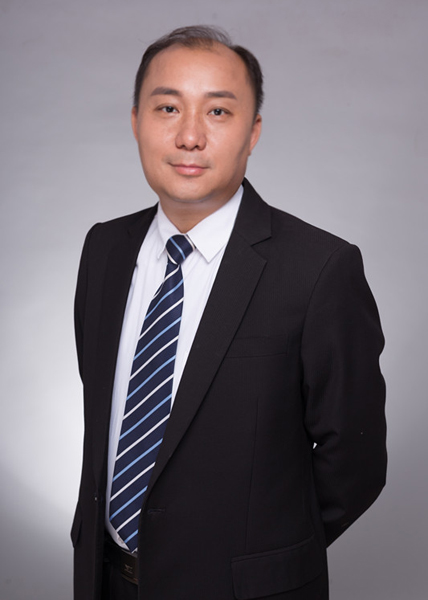
Hongbo Jiang is a Distinguished Professor and Vice Dean of the College of Computer Science and Electronic Engineering at Hunan University, China. He holds concurrent roles as Director of the Trusted Systems and Networking Key Laboratory of Hunan Province and Director of the Hunan International Technical Cooperation Base for High-Performance Computing and Distributed Systems. His academic journey includes tenures as a Professor at Huazhong University of Science and Technology and a Hong Kong Scholar Research Fellow at The Chinese University of Hong Kong. Education: PhD in Computer Science (Case Western Reserve University, 2008), B.S./M.S. in Mathematics (Huazhong University of Science and Technology, 2002). Research Interests: Distributed systems, mobile computing, smart sensing, wireless networks, IoT, and edge computing. Ongoing projects include mobile/wireless applications, data science in IoT, and edge computing platforms. His work emphasizes practical implementations such as DriverSonar for driving safety and SmileAuth for biometric authentication. Key Achievements: Elected Member of Academia Europaea (2022), Fellow of AAIA, IET, and BCS. Notable awards include the Wu Wenjun Science and Technology Award (2020) and multiple best paper recognitions. Over 100+ publications in top venues like ACM MobiCom, IEEE/ACM Transactions. Professional Contributions: Editorial roles across 8+ journals including IEEE Transactions on Mobile Computing and ACM Transactions on Sensor Networks. Conference leadership includes co-founding ACM TURC and EAI ICECI. Active in technical committees for INFOCOM, MOBIHOC, and ICDCS. Labs/Teams: Leads research groups focused on networking, IoT, and edge computing. Current openings for PhD/MSc students and PostDoc researchers with strong mathematical and systems backgrounds.
Assoc. Prof. Dr. Osman Kaan Erol is affiliated with Istanbul Technical University , where he serves in the Department of Control and Automation Engineering . His primary research focuses on optimization algorithms and their applications in engineering systems. Doctorate in Control and Computer Engineering Teaching and research at Istanbul Technical University since 2003 Industry experience at BEKO Electronics (2000-2003) and ABC CEDETAŞ (1995-2000) Research Interests include: Big Bang-Big Crunch optimization algorithm Differential Evolution methods Heuristic and metaheuristic approaches Applications in structural engineering, control systems, and transportation Search space reduction techniques Hybrid algorithm design Publication Trends show a consistent focus on optimization algorithms ( Big Bang-Big Crunch , Differential Evolution ), with applications spanning airport operations , structural design , and preventive control . His work emphasizes algorithm hybridization and convergence improvements. Project Leadership includes: Industrial data collection systems AI-assisted service systems for concrete plants Hydrophore control systems under ERP regulations Electrically heated underwear design
Dr. Maja Matis is a Group Leader at the University of Muenster's Center for Molecular Biology of Inflammation (ZMBE) within the Institute of Cell Biology. Her research focuses on understanding the mechanical role of microtubules in tissue morphogenesis, particularly how microtubule-generated forces contribute to tissue remodeling through coordinated cellular behaviors. She leads the Matis Lab, which employs advanced microscopy techniques and genetic approaches to study cytoskeletal mechanics in developmental contexts. Key research areas include the structural regulation of microtubules, mechanics-driven cell shape changes, and integration of forces at adherens junctions. Her interdisciplinary projects combine biophysics, developmental biology, and quantitative imaging to unravel mechanisms underlying collective cell behavior during tissue formation. Notable contributions include studies on microtubule compression dynamics in epithelial tissues and the role of PCP signaling in patterning microtubule networks. She collaborates with institutions like the Cells in Motion Cluster of Excellence and has mentored multiple PhD/MD students. Her work is published in high-impact journals such as Nat. Commun. and Nat. Cell Biol.
Cormac Fay is a Research Fellow in Artificial Intelligence for Smart Cities at the School of Computing and Information Technology (SCIT), University of Wollongong, within the Faculty of Engineering and Information Sciences. His roles include affiliations with the SMART Infrastructure Facility and the ARC Centre of Excellence for Electromaterials Science. Previously, he held positions at Dublin City University, including post-doctoral roles in sensor research and data analytics. He holds a PhD in Engineering from Dublin City University (2013), an M.Eng. in Telecommunications Engineering (2007), and a B.Eng. in Mechatronic Engineering (2005). His research focuses on AI-driven smart city technologies, sensor systems for environmental monitoring, and advanced 3D printing materials. Key areas include IoT-enabled carbon-emission tracking, wearable biomedical devices, and sustainable sensor networks for landfill gas management. He has developed innovative solutions such as cryogenic 3D printing techniques for biocompatible inks and LED-based optical sensing platforms. Dr. Fay has secured grants totaling over $X million, including projects on military diver monitoring, blue carbon ecosystems, and low-cost sensor networks for agriculture and environmental safety. His work integrates interdisciplinary approaches, bridging materials science, biomedical engineering, and environmental engineering. Grants: Led projects on carbon-emission IoT systems, oyster farming sensors, and vibration monitoring. Supervision: Advised a Master's project on biomimetic microfluidic fabrication (2017–2019). Labs/Teams: Collaborates with the SCIT, SMART Infrastructure Facility, and global institutions like École Polytechnique Fédérale de Lausanne.
Professor Matthew Simpson is a leading figure in applied mathematics at the School of Mathematical Sciences, Faculty of Science, Queensland University of Technology (QUT). He holds the position of Professor of Applied Mathematics and is an Australian Research Council (ARC) Future Fellow, reflecting his sustained research excellence. His work bridges mathematical theory and biological applications, particularly in cell migration, tissue invasion, and multiscale modeling. BE (Environmental) Honours 1, University of Newcastle (1995–1998) PhD (with Distinction), Environmental Engineering, University of Western Australia (2000–2003) Research Fellow, Department of Mathematics and Statistics, University of Melbourne (2003–2006) ARC Postdoctoral Fellow, University of Melbourne (2006–2009) Lecturer (2010–2011) and Senior Lecturer (2011–2013), QUT Associate Professor (2013–2014), QUT Professor and ARC Future Fellow (2014–present), QUT Matthew Simpson’s research focuses on mathematical and computational modeling of biological systems , particularly collective cell motion, diffusion processes, and reaction-diffusion dynamics. His interests span multiscale modeling , random walk processes , cell biology , and numerical and computational mathematics . He develops and analyzes models to understand phenomena such as wound healing, cancer progression, and tissue engineering. His recent publications (2023–2025) demonstrate a strong trend toward integrating data-driven modeling , likelihood-based inference , and equation learning with traditional mechanistic models. These works emphasize parameter identifiability , uncertainty quantification , and prediction robustness in biological contexts. Themes include sharp-fronted wave propagation, mechanical cell interactions, tumor spheroid formation, and generalized diffusivity in food drying, showcasing the breadth and depth of his modeling expertise. Among his key accolades are: J.H. Michell Medal (2012) – Awarded by ANZIAM for distinguished research by an early-career applied mathematician in Australia and New Zealand. ARC Future Fellowship (2013–2017) – For the project 'New data-driven mathematical models of collective cell motion' (FT130100148). Professor Simpson has also played significant editorial and leadership roles, including: Executive Associate Editor, Journal of Engineering Mathematics Academic Editor, PLoS ONE Editorial Board Member, ANZIAM Journal Co-chair of the 2015 ANZIAM meeting He has supervised PhD students on topics such as moving boundary problems, first-passage times, stochastic simulations, and curvature-dependent growth in biological systems. His research projects have been funded by competitive Australian grants (ARC DP and FT schemes), including studies on 3D cell migration, ghrelin’s role in cell invasion, and epithelial-to-mesenchymal transition in cancer and wound healing. He is actively involved in developing computational tools for biological modeling and promoting best practices in scientific publishing.
Professor Tim Rogers is affiliated with the University of Bath as a faculty member in the Department of Mathematical Sciences . He is actively involved in research spanning complex systems, network theory, and stochastic processes. PhD in Random Matrix Theory from King's College London (2010) His research focuses on emergent behavior in random systems , including: Collective Behavior : Crowd dynamics, lane formation, and noise-enhanced synchronization Epidemics & Networks : Spread prediction, node risk assessment, and misinformation impacts Ecology & Evolution : Trait emergence, species boundaries, and demographic noise effects Random Matrix Theory : Spectral analysis and applications to complex systems Publication trends reflect interdisciplinary work bridging Physics, Biology, and Mathematics , with a focus on network structures , stochastic modeling , and emergence phenomena . Scientific awards include: 2015 : Editor's Choice for Europhys. Lett. 109, 28005 2016 : Highlight of Journal of Physics A 2017 : Editor's Suggestion for Phys. Rev. E 92, 032708 He has supervised numerous PhD students and postdocs on projects related to stochastic dynamics , network modeling , and mathematical biology , with ongoing grants from agencies like EPSRC and The Leverhulme Trust .
Yuebing Zheng is a Professor of Mechanical Engineering & Materials Science and Engineering at the University of Texas at Austin, holding the Cullen Trust for Higher Education Endowed Professorship. He leads a research group innovating optical nanotechnologies for applications in health, energy, and manufacturing. His work focuses on light-matter interactions, optically active materials, and interdisciplinary training. Key roles include Graduate Advisor for the Materials Science Program and past leadership as Associate/Assistant Professor since 2013. Education: PhD in Engineering Science and Mechanics (2010), Penn State University Postdoctoral Researcher (2010-2013), UCLA (Chemistry and Biochemistry) MSc in Physics (2003), National University of Singapore BSc in Physics (2001), Nankai University Research Interests: Optical manipulation technologies (e.g., optothermal tweezers) Nanophotonics and metamaterials Machine learning for materials discovery Biomedical applications (e.g., cell analysis, chiral sensing) Clean energy systems Recent Article Trends: Focus on AI-driven materials design, optothermal microrobotics, and advanced optical systems for energy and biomedical applications. Key innovations include photonic batteries, graphene moiré systems, and steerable active particle swarms. Awards: 2025 SPIE Fellow 2024 Optica Fellow 2017 NIH New Innovator Award 2014 Beckman Young Investigator Multiple best paper awards (2019–2023) Advising & Grants: Supervised over 20 PhD students/postdocs. Active grants from NIH, NSF, ONR, NASA, and industry partnerships. Current lab focuses on optical manipulation, metamaterials, and AI-integrated nanotechnology. Labs/Teams: Director of the Zheng Research Group, affiliated with the Texas Materials Institute. Collaborates on projects merging nanoscience with machine learning and biomedical engineering.
Alexander Refsum Jensenius is a Professor of Music Technology and Director of the RITMO Centre for Interdisciplinary Studies in Rhythm, Time and Motion at the University of Oslo. He also leads the fourMs Lab and co-founded the MishMash Centre for AI and Creativity. His work bridges musicology, psychology, and technology, focusing on embodied music cognition, human motion analysis, and creative applications of AI. Notably, he pioneered research on air guitar motion and human micromotion through projects like the Oslo Standstill Database . Educated at the University of Oslo (BA in Music and Mathematics, MA in Musicology) and Chalmers University of Technology (MSc in Applied IT), Jensenius holds a PhD in Music Technology from UiO. He has held visiting researcher roles at UC Berkeley, McGill University, and KTH. Leadership roles include Department of Musicology Head (2013–2016) and Steering Committee Chair for the International Conference on New Interfaces for Musical Expression (NIME, 2011–2022). Research interests span music-related body motion, AI in creative contexts, and open research practices. Key contributions include the Music Moves and Motion Capture MOOCs, the Musical Gestures Toolbox software, and monographs like Sound Actions and Sonic Design . His work emphasizes interdisciplinary collaboration, with projects addressing ventilation systems' acoustic properties and cell culture vibrational effects. Awards include the European Open Data Champion recognition. He advocates for open science and maintains extensive digital archives of research materials, emphasizing institutional web pages as critical research infrastructure.
Mehran Kardar is the Francis Friedman Professor of Physics at MIT, affiliated with the School of Science. He specializes in statistical physics, with research focusing on non-equilibrium collective behavior, disordered systems, soft matter, fluctuation-induced phenomena, and biophysics. His work bridges theoretical physics with biological systems, particularly in genome organization and immune response dynamics. Education: BA from Cambridge University (1979), PhD in Physics from MIT (1983). Postdoctoral roles included Harvard Society of Fellows Junior Fellowship (1983-1986) and Miller Visiting Professorship at UC Berkeley (2001). Teaching accolades include the MIT School of Science Teaching Prize and the John David Jackson Excellence in Graduate Physics Education Award (2018). Research Interests: His studies span active matter, bacterial range expansions, Casimir forces, and transcriptional condensates. Notable contributions include the Kardar-Parisi-Zhang equation for surface growth dynamics and models of genome organization via active folding. Awards/Honors: Elected to the National Academy of Sciences (2018), American Academy of Arts and Sciences (2009), and recipient of Guggenheim (2001), Sloan (1987), and Humboldt (2020) Fellowships. Recognized with the Ellis Island Medal of Honor (2019) and multiple teaching awards. Grants/Labs: Leads the Kardar Group at MIT, with affiliations to the Physics of Living Systems and Condensed Matter Theory Group. Research spans interdisciplinary topics including viral immunology, soft matter physics, and quantum fluctuation phenomena.
Anne Danielsen is a Professor and Deputy Head at the RITMO Center for Interdisciplinary Studies of Rhythm, Time, and Motion at the University of Oslo. Her research bridges musicology, cognitive science, and interdisciplinary studies, focusing on rhythm, music production, and the intersection of music, media, and technology. University: University of Oslo Role: Professor Projects: TIME (NFR TOP RESEARCH), RITMO (NFR Center of Excellence) Danielsen’s work explores microrhythm , groove , and temporal perception in music, with a particular emphasis on popular and African-American music . She investigates how music cognition interacts with sonic features and body posture in performance, integrating psychological and acoustic analysis . Her recent projects include MusicLab Copenhagen , a dataset for interdisciplinary concert research, and studies on beta oscillations and pupil responses in groove perception. Danielsen collaborates across disciplines, examining how personality traits and genetic factors influence musical sensibility through twin studies. In music production , she analyzes how digital audio workstations transform rhythmic structures and investigates acoustic chamber design for sound experiments. Her research also addresses gender patterns in music mediation and the cultural implications of rhythmic aesthetics.