- Cancer Genetics
- Synthetic Lethality
- DNA Repair
- +۷ مورد دیگر
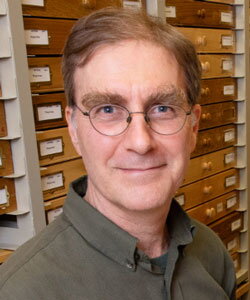
Alan Ashworth is President of the Helen Diller Family Comprehensive Cancer Center at the University of California, San Francisco (UCSF) and Senior Vice President for Clinical Services at UCSF Health. He is a leading figure in cancer genetics and translational research, renowned for his pivotal role in discovering the BRCA2 gene and pioneering the concept of synthetic lethality that led to the development of PARP inhibitors—a transformative therapy now FDA-approved for multiple cancers. University: University of California, San Francisco School: Helen Diller Family Comprehensive Cancer Center Academic Rank: Professor His research focuses on exploiting genetic vulnerabilities in cancer, particularly defects in DNA repair pathways, with the goal of developing novel targeted therapies. His work bridges molecular biology, pharmacology, and clinical oncology, and has been recognized as one of the top 20 discoveries in cancer in the 21st century by Nature . The recent publications highlight a strong trajectory in targeted cancer therapy, synthetic lethality, DNA repair mechanisms, cancer immunology, and even antiviral drug discovery. Themes include PARP inhibition, protein engineering, immune modulation in prostate cancer, and viral pathogenesis, reflecting a highly interdisciplinary and innovative research program with significant clinical translation. Scientific Awards and Honors: ESMO Lifetime Achievement Award Basser Global Prize Genetics Society Medal Fellow of the Royal Society Fellow of EMBO Fellow of the Academy of Medical Sciences ASCO 2023 Science of Oncology Award Drexel Prize in Cancer Biology Emerson Collective Cancer Research Award Dr. Ashworth has served as Principal Investigator on major NIH-funded grants, including a Cancer Center Support Grant and an R01 on DNA repair in prostate cancer. His leadership extends to strategic initiatives in global oncology and cancer research policy. While specific advisees are not listed, his extensive collaborative publication record indicates a significant mentoring role in training the next generation of cancer scientists. He leads a dynamic research team engaged in both basic and translational projects, with strong ties to clinical trials and drug development.