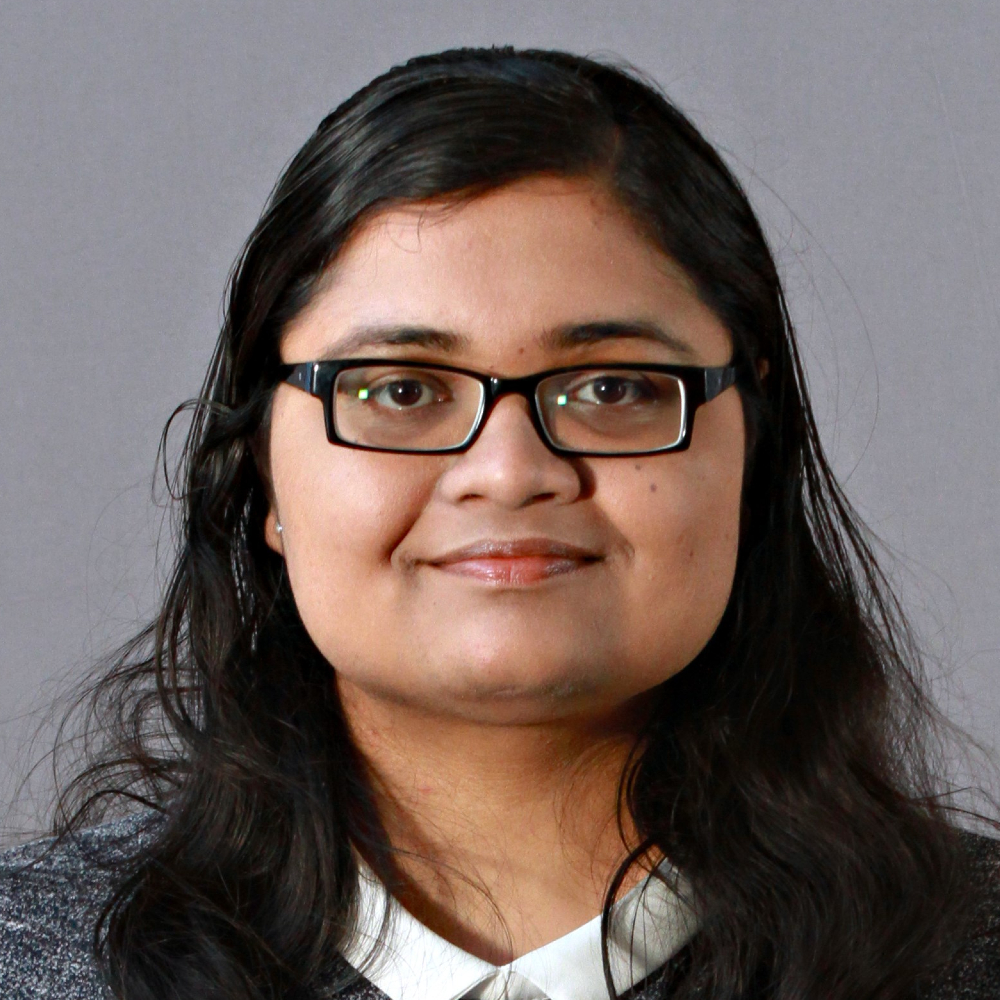
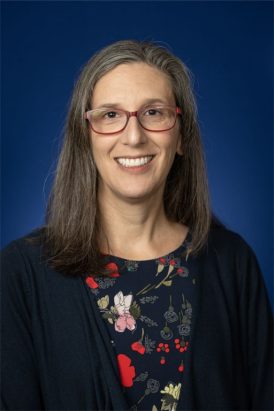
Dr. Debashree De is a Lecturer in Supply Chain Management at the Essex Business School, University of Essex, specializing in the Strategy, Operations and Entrepreneurship department. Based at Southend Campus, she focuses on sustainability-driven solutions for manufacturing and food supply chains, with active research in digital transformation and resilience. Her research centers on green supply chain management, low-carbon strategies, and circular economy adoption in SMEs. Key projects examine digital technologies in fresh food supply chains during pandemics, food-bank resilience amid cost-of-living crises, and sustainable farming practices in India and Togo. She actively collaborates with SMEs and farming communities to develop practical sustainability frameworks. Recent publications (2020-2025) reveal strong thematic focus on SME sustainability performance, circular economy implementation, and food supply chain resilience. Her work consistently integrates lean management principles with sustainability innovation, emphasizing empirical validation through European and Indian case studies. Digital transformation emerges as a critical enabler for supply chain resilience across multiple sectors. Scientific recognition includes: Fellow of the Higher Education Academy She supervises PhD candidates Oluwole Olabode (Business Administration) and Puttiporn Legkhow (Management Studies). Current funded projects address food supply chain resilience during pandemics, regenerative agriculture in Togo's cotton farming, and sustainable plastic reduction in Colchester. Her grant portfolio includes British Academy, University of Essex, and ESRC IAA funding.
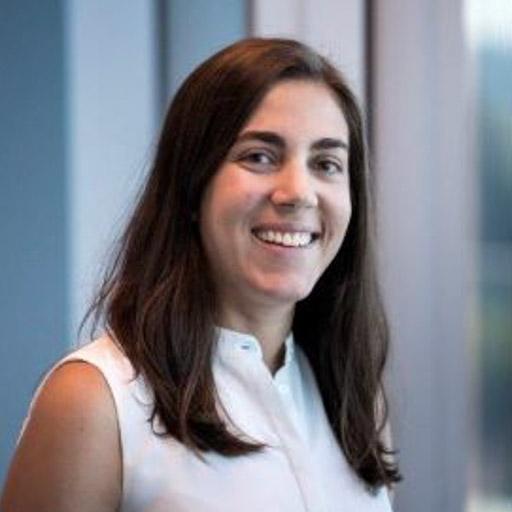
Rebecca Dziedzic is an Assistant Professor in the Department of Building, Civil, and Environmental Engineering at Concordia University. Her research focuses on asset management, water system sustainability, and infrastructure resilience. She holds a PhD in Civil and Environmental Engineering from the University of Toronto. Dr. Dziedzic's work integrates machine learning, data science, and policy analysis to address challenges in urban infrastructure systems. Her research explores topics such as water distribution network optimization, climate change adaptation in infrastructure, and circular economy strategies for construction. Recent projects include predicting water main breaks using multivariate models, developing frameworks for energy-efficient pump operation, and assessing carbon footprints in industrial facilities. Dr. Dziedzic supervises graduate students in Civil Engineering (MASc/PhD) and maintains an active research group through the UrbanLinks initiative. Her work has been published in over 30 peer-reviewed articles, with a strong focus on smart city technologies, disaster risk reduction, and sustainable infrastructure design.
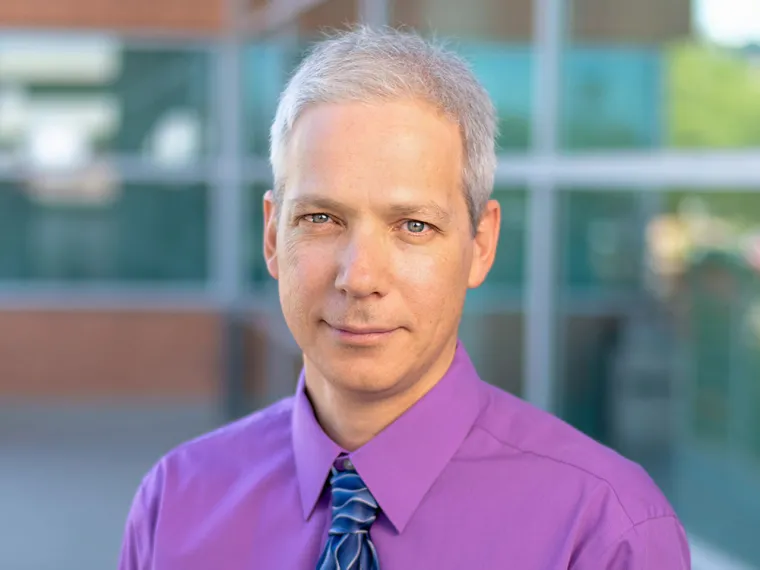
Dr. Braden E. Norris is an Assistant Professor in the Department of Kinesiology at Sam Houston State University (SHSU), College of Health Sciences. He holds a Ph.D. (2024), M.S. (2020), and B.S. (2018) in Kinesiology from Indiana University-Bloomington, with a focus on Sport Management. His research explores sports gambling, collegiate student-athletes, and governance, with notable work on pandemic impacts and fan behavior. Education: Ph.D. in Kinesiology, Indiana University-Bloomington (2024) M.S. in Athletic Administration, Indiana University-Bloomington (2020) B.S. in Sport Marketing & Management, Indiana University-Bloomington (2018) Research Interests: Sports Gambling Behavior & Prevention Collegiate Student-Athlete Welfare Sport Marketing & Governance Technology in Sports Communication Pandemic Response in Athletics Publications Trends: Dr. Norris focuses on gambling behavior analysis, pandemic adaptations in athletics, and digital media strategies. His work bridges psychological theories with practical governance, emphasizing student-athlete welfare and industry ethics. Grants & Awards: No awards explicitly listed in provided materials. Advising & Labs: No advising students or lab affiliations mentioned. Research likely centers on independent or collaborative projects.
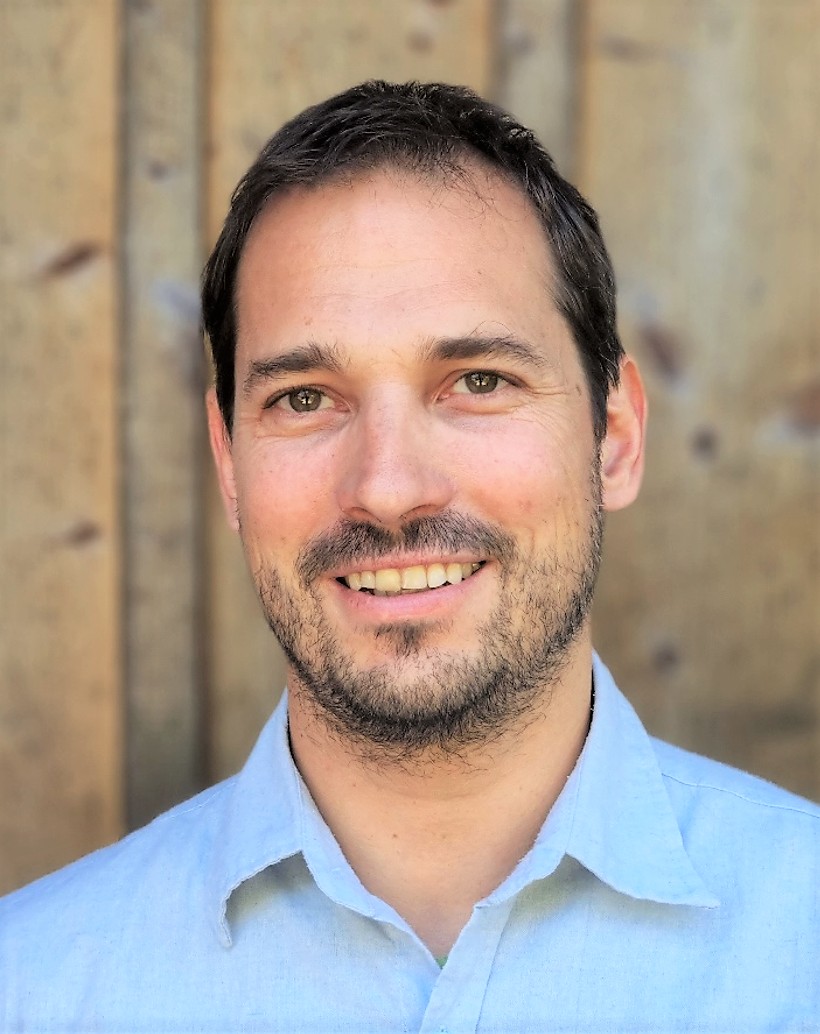
Eyran Gisches is a Senior Lecturer in Management Information Systems at the Eller College of Management , University of Arizona, and serves as Manager of the Organizational Behavior Laboratory. He joined the college in 2010 after completing his PhD at the University of Arizona. PhD in Management Information Systems, University of Arizona Focus on behavioral aspects of game theory, operations management, and network decision-making Teaches foundational and advanced Operations Management courses His research integrates behavioral game theory and network dynamics to study phenomena like social dilemmas in ridesharing, coordination failures in networks, and dynamic pricing under capacity constraints. Publications highlight empirical and theoretical explorations of interactive decisions in complex systems. Recent work emphasizes behavioral operations management , examining how individuals and groups navigate stochastic environments, resource allocation, and strategic pricing. Collaborations with scholars like Rapoport and Mak span topics in revenue management and experimental economics . Teaching Innovation Award (2017) Course Improvement Award (2014) James F. LaSalle Award (2008) As Manager of the Organizational Behavior Laboratory, Gisches contributes to experimental research infrastructure and methodology. His work bridges theoretical game models with real-world applications in transportation and market dynamics.
Terence O'Neill serves as Professor and Director of the Centre for Data Analytics at Bond University. He established the University Centre in Actuarial and Financial Big Data Analytics to position Bond University as a significant player in the Big Data and Analytics research space. His research interests span applied statistics, big data, economic models, forecasting, and finance. He has published widely in Statistics, Applied Mathematics, Biostatistics, Bioinformatics and Finance, producing over 80 articles with at least 20% in A* ranked journals. His interdisciplinary work uniquely bridges financial analytics with biomedical research, particularly in spleen biology and hematopoiesis. Analysis of his recent publications reveals a strong focus on financial wellbeing among elderly Australians, housing tenure impacts, and financial literacy. His work demonstrates methodological rigor in statistical modeling applied across diverse domains from retirement planning to cellular biology. Professor O'Neill has secured substantial research funding, including ten large Australian Research Council grants totaling $2.99 million, with nine since 2003. He served as lead Chief Investigator on five of these projects and collaborated on seven other externally funded grants. His current research projects include an ARC Linkage Grant on retirement savings drawdown ($267,230), a Discovery Grant on climate change investigations ($300,000), a study of Australian Government securities market ($430,000), and research on political connections ($210,000). His future research interests will focus on data analytics/big data, both theory and application.
Abi Gilmore is a Professor of Arts Management, Politics, and Cultural Practices at the University of Manchester's School of Arts, Languages and Cultures (ICP). She holds a part-time secondment as UKRI Policy Fellow at the Department for Culture, Media & Sport. Her work focuses on cultural policy, creative industries, and the role of public spaces like parks in local governance. Gilmore has led interdisciplinary projects such as the AHRC Connected Communities initiative and the UKRI-funded study on pandemic impacts on cultural sectors. She contributes to policy networks including Policy@Manchester and the Manchester Urban Institute, and advises organizations like Creative Addo. Her academic leadership includes founding the MA Arts Management program and co-developing the PhD by Professional Practice in Arts and Cultural Management. Educated at the University of Leicester (BSc Sociology, 1995; DSc Cultural Policy, 2000), Gilmore has held roles in both academia and cultural sector governance, including directing the Northwest Culture Observatory. Her research emphasizes participatory methods, policy evaluation, and the foundational role of cultural infrastructure. She serves on boards for arts organizations such as Brighter Sound and Macclesfield Barnaby Festival, and has extensive international collaborations with institutions in Melbourne and Toronto. Key research outputs include monographs on public parks as cultural policy sites (2024) and edited volumes analyzing pandemic impacts (2022). Her work intersects with UN SDGs related to education, sustainable cities, and responsible consumption. Recent projects explore cultural recovery post-pandemic, devolved governance models, and the political economy of creative ecosystems.
Associate Professor Diana Young is an academic, curator, educator, and designer at The University of Queensland (UQ), affiliated with the School of Social Science. Her research bridges cultural anthropology, material and visual culture, and museum studies, with a focus on Indigenous Australian art, museum practices, and the role of color in social life. She holds a Master's and PhD from University College London. Her work includes curating exhibitions such as the 50th anniversary of Ernabella Arts and leading the UQ Anthropology Museum’s transformation into a public institution. She directed the Master of Museum Studies program and raised over AUS$1.1 million for museum initiatives. Her research explores color as material and cultural substance, Australian Indigenous art markets, and digital heritage. Recent articles highlight her focus on Indigenous land management (e.g., Water as Country), museum curation practices, and material culture studies. She collaborates with institutions like QAGOMA on learning-focused courses and has authored/co-authored numerous books and chapters, including Solomon Islands: Re-Enchantment and the Colonial Shadow (2017).
Dr. Laura Parfrey is an Associate Professor in the Departments of Botany and Zoology at the University of British Columbia (UBC), Faculty of Science. She is affiliated with the Biodiversity Research Centre, where her research focuses on microbial ecology of eukaryotic microbes (protists) and their interactions with bacteria in marine and mammalian ecosystems. Her research spans two primary areas: (1) the gut microbiome of mammals, investigating the consequences of microbial diversity loss and (2) coastal ecosystems in British Columbia, studying microbial colonization of marine hosts (e.g., invertebrates, seaweed) and their impact on host and ecosystem health. The Parfrey Lab employs experimental and descriptive approaches to understand microbial community dynamics under environmental stressors like salinity changes and anthropogenic impacts. Key research trends in her articles include microbial responses to abiotic stress, disease dynamics in kelp/seagrass, and the interplay between prenatal alcohol exposure and immune/gut microbiota changes. Her work bridges marine and terrestrial microbiology, emphasizing ecological and evolutionary processes. Dr. Parfrey’s lab actively collaborates on projects such as the AFRIBIOTA initiative, addressing gut microbiome and health outcomes in African populations. While no awards are explicitly listed, her contributions to microbial diversity research are recognized through high-profile collaborations and publications. Advising and grants: No formal student advisees are listed, but the lab participates in training programs via the Biodiversity Research Centre. Grant details are not provided in the text. Labs/teams: The Parfrey Lab is based in the Department of Botany, UBC, and contributes to interdisciplinary projects at the Biodiversity Research Centre.
Dr. Sara Beck is an Assistant Professor in the Department of Civil Engineering at the University of British Columbia. She leads the Beck Lab, focusing on water disinfection, UV LED technology, and environmental microbiology to address global water challenges. Her work bridges fundamental science and engineering applications, emphasizing sustainable solutions for public health and water quality. Education: Ph.D. in Environmental Engineering (2015, University of Colorado Boulder), M.S. in Environmental Engineering (Georgia Tech), B.S./B.A. in Aerospace Engineering/Studio Art (CU Boulder). Prior to academia, she worked as a NASA flight controller supporting Space Shuttle and ISS programs. Research Interests: UV disinfection mechanisms, water reuse, applied environmental microbiology, decentralized systems, and microplastic degradation. Key projects include UV LED applications for point-of-use disinfection, biofilm dynamics in filtration systems, and fecal contamination impacts on child health in low-resource settings. Awards: AEESP Outstanding Dissertation (2016), NSERC Discovery Accelerator (2021), Fulbright Scholar (2015), NASA Astronaut Finalist (2017). Lab members include PhD candidates Patrick Mirindi and Thusitha Rathnayake, and collaborators across global institutions. Grants: NSERC funding for UV LED research, WHO collaborations on surface disinfection protocols. Active research spans microbial communities in membranes, viral load quantification, and optimizing BWRO energy efficiency. Labs/Teams: Beck Lab @ UBC collaborates with interdisciplinary experts in engineering, microbiology, and policy to advance water treatment solutions. Current projects address microplastic prevalence in BC freshwater and surface disinfection standardization for healthcare settings.
Eunyoung Myung is a Postdoctoral Associate at the Action Research Collaborative (ARC) within Cornell University’s Department of Communication. Her research focuses on the intersection of media use, health information seeking, and health equity, particularly exploring how individual and societal factors influence health behaviors. She holds a Ph.D. in Mass Communication from the University of Wisconsin-Madison, an M.A. from the University of Pennsylvania, and a B.S. in Multimedia Journalism from the University of Texas at Austin. Her work emphasizes participatory action research to address health disparities, such as food insecurity in New York through ARC’s Evaluation Unit. Collaborating with faculty in CALS and CHE, she investigates interventions to bridge health equity gaps. Previously, she taught as a Teaching Assistant for ‘Introduction to Mass Communication’ at UW-Madison. Myung’s research highlights media’s role in shaping health outcomes, advocating for practical solutions to improve societal well-being. She aims to expand interdisciplinary approaches to combat health inequities through community engagement and policy-driven interventions.
Stephan Pfister is a Professor at ETH Zurich in the Department of of Civil, Environmental and Geomatic Engineering, where he leads research in the Ecological Systems Design group. His office is located at HIF D 85.2, Laura-Hezner-Weg 7, 8093 Zürich, Switzerland. Professor Pfister teaches multiple courses including Introduction into Environmental Engineering, Advanced Environmental Assessments, and Computer Laboratory courses for the Autumn Semester 2025. Dr. Pfister received his PhD from ETH Zurich in 2011 with a dissertation on 'Environmental evaluation of freshwater consumption within the framework of life cycle assessment.' Following his doctoral studies, he completed a one-year post-doctoral position at UC Santa Barbara in 2011. His academic journey has resulted in over 100 original research publications spanning more than a decade of scholarly contributions. Professor Pfister's research is highly interdisciplinary, focusing on methodological advancements in the impact assessment of water consumption, land use, and biodiversity loss within Life Cycle Assessment (LCA) and Multi-Regional Input-Output Analysis (MRIO). His work spans multiple sectors including agriculture and forestry, material extraction and processing, and power production. He has notably advanced water footprint concepts, including future scenario analyses and assessment of international trade implications. His research integrates environmental science with practical applications for sustainable resource management, addressing critical global challenges related to freshwater scarcity and ecosystem preservation. Analysis of Professor Pfister's recent publication record (2024-2025) reveals a strong trend toward integrated environmental assessment methodologies, particularly at the intersection of water resources, climate change, and sustainable systems design. His work increasingly addresses complex supply chain analyses, with growing emphasis on policy-relevant applications in sustainable food systems, urban mobility, and resource extraction. The methodological focus remains firmly rooted in Life Cycle Assessment while expanding into complementary frameworks like Water Footprint Assessment, demonstrating his leadership in advancing environmental assessment science. Professor Pfister's research has been supported by various funding mechanisms including the Swiss National Science Foundation (SNF) project 'Minimizing Energy Input, Exergy Loss and Environmental Impacts of Greenhouse Systems in Iran and Switzerland Exploiting Industrial Symbiosis Opportunities' (Grant No. 192875). His interdisciplinary approach has fostered collaborations across multiple institutions and research groups, contributing to the advancement of environmental assessment methodologies globally. The Ecological Systems Design group at ETH Zurich, led by Professor Pfister, serves as a hub for innovative research at the intersection of environmental science, engineering, and policy. The group maintains strong connections with international research networks focused on sustainability assessment, contributing to methodological standardization efforts and practical applications of environmental assessment tools in industry and policy contexts.
Michael J. Boskin is the Tully M. Friedman Professor of Economics at Stanford University and Senior Fellow at both the Hoover Institution and the Stanford Institute for Economic Policy Research (SIEPR). He is also a Research Associate at the National Bureau of Economic Research. His distinguished career includes serving as Chairman of the President's Council of Economic Advisers from 1989 to 1993, where his leadership was rated among the five most respected federal agencies by the Council for Excellence in Government. He chaired the influential Commission on the Consumer Price Index, transforming how government agencies worldwide measure inflation, GDP, and productivity. Dr. Boskin received his B.A. with highest honors and the Chancellor's Award as outstanding undergraduate in 1967 from the University of California at Berkeley, where he also earned his M.A. in 1968 and Ph.D. in Economics in 1971. His academic appointments at Stanford span from Assistant Professor (1971-1975) to his current position as Professor, with additional teaching experience at Harvard and Yale. Internationally recognized for his research, Dr. Boskin specializes in world economic growth, tax and budget theory and policy, Social Security systems, U.S. saving and consumption patterns, and the implications of changing technology and demography on capital, labor, and product markets. His work bridges theoretical economics with practical policy applications, particularly in the areas of inflation measurement and economic statistics. His chairmanship of the Commission on the Consumer Price Index led to transformative changes in how government statistical agencies worldwide measure inflation, GDP, and productivity. Dr. Boskin's scholarly output shows consistent focus on economic measurement, fiscal policy, and international economic relations. His recent publications demonstrate particular expertise in consumer price index methodology, US-China economic relations, and fiscal policy for economic growth. The trajectory of his research reveals an evolution from foundational work on tax policy and Social Security to broader analyses of global economic systems and measurement challenges. Dr. Boskin has received numerous prestigious awards throughout his career: Stanford's Distinguished Teaching Award (1988) National Association of Business Economists' Abramson Award for outstanding research (1987) Medal of the President of the Italian Republic (1991) for contributions to global economic understanding Adam Smith Prize (1998) for outstanding contributions to economics Department Citation & Chancellor's Award for Outstanding Undergraduate Thesis (1967) Public Servant of the Year Award from the University of California Alumni Association (1990) As an advisor to governments and businesses globally, Dr. Boskin serves on several corporate and philanthropic boards of directors. His extensive public service includes membership on the Governor's Council of Economic Advisors, Advisory Board of the U.S. Department of Commerce, Commission on the 21st Century Economy, and multiple advisory panels for the Congressional Budget Office. He has advised numerous government bodies including the Joint Committee on Taxation, Senate Finance Committee, and U.S. Department of the Treasury. Dr. Boskin is currently Master's Program Advisor to Matthew Fenlon and teaches courses including Introduction to Financial Decision-Making (ECON 43) and Public Economics and Environmental Economics Seminar (ECON 341). Dr. Boskin's influence extends through his leadership roles at Stanford's Center for Economic Policy Research (which he directed from 1981-1988) and his ongoing affiliation with the Hoover Institution. His work with the International Atlantic Economic Society, where he served as President from 2005-2006, demonstrates his commitment to fostering global economic dialogue. His research collaborations, particularly with colleagues like Lawrence J. Lau, have produced influential analyses of comparative economic performance among major industrialized nations.
Professor Sonya Dal Cin is a Professor of Communication and Media and Professor of Psychology (by courtesy) at the University of Michigan, holding a joint appointment in the Research Center for Group Dynamics at the Institute for Social Research. She serves as Associate Chair for Graduate Studies in the Department of Communication and Media. Her work integrates social-cognitive research with communication science to study how media experiences shape thought, emotion, and behavior, particularly focusing on narrative engagement, identification with characters, and health-related outcomes. Dal Cin’s research spans health communication, stereotyping, adolescent development, and aging, with a focus on media’s role in societal and individual well-being. Education: Earned a B.A. (Hons.) from Queen’s University (Canada) and a Ph.D. in Psychology from the University of Waterloo, supported by a Canada Graduate Scholarship from CIHR. Postdoctoral training at the Norris Cotton Cancer Center (now Dartmouth Cancer Center) preceded her tenure at Michigan. Research Interests: Media’s impact on health behaviors and decision-making Narrative persuasion and story-based belief change Adolescent media consumption and development Entertainment media’s role in reinforcing/stereotypes Older adults’ media engagement patterns Advising & Grants: Currently prioritizing advising commitments beyond primary supervision for Fall 2025 applicants. Active in lab mentorship through the MAPiEL (Media And Psychology in Everyday Life) Lab, focusing on collaborative projects in media psychology. Labs/Teams: Director of the MAPiEL Lab, exploring interdisciplinary questions at the intersection of media, psychology, and societal issues.
Drew Cingel is an Associate Professor and Graduate Advisor in the Department of Communication at the University of California, Davis. His research focuses on the interplay between human development—particularly child and adolescent development—and media effects, with an emphasis on understanding how developmental stages influence media choices and how media exposure impacts development. He regularly consults with media companies and policymakers to design media that supports healthy child and adolescent development. Education: Ph.D., Media, Technology, and Society, Northwestern University, 2016 M.A., Communication, Wake Forest University, 2012 B.A. (two degrees), Media Effects and Psychology, Pennsylvania State University, 2010 Research Interests: Effects of social media on adolescent mental health Children’s learning from media (e.g., television, tablets) Moral reasoning development through media exposure Parental mediation strategies for media use His work bridges experimental and survey methodologies, often addressing societal concerns about digital media’s role in youth development. Publications & Trends: Recent articles explore personalized social media algorithms’ impact on minors, cross-cultural comparisons of media use during the pandemic, and the validation of moral intuition measurement tools. His research consistently highlights the dual-edged nature of media: while media can foster learning and moral development, it also poses risks like mental health challenges and social comparison effects. Teaching & Advising: Teaches CMN 147 (Children, Adolescents, and the Media) and CMN 141 (Media Effects). As Graduate Advisor, he mentors students in communication studies and supports academic programs. Labs & Teams: Affiliated with UC Davis’ Media Labs, which investigates digital media’s societal impacts. Collaborates with the Human Development Graduate Group to integrate interdisciplinary perspectives.
Mywish Maredia is a fixed-term Professor of Development Economics at Michigan State University's Department of Agricultural, Food, and Resource Economics. She serves as Interim Co-Director of the Food Security Group and leads the Feed the Future Innovation Lab for Food Security Policy. Her research focuses on agricultural R&D impacts, technology adoption, seed systems, and nutrition policies in Africa, Asia, and Latin America. She holds a Ph.D. from Michigan State University and has over 20 years of experience with international organizations like USAID, CGIAR, and the World Bank. Education: Ph.D. (1993) and M.A./B.A. (1984-1986) in Economics from University of Bombay and Michigan State University Research Interests: Impact evaluation methodologies, agrifood system transformations, and policies promoting nutrition and poverty reduction. She has pioneered innovative approaches like DNA fingerprinting for crop variety tracking and ICT-based agro-advisory systems. Key Achievements: Over $94 million in grants secured, 40+ peer-reviewed publications, and recognition through awards like the Outstanding Dissertation Award (1994). Her work bridges academic rigor with practical policy advice, influencing agricultural strategies in over 30 countries. Scientific Awards: J-PAL Invited Researcher (2023), Ralph H. Smuckler Award (2021), Meritorious Achievement Award (2017) Mentoring: Currently advises 9 Ph.D. students and collaborates with researchers globally. Leads initiatives like the Myanmar Agriculture Policy Support Activity and Thailand Regional Agriculture Innovation Network. Labs/Teams: Director of the Food Security Policy Innovation Lab, co-leader of CGIAR's Policy Research Cluster, and affiliate of the MSU Center for Global Change and Earth Observations.