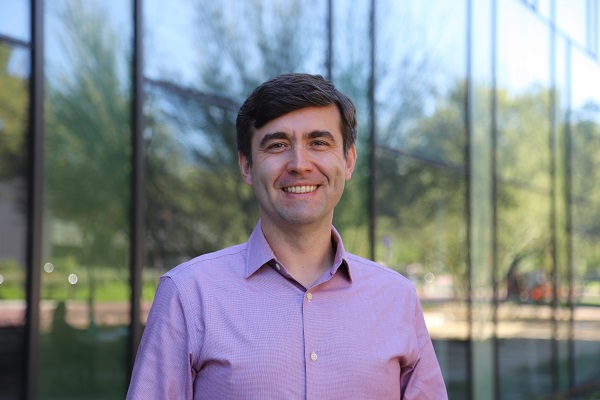
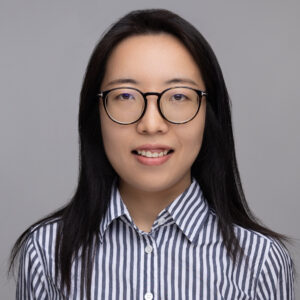
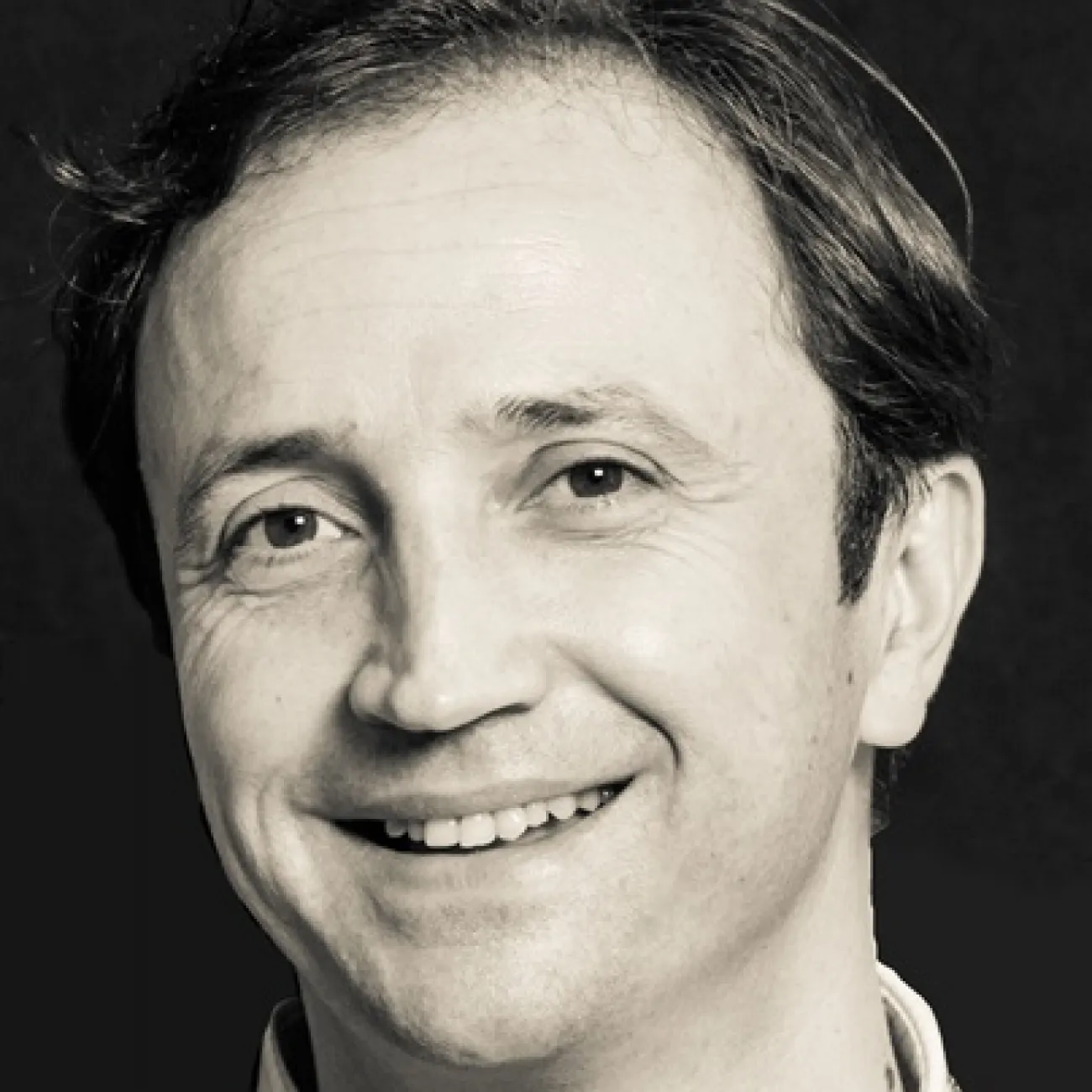
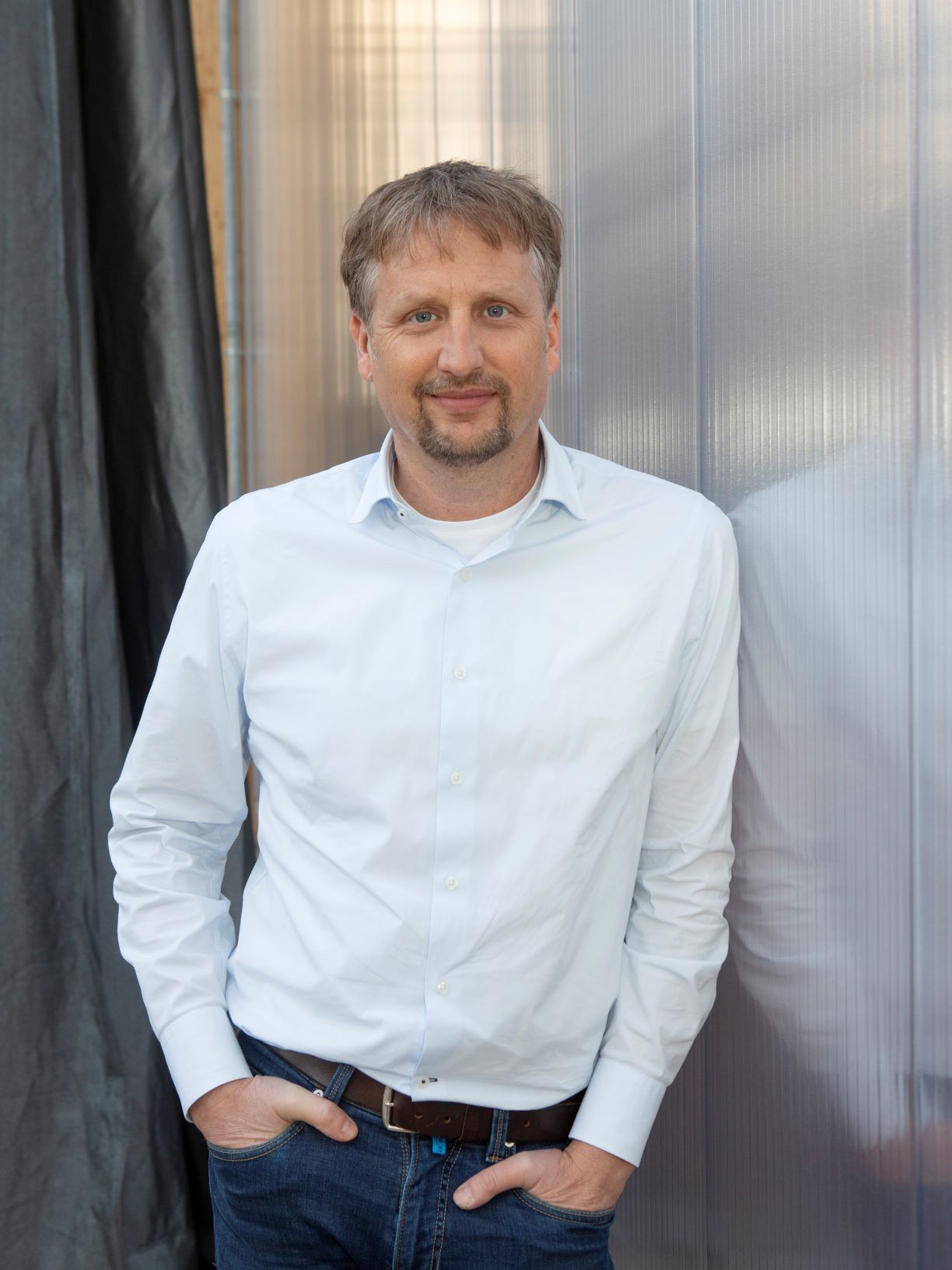
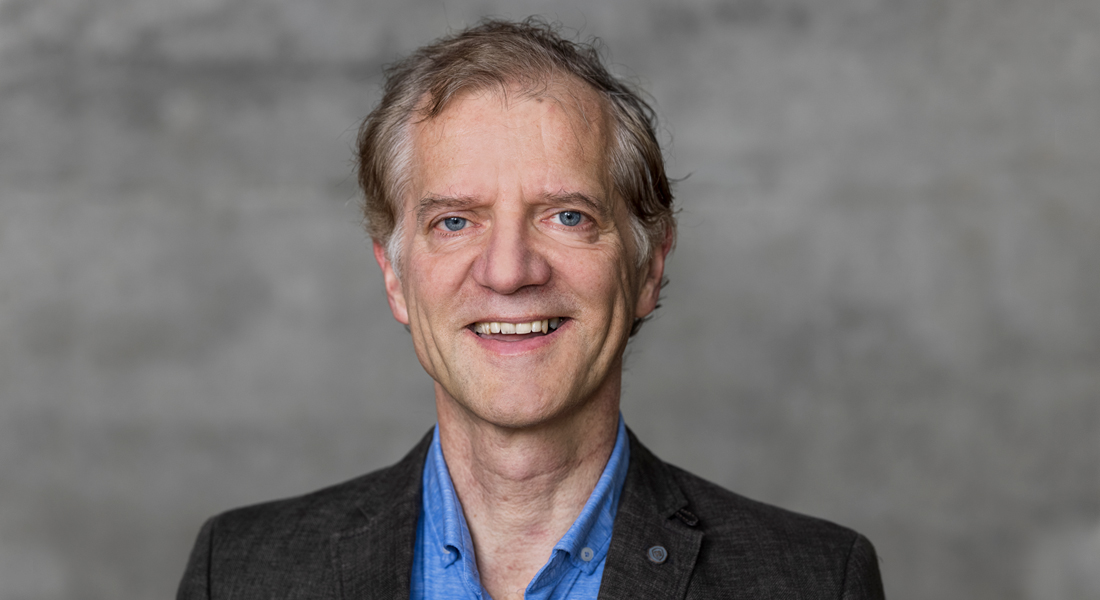
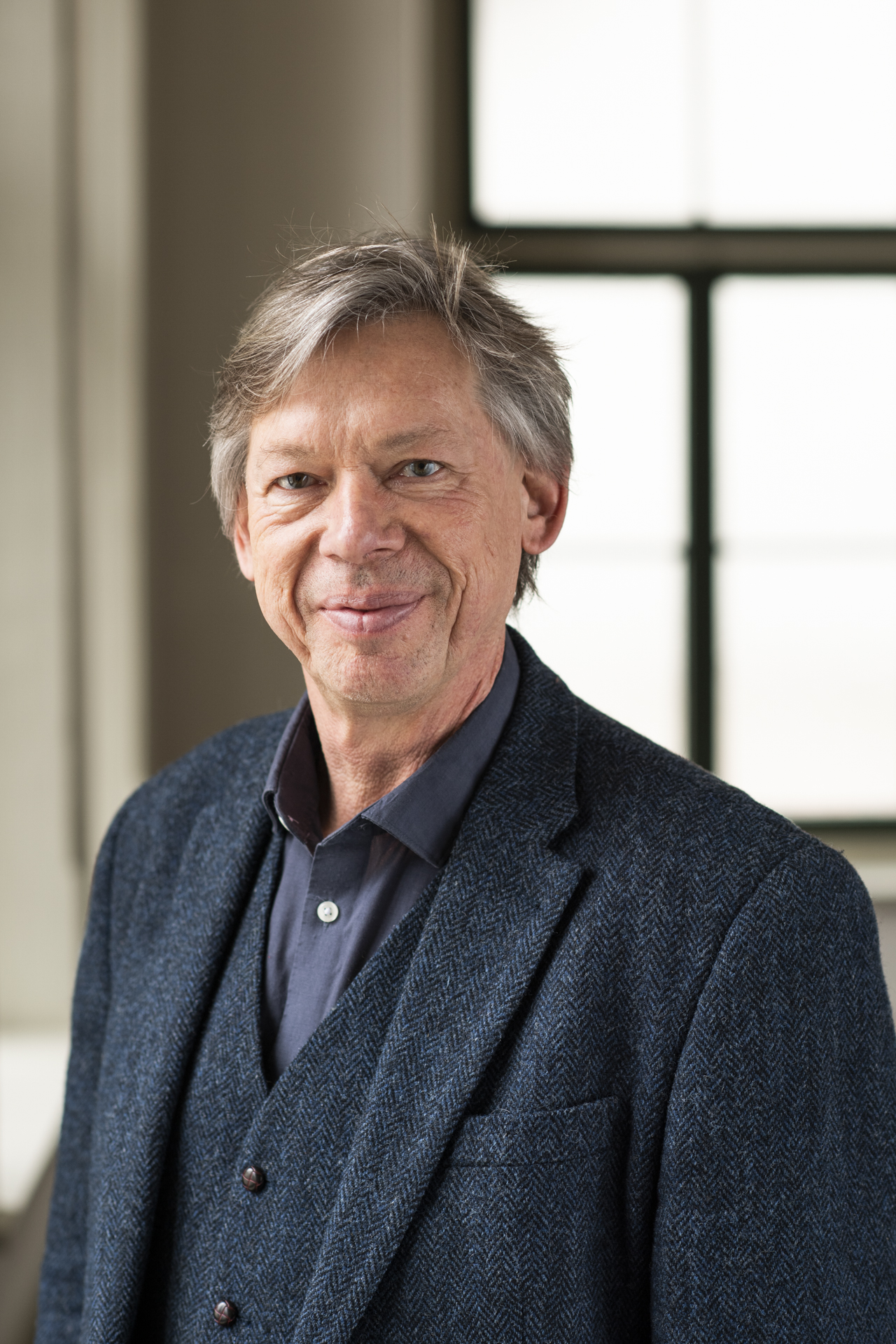
Dr. Jennifer Cearns is an Associate Professor in AI at the University of Manchester and a Visiting Professor at KU Leuven . Previously, she held roles as an ESRC Postdoctoral Fellow and Lecturer in Digital Anthropology at University College London , an Associate Postdoctoral Fellow at the Alan Turing Institute , and a Leach Fellow in Public Anthropology at the Royal Anthropological Institute . Her work bridges digital anthropology and AI , focusing on culturally-constructed empathy and the reproduction of norms in algorithmic systems. PhD in Anthropology (University College London, 2016-2020) Languages : English, Portuguese, Spanish (Latin American) Her research spans Artificial Intelligence , Algorithms , and Data Practices , with ethnographic fieldwork in Brazil, Cuba, the US, Guyana, Panama, Mexico, Spain, and the UK. Current projects explore the ethics of AI in mental healthcare, transnational digital networks , and contraband economies in Latin America. Recent publications analyze cultural norms in AI , transnational exchange , and digital piracy , with a focus on Latin America. Her 2023 monograph Circulating Culture (University Press of Florida) examines postsocialist networks and contraband economies. Nominated for Association of Latina and Latino Anthropologists First Book Prize Nominated for Society for Latin American & Caribbean Anthropology Book Prize Finalist, BBC New Generation Thinker Award She collaborates with institutions like UCL's Centre for Digital Anthropology and KU Leuven, and has advised the technology industry for over a decade. Her ORCID identifier is 0000-0001-6498-1766.
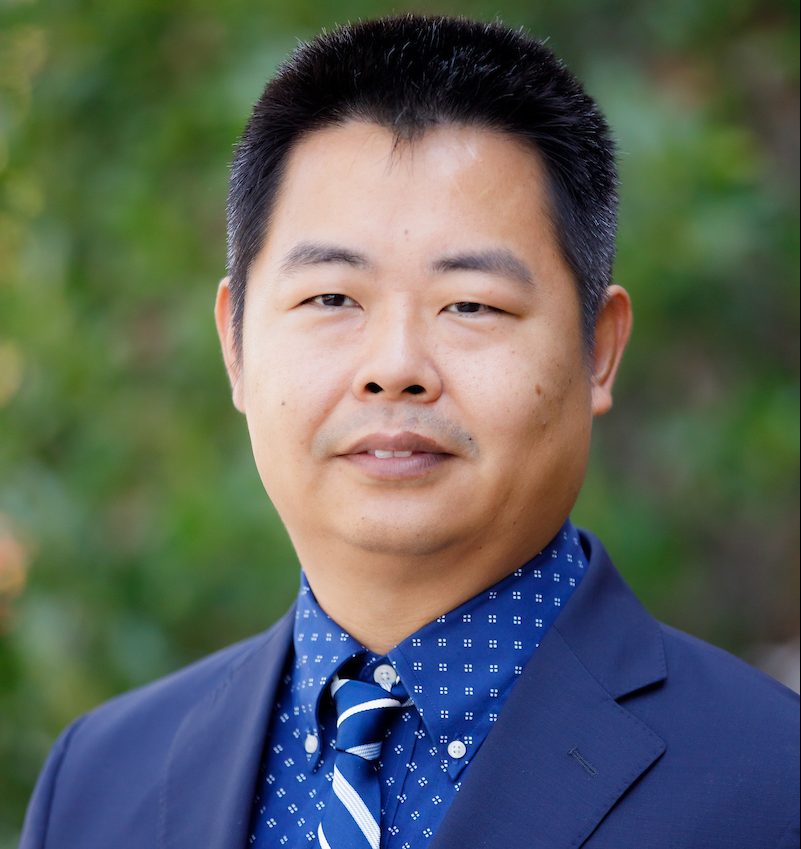
Dr. Konstantin (Kostia) M. Zuev serves as Teaching Professor in the Computing + Mathematical Sciences Department at California Institute of Technology , where he has made significant contributions to network science and computational statistics since 2016. His dual PhDs in Mathematics (Moscow State University, 2008) and Civil Engineering (HKUST, 2009) underpin his interdisciplinary research spanning differential geometry, stochastic simulation, and network dynamics. Education PhD in Mathematics, Lomonosov Moscow State University (2008) PhD in Civil Engineering, Hong Kong University of Science & Technology (2009) His research focuses on network science , particularly course-prerequisite networks and complex financial systems , with recent work extending to network navigability in cosmological models and rare event simulation. Over his career, he has developed innovative Bayesian inference methods and geometric preferential attachment theories while maintaining active collaborations across mathematics, physics, and biomedical domains. Recent publications highlight network analysis in education ( 2023 ), hyperbolic graph theory ( 2024 ), and pandemic-informed cancer mortality studies ( 2023 ). His 15 most recent articles demonstrate methodological innovations across disciplines including statistics, physics, finance, and cosmology. Scientific recognition includes Humboldt Research Fellowship (2021) Carver Mead Seed Fund Grant (2023) ASCIT Teaching Award (2018, 2023) Northrop Grumman Teaching Excellence Prize (2019) As Graduate Option Representative for Information and Data Sciences at Caltech and faculty advisor for multiple student organizations including the Caltech Karate Club and Caltech Chess Club , he actively bridges academic rigor with community engagement through outreach initiatives like the virtual math education channel and university math circles for K-12 students.
Edgar Troudt, Ph.D., is the Assistant Dean for Research and Strategic Partnerships at Long Island University Brooklyn, where he serves on the entrepreneurship faculty. His work focuses on integrating entrepreneurship concepts into STEM fields through programs like the CUNY Community College Innovation Challenge and the Brooklyn Science Innovation Initiative. Doctor of Philosophy (Computer Science), CUNY Graduate Center Master of Philosophy (Computer Science), CUNY Graduate Center Master of Arts (Computer Information Systems), CUNY Brooklyn College Dr. Troudt’s research explores the intersection of STEM and entrepreneurship education, emphasizing virtual enterprise models, innovation in community colleges, and technology-driven curriculum development. His recent publications highlight strategies for embedding business skills into technical education. Scientific awards include the 2015 Homer Saunder’s Outstanding Paper Award, the 2011 CUNY Michael Ribaudo Award for technology innovation, and the 2008 Best of New York Award for creative technology applications. He has also received recognition for teaching excellence and NSF grant leadership.
Lauren M.E. Goodlad is a Professor of English and Comparative Literature at Rutgers University, serving as Chair of Critical AI @ Rutgers and Editor of the journal Critical AI . She holds affiliations with the Center for Cultural Analysis (CCA), Rutgers British Studies Center, and Rutgers Center for Cognitive Science. Her research bridges 19th-century studies and critical AI, emphasizing 'critical AI literacies' and ethical AI development. Goodlad has held roles like Associate Chair of English and membership in Rutgers' AI Advisory Council and CASS (Cyberinfrastructure for Science, Engineering & Society). Her education includes a BSILR from Cornell University, MA in English from NYU, and PhD in English from Columbia University. Notable grants include NEH funding for global AI workshops ('Unboxing AI'), an NSF planning grant on teaching writing with AI, and an upcoming Global Humanities Institute on Design Justice AI. Research interests span Victorian literature, genre theory, television studies, and AI's sociocultural impacts. Awards include University of Illinois' Kathryn Paul Professorial Scholar and Provost Fellow for Undergraduate Education. Current projects include a book on 19th-century fiction's ontological influence and collaborations on AI ethics frameworks. Publications include The Victorian Geopolitical Aesthetic (Oxford, 2015), co-edited special issues on Mad Men and Victorian Internationalisms , and recent critical AI essays in Critical AI and New Literary History . She advocates for AI development aligned with public interest through pedagogical innovation and interdisciplinary collaboration.
Tian Li is an Assistant Professor of Computer Science at the University of Chicago. She holds a Ph.D. in Computer Science from Carnegie Mellon University and undergraduate degrees in Computer Science and Economics from Peking University. Her research focuses on distributed optimization, federated learning, and trustworthy machine learning, emphasizing algorithm design that addresses accuracy, scalability, and privacy concerns in practical systems. Key areas of expertise include federated learning systems, privacy-preserving technologies, and scalable distributed algorithms. She has contributed to foundational work on tilted empirical risk minimization and decentralized knowledge propagation. Notable achievements include winning the Best Paper Award at the ICLR Workshop on Secure Machine Learning Systems and First Place in the U.S. Privacy-Enhancing Technologies Pandemic Challenge (2023). Her academic trajectory includes recognition as a Rising Star in Machine Learning/Data Science and participation in prestigious workshops like the EECS Rising Stars Program. Her work bridges theoretical advancements with practical applications, aiming to enhance both the robustness and accessibility of machine learning systems.
Paul D. Asimow is the Eleanor and John R. McMillan Professor of Geology and Geochemistry at the California Institute of Technology (Caltech), part of the Division of Geological and Planetary Sciences. He holds a B.A. from Harvard University (1991), an M.S. (1993), and a Ph.D. (1997) from Caltech. His career progression includes roles as Assistant Professor (1999–2005), Associate Professor (2005–2010), and Professor (2010–present), with the McMillan Professorship since 2016. Education: A.B. in Geology, Harvard University, 1991 M.S. in Geology, Caltech, 1993 Ph.D. in Geology, Caltech, 1997 Research Interests: Focuses on computational, experimental, and observational approaches to igneous petrology and mineral physics. Key areas include adiabatic mantle melting, water's role in mantle dynamics, high-pressure mineral physics, and processes at mid-ocean ridges. His research utilizes advanced facilities like the Lindhurst Laboratory of Experimental Geophysics and the alphaMELTS software package for thermodynamic modeling. Articles Overview: Recent work spans planetary crust formation, Martian petrogenesis, and high-pressure mineral behavior. Themes include experimental techniques, computational modeling, and cosmochemical studies of meteorites. Awards and Honors: James B. Macelwane Medal (AGU) Frank Wigglesworth Clarke Medal (Geochemical Society) Richard P. Feynman Prize for Teaching Excellence (Caltech) Fellow of the American Geophysical Union Fellow of the Mineralogical Society of America Grants and Labs: Received NSF funding for developing an interactive phase equilibria curriculum. Leads the Lindhurst Laboratory, focusing on shock-wave experiments and high-pressure mineral physics. Collaborates on software tools like alphaMELTS and MAGMASOURCE. Labs and Teams: Active in the Caltech Shock Wave Laboratory, advancing experimental methods for planetary material studies. Engages in interdisciplinary projects on Mars geology and terrestrial planet formation.
Prof. Vasilis Ntziachristos is a Professor and Chair of Biological Imaging at the Technical University of Munich (TUM), leading the Institute of Biological and Medical Imaging at the Helmholtz Centre Munich. His research focuses on developing novel optical and optoacoustic imaging techniques for early disease detection, diagnostics, and theranostics. He holds a PhD in Bioengineering from the University of Pennsylvania and previously served as an Assistant Professor at Harvard University and Massachusetts General Hospital. Affiliations: TUM School of Medicine and Health, Helmholtz Munich, Institute of Biological and Medical Imaging. Key Research Themes: Non-invasive imaging methods, molecular imaging, optoacoustic technology, and clinical translation. His work bridges theoretical developments with clinical applications, including advancements in glucose monitoring, cancer imaging, and drug delivery systems. Notable awards include the Leibniz Prize (2013) and the World Molecular Imaging Society Gold Medal (2015). Labs/Teams: Imaging to Sensing I2S, Optoacoustic Mesoscopy, Fluorescence Imaging, and AI in Optoacoustics. Grants/Projects: Involvement in Horizon Europe initiatives and collaborations with TranslaTUM and Helmholtz Munich. Prof. Ntziachristos actively contributes to education via courses like 'Biological Imaging' and 'Introduction to Bioengineering', fostering the next generation of imaging scientists.
Professor Goran Mashanovich is a leading academic in silicon photonics at the University of Southampton's Optoelectronics Research Centre (ORC) , Faculty of Engineering and Physical Sciences. With a Dipl. Ing. and MSc from the University of Belgrade and a PhD from the University of Surrey, he serves as head of the ORC's Mid-IR silicon photonics group. His expertise spans passive and active photonic devices in silicon and germanium for communication and sensing systems. Education: Dipl. Ing. in Optoelectronics, University of Belgrade MSc in Optoelectronics, University of Belgrade PhD in Silicon Photonics, University of Surrey MSc in Innovative Teaching, University of Surrey His research focuses on Silicon Photonics , Photonics Integrated Circuits , and Sensor Development , particularly in mid-infrared applications. His recent publications demonstrate advancements in waveguide engineering, perovskite integration, and nonlinear optical effects optimization through computational methods. As Principal Investigator on grants exceeding £20 million from EPSRC and industry partners, his collaborative projects include MISSION (mid-infrared healthcare sensors), CORNERSTONE 2.5 , and PIXEurope . He also contributes to global education initiatives as a visiting professor at the University of Belgrade's Faculty of Electrical Engineering.
Prof. Alexander Holleitner leads the Chair of Nanotechnology and Nanomaterials at the Department of Physics, Technical University of Munich , under the Walter Schottky Institute. His research focuses on ultrafast optoelectronics, quantum optoelectronics, and excitonic systems in nanoscale circuits. Research Directions : Ultrafast optoelectronics, quantum optoelectronics, excitonic systems, THz time-domain spectroscopy, and nanofabrication of mixed organic/inorganic systems. Publications : Recent work spans hyperbolic polaritons, interlayer excitons, graphene nano-gap dynamics, and defect engineering in 2D materials. Collaborations include interdisciplinary projects with groups studying semiconductor heterostructures and quantum technologies. His lab welcomes students and researchers interested in experimental physics, quantum electronics, and nanofabrication.
Dr. Adrian Müller is a Researcher at the University of Bern's Tourism Research Unit (CRED-T) within the Center for Regional Economic Development (CRED). His work focuses on sustainable aviation, decarbonization of business travel, and the intersection of climate strategies with organizational practices. He holds a scientific role in advancing research on travel behavior, policy implications, and alternative modes of transportation. Research interests include sustainable aviation fuel adoption, post-pandemic travel trends, and the misalignment between corporate climate goals and actual travel practices. His studies explore behavioral economics aspects of travel decisions, including social norms in rail business travel and decision-making autonomy among travelers. Key articles highlight themes like decarbonization challenges in knowledge-intensive industries, preferences for sustainable aviation fuels, and the shift toward video conferencing post-COVID-19. Müller’s research often bridges environmental science, transportation economics, and policy analysis, emphasizing actionable solutions for reducing aviation’s ecological footprint. He is affiliated with the Economic Institute at the University of Bern and contributes to initiatives like the Oeschger Center for Climate Change Research. No scientific awards are explicitly listed, but his work reflects engagement with cutting-edge climate and travel research.
Yuvraj Agarwal is a Professor in the School of Computer Science at Carnegie Mellon University , where he leads the SYNERGY Labs . His research focuses on Systems and Networking with emphasis on Embedded Systems , Security , and Energy Efficiency in computing environments. He has been recognized with the NSF Expeditions in Computing Award for Computational Decarbonization research and multiple best paper awards. Education : PhD in Computer Science from University of California, San Diego Research Leadership : Founder/Director of SYNERGY Labs; Executive Director of NSF Expeditions in Variability (2010-2013) Research Trajectory : Recent publications highlight his work on Privacy-preserving smart classroom systems (EduSense, ClassID) IoT security labeling frameworks Audio privacy protection mechanisms Computational decarbonization of infrastructure His research combines hardware-software co-design with societal impact considerations. Scientific Recognition : NSF Expeditions in Computing Award for CoDec (2024) Ubicomp/IMWUT Distinguished Paper Award (2024) CHI Best Paper Honorable Mention (2022) Advising & Collaboration : Mentors students in IoT systems , privacy research , and green computing . Collaborates with institutions including University of Massachusetts Amherst and industry partners like Johnson Controls. Grants include NSF funding for multi-university research initiatives.
Professor Matthias Mann is a world-leading scientist serving as Director of the Proteomics and Signal Transduction department at the Max Planck Institute of Biochemistry in Martinsried, Germany, and Director of the Proteomics department at the Novo Nordisk Foundation Center for Protein Research, Faculty of Health Sciences, University of Copenhagen, Denmark. With an h-index exceeding 277 and over 350,000 citations, he is recognized as the highest cited German researcher and one of the most influential scientists globally in proteomics. His educational background includes: Ph.D. in Chemical Engineering from Yale University (1988) Master's Degree in Physics from Georg August University Göttingen (1984) Bachelor's of Arts in Mathematics from Georg August University Göttingen (1982) Professor Mann's research focuses on advancing mass spectrometry-based proteomics to understand biological systems at the protein level. His work spans technological developments in mass spectrometry, bioinformatics and computational analysis, signal transduction and posttranslational modifications, and clinical proteomics applications for disease diagnosis and treatment. The Mann lab has pioneered groundbreaking methods like SILAC for quantitative proteomics and MaxQuant for proteome data analysis. Their vision is to translate proteomics knowledge into clinical practice for predictive, diagnostic, and preventive medicine, with recent work focusing on AI-guided platforms for analyzing proteomes from minimal tissue samples. Analysis of Professor Mann's recent publications reveals a strong trend toward clinical applications of proteomics, particularly in cancer research, metabolic diseases, and neurodegenerative disorders. His work increasingly integrates spatial proteomics, single-cell resolution techniques, and artificial intelligence approaches to uncover disease mechanisms and identify potential biomarkers, with a clear shift from basic technology development toward direct clinical applications and personalized medicine. Professor Mann has received numerous prestigious awards throughout his career: 2025: Elected member of the American National Academy of Sciences 2024: Dr. H.P. Heineken Award for Biochemistry and Biophysics 2023: Otto Warburg Medal 2019: Nominated member of the Bavarian Academy of Sciences 2013: Elected member of Leopoldina German National Academy of Sciences 2012: Körber European Science Award, Louis-Jeantet Foundation Prize for Medicine, Ernst Schering Prize, and Leibniz Prize Professor Mann leads a highly collaborative research team involved in multiple international networks including the Bill & Melinda Gates Foundation, Michael J. Fox Foundation for Parkinson's Research, CLINSPECT-M, and Munich Heart Alliance. His lab has mentored numerous successful researchers, with several former postdocs receiving prestigious ERC Starting Grants. The Mann group has developed innovative clinical proteomics pipelines for analyzing archived tissue specimens and body fluids, aiming to identify protein markers for early detection of diseases such as diabetes and cancer. The Mann lab operates across two major research centers with state-of-the-art mass spectrometry facilities. Their Clinical Knowledge Graph platform integrates multi-omics data with extensive metadata, creating an ecosystem for machine learning applications in proteomics. Current research focuses on developing highly sensitive methods that can profile thousands of proteins from minimal cell samples, enabling the identification of critical disease-related proteins and supporting the development of individualized therapies.
Thomas Schlag is Professor of Practical Theology with a focus on Religious Education, Church Theory and Pastoral Theology at the Faculty of Theology, University of Zurich. Since January 1, 2021, he has served as Director of the University Research Priority Program 'Digital Religion(s): Communication, Interaction and Transformation in the Digital Society.' He is also Chairman of the Board of the Center for Church Development (ZKE), which he co-founded in June 2010. Previously, he served as Dean of the Faculty of Theology (2014-2016) and Vice Dean for Teaching (2012-2014). 1965: Born in Stuttgart 1980-1985: Attended Protestant seminaries Maulbronn and Blaubeuren 1986-1993: Studied Protestant Theology and Political Science in Tübingen and Munich 1993-1996: Doctorate at University of Munich 2004-2005: DFG research fellowship at University of Tübingen 2005: Appointed Assistant Professor at University of Zurich 2009: Habilitation at University of Tübingen 2011: Appointed Professor at University of Zurich Professor Schlag's work centers on the intersection of theology, education, and digital transformation. His research examines how religious practices adapt to digital environments, with particular focus on religious education in schools, confirmation work, and church youth programs. He explores theological-anthropological interpretations of digital transformation and investigates the relationship between church, state, and civil society through the lens of 'Public Theology.' His current projects analyze digital media practices in church educational offerings and investigate how churches negotiate digital worship services and sacraments. His recent publications reveal a strong emphasis on digital religion, with numerous articles examining digital media in confirmation work, religious leadership in digital contexts, and the challenges churches face in adapting to digital transformation. His work spans practical theology, religious education theory, and ecclesiology, with a particular focus on Swiss religious contexts while maintaining international comparative perspectives. The research demonstrates increasing interdisciplinary collaboration, particularly with scholars examining digital innovation in religious contexts. As Director of the University Research Priority Program 'Digital Religion(s),' Professor Schlag leads a significant interdisciplinary research initiative exploring how digital technologies transform religious communication, interaction, and practices. His work has practical implications for church development, religious education, and theological reflection in the digital age. He actively collaborates with international research networks including the European Network for Confirmation Work and the International Academy of Practical Theology.
Dr. Jiaqi Gong serves as Associate Professor in Computer Science and Adjunct Associate Professor in Mechanical Engineering at The University of Alabama's College of Engineering, while directing the Alabama Center for the Advancement of Artificial Intelligence. His academic foundation includes: B.S. in Engineering, China University of Geoscience (2004) Ph.D. in Engineering, Huazhong University of Science and Technology (2010) Dr. Gong's research pioneers human-AI convergence through cyber-physical systems and smart health technologies, developing mobile/wearable platforms to enhance human perceptual, cognitive, and physical capabilities. His work spans artificial intelligence, machine learning, computer vision, and IoT with applications in healthcare, environmental monitoring, and education. The Sensor-Accelerated Intelligent Learning (SAIL) laboratory he founded drives innovation in behavior change interventions, human movement modeling, and educational data mining. Recent publications reveal strong interdisciplinary trends: healthcare AI dominates with medication adherence prediction and surgical classification systems, while environmental applications feature flood-risk communication and drought analysis. His work increasingly integrates generative AI and LLMs across domains, demonstrating methodological innovation in federated learning, knowledge graphs, and explainable storytelling frameworks. Notable recognitions include: Best Student Paper Award, IEEE/ACM Connected Health Conference (2022) Best Student Paper Award, Body Sensor Networks Conference (2019) Data Challenge Win, IEEE Biomedical Health Informatics (2018) Best Paper Award, Body Area Networks Conference (2014) Best Demonstration Award, IEEE Wireless Health Conference (2014) Dr. Gong leads significant funded projects including a $2M CDC/NIOSH grant for first responder safety and $3M NSF funding for hydrologic research. As SAIL laboratory director, he mentors students in developing clinically deployed technologies for multiple sclerosis, dementia, and mental health. Future work focuses on scaling AI applications in chronic disease management and climate resilience through the Alabama AI Center. The SAIL laboratory (founded 2017) operates as a multidisciplinary hub developing wearable/mobile systems for health applications, with active collaborations across medical clinics and engineering departments for real-world deployment of behavior change interventions and movement analysis tools.
Kay Jin Lim serves as Senior Lecturer and Director of the MSc (Analytics) program at Nanyang Technological University's School of Physical & Mathematical Sciences, where he contributes significantly to both academic leadership and mathematical research within the Division of Mathematical Sciences. His educational foundation includes a B.Sc. (2005), M.Sc. (2007), and Ph.D. (2009) from the National University of Singapore, followed by doctoral research at the University of Aberdeen under David John Benson's supervision. Lim's research centers on representation theory of finite dimensional algebras, with deep connections to algebraic combinatorics and algebraic geometry. His work explores modular representation theory of symmetric groups, Specht modules, and Lie modules, emphasizing combinatorial structures and geometric interpretations in positive characteristic settings. This specialized focus has established him as a contributor to advanced algebraic frameworks. Analysis of his publication trajectory (2013-2025) reveals consistent advancement in understanding module complexities, rank varieties, and symmetric group representations, with increasing emphasis on interdisciplinary connections between algebraic combinatorics and geometric methods. His collaborative approach with international researchers like Karin Erdmann and David Benson demonstrates engagement with cutting-edge developments in the field. Scientific awards: No awards, fellowships, or major prizes are documented in the available information. Lim maintains an active supervisory role with four doctoral students: Yu Jiang (graduated May 5, 2021), Jialin Wang (graduated March 31, 2024), and current candidates Kua Hao Yan Manzu and Chen Siyuan. His teaching portfolio spans foundational to advanced algebra courses including MH2220 Algebra I, MH3220 Algebra II, and specialized topics in Homological Algebra, reflecting his commitment to mathematical education at multiple levels. He operates within NTU's vibrant mathematical research ecosystem, maintaining significant collaborations with leading algebraists globally while directing the MSc (Analytics) program to integrate theoretical mathematics with practical analytical applications.