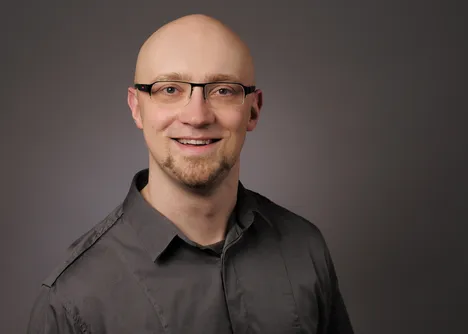
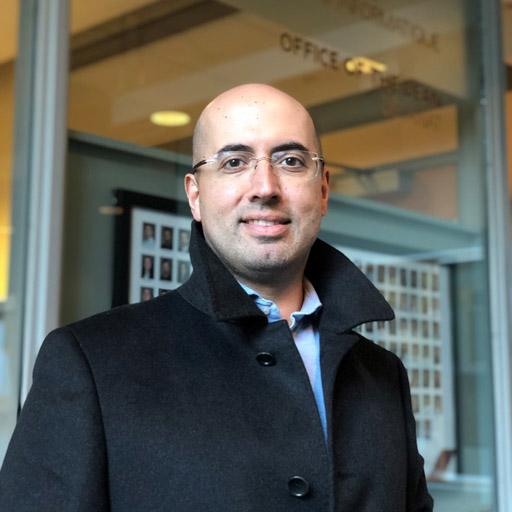
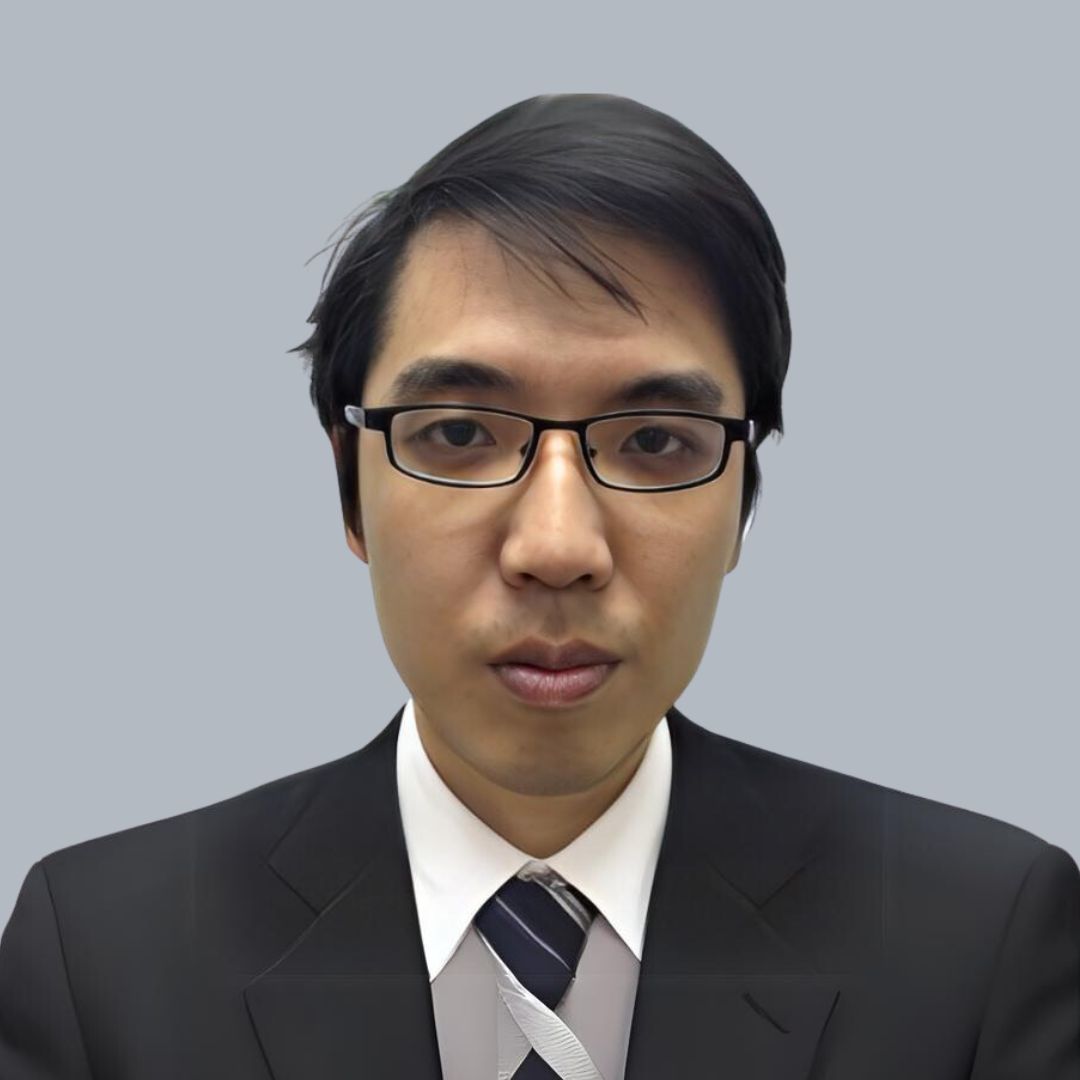
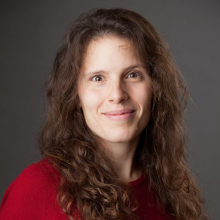
Dr. Janis Nötzel is a senior researcher at the Chair of Theoretical Information Technology (Technische Universität München) and leads his independent Emmy Noether research group. Previously, he held a postdoctoral position at Universitat Autónoma de Barcelona and contributed to 5G practical implementations at TU Dresden's 5G Lab. His research spans quantum information theory, physical layer security, and machine learning applications. Key focuses include Quantum channel capacities under adversarial conditions Entanglement-assisted communication Quantum software frameworks (QuNetSim, QuReed) Interplay between classical and quantum communication Security analysis for 6G networks Resource optimization in quantum systems Recent publications (2023-2025) showcase innovations in Quantum satellite communication architectures Hybrid quantum-classical clustering algorithms Photonic processor instability modeling Covert capacity of compound channels Quantum key distribution resilience Free-space Bessel beam communication He actively collaborates with 6G-life research hub and contributes to quantum network simulation tools. Grants include funding from DFG (Leibniz Program), BMBF (6G-life, Q.Link.X), and StMWi (6G Zukunftslabor Bayern).
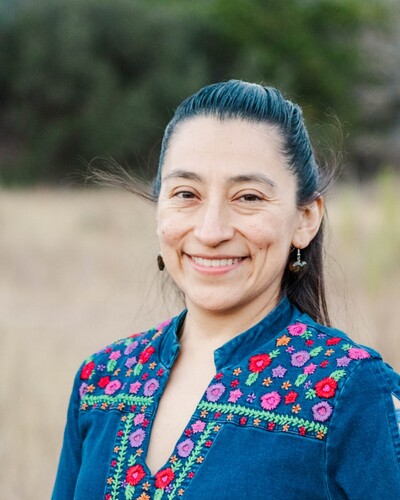
Dr. Martha Sidury Christiansen is a Professor of Applied Linguistics/TESOL at the University of Texas at San Antonio , where she serves in the College of Education and Human Development . She is the Principal Investigator of Project RESPETO , a NSF-funded initiative exploring racial equity in engineering education. Her work spans sociolinguistics, digital literacies, and raciolinguistic analysis, with a focus on transnational multilingual communities. Born in Veracruz, Mexico Ph.D. in Foreign/Second Language Education (Ohio State University, 2013) M.A. in English Composition (Indiana University, 2007) B.A. in English Language Teaching (Universidad Veracruzana, 2002) Her research examines how transnational youth navigate digital spaces through multiliteracies , challenges Western academic writing norms via Mexican decolonial methodologies , and investigates raciolinguistic intersections in identity formation. The 15 most recent publications reveal a strong focus on digital communication , transnationalism , and critical pedagogy across journals like TESOL Quarterly and Language@Internet . 2023-2025: Expanding raciolinguistic frameworks in digital contexts 2021-2022: Analyzing multimodal identity construction 2019-2020: Exploring Mexican bilinguals' online language use She has received multiple honors including ACUE Fellow (2023), Fulbright Scholar (2017), and Faculty Leadership Fellow (2021-2022). Her presentations at conferences like ICOLLITE and DDVM Lab highlight her expertise in critical sociolinguistic awareness and digital discourse analysis . Dr. Christiansen actively consults for nonprofits on linguistic equity and multilingual education .
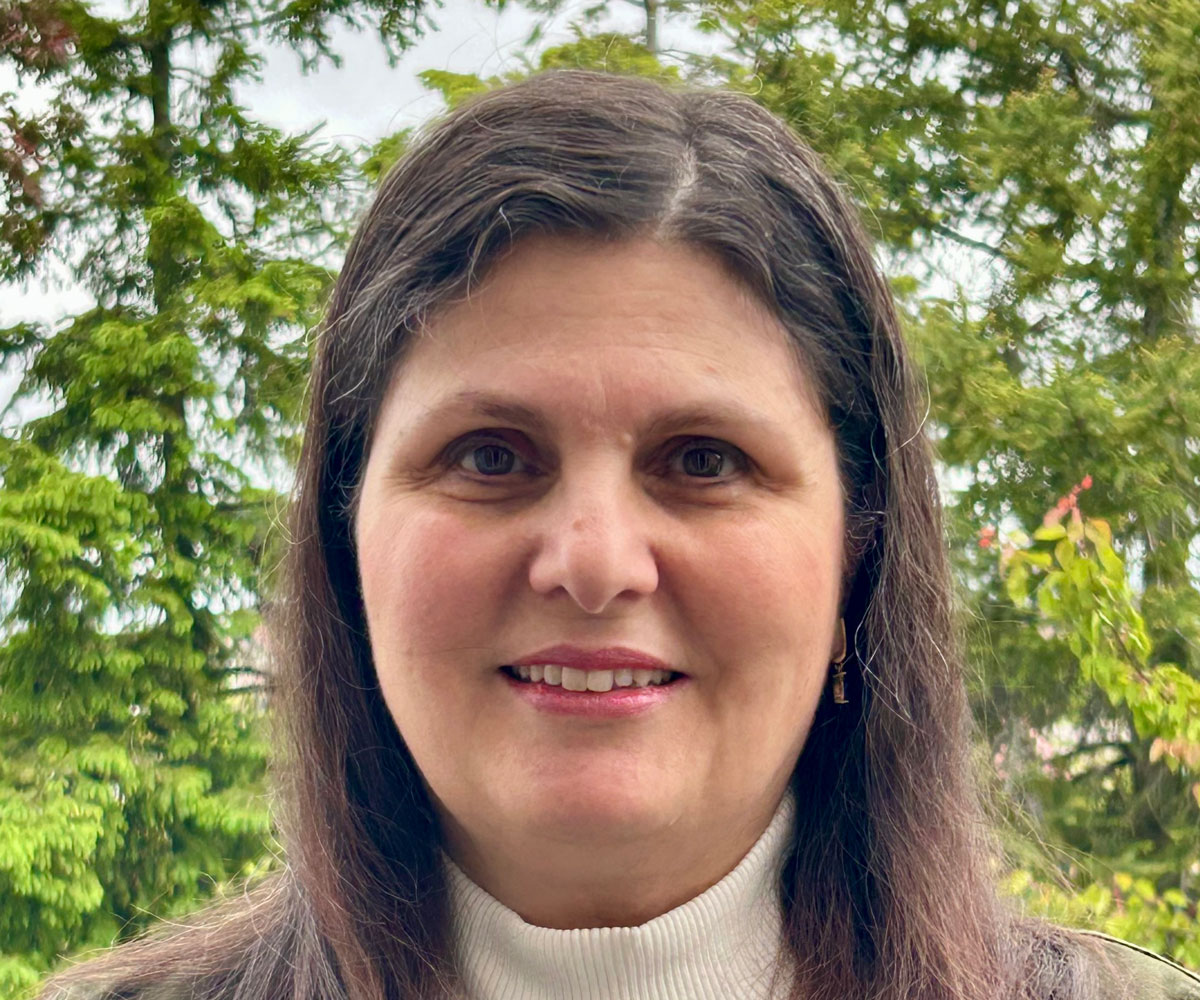
Nevin Reda serves as Associate Professor of Muslim Studies and Director of the Muslim Studies program (MPS) at Emmanuel College, Victoria University within the University of Toronto. Her academic leadership spans Qur'anic scholarship, Islamic legal theory, and interfaith education, with active teaching in courses such as Surat al-Baqara, Islamic Law, and Bible-Qur'an Dialogue. Her educational foundation includes: BSc, Cairo University (1989) MA, University of Toronto (2003) PhD, University of Toronto (2010) Dr. Reda's research centers on Qur'anic poetics and narrative structure, integrating literary theory, Islamic spiritual care, and Biblical Hebrew studies. She pioneers spiritually integrative approaches to Islamic ethical-legal theory (uṣūl al-fiqh) and develops interreligious pedagogies that bridge theological divides. Her work critically engages gender justice, domestic violence interpretations, and democratic theology through Qur'anic exegesis, emphasizing contextual hermeneutics and feminist perspectives. Analysis of her 15 most recent publications (2024-2010) reveals dominant trends in Qur'anic narrative analysis, gender-ethics intersections in Islamic law, and postcolonial interfaith dialogue frameworks. Key subfields include spiritually integrative readings of verse 4:34, reform of uṣūl al-fiqh for marriage ethics, and comparative Torah-Qur'an exegesis, demonstrating consistent methodological innovation across disciplines. No scientific awards were documented in the source material. As MPS Director, Dr. Reda mentors graduate students in Muslim Studies while advancing curriculum development for intercultural theological education. Her scholarly output—including two monographs and collaborations with institutions like Women and Memory Forum—reflects sustained research leadership, though specific grant details remain unreported. Current projects focus on Qur'anic structure theory and decolonizing epistemologies in religious studies.
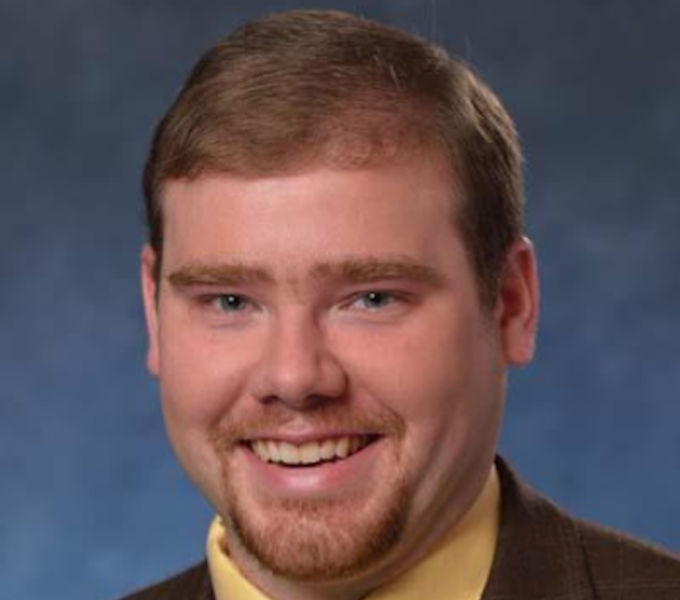
Dr Brandon M Grainger is an Eaton Faculty Fellow and Associate Professor of Electrical and Computer Engineering at the University of Pittsburgh’s Swanson School of Engineering, where he also directs the Electric Power Technologies Laboratory, serves as Associate Director of the Energy GRID Institute, and co-directs Pitt AMPED. A key architect of Pitt’s electric power program since 2008, he focuses on advanced power conversion, high-voltage electronics, wide-band-gap semiconductors, and aerospace power systems. Education PhD, Electrical Engineering (Power Conversion), University of Pittsburgh, 2014 MS, Electrical Engineering, University of Pittsburgh, 2011 BS, Mechanical Engineering & Minor in Electrical Engineering, University of Pittsburgh, 2007 Executive Education Certificate, Tepper School of Business, Carnegie Mellon University, 2019 Research Focus Dr Grainger’s work lies at the intersection of power electronics, high-voltage engineering, and sustainable energy systems. He specializes in medium- and high-voltage power electronics (HVDC, STATCOM), resonant converters, and ultra-high-power-density designs leveraging SiC and GaN semiconductors. His investigations extend to electric-vehicle traction drives, solid-state transformers, optimized magnetics for aerospace applications, and resilient microgrids. He and his students routinely collaborate with NASA JPL, Johns Hopkins APL, Honeywell Aerospace, and the Naval Research Laboratory, leveraging Pitt’s NSF SHREC center to push the boundaries of power conversion in space and defense systems. Selected Research Themes High-frequency, high-density DC/DC converters for satellite power systems Radiation-tolerant GaN converters and point-of-load power stages Medium-voltage testbed development (13.8 kV, 5 MVA) Rare-earth-free permanent-magnet machine topologies Model-predictive control of multi-phase drives and microgrids Honors & Awards 2024 IEEE Region 2 Outstanding Educator Award 2024 Pitt STRIVE Outstanding DEI Service Award 2019 ESWP Engineer of the Year 2019 ASEE 2nd Place Best Paper Award 2019 SRI Undergraduate Best Mentor Award Richard K. Mellon Endowed Graduate Fellowship National Academies of Science & Engineering Ambassador Senior Member, IEEE Grants & Industry Partnerships Dr Grainger’s research has been continuously funded by federal agencies and industry partners including NASA JPL, Johns Hopkins APL, Honeywell Aerospace, the Naval Research Laboratory, Eaton, and the National Science Foundation through the SHREC Center. These awards support graduate students and post-docs working on next-generation power systems for aerospace, naval, and terrestrial applications. Laboratories & Teams Director, Electric Power Technologies Laboratory (EPTL) Associate Director, Energy GRID Institute Co-Director, Pitt AMPED (Advanced Multimodal Power and Energy Development) Faculty Affiliate, NSF SHREC Center
Sunny Stalter-Pace serves as the Hargis Professor of American Literature in Auburn University's College of Liberal Arts, English Department. A specialist in modernist performance, literature, and urban space, she authored Imitation Artist: Gertrude Hoffmann's Life in Vaudeville and Dance (2020) and is currently completing a cultural history of the New York Hippodrome. Her work bridges academic research with public engagement through blogs, interviews, and collaborations with institutions like the Library of Congress. Her educational foundation includes: Ph.D. in English, Rutgers University (2007) M.A. in English, Rutgers University (2003) B.A. in English and French, Loyola University Chicago (1997), magna cum laude Stalter-Pace's research interrogates intersections of mobility, gender, and performance in 20th-century American culture. She examines how vaudeville, subway systems, and theatrical spectacles shaped public identity, with particular attention to women's experiences and spatial politics. Her methodology combines literary analysis, archival research, and visual studies to reveal how imitation and movement function as cultural forces. Current projects explore aquatic performances at the New York Hippodrome and the legacy of vaudeville producer Gertrude Hoffmann. Her 15 most recent publications demonstrate an evolving trajectory from subway systems ( Underground Movements , 2013) toward aquatic spectacles and vaudeville legacies, consistently centered on New York City's infrastructure. This body of work establishes mobility studies as a critical lens for understanding modernism, revealing how transportation networks and performance venues structured social interactions. Her interdisciplinary approach connects theater history, gender studies, and urban theory to uncover marginalized narratives in American cultural production. Key recognitions include: Harry Ransom Center Fellowship (2020) New York Public Library Short-Term Research Fellowship (2020) Alabama Humanities Foundation Grant (2014) College of Liberal Arts Excellence in Teaching Award nomination (2011) Multiple research fellowships from 2003-2017 Stalter-Pace has secured substantial funding for archival research through fellowships from the NEH, MLA, and university grants. She serves on Biographer’s International Organization's program committee and curated the 'Common Grounds' exhibition at Auburn's Jule Collins Smith Museum. Her teaching innovations include the first-year seminar 'Thinking Through the Arts' and courses on contemporary drama that integrate Hamilton into American literature pedagogy. As Book Review Editor for Transfers: Interdisciplinary Journal of Mobility Studies , she shaped scholarly discourse in mobility studies. Through her Hippodrome research blog and collaborations with the New York Public Library, Stalter-Pace transforms specialized scholarship into accessible public history. Her Library of Congress presentation on Albertina Rasch and the Hippodrome exemplifies her commitment to bridging academic research with community engagement, while ongoing interviews and blog posts extend her work beyond traditional academic boundaries.
David Lindlbauer is an Assistant Professor at Carnegie Mellon University's Human-Computer Interaction Institute (HCII), where he leads the Augmented Perception Lab and co-directs the CMU Extended Reality Technology Center. His research focuses on advancing Mixed Reality (MR) and Extended Reality (XR) interfaces through computational interaction methods that optimize spatial, temporal, and multimodal feedback.
Dr Ellen Adams is a Reader in Classical Archaeology and Liberal Arts at King’s College London, affiliated with the Departments of Classics and Interdisciplinary Humanities. She holds a PhD from the University of Cambridge (2004) and has conducted archaeological fieldwork across Europe. Her research focuses on Minoan Crete, disability studies in classical contexts, and museum accessibility for sensory-impaired audiences. She co-organizes the ICS Mycenaean Seminars and founded the Museum Access Network for Sensory Impairments (MANSIL) in 2018. Her work bridges archaeology and modern accessibility, emphasizing audio description, touch tours, and British Sign Language in museums. Recent projects include Disability Studies and the Classical Body (Routledge, 2021) and collaborations with institutions like the British Museum and the Courtauld Gallery. She teaches Greek archaeology, museum studies, and interdisciplinary modules in global cultures. Adams has appeared on BBC Radio discussing Minoan civilization and classical reception. Her research projects include Making Sense of Visual Art Through a Visual Language (BSL) and Anosmia in Culture and History . She actively curates public engagement events, such as BSL storytelling in Holyrood Park and creative writing competitions for blind/visually impaired audiences.
Dr. Anna Bernard is a Senior Lecturer in Comparative Literature and English at King’s College London, part of the Faculty of Arts & Humanities. She holds a BA from UC Berkeley and a PhD from the University of Cambridge. Her research focuses on postcolonial and world literature, decolonization, and solidarity movements, particularly Palestinian activism and international solidarity campaigns. Bernard has held significant fellowships and grants, including the Leverhulme Research Fellowship and an AHRC Research Network Grant. Her recent works include Decolonizing Comparative Literature (2023) and Decolonizing Literature (2023), which explore decolonial methodologies in academia and literature. She currently researches solidarity movements in Nicaragua, South Africa, and Palestine (1975–1990), emphasizing archival activism and transnational cultural networks. Bernard supervises PhD students in anti-colonial literature and cultural activism, and her teaching spans postcolonial theory and solidarity movements in literature. Education: Bachelor of Arts (UC Berkeley) Doctor of Philosophy (University of Cambridge) Research Interests: Postcolonial and world literature Decolonization and cultural activism Palestinian national movement Solidarity movements and internationalism Literature and human rights Recent Articles: Bernard’s work critiques humanitarian frameworks and emphasizes solidarity-based political action. Her 2023 articles Decolonizing Comparative Literature and Decolonizing Literature challenge Eurocentric academic paradigms. Earlier works include analyses of Palestinian solidarity in 1980s literature and critiques of empathy-driven humanitarianism. Awards: Leverhulme Research Fellowship (2016–17) AHRC Research Network Grant (2013–16) University of York Anniversary Lectureship (2010–11) Grants and Projects: Bernard’s research includes collaborations with Algerian universities and involvement in the International Solidarity Action Research Network (ISARN). She organizes events on solidarity, such as Building Usable Pasts and Decolonizing Higher Education . Lab/Team: Bernard contributes to King’s Critical Economic and Political Thought research group, which examines politics and economics through cultural lenses.
Minyi Huang is a Professor in the School of Mathematics and Statistics at Carleton University. His research focuses on Mean Field Stochastic Control, Stochastic Algorithms in Multi-Agent Systems, and Wireless Networks. He holds a Ph.D. from McGill University (2003) and has held postdoctoral positions at the University of Melbourne and the Australian National University. Dr. Huang is a Fellow of IEEE and a Member of SIAM. Education: Ph.D. in Electrical and Computer Engineering, McGill University (2003) M.Sc. in Systems and Control, Chinese Academy of Sciences (Beijing) B.Sc. in Mathematics, Shandong University (Jinan, China) Research Interests: Huang's work centers on stochastic control, mean field games, and multi-agent systems. His contributions include theoretical advancements in mean field social optimization, graphon-based control frameworks, and applications in wireless networks and economic models. He has organized workshops on Mathematical Cybernetics and Stochastic Processes, fostering interdisciplinary collaboration. Scientific Awards: Fellow of the IEEE Advising & Grants: Huang has advised numerous graduate students on topics in stochastic control and mean field theory. His grants include funding for international PhD students through Carleton's initiatives. He collaborates on projects involving mean field models for production output and social dynamics. Labs/Teams: Associated with the Ottawa-Carleton Institute for Mathematics and Statistics (OCIMS), contributing to collaborative research in control theory and applied mathematics.
Kaiyang Liu is an Assistant Professor at the Department of Computer Science, Memorial University of Newfoundland. He holds a Ph.D. from Central South University (2019) and was a Postdoctoral Fellow at the University of Victoria, Canada. His research focuses on distributed cloud/edge computing, data center networks, and distributed machine learning, emphasizing optimization for data-intensive services. He is an IEEE Senior Member and has received prestigious awards, including the NSERC Discovery Grants and IEEE TCCLD Outstanding Ph.D. Thesis Award. Education: Ph.D. in Information Science and Technology, Central South University (2014–2019) M.Sc. in Information Science and Technology, Central South University (2012–2014) B.Eng. in Information Science and Technology, Central South University (2008–2012) Research Assistant at the University of Victoria (2016–2018) Research Interests: Kaiyang’s work bridges AI and cloud computing, exploring optimization strategies for next-generation systems. Key areas include learning-based congestion control, energy-efficient resource management, and scalable distributed storage solutions. His research has been published in top-tier journals like IEEE Transactions on Parallel and Distributed Systems and conferences such as IEEE ICDCS. Awards & Grants: NSERC Discovery Grants & Discovery Launch Supplement (2024) IEEE TCCLD Outstanding Ph.D. Thesis Award (2020) CSC-UVic Fellowship (2016–2018) Teaching: He teaches courses on Computer Networks, Advanced Computer Networks, and Operating Systems at Memorial University and previously at the University of Victoria. Labs & Teams: His research group focuses on Space Edge Computing, leveraging LEO satellites for resilient, low-latency networks. Ongoing projects include optimizing distributed systems for AI workloads and satellite-based data centers.
Mahdi S. Hosseini is an Assistant Professor in the Department of Computer Science and Software Engineering at Concordia University and a faculty member of the Applied AI Institute. He holds a PhD from the University of Toronto (2016) and completed a postdoctoral fellowship at UofT, supported by MITACS-Elevate and NSERC fellowships. His research focuses on advancing deep learning and computer vision for computational pathology and healthcare technologies, aiming to develop AI tools for clinical diagnosis. He currently supervises graduate students and has published over 30 papers and two patents. Education: PhD in Electrical and Computer Engineering from the University of Toronto (2016), postdoctoral training at UofT collaborating with Huron Digital Pathology Inc. (Waterloo, Ontario). Research interests include deep learning, computer vision, computational pathology, medical imaging, and AI ethics (P4AI project). His work emphasizes developing explainable AI systems for clinical pathology, biomarker discovery, and efficient learning algorithms. Professional service includes serving as Area Chair for NeurIPS 2023, CVPR 2023-2024, and ECCV 2024. He reviews grants for CIHR, NSERC, and serves on program committees for key conferences (ICCV, CVPR, NeurIPS). Teaching includes courses on applied AI, machine learning, and deep learning for computational pathology at both graduate and undergraduate levels. Awards: MITACS-Elevate Fellowship (postdoc), NSERC Research Funding (2016-2017). His work has led to patents in diagnostic systems and has collaborated with hospitals and pathologists to advance clinical applications. Labs/Teams: Active collaborations with the Applied AI Institute at Concordia, Huron Digital Pathology, and healthcare institutions. Research emphasizes interdisciplinary approaches between computer science and clinical medicine.
LING Chun Kai is an Assistant Professor in the Department of Computer Science at the National University of Singapore (NUS), School of Computing. His research focuses on multiagent systems, computational game theory, and machine learning applications in adversarial real-world domains like cybersecurity and logistics. Educational background includes a PhD in Computer Science (2017-2023) from Carnegie Mellon University and a First Class BEng in Computer Engineering (2015) from NUS. Previously, he was a Postdoctoral Research Scientist at Columbia University. Current research interests span computational game theory, machine learning for multi-agent systems, equilibrium characterization in imperfect information settings, and applications in network security, logistics, and recreational games. Key methodological contributions include scalable algorithms for game solving, differentiable game solvers, and copula-based statistical modeling. Recent publications focus on attacker-defender graph games, language negotiation agents, and modeling games with incomplete information. Collaborations include researchers from Columbia University, Carnegie Mellon, and institutions working on GameSec, AAAI, Neurips, and ICML venues. Scientific Awards: IJCAI 2018 Distinguished Paper Award GameSec 2023 Best Paper Award GameSec 2024 Best Paper Award Singapore Teaching and Academic Research Talent Scheme (2024) Teaching includes courses on AI Planning and Decision Making (CS4246, CS5446) and Advanced Topics in Artificial Intelligence (CS6208).
Catherine Guastavino is a Professor at McGill University's School of Information Studies (within the Faculty of Arts) and an Associate Member at the Schulich School of Music. She also contributes to the Centre for Interdisciplinary Research in Music Media and Technology (CIRMMT). Her roles include leading research projects and supervising graduate students in music technology and related fields. She holds a PhD in Psychoacoustics from Université Pierre et Marie Curie (Paris VI), an MSc from IRCAM (France), and a BSc in Mathematics from McGill University. Her research focuses on auditory perception, soundscape analysis, human-computer interaction, and urban acoustics. Notable projects include the 'Sounds in the City' partnership addressing urban noise policy and the development of immersive soundscape simulation tools. She leads or co-leads grants from SSHRC, NSERC, and MITACS, emphasizing interdisciplinary approaches to sound in urban environments. Guastavino's work bridges academic research with practical applications, such as designing sound installations for public spaces and improving acoustic environments in transportation and performance venues. She collaborates with city planners, musicians, and engineers, reflecting her commitment to making cities sound better through evidence-based strategies. Key Projects: SSHRC Partnership Grant for urban soundscape management (2018-2023) NSERC Discovery Grant on auditory localization (2019-2024) MITACS projects on Montreal festival soundscapes and noise policy Labs & Partnerships: Multimodal Interaction Laboratory (MIL) Collaborations with Ville de Montréal and Quartier des Spectacles Education: PhD: Psychoacoustics (Paris VI) MSc: Computer Science & Music Technology (IRCAM) BSc: Mathematics (McGill) Her teaching includes courses like Music Information Retrieval, integrating computational methods with artistic and scientific applications.
Professor Kellogg Stelle is a distinguished academic in the Department of Physics at Imperial College London, affiliated with the Faculty of Natural Sciences. He holds the title of Professor of Physics and is part of research groups including the Physics of Universe and Theoretical Physics. His academic career includes a PhD from Brandeis University (1972–1977) and an AB in History and Science from Harvard University (1966–1970). His research focuses on Atomic, Molecular, Nuclear, Particle and Plasma Physics; Mathematical Physics; Quantum Physics; Astronomical and Space Sciences; Pure and Applied Mathematics. He has made significant contributions to supergravity, string theory, and cosmology, exploring topics like higher-order gravity, braneworld models, and quantum gravity phenomena. His work often bridges theoretical frameworks and cosmological implications, emphasizing unification theories and symmetry principles. Professor Stelle’s publications reflect a deep engagement with advanced topics such as compactification on Calabi-Yau manifolds, localized gravity in braneworld scenarios, and the ultraviolet problem in supergravity. His research often intersects with cutting-edge areas like quantum geometry and holography, contributing to foundational debates in theoretical physics. Affiliations include the Physics of Universe and Theoretical Physics groups at Imperial College, reflecting his interdisciplinary approach to fundamental physics. He is fluent in French, Russian, Italian, and German, enhancing his international collaborations.
Professor Thomas Astell-Burt is a Professor of Cities and Planetary Health at the University of Sydney's School of Architecture, Design and Planning. His work focuses on the intersection of urban environments, green spaces, and public health. He is a member of the Sydney Environment Institute and the Charles Perkins Centre. His research examines how urban planning and green infrastructure can mitigate health inequities, combat climate change, and improve mental/cardiometabolic health. Key areas include nature prescriptions, heat-related mortality, and the role of green spaces in reducing loneliness. Recent grants include projects on aged care workforce sustainability, nature-based strategies for loneliness reduction, and the PANDA Trial for cardiometabolic disease prevention. Over 180+ publications span peer-reviewed journals like Scientific Reports , Climate , and PloS One , with a focus on global health trends and urban environmental policies. His work bridges epidemiology, urban design, and interdisciplinary collaboration to inform evidence-based health policies. Key affiliations include leadership roles in global health initiatives and collaborations with institutions like the University of Glasgow. His research has been cited in policy frameworks addressing urban sustainability and planetary health.