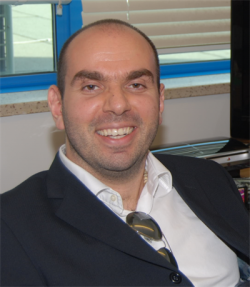
Gianvito Lanzolla is a Professor of Strategy at Bayes Business School (formerly Cass), City, University of London, where he has been employed since April 2006 and served as Dean of the Faculty of Management from 2016-2020. He founded the Bayes Digital Leadership Research Centre and is a Fellow of the Royal Society of Arts. Education: MSc in Mechanical Engineering, PhD in Strategic Management Visiting Appointments: London Business School, Indian School of Business, ESMT Berlin His research focuses on digital transformation, technology strategy, institutional change, and competitive dynamics. He examines how CEOs' digital orientation and board characteristics affect firm value, with publications in Academy of Management Journal , Harvard Business Review , and California Management Review . His work has won multiple academic prizes and been featured in major media outlets. Recent publications analyze digital ecosystems, agile transformation, and AI applications in finance. He teaches 'Strategic Leadership' and 'Digital Transformation' in MBA programs, having won teaching excellence awards in 2007, 2008, 2009, 2012, and 2015. Scientific Awards: City University Teaching Excellence Awards (2015, 2012, 2009, 2008) Strategic Management Society Best Paper Award (2012) SSRN Top Ten Downloaded Paper (2008) Spanish Academy of Management Best Paper Award (2009)
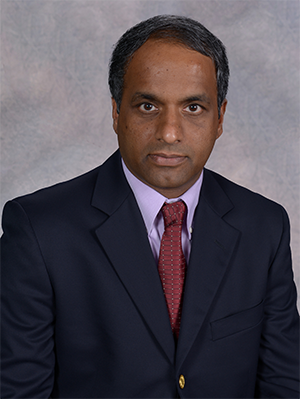
Dr. Prabhakar Pagilla is the Associate Department Head and a Professor in the Department of Mechanical Engineering at Texas A&M University. He holds the James J. Cain Professor II title and leads the Robotics and Control Engineering Group. His research focuses on advanced control systems for robotics and roll-to-roll manufacturing, with emphasis on nonlinear dynamics, autonomous systems, and mechatronics. Education: Ph.D., Mechanical Engineering, University of California, Berkeley (1996) M.S., Mechanical Engineering, University of California, Berkeley (1994) B.E., Mechanical Engineering, Osmania University (1990) Research Interests: Modeling and control of roll-to-roll manufacturing systems Autonomous vehicles and cooperative adaptive cruise control Robotics/mechatronics, including workpiece localization and human-robot collaboration Control of large-scale nonlinear dynamic systems Recent Trends in Publications: Dr. Pagilla’s recent work emphasizes safety and efficiency in autonomous systems, including platooning strategies, V2V communication impacts, and exoskeleton ergonomics. His robotics research explores real-time path planning, shared control mechanisms, and anomaly detection in manufacturing processes. Awards: Fellow of ASME (2011) John J. Shelton Best Paper Award (2017, 2019) Regents Distinguished Research Award (2012) Lab/Teams: The Robotics and Control Engineering Group at Texas A&M focuses on interdisciplinary projects combining advanced control theory with practical applications in robotics and manufacturing. Current initiatives include surface finishing of curved geometries and predictive intent modeling for human-robot collaboration.
Amanda Berry is a Professor of STEM Education and Deputy Dean (Research & Innovation) in the School of Education at RMIT University, Australia. Her research focuses on science education, teacher education, and methodologies for capturing classroom practices. She leads initiatives to develop tools for representing teachers' pedagogical expertise and has contributed to frameworks like the refined consensus model of pedagogical content knowledge (PCK). Her work emphasizes teacher professional development, particularly for highly accomplished educators, and explores adaptive expertise in interdisciplinary teaching. She actively supervises postgraduate research students and collaborates internationally on projects like the Sharing Knowledge Project in inquiry-based teaching. Key research themes include STEM integration, teacher educator professionalism, and the role of student voice in assessment reform. Her interdisciplinary approaches bridge theory and practice, influencing both policy and classroom strategies in science and mathematics education.
Georgios Neokleous is a Professor of English in the Department of Teacher Education at the Norwegian University of Science and Technology (NTNU), within the Faculty of Social and Educational Sciences. He holds a PhD in Education from Saint Louis University (2014), focusing on home language use in EAL classrooms. His career began as an EFL/ESL teacher, with extensive experience across Europe and the U.S., and he has developed specialized courses for diverse learner groups. Neokleous’ research emphasizes multilingualism, translanguaging pedagogy, and inclusive literacy practices in linguistically diverse classrooms. Education: PhD in Education, Saint Louis University, 2014 Masters and Bachelor’s degrees (implied, not explicitly stated) Research Interests: Neokleous explores the integration of students’ home languages in EAL settings, translanguaging as a pedagogical tool, and assessment strategies in multilingual environments. His work bridges theory and practice, addressing challenges in teacher education and classroom diversity. Recent trends in his publications highlight cross-national comparisons (e.g., Norway-Cyprus studies), innovative teaching methodologies, and the role of technology in modern classrooms. Advising & Grants: Supervises students at BA, MA, and PhD levels. Collaborates with international researchers like Anna Krulatz and Sviatlana Karpava. Active in organizing academic events, including TESOL International and ECER conferences. Labs/Teams: Engaged in collaborative research groups focused on multilingual education, such as the ‘Learning and Teaching English in the Multilingual Classroom’ initiative. His work often intersects with institutions like the University of Cyprus and Multilingual Matters publishing.
Prof. Dr. Verena Hüttl-Maack holds the Chair of Marketing and Consumer Behavior at the University of Hohenheim's Faculty of Economics and Social Sciences. Her roles include academic leadership, research, and teaching in consumer behavior, brand management, and advertising effectiveness. She has been affiliated with the university since 2012, following her habilitation in 2013. Her research explores areas like curiosity-driven marketing, sustainability perceptions, and multilingual packaging effects. Education: Studied Business Administration at the University of Augsburg and University of Wales (UK). Doctorate (2010): Thesis on brand extensions. Habilitation (2013): University of Hohenheim. Research Interests: Her work focuses on the psychological and behavioral aspects of consumer decision-making, particularly how curiosity, language use, and brand messaging influence evaluations. Key themes include the role of art in advertising, competitive advertising effects, and sustainable consumption behaviors. Publications: Over 50 peer-reviewed articles in journals like Journal of Consumer Psychology , Psychology & Marketing , and International Journal of Advertising . Recent work addresses sustainability perceptions in food marketing and the impact of augmented reality on consumer experiences. Grants & Collaborations: Led projects on short food supply chains, consumer responses to multilingual packaging, and transformative consumer journeys. Collaborates internationally with institutions in Germany, Spain, Greece, and Hungary. Labs/Teams: Active in the Marketing and Consumer Behavior research group at Hohenheim, focusing on experimental design and applied consumer research.
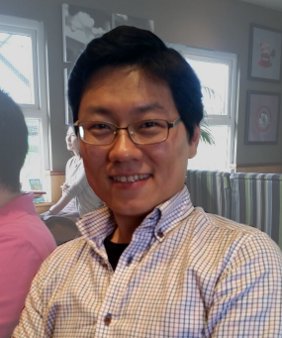
Dr. Hyung Jin Chang is an Associate Professor at the School of Computer Science, University of Birmingham, and a Turing Fellow at the Alan Turing Institute. He holds a Ph.D. and B.S. from Seoul National University. His research focuses on human-centered visual learning, particularly in human-robot interaction, with expertise in computer vision, machine learning, and deep learning. He has been involved in organizing conferences like ECCV and ICCV workshops (e.g., VOTS Challenge, HANDS Workshop) and serves on program committees including AAAI and CVPR. His work spans areas like gaze estimation, domain adaptation, 3D pose estimation, and robotic perception for assistive technologies. Key achievements include receiving the Royal Society Research Grant (2019–2020) and Wellcome Trust funding. Notable contributions include frameworks for unsupervised domain adaptation, gaze estimation models (e.g., RT-Gene), and collaborative learning methods for hand-object reconstruction. He has led projects in medical robotics, personalized dressing assistance, and safety-critical systems like driver attention prediction. His 15 most recent articles (2024–2025) emphasize advancements in diffusion models, domain adaptation, 3D reconstruction, gaze-controllable systems, and generative AI for motion and interaction modeling. These reflect a trend toward integrating multimodal data (vision + language) and bridging theoretical foundations with applied robotics. Awards: Royal Society Grant, Wellcome Trust, Turing Fellowship Grants: Active in securing funding for robotics, vision, and healthcare applications He leads the Personal Robotics Lab and collaborates on projects like the VOTS Challenge for visual object tracking. His research bridges academia and real-world applications in healthcare robotics and human-technology interaction.
Emilia Andersson-Bakken is an Associate Professor at Oslo Metropolitan University, affiliated with the Faculty of Education and International Studies and the Department of Primary and Secondary Teacher Education. She teaches and supervises student teachers at bachelor’s, master’s, and PhD levels, contributing significantly to initial teacher education. Her academic work is deeply rooted in classroom research, with a focus on critical thinking, creativity, and classroom discourse in primary education. Her research interests include classroom research , initial teacher education , critical thinking , creativity , and classroom discourse . These themes are reflected in her ongoing involvement in key research projects such as KriT (Critical Thinking in Primary Education), Beyond access: improving quality of early years reading instructions in Ethiopia , and Classroom activities for the six-year-olds – 20 years on (Klassprax_20) . These projects emphasize pedagogical innovation, teacher facilitation, and literacy development in early schooling. The trends in her recent publications reveal a strong commitment to advancing critical thinking through children’s literature, dialogic teaching, and teacher-led inquiry. Her work spans both theoretical and practical dimensions, with a recurring emphasis on how teachers can foster student agency and reflective thinking in primary classrooms. She frequently publishes in educational journals and contributes to edited volumes focused on pedagogy and literacy. She has received no explicitly mentioned scientific awards in the provided text. Emilia supervises students at multiple levels and is actively involved in research funding and dissemination efforts through national and international conferences. Her work is supported by collaborative research teams and institutional frameworks at OsloMet. While no specific grants are named, her participation in multi-year, interdisciplinary projects indicates substantial research support and academic leadership. She is part of the research group Classroom Research and contributes to Research and Development Work on the Lower Primary Level With a Focus on Initial Education . These groups focus on observational studies, curriculum evaluation, and teacher development in early education contexts.
Hilde Fiva Buzungu is an Associate Professor in the Department of Social Work, Child Welfare and Social Policy at Oslo Metropolitan University, Faculty of Social Sciences. Her work bridges social anthropology, applied linguistics, and public policy, with a strong focus on language and communication in welfare services for minority language speakers. Her research interests include: Language discordance and interpreter-mediated communication in social work and healthcare Multilingualism and migration Professional practices in child welfare and public administration Interpreter training and quality assurance Human rights and minority inclusion Intersectionality in social services Buzungu's recent publications (2020–2024) reveal a consistent focus on the challenges of language access in public institutions such as NAV, child welfare, and hospitals. Her work critically examines how language barriers affect service delivery, professional decision-making, and equity. She investigates systemic issues in interpreter availability, quality, and integration, particularly during crises like the Ukrainian refugee influx. Her research combines ethnographic methods with policy analysis, emphasizing the 'space between' where meaning is negotiated across languages and cultures. She has contributed extensively to both academic and public discourse, publishing in journals like Nordic Social Work Research and Kritisk juss , as well as producing key reports for governmental bodies like Integrerings- og mangfoldsdirektoratet and Oslo University Hospital. Her book Language Discordant Social Work in a Multilingual World: The Space Between (2023) synthesizes her core themes. Buzungu actively disseminates her findings through public lectures, media engagement, and policy forums, advocating for improved language services in the Norwegian public sector. She is affiliated with the research group on Professional Qualification and Professional Practices in Social Work and Child Protection.
Wang Jianmin serves as Professor and Doctoral Supervisor at Tongji University's School of Art and Media, concurrently holding the position of Vice Dean since 2014. With a computer science PhD from Sun Yat-sen University, he bridges engineering and media arts through pioneering research in intelligent communication systems and digital media interfaces. His work focuses on human-centered design for emerging technologies, particularly in automotive and virtual environments. His academic foundation includes: PhD in Engineering (Computer Software and Theory), Sun Yat-sen University (2003) Master's in Computational Mathematics, Sun Yat-sen University (1999) Bachelor's in Computational Mathematics, Nankai University (1996) Professor Wang's research centers on intelligent communication systems and digital media art, with significant contributions to automotive human-machine interfaces (HMI), virtual reality applications, and user experience methodologies. His investigations into driver-robot transparency, augmented reality navigation, and mixed-reality educational platforms demonstrate interdisciplinary innovation connecting computer science, cognitive psychology, and design theory. Current projects explore AI-driven media systems for urban environments and safety-critical interaction frameworks. Analysis of his recent publications reveals a cohesive research trajectory focusing on automotive HMI (40% of output), human-robot interaction (30%), and mixed reality applications (30%). His work consistently emphasizes experimental validation through driving simulators and user studies, yielding practical design guidelines for industry implementation. The interdisciplinary nature spans computer science, cognitive ergonomics, and media studies, with increasing emphasis on AI integration in communication systems. His scientific recognition includes national and provincial awards for innovation in human-computer interaction and educational technology: 2019 China Industry-University-Research Innovation Award for automotive HMI systems 2020 China User Experience Alliance Excellence Award 2012 Guangdong Dingying Science and Technology Award Multiple national/provincial science progress awards (2001-2009) 2020 Tongji University Teaching Achievement Award for curriculum development As an educator, Professor Wang mentors graduate students in national design competitions including the 'Core Cup' Future Automotive HMI Challenge and International User Experience Innovation Competition. His research program is supported by substantial funding from diverse sources: National Grants: National Natural Science Foundation projects on driver behavior modeling and cognitive testing Ministry of Education: 15+产学合作 projects for virtual simulation labs and curriculum development Shanghai Municipal: Publicity Department funding for smart city media research Industry Partnerships: Huawei (intelligent vehicle HMI), SAIC Motor (AR-HUD design), and automotive electronics firms He directs Tongji's Media Experiment and Practice Teaching Center and the All-Media Research Institute, leading teams developing virtual simulation platforms for emergency news reporting, intelligent vehicle interaction testing systems, and mixed reality educational tools. Current initiatives focus on AI-enhanced media art for urban applications and next-generation HMI frameworks for autonomous mobility solutions.
Prof. Dr. Sabine Windmann is a Professor at the Goethe University Frankfurt am Main , affiliated with the General Psychology II department. Her research spans cognitive psychology, social psychology, neuropsychology, and decision-making, with a focus on altruism, emotional processing, facial perception, and consciousness. Department: General Psychology II, Institute of Psychology University: Goethe University Frankfurt am Main Her work investigates biases in perception, memory, and decision-making, particularly how context and emotional states influence human behavior. Recent publications explore pandemic-related psychological profiles, waste separation behavior, and the neural correlates of altruism and cooperation. Recent trends in her research include mindfulness interventions , social dynamics during crises , and facial perception's role in social cognition . She has published in journals like Health Psychology Open , Personality and Individual Differences , and Frontiers in Psychology . Her lab collaborates internationally and engages in interdisciplinary studies, though no explicit scientific awards or student lists are detailed in the provided texts. Contact: s.windmann@psych.uni-frankfurt.de
Dr. Nancy L. Sin is an Associate Professor in the Department of Psychology within the Faculty of Arts at the University of British Columbia. She teaches undergraduate and graduate courses in health psychology and supervises students at multiple levels. She is Co-Chair of the Antiracism Task Force for the Society for Biopsychosocial Science and Medicine and a member of the Steering Committee at the UBC Edwin S.H. Leong Centre for Healthy Aging. Previously, she served on the Executive Committee for the American Psychological Association's Division on Adult Development and Aging and established the Diversity Mentorship Program. PhD, University of California, Riverside, 2012 Dr. Sin's research focuses on biological and behavioural pathways linking daily well-being and stress to health. Her work demonstrates that emotional responses to daily stressors are associated with inflammatory, neuroendocrine, and autonomic mechanisms implicated in aging-related conditions like cardiovascular disease. She investigates daily positive events as protective factors for stress processes and health, with particular interest in emotional well-being and aging, stress-sleep cycles, and health equity. Her research spans multiple disciplines including health psychology, gerontology, and social psychology. Analysis of Dr. Sin's recent publications reveals consistent focus on daily stress processes, positive emotions, and health outcomes across the lifespan. Her work increasingly examines pandemic-related stressors, social determinants of health, and health disparities, with strong emphasis on methodological rigor through daily diary and longitudinal approaches. The publications demonstrate interdisciplinary collaboration across psychology, public health, and medicine, with growing attention to diversity, equity, and inclusion in health research. Distinguished Alumni Award, Department of Psychology, University of California, Riverside (2025) Fellow, Gerontological Society of America (2025) Innovative Research on Aging Award (Bronze Award) from the Mather Institute (2021) Michael Smith Foundation for Health Research Scholar (2020) Springer Early Career Achievement Award in Research on Adult Development and Aging (2019) Gerontological Society of America's Behavioral and Social Sciences Student Research Award Editor's Choice article at Annals of Behavioral Medicine Dr. Sin actively supervises undergraduate, MA, and PhD students, with a current focus on Health Psychology graduate students specializing in adult development and aging, stress, and health equity/disparities. Her research has been supported by significant grants as PI or Co-I from the U.S. National Institute on Aging, Social Sciences and Humanities Research Council of Canada, Canadian Institutes of Health Research, Canada Foundation for Innovation, and the Michael Smith Foundation for Health Research. She has established a strong research program examining daily experiences and their health implications across adulthood. Dr. Sin directs the UPLIFT Health Lab (Understanding Pathways Linking Inter- and Intraindividual Factors To Health), which explores psychosocial well-being and biobehavioural mechanisms underlying healthy aging. The lab investigates how daily positive events promote health through lower inflammation, adaptive cortisol profiles, and better health behaviors, with particular attention to how positive emotions buffer stress processes. The lab actively recruits community participants for studies on daily experiences and health, contributing to intervention development for promoting psychological and physical well-being across adulthood.
Joel Zylberberg is an Adjunct Assistant Professor at the University of California, Los Angeles (UCLA), affiliated with the Department of Ophthalmology within the School of Medicine . His research bridges Computational Neuroscience , Neural Networks , and Machine Learning , focusing on how neural activity and biological mechanisms inform artificial intelligence and visual cortex dynamics . Joel's work explores retinal computation , population coding , and neural adaptation , often analyzing mouse visual cortex and neurophysiological data . His recent publications highlight trends in dynamic retinal processes , stimulus-driven network topology , and brain-inspired machine learning , emphasizing the interplay between biophysics and computational modeling . Collaborators include Greg Field (UCLA), Richard Born (Harvard), and Michael DeWeese (UC Berkeley), with affiliations spanning institutions like University of Washington and University of California, San Diego (UCSD). His work appears in journals such as Nature Neuroscience , Neuron , and PLOS Computational Biology .
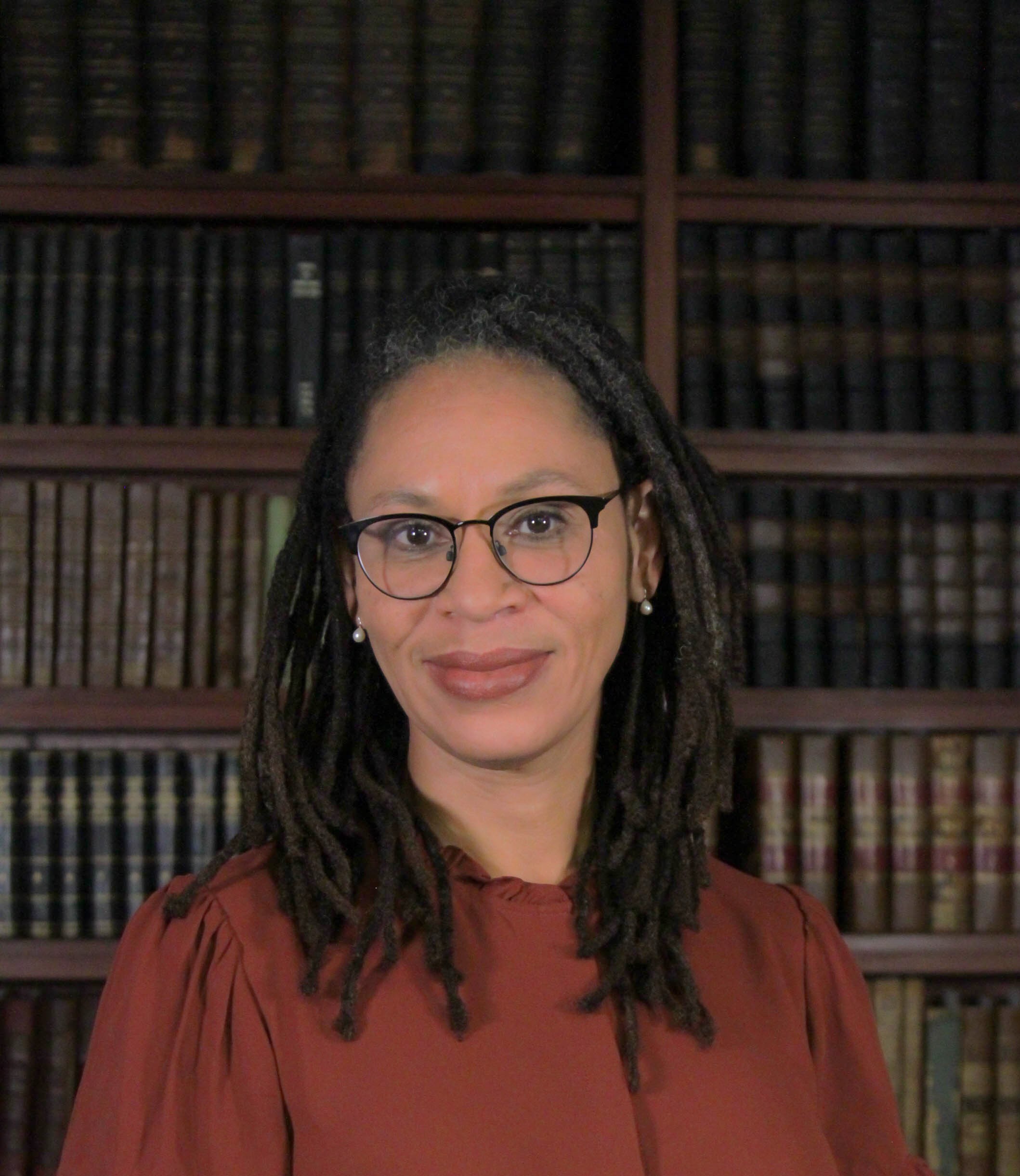
Andrea Armstrong is the Dr. Norman C. Francis Distinguished Professor of Law at Loyola University New Orleans College of Law and a 2023 MacArthur Fellow. She joined the faculty in 2010 and is a leading expert on prison and jail conditions, certified by the U.S. Department of Justice as a Prison Rape Elimination Act auditor. J.D., Yale Law School, 2007 M.P.A., Princeton University School of Public and International Affairs, 2001 B.A., New York University, 1996 Her scholarship focuses on the constitutional dimensions of prisons and jails, particularly prison labor practices, the intersection of race and incarceration, public oversight of detention facilities, and healthcare disparities. She integrates law with history, public policy, and the arts to highlight the human costs of incarceration, advocating for systemic reforms through environmental justice and anti-discrimination frameworks. Andrea’s research includes 15 recent articles, spanning public health in prisons, constitutional challenges to labor practices, and environmental justice analyses of death row conditions. Her work emphasizes transparency, government accountability, and the systemic failures in carceral healthcare. Scientific Awards: 2023 MacArthur Fellow 2019 Interdisciplinary Research Leader, Robert Wood Johnson Foundation Armstrong has testified before Congress on prison labor and deaths in custody, served on Louisiana legislative committees, and collaborated with museums and foundations to make incarceration law accessible. She founded IncarcerationTransparency.org and leads grant-funded projects requiring IRB approval.
Christos Gatzidis serves as Executive Dean of Bournemouth University's Faculty of Science and Technology since October 2023, overseeing six departments including Computing and Informatics, Creative Technology, and Psychology. Previously Deputy Dean (2021-2023) and Head of Creative Technology Department (2016-2021), he was appointed Professor in Creative Technology in November 2019. The Faculty leads five REF Units of Assessment and secures funding from AHRC, NIHR, and Innovate UK for research spanning digital healthcare, gaming technologies, and cultural heritage applications. His educational qualifications include: PhD in Information Science, City University London (2010) PG Cert in Research Degree Supervision, Bournemouth University (2010) MA in Computer Animation, Teesside University (2003) BSc (Hons) in Computer Studies (Visualisation), University of Derby (2002) Professor Gatzidis specializes in computer graphics with research spanning virtual reality, serious games, and digital healthcare applications. His work bridges technical innovation and practical implementation, particularly in mindfulness prototypes for healthcare and stroke rehabilitation systems. Current projects focus on the multidisciplinary application of gaming technologies in medical contexts, emphasizing user experience and therapeutic outcomes through collaborations with industry partners. His publication record (2014-2025) demonstrates evolving expertise from foundational computer graphics research in terrain generation and deformation to applied work in healthcare, cultural heritage, and music education. Key trends include virtual reality for therapeutic mindfulness, usability studies in mobile gaming, and digital cultural presentation techniques, reflecting a trajectory toward socially impactful technological solutions with strong industry translation. No scientific awards are documented in the provided information. He has supervised PhD students and secured competitive research funding, including two Innovate UK Knowledge Transfer Partnerships. His principal investigator role in a virtual reality mindfulness prototype project exemplifies his approach to translating academic research into practical industry solutions, with current focus on expanding knowledge exchange activities to support the University's civic engagement mission. As Executive Dean, he leads faculty-wide research strategy across six departments, fostering interdisciplinary collaborations particularly in digital healthcare and cultural heritage. His personal research integrates computer graphics expertise with clinical applications through partnerships with healthcare providers and technology companies, driving innovation in therapeutic VR systems and educational gaming platforms.
Dr. Miriam Gieselmann was a researcher at the Media Technology Department of the University of Tübingen from November 2020 to June 2024. Her work focused on human-AI interaction dynamics, trust in AI systems, and methodological challenges in studying human-machine relationships. She contributed to interdisciplinary research on AI acceptance in business contexts and pedestrian behavior analysis in urban environments. Her research interests span: Multimodal interaction design Trust and disclosure behaviors toward AI Ethical implications of conversational AI Methodological innovations for human-machine interaction studies Applications of AI in education and traffic psychology Her publications analyze AI adoption barriers, disclosure decision-making mechanisms, and perceptual dynamics in human-AI relationships. She co-authored foundational work on pedestrian communication patterns at urban intersections, contributing to safer street design principles. Miriam collaborated with interdisciplinary teams across business, psychology, and urban studies domains. Her work emphasizes bridging theoretical insights with practical applications in technology design and public policy.