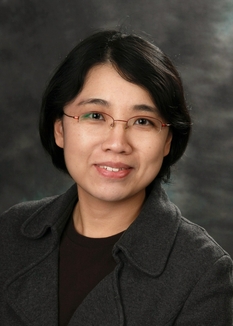
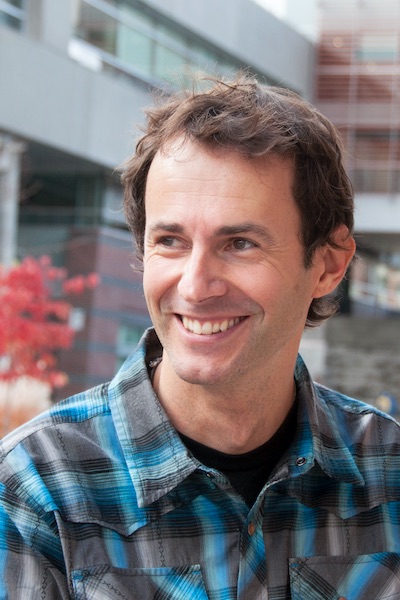
Li-Shih Huang is a Full Professor of Applied Linguistics at the University of Victoria within the Faculty of Humanities, School of Languages, Linguistics and Cultures . She holds a Ph.D. from the University of Toronto and has been affiliated with the University of Victoria since 2006. Education: Ph.D. from the Ontario Institute for Studies in Education, University of Toronto Her research spans multiple domains including: Needs and outcomes assessment in language learning Corpus-aided teaching methodologies Learner strategies in language testing and production EAP (English for Academic Purposes) assessment literacy Reflective learning frameworks Indigenous language revitalization partnerships She has secured significant funding from: Social Sciences and Humanities Research Council of Canada (SSHRC) Educational Testing Service (ETS®) International English Language Testing System (IELTS™) Her scholarly contributions include: SSHRC Insight Grant projects on standardized testing Collaborative work on Hul'q'umi'num' phonetic structures Leadership in the NEȾOLṈEW indigenous language revival initiative
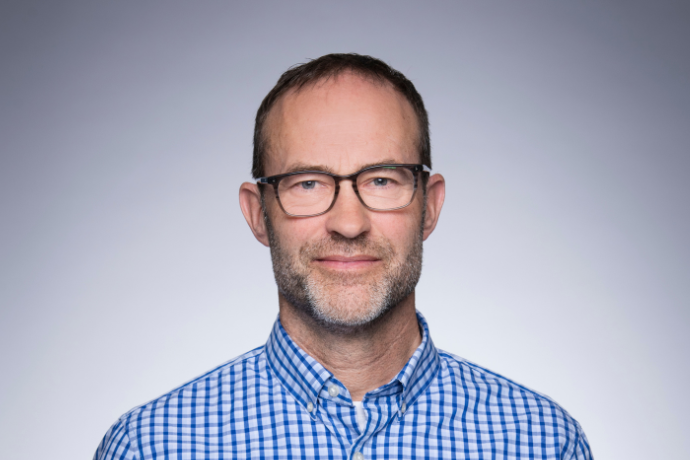
Dr. Wei Song is a Professor and the Coordinator of Software Engineering at the Faculty of Computer Science, University of New Brunswick (UNB) in Fredericton, New Brunswick, Canada. She has been with UNB since 2009, after completing her postdoctoral studies at UC Berkeley, and has established herself as a leading researcher in mobile networking and wireless communications. Her office is located in room ID419 and she can be reached at wsong@unb.ca. Education Ph.D. in Electrical and Computer Engineering, University of Waterloo (2003-2007) Postdoctoral Fellow, Department of Electrical Engineering and Computer Sciences, University of California, Berkeley (2008-2009) Research Focus Dr. Song's research spans multiple cutting-edge areas in mobile and wireless networking, with a strong emphasis on integrating artificial intelligence and machine learning techniques. Her work addresses fundamental problems in mobile social networks, Internet of Things, vehicular networks, and mobile cloud computing. She explores how cooperative intelligence and distributed AI can enhance network performance while addressing practical constraints such as energy efficiency and user incentives. Her recent work particularly focuses on intelligent edge computing, mobile crowdsensing with deep reinforcement learning, and social-aware data dissemination through device-to-device communications. She investigates how to turn decentralized mobile "crowds" into coherent working groups and how social connections can be leveraged to improve data dissemination efficiency. Publication Trends Dr. Song's recent publications (2016-2023) demonstrate a clear evolution from traditional wireless networking to AI-driven approaches. While her earlier work focused on fundamental problems in device-to-device communications and resource allocation, her recent publications increasingly incorporate deep reinforcement learning, graph neural networks, and other AI techniques to solve complex optimization problems in mobile crowdsensing and edge computing. This shift reflects broader trends in the field toward intelligent, adaptive networking solutions. Scientific Recognition Best Paper Award from IEEE ICC (2018) UNB Merit Award (2014) Best Student Paper Award from IEEE CCNC (2013) Top 10% Award from IEEE MMSP (2009) NSERC postdoctoral fellowship (2008) Best Paper Award from IEEE WCNC (2007) Professional Service and Mentoring Dr. Song serves as Senior Member of IEEE and has held significant leadership roles, including Chair of the Joint Computer and Communications Chapter of IEEE New Brunswick Section (2014-2020). She has chaired symposia at major conferences including IEEE VTC Fall 2023, 2017, and 2016. As a supervisor, she mentors graduate students in areas including intelligent edge computing and deep learning for networking, and is currently recruiting students for Winter 2024 and Fall 2025.
Kaylena Ehgoetz Martens serves as an Associate Professor in the Department of Kinesiology and Health Sciences at the University of Waterloo, where she directs the Neurocognition and Mobility Lab. Her research program integrates movement kinematics, functional neuroimaging, psychophysiology, and cognitive neuroscience to investigate the neural basis of gait control and its disruption in neurodegenerative conditions, with particular emphasis on Parkinson's disease, dementia with Lewy bodies, and isolated REM sleep behavior disorder. She focuses on the complex interplay between cognition, emotion, and motor function to develop translational approaches for early diagnosis and intervention in mobility disorders. Dr. Martens' academic training includes a BSc in Kinesiology & Physical Education from Wilfrid Laurier University, an MA in Psychology from the University of Waterloo, a PhD in Cognitive Neuroscience from the University of Waterloo, and postdoctoral training at the Medicine, Brain and Mind Centre, University of Sydney, Australia. Her educational background established the foundation for her multidisciplinary approach to movement neuroscience. Her research program centers on three interconnected aims: (1) investigating cognitive-emotional interactions in gait and balance control; (2) leveraging gait complexity to identify subclinical predictors of neurodegeneration; and (3) developing technology-enhanced diagnostic and intervention tools using virtual reality and mobile recording devices. This work addresses critical gaps in understanding how anxiety, threat processing, and autonomic dysfunction contribute to movement impairments in aging and neurodegenerative diseases. Analysis of her recent publications (2023-2025) reveals a strong trajectory in subtype-specific characterization of freezing of gait, identification of sex-specific neurodegeneration patterns, and development of AI-driven detection methods. Her work increasingly incorporates machine learning for gait analysis while maintaining clinical relevance through biomarker discovery and therapeutic innovation, particularly in the prodromal phases of synucleinopathies. Scientific Awards: No specific awards were documented in the provided source material. Dr. Martens actively supervises graduate students across all levels including undergraduate theses, MSc, PhD, and postdoctoral fellows within her Neurocognition and Mobility Lab. She provides research opportunities for volunteers, coursework interns, and research coordinators, with a focus on translating laboratory findings to clinical applications. While specific grant details weren't provided, her extensive use of advanced neuroimaging, wearable sensors, and virtual reality technologies indicates substantial research funding supporting her program. The Neurocognition and Mobility Lab operates as a collaborative hub bridging basic neuroscience with clinical practice, working closely with healthcare providers to develop practical tools for early mobility impairment detection. Current projects emphasize translating gait complexity metrics into clinical biomarkers and developing anxiety-targeted interventions to prevent falls in neurodegenerative populations, with particular attention to preserving functional independence throughout the lifespan.
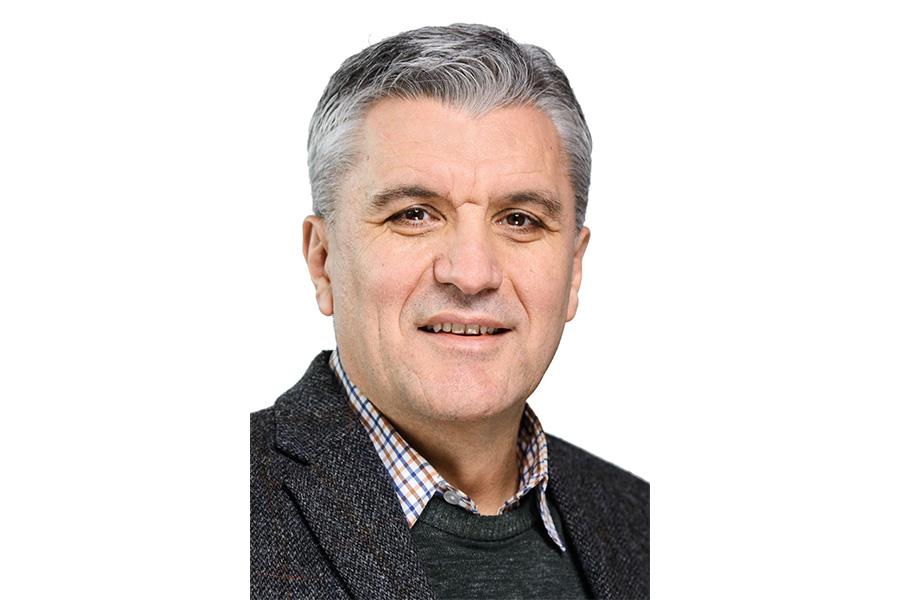
Nediljko Budisa is a Professor and Tier 1 Canada Research Chair in Chemical Synthetic Biology and Xenobiology at the University of Manitoba's Faculty of Science, Department of Chemistry. His research program focuses on expanding the fundamental biochemical capabilities of living systems through genetic code engineering and synthetic biology approaches. Dr. Budisa's research spans multiple cutting-edge areas in synthetic biology, with particular emphasis on genetic code expansion , non-canonical amino acid incorporation , and protein engineering . His laboratory employs both classical biochemical techniques and advanced computational methods to develop orthogonal translation systems, engineer novel enzymes, and create synthetic cells with expanded biochemical repertoires. His work bridges chemistry, biology, and engineering to address fundamental questions about life processes while developing practical applications in biotechnology and medicine. Analysis of Dr. Budisa's publication record reveals a consistent trajectory of innovation in genetic code engineering, with recent work increasingly integrating machine learning approaches for protein design. His research spans from fundamental studies of protein structure-function relationships to applied research in metabolic engineering and antiviral strategies, demonstrating the versatility of synthetic biology approaches. Tier 1 Canada Research Chair in Chemical Synthetic Biology and Xenobiology Dr. Budisa leads an active research program supported by his Canada Research Chair position, with extensive collaborations across Canada and internationally. His work has resulted in numerous patents and commercial applications in biotechnology. He actively participates in the synthetic biology community through initiatives like Prairie iGEM BioExM and has delivered public lectures on methodological challenges in expanded genetic code research. His research is conducted through the Chemical Synthetic Biology and Xenobiology laboratory at the University of Manitoba, where his team explores the social, cultural, educational, ethical and philosophical aspects of synthetic biology alongside technical innovations, reflecting a comprehensive approach to advancing this transformative field.
Pierre-Yves Lajoie is an Assistant Professor in the Department of Computer Engineering and Software Engineering at Polytechnique Montréal, a leading engineering school affiliated with Université de Montréal. His research focuses on robotics and artificial intelligence, with specialization in robotic perception for single and multi-agent systems. He has held research positions at prestigious institutions including the Massachusetts Institute of Technology (2019), Samsung AI Center (2023), and University of Oxford (2024). Education: Ph.D. in Computer Engineering, Polytechnique Montréal Dr. Lajoie's research interests span across robotics, computer vision, and distributed systems. He specializes in developing algorithms for robotic perception in challenging environments, with applications in aerial, underground, indoor, and space robotics. His work focuses on enabling robots to understand their surroundings through visual and sensor data, particularly in collaborative multi-robot scenarios where communication may be limited or unreliable. His primary research center of excellence is the Industry of the Future and Digital Society, with secondary centers in Modeling and Artificial Intelligence and New Frontiers in Information and Communication Technologies. His publication record demonstrates a strong focus on collaborative SLAM (Simultaneous Localization and Mapping) systems, with recent work addressing challenges in planetary exploration, swarm robotics, and pedestrian positioning. His research combines computer vision, machine learning, and distributed systems to create robust solutions for real-world robotic applications, particularly in environments with communication constraints. Scientific Awards: Vanier Canada Scholarship Best Paper Award at IEEE ICC 2024 Dr. Lajoie is actively recruiting graduate students for PhD and Master's programs, with openings for Fall 2025 and Spring 2026. He encourages students to apply for various scholarship opportunities including NSERC, FRQ, and IVADO scholarships at multiple academic levels. His research is supported by collaborations with academic and industrial partners, focusing on applications in space robotics, automated manufacturing, and service robotics. He has supervised research projects in areas such as search and rescue with sparsely connected swarms and distributed risk-aware exploration systems.
Jeff Lupker serves as an Assistant Professor at Western University's Don Wright Faculty of Music, specializing in the intersection of artificial intelligence and musical creativity. His work develops computational tools that augment human composition through deep learning algorithms and interactive systems, positioning him at the forefront of AI-driven music innovation. Lupker completed his entire academic training at Western University: PhD in Composition (2021) Master of Music in Composition (2016) Bachelor of Music in Theory and Composition (2014) His research program focuses on artificial intelligence applications for musical creation, including deep learning models for algorithmic composition, sentiment analysis of social media as compositional input, and mobile-based spatial audio systems. Lupker investigates how transformer architectures generate musical structures and how real-time web applications enable collaborative performance, emphasizing practical tools that combat writer's block while expanding composers' stylistic range through AI-assisted creativity in electroacoustic and popular music contexts. Analysis of his 2021 publications reveals a cohesive research trajectory leveraging cutting-edge AI methodologies to solve creative challenges in music. The works demonstrate how deep learning transforms composition through systems like Score-Transformer and explore mood-pattern recognition using machine learning, collectively establishing foundational work for human-AI creative collaboration that bridges music theory with big data analytics. As founder of Staccato, Lupker leads the development of an AI co-writing platform that functions as an intelligent creative partner. The system generates lyrical content from keywords and suggests musical continuations, helping composers overcome creative blocks while expanding artistic possibilities across diverse genres through accessible, user-friendly interfaces.
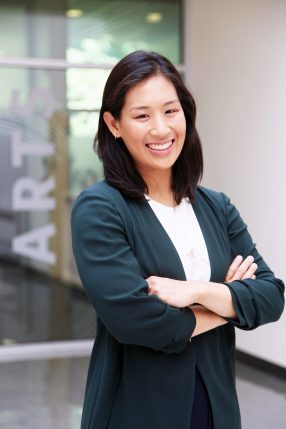
Amanda R. Cheong is an Assistant Professor of Sociology at the University of British Columbia , Faculty of Arts, Department of Sociology. Her research interrogates how legal status and documentation shape life chances, centering on stateless, undocumented, and refugee communities in Southeast Asia and North America. Education Ph.D. Sociology & Social Policy, Princeton University (2019) M.A. Sociology & Social Policy, Princeton University (2016) B.A. (Hons) Sociology, University of British Columbia (2012) Research Interests Dr. Cheong’s work sits at the intersection of migration studies, citizenship theory, statelessness, and socio-legal inquiry . Her ongoing book project, Vital Omissions: Citizenship, Statelessness, and the Politics of Civil Registration in Malaysia , combines ethnographic methods with critical theory to reveal how bureaucratic omission becomes a tool of ethnoracial exclusion and national boundary-making. Selected Scientific Awards & Fellowships American Sociological Association Award Association for Asian Studies Award United Nations Refugee Agency Award American Council of Learned Societies Fellowship International Union for the Scientific Study of Population Fellowship Social Sciences and Humanities Research Council of Canada Grants Southeast Asia Research Group Grants Research Leadership & Affiliations Dr. Cheong holds leadership roles in several UBC centres: Executive committee member, UBC Centre for Migration Studies Faculty affiliate & advisory committee member, UBC Asian Canadian and Asian Migration Studies Steering committee member, UBC Centre for Asian Canadian Research and Engagement She is actively recruiting MA and PhD students for thesis-based programs in Sociology and welcomes interdisciplinary collaborations and undergraduate research assistants.
Dana Cobzas is an Associate Professor at the MacEwan University in the Department of Computer Science , with adjunct appointments at the University of Alberta. Her academic journey includes a PhD in Computer Science (University of Alberta, 2004) MSc in Mathematics (Babes-Bolyai University, 1998) BSc in Mathematics (Babes-Bolyai University, 1997) . Her research focuses on imaging and computer vision , particularly mathematical models for medical image processing . Key areas include Medical image segmentation and registration 3D modeling from uncalibrated images Sparse classification for population studies Dynamic vision (tracking and modeling) Medical applications in neuroimaging and oncology . She has developed advanced techniques like deep learning-integrated level set methods and FEM-based segmentation. Scientific recognition includes: NSERC Discovery Grant (2015, 2010) Best Vision Paper at IEEE ICRA 2005 Best Student Paper at Vision Interface 2003 . She is actively involved in teaching and mentoring , with experience supervising senior students’ independent studies and contributing to collaborative projects in robotics and biomedical engineering .
Andrew Jirasek is a Professor at the Irving K. Barber Faculty of Science , University of British Columbia Okanagan , and serves as the Associate Dean for Graduate and Postdoctoral Training . He leads the Analytics in Medical Sciences (AiMS) Institute with a focus on Medical Physics and Radiation Oncology Physics , particularly utilizing Raman spectroscopy and 3D radiation dosimetry for cancer treatment verification. PhD from University of British Columbia His research involves developing polymer gel dosimeters for 3D radiation dose verification in complex therapies like volumetric modulated arc therapy (VMAT) , collaborating across physics, oncology, and engineering . He also investigates optical technologies to monitor biological responses during radiotherapy using Raman spectroscopy with machine learning for data analysis. Recent publications highlight advancements in 3D gel dosimetry , Raman spectroscopy for metabolic profiling , and iterative image reconstruction algorithms . His work spans dosimeter technology development , radiation therapy quality assurance , and clinical applicability studies for novel treatment verification methods.
Ahlem Ammar is a Full Professor in the Department of Didactics at the Faculty of Education, University of Montreal . Her research focuses on second language acquisition, particularly in grammar instruction , corrective feedback mechanisms , and metalinguistic awareness for French and English as second languages. She supervises doctoral and master's students in educational linguistics. Holder of a Ph.D. in Education (McGill University, 2003) Master's in Applied Linguistics (Concordia University, 1996) Master's in Civilization and English Literature (École Normale Supérieure de Tunis, 1993) Her publications examine corrective feedback effectiveness, task-based learning, and error analysis in second language contexts. Current research projects focus on collaborative writing tasks and written corrective feedback impacts for French L2 learners. Scientific Awards 2016 - University of Montreal Excellence Award for Graduate Supervision 2014 - Faculty of Education Excellence in Teaching Award She has secured multiple grants from FRQSC (Fonds de recherche du Québec - Société et culture) and SSHRC (CRSH) for studies on corrective feedback and L2 writing development. Her supervision has led to numerous successful PhD and MA completions.
Dominic Anctil is a Full Professor in the Department of Didactics at the Faculty of Education, Université de Montréal. His academic career focuses on French language education with specialization in lexical didactics, vocabulary acquisition, and writing instruction. He contributes significantly to teacher training programs and educational resources for French language instruction across multiple educational levels. His educational background includes: PhD in Education (Didactics option), Université de Montréal (2005-2011) MA in Education (Didactics option), Université de Montréal (2002-2005) Minor in Linguistics, Université de Montréal (2002-2003) Bachelor of Music, Université de Montréal (1998-2002) Dr. Anctil's research primarily investigates lexical didactics, examining how vocabulary is taught and learned in French language education. His work bridges lexicology, semantics, and language teaching methodologies with particular attention to writing instruction, grammar teaching at the primary level, and vocabulary comprehension in reading. He explores teacher approaches to lexical errors and develops effective strategies for lexical instruction across educational settings. His publication record reveals consistent focus on practical applications of lexical theory in classrooms. Much of his work addresses teaching vocabulary through children's literature, dictionary use, and targeted instructional sequences. His recent publications demonstrate continued innovation in vocabulary instruction methods and error analysis in language learning. Dr. Anctil actively supervises graduate students with recent thesis completions in 2024 focusing on vocabulary consolidation, lexical teaching resources for primary education, and vocabulary instruction practices. He serves as external examiner for graduate theses at other institutions including Université Laval and UQAM, reflecting his recognition as an expert in French language education. He is a member of OLST (Observatoire de linguistique Sens-Texte) and has contributed to educational resources including the "Ouvrir le dictionnaire" website for college students. His work extends beyond academia through collaborations with school boards and teachers, particularly in projects focused on vocabulary teaching in early childhood education and primary schools.
Joshua Marshall is an Associate Professor in the Department of Electrical and Computer Engineering at Queen's University, cross-appointed to Mechanical and Materials Engineering. He serves as Interim Director of Ingenuity Labs Research Institute and leads the Offroad Robotics research group (formerly Mining Systems Laboratory). Previously, he held positions at Carleton University and MDA, Inc. Education: PhD in Electrical and Computer Engineering, University of Toronto (specializing in systems control) Research Interests: Dr. Marshall specializes in field robotics for mining, space, and industrial applications. His work integrates control systems engineering , localization and mapping , and mechatronics to develop autonomous solutions for harsh environments. Key focus areas include mobile robot navigation, sensor fusion, and real-world deployment challenges in underground and extraterrestrial settings. Publication Trends: His 2022-2025 publications reveal dominant themes in autonomous industrial vehicle control (motor graders, excavators), marine robotics (uncrewed surface vessels), and terrain/material classification . Work consistently combines model predictive control with machine learning (Gaussian processes, reinforcement learning) for dynamic environment adaptation. Multi-robot systems and simulation-to-real transfer represent emerging research directions. Professional Recognition: Senior Member of IEEE Associate Editor, IEEE Control Systems Society Conference Editorial Board Senior Editor, IEEE/RSJ International Conference on Intelligent Robots and Systems (IROS) Research Impact: Dr. Marshall's Offroad Robotics group develops technologies featured in the Canada Science and Technology Museum's 'From Earth to Us' exhibit. His work bridges academic research with industry applications through collaborations with MDA and international institutions like Örebro University, though specific grant details are not provided in source materials. Leadership: He directs both the Offroad Robotics research group and Ingenuity Labs Research Institute, fostering interdisciplinary innovation in robotics, autonomous systems, and intelligent technologies for real-world implementation in mining, space exploration, and environmental monitoring.
Mél Hogan is an Associate Professor in the Department of Film and Media at Queen's University and host of The Data Fix podcast. She serves as MA/PhD supervisor within her department, though currently not accepting new students while remaining available for supervisory committees and exams via Zoom. Her research critically examines the environmental impacts of data infrastructures through environmental humanities, critical data studies, and science and technology studies (STS). She employs qualitative, research-creation, and ethnographic methods to investigate data centers, archival theory, and elemental media, with particular focus on how digital technologies intersect with climate crisis and ecological systems. Her work bridges media studies with environmental concerns, emphasizing cultural, social, and historical dimensions of technology. Recent publications (2022-2025) reveal consistent thematic evolution toward data center ecologies, climate-tech intersections, and materialities of digital storage. Key trends include solastalgia (environmental distress) in cloud computing, archival responses to extinction, and critical examinations of AI's environmental costs. Her scholarship demonstrates increasing interdisciplinary reach across media archaeology, environmental humanities, and critical infrastructure studies. Dr. Hogan actively supervises graduate students with interdisciplinary projects using qualitative methods in communication/media studies, environmental humanities, and critical theory. She explicitly notes unsuitability for technical problem-solving projects or quantitative social science approaches, emphasizing her preference for critical-humanistic perspectives on data, media, and technology. Her advising philosophy centers on collaborative exploration of environmental impacts within data infrastructures.
Annette Majnemer is a Professor at McGill University's School of Physical and Occupational Therapy within the Faculty of Medicine and Health Sciences. She serves as a Senior Scientist at the Research Institute of the McGill University Health Centre (IR-MUHC), where she is affiliated with both the Child Health and Human Development Program and the Center for Evaluative Research in Health. Her academic career is firmly rooted in pediatric rehabilitation science, with particular emphasis on understanding and improving outcomes for children with developmental disabilities. Dr. Majnemer's research program focuses on child, adult, and environmental factors that influence activity limitations and participation restrictions in children and youth with developmental disabilities. She has particular expertise in studying children born at high risk of impairment, including preterm survivors and children with congenital heart disease, as well as those with cerebral palsy. A significant portion of her recent work has centered on knowledge translation and exchange strategies designed to promote best practices in early identification of impairment and adoption of effective rehabilitation interventions. She leads the CHILD-BRIGHT Network, a pan-Canadian patient-oriented research strategy targeting children with brain-based disorders, which represents one of the most significant collaborative efforts in childhood disability research in Canada. Her publication record demonstrates a strong trajectory in childhood disability research, with recent work increasingly focusing on innovative approaches to rehabilitation service delivery, including telehealth, digital interventions, and gamification strategies to enhance participation. The breadth of her research spans from basic understanding of developmental trajectories to implementation science examining how to effectively integrate evidence into practice. Her work consistently emphasizes patient and family engagement, recognizing the critical importance of incorporating the perspectives of children with disabilities and their families in research design and service development. Dr. Majnemer has been instrumental in developing and evaluating coaching interventions for parents of children with developmental delays, examining how to optimize leisure participation for children with disabilities, and creating tools to measure inclusion in community settings. Her work on the Child Community Health Inclusion Index represents an important contribution to the field's ability to assess and improve community participation for children with disabilities. Through her leadership of the CHILD-BRIGHT Network and numerous collaborative research projects, Dr. Majnemer has established herself as a central figure in Canadian childhood disability research, bridging clinical practice, research, and policy to improve outcomes for children with disabilities and their families across the country.
J. David Smith is a Full Professor in the Faculty of Education at the University of Ottawa, specializing in Counseling Psychology. His research focuses on school climate, teacher-student relationships, and bullying prevention programs, with an emphasis on creating positive educational environments through warm, caring interactions. Ph.D. in Counselling Psychology, McGill University (1998) M.Ed. in Counselling Psychology, McGill University (1991) B.A., Saint Francis Xavier University (1988) Smith's research explores how positive school climates reduce bullying and victimization, integrating Acceptance and Commitment Therapy (ACT) principles into teacher training. He collaborates with international networks like PREVNet and BRNET to promote healthy relationships among children. Recent publications highlight his work on school attendance problems, peer aggression, and decolonizing training for mental health professionals. His studies employ meta-analyses, qualitative analyses, and scoping reviews to address systemic and individual factors affecting school environments. Excellence in Education Award (2022) Award for research and teaching excellence (2023) Smith supervises graduate student Heather Woods and teaches courses in counseling theory, assessment, and professional ethics. He investigates ethical practices in counseling and the philosophical foundations of personal identity within educational contexts.