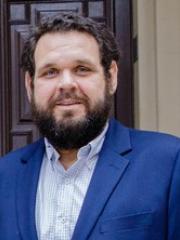
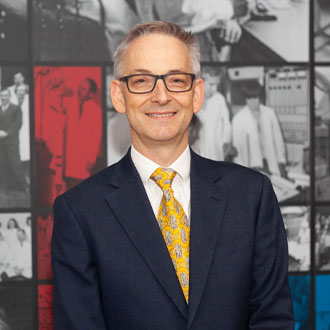
Associate Professor Paul Jensen from The University of Queensland is a leading academic in the School of Chemical Engineering and Australian Centre for Water and Environmental Biotechnology (ACWEB) . With a PhD in Engineering, he specializes in anaerobic biotechnology, resource recovery, and sustainable waste management. His research focuses on: Biogas production from livestock and agricultural waste Wastewater nutrient recovery for circular economies Bio-plastic and fertilizer synthesis from low-value biomass Microbial inhibition dynamics in anaerobic systems Over the past decade, his 15 most recent publications demonstrate expertise in waste valorization , biofilm reactor design , and anaerobic digestion kinetics , particularly for paunch waste and microalgal biomass. Notable projects include: 2025: Alkaline pretreatment of paunch waste for methane optimization 2024: Engineering process design curricula for chemical engineering students 2023: Hydrothermal treatment economics for sludge-derived fuels 2022: Biocomposite development from paunch fibers His work integrates engineering , biological sciences , and process modeling to deliver real-world solutions for municipal and industrial partners. Current grants include: 2024-2025: Pilot-scale Anaerobic Co-digestion at Central SEQ Municipal STP 2022-2027: ARC Training Centre in Bioplastics and Biocomposites 2021-2025: Sludge-to-resource CRC-P projects Paul supervises PhD candidates in topics such as anaerobic digestion microbiology , biogas process acceleration , and sewage sludge sustainability , collaborating with experts like Professors Damien Batstone and William Clarke.
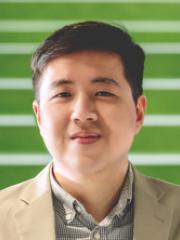
Dr Kai Li Lim is the St Baker Fellow in E-Mobility at the Dow Centre for Sustainable Engineering Innovation , part of the Faculty of Engineering, Architecture and Information Technology at The University of Queensland (UQ) . Specializing in data engineering , telematics , and autonomous vehicle systems , his research examines electric vehicle (EV) usage patterns , charging reliability , and spatiotemporal data analysis to inform policy and sustainable transport strategies. Education : BEng (Hons) in Electronic and Computer Engineering (University of Nottingham), MSc in Computer Science (Lancaster University), PhD in Artificial Intelligence and Robotics (The University of Western Australia, funded by Australian Government Research Training Programme). Research Interests include: Electric vehicle telematics and data analytics Computer vision and deep learning for autonomous navigation Policy development for sustainable transport Infrastructure planning for EV and hydrogen systems Integration of cloud computing and IoT in mobility solutions Publication Trends reveal a focus on EV charging behaviors , data platform architectures , and autonomous driving frameworks , with recent work addressing regional emission disparities , modular safety systems , and online assessment integrity . Scientific Awards : St Baker Fellow in E-Mobility, Visiting Fellowship at UC Davis Electric Vehicle Research Center, Australian Government Research Training Programme (PhD funding). Supervision and Grants : Available for supervision, Dr Lim has secured funding from Energy Consumers Australia , iMove CRC , and Australian Urban Research Infrastructure Network (AURIN) for projects on EV charging incentives, freight emissions modeling, and longitudinal vehicle data databases. Labs and Collaborations : Collaborates with UC Davis Electric Vehicle Research Center , UQ School of Civil Engineering , and UQ School of Electrical Engineering and Computer Science . Leads the UQ Teslascope Project and contributes to the Green Australian Vehicle Ownership (GreenAVO) Capability for AURIN .
Associate Professor Kai-Hsiang Chuang is a Principal Research Fellow at the School of Biomedical Sciences within the Faculty of Health, Medicine and Behavioural Sciences at the University of Queensland. He is also affiliated with the Queensland Brain Institute and the Centre for Advanced Imaging. His research focuses on understanding brain networks, developing advanced imaging techniques, and translating these findings to improve diagnosis and intervention for neurological disorders. Dr. Chuang received his Ph.D. in electrical and biomedical engineering from the National Taiwan University, Taiwan, in 2001. His doctoral research focused on improving the detection of brain activity using functional magnetic resonance imaging (fMRI). Ph.D. in Electrical and Biomedical Engineering, National Taiwan University (2001) Dr. Chuang's research spans multiple areas of brain imaging and neuroscience. His primary focus is on functional brain mapping , where he develops in vivo imaging techniques including functional MRI and multimodal integration with optogenetics, calcium imaging, and electrophysiology. He applies these techniques in both humans and animal models to improve understanding and intervention of brain function, disease processes, and treatment effects. Another key area is brain networks in learning, memory, and dementia . His work explores how brain network wiring and activity underpin cognition and behavior, with particular focus on understanding the causal relationship between brain network activity and memory formation. He develops techniques to modulate behavior by manipulating brain network activity. More recently, Dr. Chuang has expanded into brain waste clearance research, studying the brain's fluid drainage system that clears waste and toxic molecules like amyloid plaques. His lab is developing imaging techniques to track this system's function and understand its regulatory mechanisms, which could provide new treatment targets for dementia. Analysis of Dr. Chuang's recent publications reveals a strong focus on advancing functional MRI techniques for brain network analysis, particularly in rodent models. His work consistently bridges basic neuroscience with clinical applications, especially in understanding memory formation and dementia. A notable trend is the development of multimodal approaches that combine fMRI with optogenetics, calcium imaging, and electrophysiology to establish causal relationships in brain networks. His research increasingly addresses the translation of preclinical findings to human applications, with growing emphasis on Alzheimer's disease mechanisms and potential interventions. Dr. Chuang serves on the editorial boards of multiple prestigious journals including Frontiers in Neuroscience: Brain Imaging Methods , Imaging Neuroscience , and Scientific Reports , reflecting his standing in the field. Editorial Board Member, Frontiers in Neuroscience: Brain Imaging Methods Editorial Board Member, Imaging Neuroscience Editorial Board Member, Scientific Reports Dr. Chuang is actively involved in research supervision, currently serving as Principal Advisor for one PhD student working on "Developing imaging and neuro-technologies for decoding memory formation" and Associate Advisor for two other PhD projects. He has successfully completed supervision of three PhD students on topics related to resting-state networks, memory consolidation, and functional MRI. ARC Discovery Projects (2024-2028): "Decoding the brain network of memory formation" ARC Training Centre for Innovation in Biomedical Imaging Technology (2017-2024) NHMRC-NIH BRAIN Initiative Collaborative Research Grants (2016-2023) Universities Australia - Germany Joint Research Co-operation Scheme (2017-2018) Mater Medical Research Institute Limited grant for mindfulness-based cognitive therapy research (2017-2020) Dr. Chuang leads the Functional and Molecular Neuroimaging Group at the Queensland Brain Institute. His laboratory focuses on understanding the functional connectome of the brain and developing functional and molecular imaging techniques to study brain connectivity associated with behavior. The group has developed various MRI techniques to track neuronal connections, map large-scale brain synchrony, and quantify cerebral blood flow and metabolism in vivo. His research team collaborates extensively with other experts at UQ and internationally, including collaborations with Associate Professor Darryl Eyles, Professor Jürgen Götz, Professor Tianzi Jiang, Dr. Fatima Nasrallah, Professor Linda J. Richards, Professor Pankaj Sah, Professor Elizabeth Coulson, Dr. Patricio Opazo, Professor Feng Liu, and Professor Markus Barth.
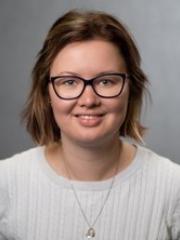
Dr. Kate Beecher Matthews is an Early Career Postdoctoral Research Fellow at the University of Queensland's UQ Centre for Clinical Research within the Faculty of Health, Medicine and Behavioural Sciences . She works in the Molecular Breast Pathology Lab collaborating with Prof. Sunil Lakhani, A/Prof Amy McCart Reed, A/Prof Peter Simpson, and Dr. Vaibhavi Joshi. Masters (Research) of Biomedical Science, Queensland University of Technology (2018) Doctor of Philosophy, Queensland University of Technology (2022) Dr. Matthews focuses on breast cancer and brain metastasis , with a unique interest in the interaction between the nervous system and breast cancer cells in the brain. Her work integrates neuroscience with oncology , particularly examining serotonin and dopamine signaling in neurocognitive effects of dietary factors and fetal growth restriction . Her recent publications analyze neuroinflammation from high-sugar diets, genomic landscapes of breast cancers, and neurotransmitter regulation in metabolic disorders. She also contributes to neuroscience education through virtual dissection tools. Dr. Matthews is available for research supervision and leads projects on TSPO biomarkers and peer review dynamics in scientific publishing. Her lab work investigates neuroprotective strategies for fetal growth restriction and neural circuits in appetite regulation.
Divesh Srivastava is a leading researcher in data management and database systems, currently serving as the Head of Database Research at AT&T Labs-Research. With over three decades of experience, he has made significant contributions to the field, including the development of the Janus Project, which focuses on modeling and analyzing variability in Big Data. His work has resulted in over 350 technical articles, 32,000 citations, and 100 US patents. Education: Ph.D. in Computer Science from the University of Wisconsin, Madison Bachelor of Technology from the Indian Institute of Technology, Bombay Leadership Roles: Vice President of the VLDB Endowment Co-chair of the ACM Publications Board Board of Directors of the Computing Research Association (CRA) Editorial Contributions: Managing Editor of the Proceedings of the VLDB Endowment (PVLDB) Associate Editor of the ACM Transactions on Database Systems (TODS) Associate Editor-in-Chief of the IEEE Transactions on Knowledge and Data Engineering (TKDE) Conference Involvement: Keynote speaker at numerous international conferences Chair or Co-chair of Technical Program Committees for SIGMOD 2021, VLDB 2020 (Industrial), SIGMOD 2020 (Industrial), ICDE 2019, and CIKM 2018 Collaborative Efforts: Visited the CIRES Centre from September 11-14, 2022, to mentor emerging researchers and present a keynote on the Janus Project
Associate Professor Zhan Wu is a faculty member at the University of Sydney Business School, specializing in International Business. He holds a PhD from Nanyang Technological University in Singapore and has established himself as a leading researcher in international business, strategic management, and innovation in emerging markets and transition economies. His educational background includes BSc and MSc from Sichuan and PhD from Nanyang Technological University in Singapore. His academic journey has positioned him at the forefront of research examining how firms navigate complex institutional environments in developing economies. Professor Wu's research focuses on the intersection of international business, strategic management, and innovation in the context of emerging markets and transition economies. His work particularly examines the strategy of firms in and from emerging economies, OFDI and IFDI, competitive dynamics, green innovation and energy economics, entrepreneurship, and dynamic capabilities. His publications in top journals like Journal of Management Studies and Energy Economics demonstrate the theoretical and practical significance of his research, which has important implications for multinational corporations operating in developing economies and for understanding how emerging market firms can successfully expand globally. His extensive publication record shows a clear trajectory of research excellence across multiple domains of international business. A notable trend in his recent work is the growing emphasis on sustainability and green innovation within international business contexts, reflecting broader global concerns about environmental challenges. His 2024 and 2025 publications demonstrate continued research productivity with increasing attention to the intersection of artificial intelligence, new energy vehicles, and corporate sustainability strategies. Wayne Lonergan Outstanding Teaching Award (Early Career) valued at $10,000 Dean's Citation for Teaching Excellence USS Awards Research Excellence Award nomination (2024) Competitive research grant from China's NNSF (AUD80,000) Professor Wu has demonstrated significant leadership in academic service, serving as Associate Editor of Journal of Business Research and Senior Editor of Asia Pacific Journal of Management. He has secured research funding from China's National Natural Science Foundation and serves as an ARC assessor. In educational leadership, he has served as Learning and Teaching Associate, Undergraduate Program Coordinator for International Business, and Program Director for the Master of International Business, significantly contributing to curriculum development and student experience. As an academic ambassador for the Business School, Professor Wu has cultivated a strong global research network, including a visiting scholar position at Fudan University Management School in China. His research collaborations span multiple continents, reflecting the international nature of his scholarly interests in global business dynamics and the increasing interconnectedness of emerging and developed economies.
Dr. Alan Said is an Associate Professor of Computer Science at the Department of Applied Information Technology, University of Gothenburg, Sweden. He leads research in human-centered artificial intelligence, recommender systems, user modeling, and sustainability of AI systems. PhD in Computer Science from Technische Universität Berlin Marie Curie Postdoctoral Fellowships at CWI and Delft University of Technology His research focuses on theoretical advancements in machine learning and practical applications in health, personalized technology, and interdisciplinary work on AI ethics. Recent publications address environmental impact of AI research and responsible design. The Springer Best Paper Award at UMAP 2024 and Marie Curie Postdoctoral Fellowship recognize his contributions to the field. He has authored over 100 peer-reviewed publications in venues like ACM RecSys, TORS, and TIST. Alan Said actively participates in academic service as General Co-chair for RecSys 2019 and UMAP 2026, Chair of the ACM RecSys Steering Committee, and editorial roles for ACM journals. He also delivers lectures on ethical AI design, recommender system history, and sustainability challenges.
Dr. Katja Lee is a Lecturer in Media and Communication and Course Coordinator of the Master of Strategic Communication program at The University of Western Australia's School of Social Sciences. Her research examines self-representation through media across historical periods, with particular focus on women's public storytelling from early twentieth-century magazine articles to contemporary social media platforms. Education: SSHRC Postdoctoral Fellow: Simon Fraser University (2015-2017) PhD, McMaster University (2015) J'explore French Language Program, Université Laval (2011) MA, University of British Columbia (2003) BA (Honours), Simon Fraser University (2001) Her research centers on celebrity culture and women's life writing across media forms, investigating how technological and cultural conditions shape women's public self-representation. Current projects include examining life stories of women in Australia's mining and resources sector, while her past work established foundational analysis of celebrity autobiography through her monograph Limelight . Her scholarship bridges persona studies, life writing, and digital media theory with strong emphasis on gendered experiences. Lee's publication portfolio reveals consistent thematic focus on persona construction and autobiographical practices, with increasing attention to Australian contexts in recent years. Her work demonstrates interdisciplinary methodology connecting historical analysis with contemporary digital culture, particularly examining how women navigate public representation across different media ecosystems. The research shows strong engagement with Canadian cultural history evolving toward Australian resource sector narratives. Scientific Awards: Shortlisted for the Gabrielle Roy Prize (2020) for Limelight Recipient of 2024 UWA Citation for Outstanding Contributions to Student Learning Seven-year tenure as Managing Editor of Persona Studies Dr. Lee actively supervises PhD and higher degree research students in women's fame, life writing across media, and representation strategies in the mining sector. Her GenAI literacy framework development demonstrates commitment to innovative pedagogy, particularly in first-year curriculum design. While specific grant details aren't provided, her SSHRC Postdoctoral Fellowship indicates competitive research funding success. Her teaching portfolio spans undergraduate to postgraduate levels with courses including COMM1001, COMM1002, COMM3004, and COMM5701. Though no formal lab structure is mentioned, Lee's research approach integrates creative methodologies and industry-aligned assessment design. Her current work on women in mining represents a significant pivot toward Australian resource sector narratives, building on her established expertise in life writing and persona studies while developing new collaborative frameworks with industry partners.
Professor John Greenwood serves as Director and Chief Executive of the Baker Heart and Diabetes Institute , with honorary professorships at the University of Melbourne , Monash University , and University of Leeds, UK . He is a consultant cardiologist specializing in coronary intervention and cardiovascular magnetic resonance (CMR) imaging . His research focuses on: Diagnosis and treatment of stable/unstable coronary artery disease CMR pulse sequence development and validation (CE-MARC trials) Multi-center drug/device trials for STEMI and complex coronary disease Machine learning applications in cardiac imaging Recent publications highlight trends in CMR-guided clinical decision-making, ischemic cardiomyopathy, and post-COVID-19 cardiac effects. Key awards include the SCMR Gold Medal (2023) and Honorary Life-Fellowships from the British Cardiovascular Society and Irish Cardiac Society. Professional Leadership: President of British Cardiovascular Society (2021–2024) Former BSCMR President (2018–2020) SCMR Guideline Committee Member (2018–2021) Advising : Supervised ~30 MD/PhD students. Grants : British Heart Foundation Clinical Research Collaborative, Heart Research UK.
Associate Professor Wayne Wobcke is a faculty member in the School of Computer Science and Engineering at the University of New South Wales (UNSW), where he has been employed since 2002. His academic career includes previous positions at the University of Sydney until 1998, British Telecom Labs in the UK for three years, and the University of Melbourne for one year. He holds a PhD in Computer Science from the University of Essex (1989), an MSc from the University of Queensland (1985), and a BSc (Hons) in Mathematics/Computer Science from the University of Queensland (1984). Dr. Wobcke's research spans both theoretical and practical aspects of artificial intelligence and data science. His work encompasses intelligent agents, data mining, agent-based modeling, dialogue management, personal assistants, recommender systems, and computational social science. He has collaborated extensively with industry through three Cooperative Research Centres (Smart Internet Technology CRC, Smart Services CRC, and Data to Decisions CRC), where he served as a Programme Manager and Project Leader for over 10 years. Notable achievements include developing a voice-controlled mobile application for email and calendar interaction (a precursor to Apple's Siri) and deploying a people-to-people recommender system for online dating on one of Australia's largest dating sites. His recent research focuses on data science in humanitarian contexts and machine learning applications in official statistics, conducted in collaboration with BPS (Statistics Indonesia) and STIS (Politeknik Statistika, Indonesia). His publication record shows a consistent trajectory of impactful research, with recent work concentrating on poverty targeting, domain adaptation, natural language processing for recommender systems, and political opinion mining. Scientific Awards: Best Paper Nomination, 11th Workshop on Argument Mining (2024) UNSW Arc Postgraduate Research Supervisor Award (2017, 2018) AAAI Deployed AI Application Award, Twenty-Sixth Annual Conference on Innovative Applications of Artificial Intelligence (2014) Best application paper runner up, 17th Pacific-Asia Conference on Knowledge Discovery and Data Mining (2013) Dr. Wobcke has successfully supervised numerous research students, with Irwan Rahadi currently working on 'Causal Modelling and Machine Learning for Official Statistics'. His grant portfolio includes significant funding from the Australian Research Council and various Cooperative Research Centres, totaling over $3.7 million since 2003. He teaches COMP9414 Artificial Intelligence and COMP9727 Recommender Systems at UNSW.
Charles Bond is a Professor at the School of Molecular Sciences within the Faculty of Science at the University of Western Australia. With a PhD in Chemistry from the University of Manchester and additional training from the Australian Institute of Company Directors, he has established himself as a prominent researcher in structural biology and molecular interactions. Education: PhD in Chemistry, University of Manchester (1992-1996) Graduate, Australian Institute of Company Directors (2022) Bond's research focuses on understanding how the spatial arrangement of biological molecules in complexes dictates their function, with particular interest in protein:nucleic acid interactions and their roles in gene regulatory complexes in eukaryotes. His work combines expertise in crystallography, bioinformatics, biochemistry, and molecular biology, often through collaborations with experts in cell biology and other biophysical techniques. His research spans structural biology, molecular recognition, RNA-binding proteins, and the development of synthetic biology tools. Analysis of his recent publications reveals a strong emphasis on protein-nucleic acid interactions, structural dynamics of biomolecular complexes, and the application of structural biology to solve biological problems. His work increasingly incorporates computational approaches, including contributions to discussions about AlphaFold's impact on structural biology. He has made significant contributions to understanding pentatricopeptide repeat proteins, paraspeckle formation, and bacterial conjugation mechanisms. As an active member of the scientific community, Bond serves as a co-editor for Acta Crystallographica Section D and has reviewed for multiple high-impact journals including Nature Communications, Biochemistry, and The Plant Cell. His research has been supported by funding from the Marsden Fund for projects investigating molecular circuits and gene expression. Bond maintains an active laboratory focused on structural biology approaches to understand molecular interactions, with particular emphasis on protein-RNA complexes and their roles in cellular processes. His collaborative approach has led to productive partnerships across multiple disciplines, bridging structural biology with cell biology, biochemistry, and agricultural science.
Ian Manock serves as an Adjunct Lecturer at Charles Sturt University's Australian Graduate School of Policing and Security in Bathurst. With extensive professional experience spanning emergency management, policing, and military service, he contributes specialized expertise in disaster response systems and resilience frameworks. Education: Graduate Certificate in Learning & Teaching Higher Education (2015, CSU) Master of Emergency Management (2002, CSU) Bachelor of Social Science (Emergency Management) (1997, CSU) Associate Diploma in Emergency Management (1995, University of Tasmania) His research centers on community resilience in post-disaster recovery, examining how social capital and economic systems interact during emergency management cycles. Current investigations explore digital communication channels in crisis response and interdisciplinary approaches to emergency education. His work demonstrates particular focus on Bangladesh flood case studies and Australian emergency management frameworks. Publications reveal consistent output in disaster management since 2003, with recent emphasis on gender dynamics in recovery processes and standardized education frameworks. His research portfolio shows strong integration of practical emergency response experience with academic rigor. Professional Affiliations: Australian Institute of Emergency Services International Association of Emergency Managers Royal Air Forces Association With prior roles as Regional Emergency Management Officer for Tasmania State Emergency Service and Senior Inspector in the Royal Hong Kong Police Force, Manock brings operational expertise to his academic work. His military background as a Royal Air Force officer further informs his interdisciplinary approach to emergency management education and practice.
Professor Catherine Hawke is a faculty member at the University of Sydney within the School of Rural Health (Dubbo/Orange) under the Faculty of Medicine and Health. She serves as Head of Clinical School and specializes in Population Health , evidence-based medicine , and research methods . Her research focuses on Adolescent Health , Epidemiology , and Public Health , with particular attention to Obesity , Diabetes , Cardiovascular Disease , and Healthy Ageing . Recent work includes rural STEMI care optimization and mental health impacts of climate change. Key Themes : Rural health disparities Hormonal influences on adolescent development Health system navigation Climate change resilience Articles Trends : Her publications emphasize adolescent endocrinology , rural healthcare innovation , and public health policy , often employing longitudinal studies and mixed-methods research .
Asadul Islam is a Professor at the Department of Economics at Monash University and serves as Director of the Centre for Development Economics and Sustainability (CDES). He is also a Chief Investigator for the Australian Research Council (ARC) Centre of Excellence for the Elimination of Violence Against Women (CEVAW) and holds an Adjunct Fellow position at BRAC International in Bangladesh. Professor Islam's research spans Development Economics and Demography, with specific focus on early childhood and primary education, health economics, gender studies, social networks, technology adoption, energy economics, microfinance, small and medium enterprises, and risk-sharing mechanisms. His work consistently connects academic research with real-world policy implications, particularly for developing countries. His recent publications reveal strong trends in field-based experimental research, particularly randomized controlled trials conducted across South and Southeast Asia. His work frequently addresses gender-related issues, educational interventions, health outcomes, and energy consumption patterns in developing contexts, with Bangladesh serving as a primary research location. The interdisciplinary nature of his work bridges economics, public health, and development studies. Outstanding AJAE Article Award (2023) Professor Islam has secured substantial research funding from major international organizations including the UK ESRC, Australian Research Council (ARC), International Growth Centre (IGC), Department of Foreign Affairs and Trade (DFAT)/AusAID Australia, UK Foreign Aid (FCDO), World Bank, Asian Development Bank, and European Union. His research projects often involve multi-country collaborations across Bangladesh, India, Nepal, Pakistan, China, Indonesia, Fiji, Vietnam, Philippines, Sri Lanka, Uganda, Tanzania, and Cambodia. He actively supervises PhD students and engages with policymakers to translate research findings into practical development interventions. His leadership extends to directing the Centre for Development Economics and Sustainability, which serves as a hub for development-focused research, and his involvement in the ARC Centre of Excellence for the Elimination of Violence Against Women demonstrates his commitment to addressing critical social issues through interdisciplinary research teams.
Fabian Leal-Villaseca is a researcher affiliated with the School of Physics, Mathematics and Computing, focusing on geostatistics and machine learning applications. His work bridges computational methods with spatial data analysis. Research Output: Published 1 peer-reviewed article in Computers and Geosciences (2025) on Deepkriging for geostatistical interpolation. Current research trends involve integrating deep neural networks with traditional geostatistical techniques like kriging to enhance spatial modeling accuracy. His work has garnered 4 citations and is linked to mineral resource assessment challenges. Collaborations: Collaborates on interdisciplinary projects involving geostatistics, resource modeling, and computational decision-making systems.