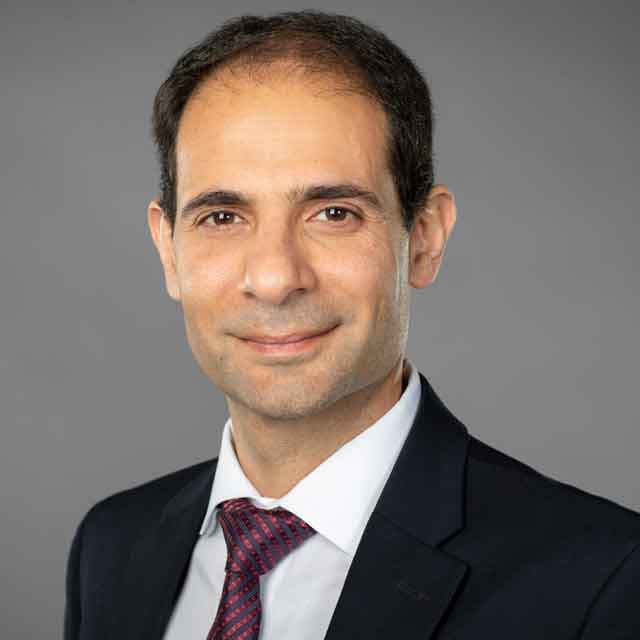
Marek Locmelis is an Associate Professor at the Department of Earth and Planetary Sciences and the Bureau of Economic Geology within the Jackson School of Geosciences at the University of Texas at Austin. His research focuses on magmatic, hydrothermal, and sedimentary ore deposits, with an emphasis on critical mineral supply strategies, including recycling of mine waste and STEM education in economic geology. He holds a PhD from Macquarie University and prior roles at Missouri University of Science and Technology and NASA Goddard Space Flight Center. Education PhD in Earth and Planetary Sciences, Macquarie University (Australia) Diploma (MSc equivalent) and Pre-Diploma (BSc equivalent) in Geosciences, University of Hannover (Germany) Research Interests His work spans geochemistry, petrology, and planetary evolution, with a focus on critical minerals (e.g., lithium, rare earth elements) and novel exploration techniques. He investigates pathways to enhance domestic critical mineral recovery through reprocessing mine waste and optimizing production streams. His planetary research includes atmospheric toxicity studies and habitability potential of extraterrestrial environments. Awards Fellow of the Society of Economic Geology (SEG) SEG Graduate Student Fellowship Program Chair NSF CAREER Award (2020) NASA Postdoctoral Fellowship (2014) Advising & Grants Locmelis has advised postdocs and students through workshops on critical mineral resilience. His NSF CAREER project explores metal transport via magmatic-hydrothermal fluids. He co-organized conferences on critical minerals and led the Roadmaps Into the Geosciences (RIGS) program to support student career development. Labs & Teams He collaborates with the Bureau of Economic Geology and interdisciplinary teams in critical mineral research, combining fieldwork, geochemical analysis, and policy advocacy.
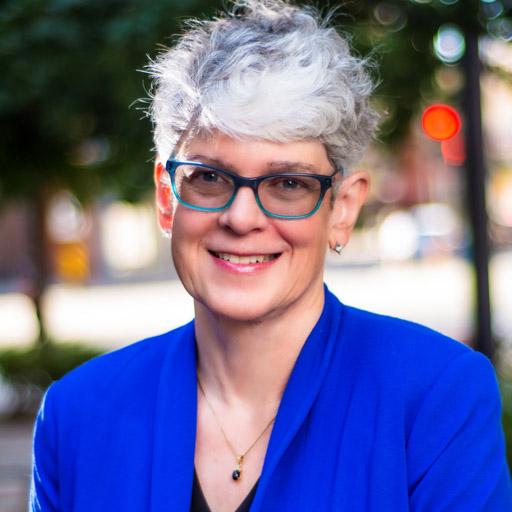
Carol Smith is an Associate Professor in the Department of Soil & Physical Sciences at Lincoln University, New Zealand, where she serves as Head of Department since 2017. She has been an elected academic staff member of the Lincoln University Council from 2018-2022. Dr. Smith holds a PhD from the University of Aberdeen, an MSc from the University of Reading, and a BSc(Hons) from the University of Portsmouth, forming the foundation of her expertise in soil science and physical geography. Her research spans both fundamental and applied aspects of pedology. On the fundamental side, she investigates Quaternary pedology and paleoenvironmental reconstruction using loess stratigraphy, geomorphology, and micromorphology, which provides critical data for verifying future climate change predictive models. Applied research focuses on sustainable use of recycled organic matter and rehabilitation of degraded soils. She collaborates internationally on multidisciplinary projects involving paleoclimate reconstruction, paleoliquefaction, Antarctic soils, and viticulture. Dr. Smith is passionate about teaching and science communication, employing experiential learning methods to develop practical field skills in soil science through 'soil judging competitions' in New Zealand and Australia. Her research addresses UN Sustainable Development Goals including Life on Land (15), Climate Action (13), and Quality Education (4). Among her notable recognitions are the Norman H Taylor Memorial award 2020 from the New Zealand Society of Soil Science for outstanding contributions to soil science in New Zealand and Fellowship in the Royal Geographical Society, London. She serves as Associate Editor of Natural Sciences Education and was previously editor of Quaternary Australasia. Dr. Smith has supervised numerous graduate students through research-based supervision, with completed projects covering diverse topics from soil patterns in Southland to Antarctic soil ecology. She teaches advanced courses in field research, soil science, and physical landscapes, and has developed innovative approaches to teaching during the pandemic, including virtual field trips.
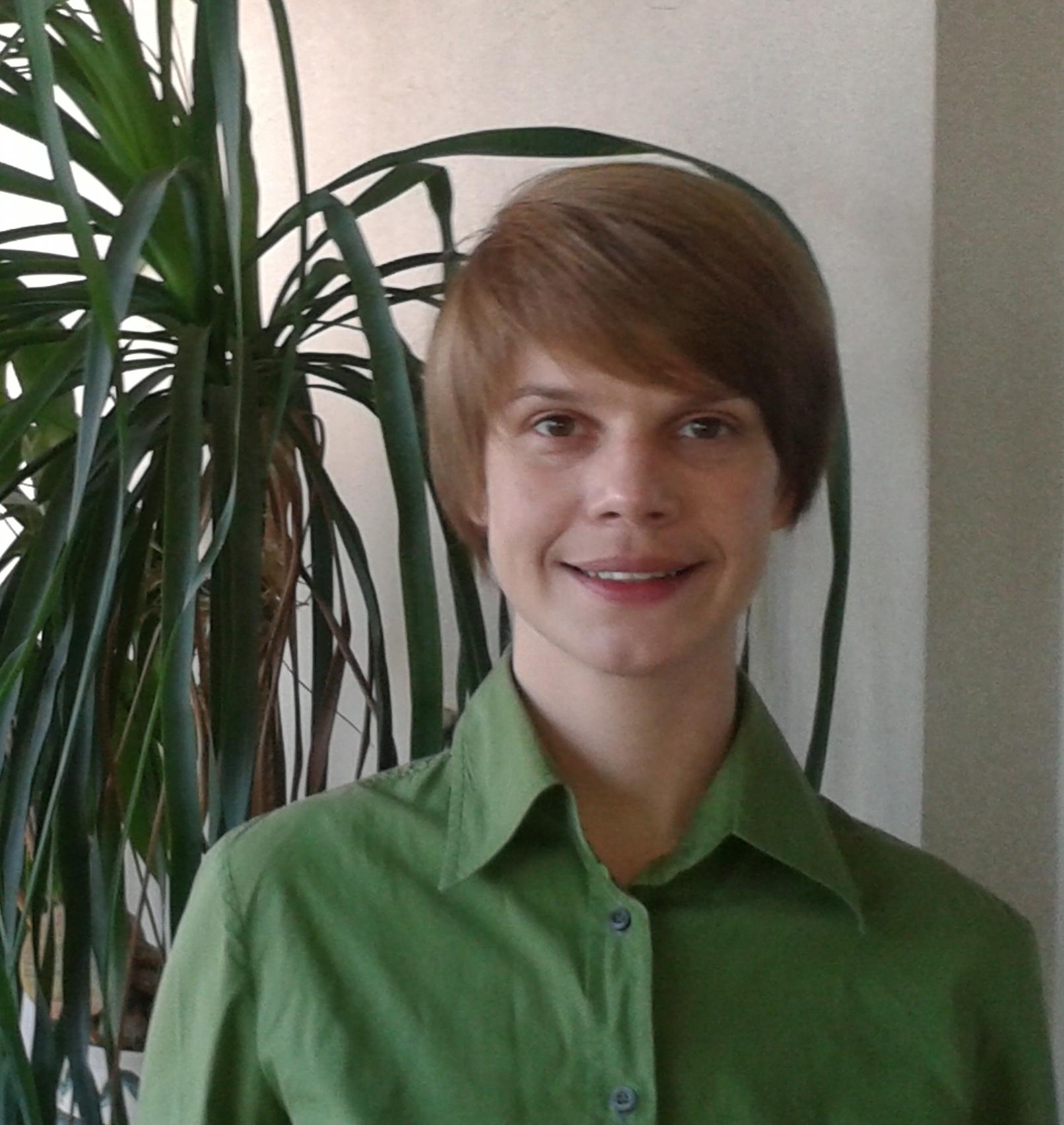
Oliver Schmitz is a Professor in the Department of Nuclear Engineering & Engineering Physics at the University of Wisconsin-Madison, where he leads research in plasma edge physics for magnetic confinement fusion and next-generation particle accelerators. His work bridges experimental plasma science, computational modeling, and diagnostic development with applications in both tokamaks and stellarators. Education: PhD (2006), Heinrich-Heine-Universität Diploma (2003), Rheinische Friedrich-Wilhelms-Universität Professor Schmitz's research focuses on 3D plasma edge transport phenomena, plasma-wall interactions, and helicon plasma generation for wakefield accelerators. His group employs advanced computational tools like EMC3-EIRENE for 3D plasma edge modeling and develops active spectroscopic diagnostics to measure plasma parameters through atomic emission analysis. Key themes include resonant magnetic perturbation effects in tokamaks, inherent 3D physics in stellarators, and high-density plasma sustainment for accelerator applications. He actively develops atomic models to interpret spectroscopic data and operates helicon plasma test stands for fundamental process studies. Recent publications reveal strong emphasis on experimental-computational integration for fusion boundary physics, with significant contributions to ITER divertor solutions, stellarator exhaust optimization, and plasma-facing materials. The work shows growing focus on wakefield accelerator diagnostics through helicon plasma sources and advanced spectroscopy, alongside persistent innovation in 3D modeling of plasma-material interfaces. Scientific Awards: 2020 Thomas and Suzanne Werner Chair Professorship 2018 UW Madison Teaching Academy Fellow 2017 ITER Science Fellowship & Vilas Mid-Career Award 2015 DOE Early Career Award & NSF CAREER Award 2011 Torkil Jensen Award (General Atomics) 2007 Günther-Leibfried-Preis (Jülich) Professor Schmitz directs multiple DOE/NSF-funded research programs including his UW Madison laboratory and AWAKE project contributions at CERN. He mentors graduate students through NE 890/990 thesis research courses and has developed nationally recognized K-12 outreach including the "Plasma Show" for elementary schools and "Plasma Academy" for high-school educators developing AP Physics curriculum modules. His leadership extends to university governance through the Kaufman seminar on academic leadership. His research group operates helicon plasma test stands and computational facilities for EMC3-EIRENE simulations, with current efforts focused on high-density plasma sources for accelerators and resilient divertor solutions for stellarators. The group maintains strong international collaborations with ITER, CERN, and major fusion facilities worldwide.
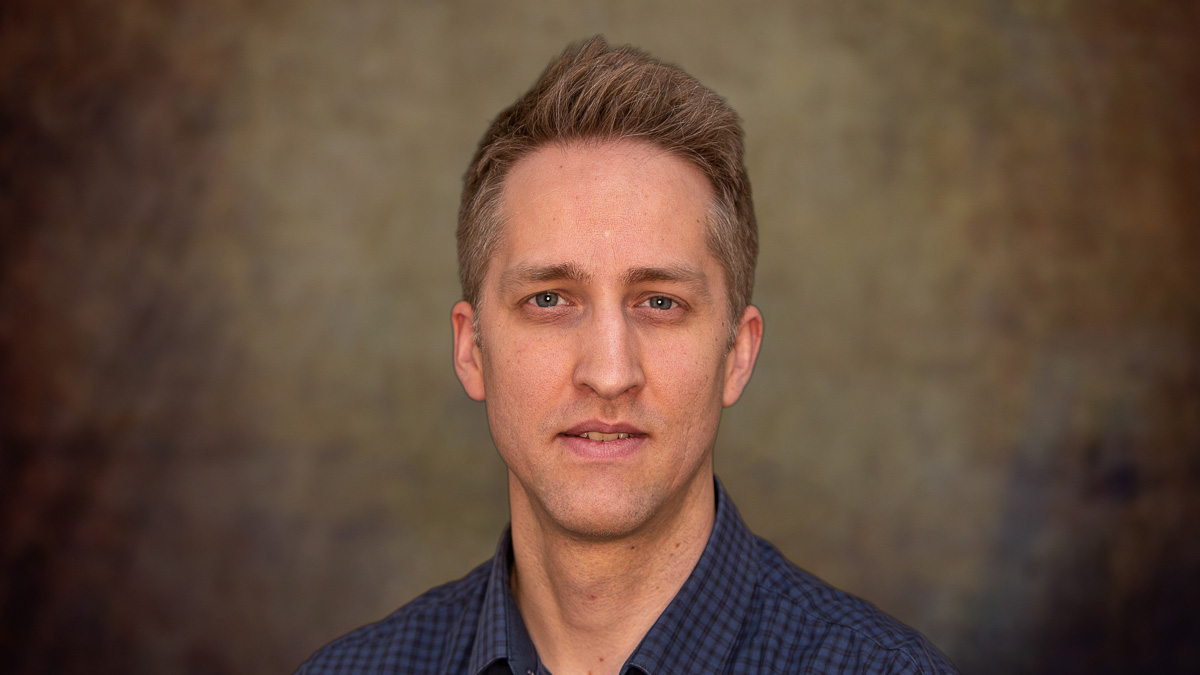
Elie Hajj is a Professor in the Department of Civil & Environmental Engineering at the University of Nevada, Reno (UNR), serving as Associate Director of the Western Regional Superpave Center. His research focuses on asphalt pavement engineering, sustainable materials, and infrastructure resilience. He specializes in pavement rehabilitation, numerical modeling of dynamic load impacts, and economic analysis of pavement preservation strategies. Dr. Hajj has received recognition for his 2016 ASTM award for outstanding work on pavement rehabilitation economics. He actively engages in professional service, including TRB webinars and academic seminars on topics like pavement damage assessment and vehicle operating costs. His teaching spans graduate and undergraduate courses in pavement design, materials engineering, and advanced pavement analysis. His research integrates experimental and computational methods to address challenges in pavement performance under superheavy loads, recycled material utilization, and energy-efficient construction practices. Collaborations with industry and government agencies enhance the practical applicability of his findings.
Professor Inge Hoff is affiliated with the Norwegian University of Science and Technology (NTNU) in the Department of Civil and Environmental Engineering, where he has served since 2009. Prior to this, he held roles as senior researcher and research leader at SINTEF. Research Interests : Materials for road construction, frost protection, laboratory testing, pavement dimensioning, road rehabilitation, state development modeling, ground-penetrating radar surveys, and concrete/natural stone coverings. Students : Mentors active PhD fellows Lisa Hannasvik, Arman Hamidi, Clara Weber, and Shoiab Ahmad. Teaching : Coordinates courses like TBA4204/BYGT1102 Transport Infrastructure , BYGT2204 Road and Railway Construction , and BA8600 Pavement Structure Dimensioning . Recent publications highlight his expertise in granular material behavior, asphalt durability under climate stressors, and advanced structural assessment techniques. Collaborations with international researchers and presentations at major conferences (TRB, International Conference on Bituminous Mixtures) demonstrate his ongoing contributions to road engineering.
Catherine Mulligan is a Distinguished Research Professor in the Department of Building, Civil, and Environmental Engineering at Concordia University, where she also serves as Director of the Concordia Institute for Water, Energy and Sustainable Systems. She was previously the Concordia Research Chair in Geoenvironmental Sustainability (Tier I) until 2021, having held this prestigious research chair since 2002 (initially as Tier II). Dr. Mulligan earned her B.Eng. and M.Eng. degrees in chemical engineering from McGill University, followed by a Ph.D. specializing in geoenvironmental engineering, also from McGill University. After 16 years working at McGill University and in industry (including positions at the Biotechnology Research Institute of the National Research Council and SNC Research Corp.), she joined Concordia University in 1999 as an Assistant Professor, was promoted to Associate Professor in 2002, and to full Professor in 2008. Her research spans multiple critical areas of environmental engineering with a focus on contamination remediation. She specializes in surfactant-enhanced washing and flushing of contaminated soils and sediments, treatment of metal-contaminated media, bioremediation techniques, and various wastewater treatment methods. Her work includes biosurfactant applications, in-situ sediment remediation, anaerobic treatment processes, membrane technologies for water treatment, and energy generation through pressure-reduced osmosis. She has developed sustainability indicators and focuses on practical applications of environmental engineering solutions. Analysis of her recent publications (2023-2025) reveals a continued leadership in environmental engineering with particular emphasis on nanotechnology applications for oil spill cleanup in sensitive coastal regions, advanced membrane technologies for water treatment and energy generation, microbially induced calcite precipitation for mining waste remediation, sustainable resource recovery approaches from waste batteries, and innovative techniques for eutrophic lake restoration. Her research demonstrates a consistent focus on practical, sustainable solutions to environmental contamination problems across diverse settings. Dr. Mulligan's scientific contributions have been recognized with numerous prestigious awards including Fellowship in the Royal Society of Canada, Canadian Academy of Engineering, Engineering Institute of Canada, and the Canadian Society for Civil Engineering. She has received the RSC Miroslaw Romanowski Medal, the Geoenvironmental Award, the A.G. Stermac Award of the CGS, and the John B. Sterling Medal of the EIC. Her Concordia-specific honors include the Provost Circle of Distinction, Concordia Sustainability Champion, and the Petro Canada Young Innovator Award (awarded twice). With over 40 years of research experience across government, industrial, and academic environments, Dr. Mulligan has supervised to completion more than 75 graduate students in Civil Engineering (MASc and PhD programs). Her research has attracted significant funding, including a $1,643,700 NSERC CREATE grant for the Institute in Water, Energy and Sustainability, which represents the first Concordia project to receive funding through this program. She has authored more than 140 refereed papers, holds three patents, and has made substantial editorial contributions as Section Editor for the Journal of Environmental Engineering, Chief Editor for Waste (MDPI), and serves on multiple other editorial boards. As Director of the Concordia Institute for Water, Energy and Sustainable Systems, Dr. Mulligan leads an interdisciplinary team focused on training students in sustainable development practices and advancing research into innovative solutions for water, energy, and resource conservation challenges. The institute represents a significant hub for environmental research and education at Concordia University.
Henrik Haller is an Associate Professor at Mid Sweden University, affiliated with the Department of Natural Sciences, Design and Sustainable Development (NDH). His work integrates environmental science with practical applications in tropical regions, particularly focusing on land use, soil remediation, and sustainable food systems. Academic Title: Doctor of Philosophy Location: Östersund, Sweden Key Research Areas: Multifunctional land use, bioremediation, agroforestry, and sustainable development in the Global South Haller's research emphasizes transforming environmental challenges into opportunities. His work includes: Bioremediation of heavy-metal-contaminated soils using amaranth plants Urban agriculture potential in Swedish cities Life cycle assessments of cold-weather aquaponic systems Waste valorization strategies for contaminated lignocellulose sediments Universal design approaches to zero-waste communities Industrial symbiosis for local food systems He has ongoing projects in urban farming, wastewater resource recovery, and sustainable behavior transformation. His publications span topics from fungal metal tolerance to policy challenges in environmental governance.
Dr. Marina Bock is a Chartered Civil Engineer and Lecturer in Civil Engineering at Aston University's College of Engineering and Physical Sciences. She specializes in structural engineering with expertise in metallic structures, additive manufacturing, and numerical modeling. Currently accepting PhD students, her work bridges academic research and industry applications in sustainable construction. Her educational background includes: PG Cert in Building and Design and Construction Technology, University of Wolverhampton (2017-2018) PhD in Local Buckling and Web Crippling Response of Stainless Steels, Universitat Politècnica de Catalunya (2010-2015) MSc in Patch Loading of Hybrid Plate Girders, Universitat Politècnica de Catalunya (2004-2010) Dr. Bock's research integrates laboratory experiments and numerical modeling to advance metallic structural systems, with pioneering work in additive manufacturing for construction. Her investigations span stainless steel design code development, corrosion prevention in reinforced concrete using hydrogels, and cold-formed steel behavior. Recent projects focus on sustainable infrastructure solutions through novel composite materials. Analysis of her 2022-2025 publications reveals dominant themes in additive manufactured aluminum structures, cold-formed steel design methodologies, and sustainable paving materials for urban heat island mitigation. Her work consistently addresses practical engineering challenges through experimental validation and code-compliant design solutions. Scientific recognition includes: IStructE Academic Research Award Commendation (2021) for research on aluminum SHS/RHS under biaxial bending Dr. Bock has secured significant research funding including a Royal Society Research Grant (£20k, 2023) for additive manufactured Al7075 aluminum and Innovate UK funding (£437k) for UV-reflective resin-based paving. Previous internal projects (£20k) focused on structural aluminum applications. She supervises PhD research in additive manufacturing and corrosion prevention while maintaining industry collaborations. Her experimental work utilizes advanced university laboratories for structural testing, with collaborations spanning European research consortia and industrial partners. Current projects involve multi-institutional teams developing reusable structural systems and solar-energy-harvesting building envelopes.
Jay P. Gore is the Vincent P. Reilly Professor in Combustion Engineering at Purdue University's School of Mechanical Engineering, with courtesy appointments in Aeronautics & Astronautics and Chemical Engineering. He holds positions at the West Lafayette campus and leads the Gore Research Group, focusing on combustion, radiation heat transfer, and sustainable energy systems. Education: B.E. from University of Poona (1978), M.S. and Ph.D. from Penn State (1982, 1986), and a Postdoctoral Certificate from University of Michigan (1987). His research spans combustion fundamentals, CO2 recycling via char gasification, laser diagnostics, and propulsion systems. He pioneered the Summer Undergraduate Research Fellowship (SURF) program at Purdue. Research interests include turbulent reacting flows, biomedical heat transfer, and global energy policy. Key subfields are combustion diagnostics, flame structure analysis, and hydrogen storage. His work integrates experimental and computational methods, with applications in aerospace, energy, and environmental sectors. Awards: Purdue Innovator Hall of Fame (2014) Fellowships: AIAA (2009), ASME (2006) Reilly Chair Professor (2000) Presidential Young Investigator Award (1991) Grants & Collaborations: Supported by DoE, NASA, and industry partnerships. Leads interdisciplinary projects on CO2 utilization and renewable energy systems. Labs/Teams: Gore Research Group specializes in combustion diagnostics, laser-based measurements, and sustainable energy solutions. Collaborations include international conferences and policy initiatives.
Miroslava Kavgic is an Associate Professor in the Department of Civil Engineering at the University of Ottawa. She holds a Ph.D. (United Kingdom), M.Sc. (United Kingdom), and B.Sc. (Serbia), and is a Professional Engineer (P.Eng.). Her research focuses on sustainable building engineering, carbon-negative materials, and energy-efficient design for remote communities. She leads the Centre for Indigenous Community Infrastructure at uOttawa, emphasizing culturally appropriate solutions. Education: Ph.D. in Environmental Design and Engineering (University College London, 2013) M.Sc. in Environmental Design and Engineering (University College London, 2006) B.Sc. in Mechanical Engineering (Serbia) Research Interests: Carbon capture building materials (e.g., hempcrete composites) Bioclimatic design strategies for net-zero buildings Urban energy modeling to decarbonize cities Renewable energy systems integration Advanced HVAC controls and energy efficiency Her recent publications (2021–2025) emphasize: Phase change material applications in building envelopes Machine learning for energy demand prediction Optimization algorithms like MEVO for building performance Hybrid renewable energy systems Labs/Teams: Active in the Centre for Indigenous Community Infrastructure, focusing on Northern communities' sustainable infrastructure. Collaborates with industry on building design innovations.
Dr. Mani Khezri is a Lecturer in the School of Civil Engineering at The University of Sydney since 2014, specializing in structural mechanics and innovative numerical methods. His research focuses on cold-formed steel structures, buckling behavior of plates and laminated assemblies, and functionalizing buckling for structural morphing. He holds a Ph.D. in Structural Engineering from UNSW, an M.Sc. from SUT, and a B.Sc. from IUT. Key research areas include extending cold-formed steel applications to mid-rise structures through built-up sections, analyzing buckling and post-buckling behaviors, and leveraging buckling for smart technologies like kinetic façades. He collaborates with industry to develop affordable, prefabricated structures and sustainable materials through additive manufacturing. His work bridges theoretical analysis (e.g., meshfree methods) with practical applications, such as optimizing ventilation systems via buckling-induced airflow control. He leads grants like 'Solid-State Additive Manufacturing For Recycled Aluminium Alloys' and 'Complete limit state analysis of steel structural framework.' Students include Pouya AFSHAR IMANI (additive manufacturing), Cynthia LIU (built-up columns), Emad TAYARANINAJJARAN (floor systems), and Ruilin ZHANG (serviceability analysis). His lab, the Centre for Advanced Structural Engineering, explores advanced structural systems and computational mechanics.
Nagu Daraboina serves as Associate Professor of Chemical Engineering and Associate Director of the Tulsa University Paraffin Deposition Projects at The University of Tulsa’s Russell School of Chemical Engineering. His research pioneers hydrate-based technologies for flow assurance, carbon capture, storage and utilization (CCSU), produced water desalination, and energy recovery, with significant experimental advancements in water treatment and carbon capture systems. His educational background includes: Ph.D. in Chemical & Bio Engineering from University of British Columbia (2008) MBA from The University of Tulsa (2019) M.S. from Indian Institute of Science (2006) B.S. in Technology from Jawaharlal Nehru Technological University (2002) Dr. Daraboina's research focuses on critical energy sector challenges through flow assurance in oil/gas pipelines, CCSU, produced water management, and energy recovery. His group develops innovative hydrate-based experimental approaches that enhance sustainability and efficiency in hydrocarbon production while addressing environmental concerns through novel water treatment and carbon capture methodologies. His 2024-2025 publications reveal concentrated expertise in hydrate technology applications for desalination and carbon capture, alongside flow assurance challenges like wax/paraffin deposition. The research integrates thermodynamic modeling, kinetic studies, and experimental validation to optimize energy efficiency in produced water treatment and pre-combustion CO2 capture systems, with direct industry relevance for oil and gas operations. Notable awards include: Society of Petroleum Engineers Regional Projects, Facilities, and Construction Award (2025) University of Tulsa Faculty Champion of Global Engagement Award (2025) University of Tulsa Distinguished Graduate Mentor Award (2024) Zelimir Schmidt Outstanding Researcher Award (2023) Donald W. Davidson Gas Hydrates Research Award (2023) Stanford University Top 2% Most Cited Scientist (2022) Influential Researcher Award (2021) Rising Star in Energy Research (2021) Recognized with the Distinguished Graduate Mentor Award (2024), Dr. Daraboina actively supervises graduate researchers despite specific student names not being publicly listed. His research group's extensive publication record and industry partnerships indicate substantial grant funding from energy sector stakeholders and federal research agencies. He leads the Daraboina Research Group and directs the Tulsa University Paraffin Deposition Projects, which operates specialized laboratories for flow assurance testing, hydrate formation studies, and multiphase flow experiments. The group collaborates with industry partners on pipeline transport challenges and develops next-generation technologies for sustainable energy production.
Ramez M. Hajj is an Assistant Professor in the Department of Civil and Environmental Engineering at the University of Illinois at Urbana-Champaign (UIUC). He holds affiliations with the Grainger College of Engineering and has served in multiple academic and professional roles, including editorial board memberships and leadership in organizations like the Transportation Research Board. His research focuses on asphalt materials and flexible pavements, spanning molecular-level investigations to large-scale infrastructure applications, with particular emphasis on viscoelasticity, composites, and machine learning. Education: Bachelor of Science in Civil Engineering with a minor in Engineering Science and Mechanics, Virginia Tech (2014) Master of Science in Civil Engineering, University of Texas at Austin (2016) Doctor of Philosophy in Civil Engineering, University of Texas at Austin (2019) Research Interests: Asphalt binder rheology and chemistry Computational modeling of infrastructure materials Pavement design, maintenance, and recycling Application of AI and machine learning in materials engineering Self-healing asphalt technologies Sustainable infrastructure solutions Publications: His work spans over 50 peer-reviewed articles, emphasizing innovations in asphalt material science and infrastructure resilience. Recent research highlights include AI-driven predictive models for asphalt properties and novel methods for evaluating pavement performance using ultrasonic techniques. Awards and Honors: Outstanding Reviewer awards from leading journals (2021–2022) Teaching excellence recognitions from the Center for Innovation in Teaching and Learning Illinois-Indiana Sea Grant Faculty Fellowship Grants and Funding: Research is supported by agencies such as IDOT, USDA, MnDOT, and industry partners. Projects include developing self-healing asphalt capsules and optimizing pavement design algorithms. Labs and Teams: Leads research initiatives in advanced material characterization and AI-driven infrastructure solutions within UIUC’s Civil and Environmental Engineering department.
Professor Stefan Thor Smith is a distinguished academic at the University of Reading , serving as a Professor in the Department of Energy and Environmental Engineering . His work bridges energy systems with urban sustainability , focusing on the integration of social and technical aspects of energy demand , urban energy system modeling , and climate change resilience . Academic Qualifications Postgraduate Certificate in Academic Practice (University of Reading, 2016) PhD in Built Environment (University of Nottingham, 2009) MSc in Computer Science (University of Glasgow, 2002) BSc in Physics (University of Nottingham, 2001) His research interests span the dynamics of energy demand in socio-technical systems, urban heat fluxes, pollution exposure modeling, and climate adaptation strategies. He has developed novel models for energy demand-side management , building environmental control , and urban climate interactions . Recent publications highlight his expertise in areas such as EV charging infrastructure , urban tree radiative performance , phase change material storage , and anthropogenic heat emissions . His work often involves interdisciplinary collaborations with institutions like the Centre for Research into Energy Demand Solutions and the Institute of Physics . Smith supervises a diverse group of postgraduate students and contributes extensively to teaching modules including Numerical Modelling and Programming and Urban Sustainability . His professional affiliations include the Institute of Physics , International Association of Urban Climatology , and the Higher Education Association .
Mihai Marasteanu serves as Professor and Miles Kersten Chair in the Department of Civil, Environmental, and Geo-Engineering at the University of Minnesota, with affiliations at the Center for Transportation Studies. His research bridges fundamental material science and practical pavement engineering solutions for Minnesota's infrastructure network. His primary research focuses on asphalt pavement engineering , specializing in fracture mechanics and viscoelasticity applied to low-temperature cracking analysis. Key interests include recycled material integration , asphalt binder-mixture property relationships , and innovative testing methodologies for quality control. His work emphasizes cost-effective solutions for local roads while advancing predictive models for pavement performance. Recent publications (2022-2024) demonstrate strong trends in asphalt mixture optimization , probabilistic density modeling , and nanomaterial-enhanced asphalt (e.g., graphene nanoplatelets). The research consistently targets Minnesota-specific challenges including cold-climate durability, recycled material validation, and field-compaction efficiency. Professor Marasteanu maintains active funding through 9 current projects including: Tools to improve asphalt pavement durability (MN DOT, 2025-2027) Asphalt lift thickness impact on density (MN DOT, 2024-2026) Sawing/sealing joints for cracking control (MN DOT, 2023-2026) EV data for pavement quality assessment (FHWA, 2023-2025) His national leadership includes coordinating pooled fund studies with Wisconsin, Iowa State, and Illinois researchers on low-temperature cracking. While specific lab names aren't documented, his team operates within University of Minnesota's testing facilities, utilizing advanced rheometers and computational models to validate size-effect theories and representative volume element concepts for asphalt mixtures.