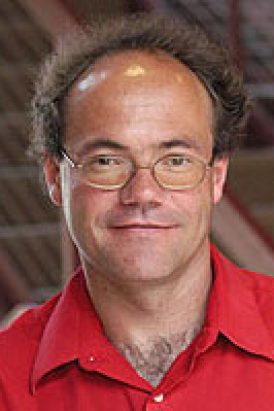
Marek Locmelis is an Associate Professor at the Department of Earth and Planetary Sciences and the Bureau of Economic Geology within the Jackson School of Geosciences at the University of Texas at Austin. His research focuses on magmatic, hydrothermal, and sedimentary ore deposits, with an emphasis on critical mineral supply strategies, including recycling of mine waste and STEM education in economic geology. He holds a PhD from Macquarie University and prior roles at Missouri University of Science and Technology and NASA Goddard Space Flight Center. Education PhD in Earth and Planetary Sciences, Macquarie University (Australia) Diploma (MSc equivalent) and Pre-Diploma (BSc equivalent) in Geosciences, University of Hannover (Germany) Research Interests His work spans geochemistry, petrology, and planetary evolution, with a focus on critical minerals (e.g., lithium, rare earth elements) and novel exploration techniques. He investigates pathways to enhance domestic critical mineral recovery through reprocessing mine waste and optimizing production streams. His planetary research includes atmospheric toxicity studies and habitability potential of extraterrestrial environments. Awards Fellow of the Society of Economic Geology (SEG) SEG Graduate Student Fellowship Program Chair NSF CAREER Award (2020) NASA Postdoctoral Fellowship (2014) Advising & Grants Locmelis has advised postdocs and students through workshops on critical mineral resilience. His NSF CAREER project explores metal transport via magmatic-hydrothermal fluids. He co-organized conferences on critical minerals and led the Roadmaps Into the Geosciences (RIGS) program to support student career development. Labs & Teams He collaborates with the Bureau of Economic Geology and interdisciplinary teams in critical mineral research, combining fieldwork, geochemical analysis, and policy advocacy.
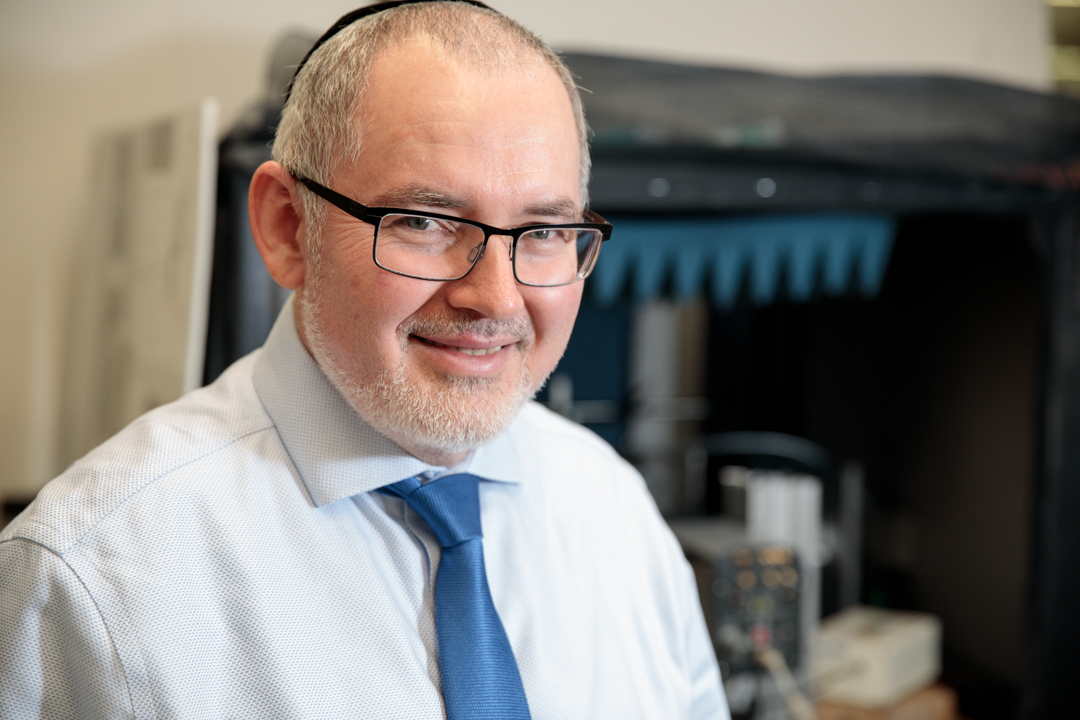
Georg Raithel is a Professor in the Department of Physics at the University of Michigan, Ann Arbor, where he has been a faculty member since 1997 following postdoctoral research at NIST as an Alexander von Humboldt Fellow. His research focuses on experimental atomic, molecular, and optical physics, specializing in Rydberg atom systems for quantum sensing and precision measurement applications. His academic background includes: Habilitation, University of Munich, Germany (1995) Ph.D., University of Munich, Germany (1990) Diploma, University of Munich, Germany (1987) Raithel's work centers on Rydberg atoms and their applications in quantum sensing, precision spectroscopy, and quantum information. His group investigates electromagnetically induced transparency in vapor cells, atom interferometry, ultracold plasmas, and Rydberg-atom-ion molecules. Recent breakthroughs include tractor atom interferometry for rotation sensing and SI-traceable electric field probes, bridging fundamental physics with practical quantum technologies. His publication trends show increasing focus on applied quantum systems, particularly Rydberg-atom-based sensors for electromagnetic field measurement, quantum communication protocols, and precision metrology devices. This evolution reflects a strategic shift from fundamental Rydberg physics toward engineered quantum solutions for real-world measurement challenges. Major scientific recognitions include: Fellow of the American Physical Society Alexander von Humboldt Foundation Fellowship Raithel has mentored approximately thirty Ph.D. students who now hold positions across academia, industry, and government laboratories. His research has been supported by sustained funding from the National Science Foundation and Department of Energy, enabling development of advanced laser systems for cold atom manipulation and quantum control. The Raithel laboratory, housed in Homer A. Neal Laboratory (rooms SB149, SB283, SB290), maintains multiple experimental setups for laser cooling, optical trapping, and vapor-cell spectroscopy. His group actively collaborates with industry through Rydberg Technologies Inc., which he co-founded to commercialize atom-based sensing technology.
Anne E. White is the School of Engineering Distinguished Professor of Engineering and associate vice president for research administration at the Massachusetts Institute of Technology (MIT). She serves in the Department of Nuclear Science and Engineering within MIT's School of Engineering and is a key researcher at the Plasma Science and Fusion Center (PSFC). White has held significant leadership roles including NSE department head from 2019 to 2023 and co-chair of the MIT Climate Nucleus from 2021 to 2024. She currently chairs the Fusion Energy Sciences Advisory Committee (FESAC), providing federal advisory input to the U.S. Department of Energy Office of Science. White received her PhD in physics from UCLA, where she conducted research at the Electric Tokamak. Her early career included research positions at the National Spherical Torus Experiment at Princeton Plasma Physics Laboratory and the DIII-D National Fusion Facility at General Atomics before joining MIT as a faculty member. Her educational background laid the foundation for her expertise in plasma physics and fusion energy research. Professor White's research focuses on magnetic fusion energy, specifically on understanding turbulent transport in magnetically confined fusion plasmas. Her work spans diagnostic development, novel experimentation, and validation of nonlinear gyrokinetic codes. She aims to demonstrate nuclear fusion as a practical part of the world's sustainable energy future. Her group develops and uses radiometers, reflectometers, and interferometers to measure fluctuations in plasma density, temperature, and flows in tokamaks. This research is critical for improving predictive capabilities of turbulent transport models, which is essential for developing viable fusion reactors. Analysis of Professor White's recent publications reveals a strong focus on plasma diagnostics and turbulence measurements across multiple tokamak facilities. Her work spans experimental measurements on ASDEX Upgrade, Alcator C-Mod, NSTX, and DIII-D tokamaks, with particular emphasis on electron temperature fluctuations, turbulence characterization, and transport model validation. A significant theme is the development and application of novel diagnostic techniques for simultaneous measurements of multiple plasma parameters. Her research increasingly incorporates computational approaches, including gyrokinetic simulations and machine learning methods, to interpret experimental data and advance predictive capabilities in fusion plasma physics. Professor White has received numerous prestigious awards throughout her career: Fellow, American Physical Society Division of Plasma Physics (2019) Cecil and Ida Green Career Development Professor, MIT (2014) American Physical Society Katherine E. Weimer Award (2014) Fusion Power Associates Excellence in Fusion Engineering Award (2014) Junior Bose Award for Excellence in Teaching, MIT (2014) PAI Outstanding Faculty Award from MIT student chapter of the American Nuclear Society (2013) Norman C. Rosenbluth Career Development Professor, MIT (2012-2014) Department of Energy Early Career Award (2011-2016) Marshall N. Rosenbluth Outstanding Doctoral Thesis Award (2009) As an educator and mentor, Professor White has advised numerous students through MIT's Department of Nuclear Science and Engineering. She has taught courses including Principles of Plasma Diagnostics, Seminar in Fusion & Plasma Physics, and Introduction to Plasma Physics. Her leadership extends to developing educational resources, notably leading a team in 2018 to create a free MITx MOOC focused on nuclear science and engineering for global high school learners. Professor White has secured significant research funding through Department of Energy awards, including the Early Career Award (2011-2016) and various fusion energy fellowships throughout her career. Her research group at MIT's Plasma Science and Fusion Center has contributed to multiple major fusion facilities and has been instrumental in advancing understanding of plasma turbulence and transport. Professor White leads the Fusion and Plasmas Lab at MIT, which focuses on diagnostic development and turbulence measurements in fusion plasmas. Her team has made significant contributions to research on four major tokamaks: Alcator C-Mod, ASDEX Upgrade, DIII-D, and National Spherical Torus Experiment Upgrade. At MIT's Plasma Science and Fusion Center, she previously served as assistant division head for magnetic fusion energy collaborations and ran the Gyrokinetic Simulation Working Group and the Alcator C-Mod Transport Group. Her lab maintains close collaboration between experimental work, theoretical modeling, and computational simulation to advance the understanding of plasma turbulence and transport phenomena critical for fusion energy development.
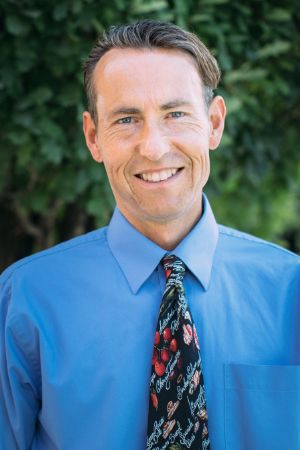
Oliver Schmitz is a Professor in the Department of Nuclear Engineering & Engineering Physics at the University of Wisconsin-Madison, where he leads research in plasma edge physics for magnetic confinement fusion and next-generation particle accelerators. His work bridges experimental plasma science, computational modeling, and diagnostic development with applications in both tokamaks and stellarators. Education: PhD (2006), Heinrich-Heine-Universität Diploma (2003), Rheinische Friedrich-Wilhelms-Universität Professor Schmitz's research focuses on 3D plasma edge transport phenomena, plasma-wall interactions, and helicon plasma generation for wakefield accelerators. His group employs advanced computational tools like EMC3-EIRENE for 3D plasma edge modeling and develops active spectroscopic diagnostics to measure plasma parameters through atomic emission analysis. Key themes include resonant magnetic perturbation effects in tokamaks, inherent 3D physics in stellarators, and high-density plasma sustainment for accelerator applications. He actively develops atomic models to interpret spectroscopic data and operates helicon plasma test stands for fundamental process studies. Recent publications reveal strong emphasis on experimental-computational integration for fusion boundary physics, with significant contributions to ITER divertor solutions, stellarator exhaust optimization, and plasma-facing materials. The work shows growing focus on wakefield accelerator diagnostics through helicon plasma sources and advanced spectroscopy, alongside persistent innovation in 3D modeling of plasma-material interfaces. Scientific Awards: 2020 Thomas and Suzanne Werner Chair Professorship 2018 UW Madison Teaching Academy Fellow 2017 ITER Science Fellowship & Vilas Mid-Career Award 2015 DOE Early Career Award & NSF CAREER Award 2011 Torkil Jensen Award (General Atomics) 2007 Günther-Leibfried-Preis (Jülich) Professor Schmitz directs multiple DOE/NSF-funded research programs including his UW Madison laboratory and AWAKE project contributions at CERN. He mentors graduate students through NE 890/990 thesis research courses and has developed nationally recognized K-12 outreach including the "Plasma Show" for elementary schools and "Plasma Academy" for high-school educators developing AP Physics curriculum modules. His leadership extends to university governance through the Kaufman seminar on academic leadership. His research group operates helicon plasma test stands and computational facilities for EMC3-EIRENE simulations, with current efforts focused on high-density plasma sources for accelerators and resilient divertor solutions for stellarators. The group maintains strong international collaborations with ITER, CERN, and major fusion facilities worldwide.
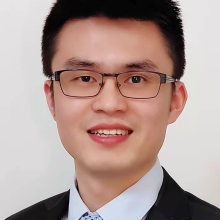
Guojun Chen is an Assistant Professor at the Department of Biomedical Engineering and a member of the Rosalind & Morris Goodman Cancer Institute (GCI) at McGill University . His research focuses on engineering intelligent biomaterials for precision medicine , with emphasis on non-viral genome editing , cold atmospheric plasma (CAP) therapy , and biomaterials-mediated immunotherapy . The lab operates in a multidisciplinary environment , integrating principles from materials science , chemistry , biology , and health sciences . Education : Ph.D. from University of Wisconsin-Madison (2017), Postdoc at UCLA (2020) Research Themes : Genome Editing Delivery : Designing non-viral vectors for efficient CRISPR/Cas9 delivery in vivo. CAP-mediated Immunotherapy : Developing portable cold plasma devices to synergize with immune checkpoint blockade and study CAP’s immunological mechanisms. Biomaterials-based Immunotherapy : Reprogramming tumor microenvironments using bioresponsive materials to enhance immune responses. Publication Trends : Recent work spans responsive nanomaterials , genomic editing systems , and plasma oncology , with a focus on cancer immunotherapy , diabetes diagnostics , and bioinspired medical devices . Scientific Awards : Canada Research Chair (2024, 2025) McGill's President's Prize for Emerging Researchers (2025) FRQS Chercheurs-boursiers (2022) Chinese Association for Biomaterials Young Investigator Award (2022) NSERC Discovery Grant (2021) Advising & Grants : Supervises 14 current graduate and undergraduate students. Secured $5M+ in funding from CIHR , NSERC , CCS , and CFI , including multi-institutional collaborations with Dr. Morag Park , Dr. Réjean Lapointe , and Dr. Ian Watson .
Rahim Rahimi is an Assistant Professor of Materials Engineering at Purdue University, associated with the College of Engineering. His research focuses on advanced materials for biomedical applications, environmental sensing, and flexible electronics. Key interests include developing smart sensors for healthcare, antibacterial coatings for medical implants, and sustainable agricultural monitoring systems. Research emphasizes targeted drug delivery systems via smart capsules, environmental sensor networks for water quality and soil health, and nanotechnology applications in wearable devices. Notable projects include oxygen-generating surgical meshes for wound healing and low-cost wireless sensors for precision agriculture. His work bridges materials science with clinical and environmental challenges, leveraging plasma deposition techniques and nanomaterial functionalization. Recent efforts focus on self-calibrating sensors and integrating machine learning for manufacturing optimization. No scientific awards are explicitly listed in the provided information. His advisory role and grant activities are inferred through his research outputs in materials engineering and biomedical innovation. Rahimi collaborates across disciplines within Purdue's engineering ecosystem, contributing to labs focused on bio-inspired materials and flexible electronics. Future work aims to advance implantable medical devices and scalable sensor technologies for global health applications.
Eadric Bressel is a Professor and Head of the Department of Kinesiology and Health Science at Utah State University (USU). He holds a PhD in biomechanics from the University of Northern Colorado and earned his B.S. and M.S. in kinesiology from California State University, Fresno. Prior to joining USU in 2000, he was a postdoctoral fellow at the Auckland University of Technology's health and rehabilitation center. Education: PhD in Kinesiology (Biomechanics), University of Northern Colorado, 1999 MA in Kinesiology (Exercise Science), California State University, Fresno, 1995 BS in Kinesiology (Exercise Science), California State University, Fresno, 1994 Research Interests: Dr. Bressel focuses on biomechanical adaptations to therapeutic exercise in healthy and clinical populations. His work emphasizes spine stabilization exercises, determinants of balance, and aquatic rehabilitation strategies for conditions like osteoarthritis. Recent studies explore the efficacy of aquatic environments for improving motor learning, cognitive performance, and functional outcomes in older adults. Key Research Trends: His publications highlight the biomechanical benefits of aquatic training, including its impact on muscle function, postural control, and injury prevention. Cross-disciplinary studies integrate biomechanics with gerontology and sports medicine, addressing aging populations and athletic performance optimization. Awards: Excellence in Aquatic Physical Therapy Research Award (APTA Aquatic Section, 2016) Researcher of the Year (HPER Department, 2012) Employee of the Year (Kinesiology & Health Science Department, 2017) Top Professor Award (Mortar Board Senior Honor Society, 2004) Advising & Grants: Dr. Bressel has mentored over 40 graduate students, many of whom have contributed to studies on aquatic exercise, balance rehabilitation, and sports biomechanics. He has secured grants to investigate aquatic treadmill training for osteoarthritis, cognitive-aquatic interaction effects, and eccentric resistance protocols. Labs/Teams: His lab focuses on translational research integrating biomechanical analysis with clinical applications. Collaborations with institutions like the Auckland University of Technology and the American Physical Therapy Association highlight his commitment to bridging research and practice in aquatic therapy and sports science.
Professor Michael Keidar holds the A. James Clark Professorship at the George Washington University (GW) , School of Engineering and Applied Science, within the Mechanical and Aerospace Engineering department. He leads the Micropropulsion and Nanotechnology Lab , pioneering research in plasma medicine, micropropulsion systems, and plasma nanoscience. His lab collaborates with industry partners like Vector (licensed plasma thruster technology) and US Patent Innovations, LLC (a $5.3M grant for cold plasma cancer therapy). Key research areas include: Cold plasma applications in biomedical treatment Microthrusters for nanosatellites Synthesis of graphene and carbon nanotubes Multi-scale plasma simulations Scientific accolades include the 2017 Ronald C. Davidson Award and AIAA Engineer of the Year (2016-2017), alongside leadership in interdisciplinary projects with GW’s Global Food Institute .
Maria Pau Ginebra Molins is a Professor in the Department of Materials Science and Engineering at the Barcelona East School of Engineering (EEBE), Polytechnic University of Catalonia (UPC). She leads the BBT Research Group focused on Biomaterials, Biomechanics and Tissue Engineering and is affiliated with the Institute of Research and Innovation in Health. Her educational background, while not explicitly detailed in the provided text, reflects extensive expertise in materials science with a specialization in biomaterials, evidenced by her substantial research portfolio spanning over three decades. Professor Ginebra Molins' research spans biomaterials development, bone tissue engineering, and advanced manufacturing techniques. Her work focuses on calcium phosphate-based materials, 3D printing technologies for bone scaffolds, hydrogel systems, and surface modifications of biomaterials to enhance biological responses. She has pioneered approaches in vat photopolymerization, direct ink writing, and the development of stimuli-responsive biomaterials. Analysis of her recent publications (2024-2025) reveals a strong emphasis on translational research with clinical applications. Her work bridges fundamental materials science with practical medical solutions, particularly in bone regeneration, dental implants, and antimicrobial biomaterials. The publications demonstrate expertise in advanced characterization techniques, including spectroscopy and nanoindentation for biomaterial evaluation. Multiple competitive R&D projects including CEX2023-001300-M Maria Maetzu Centre Ciència i Enginyeria Multiescala 17 documented awards and recognitions Leadership in the Inspiring the next generation of innovators project Patents related to 3D-printed bone grafts Professor Ginebra Molins actively supervises doctoral students, with Johansson, L. completing a thesis on 3D-printed biomimetic bone grafts. Her research group (BBT) collaborates extensively with industry and clinical partners to translate laboratory findings into medical applications. She participates in numerous competitive research projects funded by national and European programs, demonstrating the high impact and relevance of her work in the biomaterials field.
Peter Awakowicz is a Senior Professor and former head of the Chair of Electrical Engineering and Plasma Technology at the Faculty of Electrical Engineering and Information Technology , Ruhr-Universität Bochum . His work focuses on plasma physics and technology, with applications in surface treatment, sterilization, and diagnostics. He is affiliated with the Department of Applied Electrodynamics and Plasma Technology, where he leads interdisciplinary research combining experimental plasma science with technological innovation. Research Interests: Plasma-assisted surface modification and thin-film deposition Dielectric barrier discharges and atmospheric pressure plasmas Plasma sterilization and biomedical applications Plasma-catalysis for environmental and energy applications Advanced plasma diagnostics and optical emission spectroscopy His recent publications demonstrate a strong focus on volatile organic compound (VOC) conversion , NO dynamics in low-pressure plasmas , microdischarge behavior , and plasma-assisted pyrolysis . These works highlight his expertise in both fundamental plasma physics and applied plasma engineering. Contact & Resources: Email: awakowicz@aept.rub.de Faculty Page: https://etit.ruhr-uni-bochum.de/en/faculty/professorships/prof-dr-ing-peter-awakowicz/ Google Scholar: https://scholar.google.de/citations?user=MPKunGAAAAAJ
Jane Howe is an Associate Professor at the University of Toronto with joint appointments in the Department of Materials Science & Engineering and the Department of Chemical Engineering and Applied Chemistry. Her research focuses on in situ microscopy techniques, advanced materials characterization, and energy storage systems. Dr. Howe holds nine US patents related to electron microscopy and materials development, and has been recognized with two R&D 100 Awards for innovations in lithium battery technology and nano-structured carbon materials. Before joining UofT, Jane worked as a Senior Applications Scientist at Hitachi High-Technologies (2012–2017) and served as a Staff Scientist and Principal Investigator at Oak Ridge National Laboratory (2001–2012). She earned her Ph.D. in Ceramic Science from Alfred University in 2001, followed by a postdoctoral fellowship at ORNL. Her expertise spans materials processing, corrosion science, and advanced electron microscopy techniques, including in situ TEM and correlative microscopy. Her research portfolio includes over 100 peer-reviewed publications, with recent work emphasizing nanomaterials for energy storage, corrosion-resistant coatings for nuclear fuel containers, and Bayesian optimization of carbon nanolattices. Jane’s lab also explores microbial interactions in anaerobic cultures and novel catalysts for CO₂ hydrogenation, reflecting her interdisciplinary approach to materials science challenges. Education: Ph.D. in Ceramic Science, Alfred University (2001) Postdoctoral Fellowship, Oak Ridge National Laboratory (2001–2008) Key Awards: R&D 100 Award (2020s): Lithium Battery Technology R&D 100 Award (2020s): Nano-Structured Carbon Materials Grants & Collaborations: Active in Canada’s nuclear fuel container materials research and US-Canada cross-border microscopy partnerships.
Dr. Janie McClurkin Moore is an Assistant Professor in the Department of Biological and Agricultural Engineering at Texas A&M University, part of the College of Agriculture & Life Sciences. Her research focuses on post-harvest technologies, food safety, and innovative engineering education strategies. She holds a PhD in Agricultural and Biological Engineering from Purdue University and has extensive expertise in applying cold plasma technology to agricultural challenges. Education: B.S., Bio-Environmental Engineering, North Carolina A&T State University (2006) M.S.A.B.E., Agricultural and Biological Engineering, Purdue University (2009) Ph.D., Agricultural and Biological Engineering, Purdue University (2015) Research interests span post-harvest treatment innovations, biomass valorization, and educational methodologies. Her work emphasizes non-thermal plasma applications for food safety, mycotoxin mitigation, and sustainable agriculture practices. Publications reveal a strong focus on plasma technology for pest control, food preservation, and hydroponic systems. Her engineering education research explores inclusive pedagogy and curriculum development in diverse educational settings. Advising and grants include contributions to the NSF Convergence Accelerator project addressing food security in extreme environments. She is affiliated with Texas A&M AgriLife Research, advancing applied agricultural solutions through interdisciplinary collaboration.
Colm O'Donnell is a Full Professor at the School of Biosystems and Food Engineering, University College Dublin (UCD). He leads the Food Quality and Processing Pillar at UCD's Institute of Food & Health and has held roles including Head of the School and Vice-Principal for Teaching & Learning in the College of Engineering & Architecture. His research focuses on Process Analytical Technology (PAT), bioprocessing, and dairy technology, with emphasis on spectroscopy, bioactive compound extraction, and food safety. He coordinates EU-funded projects like DiTECT and FreshProof, and leads the UCD team in the Dairy Processing Technology Centre (DPTC). O'Donnell is a Fellow of the Irish Academy of Engineering and has been recognized as a Thomson Reuters Highly Cited Researcher. Education: BE and PhD from University College Dublin, Chartered Engineer (CEng). Research Interests: PAT for food/bioproducts, dairy processing innovations, and bioactive extraction from seaweeds. His group develops non-destructive technologies like NIR-HSI and acoustic sensors for real-time quality monitoring in food production. Grants: Over 40 grants including EU Horizon 2020, Marie Sklodowska-Curie, and industry partnerships. Recent projects include acoustic sensor development for milk protein concentrate (2020-2022) and seaweed biorefinery processes (2018-2023). Awards: Irish Academy of Engineering Fellowship (2022), EU Comett Fellowship, and editorial roles at International Journal of Food Properties and Food Engineering Reviews . Labs/Teams: Leads the PAT-focused research group at UCD's Institute of Food & Health, collaborating with industry partners like DPTC and global academic networks.
Kaliramesh (Kali) Siliveru is an Associate Professor and University Outstanding Scholar in the Department of Grain Science and Industry at Kansas State University. His work focuses on grain processing, food safety, and process modeling , with expertise in milling technologies, particle mechanics, and material handling. He holds a B.S. in Food Science from Acharya N.G Ranga Agricultural University, India, and a Ph.D. in Grain Science from Kansas State University. Dr. Siliveru’s research has produced 75+ peer-reviewed articles, 13 book chapters , and impactful studies on reducing microbial contamination in wheat-based products, optimizing pulse processing, and advancing nonthermal technologies like cold plasma. He has received prestigious awards including the ASABE Early Career Engineer of the Year and the University Distinguished Faculty Award for undergraduate mentoring. He teaches GRSC 310 (Materials Handling) , GRSC 810 (Particle Technology) , and GRSC 840 (Advanced Grain Processing) . His lab affiliations include the BIVAP Feed Quality Assurance Lab and Hal Ross Flour Mill, where he explores milling efficiency, microbial control, and sustainable food processing . Current projects address novel applications for minor millets and engineering solutions for safe, nutritious food production.
Dr Mahdi Davoodianidalik is a researcher in the Department of Nuclear Physics & Accelerator Applications at the Australian National University (ANU). He is affiliated with the Space plasma power and propulsion group and the Physics of fluids group, focusing on interdisciplinary research at the intersection of plasma physics, fluid dynamics, and space propulsion technologies. His research interests include Turbulence and wave-driven flows Plasma thrusters and electrothermal propulsion Fluctuation-induced forces and interactions Fluid-structure dynamics Thermal engineering of micro-thrusters Nonlinear phenomena in fluids Recent publications highlight his work on analogs of the Casimir effect in turbulent flows, passive propulsion mechanisms, and advanced propulsion systems using solid hydrocarbon propellants. He has contributed to understanding turbulence in both fundamental and applied contexts, with a focus on energy transfer and chaotic flow phenomena. His collaborations span ANU colleagues including Nicolas Francois and Michael Shats, with a strong emphasis on experimental and computational fluid dynamics.