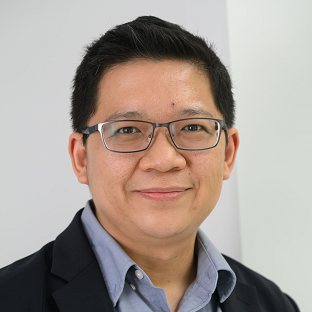
Kim Aleksander Haukland is an Associate Professor in the Department of Civil and Environmental Engineering at the Norwegian University of Life Sciences (NMBU). His work focuses on sustainable urban water systems, with a strong emphasis on stormwater management in cold climate regions. His primary research interests include: Urban stormwater management Modeling of drainage systems Nature-based solutions for climate adaptation Bioretention technologies in cold climates Application of machine learning in environmental modeling The research themes reflect a strong interdisciplinary approach combining civil engineering, environmental science, and climate resilience. Although specific publications are listed via Cristin, no individual articles are detailed in the source text, so trends cannot be further elaborated. He is the course responsible for THT303 Analysis and Design of Systems for Urban Drainage and THT200 Sustainable Stormwater Management, indicating an active role in academic teaching and curriculum development. No scientific awards, student advisement records, or grant funding details are mentioned in the available information. There is no mention of lab affiliations, research teams, or collaborative groups in the provided content.
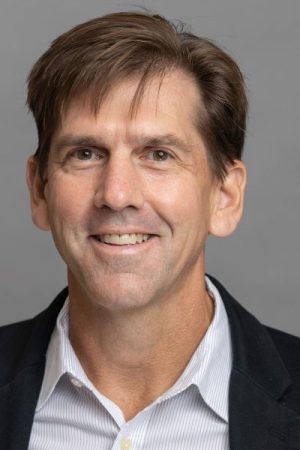
Edwin Lim, Ph.D., is a Lecturer at the University of Georgia, contributing to engineering education and research. His expertise spans structural engineering, seismic design, and educational methodologies. He has conducted fieldwork in post-earthquake reconnaissance, focusing on building resilience and disaster recovery in regions like Indonesia and Alaska. His research interests emphasize innovative construction solutions, finite element modeling for electrical systems, and sustainable building practices. Lim has explored teaching methods in engineering education, comparing blended and online approaches for statics courses. He has also authored guidelines on retrofitting vulnerable school buildings and optimizing school design in developing countries. Key contributions include structural analysis methodologies for beams and electrical cabinets, as well as studies on non-engineered housing vulnerabilities. His work bridges theoretical structural mechanics with practical applications in disaster resilience and educational pedagogy.
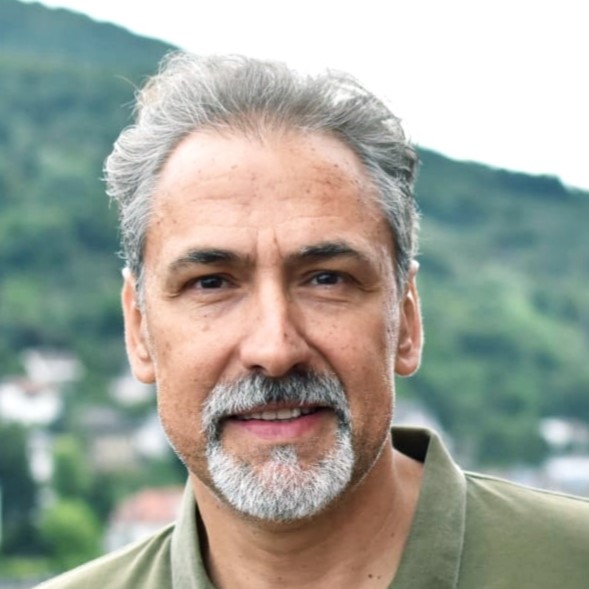
Sudhagar Mani, Ph.D., is an Associate Professor of Biological Engineering at the University of Georgia's College of Engineering. His research focuses on biological and chemical process modeling, sustainable biomass logistics, thermal conversion technologies, and nanocellulose production. Previously, he held roles as a lecturer and postdoctoral research fellow at the University of British Columbia. Research Interests: Dr. Mani's work integrates engineering principles with environmental sustainability, emphasizing applications in agriculture and energy systems. Key areas include biomass densification, torrefaction, freeze protection strategies for crops using nanocellulose, and techno-economic analysis (TEA) of bioenergy systems. His studies on life cycle assessment (LCA) and biopolymer degradation address broader environmental impacts. Publications & Trends: His recent articles highlight advancements in nanocellulose-based materials for agricultural freeze protection, sustainable packaging, and biomass conversion. These studies often blend experimental validation (e.g., field trials on peaches and blueberries) with computational modeling (e.g., LCA of biofuel supply chains). Emerging themes include circular economy applications of waste-derived materials and climate-resilient agricultural technologies. Grants & Collaborations: While specific grant details aren't listed, his research aligns with federal/state initiatives on renewable energy and sustainable agriculture. Collaborations likely involve interdisciplinary teams in material science, environmental engineering, and agricultural extension programs. Labs & Teams: His work is conducted through the University of Georgia's engineering research facilities, focusing on lab-scale prototyping (e.g., freeze protection coatings) and pilot-scale biomass processing systems. He mentors students in experimental design, data analysis, and sustainability modeling.
Mark Wilson is a Professor of History at the University of North Carolina, Charlotte, specializing in military-industrial relations and U.S. economic history. His work bridges the intersection of military strategy, capitalism, and federal policy across eras from the Civil War to contemporary issues. He holds leadership roles in academic publishing, co-editing volumes like *The Military and the Market* (2022) supported by grants such as the Andrew Carnegie Fellows Program (2022-24). His research on WWII mobilization has influenced public discourse on pandemic and climate policy, including articles in *Politico Magazine*. Research Focus : Wilson’s scholarship examines how military needs shaped American economic structures—from Civil War logistics to the post-WWII military-industrial complex. His 2016 book *Destructive Creation* won the Hagley Prize, analyzing business-government collaboration in WWII. Current projects include tracing the evolution of the military-industrial complex into the 21st century. Awards : Hagley Prize for Best Book in Business History (2016) Ralph Gomory Prize (co-winner) Public Impact : Wilson’s work intersects academic history with policy relevance. His grant-funded research and media engagement (e.g., podcasts, op-eds) ensure historical insights inform modern debates on defense spending, corporate accountability, and crisis management.
Gianmarco Vallero is a Research Fellow at the Department of Structural, Building and Geotechnical Engineering (DISEG) at Politecnico di Torino, where he also serves as an external lecturer and teaching assistant. He is actively involved in teaching Structural Theory, Building Science, and Foundation Design across various engineering and architecture programs. Position: Research Fellow Institution: Politecnico di Torino Department: Department of Structural, Building and Geotechnical Engineering (DISEG) Email: gianmarco.vallero@polito.it His research focuses on geomechanics, constitutive modeling of snow, rockfall hazard analysis, and structural vulnerability to natural hazards. He applies computational and experimental methods to study snow-structure interactions, rockfall propagation dynamics, and risk assessment in mountainous regions. His work bridges theoretical mechanics with practical civil engineering applications in cold and alpine environments. The recent publications (2020–2025) demonstrate a strong trend in computational modeling of snow behavior, experimental mechanics of snow interfaces, and GIS-based rockfall risk assessment. His work spans disciplines including mechanical engineering, geosciences, and civil infrastructure resilience, with an emphasis on numerical simulation and field-based validation. He has not received any explicitly mentioned scientific awards in the provided texts. Gianmarco Vallero has supervised or collaborated on multiple research projects, particularly in the areas of snow mechanics and rockfall risk, but no formal students or grant information is listed. His collaborations include prominent researchers such as Monica Barbero, Mauro Borri-Brunetto, and Valerio De Biagi. While no specific lab or research team is named, his work is clearly embedded within the geomechanics and structural engineering research group at DISEG.
Thomas Ingeman-Nielsen is an Associate Professor in the Department of Environmental and Resource Engineering at the Technical University of Denmark (DTU), within the Geotechnics & Geology section. His research focuses on permafrost, geotechnical engineering, and climate change impacts in Arctic regions, particularly Greenland. He is actively involved in multiple high-impact research projects and supervises several PhD students. Research Interests: His work spans permafrost dynamics, geophysical monitoring, freeze-thaw processes, infrastructure resilience in cold regions, and sustainable construction materials. He employs advanced geoelectrical methods and modeling to study permafrost degradation and its implications. His expertise contributes to UN Sustainable Development Goals related to climate action and sustainable cities. Recent Research Trends: Analysis of his recent publications (2023–2025) reveals a strong focus on Arctic permafrost modeling, resistivity-based monitoring of freeze-thaw cycles, risks to infrastructure from thawing permafrost, and interdisciplinary education in permafrost science. His work combines field measurements, laboratory studies, and computational modeling, often in transdisciplinary collaborations across Europe and the Arctic. Supervision and Grants: He serves as Main Supervisor for PhD students such as De Ville, T. and Nielsen, S. R., and as Principal Investigator (PI) for major projects including GIOS: Greenland Integrated Observing System and ILLUQ. PERMAFROST – POLLUTION - HEALTH . His leadership in funded research demonstrates sustained academic productivity and external recognition. Labs and Teams: He is embedded in DTU’s sustainability and geotechnics research environment, contributing to networks focused on Arctic observing systems and permafrost education. His collaborative footprint includes partnerships across Norden and international Arctic research initiatives.
Dominik Franjo Dominkovic is a Senior Researcher at the Department of Applied Mathematics and Computer Science, Dynamical Systems group at the Technical University of Denmark (DTU). His work primarily focuses on energy systems engineering, district heating, and renewable energy integration, contributing significantly to UN Sustainable Development Goals related to clean energy and climate action. His research interests span across energy systems engineering, district heating systems, energy planning, renewable energy sources, and smart energy systems. Dr. Dominkovic's work explores the intersection of computational methods and practical energy solutions, particularly focusing on data center cooling, demand response mechanisms, and energy community optimization. His research combines advanced mathematical modeling with real-world applications to address pressing energy challenges. His recent publications demonstrate a strong trend toward integrating artificial intelligence with energy systems, particularly reinforcement learning applications for cooling operations, price-based demand response mechanisms, and occupant behavior modeling in urban energy planning. His work bridges the gap between theoretical optimization approaches and practical implementation in energy communities and data center environments. 4th International DHC+ Student Awards - 1st prize (March 2016) Elite-Forsk-rejsestipendium (EliteForsk travel grant) (February 23, 2017) Dr. Dominkovic serves as a supervisor for PhD students, including Schledorn, A., on projects related to flexibility-centric energy systems. He leads multiple research projects with significant funding, focusing on energy systems modeling, data center cooling solutions, and district heating digitalization. His collaborative work spans multiple institutions and international projects, demonstrating strong research leadership in the energy domain. His laboratory and research team work closely with the CITIES partnership and participate in multiple international collaborations, particularly through IEA (International Energy Agency) annexes focused on district heating and cooling systems. The research group maintains strong connections with industry partners working on data center cooling technologies and district energy systems.
Bent Lauritzen serves as a Senior Researcher and center leader at the Center for Nuclear Energy Technology within the Department of Physics at the Technical University of Denmark (DTU). His research spans multiple critical areas in nuclear physics and engineering, with particular expertise in spallation physics, molten salt reactor technology, neutronics, and cold neutron sources. His work significantly contributes to UN Sustainable Development Goals related to clean energy and climate action. Senior Researcher and Center Leader at DTU Physics Specializes in nuclear energy technology and neutron science Active contributor to European Spallation Source research Supervises multiple PhD projects in nuclear engineering Lauritzen's research interests focus on advanced nuclear technologies with practical applications. His work in molten salt reactor engineering addresses next-generation nuclear power solutions, while his expertise in cold neutron physics supports fundamental research at major facilities like the European Spallation Source. His research in neutronics engineering and dose rate calculations has important implications for nuclear safety and radiation protection. The integration of computational methods with experimental physics is a recurring theme across his diverse research portfolio. Analysis of Lauritzen's recent publications reveals a strong trend toward practical applications of nuclear physics. His work spans from fundamental neutron science (cold neutron sources, spectrometer design) to applied nuclear engineering (molten salt reactors, radiation detection systems). The European Spallation Source appears as a major collaborative focus, with multiple publications related to instrument development and neutron source optimization. There's also a clear emphasis on computational methods, with Monte Carlo modeling and simulation frameworks playing key roles in his research. Lauritzen actively mentors the next generation of nuclear scientists as main supervisor for multiple PhD students working on cutting-edge nuclear technologies. His projects cover thermophysical properties of fluoride fuel salts, transient neutronic behavior in molten salt reactors, and advanced cold neutron source designs. These projects represent significant contributions to nuclear energy research with potential applications in sustainable energy production. His professional activities include organizing the Nuclear Engineering Educational Workshop and serving as Chairman at the Ministry of Education, Youth and Sports during two separate periods (2014-2017 and 2021). Lauritzen has also contributed to public understanding of nuclear technology through media appearances, particularly during the Fukushima nuclear incident in 2011 when he provided expert commentary on reactor risks.
Tove Lading is an Associate Professor in the Department of Civil and Mechanical Engineering at the Technical University of Denmark (DTU), located in Kgs. Lyngby, Denmark. Her research and teaching are centered on sustainable building practices, energy efficiency, and building physics in extreme climates, particularly in Greenland and other Arctic regions. Her research interests include hygrothermal performance of building envelopes , life cycle assessment (LCA) , indoor air quality , and façade systems in cold climates . She investigates how construction practices and design choices affect building durability and energy use in Arctic conditions, often combining field measurements with simulations. Recent publications reveal a strong focus on real-world building performance in Greenland, including studies on moisture dynamics, thermal losses, and construction errors. Her work frequently employs LCA to evaluate environmental impacts and contributes to sustainable development goals related to climate action and resilient infrastructure. Scientific Awards: No awards listed in the provided text. Tove Lading is actively involved in research and educational projects. She serves as a supervisor for PhD students and participates in major initiatives such as the Arctic Building and Construction project and the MBB: Master in Sustainable Construction . Her collaborative network includes researchers from DTU and external partners, focusing on practical solutions for building challenges in the Arctic. She is also involved in consultancy projects addressing gaps between climate regulations and technical building requirements. She is affiliated with the research group Construct at DTU, which focuses on building performance and sustainable construction. Her projects often integrate field studies, test facilities, and policy analysis to improve building standards in harsh environments.
Ramon Batalla Villanueva is a Professor of Physical Geography at the University of Lleida (UdL) and an Associated Research Professor at the Catalan Institute for Water Research (ICRA) in the line of 'Hydrological Processes and Water Resources.' Since 2016, he has also served as an Honorary Associate Professor at the Austral University of Chile (UACH, Valdivia). His academic career spans over three decades since earning his doctorate in Geography from the University of Barcelona in 1993. Dr. Batalla's research focuses on fluvial geomorphology, measurement and modeling of fluvial processes, particularly sediment transport, river restoration, and eco-geomorphology. His work has a markedly applied focus, examining the effects of global change on fluvial dynamics, including the influence of hydraulic infrastructure, climate change, and land use on hydrological and sedimentary regimes, with special emphasis on Mediterranean basins. He has published extensively on topics ranging from sediment transport dynamics to the impacts of dams and climate change on river systems. His recent publications reveal a strong emphasis on Mediterranean river systems, with significant work on hydropeaking effects, sediment dynamics in regulated rivers, and the impacts of climate change on fluvial processes. His research combines field measurements, laboratory analysis, and computational modeling to address complex hydrological challenges. Dr. Batalla has received recognition for his contributions to understanding river systems, particularly in Mediterranean environments. His collaborative work spans multiple international institutions, reflecting the global relevance of his research on water resources and river management. As an advisor and researcher, he has contributed significantly to advancing knowledge in fluvial geomorphology, with particular expertise in Mediterranean river systems where climate change and human pressures create complex management challenges. His work bridges fundamental science with practical applications for sustainable water resource management.
Dr. Natacha Pasche is an academic and research leader at École Polytechnique Fédérale de Lausanne (EPFL), holding dual roles as Operational Director of the Center for Limnology (LIMNC) within the School of Architecture, Civil and Environmental Engineering (ENAC) and as a Lecturer in the SSIE - Teaching unit. She plays a central role in managing the LéXPLORE research platform on Lake Geneva and teaches Limnology to Master’s students in Environmental Engineering. Environmental Engineer, Master degree, EPFL (1999–2004) Doctor es Science, Eawag and ETH Zurich (2006–2009) Dr. Pasche is a limnologist specializing in biogeochemical processes in lake ecosystems. Her research focuses on suspended particulate matter dynamics in Lake Geneva, particularly settling processes in the Rhône River interflow, which governs sediment, pollutant, and nutrient transport. She has led major interdisciplinary projects such as Leman-Baikal (using hyperspectral imaging for water quality), Life under Ice in Lake Onego, and primary production studies in Swiss lakes. Her earlier work centered on nutrient cycling and methane production in Lake Kivu, including establishing a monitoring program in Rwanda. Her 15 most recent publications reveal a strong trend in limnology and biogeochemistry, with deep expertise in carbon and nutrient cycling, methane dynamics, and physical-biological interactions in lakes. Key themes include under-ice processes, river-lake interactions, sediment biogeochemistry, and long-term environmental change in both tropical (Lake Kivu) and boreal (Lake Onego, Lake Geneva) systems. The research combines field monitoring, experimental platforms, and interdisciplinary collaboration. Dr. Pasche has not been awarded any explicitly mentioned scientific prizes or fellowships in the provided text. She has made significant contributions to research leadership and project coordination, notably overseeing the development and operation of the LéXPLORE platform—a unique, high-tech infrastructure resulting from a partnership between five academic institutions and supporting over 60 scientific projects. She has managed large multidisciplinary projects involving international teams and institutions, such as the Life under Ice project with 8 institutions and 40+ researchers. While no formal students are listed, her teaching and mentorship of Master’s students in the Limnology course contribute to academic training. Dr. Pasche leads the team managing the LéXPLORE platform on Lake Geneva, an advanced infrastructure enabling high-frequency, multi-parameter data collection. This platform is central to her current research and supports a wide network of scientific projects, fostering innovation in lake ecosystem monitoring and modeling.
Joel Sholtes is an Instructor in the Department of Civil Engineering at Colorado Mesa University, with a joint affiliation to the University of Colorado Boulder. His expertise lies in water resources engineering, with a focus on river hydraulics, fluvial geomorphology, and stream rehabilitation. He previously worked with the Bureau of Reclamation’s Sedimentation and River Hydraulics Group, bringing applied experience to his academic role. Education: PhD, Civil and Environmental Engineering, Colorado State University MA, Geography, University of North Carolina, Chapel Hill BS, Environmental Science, Duke University His research investigates physical river processes, including sediment transport, flood hazards, and the impacts of climate change on stream ecosystems. He has led and contributed to projects on fluvial hazard zone mapping, particularly in Colorado following the 2013 Front Range floods, and is involved in stream rehabilitation efforts in the Pacific Northwest aimed at creating thermal refuges for cold-water fish species. His work integrates field data, modeling, and geomorphic analysis to support sustainable river management. His publications span topics such as bankfull discharge prediction, flood wave attenuation due to restoration, and the geomorphic impacts of flow regulation. These studies appear in leading journals including Water Resources Research , Journal of Hydraulic Engineering , and Earth Surface Processes and Landforms . The body of work reflects a strong emphasis on process-based understanding of river systems and practical applications for infrastructure resilience and ecological restoration. Scientific Involvement and Applications: Principal contributor to the Colorado Fluvial Hazard Zone (FHZ) Mapping Program Research on thermal refuge creation in streams funded by the Bureau of Reclamation Collaboration with the Confederated Tribes of the Umatilla Indian Reservation and Oregon Department of Fish and Wildlife Development of guidance for managing dynamic urban stream corridors Joel Sholtes actively engages with practitioners, planners, and agencies to translate geomorphic science into land use policy and engineering practice. He has no listed advisees or formal students in the provided text. His research is supported by federal funding and applied in partnership with tribal, state, and federal agencies, reflecting a strong commitment to interdisciplinary and community-oriented science.
Robert D. Berghage is an Associate Professor in the Department of Plant Science at Pennsylvania State University, specializing in phytoremediation , bioremediation , and green infrastructure systems for sustainable water management in agricultural and urban environments. His research focuses on green roofs , constructed wetlands , and stormwater mitigation through plant-based solutions. Key projects include analyzing the thermal performance of green roofs under varying climates and developing water recycling systems for greenhouse operations. Recent publications highlight his work on hydroponic lettuce cultivation with microbial inoculants (2022) snow insulation effects on green roofs (2015) drought-adapted stonecrop species selection (2017) He contributes to extension programs including the Pennsylvania Gardener Selects initiative and the Medieval Garden teaching project, combining research with public outreach in horticultural education.
Jennifer Fiegel is a Professor in the Chemical and Biochemical Engineering Department at the University of Iowa's College of Engineering, holding secondary appointments in Pharmaceutical Sciences and Experimental Therapeutics. She leads multiple research initiatives across campus including the Fiegel Lab and serves as Faculty Lead for KEEN at Iowa. Her academic home spans the Roy J. Carver Department of Biomedical Engineering and Iowa Technology Institute. Dr. Fiegel earned her BS in Chemical Engineering from the University of Massachusetts at Amherst (1998) followed by a PhD in Chemical and Biomolecular Engineering from Johns Hopkins University (2004). Her research spans two critical domains: engineering education innovation and advanced drug delivery systems. In education, she develops metacognitive training for TAs and ethical decision-making simulations. In biomedical research, she pioneers pulmonary drug delivery systems targeting infectious diseases using polymeric biomaterials and nanoparticle technologies. Her recent publications reveal a dual trajectory: educational scholarship focusing on faculty development and student success, alongside cutting-edge pharmaceutical research on sprayable hydrogels, bacterial ghost delivery vehicles, and mucus-penetrating nanoparticles. This work directly addresses critical healthcare challenges including wound infections, pulmonary biofilms, and antibiotic resistance. As an active researcher since joining Iowa Engineering in 2006, she maintains leadership roles in the Environmental Health Sciences Research Center, Center for Gene Therapy of Cystic Fibrosis, Center for Biocatalysis and Bioprocessing, and Iowa Technology Institute. Her professional affiliations include the American Institute of Chemical Engineers, American Association of Pharmaceutical Scientists, and Society of Women Engineers.
Jiarong Hong is a Professor in the Department of Mechanical Engineering within the College of Science and Engineering at the University of Minnesota. He serves as Principal Investigator at the Flow Field Imaging Laboratory and leads research with the cavitation and bubbly flow group at the Saint Anthony Falls Laboratory. His work spans multiple interdisciplinary institutes including the Minnesota Robotics Institute and the Institute on the Environment. Dr. Hong's research focuses on fundamental fluid mechanics related to turbulence, atmospheric and multiphase flows, wind turbine aerodynamics, cavitation and bubbly flows, and microfluidic systems. His work integrates optical imaging and instrumentation with applications in flow diagnostics, biophysics, geophysics, medical and material sciences. His innovative approach to field flow imaging using natural snowfall has significantly advanced the study of utility-scale wind turbine flows. His recent publications demonstrate a strong trend toward practical applications of fluid mechanics in renewable energy, environmental protection, and public health. During the pandemic, his research expanded to address airborne transmission of diseases, showing his ability to pivot research toward pressing societal needs. His work consistently bridges fundamental fluid mechanics with real-world engineering applications. Robert T. Knapp Award for scale-dependent energy fluxes research Featured Article in Theoretical and Applied Mechanics Letters Editor's suggestions in Physical Review Fluids Cover Article in Acta Mechanica Sinica Cover of Journal of Fluid Mechanics Selected as highlight of Nature Communication As Principal Investigator of the Flow Field Imaging Laboratory, Dr. Hong leads a research group that develops advanced imaging techniques for fluid flow measurement. His work on super-large-scale particle image velocimetry using natural snowfall represents a significant methodological innovation in the field. His research has been supported by various funding mechanisms that enable both fundamental investigations and practical applications in wind energy and environmental fluid mechanics. Dr. Hong maintains strong collaborative relationships with researchers across multiple disciplines, as evidenced by his diverse publication record spanning mechanical engineering, environmental science, medical applications, and robotics. His laboratory serves as an interdisciplinary hub connecting fluid mechanics with practical engineering challenges.