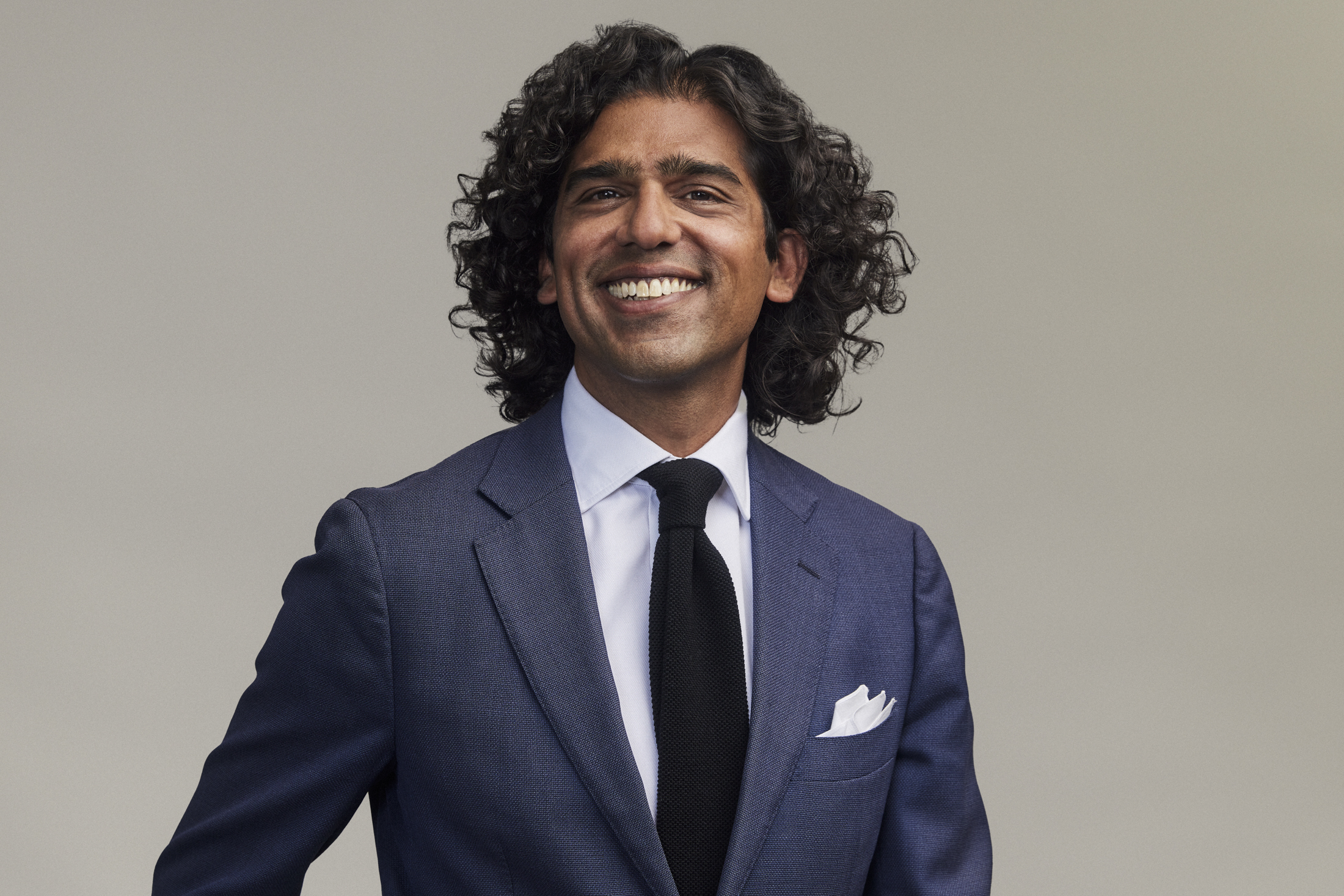
Elie Hajj is a Professor in the Department of Civil & Environmental Engineering at the University of Nevada, Reno (UNR), serving as Associate Director of the Western Regional Superpave Center. His research focuses on asphalt pavement engineering, sustainable materials, and infrastructure resilience. He specializes in pavement rehabilitation, numerical modeling of dynamic load impacts, and economic analysis of pavement preservation strategies. Dr. Hajj has received recognition for his 2016 ASTM award for outstanding work on pavement rehabilitation economics. He actively engages in professional service, including TRB webinars and academic seminars on topics like pavement damage assessment and vehicle operating costs. His teaching spans graduate and undergraduate courses in pavement design, materials engineering, and advanced pavement analysis. His research integrates experimental and computational methods to address challenges in pavement performance under superheavy loads, recycled material utilization, and energy-efficient construction practices. Collaborations with industry and government agencies enhance the practical applicability of his findings.
Dr. Peter Stasinopoulos is a Senior Lecturer in the School of Engineering at RMIT University, Australia. His research focuses on Intelligent Transport Systems, Cybersecurity of Automated Vehicles, and Sustainable Supply Chain Management. He is a member of RMIT's Intelligent Transport Systems research group and a research fellow at The Natural Edge Project. Research Interests: Civil Engineering, Materials Engineering, Automotive Engineering, Transportation Logistics, and System Dynamics. His work spans cybersecurity challenges in automated vehicles, cold supply chain optimization for food waste reduction, and policy frameworks for emerging technologies. Recent Articles: Dr. Stasinopoulos's recent publications emphasize cybersecurity of connected vehicles, automated vehicle adoption models, and biomass supply chain resilience. Key themes include cross-country cyber-risk analysis, public acceptance of autonomous systems, and metaheuristic optimization techniques. Advising & Grants: Supervises research projects on automated vehicles, food waste reduction, and sustainable logistics. Collaborates with industry partners on cybersecurity readiness and cold chain logistics innovations. Laboratories & Teams: Active in RMIT's Intelligent Transport Systems group, contributing to interdisciplinary projects on urban mobility and frontier technologies in humanitarian contexts.
Dr. Beata Gorczyca is a Professor in the Department of Civil Engineering at the University of Manitoba, affiliated with the Price Faculty of Engineering. Her research focuses on potable water treatment, with expertise in solid/liquid separation, chlorine disinfection by-products control, and fractal analysis of materials. She leads a research group collaborating with Canadian water utilities like Portage la Prairie and Pembina Valley Water Co-op. Education: PhD in Chemical Engineering (2000, University of Toronto), M.Sc. in Civil Engineering (1992, University of Toronto), B.Sc. in Geological Engineering (1986, AGH University, Poland). Active roles: Member of the Particle Specialist Group at the International Water Association, keynote speaker at conferences. Research interests include water purification processes, membrane filtration, and bioremediation. Her work addresses challenges in high-DOC and high-hardness water treatment, with contributions to nanofiltration fouling mechanisms and microbial remediation solutions. She has supervised numerous graduate students and is involved in advancing water treatment technologies through interdisciplinary collaborations.
Professor Inge Hoff is affiliated with the Norwegian University of Science and Technology (NTNU) in the Department of Civil and Environmental Engineering, where he has served since 2009. Prior to this, he held roles as senior researcher and research leader at SINTEF. Research Interests : Materials for road construction, frost protection, laboratory testing, pavement dimensioning, road rehabilitation, state development modeling, ground-penetrating radar surveys, and concrete/natural stone coverings. Students : Mentors active PhD fellows Lisa Hannasvik, Arman Hamidi, Clara Weber, and Shoiab Ahmad. Teaching : Coordinates courses like TBA4204/BYGT1102 Transport Infrastructure , BYGT2204 Road and Railway Construction , and BA8600 Pavement Structure Dimensioning . Recent publications highlight his expertise in granular material behavior, asphalt durability under climate stressors, and advanced structural assessment techniques. Collaborations with international researchers and presentations at major conferences (TRB, International Conference on Bituminous Mixtures) demonstrate his ongoing contributions to road engineering.
Dr. Mohsen Yoosefzadeh Najafabadi is an Assistant Professor in the Department of Plant Agriculture at the University of Guelph, Ontario Agricultural College. He holds a PhD in Plant Breeding from the University of Guelph (2022), following M.Sc. and B.Sc. degrees from the University of Tehran. His research focuses on dry bean breeding, computational biology, and integrating omics technologies to enhance crop resilience and productivity. Key areas include developing stress-tolerant dry bean varieties, leveraging remote sensing for trait prediction, and optimizing genomic selection methods. He leads the Dry Bean Breeding & Computational Biology Program and has contributed to over 30 peer-reviewed publications since 2017. Education : PhD, Plant Breeding, University of Guelph (2022) M.Sc., University of Tehran B.Sc., University of Tehran Research interests emphasize computational tools development (e.g., AllInOne preprocessing framework), omics-based selection strategies, and non-Mendelian heredity mechanisms. His lab combines machine learning with field phenotyping to address agricultural challenges such as disease resistance and climate adaptation. Collaborative projects include soybean cold stress analysis and cannabinoid profile prediction in cannabis. Publications span genomic approaches to crop improvement, remote sensing applications, and transcriptomic studies. He teaches courses in plant breeding methodologies and actively engages in technology transfer initiatives. Lab activities include developing high-yielding dry bean cultivars resistant to biotic/abiotic stresses and advancing data-driven pipelines for crop breeding. Future work aims to synergize AI with multi-omics data to enhance crop resilience in diverse environments.
Dr. Vahid Hosseini is an Associate Professor and Graduate Program Chair in the School of Sustainable Energy Engineering at Simon Fraser University (SFU). His research focuses on sustainable energy systems, urban air pollution, and clean mobility solutions. He holds a Ph.D. in Mechanical Engineering from the University of Alberta (2008), and M.A.Sc. and B.Eng. degrees from Sharif University of Technology (Iran). His academic roles include leadership in graduate academic programs and engineering education. Key research areas include thermo-fluid systems analysis, vehicle emissions reduction, and urban air quality modeling. He is actively involved in projects addressing real-world driving emissions, emission inventory development, and the impact of cold climates on transportation energy consumption and pollution. Notable contributions include studies on retrofit emission control devices for motorcycles, high-emitter vehicle identification, and policy recommendations for emission reduction. His work integrates experimental methods, computational fluid dynamics (CFD), and machine learning to tackle complex environmental challenges. Teaching interests span thermodynamics, fluid mechanics, and air pollution control engineering. Current courses include SEE 325 D100 Mechanical Design and Finite Element Analysis . Research highlights include collaborations on Tehran’s air quality management, particulate matter (PM2.5) source apportionment, and the development of high-resolution emission inventories. He contributes to international conferences and journals, with a focus on practical solutions for sustainable urban transportation systems.
Joey Yang is a Professor of Civil Engineering at the University of Alaska Anchorage (UAA), serving as Associate Director of the Alaska University Transportation Center and Director of the Geotechnical and Frozen Ground Engineering Research Laboratory. His expertise spans geotechnical and earthquake engineering with a focus on cold regions, including permafrost dynamics, infrastructure resilience, and de-icing technologies. He holds a Ph.D. from the University of California, Davis, and a B.S. from Chengdu University of Science and Technology. Education: Ph.D., Civil and Environmental Engineering, University of California, Davis B.S., Hydraulic Engineering, Chengdu University of Science and Technology Research Interests: Dr. Yang's work addresses geotechnical challenges in cold regions, including permafrost thaw, seismic site response, frozen soil-pile interaction, and fungal mycelium-based biofoams for insulation. His research is funded by NSF EPSCoR, USGS, USDOT, and others. Professional Contributions: Chief Editor, ASCE Journal of Cold Regions Engineering Editorial Board Member, Cold Regions Science and Technology Keynote/Theme Session Speaker at International Permafrost and Earthquake Conferences Awards: Arctic Kicker Prize (2015) Outstanding Reviewer Awards (2010, 2014) ASTM Technical Editors Award (2014) Advising & Grants: Dr. Yang has advised over 20 visiting scholars and secured multi-million-dollar grants for cold regions infrastructure research. His lab focuses on advancing technologies for permafrost engineering, seismic resilience, and sustainable construction. Labs/Teams: Leads the Geotechnical and Frozen Ground Engineering Research Laboratory, collaborating with global partners on cold regions challenges.
Catherine Mulligan is a Distinguished Research Professor in the Department of Building, Civil, and Environmental Engineering at Concordia University, where she also serves as Director of the Concordia Institute for Water, Energy and Sustainable Systems. She was previously the Concordia Research Chair in Geoenvironmental Sustainability (Tier I) until 2021, having held this prestigious research chair since 2002 (initially as Tier II). Dr. Mulligan earned her B.Eng. and M.Eng. degrees in chemical engineering from McGill University, followed by a Ph.D. specializing in geoenvironmental engineering, also from McGill University. After 16 years working at McGill University and in industry (including positions at the Biotechnology Research Institute of the National Research Council and SNC Research Corp.), she joined Concordia University in 1999 as an Assistant Professor, was promoted to Associate Professor in 2002, and to full Professor in 2008. Her research spans multiple critical areas of environmental engineering with a focus on contamination remediation. She specializes in surfactant-enhanced washing and flushing of contaminated soils and sediments, treatment of metal-contaminated media, bioremediation techniques, and various wastewater treatment methods. Her work includes biosurfactant applications, in-situ sediment remediation, anaerobic treatment processes, membrane technologies for water treatment, and energy generation through pressure-reduced osmosis. She has developed sustainability indicators and focuses on practical applications of environmental engineering solutions. Analysis of her recent publications (2023-2025) reveals a continued leadership in environmental engineering with particular emphasis on nanotechnology applications for oil spill cleanup in sensitive coastal regions, advanced membrane technologies for water treatment and energy generation, microbially induced calcite precipitation for mining waste remediation, sustainable resource recovery approaches from waste batteries, and innovative techniques for eutrophic lake restoration. Her research demonstrates a consistent focus on practical, sustainable solutions to environmental contamination problems across diverse settings. Dr. Mulligan's scientific contributions have been recognized with numerous prestigious awards including Fellowship in the Royal Society of Canada, Canadian Academy of Engineering, Engineering Institute of Canada, and the Canadian Society for Civil Engineering. She has received the RSC Miroslaw Romanowski Medal, the Geoenvironmental Award, the A.G. Stermac Award of the CGS, and the John B. Sterling Medal of the EIC. Her Concordia-specific honors include the Provost Circle of Distinction, Concordia Sustainability Champion, and the Petro Canada Young Innovator Award (awarded twice). With over 40 years of research experience across government, industrial, and academic environments, Dr. Mulligan has supervised to completion more than 75 graduate students in Civil Engineering (MASc and PhD programs). Her research has attracted significant funding, including a $1,643,700 NSERC CREATE grant for the Institute in Water, Energy and Sustainability, which represents the first Concordia project to receive funding through this program. She has authored more than 140 refereed papers, holds three patents, and has made substantial editorial contributions as Section Editor for the Journal of Environmental Engineering, Chief Editor for Waste (MDPI), and serves on multiple other editorial boards. As Director of the Concordia Institute for Water, Energy and Sustainable Systems, Dr. Mulligan leads an interdisciplinary team focused on training students in sustainable development practices and advancing research into innovative solutions for water, energy, and resource conservation challenges. The institute represents a significant hub for environmental research and education at Concordia University.
Craig Lee is a Professor of Oceanography at the University of Washington, where he also serves as Senior Principal Oceanographer and Assistant Director for Research at the Applied Physics Laboratory. His work focuses on physical oceanography with emphasis on observational studies and instrument development. Lee leads research programs studying upper ocean dynamics, coastal processes, and high-latitude oceanography across diverse regions including the Arctic, North Atlantic, and South China Sea. Dr. Lee's educational background includes: B.S. in Electrical Engineering and Computer Science from the University of California, Berkeley (1987) Ph.D. in Physical Oceanography from the University of Washington (1995) Lee's primary research interests center on three interconnected areas: (1) upper ocean dynamics, particularly mesoscale and submesoscale fronts and eddies; (2) interactions between biology, biogeochemistry and ocean physics; and (3) high-latitude oceanography in changing Arctic environments. His work often combines field observations with instrument development to address fundamental questions about ocean circulation and its role in climate systems. He has pioneered approaches using autonomous platforms to study difficult-to-access regions like ice-covered waters. Analysis of Lee's recent publications reveals a strong focus on Arctic oceanography, upper ocean mixing processes, and the application of autonomous observing technologies. His research spans multiple ocean basins with particular emphasis on the Arctic, North Atlantic, and western Pacific. A notable trend is the increasing integration of biogeochemical measurements with physical oceanography to understand coupled systems. His work often addresses climate-relevant questions about ocean circulation, heat transport, and ecosystem responses to environmental change. Dr. Lee provides leadership through service on science steering committees for large research programs and advisory panels for U.S. Arctic efforts. He actively supports and advises graduate students while teaching courses on ocean circulation observations and experimental design. His team has developed innovative technologies including autonomous gliders for ice-covered waters, high-performance towed vehicles, and lightweight mooring systems. Lee leads a research team pursuing diverse field programs including Arctic PISCES, Stratified Ocean Dynamics of the Arctic (SODA), and studies of the Kuroshio Current. His group collaborates extensively with institutions worldwide and contributes to major international research initiatives focused on understanding ocean processes and their climate implications.
Hua Ge is a Professor in the Department of Building, Civil and Environmental Engineering at Concordia University's Faculty of Engineering and Computer Science. She holds a Tier II Concordia University Research Chair in High Performance Building Envelope for Climate Resilient Buildings and leads extensive research in building science and climate adaptation. Her research focuses on wind-driven rain analysis , hygrothermal performance of building envelopes , advanced building facades , innovative wood-frame construction , and low-energy buildings . Current work examines climate change impacts on wind-driven rain loads, urban micro-climate effects, climate-resilient building envelopes, dynamic facades, and low-carbon healthy buildings. Her methodology combines large-scale laboratory testing, field monitoring, and computational modeling. Her 15 most recent publications demonstrate strong trends in nature-based climate resilience solutions , overheating risk mitigation in educational buildings , advanced hygrothermal modeling of wood-frame systems , and carbon sequestration strategies for buildings. The work spans multiple sub-disciplines including computational fluid dynamics, life cycle assessment, stochastic modeling, and field validation studies across Canadian climates. Tier II Concordia University Research Chair (CURC) in High Performance Building Envelope for Climate Resilient Buildings Professional Engineers of Ontario American Society of Heating, Refrigerating and Air-conditioning Engineers ASHRAE TC4.4 Building materials and building envelope performance (Subcommittee Chair) Professor Ge has supervised 42 graduate students (26 PhD, 16 MASc), including current advisees working on nature-based solutions, climate-resilient envelopes, and building integrated photovoltaics. Her research is supported by Concordia University Research Chair funding and collaborative projects with institutions like BCIT. She directs activities at Concordia's Building Envelope Test Facility and contributes to national standards through ASHRAE.
Henrik Haller is an Associate Professor at Mid Sweden University, affiliated with the Department of Natural Sciences, Design and Sustainable Development (NDH). His work integrates environmental science with practical applications in tropical regions, particularly focusing on land use, soil remediation, and sustainable food systems. Academic Title: Doctor of Philosophy Location: Östersund, Sweden Key Research Areas: Multifunctional land use, bioremediation, agroforestry, and sustainable development in the Global South Haller's research emphasizes transforming environmental challenges into opportunities. His work includes: Bioremediation of heavy-metal-contaminated soils using amaranth plants Urban agriculture potential in Swedish cities Life cycle assessments of cold-weather aquaponic systems Waste valorization strategies for contaminated lignocellulose sediments Universal design approaches to zero-waste communities Industrial symbiosis for local food systems He has ongoing projects in urban farming, wastewater resource recovery, and sustainable behavior transformation. His publications span topics from fungal metal tolerance to policy challenges in environmental governance.
Dr. Usman T Khan serves as Associate Professor and Department Chair in Civil Engineering at the Lassonde School of Engineering, York University. A licensed Professional Engineer (P.Eng), he specializes in Water Resources Engineering with a focus on urban water systems and sustainable infrastructure solutions. His academic credentials include: PhD in Environmental Engineering from University of Victoria (2011-2015) with thesis on 'Environmental prediction and risk analysis using fuzzy numbers and data-driven models' MSc in Civil Engineering from University of Calgary (2008-2010) researching 'Bioretention cell efficacy in cold climates' BSc in Civil Engineering from University of Calgary (2003-2008) focusing on 'Water to wastewater: Closing the loop' Dr. Khan's research program addresses critical challenges in urban hydrology , particularly flood risk assessment and uncertainty analysis under changing climate conditions. His work integrates big-data methodologies with traditional hydrological modeling to improve water quality and quantity predictions in urban environments. He has developed innovative approaches for sustainable stormwater management and has tested technologies like bioretention cells in challenging climatic conditions. His research specialties encompass: Urban flood risk modeling and mitigation Climate change adaptation for water infrastructure Advanced hydroinformatics applications Sustainable stormwater management systems Data-driven water quality assessment Dr. Khan's research excellence has been recognized with multiple awards: NSERC Master's Award for graduate studies NSERC Doctoral Award for PhD research NSERC Postdoctoral Fellowship Andy Farquharson Teaching Excellence Award He has collaborated extensively with municipal governments on stormwater management projects and watershed planning initiatives. Dr. Khan's teaching philosophy is reflected in his completion of multiple pedagogical certifications including Instructional Skills Certificate (2016), Design Engineering & Instruction Certificate (2014), and Teaching Fundamentals Certificate (2012). His professional engagement includes membership in key organizations: Professional Engineers Ontario, International Association of Hydrological Sciences, International Water Association, Canadian Society of Civil Engineering, Canadian Water Resources Association, Canadian Association on Water Quality, and Canadian Geophysical Union.
Dr. Sean K. Carey is a Professor in the School of Earth, Environment and Society at McMaster University, where he directs the Watershed Hydrology Group. His research focuses on hydrological and land surface processes in natural and human-impacted environments, with particular expertise in cold regions hydrology and northern environments. Dr. Carey holds a BSc (Hons) from the University of Guelph (1994), an MSc from McMaster University (1996), and a PhD from McMaster University (2000). His educational background established the foundation for his research in northern hydrology and climate change impacts. His research examines climate change processes and surface water hydrology, particularly in subarctic and alpine environments. Key interests include: Hydrological responses to climate change in cold regions Land surface processes in natural and disturbed landscapes Ecohydrological interactions in northern ecosystems Water resource management in mining-affected regions Long-term watershed monitoring and modeling Dr. Carey's extensive publication record focuses on hydrological processes in changing cold regions, with recent work examining permafrost interactions, watershed biogeochemistry, and ecosystem recovery in reclaimed landscapes. His research consistently addresses climate change impacts on northern water resources. He leads the Watershed Hydrology Group, which conducts field-based research across northern Canada including Yukon Territory and Alberta's oil sands region. Current work investigates the effects of climate warming on hydrological cycles and ecosystem functions in vulnerable northern environments.
Megan Konar is an Associate Professor in the Department of Civil and Environmental Engineering at the University of Illinois Urbana-Champaign. Her research focuses on water resources, virtual water trade, and the intersection of food systems with climate change and sustainability. She has contributed to interdisciplinary studies on groundwater depletion, supply chain resilience, and the socio-hydrological dimensions of water scarcity. Her work bridges engineering, environmental science, and policy analysis. Notable research areas include analyzing virtual water flows in global trade networks, evaluating the impacts of climate shocks on agricultural systems (e.g., in Zambia and China), and assessing resilience in US agri-food transportation infrastructure. She leads projects on food-energy-water nexus dynamics and has developed datasets mapping food flows and irrigation patterns across the United States and China. Key Awards: AGU Fellow (2024) James B. Macelwane Medal (2024) NSF CAREER Award (2019) Walter L. Huber Civil Engineering Research Prize (2022) Her collaborative research extends to global partnerships, addressing water governance challenges and sustainable development goals. Recent work highlights the dual pressures of groundwater depletion and contamination in China, resilience strategies in perishable food networks, and equity considerations in wasted food models.
W. Travis Horton is an Associate Professor of Civil Engineering at Purdue University, with a courtesy appointment in Mechanical Engineering. He holds a Ph.D. from Purdue University and has over 20 years of academic and industry experience in thermal systems research. His affiliations include the Lyles School of Civil Engineering and the Ray W. Herrick Laboratories at Purdue, focusing on advanced thermal energy conversion systems and sustainable building technologies. Dr. Horton’s research emphasizes integration of HVAC systems with renewable energy, optimization of ground-source heat pumps, and innovative compressor/expander technologies. He leads projects on building energy modeling, combined heat and power systems, and waste heat recovery. His work bridges experimental facilities with computational models for system analysis and optimization. His teaching includes courses on building mechanical systems design and energy audits. He is a licensed Professional Engineer (Michigan) and holds universal refrigerant certification. Active in professional organizations like ASHRAE, his research has produced over 50 peer-reviewed articles since 2001, addressing thermal efficiency, energy systems integration, and sustainable building design.