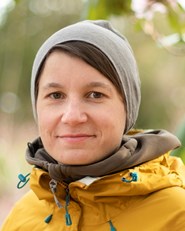
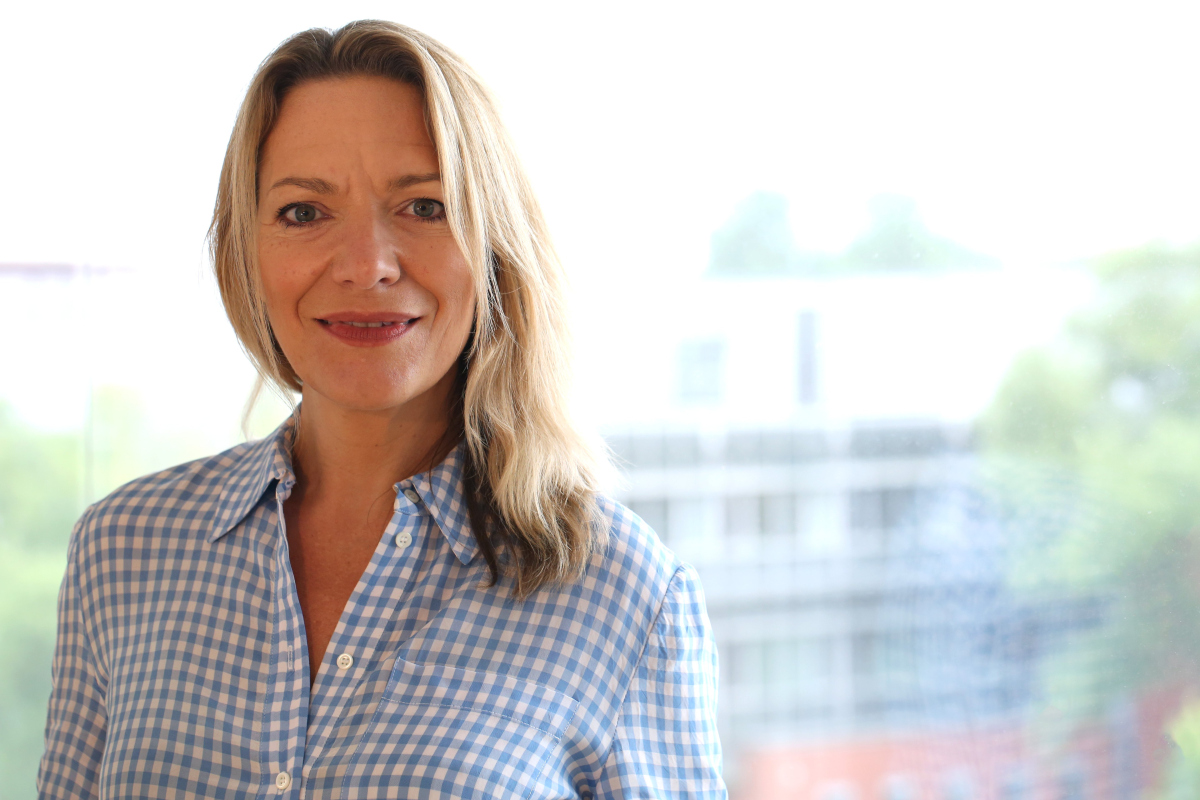
Gesche Blume-Werry is an Assistant Professor at the Department of Ecology and Environmental Science, Umeå University. Her research focuses on belowground plant ecology in Arctic tundra and peatland ecosystems, emphasizing root phenology, permafrost dynamics, and climate change impacts. She explores interactions between plants, soils, and microorganisms to understand ecosystem responses to environmental shifts. Key research areas include root growth patterns, nitrogen uptake mechanisms, and the role of invasive species like earthworms in altering carbon cycles. She leads projects such as 'The importance of deep roots in the carbon-climate feedback from thawing permafrost soils' (2023) and contributes to the Terrestrial Ecology research group. Her work integrates field observations with experimental manipulations, including snow and warming experiments. Publications highlight topics like root-shoot asynchrony, microbial community stability under plant removal, and the ecological consequences of earthworm invasions. She advocates for improved permafrost education and standardized field methodologies through initiatives like the ClimEx handbook. Blume-Werry’s research bridges ecological processes across scales, from molecular interactions in soil microbiomes to landscape-level carbon dynamics. Her findings contribute to predicting Arctic ecosystem resilience and feedbacks in a warming world.
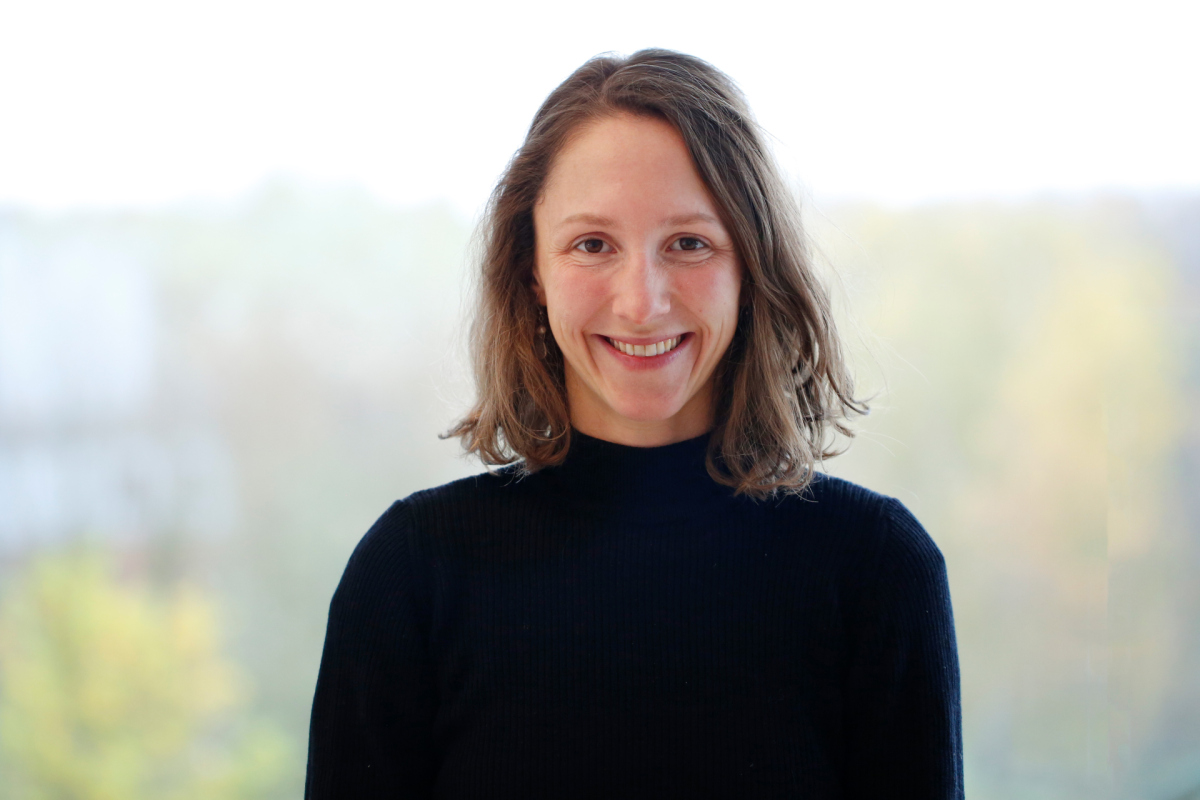
Laura Halbach is a researcher at the Max Planck Institute for Marine Microbiology, working within the Department of Biogeochemistry led by Prof. Dr. Marcel Kuypers. Her work focuses on microbial interactions, primary production, and nutrient cycling in diverse aquatic ecosystems ranging from tropical coastal habitats to polar fjords and glacier surfaces. Current research emphasizes N₂-fixing microbes (diazotrophs) in seagrass meadows (Posidonia oceanica, Cymodocea nodosa, Thalassia testudinum) Utilizes chemical, molecular, and single-cell imaging techniques (SIMS, SEM-EDS) Active in promoting research integrity as an institute Ombudsman Her studies address biogeochemical processes impacting climate regulation through carbon and nitrogen cycling. Key areas include: Glacier surface microbial communities and albedo reduction Marine nitrogen fixation and plant-microbe symbiosis Polar and tropical ecosystem nutrient dynamics Her publications reveal a focus on cryospheric microbiology, polar food webs, and imaging-based ecosystem analyses. Laura also contributes to teaching in the MarMic Master's program.
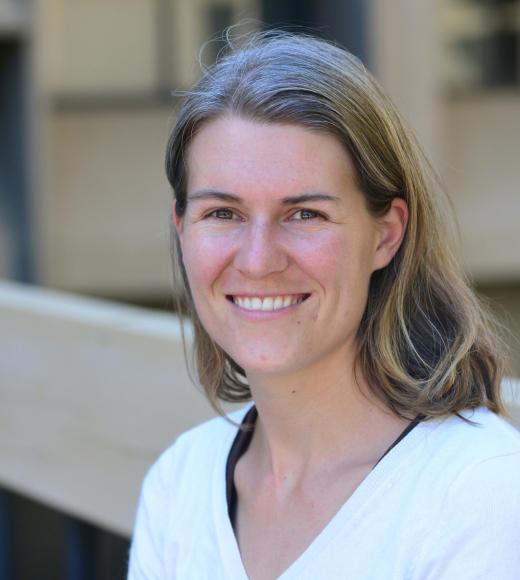
Rachel L. Vannette is a Professor and Vice-Chair in the Department of Entomology and Nematology at the University of California, Davis. She leads the Vannette Lab, located in Briggs Hall 43, which focuses on understanding plant-microbe-insect interactions, chemical ecology, and community ecology. Her research explores how microorganisms influence plant traits and interactions with insects, with applications in both basic ecological questions and agricultural systems. Education: B.A. in Biology from Calvin College (1990s) and Ph.D. in Ecology and Evolutionary Biology from the University of Michigan (2000s). She holds graduate group affiliations in Entomology (ENT), Ecology (GGE), and Microbiology (MGG). Research interests include microbial contributions to plant defense against herbivores, pollinator attraction via floral nectar, and soil health. Current projects examine nectar microbiome effects on plant-pollinator interactions, soil biota impacts on herbivory, and the role of microbial metabolites in pollinator behavior. Her work bridges ecology, microbiology, and agriculture. Publications highlight nectar microbiome dynamics, fungicide impacts on bees, and symbiotic relationships in insects. She actively collaborates on NSF-funded projects, including a CAREER grant on nectar chemistry and plant-pollinator adaptation. Contact: rlvannette@ucdavis.edu or (530) 752-3379.
Dr. Ewa Ozimek is a Senior Lecturer at the Department of Industrial and Environmental Microbiology, Faculty of Biology and Biotechnology, Maria Curie-Skłodowska University. Her research focuses on microbial metabolites, plant growth promotion mechanisms, and biofertilizer efficiency under abiotic/biotic stress conditions. Research Interests: Investigating primary/secondary metabolites in microbes and plants, microbial plant growth promotion strategies, and optimizing biofertilizer performance through environmental stress analysis. Publication Trends: Recent work emphasizes Arctic soil microorganisms, hormonal regulation in plant-microbe interactions, heavy metal stress mitigation, and molecular mechanisms of mycoparasitism. Key organisms studied include Trichoderma, Mortierella, and Serratia.
Jutta Wiese is a Researcher at GEOMAR - Helmholtz Centre for Ocean Research Kiel , affiliated with the Research Division 3: Marine Ecology and the Marine Symbioses research unit. Her work focuses on the microbial biodiversity , systematics , and biotechnological applications of marine bacteria and fungi, particularly in antibiotic resistance , bioactive natural products , and microbial interactions within complex marine communities like sponges and algae. PhD in Biology (1996-2001) from Georg-August-University Göttingen Diploma in Biology (1984-1991) from Johannes Gutenberg University Mainz and Eberhard-Karls University Tübingen Her research spans marine symbioses , genomic analyses of novel bacterial species, and bioprospecting for compounds with pharmaceutical or environmental applications. Recent publications highlight discoveries in Actinospongicola halichondriae and Maribacter halichondriae , emphasizing sponge-microbe relationships and adaptive evolution. She has contributed to patents involving antitumoral cyclodepsipeptides and antibacterial benzanthracenes . Her work often involves collaborations with institutions like IFM-GEOMAR and integrates genomic, biochemical, and ecological approaches to study marine microbial systems.
Professor Belinda Ferrari is a leading environmental microbiologist at the University of New South Wales (UNSW), Sydney, where she currently serves as the Associate Dean Research in the Faculty of Science. She is also affiliated with the School of Biotechnology and Biomolecular Sciences (BABS), having previously held roles as Deputy Head of School and Director of Research. Her work is globally recognized for advancing our understanding of microbial life in extreme environments, particularly in Antarctic soils. Education: PhD in Microbiology, Macquarie University, 2001 BSc (Hons) in Microbiology, University of New England, 1994 Postdoctoral Scientist, University of Copenhagen, 2001–2002 Macquarie University Research Fellowship, 2002–2005 Research Interests: Professor Ferrari’s research lies at the intersection of microbial ecology, genomics, and environmental science. She specializes in uncovering the diversity and functional potential of microbial communities in Antarctic soils, focusing on atmospheric chemosynthesis , a novel carbon fixation process discovered by her team. This process allows microbes to survive by metabolizing atmospheric gases, challenging our understanding of the limits of life. Her lab also investigates microbial indicators of soil health, bioremediation of hydrocarbon-contaminated soils, and the discovery of cold-adapted microbes with biotechnological potential. Scientific Awards: UNSW Vice-Chancellor’s Award for Excellence in Higher Degree Research Supervision (2021) Faculty of Science Staff Excellence Award for Research Excellence (2018) Australian Research Council (ARC) Future Fellowship (2017) Outstanding Supervisor Award, UNSW (2015) Macquarie University Research Fellowship (2002) Leadership & Service: Professor Ferrari has held numerous leadership roles at UNSW, including Deputy Head of School and Director of Research at BABS, and currently serves on the Faculty of Science Board. She is a member of the Australian Microbiome Scientific Coordination Working Group and has contributed to national and international scientific panels, including the Royal Society of New Zealand Marsden Fund and the Australian Antarctic Science Advisory Committee. Laboratory & Team: She leads the Ferrari Lab (ferrarilab.org), a vibrant research group comprising PhD students, postdocs, and collaborators from across Australia and internationally. The lab integrates cutting-edge ‘omics’ technologies with novel cultivation methods to explore microbial dark matter and develop real-world applications in bioremediation and environmental monitoring.
Professor Nevin Gül Karagüler is a faculty member at the Department of Molecular Biology and Genetics, Istanbul Technical University. Her research focuses on enzymology, microbiology, and biotechnology, with emphasis on enzyme function, extremophile microorganisms, and biomaterials. She leads numerous projects on enzyme engineering, biomarker quantification, and environmental applications of biological systems. Notable contributions include studies on cardiac troponin detection via LC-MS/MS and cold-adaptive Antarctic microbes. Her research outputs span molecular biology, protein engineering, and environmental science. Key projects include investigations into thermostable enzymes, biogenic material design, and proteomics-based biomarker discovery. She has been awarded the 2016 IGEM synthetic biology competition prize. As a Principal Investigator, she oversees initiatives exploring extremophile enzymes, bioremediation, and synthetic biology applications. Collaborations include international work on Antarctic microorganisms and enzyme applications. Her work bridges fundamental research and applied biotechnology, addressing challenges in clinical diagnostics, industrial biocatalysts, and sustainable materials.
Prof. Dr. Yaşar Ertürk is a distinguished academic in horticulture, currently serving as a Professor at Kırşehir Ahi Evran University's Faculty of Agriculture, Department of Garden Plants. He has held multiple academic and administrative positions, including Department Head and Head of the Science Department at Ahi Evran University since 2022, and previously served as Dean's Assistant and Department Head at Bozok University from 2010-2016. PhD in Horticulture (1997-2004), Atatürk University, Faculty of Agriculture Master's Degree in Horticulture (1993-1997), Atatürk University, Faculty of Agriculture BSc in Horticulture (1989-1993), Atatürk University, Faculty of Agriculture Prof. Ertürk's research primarily focuses on fruit cultivation and breeding , with particular expertise in stone fruits, strawberries, and tea plants. His work explores the application of plant growth-promoting rhizobacteria (PGPR) , mycorrhizal fungi , and biological fertilizers to enhance plant growth, yield, and stress tolerance. He has made significant contributions to understanding frost resistance in fruit trees , rootstock breeding , and organic cultivation techniques . His interdisciplinary approach bridges horticulture, soil science, and agricultural engineering to develop sustainable cultivation practices. Analysis of Prof. Ertürk's recent publications reveals a strong emphasis on microbial applications in horticulture, particularly the use of beneficial bacteria and fungi to improve plant growth and yield under various environmental conditions. His work spans multiple horticultural systems including strawberries, tea, stone fruits, and ornamental plants, with a growing focus on organic cultivation methods and climate resilience. The research demonstrates a consistent trajectory toward sustainable agricultural practices that reduce chemical inputs while maintaining productivity. Yayın Teşvik Ödülü (Publication Incentive Award) from TÜBİTAK (2009-2012) Prof. Ertürk has supervised numerous graduate students, including doctoral candidate Ebru Şirin and several master's students working on topics related to fruit cultivation, microbial applications, and frost resistance. His research has been supported by multiple projects, including the "Ceviz Odaklı Kalkınma ve Gelişim Projesi" (Walnut-Focused Development Project) running from 2018-2026, and various studies on the application of beneficial microorganisms in tea and fruit cultivation. Prof. Ertürk leads research teams investigating plant-microbe interactions in horticultural systems, with particular focus on developing biological solutions for sustainable fruit production. His work involves collaborations with researchers from multiple institutions, creating an interdisciplinary research environment that bridges traditional horticultural practices with modern microbiological approaches.
Dr. Stephanie A. Eichorst is a Senior Scientist at the University of Vienna's Centre for Microbiology and Environmental Systems Science, specifically within the Division of Microbial Ecology (DOME). She joined the University of Vienna in 2012 after completing her PhD at Michigan State University, followed by postdoctoral work at Los Alamos National Lab and research at the Joint BioEnergy Institute in the USA. Her research program centers on the physiology of soil microorganisms, with particular emphasis on members of the Acidobacteriota phylum. This ubiquitous bacterial phylum comprises astonishing diversity across soils worldwide, yet its functions remain largely unknown due to limited cultivated representatives. Dr. Eichorst's work seeks to elucidate the ecophysiology of Acidobacteriota to understand their success and ubiquity in soil environments. Her research employs a multidisciplinary approach combining genomics, transcriptomics, growth-based experiments, enzyme kinetics, and molecular analyses. Her recent publications reveal a strong focus on microbial survival mechanisms under energy limitation, particularly atmospheric gas oxidation (including H 2 ) and the role of different terminal oxidases in soil microbes. Her work demonstrates how these physiological capabilities explain the success of Acidobacteriota in heterogeneous soil environments. She has also pioneered single-cell method development for exploring soil microbial activity using techniques like FISH, NanoSIMS, and Raman microspectroscopy combined with stable isotope tracers. Dr. Eichorst leads active research projects including 'Faktoren, die mikrobielle terminale Oxidasen beeinflussen' (2025-2028), demonstrating her continued leadership in the field. Her work contributes to understanding soil microbial communities that play crucial roles in biogeochemical cycles and ecosystem functioning.
Agnieszka Kalwasińska is a Professor at the Faculty of Biological and Veterinary Sciences , Nicolaus Copernicus University, leading the Department of Environmental Microbiology and Biotechnology. Her research spans microbial ecology, biodegradable materials, and plant-microbe interactions. Key research areas include: Microbial community dynamics in aquatic and soil environments Development of biofilm-based methods for environmental monitoring Biotechnology applications of halophiles and rhizobacteria Biodegradable polymer engineering with natural additives Her recent publications focus on: Microbial responses to environmental stressors (salinity, pollution) Genomic and physiological insights into plant growth-promoting microbes Antimicrobial polymer composites for sustainable applications She is a member of the OBSIDIAN interdisciplinary team advancing microbiology, soil science, and agricultural genetics.
Dr. Sean Bay is a Lecturer and ARC DECRA Fellow at La Trobe University's Department of Microbiology, Anatomy, Physiology and Pharmacology in Melbourne, Australia. He leads The Bay Group research laboratory, focusing on environmental microbiology with an emphasis on how soil bacteria utilize atmospheric trace gases to survive in energy-limited ecosystems such as deserts, glaciers, and caves. Dr. Bay earned his PhD from Monash University in 2020 under Professor Chris Greening and subsequently held a postdoctoral position with Securing Antarctica's Environmental Future before establishing his independent research group at La Trobe in 2023. Dr. Bay's research interests center on microbial ecology in extreme environments, particularly investigating how microbes utilize atmospheric trace gases such as hydrogen, carbon monoxide, and methane. His work integrates culture-independent techniques with biogeochemical measurements, supported by contemporary statistics and ecological theory. His research program is structured around three main themes: Biodiversity & Function, examining microbial persistence in energy-deprived environments; Soil Fertility & Health, investigating the structural and functional basis of microbial biodiversity in soils; and Climate Change & Global Cycles, exploring the microbial role in driving global biogeochemical cycles and regulating greenhouse gases. Analysis of Dr. Bay's publication record reveals a strong and consistent focus on microbial metabolism in extreme environments, particularly examining atmospheric trace gas utilization across diverse ecosystems including deserts, caves, glaciers, and Antarctic environments. His work demonstrates how microorganisms have evolved metabolic flexibility to survive in energy-limited conditions, with significant implications for understanding global biogeochemical cycles and climate change processes. ARC Discovery Early Career Researcher Award (DECRA) for 'Cave microbial metabolism as a missing biogeochemical sink' (2023-2026) Dr. Bay actively supervises research students and has developed the 'Microbiome of Life' subject. His research is supported by competitive grants, including his DECRA fellowship which funds research on cave microbial metabolism as a biogeochemical sink. He collaborates with numerous researchers across Australia and internationally, as evidenced by his extensive publication record with diverse co-authors spanning multiple institutions. Dr. Bay heads The Bay Group at La Trobe University, which focuses on Environmental Microbiology, Biogeochemistry, and Microbial Ecology. The lab employs various techniques including microbial biodiversity and functional studies, gas chromatography of atmospheric trace gases, microbial activity studies, radioisotope studies, nutrient budgets, soil physicochemistry, and GIS spatial mapping. The group is currently seeking PhD, MSc, and BSc students to join their research on microbial processes in extreme environments, with translational opportunities in microbial biodiversity monitoring, atmospheric gas monitoring, nutrient and carbon monitoring, and soil fertility assessment.
Antje Boetius is a Professor at the Max Planck Institute for Marine Microbiology and leads the HGF MPG Joint Research Group for Deep-Sea Ecology and Technology in collaboration with AWI Bremerhaven. Her work focuses on microbial ecology of the deep sea, the marine methane cycle, gas hydrates, geomicrobiology, and global carbon cycling. She has contributed extensively to understanding anaerobic oxidation of methane, cold seep ecosystems, and climate-driven microbial processes. Research Focus: Deep-sea microbial communities, methane seeps, carbon cycle, gas hydrates, Arctic ecosystems Institutional Affiliation: Max Planck Institute for Marine Microbiology, AWI Bremerhaven Her research explores the interplay between microorganisms and geochemical processes in extreme marine environments, particularly cold seeps and methane seeps. She investigates how microbial consortia regulate element cycling, influence climate, and adapt to environmental stressors. Her work bridges molecular microbiology, biogeochemistry, and oceanography, emphasizing global implications of deep-sea microbial activity. Recent publications highlight microbial responses to CO2 leakage, Arctic warming impacts on ice-rafted matter, and genetic pathways of methanotrophic consortia. Her studies span from molecular to ecosystem scales, integrating field observations and experimental approaches. Scientific Awards: Fellow of the UK Royal Society Boetius has advised numerous projects and collaborations, including the HERMIONE project and the International Max Planck Research School (MarMic). Her outreach efforts include public engagement through the "It MA(t)TERs" conference and Bremer Forschungsmeile.
Elisa BERGAMI is an Associate Professor at the Department of Life Sciences, University of Modena and Reggio Emilia, Italy, specializing in Ecotoxicology and Marine Pollution research. She teaches courses such as Anthropogenic alterations of ecosystems , Coding in R for data analysis , and Management of bioresources and ecosystem services , with a focus on Nanoparticle Toxicity , Marine Biodiversity , and Data Analysis in ecological contexts. Her work addresses environmental challenges through the lens of the UN Sustainable Development Goals . Teaches Ecotoxicology with case studies on plastic pollution, heavy metals, and climate change Directs Experimental Biology Laboratory modules on marine organism analysis and nanoparticle interactions Her research interests include: Environmental impacts of nanoplastics and engineered nanomaterials Ecotoxicological effects on marine invertebrates Development of bioindicators for pollution Ecological risk assessment methodologies Antarctic ecosystem contamination Recent publications highlight her work on: Nanoplastic interactions with marine immune systems Toxicity mechanisms in polar and Mediterranean species Plastic colonization by microbial communities Combined chemical-nanoparticle stressors She leads the SCAR Plastic in polar environment Action Group and emphasizes hands-on laboratory training in courses covering DNA barcoding, microbiological testing, and biochemical analysis using marine models like Mytilus galloprovincialis and Paracentrotus lividus.
Peik Haugen is a Professor and Head of Department in the Department of Chemistry at UiT The Arctic University of Norway. He leads research in Molecular Biosystems and Bioinformatics as part of the Norstruct research group, with a focus on bacterial genomics, marine microbiology, and biotechnological applications of cold-adapted systems. Professor Haugen's research spans multiple interconnected domains of molecular microbiology. His primary expertise lies in bacterial genomics, particularly examining Vibrionaceae family members (including Vibrio, Aliivibrio, and Photobacterium species). He has made significant contributions to understanding multipartite genome architecture and chromid evolution in marine bacteria. Another major research focus involves the structural organization and evolutionary dynamics of group I introns across diverse organisms. His work also extends to marine microbiome studies, especially investigating the gut microbiota of commercially important fish species like Atlantic cod. Analysis of Professor Haugen's recent publications reveals consistent research trajectories integrating computational and experimental approaches to understand bacterial evolution, gene regulation, and microbial ecology in cold marine environments. His work demonstrates an increasing emphasis on translating basic research into practical applications, particularly in developing expression systems for cold-adapted enzymes and converting marine side-streams into valuable bioproducts. Professor Haugen leads several significant research initiatives including: PsyXpress: Development of novel bacterial hosts for efficient expression of cold-adapted enzymes MicroMBT: Discovery and training of microbial biocatalysts using moving bed technology BMFishFeed: Development of tailored bacterial meals for aquaculture feed These projects highlight his commitment to sustainable marine biotechnology and circular economy principles. As leader of the Molecular Biosystems Research Group, Professor Haugen maintains strong collaborations with both academic institutions and industry partners in the marine biotechnology sector. His laboratory is equipped with advanced genomic, transcriptomic, and bioinformatic capabilities specifically adapted for studying cold-adapted marine microorganisms, positioning UiT as a leader in Arctic marine research and biotechnology.
Pascual Garcia Perez is an Investigador Ramón y Cajal at the University of Murcia, affiliated with the Faculty of Veterinary Medicine and the Department of Food Technology, Nutrition and Bromatology. He leads research in the Nutrición, Biotecnología Alimentaria y Aspectos Legales (Biofun) group, with prior involvement in the Plants Biofactory research group. His doctoral degree from the Universidad de Vigo (2021) focused on phytochemical valorization of Bryophyllum spp. using biotechnological and machine learning tools. His research emphasizes metabolomics, plant biochemistry, and the application of advanced analytical techniques to study bioactive compounds in medicinal plants, food systems, and agricultural crops. Key themes include plant stress responses, food authenticity, and the bioavailability of nutrients in microgreens and fermented foods. Collaborative projects explore sustainable agriculture practices and the industrial exploitation of underutilized plant species. Recent work highlights multi-omics approaches to elucidate metabolic pathways under abiotic stresses, the development of biocontrol strategies for crop diseases, and the optimization of extraction methods for phytochemicals. His publications reflect a strong focus on integrating computational tools with experimental data to predict metabolic outcomes and enhance food quality. Although no formal academic awards are listed, his extensive publication record and prestigious Ramón y Cajal position underscore his contributions to food and agricultural sciences. His advisory roles and research mentorship are reflected in his doctoral training under Dr. Pedro Pablo Gallego Veigas.