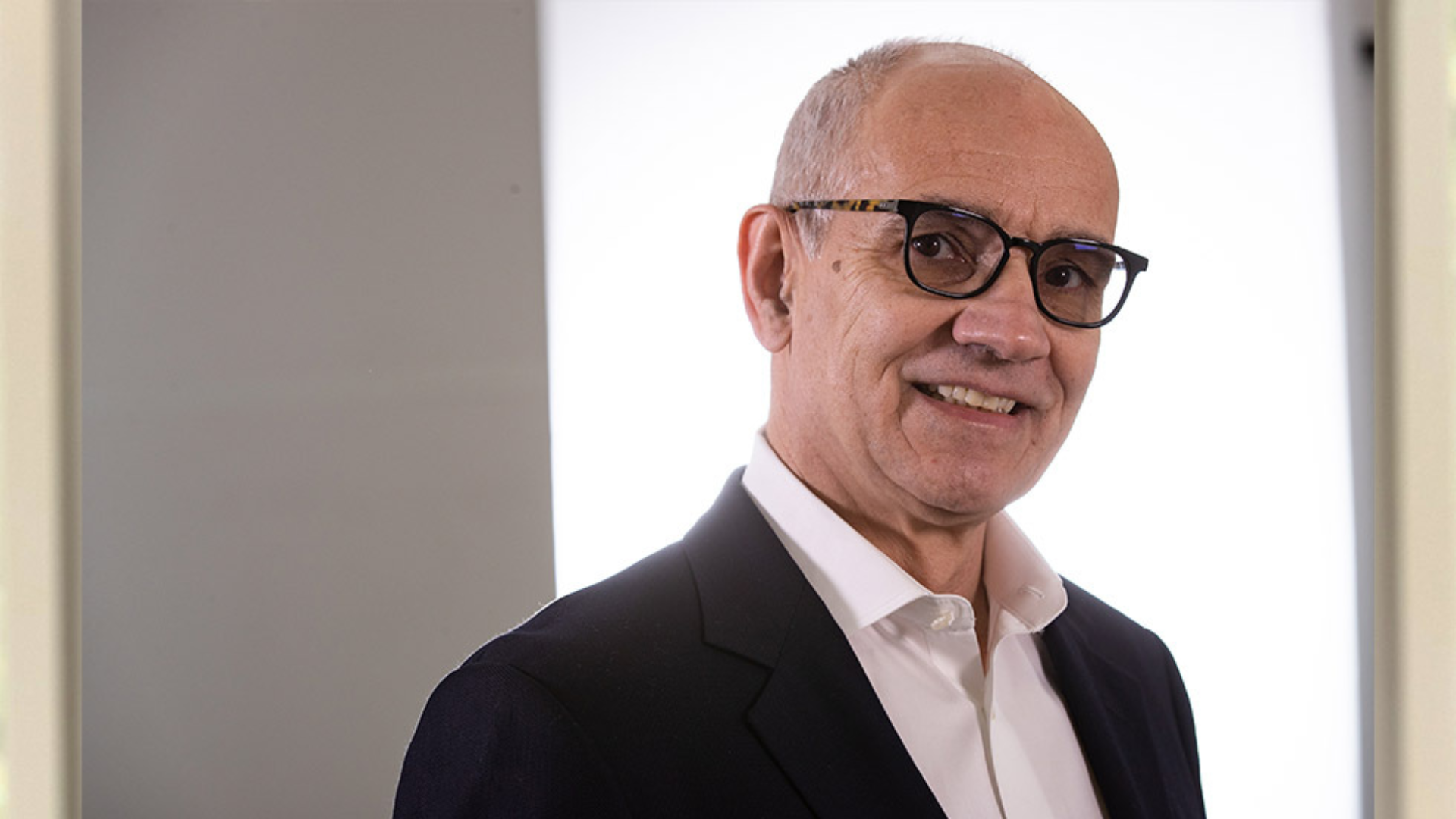
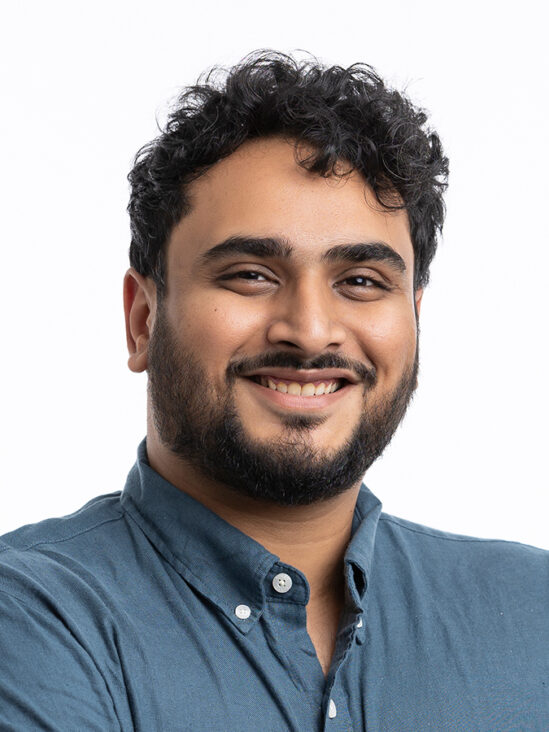
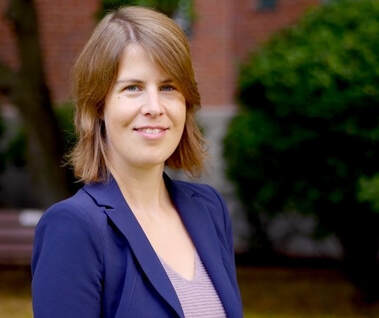
Kai Eriksson is a researcher affiliated with the Department of Psychiatry at the University of Eastern Finland. Their work spans interdisciplinary research in pediatric neurology, psychology, and behavioral science, focusing on neurodevelopmental disorders and epilepsy. Research Trends: Recent articles highlight expertise in epilepsy outcomes, autism spectrum disorder interventions, and care pathway design. Key methodologies include population-based studies, EEG analysis, and parent-mediated behavioral interventions, with a focus on improving academic, social, and employment outcomes in affected populations. Collaboration Network: Active in multidisciplinary collaborations, Eriksson has co-authored studies with teams in pediatric neurology, clinical medicine, and global health policy, contributing to integrated care models like the Finnish epilepsy care pathway.
Mark Nigrini is an Associate Professor at the College of Business and Economics, Department of Accounting , West Virginia University. He is renowned for his expertise in forensic accounting, Benford's Law, and fraud detection, with a focus on applying mathematical and statistical techniques to financial data. Ph.D., University of Cincinnati M.B.A., University of Stellenbosch B.Com (Hons), University of Cape Town His research spans Forensic Accounting , Benford's Law , Cybersecurity , biases in government statistics, and Sports Betting analysis. He has pioneered methods to detect fraud using digital analysis and has consulted for major corporations like Procter & Gamble and American Airlines. The 15 most recent articles highlight his interdisciplinary work, including applications of Benford's Law in auditing, cybersecurity risk assessment, public health statistics, and medical research. Notable trends include integrating mathematical rigor into fraud detection and analyzing publication length and pandemic impacts. Scientific Awards : 2014 Lawler Award for best article in the Journal of Accountancy Nigrini's career combines academic research with practical forensic consulting and expert witness work. He has appeared in global media outlets like the BBC, NPR, and the New York Times, and his books Benford's Law (2012) and Forensic Analytics (2020) are seminal texts in the field.
Wendy Huddleston is an Associate Professor in the Department of Physical Therapy at the University of Wisconsin-Milwaukee. Her research focuses on the cortical mechanisms underlying motor selection during visually guided goal-directed behavior, particularly the interaction between visual attention, motor attention, and cognitive neuroscience. She directs the Visuomotor Lab and serves as a mentor in the Rehabilitation Science and Technology graduate programs. She utilizes functional magnetic resonance imaging (fMRI) and psychophysical testing to study sensory processing for movement preparation. Her funded projects include investigations into individual differences in attentional mapping, cross-modal attention mechanisms, and the neurophysiological basis of movement variability. Collaborations extend to the Medical College of Wisconsin and the Center for Imaging Research. Huddleston's professional affiliations include the American Physical Therapy Association, Society for Neuroscience, Center for Imaging Research (MCW), and the Evidence-Based Practice Institute. Her work bridges rehabilitation science, biomechanics, and cognitive neuroscience to advance understanding of sensorimotor integration.
Assoc. Prof. Dr. İsmail KOÇ is a full-time faculty member at Kırşehir Ahi Evran University , serving in the Department of Physical Education and Sports under the Faculty of Sports Sciences . His academic career spans over two decades, including prior roles as a Teaching Assistant at the same institution. Education : PhD in Physical Education and Sports (2021), MSc in Physical Education and Sports (2005), BA in International Relations (2016) His research focuses on Exercise and Sports Psychology , Traditional Turkish Sports , and Sociology of Sports , with particular emphasis on mental toughness, psychological capital, and athlete well-being. His recent publications analyze imagery techniques, stress management, and performance dynamics in diverse sports contexts. He has supervised multiple graduate theses, including studies on motivational climate and mental toughness in wrestling and badminton athletes. Collaborations include work with Mehmet Ali Ceyhan (Bayburt University) and Ökkeş Alpaslan Gençay (Kahramanmaraş Sütçü İmam University), focusing on social media use and psychological states in athletes. He serves as a member of the TÜRKİYE GELENEKSEL GÜREŞLER FEDERASYONU (2022–present) and has led projects like the Virtual Reality Basketball Training (2025–2026). His teaching portfolio includes courses on Psychological Skills in Sports , Exercise Psychology , and Communication in Sports .
Ulrich Schroeders is a Professor of Psychological Diagnostics at the University of Kassel, where he has been employed since October 2017. His work focuses on developing and validating psychological assessment tools, with particular expertise in cognitive diagnostics and educational measurement. He teaches various programs for approximately 500 students annually and serves as a supervisor for teacher training students preparing for their oral state examinations in Pedagogy/Psychology. Dr. Schroeders earned his PhD from Humboldt University of Berlin in 2010 with a dissertation titled "Measurement of Cognitive Abilities Using Modern Technologies: Artifacts, Equivalence, and New Constructs." Prior to that, he completed his Diploma in Psychology at Julius-Maximilians-University Würzburg in 2004 with a thesis on diagnosing dyscalculia in first-grade students. His research spans several key areas in psychological assessment. He specializes in technology-based competency diagnostics, developing innovative methods for measuring cognitive abilities and school competencies. A significant portion of his work involves applying Machine Learning and metaheuristics to psychometric problems, particularly in structural equation modeling. His methodological expertise includes advancing techniques in Local Structural Equation Modeling (LSEM) and Meta-Analytic Structural Equation Modeling (MASEM), with applications across educational and clinical psychology contexts. Analysis of Dr. Schroeders' recent publications reveals a strong focus on computational approaches to psychological assessment. His work frequently employs optimization algorithms like Ant Colony Optimization and Bee Swarm Optimization to address challenges in test construction and validation. There's a clear trajectory toward game-based and technology-enhanced assessment methods, as seen in studies using Mastermind and Wordle as assessment tools. His research also demonstrates growing interest in applying machine learning to predict behavioral outcomes, including juvenile delinquency, suicide risk, and psychotherapy outcomes. Dr. Schroeders has secured significant research funding, including projects funded by the German Research Foundation (DFG) and the Hector Foundation. His current projects include "Facing the Replication Crisis in Machine Learning Modeling" (2025-2027) and "PINGUIN: Potenzialidentifikation IN der GrUndschule" (2024-2027), which focuses on identifying elementary students' initial competencies. He leads the development of the BEFKI assessment system (Berliner Test zur Erfassung fluider und kristalliner Intelligenz), which includes versions for different age groups (5-7, 8-10, and 11+). His methodological toolbox includes specialized approaches for test construction and validation, particularly focusing on optimization algorithms applied to psychological measurement problems.
Yasser Iturria Medina is an Assistant Professor at the Montreal Neurological Institute (MNI) , McGill University, within the Department of Neurology and Neurosurgery . He is an associate member of the Ludmer Centre for Neuroinformatics and Mental Health and the McConnell Brain Imaging Centre . Academic Rank: Assistant Professor Key Affiliations: MNI, Ludmer Centre, McConnell Brain Imaging Centre His educational background includes: Undergraduate: Nuclear Engineering (2004), Higher Institute for Nuclear Sciences and Technology, Cuba MSc: Neurophysics and Neuroengineering (2006), Cuban Neuroscience Center PhD: Neuroimaging and Neuroinformatics (2013), National Center for Scientific Research and Havana’s University of Medical Science His research focuses on neuroinformatics for precision medicine , particularly in neurodegenerative diseases like Alzheimer's and Parkinson's. His lab develops multiscale brain models integrating molecular, imaging, and cognitive data to characterize pathogenic mechanisms and identify personalized interventions. Key research areas include: Neurodegeneration modeling Neurovascular interactions in Alzheimer's Multi-omics integration for disease subtyping Neuroimaging biomarkers across neurodegenerative spectra Computational modeling of amyloid-beta and tau propagation The article analysis reveals his emphasis on: Alzheimer's disease mechanisms (45% of recent works) Multi-omics and transcriptomic modeling (30%) Neurovascular and white matter pathology (20%) Machine learning applications in neuroimaging (15%) Development of tools like NeuroPM-box and MVComp toolbox His lab has been instrumental in creating NeuroPM-box , a software platform for integrating molecular, neuroimaging, and clinical data to characterize neurodegenerative progression and heterogeneity. He has also contributed to CAPTURE ALS , a comprehensive analysis platform for amyotrophic lateral sclerosis.
Scott A. Huettel is a Professor in the Department of Psychology and Neuroscience at Duke University, where he also serves as Senior Associate Dean for Research in Trinity College of Arts & Sciences. He holds additional appointments as Professor of Neurobiology and Professor in Psychiatry and Behavioral Sciences. As a Bass Fellow, Huettel leads research in decision neuroscience and neuroeconomics, with affiliations spanning multiple Duke research centers including the Center for Brain Imaging and Analysis, Duke Institute for Brain Sciences, and Center for Cognitive Neuroscience. Huettel's research focuses on the brain mechanisms underlying economic and social decision making. His laboratory uses fMRI to probe brain function, behavioral assays to characterize individual differences, and various physiological methods including eye tracking, pharmacological manipulation, and genetics to link brain and behavior. His work has advanced new analysis methods for fMRI data, including functional connectivity analyses, pattern classification, and combinatoric multivariate approaches. His research spans applications in behavioral economics, consumer decision making, and neuroethics. Huettel's recent publications demonstrate a strong focus on social decision making, risk assessment, and the neural mechanisms of economic choices. His work increasingly integrates computational approaches with traditional neuroimaging to better understand how people process information during decision making. His research has significant implications for understanding financial behavior, health decisions, and social interactions across the lifespan. Education in Neuroimaging Award from the Organization for Human Brain Mapping (2021) 2014 Innovation Award from the Social and Affective Neuroscience Society (2013) Bass Fellow for Excellence in Research and Teaching (2012) Jerry G. and Patricia Crawford Hubbard Professorship at Duke University (2012) Top 5% undergraduate instructor in Arts & Sciences at Duke (2010) Dean's Award for Excellence in Mentoring from Duke University Graduate School (2010) Huettel actively mentors students and has trained numerous postdoctoral and graduate researchers who now lead their own laboratories. He is lead author of the textbook Functional Magnetic Resonance Imaging (3rd edition, 2014) and teaches courses including Fundamentals of Decision Science, Decision Neuroscience, and Neuroethics. His research is supported by multiple grants from NIH and other funding agencies, focusing on mechanisms of social behavior, aging, and neuroimaging technology development. Huettel directs a productive research laboratory that integrates multiple methodologies to investigate decision processes. His team combines fMRI, eye tracking, behavioral testing, and computational modeling to examine how people make economic and social choices. The lab has made significant contributions to understanding how attention, risk, and social context influence decision making across different populations including adolescents, older adults, and clinical populations.
Jina Kang is an Assistant Professor in the Department of Curriculum & Instruction at the University of Illinois Urbana-Champaign , with an affiliate appointment at the Siebel Center for Design . Her research focuses on immersive technology-supported learning environments , collaborative problem-solving dynamics , and educational data mining for understanding multimodal engagement in science education. Recent publications examine embodied cognition in STEM through gesture-based learning simulations, joint attention dynamics in astronomy VR environments, and systematic reviews of immersive technology applications in collaborative education. Her work integrates XR platforms , Bayesian knowledge tracing , and multimodal behavioral analysis to enhance science learning outcomes. She teaches graduate courses including CI 539: Introduction to Educational Data Mining and CI 489: Educational Technology Capstone Course , where students develop technology-supported learning activities using studio-based approaches.
Shantanu Jadhav is a Professor of Psychology at Brandeis University, with affiliations to the Neuroscience Program, the Volen National Center for Complex Systems, and the Sloan-Swartz Center for Theoretical Neurobiology. He earned his B.Tech. from IIT Bombay, Ph.D. from UC San Diego, and completed postdoctoral training at UCSF and UC Berkeley. Research Focus: Neural mechanisms of learning, memory, and decision-making in rodent models Investigation of hippocampal-prefrontal interactions via multielectrode recordings, optogenetics, and computational analysis Role of neural oscillations (theta, gamma, sharp-wave ripples) in memory consolidation and cognitive flexibility Implications for neurological disorders like Alzheimer’s, autism, and schizophrenia Recent work highlights the coordination of dopamine activity with rule representations in the prefrontal cortex and hippocampus, the role of prefrontal ripples in suppressing hippocampal reactivation during sleep, and geometric transformations in cognitive maps enabling cross-environment generalization. His lab has shown that awake sharp-wave ripples are critical for spatial memory and that cross-region neural synchronization underpins memory-guided decisions. Scientific Recognition: Peter and Patricia Gruber International Research Award (2013) Sloan Research Fellow (2015-2017) NARSAD Young Investigator Award (2015-2018) Whitehall Foundation Award (2016-2020) SFARI Core Member (2022-2025) The Jadhav Lab at Brandeis trains postdoctoral fellows, graduate students (via the Neuroscience and Psychology Graduate Programs), and research assistants. Current studies explore hippocampal-prefrontal network dynamics, dopamine signaling in cognitive flexibility, and geometric representations in memory abstraction.
Eric Wickel, Ph.D., is a Professor and John C. Oxley Endowed Chair of Kinesiology & Rehabilitative Sciences at The University of Tulsa's Oxley College of Health and Natural Sciences. His research focuses on physical behavior assessment using wearable devices and self-report tools, with applications to cardiovascular disease risk factors, sedentary behavior, and youth health outcomes. Education: Ph.D., Iowa State University (2006) M.S., University of Wyoming B.S., University of Wyoming His work examines associations between physical activity, sedentary behavior, and sleep using advanced methods like thigh-worn accelerometers, funded by TSET and Oklahoma Center for the Advancement of Science and Technology. Current research explores emergent assessment tools for daily behavior analysis in health promotion. Notable trends in his publications (2019–2009) include: Physical behavior surveillance in early childhood interventions Methodological advancements in wearable technology validation Developmental patterns of sedentary behavior and activity compliance Maturity-related differences in physical activity among youth After-school period behavioral dynamics Cardiovascular risk factor analysis through longitudinal studies Scientific recognition includes: American Heart Association Institutional Research Advancement Award (2025) Oxley College Dean’s Excellent Faculty Award (2025) TSET Seed Grant (2023) Oklahoma Center for the Advancement of Science and Technology Award (2023) Multiple Oxley College Outstanding Research/Teaching Awards (2020, 2016, 2009) Wickel contributes to community health through Tulsa County Community Health Improvement Plan (CHIP) and serves as faculty affiliate of the TSET Health Promotion Research Center.
Dr. Rick Hackett is a Professor in Human Resources and Management at the DeGroote School of Business, McMaster University, and holds the prestigious Canada Research Chair (Tier 1) in Organizational Behaviour and Human Performance. As a Fellow of the Canadian Psychological Association and a member of McMaster’s Health Leadership Academy, he bridges psychological theory with practical leadership and HRM applications. Research Focus: Executive/managerial assessment and leadership development. HR recruitment, testing, and selection processes. Work attitudes, absenteeism, and performance assessment. Workplace ethics, including regular communication of ethics policies. Healthcare leadership challenges, emphasizing agility, integrity, and systems-wide thinking. Publication Trends: His recent work explores AI in HRM, workplace humor dynamics, HR strategy alignment with business goals, and the psychological underpinnings of tyrannical vs. virtuous leadership. Articles frequently examine moral identity, ethical behavior, and cross-cultural organizational citizenship. Scientific Awards: Canada Research Chair (Tier 1) in Organizational Behaviour and Human Performance. Fellow of the Canadian Psychological Association. Additional Contributions: Former President of the Canadian Society for Industrial and Organizational Psychology. Associate Editor of the Journal of Business & Psychology and former Editor-in-Chief of the Canadian Journal of Administrative Sciences . Consulting for global organizations like IBM China, RCMP, and General Motors on leadership and HRM. Leadership workshops on effective teams and HR resource planning.
Smit Desai serves as Assistant Professor at Northeastern University's College of Art, Media and Design (CAMD), holding joint appointments in the Department of Art and Design and Department of Communication Studies, with an affiliated appointment at Khoury College of Computer Science. His research bridges conversational AI, human-computer interaction, and inclusive design, focusing on voice user interfaces for older adults in healthcare and educational contexts. Education: Ph.D. in Information Sciences, University of Illinois, Urbana-Champaign M.S. in Information Management, University of Illinois, Urbana-Champaign B.E. in Computer Engineering, Gujarat Technological University, India Dr. Desai specializes in understanding user mental models through metaphor analysis to design conversational agents for social roles including teachers and storytellers. His work emphasizes ethical considerations in AI personality design, co-creation with older adults, and metaphor-fluid interfaces that adapt to user cognition. He has published extensively in premier venues such as CHI, TOCHI, and CSCW, contributing foundational insights on voice assistant interactions for aging populations. Analysis of his 2023-2025 publications reveals three dominant trends: (1) Ethical frameworks for LLM-based agent personalities addressing trust and humanness metaphors, (2) Co-designed voice interfaces promoting older adults' well-being in clinical settings like emergency departments, and (3) Metaphor-driven design methodologies for adaptive conversational agents. His work consistently prioritizes real-world deployment challenges and socioemotional impacts of voice technologies. Dr. Desai actively contributes to the research community through leadership roles including Provocation Papers Co-Chair for ACM Conversational User Interfaces (CUI) 2024 conference in Luxembourg.
Dr. Ben Lecorps serves as a Senior Lecturer at the Bristol Veterinary School, University of Bristol, specializing in animal welfare science with a focus on emotional states and cognitive processes in farm animals. His expertise directly addresses welfare assessment in dairy systems and laboratory settings through innovative methodological approaches. Dr. Lecorps holds a PhD, MSc, and BSc in relevant disciplines, forming the foundation for his research in animal sentience. His educational trajectory supports his interdisciplinary approach combining veterinary science, behavioral biology, and ethics. His research program centers on Animal Welfare , Animal Emotions , and Animal Cognition , with particular emphasis on dairy cattle , pain assessment , and affective state measurement . He pioneers cognitive bias testing (e.g., judgment bias paradigms) and physiological monitoring to quantify emotions like pessimism and anhedonia in calves and heifers. Current investigations span disbudding pain management, hunger effects on cognition, and human-animal relationship impacts, bridging fundamental neuroscience with practical on-farm applications. Analysis of his 15 most recent publications (2021-2025) reveals three dominant research strands: (1) development of welfare assessment tools (conditioned place preference/aversion tests), (2) dairy-specific welfare challenges (disbudding, regrouping, transportation), and (3) policy implications of welfare science (EU regulations, organic standards). His work consistently integrates behavioral, cognitive, and physiological metrics to advance evidence-based welfare frameworks. Dr. Lecorps actively supervises student research projects and theses within the Bristol Veterinary School. While specific grant details aren't public, his output suggests sustained funding for experimental welfare studies involving dairy cattle, pigs, and poultry systems. His collaborative network includes key figures like Professor Michael Mendl (Animal Behaviour and Welfare) and Dr. Suzanne Held (Behavioural Biology), forming a cohesive research group focused on affective neuroscience in farm animals. The Langford-based research team employs advanced methodologies including non-linear heart rate variability analysis, cognitive testing arenas, and behavioral observation protocols. Current projects investigate pain-emotion interactions in calves, social learning in poultry, and regulatory effectiveness for transport welfare, positioning the group at the forefront of translational animal welfare science.
Anke Becker is an Assistant Professor in the Entrepreneurial Management Unit at Harvard Business School. Her research bridges economics and social sciences, focusing on economic development, political economy, gender economics, and behavioral economics. Prior to her current role, she conducted postdoctoral research in Harvard's Culture, Cognition, and Coevolution Lab. Ph.D. from University of Bonn Her work explores how cultural and gender norms influence economic behaviors, particularly in developing countries. Recent studies analyze historical roots of gender-specific norms and their modern implications. Her publications include methodological innovations like the Preference Survey Module and cross-cultural analyses of economic preferences. These contributions span interdisciplinary topics connecting evolutionary anthropology, behavioral economics, and entrepreneurship research.
Malte Friese is a Full Professor of Social Psychology at Saarland University's Department of Psychology within the Faculty of Empirical Humanities and Economics. He holds multiple leadership roles including Speaker of the Research Training Group 'Flexibility and Balance as Characteristics of Adaptive Self-Regulation' (RTG 2988) and Coordinator of the Graduate Program in Psychology. Previously, he held academic positions at the University of Basel and visiting fellowships at the University of Toronto, University of Utrecht, and University of Queensland. Education: Habilitation in Psychology, University of Basel (2012) Ph.D. in Psychology, University of Basel (2008) M.Sc. in Psychology, University of Heidelberg (2003) B.Sc. in Psychology, University of Trier (1999) Friese's research examines psychological flexibility mechanisms in self-regulation, decision-making, and social behavior. His work integrates social psychology with cognitive science to investigate: 1) Cognitive and motivational underpinnings of self-control, 2) Implicit processes in judgment and behavior, 3) Mindfulness-based interventions, and 4) Cross-cultural determinants of moral judgment. His recent projects explore strategy flexibility in goal pursuit, meta-cognitive aspects of self-regulation, and societal influences on ethical decision-making. Analyses of recent publications (2023-2025) reveal strong emphasis on meta-analytic approaches to resolve theoretical debates (e.g., ego-depletion controversy), multinational collaborations examining cultural variations in psychological phenomena, and applied research on behavioral interventions. Methodologically, his work combines experimental paradigms, longitudinal designs, and psychometric scale development. Awards & Honors: Förderpreis Psychologie (2018) Teaching Excellence Awards (2013-2017) Jos Jaspars Early-Career Award (2011) Steven Karger Dissertation Prize (2008) He has supervised over 15 doctoral students and secured competitive grants from the German Research Foundation (DFG), Volkswagen Foundation, and Swiss National Science Foundation. Current projects investigate AI's impact on healthcare relationships and cognitive biases in physical activity adoption. Friese leads the Social Psychology Lab at Saarland University and serves on editorial boards for Motivation Science and Health Psychology Review.