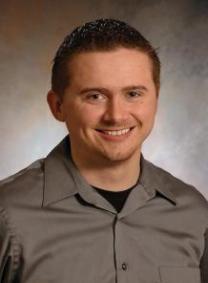
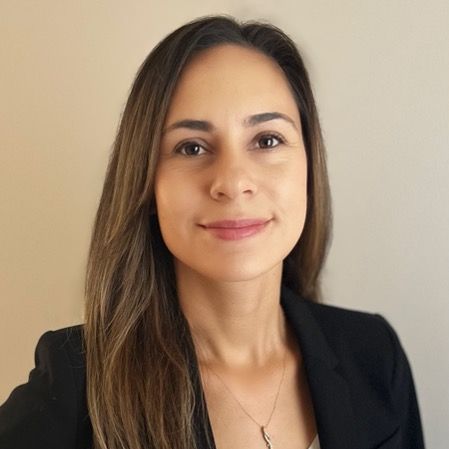
Xuan Zhang is an Associate Professor at the Department of Information and Communication Technology, University of Agder. His research focuses on Tsetlin Machines, learning automata, and their applications in machine learning, computer vision, and hyperspectral imaging. Research Trends: Zhang’s recent work includes developing interpretable machine learning models (e.g., Tsetlin Machines), optimizing convolutional architectures for image processing, and applying automata theory to solve multi-armed bandit problems and channel selection in cognitive networks. His field spans theoretical analysis and practical implementations in AI, remote sensing, and health informatics. Scientific Contributions Co-developed advanced Tsetlin Machine variants for XOR/NOT operator convergence, disease forecasting, and image restoration Published in journals like IEEE Transactions on Pattern Analysis and Machine Intelligence , Information Sciences , and Applied Intelligence Explored Bayesian pursuit algorithms, hierarchical learning automata, and particle swarm optimization techniques Contact: xuan.zhang@uia.no
Greg J. Norman is Associate Professor, Associate Chair, and Director of Graduate Studies in the Department of Psychology at the University of Chicago, with a secondary appointment in Psychiatry and Behavioral Neuroscience. He joined the faculty in 2012 after completing his Ph.D. and postdoctoral research at the same institution. Education: Bachelor's in Psychology and Philosophy, The Ohio State University Ph.D. in Psychology (Behavioral Neuroscience), The Ohio State University, 2010 Postdoctoral Research Scholar, University of Chicago, Laboratory of John T. Cacioppo Dr. Norman's research lies at the intersection of social neuroscience, psychophysiology, behavioral endocrinology, and behavioral genetics. He investigates how social interactions modulate physiological systems—including the autonomic nervous system, neuroendocrine axes, and inflammatory responses—to influence health outcomes. His work employs both human and animal models, with a particular focus on oxytocin signaling, stress reactivity, and neural mechanisms of social evaluation. He uses multilevel assessment techniques to bridge behavior, biology, and social context. His recent publications reveal a strong thematic focus on the neurobiological underpinnings of social behavior and health. Key areas include oxytocin's role in autonomic regulation and social buffering, the impact of loneliness and social isolation on neuroinflammatory and cardiovascular responses, and the neural basis of evaluative processing in social contexts. His work frequently appears in high-impact journals such as PNAS , Psychosomatic Medicine , and Hormones and Behavior , reflecting interdisciplinary rigor and clinical relevance. Scientific Awards: No awards listed in the provided text. As Director of Graduate Studies, Dr. Norman plays a central role in mentoring and shaping the training of graduate students in psychology. While specific students are not named, his extensive publication record with multidisciplinary teams suggests active supervision and collaboration. He has contributed to major handbooks and has been involved in research supported by institutional and federal funding, though specific grants are not detailed in the text. Labs and Research Teams: His research is conducted in laboratories associated with the Department of Psychology and the former Center for Cognitive and Social Neuroscience at the University of Chicago. He has collaborated extensively with prominent researchers including John T. Cacioppo, Gary G. Berntson, A. Courtney DeVries, and Louise Hawkley, indicating membership in a large, interdisciplinary social neuroscience research group.
Thomas Longden is an Associate Professor in the Department of Physiology at the University of Maryland School of Medicine. He leads a research group focused on neurovascular interactions in health and disease, with particular emphasis on understanding how blood flows through the brain under normal conditions and how this process is disrupted in diseases like Alzheimer's. Dr. Longden received his B.Sc (Hons) and Ph.D. in Pharmacology from the University of Manchester in the UK (2006 and 2010), followed by postdoctoral training at the University of Vermont under Professor Mark Nelson (2011-2015). He was promoted to Assistant Professor at Vermont in 2015 before joining the University of Maryland in February 2019. His research focuses on the control of blood flow in the brain, particularly the mechanisms of neurovascular coupling where neuronal activity triggers changes in blood flow. His lab has made significant discoveries including identifying the brain's capillary network as a 'sensory web' that translates neural activity into vasodilatory electrical signals, and demonstrating how pericytes function as metabolic sentinels that control blood flow through KATP channel-dependent mechanisms. Analysis of Dr. Longden's recent publications reveals a strong focus on pericyte function in neurovascular coupling, electrical signaling in the capillary network, and how these mechanisms are disrupted in Alzheimer's disease and other dementias. His work increasingly incorporates advanced imaging techniques, computational approaches, and innovative tools to study vascular plasticity. 2023: Fellow of the American Physiological Society Cardiovascular Section 2020: NIH Director's New Innovator Award 2017: American Heart Association Scientist Development Grant Multiple travel awards and postdoctoral fellowships Dr. Longden currently mentors several graduate students and postdoctoral fellows in the Longden Lab, which is supported by multiple NIH grants including an NINDS New Innovator Award and an NIA R01 grant. His lab develops and employs advanced techniques including multiphoton microscopy, electrophysiology, optogenetics, and molecular biology to study vascular cells in the brain. The lab is particularly focused on understanding vascular signaling plasticity and how pericytes control brain blood flow in health and Alzheimer's disease.
Jessica A. Mong, PhD , is a Professor in the Department of Pharmacology & Physiology at the University of Maryland School of Medicine , where she also serves as Assistant Dean for Graduate & Post-Doctoral Studies and Director of Graduate Education for the Program in Neuroscience. Her research focuses on the neuroendocrine mechanisms underlying sex differences in sleep circuitry and the estrogenic modulation of sleep-wake cycles. Primary Appointment: Pharmacology & Physiology Administrative Title: Assistant Dean for Graduate & Post-Doctoral Studies Laboratory Director: Program in Neuroscience Research Interests: Dr. Mong's work investigates how ovarian steroids influence sleep-wake behavior through sexually differentiated neuroanatomical substrates. Key areas include: Mechanisms of estrogenic modulation in the median preoptic nucleus (MnPN) Developmental programming of sex differences in sleep sensitivity Translational studies using rodent and nonhuman primate models of menopause Functional significance of hormonal influences on sleep quality and recovery Scientific Trends: Her recent publications (2023-2025) emphasize: Role of KCNMA1 channelopathy in sleep regulation Adenosinergic signaling in MnPN Translational menopause models Estrogen's protective effects against noise-induced hearing loss Sex-dependent responses to kynurenine pathway challenges Awards & Appointments: NIH BIRCWH Scholar (Building Interdisciplinary Research Careers in Women's Health) Co-Chair, Society for Women’s Health Research Interdisciplinary Research Network on Sex-Differences in Sleep Health NIH/NHLBI R01 HL129138 grant recipient Education & Training: B.S., Biology, Gettysburg College (1987-1991) Ph.D., Neuropharmacology, University of Maryland Baltimore (1994-2000) NIH Postdoctoral Fellowship in Endocrinology, Rockefeller University (2000-2003)
Jenna Ann McHenry is an Assistant Professor of Psychology and Neuroscience and Neurobiology at Duke University, holding a primary appointment in the School of Medicine's Department of Neurobiology. As a Faculty Network Member of the Duke Institute for Brain Sciences, she leads the McHenry Lab focused on neural circuit mechanisms underlying social and motivated behaviors. Her educational background includes: Ph.D., Florida State University (2013) B.S., Florida State University (2007) Dr. McHenry's research defines fixed and flexible features of molecularly defined neural circuits controlling social and nonsocial motivated behaviors, with emphasis on hypothalamic subnuclei and connections to midbrain dopaminergic reward systems. Her lab employs optogenetics, in vivo deep-brain calcium imaging, viral/genetic targeting, and advanced behavioral analysis to investigate circuit processing in disorders including Autism Spectrum Disorders, Reproductive Mood Disorders, Eating Disorders, and Major Depression. Specializing in chronic deep-brain microscopy, her team tracks neural networks during awake behavioral states over time. Her publication record demonstrates consistent innovation in neural circuit analysis, with recurring themes of hormonal modulation of social reward circuits, state-dependent sensorimotor processing, and neural mechanisms of social homeostasis. Key contributions include identifying prepronociceptin neurons in arousal responses and elucidating how adolescent sleep shapes adult social preferences. Major recognitions include: NARSAD Young Investigator Award (2017) K99 Pathway to Independence Award (NIMH, 2017) Notable Nole Alumni Award (Florida State University, 2018) NRSA Postdoctoral Fellowship (NIMH, 2013) Dr. McHenry actively mentors graduate students and postdocs, with current lab openings advertised. Her research is supported by substantial grants including the Neurobiology Training Program (2024-2029), Establishing Neural Circuits for Social Homeostasis (2022-2027), and Illuminating Socially-Modulated Homeostatic Control Circuits (2022-2025). She teaches Behavioral Neuroendocrinology and research practicums across psychology and neuroscience programs. The McHenry Lab operates at the forefront of systems neuroscience, utilizing GSRB II facilities for deep-brain imaging and circuit manipulation. As part of the Duke Institute for Brain Sciences, the lab collaborates extensively on translational research bridging basic neural mechanisms with clinical applications in mental health disorders.
Prof. Dr. Christina Raasch is Professor of Digital Economy at Kühne Logistics University (KLU) and holds a joint appointment with the Kiel Institute for the World Economy (IfW) . Since 2017 she has led research and teaching on how digitalization reshapes innovation processes, enterprise crowdfunding, and customer-driven disruptive innovation. Education Habilitation (Dr. habil.) in Business Administration, Hamburg University of Technology (TUHH), 2012 PhD in Management, University of Erlangen-Nuremberg, 2006 MSc (lic. oec.) in Economics & Management, University of St. Gallen (HSG), 2002 Visiting Researcher, MIT Sloan School of Management, 2010-2012 Research Interests Prof. Raasch’s work centers on digital transformation of innovation . She investigates how firms leverage digital technologies—ranging from AI to crowdfunding platforms—to enhance idea generation, evaluation, and implementation. Core themes include: Open & User Innovation: understanding when and how users become valuable innovators inside and outside firms. Disruptive Innovation Dynamics: analyzing whether disruptive ideas stem from users or producers under varying environmental conditions. Enterprise Crowdfunding: designing decentralized decision-making systems that mitigate hierarchy-induced biases. Publication Trends Her 70+ publications reveal a systematic exploration of demand-side innovation . Early work modeled welfare impacts of user innovation; recent studies use large-scale field data from Siemens and other multinationals to uncover cognitive and social biases in idea evaluation. A consistent thread is bridging micro-level behavioral insights with macro-level policy and strategy implications. Scientific Awards & Honors Fellow of the Open and User Innovation (OUI) Society Host of the 2023 OUI Conference at KLU Research Funding & Industry Collaboration Current grants exceed €2 million and include: FabCity-Citizen Extension (2025-2026) – decentralized urban innovation funded by the German Federal Ministry of Education and Research. EvaluationShirking (2024-2026) – idea evaluation biases in collaboration with a global industrial manufacturer. Idea Evaluation in Democratized Innovation (2019-2023) – DFG-funded project on enterprise crowdfunding design. Labs, Teams & Knowledge Transfer Prof. Raasch leads the Open & User Innovation Research Group at KLU, supervising doctoral researchers and managing industry partnerships with firms in automotive, high-tech, and logistics sectors. She regularly contributes to policy panels and media outlets such as Harvard Business Manager and Springer Professional .
Insa Feinkohl is a Professor at the Chair of Medical Biometry and Epidemiology within the Faculty of Health at the University of Witten/Herdecke . Her research focuses on risk factors for cognitive dysfunction and mental health in older adults, particularly post-surgery, with emphasis on metabolic and cognitive risk factors. Bachelor of Science (BSc) in Psychology (1 st class honors) – University of Dundee (2006-2009) Master of Science (MSc) in Psychology of Individual Differences (with distinction) – University of Edinburgh (2009-2010) PhD in Community Health Sciences – University of Edinburgh (2010-2014) Post Doc in Knowledge Construction Group – Leibniz Institute for Knowledge Media, Tübingen (2014-2015) Postdoc in Molecular Epidemiology Group – Max Delbrück Center, Berlin (2015-2022) Habilitation in Molecular Epidemiology – Charité Universitätsmedizin Berlin (2021) Her research integrates medical biometry and epidemiology to study postoperative cognitive dysfunction (POCD), delirium, and aging-related cognitive decline. Key areas include biomarker validation (e.g., leptin, interleukins), brain connectivity (dopaminergic networks, thalamus), and metabolic risk factors (diabetes, obesity). She contributed to the BioCog project , an EU-funded initiative for personalized risk prediction of postoperative cognitive impairment. Her recent publications highlight trends in perioperative neuroscience, including brain mineralization, cytokine associations with neurocognitive disorders, and structural/functional imaging in delirium. Articles also explore metabolic syndrome, cognitive reserve, and delirium prediction models using machine learning. Insa Feinkohl is affiliated with major academic societies, including the German Society for Epidemiology , German Society for Medical Informatics, Biometry and Epidemiology , and the German University Association .
Professor Roslyn Boyd serves as Scientific Director of the Queensland Cerebral Palsy and Rehabilitation Research Centre (QCPRRC) at the University of Queensland's School of Medicine. She leads a substantial multidisciplinary team of 38 researchers and provides clinical research leadership to 60 clinicians across the Queensland Paediatric Rehabilitation Service based at the Queensland Children's Hospital. As an NHMRC Leadership Fellow, Professor Boyd has established herself as an internationally recognized expert in cerebral palsy research and rehabilitation. Professor Boyd completed her primary training as a physiotherapist in Australia and London before earning her PhD in neuroscience at La Trobe University, the Brain Research Institute, and the Murdoch Children's Research Institute in Melbourne, for which she received the Premier's Commendation from the Victorian Government. She joined the University of Queensland in 2007 as a Smart State Fellowship recipient and has since led major research initiatives including an EBrain program grant funded by the Queensland Government Department of Innovation. Her research program focuses on three critical areas: the early natural history of motor and brain development in preschool children with cerebral palsy, novel rehabilitation approaches for children with hemiplegia, and early detection and intervention for infants at high risk of cerebral palsy. These research streams, all funded by the National Health and Medical Research Council of Australia, employ advanced brain imaging techniques including functional imaging, Diffusion Imaging, and Functional Connectivity to assess neuroplasticity changes resulting from therapeutic interventions. Her work bridges neuroscience, rehabilitation science, and clinical practice to develop evidence-based approaches that improve outcomes for children with neurodevelopmental conditions. Professor Boyd's extensive publication record of over 340 peer-reviewed manuscripts demonstrates a consistent focus on improving assessment methods, intervention efficacy, and early detection strategies for cerebral palsy. Her research spans from basic neuroscience investigations to large-scale clinical trials and implementation studies, creating a comprehensive evidence base that informs clinical practice worldwide. The publications reveal a growing emphasis on early intervention, neuroimaging biomarkers, and family-centered approaches to rehabilitation. Professor Boyd has received significant recognition for her contributions to the field, most notably the prestigious Gayle Arnold Award from the American Academy of Cerebral Palsy and Developmental Medicine, which she has received three times. This repeated honor underscores her international standing and the impact of her research on clinical practice. As an NHMRC Leadership Fellow, she represents the highest tier of Australian health and medical researchers. Through her leadership of major research programs and collaborations, Professor Boyd has secured over $40 million in research funding, enabling large-scale projects that directly impact clinical practice. Her work with multidisciplinary teams has produced evidence that informs clinical guidelines and treatment approaches used by healthcare professionals globally. She actively mentors junior researchers and clinicians, fostering the next generation of experts in pediatric rehabilitation. The Queensland Cerebral Palsy Rehabilitation and Research Centre, under Professor Boyd's direction, serves as a vital hub for translational research, connecting scientific discovery with clinical application. The center's work with the Centre for Extracellular Vesicle Nanomedicine demonstrates interdisciplinary reach beyond traditional cerebral palsy research, exploring innovative approaches to understanding and treating neurodevelopmental conditions.
Anselm B. M. Fuermaier, PhD, is Associate Professor for Clinical Neuropsychology at the University of Groningen, Netherlands. His research focuses on the assessment of attention disorders, with a special emphasis on symptom and performance validity testing in adult ADHD evaluations. University: University of Groningen Department: Clinical and Developmental Neuropsychology Academic Rank: Associate Professor Dr. Fuermaier’s work has advanced understanding of: Network analysis in ADHD diagnostics Cognitive functioning disparities Embedded vs. standalone validity measures Standardization of neuropsychological testing Reaction time variability as ADHD biomarker His recent publications examine: Impairment assessment frameworks Longitudinal cognitive patterns Delphi consensus on diagnostic protocols Performance validity in mixed neuropsychiatric samples
Nanette Nielsen is a Professor at the Department of Musicology, University of Oslo (UiO), and a core member of the RITMO Center for Interdisciplinary Research on Rhythm, Time, and Movement. She has been affiliated with UiO since 2015, following academic roles at the University of Nottingham (2009–2015) and the University of East Anglia (2005–2009). Education: BA in Musicology and Philosophy, University of Copenhagen MMUS and PhD, Royal Holloway, University of London Her research bridges music and philosophy, focusing on ethics, aesthetics, and phenomenology in 20th- and 21st-century contexts. She explores film music, rhythm and temporality in musical experience, popular music, Scandinavian music, and opera/music criticism during the Weimar Republic. Recent publications reflect an interdisciplinary lens combining 4E/4A cognition (Embodied, Embedded, Enacted, Extended + Affect, Agency, Affordance, Autonomy) with music phenomenology. Key themes include audience engagement, dynamic listening, and music as a cognitive scaffold. Scientific Awards: 2014 Jerome Roche Prize for her article on Ernst Krenek's Jonny spielt auf She leads research projects such as Bodies in Concert and contributes to groups like Engagement and Absorption and Nordic Sounds: Critical Music Research Group .
Jerad Moxley is an Assistant Professor of Psychology at Weill Cornell Medical College since 2022. His academic work bridges psychology and gerontology, focusing on mental health, cognitive functioning, and technology adoption in aging populations. He contributes to interdisciplinary research in medicine and public health, particularly in dementia care, palliative care, and aging with chronic conditions like HIV. Ph.D., Florida State University (2016) M.A., Murray State University (2008) B.A., Murray State University (2004) Dr. Moxley’s research explores the psychological and social dimensions of aging, including loneliness, pain disparities, and self-perceptions of aging. He investigates how technology can enhance aging in place and improve well-being for older adults with cognitive impairments or HIV. His work often integrates cross-cultural perspectives, as seen in studies on Puerto Rican older adults and racial/ethnic differences in pain and mental health outcomes. The trends in his publications highlight interdisciplinary approaches to aging, combining psychology, public health, and technology. Recent studies address elder neglect interventions, tech adoption barriers, and the role of social support in physical and cognitive health. Earlier work examines stress-cognition interactions, late-onset depression, and cognitive aging through chess skill and decision-making paradigms. Dr. Moxley has secured significant funding from the National Institute on Aging and the Administration for Community Living. Grants include projects on pain in later life, collaborative care models for serious illness, and technology-based interventions for aging adults with HIV. He serves as Co-Investigator and Key Personnel in initiatives like the CREATE Center and ENHANCE Center, focusing on aging and technology enhancement.
Jack Peltz, PhD, serves as an Assistant Professor in the Department of Psychology, Philosophy, and Neuroscience Programs at the State University of New York at Brockport. His academic career focuses on the intersection of developmental psychopathology, sleep science, and family systems dynamics, with particular emphasis on adolescent and college-age populations. His educational background includes: PhD in Clinical Psychology (Concentration: Developmental Psychopathology; Certificate: Quantitative Methods), University of Rochester, 2013 MA in Clinical Psychology, University of Rochester, 2010 MA in Child Development (Concentration: Clinical and Developmental Psychology), Tufts University, 2007 BA in Japanese, Middlebury College, 1996 Dr. Peltz's research program centers on developmental psychopathology and sleep regulation , investigating bidirectional relationships between sleep disturbances and family functioning. As a clinical psychologist specializing in behavioral sleep health for children and families, he develops community-based interventions to promote sleep hygiene. His work uniquely bridges quantitative methodology with clinical applications, examining how economic stressors, social media influences, and developmental transitions impact sleep-wake patterns. Analysis of his recent publications (2023-2025) reveals three dominant research trajectories: (1) sleep as a mediator between adverse childhood experiences and psychological outcomes, (2) technology-mediated sleep disruptions (including wearable devices and social media), and (3) developmental transitions (puberty, college entry) affecting sleep-family dynamics. His methodological approach combines longitudinal designs, ambulatory EEG, and mixed-methods analysis to capture real-time sleep-family interactions across diverse populations including youth with visual impairments.
Hannes Hick is a Professor at Graz University of Technology , affiliated with the Institute of Machine Elements and Development Methodology . His research focuses on mechanical development, tribology, and systems engineering for automotive and industrial applications. He actively contributes to engineering education and methodology standardization. Research Interests Hydrogen internal combustion engines System modeling and digital twins Tribology in electric drivetrains Sustainable engineering practices MBSE (Model-Based Systems Engineering) Friction and wear analysis Article Trends His recent work emphasizes hydrogen propulsion systems, model-based approaches for interdisciplinary engineering challenges, tribological optimization for sustainable mobility, and integrating AI with mechanical design workflows. Labs and Teams He leads research at the Institute of Machine Elements, focusing on mechanical validation and development methodologies for advanced powertrain systems.
Leanna Hernandez, Ph.D., is Assistant Professor-in-Residence in the Department of Psychiatry and Biobehavioral Sciences at the David Geffen School of Medicine, University of California, Los Angeles. She directs the Hernandez Lab and can be reached at leannahernandez@ucla.edu . Her research integrates multimodal neuroimaging with large-scale genetics to uncover mechanisms underlying autism spectrum disorders, sex differences in brain development, and the role of immune–neurodevelopment pathways such as the complement system. Core themes include: Mapping how common genetic variation shapes brain structure and function across development. Identifying neural signatures that explain the female protective effect in ASD. Elucidating interactions between sleep physiology and brain maturation in youth. Across more than 40 peer-reviewed publications (2012-2023) she has leveraged data from the Adolescent Brain Cognitive Development (ABCD) Study, the GENDAAR Consortium, and multiple international biobanks, generating insights into white-matter microstructure, functional connectivity, and transcriptomic correlates of psychiatric traits. Scientific collaborations span UCLA, UC San Diego, University of Queensland, and the Busselton Health Study, reflecting an interdisciplinary approach that combines neuroimaging, genomics, lipidomics, and behavioral phenotyping. Dr. Hernandez’s laboratory website ( hernandezlabucla.org ) provides further resources, although specific trainees, grants, and awards are not detailed in the supplied text.
Kathrin Glüer-Pagin is a Professor of Theoretical Philosophy at Stockholm University's Department of Philosophy. Her academic work spans philosophy of mind, language, epistemology, and action theory, with a particular focus on meaning, content, normativity, and perception. She is recognized as a leading scholar of Donald Davidson's philosophical contributions. Glüer-Pagin's research interests center on the theory of meaning and content, including foundational and formal semantics, the normativity of meaning, content, belief, and reasons, as well as philosophy of perception and knowledge resistance. Her distinctive approach to perceptual experience, known as 'phenomenal intentionalism,' contends that experiences are a kind of belief with 'phenomenal' or 'looks-content' that ascribes properties to objects in a way that can account for both veridical and non-veridical experiences. She has made significant contributions to debates about meaning normativity, belief formation, and the relationship between language and thought. Her publication record reveals a consistent trajectory of influential work at the intersection of philosophy of language and philosophy of mind. The most recent fifteen publications demonstrate her sustained engagement with questions about perceptual experience, meaning determination, and normativity. Notably, she has developed a distinctive account of 'looks' as relational properties that has implications for understanding visual experience and perceptual justification. Her collaborative work with Peter Pagin on 'switcher semantics' for proper names has provided an alternative framework that accommodates Kripkean intuitions without requiring names to be rigid designators. Glüer-Pagin currently leads the cross-disciplinary research program 'Knowledge Resistance: Causes, Consequences and Cures,' which investigates the nature and causes of knowledge resistance—the tendency not to accept available knowledge. This ambitious program represents a concerted effort to provide a unified framework for investigating knowledge resistance beyond the current state of the art.