Andreas Bartelsمشاهده پروفایل
استاد پژوهشی
- Visual Perception
- Cognitive Neuroscience
- Neuroimaging
- +۱۴ مورد دیگر
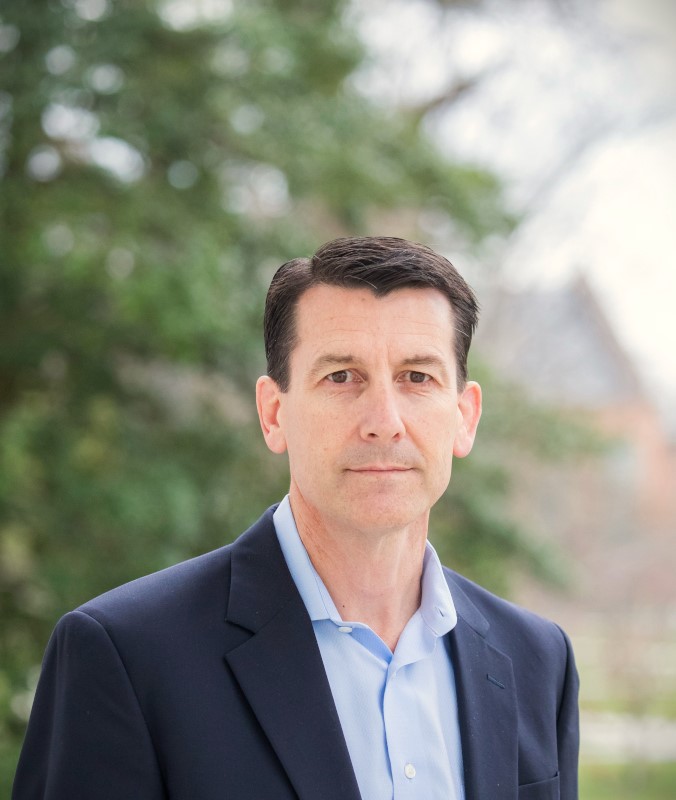
Andreas Bartels leads the Vision and Cognition research group at the Werner Reichardt Centre for Integrative Neuroscience, University of Tübingen. His work focuses on high-level visual perception in the human brain, integrating vision with attention, memory, and social cognition. He employs advanced neuroimaging and brain stimulation techniques to explore how we perceive motion, space, emotions, and scenes. His research interests lie at the intersection of cognitive neuroscience and visual perception. He investigates how the brain processes natural scenes, interprets dynamic facial and bodily expressions, and maintains perceptual stability by integrating visual input with proprioceptive and vestibular signals. His lab uses illusions and bistable stimuli to dissociate neural processing from conscious perception, aiming to uncover the mechanisms underlying Gestalt perception and scene segmentation. The recent publications reflect a strong focus on fMRI-based neural decoding, particularly in visual and parietal cortices. Themes include color imagery, spatial representation beyond the visual field, perceptual organization, and the influence of prior knowledge on perception. Methodologically, the work emphasizes multivariate pattern analysis and high-field (9.4T) fMRI for detailed cortical mapping. Andreas Bartels collaborates with neurologists and psychiatrists to study disorders such as autism, schizophrenia, and ADHD, examining both behavioral and neural underpinnings. His lab uses TMS for causal inference and combines it with fMRI to observe downstream neural effects. Eye tracking is integrated across most experiments for precise behavioral monitoring. The lab utilizes a range of stimuli—from controlled 3D dot fields and binocular rivalry to virtual reality and natural movies—to probe different aspects of vision and cognition. The overarching goal is to understand how the brain constructs a coherent and meaningful representation of the world from fragmented sensory inputs.