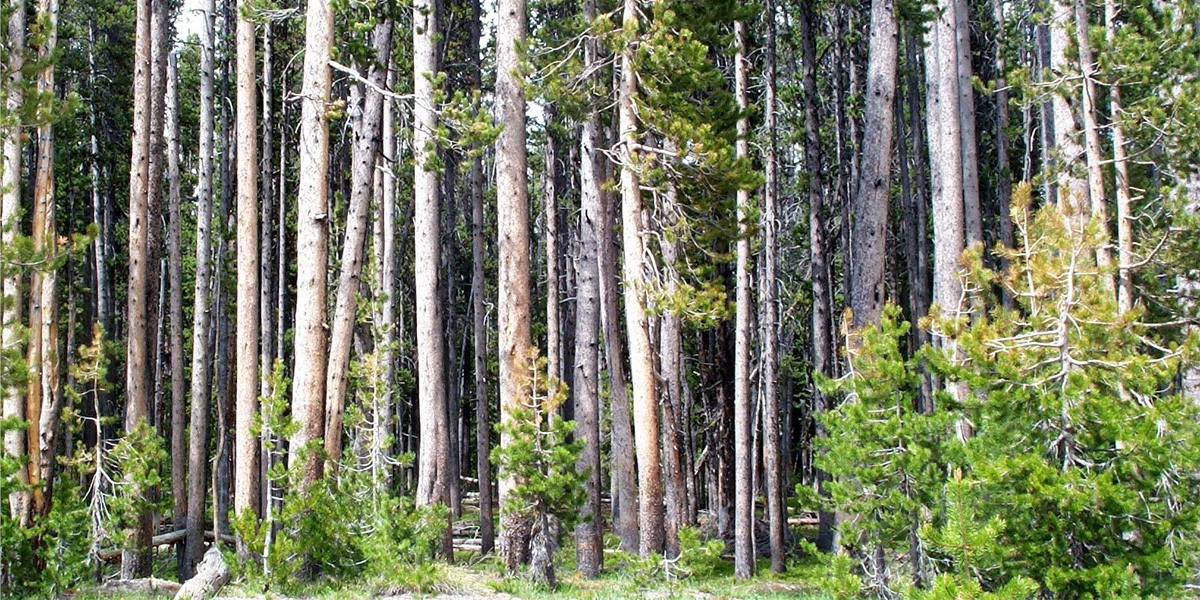
Dr. Thomas Parchman is an Associate Professor in Biology at the University of Nevada, Reno. His lab investigates evolutionary genetics using genomic approaches, focusing on adaptive divergence, hybridization, and speciation across systems including pines, birds, and fish. Research combines field studies of natural selection with population genomic analyses. Key Projects: Landscape genomics of pine adaptation; genome-scale analysis of crossbill radiation; hybridization dynamics in fish populations. Utilizes RADseq and transcriptome sequencing to uncover genetic architectures. Teaching: Courses include Principles of Genetics and computational genomics. Affiliated with the Ecology, Evolution & Conservation Biology (EECB) graduate program.
Bernhard Hube leads the Department of Microbial Pathogenicity Mechanisms at Leibniz-HKI and holds the Chair in Microbial Pathogenicity at Friedrich Schiller University Jena. His pioneering research identified candidalysin as the first fungal cytolytic toxin, revolutionizing understanding of Candida mucosal infections. Work combines molecular microbiology with immunology to decipher host-fungal interactions. Research examines: 1) Candida albicans/glabrata virulence mechanisms, 2) Fungal adaptation to host niches including macrophages, 3) Toxin-mediated epithelial damage, and 4) Microbiome-pathogen dynamics. Recent studies characterize neutrophil extracellular trap induction by candidalysin and gut colonization strategies. Laboratory develops advanced infection models including organ-on-chip systems and 3D mucosal constructs. Collaborative projects span antifungal discovery and diagnostic tool development with industry partners. Contributes to WHO fungal priority pathogen lists and pan-European mycosis research initiatives.
Lawren Sack is a Professor in the Department of Ecology and Evolutionary Biology at UCLA. His research focuses on plant functional traits, drought tolerance mechanisms, and ecosystem responses to climate change. He leads a lab exploring plant physiology across scales—from molecular to ecosystem levels—with an emphasis on leaf and whole-plant hydraulics, evolutionary trait diversity, and conservation applications. Current projects include studying how plant species survive drought in Southern California and predicting species' climate niches using mechanistic traits. Education: Ph.D. in Environmental Science and Engineering Ph.D. in Environment and Sustainability Research Interests: Plant hydraulic traits, stomatal regulation, ecohydrology, invasive species impacts, and scaling plant physiology to ecosystem processes. His work bridges evolutionary biology with applied conservation, particularly for California native oaks and tropical forest resilience. Recent Work Trends: Recent publications emphasize drought tolerance mechanisms, trait-based climate modeling, and ecosystem hydraulic scaling. He explores how leaf and root trait networks influence community assembly and ecosystem productivity under climate change, with a focus on aridity gradients and invasive species dynamics. Awards: Pritzker Emerging Environmental Genius Award Advising & Grants: Supervises students like Nidhi Vinod (Ph.D. candidate) researching ecosystem responses to climate change. Active in collaborative grants on scaling plant traits to forest fluxes and conservation physiology solutions. Labs/Teams: Leads the Sack Lab at UCLA, collaborating with global networks such as ForestGEO and GRooT database initiatives. Engages in interdisciplinary projects linking physiology to macroecology and climate policy.
Prof. Dr. Alexander Harms is an Assistant Professor at the Department of Health Sciences and Technology, ETH Zürich. His research focuses on molecular phage biology, antibiotic resistance mechanisms, and bacterial defense systems. He leads studies on bacteriophage genomics, phage-host interactions, and the development of novel antimicrobial strategies. His work includes genome sequencing of bacteriophages, elucidating anti-phage defense mechanisms, and exploring phage evolution using automated systems. Notable contributions involve the BASEL phage collection and investigations into antibiotic tolerance in bacterial populations. Collaborations emphasize open science practices to improve biomaterial sharing in research. Recent articles highlight advancements in phage therapy, molecular mechanisms of bacterial resistance, and synthetic biology applications. His lab integrates genomic, structural, and ecological approaches to advance understanding of microbial systems and their therapeutic potential.
Ehab Abouheif is the James McGill Professor in the Department of Biology at McGill University's Faculty of Science. His research focuses on evolutionary developmental biology, particularly in ants, exploring how developmental mechanisms drive evolutionary innovations and social complexity. Key areas include gene networks, morphological evolution, and the interplay between ecology, development, and evolution. His work bridges ecology and developmental genetics, examining how environmental factors influence phenotypic plasticity and caste differentiation in ants. Notable contributions include studies on wing polyphenism, programmed cell death mechanisms, and the evolution of superorganism complexity in arid regions. Abouheif's lab integrates cutting-edge imaging techniques like nano-CT to study larval development and organ coordination in soldier ants. Abouheif has published extensively on topics such as gene regulatory networks, ecological genomics, and the origins of social behavior. His research emphasizes interdisciplinary approaches, fostering collaboration across biology, ecology, and developmental genetics. Despite no explicitly listed awards or grants in the provided text, his contributions have advanced eco-evo-devo frameworks and ant model systems. His lab (Abouheif Lab Website) serves as a hub for exploring evolutionary transitions, particularly in social insects, and his work continues to address fundamental questions about how developmental systems evolve to produce novel traits and social structures.
Full Professor of Plant Pathology at ETH Zurich since 1998. Research integrates population genetics, evolutionary biology, and plant pathology to study fungal pathogens of wheat, barley, and rice. Current projects focus on experimental evolution of pathogens, QTL mapping for virulence genes, and developing imaging-based disease assessment tools. Honors include the Ruth Allen Award (1999), election as Fellow of the American Phytopathological Society (2005), and AAAS Fellow (2013). Served as Head of Institute of Integrative Biology (2012), Dean of Agricultural Sciences (2008-2010), and founded ETH's Genetic Diversity Center. Authored over 130 peer-reviewed publications on pathogen evolution and disease resistance. Research applications include sustainable disease management strategies informed by pathogen population dynamics.
Jeffery Floyd Miller is a Professor in the Department of Molecular, Cell, and Developmental Biology at the University of California, Los Angeles (UCLA), and serves as Director of the CA NanoSystems Institute. His research focuses on bacterial pathogenesis, molecular microbiology, and nanotechnology applications in infectious disease. Key research areas include diversity-generating retroelements, type III secretion systems, and bactericidal nanomachines. Director, CA NanoSystems Institute (since 2012) Professor, Molecular, Cell, and Developmental Biology (since 1995) Research highlights include: Investigating evolutionary mechanisms in pathogens via diversity-generating retroelements Developing nano-enabled vaccine strategies Characterizing bacterial virulence and host interactions Exploring structural biology of contractile nanomachines His publication record spans 2002-2022 , covering topics in microbiology, nanotechnology, and molecular pathogenesis. Miller's work has been supported by continuous NIH grants since 1991, including R01-level projects on bacterial virulence and vaccine development. Scientific impact evident through collaborations with leading institutions: Co-investigator in multidisciplinary microbial pathogenesis training program Co-authorships with experts in UCLA, UCSD, and international institutions Contributions to understanding Listeria -based vaccines and Bordetella pathogenesis Key techniques developed include the photothermal nanoblade for cellular delivery and structural analysis of bacterial secretion systems. His work bridges fundamental microbiology with translational nanotechnology applications.
Gregory L. Tylka is a Professor at Iowa State University specializing in plant nematology, particularly soybean cyst nematode (Heterodera glycines) management. His research develops strategies for resistance breeding, nematicide efficacy, and sustainable agricultural practices across the Midwestern United States. Tylka investigates nematode virulence evolution, cover crop interactions, and precision diagnostics. His extension work translates research into practical field solutions for soybean producers, emphasizing resistance gene rotation and integrated pest management approaches. Publications focus on nematode distribution mapping, resistance evaluation, chemical control agents, and technology development for pest monitoring. Recent work demonstrates increasing concern about virulence adaptation in nematode populations and innovations in detection methods.
Lisa Barrow is an Assistant Professor in the Department of Biology at The University of New Mexico and Curator of the Division of Amphibians & Reptiles at the Museum of Southwestern Biology. Her research focuses on evolutionary biology, phylogeography, and conservation, particularly in amphibians and reptiles. She integrates computational methods and genomic tools to address questions about biodiversity, host-parasite interactions, and genetic diversity patterns. Education: Ph.D. Biological Science (Ecology & Evolution), Florida State University, 2016 Research Interests: Evolutionary mechanisms driving biodiversity Phylogeographic patterns in vertebrates Population genomics of conservation-relevant species Host-parasite coevolution dynamics Her recent work emphasizes machine learning applications in ecological and evolutionary studies, such as predicting amphibian diversity and analyzing multi-pathogen dynamics. She also advocates for the importance of natural history collections in modern scientific research. Labs/Teams: Active in the Museum of Southwestern Biology and maintains a research lab at CAST 204.
Julia Lima is a Researcher affiliated with the Department of Population Health at the University of Georgia's College of Veterinary Medicine, collaborating closely with the Poultry Diagnostic and Research Center. Her work focuses on microbial genomics in poultry health, avian pathology, and conservation biology of amphibians. Research Interests: Avian bacterial pathogens (E. coli, Campylobacter spp.) and their genomic characteristics Microbiome dynamics in endangered amphibians like Melanophryniscus admirabilis Experimental models for poultry gastrointestinal diseases Antimicrobial resistance mechanisms in zoonotic pathogens Key Contributions: Her 2025 studies revealed genetic links between poultry pathogenic E. coli and human clinical isolates, suggesting cross-species transmission risks. Recent work on the admirable redbelly toad highlights skin microbiota's role in conservation, identifying potential antimicrobial compounds from anuran skin bacteria. Ongoing projects investigate Campylobacter hepaticus genomics in pasture-raised poultry and SARS-CoV-2 inhibitory peptides in amphibians. Labs: Active in the Poultry Diagnostic and Research Center (PDRC) and collaborative networks in veterinary microbiology.
Arvid Boe is a Professor in the Department of Agronomy, Horticulture and Plant Science at South Dakota State University (SDSU), located in Brookings. His primary research focuses on optimizing bioenergy crop production systems, particularly with switchgrass, prairie cordgrass, and alfalfa, while addressing ecological and agricultural sustainability challenges. He is affiliated with the McFadden Biostress Laboratory and the EcoSun Prairie Farm experiment, which explores bioenergy production and landscape restoration integration. His research interests span plant genetics and genomics, soil carbon dynamics, climate adaptation strategies in perennial grasses, and entomological interactions affecting seed and biomass production. He has contributed significantly to understanding nitrogen fertility requirements, genomic prediction of crop performance, and the economic viability of bioenergy crops on marginal lands. Dr. Boe holds the prestigious title of Fellow of the Crop Science Society of America (2019), recognizing his impactful contributions to crop science. His work often involves interdisciplinary collaborations to address complex agronomic problems, such as improving biomass yields through genomics and optimizing land management practices for carbon sequestration and ecological health. Advising and grants: No student advisees or grant details explicitly provided in the text. In experimental setups, he leads projects in the McFadden Biostress Laboratory and collaborates on the EcoSun Prairie Farm initiative, which combines bioenergy production with ecological restoration objectives. His research emphasizes practical applications for sustainable agriculture and renewable energy systems.
Ajinkya Dahake is a Postdoctoral Researcher in the Ecology and Evolutionary Biology (EEB) Department at Princeton University, affiliated with the McBride Lab. His research focuses on the ecological and physiological interactions between plants and their pollinators, particularly under environmental stressors like humidity and temperature. Dahake investigates how floral traits (e.g., humidity, temperature) influence pollinator behavior, physiology, and mutualistic relationships. Key research interests include: Pollination ecology and plant-pollinator communication Sensory biology of insects, including vision and mechanoreception Environmental adaptation mechanisms in nocturnal pollinators Ecological consequences of asymmetric mutualistic interactions His work bridges field observations, laboratory experiments, and neurobiological approaches to understand how insects navigate complex environmental cues. Recent studies emphasize the role of humidity as both a stressor and a signal in pollination systems. No scientific awards are listed, but his research has been published in high-impact journals, reflecting contributions to sensory ecology and pollinator physiology. He has no listed advisees or grants in the provided text. Dahake’s affiliation with the McBride Lab positions him at the forefront of studies on plant-animal interactions in fluctuating environments.
Rosalyn Price-Waldman is a Postdoctoral Research Associate at the Stoddard Lab within the Department of Ecology and Evolutionary Biology at Princeton University. Her work bridges evolutionary biology, ecology, and genetics to explore avian coloration, microbiome interactions, and macroevolutionary patterns. Research Focus : Avian coloration genetics, sensory ecology, microbiome dynamics, and phylogenomic diversification. Key Themes : Mechanisms of structural coloration in birds, evolutionary implications of plumage complexity, host-microbiome coevolution in marine species, and paleoenvironmental drivers of mass extinctions. Labs : Stoddard Lab, Princeton University. Recent work analyses genetic and microstructural pathways in avian color production (2025) and investigates the phylosymbiosis of skin microbiomes in elasmobranchs (2020). Her scholarship spans interdisciplinary subfields including evolutionary adaptation, functional morphology, and paleoenvironmental reconstruction.
Adam Maloof is a Professor of Geosciences at Princeton University and an Associated Faculty member of the High Meadows Environmental Institute (HMEI). His research focuses on Earth history, integrating field observations with quantitative techniques such as photogrammetry, differential GPS surveys, and serial grinding imaging. Key interests include paleoclimate dynamics, early animal evolution, and paleogeography. His group investigates the coevolution of life and climate over the past billion years through studies of ancient sedimentary and volcanic rocks. Research highlights include analyzing Bahamian carbonate geochemistry, Neoproterozoic glacial records, and the application of computational methods like large language models for geological data analysis. The Maloof Research Group develops advanced imaging tools, such as the High-Resolution Multispectral Macro-Imager, to enhance fossil and geological data collection. Their work bridges field studies with laboratory analyses, addressing topics like ooid formation, Cryogenian isotopic excursions, and glacioeustatic sea-level changes. No scientific awards or grants are explicitly listed in the provided text, though his extensive publication record reflects impactful contributions to geosciences. His lab focuses on innovative methods to decode Earth’s history, emphasizing interdisciplinary approaches.
Robert Pringle is a Professor of Ecology and Evolutionary Biology at Princeton University, and Director of Undergraduate Studies in his department. His research focuses on understanding how ecological interactions (predation, herbivory, mutualism) govern species distribution, community structure, and ecosystem functioning. He leads the Pringle Lab, conducting field experiments in African savannas and Caribbean islands to explore topics like spatial vegetation patterns, invasive species dynamics, and the ecological consequences of large mammal extinctions. His work combines DNA metabarcoding with manipulative field studies, addressing questions such as: How do spatial patterns enhance ecosystem stability? Why are large herbivores ecologically critical? How do war and climate change impact biodiversity? Key projects include analyzing warfare-induced wildlife declines in African protected areas and restoring ecosystems post-civil conflict. Pringle’s research spans from micro-scale microbiome studies to large-scale conservation policy, emphasizing the interplay between theoretical frameworks and applied conservation. He collaborates with institutions globally to address pressing ecological challenges, such as rewilding initiatives and mitigating human-wildlife conflicts. His lab’s work has been featured in high-impact journals like Nature and Science , and highlighted in media outlets for its innovative approaches to understanding and preserving Earth’s ecosystems.