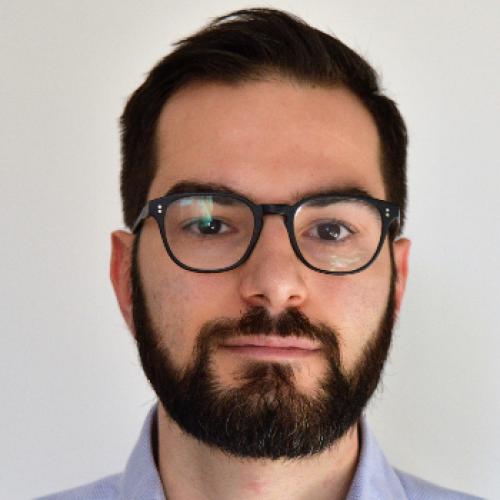
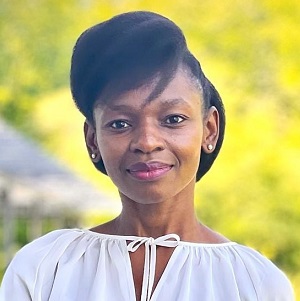
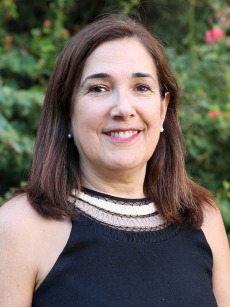
Athanasios D. Panagopoulos is a Full Professor at the School of Electrical and Computer Engineering, National Technical University of Athens (NTUA), specializing in Satellite & Space Communications , Antennas and Propagation , and Quantum Communication . He leads the Division of Information Transmission Systems and Material Technology, with a focus on wireless systems, machine learning, and 5G/6G technologies. Born in Athens (1975), received summa cum laude Diploma and Dr. Engineering from NTUA (1997, 2002). Former roles: part-time Assistant Professor (2003-2007), head of Satellite Division at Hellenic Authority for Information Security (2005-2008). Research Trends emphasize Quantum Key Distribution (QKD) , Reconfigurable Intelligent Surfaces , and Deep Learning Applications in satellite networks. His work bridges atmospheric propagation effects with terrestrial-satellite convergence , including AI-driven excess attenuation prediction and UAV channel modeling. Scientific Awards include URSI General Assembly Young Scientist Award (2002, 2005) Best Paper Awards: IEEE RAWCON 2006, IEEE ISWCS 2015 Grants & Collaborations : Principal Investigator for EU/ESA R&D programs, with editorial roles at IEEE Transactions on Antennas and Propagation, and Elsevier Physical Communication. Member of ITU-R , ETSI Study Groups , and IEEE (Senior) .
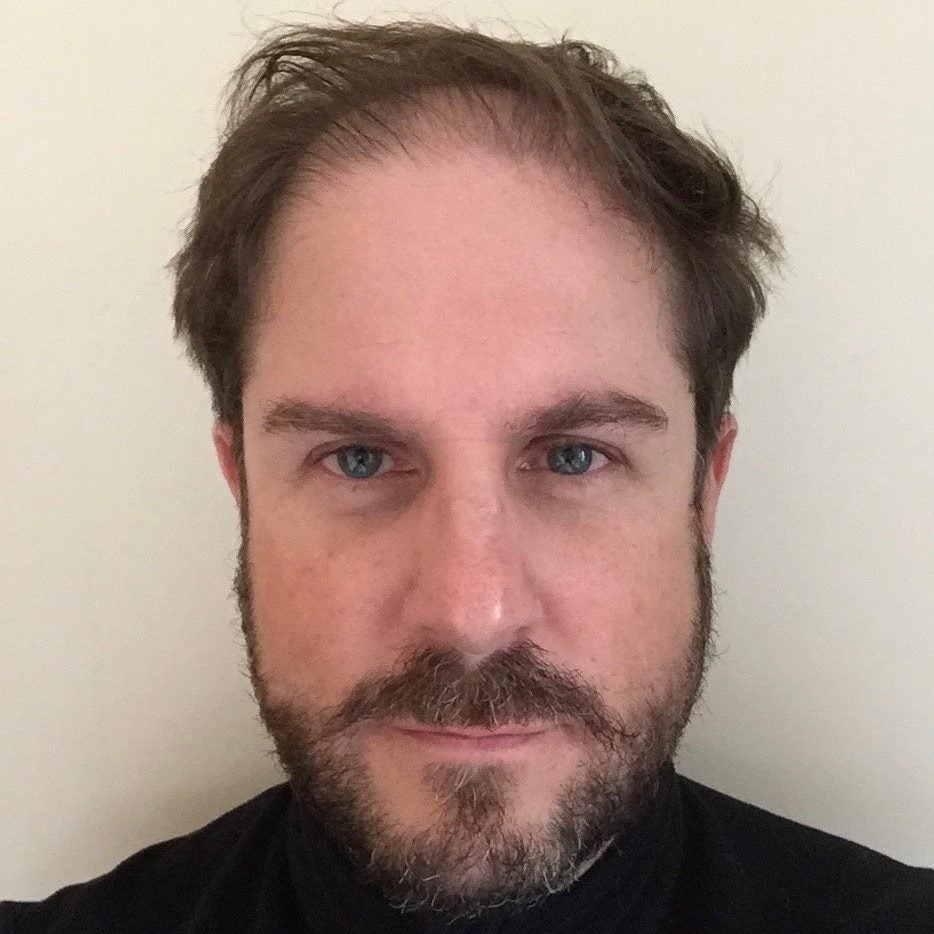
Veno Volenec is a Tenure-track Assistant Professor in the Department of Modern Languages and Linguistics at Concordia University. His research focuses on phonetics, phonology, neurobiology of language and speech, and cognitive neuroscience. He teaches courses such as LING 200 (Introduction to Linguistic Science) and LING 372 (Phonetics), covering topics like language acquisition, syntax, semantics, and sociolinguistics. His work bridges theoretical linguistics and cognitive science, with a strong emphasis on phonological features, generative grammar, and the neurobiological underpinnings of speech. Recent studies include cross-linguistic phonetic analyses, L2 acquisition patterns, and critiques of computational language models. Publications span 2012–2025, reflecting expertise in phonetics, cognitive linguistics, and historical linguistics. He actively contributes to debates on Chomskyan theory, innate language features, and the legacy of generative grammar. Volenec’s work is accessible via his Academia.edu profile and personal website, where he shares research on Croatian phonological phenomena, neurolinguistics, and pedagogical approaches in language education.
Summary Pawel Andrzej Herman is an Associate Professor at the Division of Computational Science and Technology within the School of Computer Science and Communication (CSC) at KTH Royal Institute of Technology. His research focuses on computational neuroscience, brain-inspired AI, and machine learning applications in healthcare and cognitive science. He teaches multiple courses including Artificial Neural Networks and Deep Architectures , supervises degree projects across computer engineering and electrical engineering disciplines, and actively contributes to interdisciplinary research initiatives. His work bridges theoretical neuroscience with practical AI solutions, emphasizing synaptic plasticity models, neuromorphic computing, and medical diagnostic systems. Key areas include olfactory perception modeling, working memory mechanisms, and FPGA-accelerated neural networks. He collaborates internationally on projects such as AI-driven medical imaging and cognitive neuroscience studies. Dr. Herman’s research has been published in high-impact journals and conferences, with recent contributions to understanding neural mechanisms of odor naming deficits, beta/alpha oscillations in working memory, and spiking neural network architectures. His technical leadership spans HPC frameworks like StreamBrain and interdisciplinary tools for scientific data storage (NoaSci).
Dr. Kathryn Allan is an Associate Professor in the Department of English Language and Literature at University College London (UCL), where she has been teaching since 2008. Her academic career spans historical linguistics, semantics, and lexicography, with a particular focus on semantic change and the evolution of the English language. She is an active member of several academic organizations including the Philological Society (serving on Council) and the International Society for the Linguistics of English (as Chair of the Nominating Committee). Education: Doctor of Philosophy, University of Glasgow (2004) Master of Arts (Hons), University of Glasgow (1998) Postgraduate Certificate in Higher Education Practice and Research, University of Salford (2005-2006) Dr. Allan's research focuses on historical and cognitive semantics, with particular interest in intra- and extra-linguistic factors in semantic change. She specializes in tracing polysemy patterns in relation to social-cultural shifts, using resources like the Historical Thesaurus of English and the Oxford English Dictionary. Her work with the Keywords Project explores contemporary shifts in lexical meaning, building on Raymond Williams' foundational work. She has made significant contributions to understanding metaphor and metonymy through diachronic approaches. Dr. Allan's extensive publication record demonstrates consistent focus on historical semantics, lexicology, and semantic change. Her work spans monographs, edited collections, and numerous journal articles, with recent publications emphasizing contemporary vocabulary shifts and methodological approaches to historical semantics. She has co-edited important volumes including 'Current Methods in Historical Semantics' and 'Historical Cognitive Linguistics,' and is currently co-editing the 'Oxford Handbook of Historical Semantics.' Professional Affiliations: Member of Council, Philological Society Chair of Nominating Committee, International Society for the Linguistics of English Affiliate, Angus McIntosh Centre for Historical Linguistics Advisory Board Member, Historical Thesaurus of English project As an educator, Dr. Allan supervises PhD students in historical lexicology, lexical semantics, and cognitive semantics. Her teaching at UCL includes courses on the History of the English Language, Literary Linguistics, and English Words. She has successfully supervised students working on diverse topics including lexical semantic variation, Chinese-English borrowing, decision-making metaphors, and pragmatic markers in Sri Lankan English.
Alberto Oliveri is an Associate Professor at the University of Genoa in the Department of Naval, Electrical, Electronic and Telecommunications Engineering. He teaches courses including Circuits and Systems, Nonlinear Circuits and Systems, Power Management, and Elements of Electrical Technology for undergraduate and graduate programs in Electronic Engineering, Information Engineering, Industrial Technologies, and Chemical Engineering. His research focuses on advanced topics in power electronics and control systems, with particular emphasis on: Modeling and optimization of magnetic components (inductors) for switch-mode power supplies FPGA implementation of nonlinear model predictive control algorithms Synthetic inertia solutions for renewable energy grid integration Embedded control systems for power converters Advanced modeling of ferrite-core and amorphous-core inductors His recent publications (2022-2025) demonstrate a consistent focus on improving power conversion efficiency through advanced control strategies and hardware implementation. Research themes include predictive control optimization, magnetic component characterization under saturation conditions, renewable energy grid support functions, and embedded algorithm development for real-time power system monitoring.
Dr. Billian Otundo is a postdoctoral researcher at the Cluster of Excellence Africa Multiple and habilitation candidate at the Department of English Linguistics, University of Bayreuth (Germany). She investigates multilingual African learning spaces through translanguaging frameworks, focusing on the intersection of language, identity, and digital innovations in Kenya. Her research integrates quantitative and qualitative methodologies with tools like SPSS, R, Praat, and MAXQDA. Co-convener of Postdoctoral Working Groups at Africa Multiple Collaborating with University of Cologne’s Phonetic Laboratory on Kenyan English and Kiswahili intonation Research Interests: Sociolinguistics, World Englishes, Translanguaging, Code-switching, Sociophonetics, Decolonisation of Linguistics Curriculum, and Educational Linguistics. She examines language attitudes, variation in intonation, and inclusion policies in African education systems. Scientific Awards: DFG Postdoctoral Grant (2022) TWAS-DFG Cooperation Grant (2021) NWO-WOTRO Funding (2018) BIGSAS Doctoral Fellowship (2011-2015) Dr. Otundo actively contributes to academic service as an editorial board member of the Journal of Linguistics, Literary and Communication Studies and the Africa Multiple publication series. She founded the Philippines-Kenya Education Network and consults on inclusive policy design for Kenya’s Bungoma County Government.
Keith Gilyard is the Edwin Erle Sparks Professor of English and African American Studies at Pennsylvania State University. His research focuses on African American literature, rhetoric, and pedagogy, with a particular emphasis on cultural politics and educational equity. He holds a BS from City University New York, an MFA from Columbia University, and an EdD from New York University. His work bridges literary analysis, sociolinguistics, and educational theory, addressing topics such as African American discourse patterns, the role of language in cultural identity, and the intersection of rhetoric with social justice movements. Key themes include critical pedagogy, translingualism, and the rhetorical strategies used in Black activism. Gilyard has been recognized for his contributions, including the 2013 CCCC Exemplar Award and his leadership as NCTE President. His publications often examine historical figures like Langston Hughes and Haki R. Madhubuti, alongside contemporary issues such as high-stakes testing and globalization's impact on education. He has advised numerous graduate students (though specific names are not listed here) and contributed to curricular reforms emphasizing anti-isolationist educational practices. His writings frequently critique linguistic prejudice and advocate for inclusive language policies in schools and communities.
Prof. Dr. Barbara Sophie Hänel-Faulhaber is a Professor at the University of Hamburg’s Faculty of Education , specializing in German Sign Language (DGS) and audiopedagogy . Her research focuses on language acquisition and processing in DGS , particularly among deaf children and inclusive educational settings . She leads the Deafness, Language and Learning Lab (D2L) and contributes to the faculty’s core research area Literacy in Diversity Settings . Education: Dr. phil. in Sign Languages (University of Hamburg, 1999–2003) Magister Artium in Sign Languages, Linguistics (University of Hamburg, 1996–1999) Double Degree in Deaf Education, Elementary Education (LMU Munich, 1992–1996) Her work examines bimodal-bilingual education , iconicity in early sign learning , and structural conditions in inclusive daycare centers . She develops diagnostic tools like the DGS-Version of MBK 0 for assessing numerical competencies in deaf children. Current projects include Coactivation of Difference (2023–2026) and Sign4Inclusion (Math) (2023–2024). Scientific Awards: Institutional Prize for German Language 2023 Heinrich Böll Stiftung Promotionsstipendium (1999–2003) Wilhelm-Stiftung Post Doc Fellowship (2005) She collaborates with institutions like the Institute of German Sign Language and Deaf Communication and the Graduate School Martha Muchow , with recent publications spanning sign language diagnostics , inclusive pedagogy , and cross-modal literacy studies .
Janet M. Fuller is a Professor of Language and Society at the University of Groningen, Netherlands, and Chair of the Language and Society program within the Faculty of Arts. Her expertise spans Sociolinguistics, Discourse Analysis, and Multilingualism. She holds a Ph.D. from the University of South Carolina (1997), an M.A. from Freie Universität Berlin (1992), and a B.A. in Anthropology from Macalester College (1984). Fuller’s research focuses on language ideologies, migration discourses, and national belonging, particularly in Germany and the US. She has authored/co-authored influential textbooks like Introduction to Sociolinguistics and Spanish Speakers in the USA . Her recent work examines media discourses on migration and multilingual psychotherapy practices. She has held leadership roles, including Interim Chief Diversity Officer at Groningen and Director of Women’s Studies at Southern Illinois University. Awards include the 1999 Dean’s Appreciation Award and multiple grants supporting her research on bilingualism and migration. Fuller’s teaching spans undergraduate and graduate courses in Discourse Analysis, Language and Power, and Gender and Diversity research methods. She has supervised numerous theses on topics like Catalan language policy and North Korean media discourses.
Professor Rachael Gilmour is a faculty member at Queen Mary University of London, holding the title of Professor of Contemporary Literature and Postcolonial Studies. She serves as Director of Graduate Studies: Admissions (English) within the School of English and Drama. Her academic journey includes a PhD from the University of Manchester, followed by a career at Queen Mary since 2002, focusing on postcolonial literature and theory. She has a multidisciplinary background in linguistics, cultural history, and literary studies. Her research explores language politics, multilingualism, and their intersections with colonial/postcolonial contexts. Notable projects include the Reading/Writing Multilingualism initiative, which engages secondary school students in Tower Hamlets, and her book Bad English: Literature, Multilingualism and the Politics of Language in Contemporary Britain (2020). She has held editorial roles at the Journal of Commonwealth Literature and Wasafiri , and her work bridges literary analysis with applied linguistics and cultural policy. Recent research focuses on literature’s confrontation with language as a bordering practice in the UK asylum regime. She has supervised doctoral projects on topics like multilingualism in contemporary fiction, postcolonial narratives, and literary representations of race and identity. Her publications span monographs, edited volumes, and peer-reviewed articles addressing colonial linguistics, Black British writing, and the global dimensions of literary multilingualism. She actively contributes to pedagogical initiatives that integrate multilingualism into English education.
Sonia Colina is a Regents Professor and holds a dual affiliation with the Department of Speech, Language and Hearing Sciences (College of Science) and the Second Language Acquisition and Teaching (SLAT) program at the University of Arizona. She is a leading scholar in Spanish phonology (Optimality Theory, syllable structure) and Translation Studies, particularly focusing on translation pedagogy and healthcare translation. Her research bridges linguistic theory and practical applications, such as improving healthcare access for limited-English-proficient populations through translation mediation and community health initiatives. Dr. Colina has authored influential works like *Fundamentals of Translation* (2015) and *Syllable Structure in Spanish* (2009), and co-edited volumes such as *The Handbook of Spanish Phonology*. She has directed NIH-funded projects, including the Oyendo Bien initiative using community health workers to address hearing loss among border populations and a collaboration on Spanish/English text simplification with the Department of Management Information Systems. Her research interests span translation quality assessment, bilingual phonological acquisition, and the role of surface/semantic features in medical text simplification. As Director of the National Center for Interpretation, she advances interpreter training and standards in healthcare and legal settings. She is a past president of the American Translation and Interpreting Studies Association (ATISA), contributing to the professionalization of translation studies. In grants and collaborations, Colina emphasizes interdisciplinary partnerships, such as integrating linguistics with audiology and public health. Her work highlights translational research that enhances language accessibility and equity in healthcare systems.
Colin Flynn is an Assistant Professor in the Department of Applied Linguistics at Trinity College Dublin (TCD), where he conducts research on the psychological and social aspects of language learning and bilingualism. He is particularly focused on minority languages such as Irish, examining motivation, cultural awareness, metalinguistic knowledge, language attitudes, code-switching, and translanguaging. He serves as the TCD partner on the HEA-funded Gender Equality in Language Studies (GELS) project. His research lies at the intersection of applied linguistics and educational psychology, emphasizing how learner psychology interacts with teaching methods and learning contexts. Much of his work explores identity, affect, and engagement in minority language education settings. Dr. Flynn is also actively involved in institutional efforts toward equity and inclusion, serving on the Equality, Diversity, and Inclusion (EDI) Committee at Trinity College Dublin. While no publications or student supervision details are listed in the provided text, his scholarly profile reflects a strong commitment to advancing inclusive and psychologically informed approaches to language education, especially in under-resourced linguistic communities. Gender Equality in Language Studies (GELS) Project – TCD Partner
Pejman Lotfi-Kamran is an Associate Professor at the School of Computer Science, Institute for Research in Fundamental Sciences (IPM), Tehran, where he also serves as the head of the school and director of Turin Cloud Services. His research focuses on computer architecture, systems, approximate computing, and cloud computing, with an emphasis on performance and energy efficiency for big-data applications. His educational background includes: Ph.D. in Computer Science, EPFL (2013) M.Sc. in Electrical and Computer Engineering, University of Tehran (2005) B.Sc. in Electrical and Computer Engineering, University of Tehran (2002) Lotfi-Kamran's research spans computer architecture innovations, including data and instruction prefetching, networks-on-chip, coherence protocols, and many-core processor design. He has pioneered work on scale-out processors, neural acceleration for GPUs, and approximate computing frameworks. His publications appear in top venues such as ISCA, HPCA, MICRO, and IEEE/ACM journals. His recent articles reflect a strong trend in improving system performance through intelligent prefetching, efficient NoC designs, and energy-aware architectures. Key themes include reducing frontend bottlenecks, optimizing cache behavior, and enhancing data delivery in large-scale systems. His work often combines cross-stack insights with hardware-software co-design for real-world impact. Scientific awards and recognitions include: 2017 CADS Best Paper Award 2016 Young Faculty Award from Iran's National Elites Foundation 2012-2013 Intel Ph.D. Fellowship 2012 and 2011 HiPEAC Paper Awards 2011 HPCA Best Student Paper Finalist Multiple academic honors from University of Tehran He has advised several graduate students including Paria Darbani, Ali Ansari, Mohammad Bakhshalipour, and Farid Samandi, many of whom have co-authored significant papers. His teaching spans institutions like Sharif University of Technology, Iran University of Science and Technology, and EPFL, covering advanced computer architecture and multiprocessor systems. He has led research projects such as AxBench and CloudSuite on Simics, and contributed to national initiatives like Iran’s National Grid. He is actively involved in tool development and continues to shape research in next-generation computing systems. He leads the Turin Cloud Services initiative at IPM and is deeply engaged in both theoretical and applied aspects of computer systems research, with ongoing work in neural acceleration, approximate computing, and scalable architectures.
Dr. Ray Drainville is a lecturer at the University of Waterloo, specializing in digital media and visual culture. His research explores the intersection of iconography, social media image analysis, and machine learning applications. With nearly two decades of industry experience in web development and graphic design, he brings practical insights to his teaching on contemporary digital visual culture. PhD in Visual Culture from Manchester School of Art, Manchester Metropolitan University (2018) MA in Information Studies from University of Sheffield (1996) MA in History of Art from Princeton University (1995) BA in History of Art from New College (1992) Dr. Drainville's research interests include digital media, visual culture, iconography, media theory, and hermeneutics. His work increasingly examines linguistic and visual dogwhistles in political contexts, memetic superposition, and algorithmic iconography. He has published in journals such as AI & Society , Studies In Communication Sciences , and Hyperallergic , often combining historical art analysis with contemporary digital platforms. He teaches courses including: GBDA 101 Introduction to Digital Media Design GBDA 203 Introduction to Digital Culture GBDA 228 Digital Imaging of Online Applications GBDA 301 Global Digital Project 1 GBDA 401 Cross-Cultural Digital Business GBDA 402 Capstone Course: Cross-Cultural Digital Business ARTS 290 Theories of Media
Robin Queen serves as Arthur F. Thurnau Professor and Professor of Linguistics, English Language and Literatures, and Germanic Languages and Literatures at the University of Michigan's College of Literature, Science, and the Arts. She holds a Ph.D. from the University of Texas at Austin (1996) and maintains a primary appointment in the Department of Linguistics with affiliations in Germanic Languages and Literatures and English Language and Literature, including as a program affiliate in Linguistic Anthropology. Her research spans sociolinguistics , language contact , language variation , language ideology , and sociolinguistic perception , with particular focus on language, gender and sexuality and language in the mass media . Professor Queen has conducted diverse research involving Turkish-German bilinguals, American lesbian communities, daytime television dramas, dubbed films, and even human-canine communication patterns. Her notable 2015 book Vox Popular: The Surprising Life of Language in the Mass Media explores language variation in fictional media contexts. Analysis of her recent publications reveals consistent exploration of language variation across multiple contexts, with particular attention to media representation, gender/sexuality connections, and cross-linguistic phenomena. Her work demonstrates methodological diversity spanning ethnographic fieldwork, experimental perception studies, and discourse analysis. Arthur F. Thurnau Professor (distinguished teaching award) Sarah G. Thomason Collegiate Professor of Linguistics Professor Queen has successfully mentored numerous graduate students who have secured positions in academia, research, and industry. Her service contributions include election to the University Faculty Senate, membership on multiple advisory boards (Center for Research on Learning and Teaching, Language Resource Center, University Libraries), and significant departmental leadership as Director of Graduate Studies, Director of Undergraduate Studies, Associate Department Chair, and Department Chair. She has also served the Linguistic Society of America as co-chair of the Committee on the Status of Women and as an Executive Committee member, plus co-directing the 2013 Summer Institute in Linguistics. As co-editor of the Journal of English Linguistics (2006-2012) and on multiple editorial boards, she maintains strong scholarly engagement across the field. Her research program includes ongoing projects on human-canine interaction with language (2010-present), language variation in media (1996-present), and psycholinguistic assessments of New Media errors (2013-present), demonstrating remarkable longevity and evolution in her scholarly contributions.