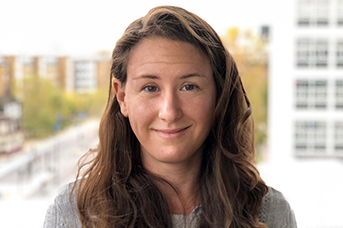
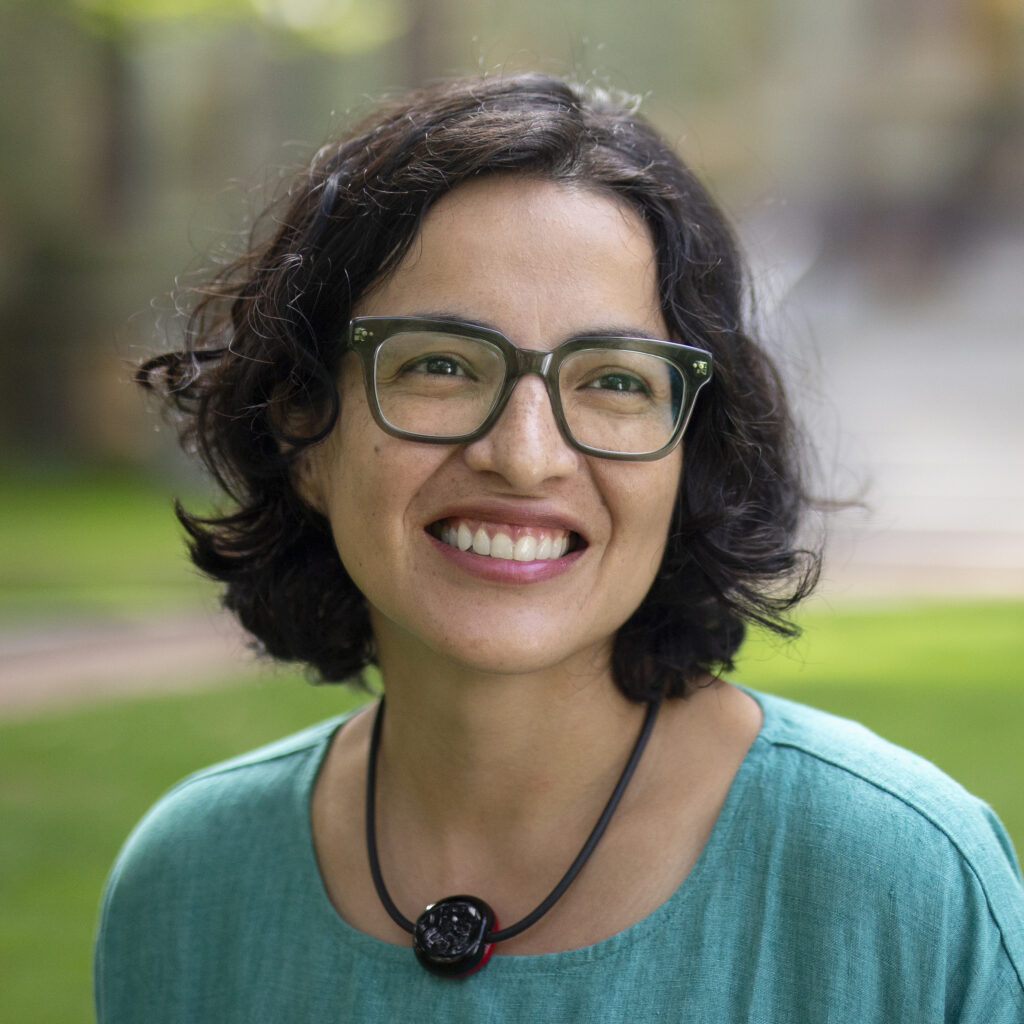
Yu Huang is an Assistant Professor of Computer Science at Vanderbilt University with a secondary appointment in the Department of Teaching and Learning at the Peabody School of Education. She is affiliated with the Institute for Software Integrated Systems, the Frist Center for Autism and Innovation, the Vanderbilt Lab for Immersive AI Translation (VALIANT), and the Vanderbilt LIVE Learning Innovation Incubator. Her research focuses on human-centered AI for software engineering, combining human cognition with machine intelligence to enhance software development processes. Educated at the University of Michigan (PhD, 2021), University of Virginia (MS, 2015), and Harbin Institute of Technology (BS, 2011), her work spans software engineering, human factors, AI, and medical imaging. Key projects include the MIND Lab, studying programmer expertise and cognitive processes, and the HumanAISE workshop on Human-Centered AI for Software Engineering. Huang has received significant recognition, including the 2025 ICPC Vaclav Rajlich Early Career Achievement Award and three ACM SIGSOFT Distinguished Paper Awards. Her research is supported by NSF, GitHub, and Vanderbilt initiatives. She advises numerous graduate and undergraduate students, emphasizing diversity and innovation in programming education.
Anna Chrysostomides is a Lecturer in Islamic History at Queen Mary University of London’s School of History, based in ArtsTwo 3.29. Her research focuses on the social dynamics of conversion between Christianity and Islam in the 8th through 10th centuries, examining fluid religious identities and interfaith practices such as Christian wives in Muslim households, children of mixed unions, mawālī relationships, and slave dynamics. Her teaching includes the postgraduate module HST7901 Mastering the Field: Medieval Islamic World Stream. Recent publications explore topics like Abrahamic iconoclasm, Muslim participation in Christian festivals, and theological debates in Umayyad Palestine. She is currently supervising PhD student Julie Bungey, whose work examines aristocratic women in 15th-century Europe. No scientific awards have been explicitly mentioned in the provided texts. While no grants are detailed, her research demonstrates expertise in early medieval religious and social history.
Associate Professor Antonia Rubino is a leading scholar in sociolinguistics and applied linguistics at The University of Sydney , specializing in multilingualism within migration contexts and its educational implications. She is a Fellow of the Australian Academy of the Humanities and has conducted groundbreaking research on Italian language maintenance among Australian migrant communities across generations. Key research areas: multilingualism, language maintenance/shift, language and identity, intercultural pragmatics Current projects: Multilingualism and identity among third-generation Italo-Australian youth; WUN international project on multilingualism and mobility Collaborations: 'Helping first-year students flourish through languages' project with Flinders University Her work spans family language policies, media, education, and public health contexts. She has supervised numerous postgraduate students in topics ranging from classroom climate to multicultural workplace communication. In 2024, she received the NSW Co.As.It. Medal for contributions to Italian language and culture.
Thea Williamson is an Assistant Professor in the Department of English at Old Dominion University’s College of Arts & Letters. A bilingual literacy educator and former teacher of multilingual learners in Miami, New York City, Austin, and Maryland’s Eastern Shore, she focuses on writing as a tool for thinking, creative expression, and social change. Her teaching emphasizes critical theories like decolonization and critical race theory to explore literacy pedagogy and adolescent learning. Education Ph.D. in Curriculum & Instruction, University of Texas at Austin (2018) M.Ed. in Curriculum & Instruction, University of Texas at Austin (2012) B.A. in Spanish & Comparative Literature, Haverford College (2004) Research Interests Williamson investigates the sociopolitical dimensions of English Language Arts in culturally and linguistically diverse secondary schools, combining critical race theory, translanguaging, and discourse analysis. Her work highlights linguistic justice, anti-oppressive writing pedagogies, and the role of literacy in resolving alienation in educational spaces. Publication Trends Her recent publications explore critical race curriculum analysis, translanguaging in ELA classrooms, and adolescent writing identity. Key themes include racial equity in literature teaching, multimodal literacy engagement, and the role of self-reflection in empowering multilingual students.
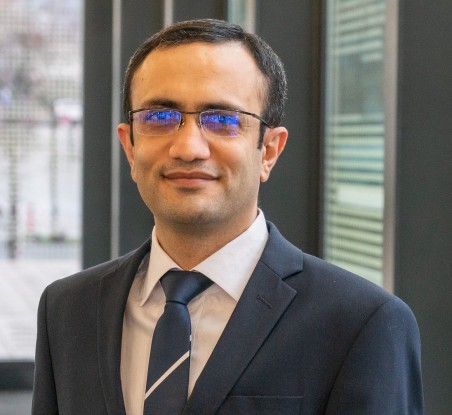
Prof. Vahid Jamali is an Assistant Professor and Head of the Resilient Communication Systems Group at the Technical University of Darmstadt, Germany. His research focuses on resilient communications, 6G wireless systems, bio-inspired molecular communication, and reconfigurable intelligent surfaces (RIS). He holds a Doctoral Degree from Friedrich-Alexander-Universität Erlangen-Nürnberg (FAU), Germany, and has served as a postdoctoral researcher at Princeton University and FAU. Education PhD in Communication Systems, FAU (2019) Visiting Researcher at Stanford University (2017) Research Assistant at FAU's Institute for Digital Communications (2013-2019) Research Interests Resilient Networks : Emergency networks, RIS-based systems, and resilience-by-design architectures. Wireless Innovations : 6G technologies, holographic MIMO, and joint communication-sensing systems. Bio-inspired Systems : Molecular communication modeling using biological principles like diffusion and chemical reactions. Recent Work Trends His 2024-2025 publications emphasize RIS optimization (e.g., temperature-aware phase shifts, fast beam switching) and molecular communication (e.g., Poisson channel identification, bio-inspired receiver designs). Emerging themes include AoI-based RIS reconfiguration and integrated sensing-communication-powering (ISCAP) for IoT. Lab Activities He leads the Resilient Communication Systems Group, exploring cutting-edge RIS hardware (e.g., liquid crystal implementations) and theoretical foundations for future wireless systems.
Roopsha Samanta serves as an Assistant Professor in the Department of Computer Science at Purdue University, where she leads the Purdue Formal Methods (PurForM) research group and participates in the Purdue Programming Languages (PurPL) initiative. Her academic foundation includes a PhD from the University of Texas, Austin (2013) and postdoctoral research at the Institute of Science and Technology Austria prior to joining Purdue in 2016. Education: PhD in Computer Science, University of Texas, Austin (2013) Postdoctoral Researcher, Institute of Science and Technology Austria Professor Samanta's research centers on bridging formal methods with programming languages to enhance software reliability, with core expertise in program verification, program synthesis, and concurrency. Her work uniquely targets both professional developers and non-programmers, developing techniques to ensure programs align with user intent through automated reasoning and synthesis. Recent efforts focus on distributed systems verification where traditional methods face scalability challenges. Analysis of her 2020-2024 publications reveals a dominant trajectory in distributed agreement systems, particularly advancing parameterized verification for unbounded process networks. Key innovations include bounded verification techniques for doubly-unbounded systems, explainable synthesis through specification localization, and secure multi-party computation frameworks like HACCLE. Her work consistently integrates theoretical formal methods with practical system implementation. Scientific Awards: NSF CAREER Award (2019) for “Robustness of Inductive Reasoning Engines” Amazon Research Award (2021) supporting secure computation research Her research is primarily funded through competitive grants including the NSF CAREER award and Amazon Research Award, enabling exploration of verification robustness and secure multi-party computation. While specific advising details aren't publicly documented, her leadership of the PurForM group indicates active mentorship of graduate researchers in formal methods. Current projects suggest expanding applications to privacy-preserving technologies and explainable AI-assisted programming. The PurForM research group, under her direction, develops foundational tools for program verification and synthesis with emphasis on distributed and concurrent systems. Collaborations within PurPL and industry partners like Amazon drive translational research from theoretical models to practical verification frameworks applicable to real-world distributed infrastructure.
Xi-Long Zheng is a tenured Professor in the Department of Biochemistry and Molecular Biology and Department of Physiology and Pharmacology at the Cumming School of Medicine, University of Calgary. He holds additional appointments as a Member of the Libin Cardiovascular Institute and Associate Member of both the Snyder Institute for Chronic Diseases and Arnie Charbonneau Cancer Institute. His research focuses on vascular smooth muscle biology and its role in cardiovascular diseases. Doctor of Medicine, Hunan Medical University (1986) M.S. in Pharmacology, Hunan Medical University (1989) Doctor of Philosophy in Pharmacology, University of Calgary (1997) Dr. Zheng's research centers on vascular smooth muscle cell differentiation, proliferation, and phenotypic switching in vascular diseases. His laboratory investigates mechanisms of vascular smooth muscle dedifferentiation in atherosclerosis, abdominal aortic aneurysms, and vascular stiffness. Current work explores ferroptosis, epigenetic regulation (particularly BRD4), and PCSK9 functions in vascular pathologies. His studies integrate molecular, cellular, and in vivo approaches to identify novel therapeutic targets for cardiovascular diseases. Analysis of his recent publications reveals strong emphasis on cell death mechanisms (ferroptosis, cuproptosis), epigenetic regulation, lipid metabolism, and immune-vascular interactions in atherosclerosis. His work demonstrates increasing focus on translational applications targeting vascular smooth muscle phenotypic switching and plaque stability. Alberta Innovates ‒ Health Solutions Senior Scholar Award (2008-2015) Heart & Stroke Foundation New Investigator Award (2001-2006) CIHR/Hypertension Society Scholarship Award (2001-2004) Heart & Stroke Foundation Fellowship Award (1999-2001) AHFMR Independent Investigator Award (2008) Dr. Zheng serves on grant panels for Canadian Institutes of Health Research and Heart and Stroke Foundation of Canada. He is an editorial board member for Biochemical Journal and other scholarly publications. His laboratory receives funding from CIHR and NSERC for projects including smooth muscle PCSK9 in abdominal aortic aneurysm pathogenesis, smooth muscle autophagy in vascular aging, and epigenetic regulation of smooth muscle plasticity. The Zheng Lab investigates vascular smooth muscle functions across multiple organ systems including blood vessels, gastrointestinal tract, bladder, and uterus. His research has established critical mechanisms in vascular smooth muscle differentiation and cell cycle regulation, contributing over 100 peer-reviewed publications in high-impact journals including PNAS, ATVB, Diabetologia, JBC, and Hypertension.
Li Nguyen is an Assistant Professor of Linguistics and Multilingual Studies at Nanyang Technological University (NTU), Singapore . Their work bridges linguistics with computational approaches, focusing on language variation, contact phenomena, and multilingual NLP. Education: PhD in Linguistics (University of Cambridge), Master’s in General and Applied Linguistics (Australian National University) Research interests include: Language variation and change in multilingual/diasporic communities Computational sociolinguistics and NLP for low-resource varieties Syntax-pragmatic interface in bicultural contexts Code-switching and heritage language documentation Recent publications highlight collaborations on Vietnamese-English and other code-switched language pairs, with a focus on NLP applications and corpus-based analysis. Their work has gained recognition through grants like the NTU Start-up Grant and Cambridge Language Sciences funding . Scientific awards: Cambridge International Scholarship, Philological Society Fieldwork Grant Li Nguyen actively collaborates on projects involving sociolinguistically informed NLP and community-driven language documentation. They have contributed to the development of the CanVEC corpus for Vietnamese-English speech research.
Amit Sachdeva is an Associate Professor of Bio-Organic Chemistry at the University of East Anglia (UEA), where he leads the School of Chemistry, Pharmacy and Pharmacology's Department of Chemistry. He serves as Director of Postgraduate Research in Chemistry, overseeing doctoral training and academic strategy. His research focuses on Chemical Biology and Synthetic Biology, with a specific emphasis on expanding genetic code capabilities to engineer novel proteins for biomedical applications. Dr. Sachdeva completed his PhD at the University of Illinois at Urbana-Champaign, investigating DNA-based enzymes, followed by postdoctoral work at the MRC Laboratory of Molecular Biology in Cambridge. His current work includes developing light-responsive antibodies for targeted therapies and ultrafast viral diagnostics. Notable achievements include pioneering photoactive antibody fragments and securing patents (e.g., WO-2020193981-A1) for light-controlled antigen binding. Key Projects: Designing cancer biotherapeutics (Leverhulme Trust), fluorescent switches for SARS-CoV-2 detection (Royal Society of Chemistry), and biomolecular wire development (Engineering and Physical Sciences Research Council). Grants: Over £5M from institutions like The Big C Appeal and Wellcome Trust. Research Interests: Genetic code expansion, protein engineering, non-natural amino acids, and their applications in diagnostics/therapeutics. His work contributes to UN Sustainable Development Goals, particularly in health and innovation. Publications: Over 25 peer-reviewed articles in top journals like Nature Chemical Biology , Angewandte Chemie , and Nature Reviews Chemistry , with several highly cited contributions (e.g., 99th percentile in 2023).
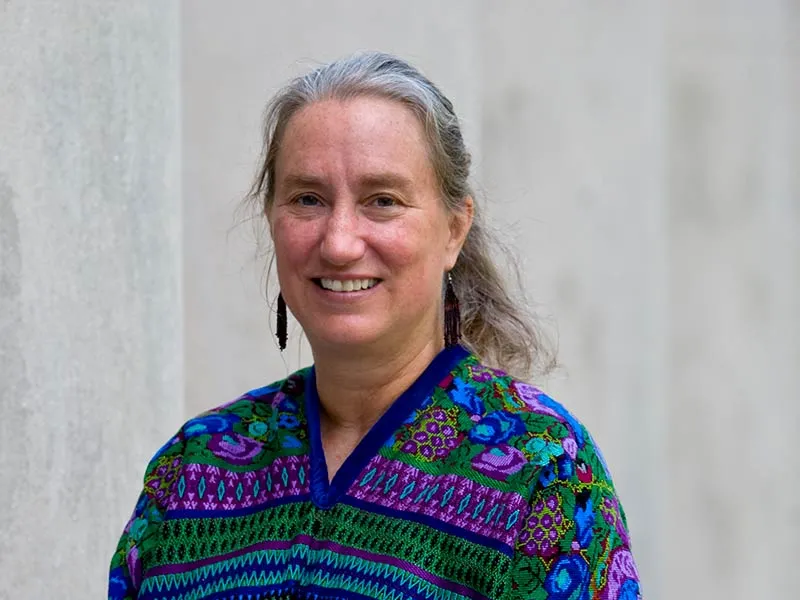
Judith Maxwell is Professor of Anthropology at Tulane University, specializing in linguistic anthropology with primary focus on Mayan languages (Kaqchikel, Chuj, Nahuatl) and discourse analysis. Her work bridges theoretical linguistics and applied language revitalization, particularly through the Tunica-Biloxi language project since 2010. Education PhD in Anthropology, University of Chicago (1982) Research Focus : Maxwell investigates discourse structures in Mayan languages regarding artistry canon, cultural constructs, coherence mechanisms, and societal relationships. Her colonial manuscript analysis explores language change in Kaqchikel/Nahuatl, while contemporary work examines bilingual education, language shift, and gender performance across English and Indigenous varieties. She pioneered the revival of Tunica language through community-academic collaboration. Publication Trends : Recent works (2014-2024) demonstrate consistent focus on Mayan language documentation ( Kaqchikel chronicles , Chuj Narratives ), revitalization pedagogy ( Maja'il Kaqchikel ), and sociopolitical dimensions of language ( Mayan Languages and Guatemala Law ). Key themes include decolonizing methodologies, Indigenous knowledge systems, and practical applications for endangered language communities. Advising & Grants : Maxwell leads the Tunica-Biloxi Language Revitalization Project training Tulane students in documentation techniques. Her collaborative model integrates tribal knowledge with academic research, securing sustained community engagement despite specific grant details being unreported. Research Teams : Directs the Tunica-Biloxi collaborative team comprising Tulane students, tribal scholars, and native speakers, developing e-learning tools like the Q'anil Kaqchikel lessons filmed in Guatemala with native instructors.
Julie Boland is a Professor at the University of Michigan's College of Literature, Science, and the Arts, affiliated with the Psychology and Linguistics departments. She holds a PhD from the University of Rochester and leads the Psycholinguistics Lab, focusing on interdisciplinary language processing research. Her work explores interfaces between word recognition, syntax, semantics, and sociolinguistic variables, with special attention to bilingual processing and executive function roles. Education: PhD, University of Rochester. She teaches research methods and language psychology, advising numerous PhD candidates. Key research themes include sociolinguistic priming, bilingual ambiguity resolution, and language processing in digital contexts. Her findings highlight how dialect variation, cultural background, and technology impact comprehension and production. Research Interests: Psycholinguistics, sentence processing, lexical access, sociolinguistic influences, bilingualism, and cognitive mechanisms. Labs: Director of the Psycholinguistics Lab, promoting interdisciplinary collaboration across Psychology and Linguistics. Teaching: Courses on language psychology and research methods for Psychology undergraduates/graduates. Recent work addresses conversational dynamics in Zoom interactions, cultural differences in visual attention, and L2 structural priming effects. She emphasizes practical applications of psycholinguistic insights for education and technology design.
Jiří Muryc is a researcher at the Department of Slavonic Studies, Faculty of Arts, University of Ostrava. He specializes in Polish-Czech language contact, bilingualism, and sociolinguistic dynamics of the Czech-Polish borderlands. His work spans translation studies, orthographic interference, and linguistic landscapes. Position: Head of Department International Affiliation: Collaborated with Vytautas Magnus University, University of Wrocław, and other institutions His research focuses on multilingual environments, Polish language visibility in Czech public spaces, and cross-border language policy. He explores code-switching, hybrid lects, and ethnolinguistic identity in bilingual communities. Muryc's publications analyze Polish-Czech legal terminology, phraseological dictionaries, and translation challenges between typologically close languages. He emphasizes practical applications in interpreter training and digital language platforms like Polski.info . He supervises theses on topics ranging from Polish literature in Czech translations to Czech-Polish business phraseology and UNESCO heritage linguistics. His projects include Erasmus+ initiatives for Polish language e-learning and sociolinguistic studies of Zaolzie.
Jennifer M Morton is the Presidential Penn Compact Professor of Philosophy at the University of Pennsylvania with a secondary appointment at the Graduate School of Education. As Graduate Chair of the Philosophy Department, she bridges philosophical theory with empirical research on poverty, social class, and upward mobility. Her work interrogates the ethical sacrifices of first-generation and low-income students, earning her the Grawemeyer Award in Education (2023) and the Frederic W. Ness Book Award for Moving Up Without Losing Your Way (2019). A Guggenheim Fellow (2023-2024), she integrates social psychology, policy analysis, and ethics to address structural inequities in education. Key Themes: Pessimism traps, cultural mismatch, and non-cognitive skill development. Awards: Grawemeyer Award, Scheffler Prize, Philosopher’s Annual Best Paper (2019). Media: Featured in The New York Times , The Atlantic , and Hidden Brain podcast. Her recent articles analyze poverty’s impact on prospective agency, planning capacity, and decision-making under uncertainty. She critiques online education’s limitations for marginalized students and explores the educator’s dual role in ideal vs. non-ideal contexts. As a senior fellow at Wisconsin’s Center for Ethics and Education, she advocates for inclusive institutional design, balancing pragmatic success with systemic critique.
Adnan Mahmutovic is a Professor at the Department of English, Faculty of Humanities, Stockholm University. He has been lecturing at the department since 2007 and holds a PhD in English Literature from Stockholm University, as well as an MFA in Creative Writing from City University of Hong Kong. His academic expertise spans multiple areas: World Literature and Transnational Writing Postcolonial and Diasporic Literature Comics and Graphic Narrative Studies Creative Writing and Literary Editing Muslim and Islamic Cultural Studies Professor Mahmutovic's research focuses on the intersections of literature, space, and identity, particularly examining how writers navigate cultural and linguistic borders. His work explores how literary works claim space through dynamic relations between locations and orientations, as seen in his book "Claiming Space: Locations and Orientations in World Literatures" (2021). He has also made significant contributions to comics studies with "Visions of the Future in Comics" (2017) and "The Craft of Editing" (2018), which explores editorial practices in contemporary literature. His academic publications demonstrate a consistent engagement with postcolonial theory, particularly examining works by authors like Michael Ondaatje, Salman Rushdie, and Ben Okri. His early scholarly work "Ways of Being Free" (2012) established his interest in how migrant writers articulate existential conditions through their fictional worlds. More recent publications show an expansion into contemporary topics like Muslim-American writing, transnational superhero narratives, and Bosnian refugee experiences. Professor Mahmutovic has received numerous awards for his fiction writing and has served as a judge for prestigious literary prizes including the Neustadt Prize for Literature. He has also acted as fiction editor for "Two Thirds North," a journal of transnational writing, since 2010. His creative work complements his academic pursuits, with publications including "Thinner than a Hair" (2010), "How to Fare Well and Stay Fair" (2012), and "At the Feet of Mothers" (2020). His essay "Comics, War and Ordinary Miracles" has been adapted for BBC Radio, demonstrating the broader cultural impact of his work.
Dr. Yuko Sugita serves as Lecturer for Japanese language at the Institute of East Asian Studies, University of Duisburg-Essen, where she has been teaching since the winter semester of 2014/15. Holding a Dr. phil. from the University of Duisburg-Essen and an MA in General Linguistics from the University of Tokyo, she maintains an active academic presence with courses scheduled through summer semester 2025. Her academic profile encompasses: Japanese language instruction across multiple proficiency levels Research in conversation analysis with specialized focus on prosody and multimodality Documentation and revitalization efforts for endangered Ryukyuan languages Sociolinguistic studies of Okinawan youth communication Dr. Sugita's scholarly work demonstrates a consistent integration of theoretical linguistics with practical language teaching applications. Her research trajectory shows particular expertise in analyzing communication patterns among Okinawan youth and developing strategies for language preservation. She has made significant contributions to understanding how prosodic features function in conversational contexts and how local media can support language revitalization efforts. Her publication record spans diverse venues including the Journal of Pragmatics, Language and Society, and specialized conference proceedings. She has co-edited the volume "Japanese as Foreign Language in the Age of Globalization" (2008) with Patrick Heinrich, reflecting her engagement with global perspectives on Japanese language education. As an educator, Dr. Sugita emphasizes developing students' autonomous thinking and assertive communication skills. Her current teaching responsibilities include Japanese 4 and Intensive Japanese 2/II for summer semester 2025, continuing her long-standing commitment to Japanese language education in the German academic context.