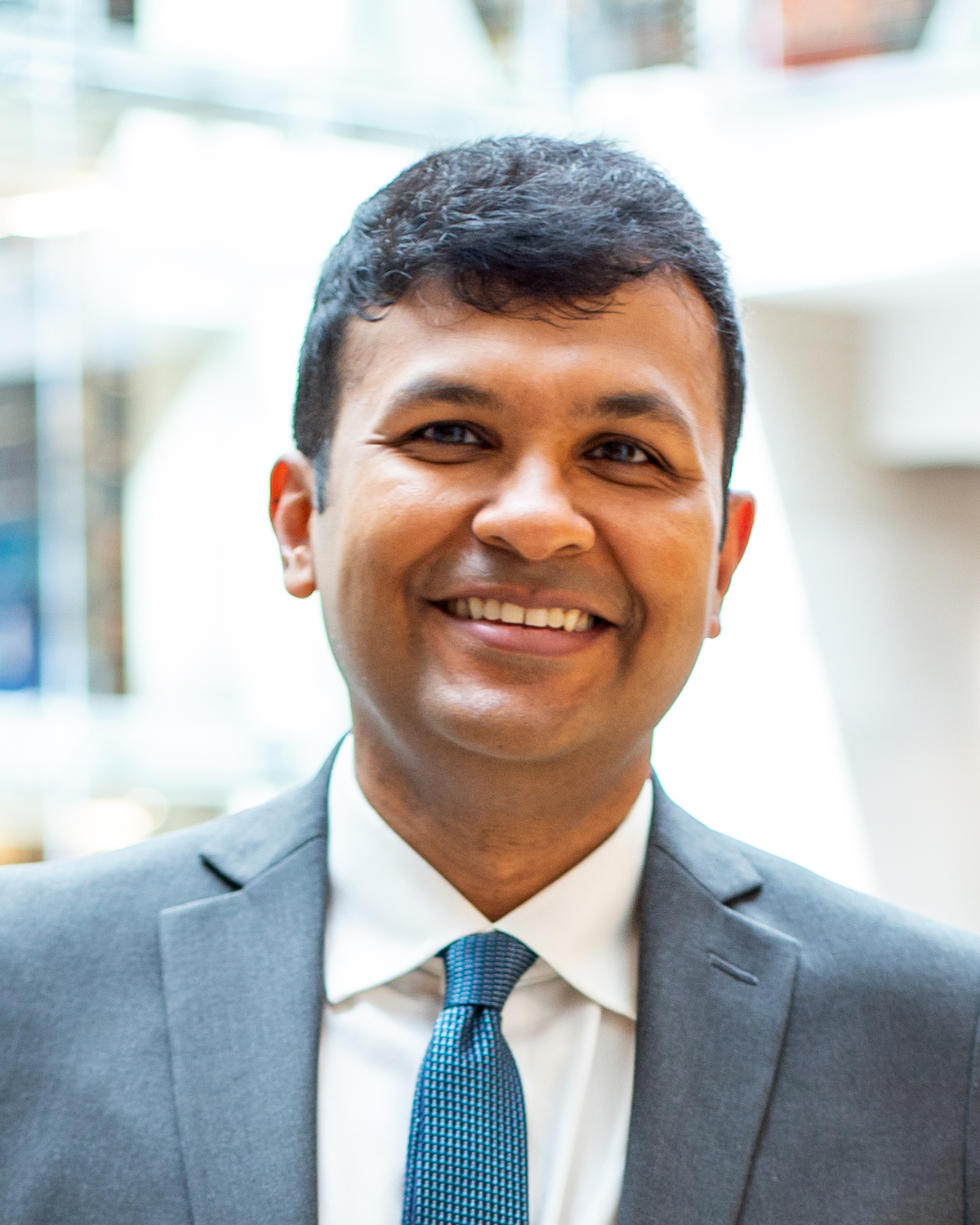
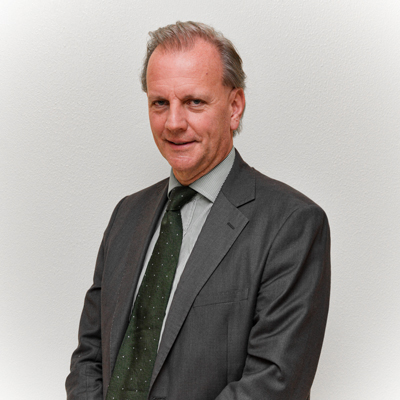
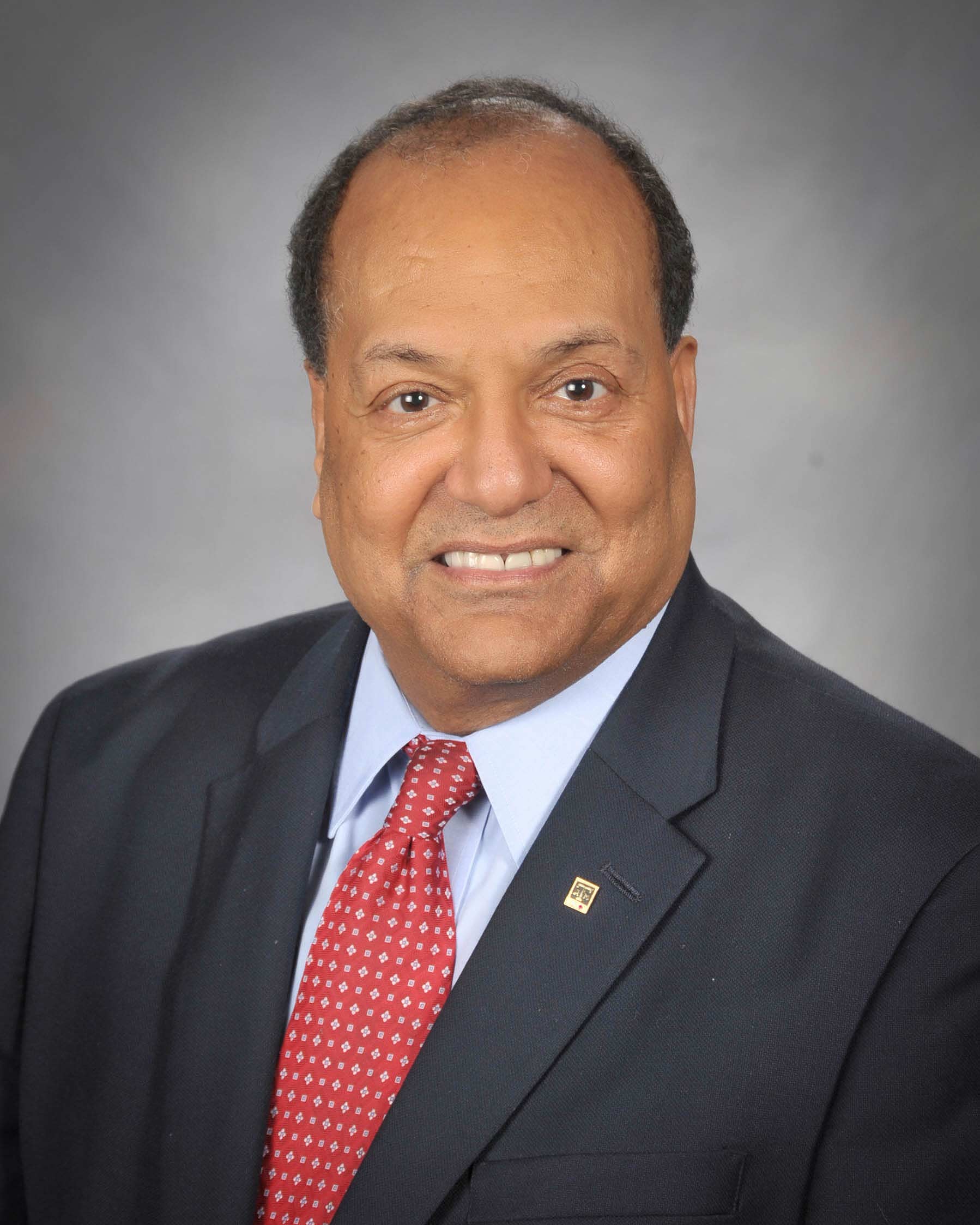
Prof. P. (Paris) Avgeriou is a full professor of Software Engineering at the Faculty of Science and Engineering , University of Groningen (RUG). His research focuses on software architecture , technical debt management , and self-adaptive systems through empirical studies and industrial collaborations. His work explores architectural decision-making using financial investment models, machine learning for debt detection, and dependency analysis in software systems. Recent projects include SDK4ED for energy-efficient embedded systems and DebtViz for debt visualization. Key article trends include technical debt lifecycle analysis (2023-2025), self-adaptive systems (2025), and modular architecture challenges (2024). Keywords span Computer Science , Machine Learning , and Software Systems . As an ancillary academic activity , he serves as editor for the Journal of Systems and Software (Elsevier). His collaborations extend to institutions in the Netherlands, Brazil, and Italy, with research outputs appearing in IEEE and ACM venues.
Dr. Wai Kiong Oswald Chong is an Associate Professor at Arizona State University's School of Sustainable Engineering and the Built Environment, with a dual affiliation as Senior Global Futures Scientist at the Global Futures Scientists and Scholars program. He holds a PhD in Civil Engineering from the University of Texas-Austin, MSc and BSc in Building from the National University of Singapore, and focuses on integrating artificial intelligence with sustainable engineering systems. PhD (2005): Civil Engineering, University of Texas-Austin MSc (1999) & BSc (1997): National University of Singapore His research bridges lunar construction with Earth-bound sustainable systems, covering topics like: Space habitat modularization Resource circularity systems AI-enhanced building codes Climate-resilient infrastructure Advanced energy modeling Construction supply chain optimization Publications demonstrate consistent focus on: Semiconductor facility HVAC optimization Building energy consumption anomalies Life cycle assessment frameworks Construction risk management Deconstruction and material reuse AI-driven system modeling Current research projects include: Lunar MVI (Moon Village Initiative) Semiconductor fab design optimization Human-AI knowledge interfaces Thermal insulation systems for extreme environments Smart grid energy modeling
Arnab Nandi is a Professor in the Department of Computer Science & Engineering at The Ohio State University. His work bridges human interaction with data infrastructure, focusing on database systems, LLM-augmented analytics, and immersive query interfaces. Education: PhD in Computer Science & Engineering from the University of Michigan Leadership: Co-founder of OHI/O Hackathon Program and STEAM Factory interdisciplinary network Research spans human-in-the-loop data analytics , vibe querying (natural language + gestural interfaces), LLM integration into education, and climate response systems . Key projects include Omni (multimodal exploration), GestureDB , and Icarus (clinical pipelines). Recent publications analyze LLM-driven query stacks (HILDA 2025), video analytics (SIGMOD 2022), and data sunglasses for cognitive limits (HILDA 2025). Awards include NSF CAREER Google Faculty Research Award IEEE TCDE Early Career Award ACM Distinguished Member Advises students in database innovation , with alumni at Amazon, AWS, Roblox, and Meta. Teaches CSE 3241 (Database Systems), CSE 5889 (Software Startups), and CSE 5242 (Advanced Databases).
Prof. Dr. Ralf Plattfaut is a Professor for Information Systems and Transformation Management at the University of Duisburg-Essen since 2023. He heads the Process Innovation & Automation Lab , focusing on digital transformation, business process management, and robotic process automation (RPA). Prior to this, he was Professor for Business Informatics at the South Westphalia University of Applied Sciences (2019–2023), and a management consultant at McKinsey & Company (2013–2019). Current Role: Professor (since 2023) Lab Leadership: Process Innovation & Automation Lab Consulting: Management consultant and keynote speaker Research Interests span digital transformation, IT governance, RPA adoption, and postcolonial perspectives in information systems. His work addresses organizational challenges in process automation, agile methodologies, and human-AI collaboration. Recent Publications (2024–2025) examine paradoxes in agile transformations, postcolonial IT governance in NGOs, AI adoption in healthcare, and behavioral barriers like status quo bias. These studies often employ computational grounded theory and cross-organizational case analyses. Scientific Recognition includes multiple Best Paper and Best Conference Paper nominations at ICIS, HICSS, and IFIP E-Government Conferences, as well as recognition by Wirtschaftswoche as a top German-speaking management researcher under 40.
Anna Jon-And is a Researcher and Director of the Center for Cultural Evolution at Stockholm University , affiliated with the Department of Psychology . Her interdisciplinary work bridges linguistics , cognitive science , and cultural evolution , focusing on how sequence representation , language contact , and computational models explain the emergence of human language and its unique properties. Research Interests include: Language evolution through sequence learning and cognitive constraints Contact-induced language change in Portuguese varieties (Angola, Mozambique, Afro-Brazilian communities) Computational modeling of grammatical structure emergence Comparative analysis of pidgins, creoles, and non-contact languages Neurocognitive prerequisites for language and cultural complexity Publications highlight trends in language evolution models , compositional systems , and cross-linguistic complexity cycles . Her work demonstrates how demographic factors and learnability pressures drive linguistic innovation in multilingual settings. The Center for Cultural Evolution at Stockholm University serves as the primary platform for her interdisciplinary research initiatives.
Alberto Gambino serves as Full Professor of Private Law (IUS/01) and Deputy Vice-Rector at the European University of Rome. He holds multiple prestigious positions including Commissioner of the European Commission against Racism and Intolerance (ECRI) of the Council of Europe in Strasbourg, Member of the National Bioethics Committee, and Judge of the Patent and Trademark Appeals Commission at the Ministry of Enterprise and Made in Italy (MIMIT). Additionally, he is President of the Science & Life Study Center, CEI, and the Italian Academy of the Internet Code (IAIC). As a civil cassation lawyer, he owns the Gambino law firm and participates in managing research organizations and implementing national and international research projects. Professor Gambino's research spans numerous legal domains with particular emphasis on Civil Law, Corporate Law, Mergers and Acquisitions, Corporate Governance, and Intellectual Property. His work bridges traditional legal frameworks with emerging digital and technological challenges, particularly in the areas of bioethics, data protection, and internet governance. He has made significant contributions to understanding the intersection of law with information technology, media, telecommunications, and consumer protection in both national and European contexts. His scholarly output reveals a consistent focus on evolving legal challenges in the digital age, with recent publications examining antitrust issues in digital markets, sports governance, intellectual property in AI systems, and data protection frameworks. His work demonstrates a sophisticated understanding of how traditional legal principles must adapt to contemporary technological and social realities while maintaining core legal values. Commissioner of the European Commission against Racism and Intolerance (ECRI) of the Council of Europe Member of the National Bioethics Committee Judge of the Patent and Trademark Appeals Commission at MIMIT President of the Science & Life Study Center President of CEI President of the Italian Academy of the Internet Code (IAIC) Professor Gambino actively contributes to legal practice through his law firm while maintaining a robust academic profile. His editorial work with prestigious scientific journals and involvement in national and international research projects demonstrate his commitment to advancing legal scholarship. His expertise in both theoretical and applied law positions him as a key figure in shaping contemporary legal discourse, particularly in the intersection of traditional legal frameworks with emerging digital challenges.
Prof. Dr.-Ing. Richard Membarth is a Research Professor for System-on-a-Chip and AI at the Edge Computing at Technische Hochschule Ingolstadt (THI). He is affiliated with the Hardware-Software Co-Design group and holds a secondary position at the German Research Center for Artificial Intelligence (DFKI) Saarbrücken. Co-creator of DSL frameworks like AnyDSL and Hipacc Key contributor to MetaDL (AI metaprogramming) and PRIME (predictive rendering) His research bridges GPU computing , domain-specific languages , and compiler technology , with recent work on Vulkan SPIR-V compilation and device-driven SpMV algorithms . Notable awards include the HiPEAC Paper Award (2018) and multiple Best Paper Awards for his compiler frameworks.
Fengqing Maggie Zhu is an Associate Professor at the Elmore Family School of Electrical and Computer Engineering within Purdue University , West Lafayette campus. Her research spans image processing , video compression , computer vision , and smart health , with notable contributions to learned image compression , 3D reconstruction , and nutrition analysis via computer vision . Educational background: BS in Electrical Engineering, Purdue University (2004) MS in Electrical and Computer Engineering, Purdue University (2006) PhD in Electrical and Computer Engineering, Purdue University (2011) Her work focuses on developing machine learning-based compression techniques for 2D/3D images and videos, with applications in food portion estimation , wearable dietary monitoring , and virtual reality facial expression tracking . She explores structured pruning , mixed precision quantization , and continual learning to create efficient, robust systems for edge-cloud collaboration. The 2025-2024 article collection reveals concentrated efforts in learned image compression (with 8 papers on quantization, pruning, hierarchical VAEs), food-related computer vision (12+ papers on portion estimation, databases, classification), and 3D reconstruction (MetaFood3D dataset, ICP-3DGS algorithm). Emerging themes include privacy-preserving AI for wearable cameras and class-incremental learning frameworks. Contact: zhu0@purdue.edu
Justin Harvey is a Lecturer at the University of Technology Sydney (UTS) within the Faculty of Design, Architecture and Building, specializing in Media Arts and Production. He is an active member of the Creative Practice Research Group and serves on the Faculty Board and Faculty Research Committee. Harvey holds a PhD in Media Art & Design from the University of New South Wales and a Bachelor of Arts in Communication (Media Arts & Production) with First Class Honors from UTS. Harvey's research interests focus on creative uses of generative Artificial Intelligence, experimental approaches to media art making, and creative practice led research. His artistic practice spans moving image, installation, and virtual reality experiences, with a particular fascination for human-machine interaction and the creative potentials of digital technologies. He explores glitch aesthetics, digital video feedback, and imagery generated using diffusion models, often collaborating with AI systems in unexpected ways. Harvey has exhibited his work internationally at venues including VIVID Sydney, ISEA (International Symposium on Electronic Art) in Vancouver, Hong Kong, and South Korea. His 2023 collaboration with generative AI, Unprompted Studies 1-3 , was a finalist in the Fisher's Ghost Art Award. In 2024, he was selected as a Scholar in the Sydney Powerhouse Museum's Research Scholars Program for the "Knit Forward" project, which reimagines historical garments using generative AI and seamless knitwear technology. His research on creative applications of GenAI directly informs his teaching in Experimental Media and Creative Project Development. Harvey has extensive studio-based teaching experience since 2010, covering subjects such as Situated Media Installation Studio, Drama Production, and Experimental Media. Fisher's Ghost Art Award (2023 finalist) Powerhouse Museum Scholars Program funding (2024) UTS ECR Capability Development Initiative funding (2024) FASS ECR Funding (2024) Harvey supervises PhD and Masters of Research students in creative practice research and has mentored hundreds of students through capstone projects in drama, documentary, animation, and media arts installation. His current research projects include collaborations with Dr. Doris Li on reimagining historical garments using AI, and exploring the intersection of Surrealist techniques with generative AI in works like Oneironaut , exhibited at VIVID Sydney 2025.
Maissam Barkeshli is an Associate Professor in the Department of Physics at the University of Maryland, where he joined as an Assistant Professor in August 2016 and was subsequently promoted. He is also a Fellow at the Joint Quantum Institute (JQI) and affiliated with the Condensed Matter Theory Center. His work bridges theoretical physics and quantum information science, with significant contributions to topological phases of matter and quantum computing. Education: PhD in Physics, Massachusetts Institute of Technology (2010) BS in Electrical Engineering and Computer Science, University of California, Berkeley BA in Physics, University of California, Berkeley Barkeshli's research focuses on the intersection of condensed matter physics, quantum field theory, and quantum information science. He investigates complex many-body phenomena, particularly topological phases of matter, quantum entanglement, and their applications to quantum computing. More recently, he has expanded his research to include the science of deep learning, exploring fundamental principles underlying modern AI models. His work often reveals unexpected connections between seemingly disparate areas of physics and mathematics, particularly in how topological properties manifest in quantum systems. Scientific Awards: Alfred P. Sloan Research Fellowship (2018) National Science Foundation CAREER Award Barkeshli leads the Barkeshli Research Group at UMD, mentoring several graduate students including Chris Fechisin, Anh La, Ali Lavasani, and Naren Manjunath. His research has been supported by significant grants, including the NSF CAREER award, enabling exploration of quantum phases of matter and their potential applications in quantum information processing. His collaborative approach is evident in numerous co-authored publications with researchers across multiple institutions. As part of the Joint Quantum Institute, Barkeshli contributes to one of the world's leading centers for quantum information science. His research group actively explores theoretical aspects of quantum computing, topological phases, and quantum entanglement, positioning them at the forefront of theoretical quantum science. Recent work has examined how crystal imperfections can reveal new topological phases of matter and how quantum computers might implement error-resistant operations through innovative approaches to quantum gates.
Dr. Yassin A. Hassan is a Professor at the College of Engineering , Texas A&M University , with joint appointments in Nuclear Engineering and Mechanical Engineering . He holds the L.F. Peterson '36 Chair II , is a University Distinguished Professor , and directs the Center for Advanced Small Modular and Microreactors (CASMR) . Ph.D., Nuclear Engineering, University of Illinois – 1980 M.S., Nuclear Engineering, University of Illinois – 1975 B.S., Engineering, University of Alexandria in Egypt – 1968 His research interests include: Computational & Experimental Thermal Hydraulics Reactor Safety Fluid Mechanics Two-Phase Flow Turbulence & Laser Velocimetry Imaging Techniques His recent publications focus on: Thermal hydraulics of heat pipes and microreactors AI integration in nuclear thermal-fluid systems Flow regime transitions in wire-wrapped fuel assemblies CFD validation for pebble bed and molten salt reactors Uncertainty quantification in reactor simulations Flow visualization techniques under elevated pressures Scientific awards include: American Nuclear Society Seaborg Medal (2008) James N. Landis Medal (ASME, 2017) Akiyama Medal (ICONE 24, 2016) Arthur Holly Compton Award (ANS, 2003) Texas A&M TEES Research Impact Award (2018-2019) Honorary professor, Bangor University, UK Dr. Hassan leads the Thermal-Hydraulics Research Laboratory and has pioneered advancements in reactor safety, digital twin technologies, and AI-driven thermal-fluid simulations.
Lars Grunske is a Professor at the Department of Computer Science, Faculty of Mathematics and Natural Sciences, Humboldt University of Berlin. His research focuses on software and systems engineering, safety-critical systems, and software evolution. Department: Computer Science University: Humboldt University of Berlin Academic Rank: Professor His work spans automated software analysis, probabilistic model checking, and formal methods for complex systems. Key collaborations include researchers from Swinburne University, University of Hull, and University of Queensland. Recent publications address research software engineering, program repair, and explainability in cyberphysical systems. Professional roles include leadership in examination boards and program committees for conferences like ICSE and ASE. Contact info: Email: grunskel@hu-berlin.de Phone: +49 30 2093-41142 Address: Unter den Linden 6, Berlin
Emmanouil Vasilomanolakis is an Associate Professor in the Department of Applied Mathematics and Computer Science at the Technical University of Denmark (DTU). He specializes in Cybersecurity Engineering, focusing on areas such as honeypot technology, cyber deception, IoT/OT security, and network security. His research contributes to the UN Sustainable Development Goals related to innovation and infrastructure. His research interests include: Cyber deception techniques and honeypot design for detecting and mitigating cyber attacks Security of Internet of Things (IoT) and Operational Technology (OT) devices, particularly their exposure to cyber threats Analysis of botnets and cybercrime activities on darkweb markets Social engineering attacks and human aspects of cybersecurity Development of tools for vulnerability analysis and network traffic monitoring His recent publications explore advanced cyber-deception strategies, the security of exposed IoT/OT devices, and the analysis of cybercrime activities. Key areas include device identification, vulnerability detection in industrial systems, and the impact of social engineering in cybersecurity. He currently supervises several PhD students including Kasper Elzer, António Cordeiro Urbano, Aigerim Safargalieva, Davide Maddaloni, and collaborates on projects like "Advanced cyber-deception techniques" and "Defending legacy and modern networks with cyber-deception". His research is supported by grants focused on collaborative security and deception-based defenses. He is part of research teams developing honeypot technologies and cyber deception frameworks, contributing to datasets like the hybrid IoT/OT honeypot collection.
Dr. Irene Fubara-Manuel is an Associate Professor in Digital Media Practice at the University of Sussex's School of Media, Arts and Humanities. Their work bridges media art, animation, game design, and critical theory, focusing on race, migration, surveillance, and queer futurities. They hold a PhD from Sussex (2016-2019) and a PgCert in Higher Education (2020-2022). Their research interrogates biometric surveillance systems, digital colonialism, and intersectional feminist praxis in technology. Key research areas include: Algorithmic governance of migration Data colonialism and global south perspectives Feminist digital infrastructures Queer media representation Intersectional methodologies in digital humanities Recent projects include the AHRC-funded Full Stack Feminism initiative (2021-2024), exploring anti-racist feminist tech ecosystems. Their creative practice spans installations addressing border control algorithms and queer digital futurisms. Notable works include the Full Stack Feminism Archive and Manifestations exhibition. Awards include the JUST AI Fellowship (2020). Teaching focuses on critical media production and digital culture. Their publications span peer-reviewed journals, edited collections, and creative-critical exhibitions, demonstrating a commitment to interdisciplinary praxis.
Rohan Alexander is an Assistant Professor jointly appointed in the Faculty of Information and the Department of Statistical Sciences at the University of Toronto. His research focuses on improving the trustworthiness of data science through rigorous workflows, including reproducibility and bias mitigation. He co-founded The Data Workshop, a platform for data science best practices, and authored Telling Stories With Data , a book emphasizing reproducible methods. Rohan holds a PhD in Economics from the Australian National University, specializing in economic history. Rohan’s academic roles include Assistant Director of CANSSI Ontario and Senior Fellow at Massey College. His teaching includes courses like Experimental Design for Data Science and Worlds Become Data . He actively contributes to interdisciplinary initiatives like the Schwartz Reisman Institute for Technology and Society. His research interests span quantitative social science, Bayesian methods, text analysis, and computational reproducibility. He emphasizes code transparency and testing in data science projects. Rohan’s work addresses challenges in data measurement, such as systematic missingness, and explores AI’s societal impacts through collaborative projects with academia and industry. Rohan is affiliated with the Data Sciences Institute and leads initiatives on reproducibility. His current supervision includes PhD student Ciara Zogheib. His institutional roles extend to strategic projects like the Climate Positive Energy initiative and School of Cities.