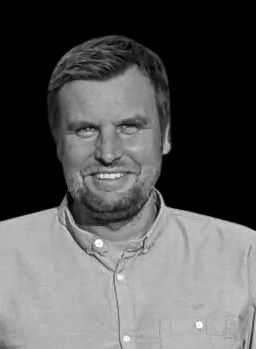
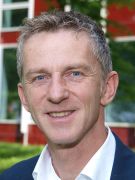
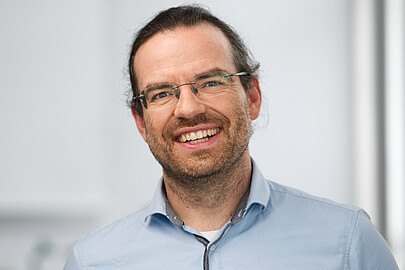
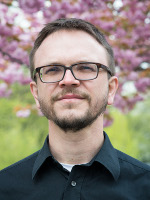
Yi-Jia Zhang is a Professor at the School of Computer Science and Technology, Dalian University of Technology. They hold affiliations with multiple institutions, including Zhejiang Sci-Tech University and Jilin University. Their research focuses on biomedical informatics, machine learning, and healthcare applications, with significant contributions to medical knowledge fusion, drug recommendation systems, and multimodal analysis. Over 140 publications since 2011 reflect expertise in areas like graph neural networks, natural language processing, and medical image analysis. Key collaborations include work with Hongfei Lin, Mingyu Lu, and Jian Wang on projects such as drug-repositioning models and radiology report generation frameworks. A notable emphasis is placed on applying AI techniques to solve biomedical challenges, including ICD code classification and sentiment analysis in healthcare contexts. No formal awards are listed, but their extensive publication record underscores academic impact.
Prof. Dr.-Ing. André van Hoorn was a distinguished academic at the University of Hamburg , leading the Software Development and Construction Methods group in the Department of Computer Science since 2023. His research focused on quantitative analysis of performance and quality attributes in complex distributed systems, contributing significantly to software engineering and architecture communities. He held leadership roles in SPEC Research and organized ICPE and ECSA conferences. Education and Career: He previously worked at Oldenburg, Kiel, and Stuttgart universities. His academic rank was Professor, reflecting his expertise and leadership in software systems research. Research Interests: His work emphasized resilience engineering, microservices, cloud computing, and performance optimization. He developed tools like Kieker for performance monitoring and frameworks like Radon for serverless computing analysis. Teaching and Outreach: He actively mentored students and pioneered the SeaSchool project to introduce students to non-programming aspects of computer science. His pedagogical innovations included tablet-based e-exams in large courses. Legacy: His contributions span academic leadership, impactful research, and community engagement. Condolence books are available at the University of Hamburg’s Department of Computer Science, and a fundraising campaign supports his family.
Prof. Dr. Jens Siemon is a Professor of Educational Science at the University of Hamburg, specializing in Vocational Education and Media Professions. He holds a W3 professorship in the Department of Vocational Education and Lifelong Learning (EW 3) within the Faculty of Education. His academic journey includes a dual vocational training as a data processing clerk, studies in Business Education at Georg-August-Universität Göttingen (Dr. rer. pol., 2002), and international research collaborations in Spain and Australia. He has served as junior professor and later full professor since 2009. Research focuses include video-based learning analysis, game-based learning, computational thinking in education, and vocational training in the knowledge society. Key projects include the VIRTOOL project on virtual simulation tools and the Modellunternehmen A & S GmbH. He co-leads the EU-funded 'Professional teachers’ actions to promote subject-based learning' (ProfaLe) project and has secured over €6 million in third-party funding. Publications emphasize educational technology, video analysis methodologies, and teacher training. His work on automated classroom behavior analysis involves collaborations with Macquarie University and Fudan University. He supervises doctoral candidates like Anja Augsdörfer (2019) and Katharina Baumann (2015). The Videolabor at Hamburg provides technical support for student research in video analysis. Teaching contributions include courses on vocational informatics and media training. Recognized for integrating digital tools into education, he advocates for teacher competencies in the knowledge society. His research spans over 27 publications, emphasizing innovative pedagogical practices and evidence-based educational strategies.
Di Zhang is affiliated with Guangdong Medical College's School of Information Engineering and holds a PhD in Synthetic Aperture Radar Image Interpretation from the University of Hamburg (2022). Their research focuses on interdisciplinary fields such as deep learning, remote sensing, optimization algorithms, and their applications in medical imaging, environmental science, and education technology. They have published extensively in top-tier journals like IEEE Access, IEEE Transactions on Pattern Analysis and Machine Intelligence, and Remote Sensing. Key affiliations: University of Hamburg (PhD), Guangdong Medical College, and others listed in disambiguation entries. Research interests include AI-driven medical diagnostics, SAR image analysis, IoT data management, and educational assessment systems. Recent work emphasizes deep learning frameworks for image processing, algorithm optimization, and multimodal data fusion. Publications span diverse topics such as migraine diagnosis via radiomics, social support in online learning, and robust visual SLAM systems. Their work bridges theoretical advancements with practical applications in healthcare, robotics, and environmental monitoring.
Prof. Dr. Andreas Nehring is a Professor for Science Education (Chemistry focus) at Leibniz University Hannover. He holds roles in the Executive Board of the Institute of Science Education and chairs the Department of Chemistry Education. His work bridges chemistry didactics, inclusive education, and AI-driven learning innovations. Education: PhD in Natural Sciences (2015), Humboldt University Berlin Studies in French and Chemistry (2003–2009), Humboldt and Technical Universities Berlin Research Focus: Inclusive teaching through multiprofessional collaboration Artificial intelligence in STEM education Scientific reasoning competencies Universal Design for Learning (UDL) implementation Video-based teacher training Publications & Projects: Leads initiatives like VirtU-net Chemistry (virtual classroom observations) Conducts studies on instructional quality and AI-based analytics Explores climate literacy and social media misinformation Grants & Collaborations: BMBF-funded projects on inclusive learning units Industry partnerships (e.g., Chemical Industry Fund) International collaborations with US and Swiss institutions Labs/Teams: Core member of the Institute for Science Education's Chemistry Education Section, leading interdisciplinary research groups.
Sebastian Wilczek is a researcher at Technische Hochschule Georg Agricola (THGA) in Bochum and works part-time at enaDyne GmbH in Leipzig. He completed his PhD in plasma technology at Ruhr University Bochum and serves as a visiting researcher there, teaching Numerical Methods in Electrodynamics . His academic work spans research and teaching in plasma modeling, CO₂ conversion, and simulation techniques. Research Focus: Wilczek’s research centers on plasma technology , particularly radio-frequency (RF) plasma systems , with emphasis on non-thermal plasma catalysis for greenhouse gas conversion . His work includes detailed studies of electron dynamics in low-pressure capacitively coupled plasmas (CCPs), sheath behavior , and ionization mechanisms using advanced simulation tools like PIC/MCC and nonPDPSIM . Publications & Conferences: Wilczek has contributed to multiple peer-reviewed conference papers and simulations on topics such as CO₂ dissociation , electron temperature dynamics , and waveform tailoring for plasma optimization. His recent work compares microwave plasma torches with other sources for carbon recycling and investigates non-neutral discharge regimes at atmospheric pressure. Simulation Tools: He co-developed eduPIC , an educational PIC/MCC code for plasma simulation , available in multiple programming languages including Rust and C/C++. This tool is designed to help students and researchers understand and extend particle-in-cell methods for their own applications.
April Yi Wang is a tenure-track Assistant Professor at the Department of Computer Science, ETH Zürich, leading the PEACH Lab. She holds core faculty roles at the Institute for Intelligent Interactive Systems and the ETH AI Center. Her research focuses on human-centered approaches in programming, education technology, and data science collaboration. She earned her PhD from the University of Michigan (2023) and MSc from Simon Fraser University (2018), advised by Steve Oney and Christopher Brooks. Education: PhD in Information Science, University of Michigan (2018–2023) MSc in Computer Science, Simon Fraser University (2016–2018) B.Eng in Computer Science, Zhejiang University (2013–2016) Research Interests: Human-Computer Interaction (HCI) Programming Support Systems Collaborative Data Science AI-Enhanced Education Literate Programming Accessibility in Technology Recent Work Trends: Her 2025 publications emphasize AI-driven educational tools (e.g., Math2Visual for math pedagogy, datAR for data literacy), emotion-aware moderation systems, and studies on workplace multitasking. Her work bridges HCI with computational education, focusing on intuitive programming interfaces and inclusive design. Awards: Gary M. Olson Award (2023), ACM CHI Honorable Mentions (2023/2020/2018), Rising Stars in EECS (2022). Grants: Innovedum funding for Coducate project (2025). Lab Focus: Designing expressive systems for programming and data literacy through visual/tangible interfaces, AI co-decomposition tools, and interdisciplinary metaphors. Teaching: Courses on Human-Computer Interaction, Educational Technology, and Mixed Reality at ETH Zürich.
Prof. Dr. Didier Stricker is a distinguished Professor of Computer Science at Rhineland-Palatinate University of Technology Kaiserslautern-Landau (RPTU) and serves as Scientific Director and Head of the Augmented Reality Research Department at the German Research Center for Artificial Intelligence (DFKI) in Kaiserslautern. He leads the Augmented Vision Group, which comprises approximately 30 researchers working across various domains of computer vision and augmented reality. His work bridges academic research with industrial applications through collaborations with major companies including Sony, Google, and John Deere. His educational background includes electrical engineering studies at the Polytechnic Institute of Grenoble and the Technical University of Karlsruhe. He earned his doctorate from the Technical University of Darmstadt in 2002 with a dissertation on "Computer Vision-Based Calibration and Tracking Methods for Augmented Reality Applications." Prof. Stricker's research spans virtual and augmented reality, computer vision, human-computer interaction, cognitive interfaces, and on-body sensor networks. His work focuses on developing practical applications that enhance human capabilities through advanced visual computing technologies. He has pioneered approaches in video and sensor analytics, particularly in creating cognitive interfaces that respond intelligently to user needs and environmental contexts. His recent publications reveal a strong emphasis on 3D scene understanding, real-time processing for augmented reality applications, and the integration of large language models with spatial reasoning capabilities. There's a clear trend toward more sophisticated multimodal approaches that combine vision, language, and spatial understanding to create more natural and intuitive human-computer interactions. Among his notable achievements: Innovation Prize of the German Society of Computer Science (2006) Organized the first IEEE & ACM International Symposium on Mixed and Augmented Reality (ISMAR) in 2002 Member of the ISMAR steering committee from 2000-2007 Multiple best paper and demonstration awards at major conferences Several registered patents in tracking and augmented reality technologies Prof. Stricker has supervised numerous PhD and Master's students through his leadership of the Augmented Vision Group. His research is supported by significant funding from both European and national research organizations, as well as through industrial partnerships. He serves as an expert reviewer for various research funding bodies and contributes to the academic community through editorial roles for journals and conferences in VR/AR and computer vision. The Augmented Vision Group under his direction maintains strong connections with industry partners and participates in numerous collaborative research projects including LUMINOUS, SHARESPACE, I-Nergy, BIONIC, and VIDETE. These projects span applications in language-augmented XR systems, social experiences in hybrid spaces, AI for energy systems, personalized body sensor networks, and 4D scene analysis.
Tatjana Tchumatchenko is a Group Leader at the Max Planck Institute for Brain Research in Frankfurt and affiliated with the University of Bonn Medical Center. She leads the Theory of Neural Dynamics group, focusing on computational models of neural coding, synaptic plasticity, and dendritic computation. Her work integrates mathematics, physics, and computer science to understand how neurons and networks process information. Institution: Max Planck Institute for Brain Research, Frankfurt Secondary Affiliation: University of Bonn Medical Center Group: Theory of Neural Dynamics Research Focus: Computational Neuroscience, Neural Coding, Synaptic and Dendritic Dynamics Her research spans from molecular-level processes like mRNA and protein distribution in dendrites to network-level phenomena such as information transmission, oscillations, and learning. She develops theoretical models and computational tools to analyze neural data and predict novel effects testable by experiments. Her interdisciplinary approach bridges theoretical neuroscience with experimental biology, often in close collaboration with experimental groups worldwide. The 15 most recent publications highlight a strong trend toward integrating molecular, structural, and functional aspects of synaptic and dendritic computation. Key themes include competitive synaptic plasticity, energy constraints on molecular localization, astrocyte involvement in learning, and the development of novel analytical methods for imaging and electrophysiology data. Her work increasingly connects computational principles with biological realism, influencing both neuroscience and artificial intelligence. Heinz Maier-Leibnitz-Prize (2016) ERC Starting Grant (2020) Boehringer Ingelheim FENS Research Award (2022) Young Academy of Europe Fellow (2019) Focus Magazine: 25 Young Innovators Shaping Germany’s Future (2017) Tchumatchenko has mentored over thirty students and postdocs, many of whom have received prestigious fellowships. Her research is supported by the Max Planck Society, DFG, and Hessian funding agencies. She actively contributes to the neuroscience community through organizing workshops, serving on program committees (Bernstein Conference, CNS, FENS), and promoting women in science. She currently chairs the Bonn Center for Neuroscience and co-organizes international workshops on dendritic computation and synaptic plasticity. Her lab operates at the intersection of theoretical modeling and experimental collaboration, with members shared across scientific groups. She emphasizes training the next generation of computational neuroscientists and fostering interdisciplinary dialogue.
Dr. Matthias Bernt is a Researcher in the Bioinformatics Service group at the Helmholtz Centre for Environmental Research - UFZ since 2017. He previously held academic positions at the University of Leipzig, including Assistant Professor (2010-2015) and Research Associate roles (2008-2010, 2004-2005). His research spans Computational Biology , Environmental Genomics , and Mitochondrial Genome Analysis , with a focus on algorithm development and data reproducibility. Ph.D. (2010) in Computer Science, University of Leipzig M.Sc. (2004) in Computer Science, University of Leipzig His work includes: Computational Biology : Mitochondrial genome annotation, genome rearrangement algorithms (e.g., DeGeCI 1.1, EqualTDRL), and tRNA gene analysis. Environmental Research : FAIR data management, chemical effect prediction (deepFPlearn+), and biodiversity assessment in grassland species. Bioinformatics Tools : Contributions to the Galaxy platform (Planemo toolkit), OpenMS, and OMERO integration. His 2023-2025 publications emphasize FAIR data standards , microbial data analysis , and toxicity prediction via graph neural networks. He has no listed scientific awards and does not explicitly mention advising students, though collaborative projects imply teamwork. Key software contributions include DeGeCI and deepFPlearn+ .
Prof. Ehrhard Behrends is a Professor of Mathematics at the Department of Mathematics and Computer Science, Freie Universität Berlin. His research focuses on functional analysis, probability theory, and stochastic processes. He is also deeply involved in mathematical education and public outreach, having authored numerous popular mathematics books and articles. Key roles include leading the European Mathematical Society's Raising Public Awareness committee (2009–2015) and developing the mathematics portal mathematics-in-europe.eu . Behrends has organized major exhibitions like 'Mathematics for all the Senses' and contributed to initiatives such as the Year of Mathematics 2008. His work bridges advanced research with accessible communication, reflected in his books on Markov chains, analysis textbooks, and the Five Minutes of Mathematics column.
Elie Azar , a Professor at Carleton University's Department of Civil and Environmental Engineering , specializes in human-centered building design and urban sustainability. His work bridges occupant behavior, energy efficiency, and computational modeling. B.Eng., Polytechnique Montréal MSc. and Ph.D., University of Wisconsin-Madison Current teaching includes ACSE 3201 Introduction to Building Performance Simulation and BLDG 5103 Research Methods in Building Engineering . Previous courses span energy economics, green building design, and advanced optimization techniques. Research explores: Agent-based modeling of urban energy systems Machine learning applications in building simulation Energy equity across Canadian households Climate resilience in Gulf region construction Smart city transitions beyond technological determinism Occupant behavior integration in policy frameworks Recent publications examine the WELL Building Standard, energy storage for renewable communities, and urban form impacts on energy performance. His methodological focus combines: Surrogate modeling with physics-based simulations Cross-national behavioral datasets Techno-economic analysis of green building systems Multi-objective optimization under uncertainty Key collaborations involve Gulf region climate change initiatives and Canadian building energy codes reviews.
Dr. Enrico Schulz is a researcher and Principal Investigator at the Department of Neurology, Faculty of Medicine, Ludwig-Maximilians-Universität München (LMU Munich). He is an associate member of the Munich Center for Neurosciences (MCN) and a full member of the Graduate School of Systemic Neurosciences (GSN), reflecting his active role in Germany’s leading neuroscience research community. His research focuses on understanding the neural basis of pain perception in humans, using advanced neuroimaging (MRI) and neurophysiological (EEG) techniques. He investigates how cortical activity patterns represent individual pain experiences and how pain relief is modulated in the brain. Key areas include: Decoding individual sensitivity to pain using multivariate EEG analysis Identifying prefrontal gamma oscillations as neural correlates of tonic pain Distinguishing brain responses to pain versus touch through frequency band oscillations Exploring cognitive strategies that modulate cortical pain circuits His recent publications reveal a consistent focus on translational pain neuroscience, combining electrophysiology and brain mapping to uncover biomarkers and potential therapeutic targets. The work spans cognitive, clinical, and systems neuroscience, with strong methodological rigor in EEG signal processing and multivariate analysis. Dr. Schulz has made significant contributions to understanding how pain is encoded and modulated in the human brain. His findings have been published in high-impact journals such as Cerebral Cortex and Frontiers in Human Neuroscience . He mentors students and early-career researchers within the GSN and collaborates across disciplines in pain research. While specific grants are not listed, his work suggests involvement in funded projects related to neuroimaging and pain mechanisms. He leads a research group focused on human pain processing, likely involving both experimental design and computational modeling. His lab, accessible via https://www.pain.sc/ , appears dedicated to advancing the science of pain through empirical and analytical innovation.
Prof. Dr. Lisa Marleen Guntermann is an Assistant Professor for Civil Law and Corporate Law at Bucerius Law School since April 2023. Her work bridges traditional legal frameworks with digitalization, focusing on topics like online company formation, virtual meetings, and blockchain-based corporate registration. Education : First State Examination (2012), Second State Examination (2017), Doctorate (2015) from Heinrich Heine University Düsseldorf. Guntermann emphasizes the intersection of corporate law and digitalization, exploring how artificial intelligence and virtual decision-making tools can reshape legal practices. Her research spans legal compliance in hybrid governance and blockchain applications in corporate law. Recent publications highlight her expertise in partnership law, corporate governance, and virtual legal processes. She co-authored works on board decision-making in digital spaces and liability claims enforcement, showcasing her analytical approach to evolving legal challenges. As a first-generation academic, she values accessible education and mentorship, fostering creativity and critical thinking in students. Her prior experience at a major law firm informs her practical teaching style, focusing on structured work and audience-tailored communication.
Marko Lindner is a Professor at the Institute of Mathematics, Hamburg University of Technology (TUHH), where he holds the Chair of Applied Analysis. His research lies at the intersection of functional analysis and numerical analysis, particularly focusing on the spectral and Fredholm theory of infinite matrices and linear operators. He has led significant research projects funded by the European Union through Marie-Curie grants and has collaborated with institutions and industries including BAE Systems, UK Met Office, and Schlumberger Ltd. Hamburg University of Technology (TUHH), Institute of Mathematics Chair of Applied Analysis Email: lindner@tuhh.de Office: Room 3,094, Building E, Am Schwarzenberg-Campus 3, D-21073 Hamburg His research interests include operator theory, spectral theory, pseudospectra, finite section methods, discrete Schrödinger operators, and applications in mathematical physics and wave scattering. He investigates the stability and convergence of numerical approximation schemes for infinite-dimensional operators, with deep theoretical contributions to limit operator theory and collective compactness. The recent publications highlight a strong trend in spectral approximation of non-selfadjoint operators, particularly Schrödinger-type operators with periodic, aperiodic, and random potentials. His work combines rigorous functional analytic foundations with computational insights, often involving pseudospectra, condition number asymptotics, and subword-based approximation techniques. The integration of numerical methods with spectral theory is a consistent theme, especially in the context of wave propagation and scattering problems. Scientific awards include: Individual Marie-Curie Fellowship (EU, 2005–2007) Individual Marie-Curie Grant (EU, 2008–2011) Marko Lindner has supervised various research projects, particularly in the areas of wave scattering in unbounded domains and the spectral analysis of infinite matrices. His collaborations span applied mathematics, mathematical physics, and engineering, with funding from both public and private sectors. He is actively involved in the academic community, organizing events such as the Operator Theory Workshop and participating in SIAM & GAMM Chapter activities. He leads and contributes to research teams working on applied operator theory, with a focus on developing stable and efficient numerical methods for complex physical systems. His work bridges theoretical operator algebras and practical computational techniques.