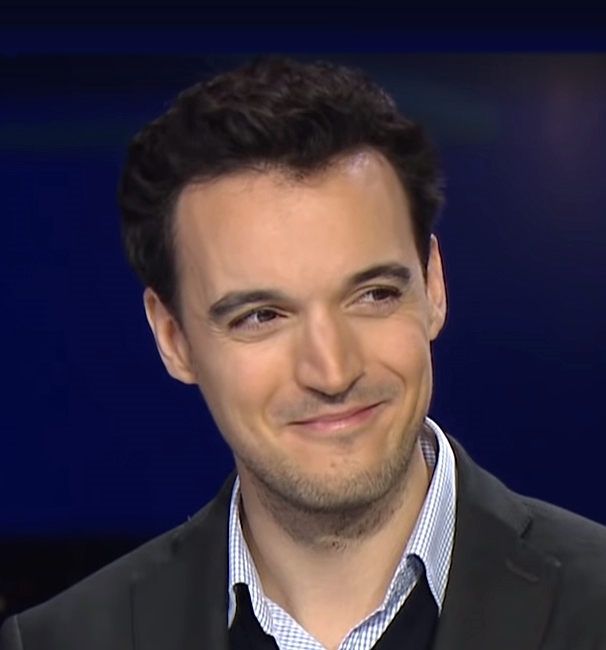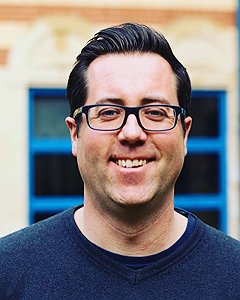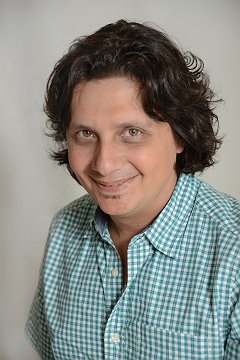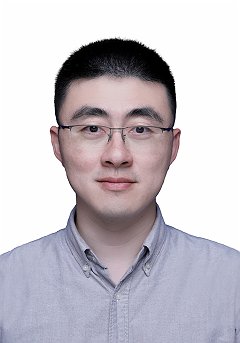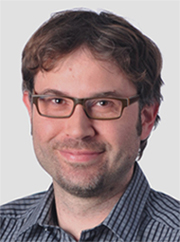
Nicolai Siegel leads the Siegel Lab at the Department of Physiological Chemistry within the Biomedical Center Munich at Ludwig Maximilian University of Munich. His research group is affiliated with both the Faculty of Veterinary Medicine and the Faculty of Medicine at LMU Munich, and is associated with the Chair of Experimental Parasitology led by Markus Meissner. The lab focuses on understanding molecular mechanisms of pathogen biology with emphasis on Trypanosoma brucei , the parasite causing African sleeping sickness. Dr. Siegel's research interests center on cell-to-cell heterogeneity in pathogen populations, particularly how differences in genome sequence, chromatin organization, and 3D genome architecture influence antigenic variation. His work explores how non-coding RNA contributes to 3D genome architecture organization and how RNA processing hotspots function as 'post-transcriptional' enhancers. The lab employs diverse methodologies including genome-wide chromosome conformation capture (Hi-C and Micro-C), RADICL-seq, ribosome profiling, ChIP-based methods, and single-cell RNA-seq to investigate these mechanisms. Analysis of recent publications reveals a strong focus on the relationship between 3D genome architecture and antigenic variation in trypanosomes, with increasing incorporation of single-cell technologies and computational approaches. The work demonstrates how chromatin organization, RNA processing, and transcription hubs collectively regulate monogenic antigen expression in these pathogens. ERC Consolidator Grant awarded to Siegel Lab (2022) DFG funding for studying antigenic variation in Uganda and Kenya Part of EU-funded Cell2Cell integrative training network focusing on cell-to-cell heterogeneity Dr. Siegel advises numerous PhD students and postdoctoral researchers, with recent lab members including Zhibek Keneskhanova, Rodrigo Cosentino, and Vanessa Luzak. His research is supported by multiple grants including ERC funding and DFG projects. The lab maintains collaborations across Europe and Africa, with field work conducted in sub-Saharan Africa to study pathogens in their natural context. The Siegel Lab maintains computational resources including genome assemblies for T. brucei and develops bioinformatics tools like Smoother for interactome data processing. The group is part of the international Cell2Cell network that brings together experts in chromatin biology, single-cell analysis, imaging, and bioinformatics from institutions across Europe, North America, and Asia.