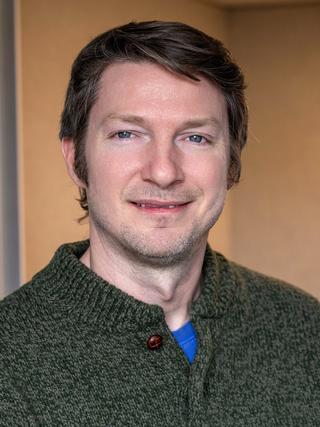
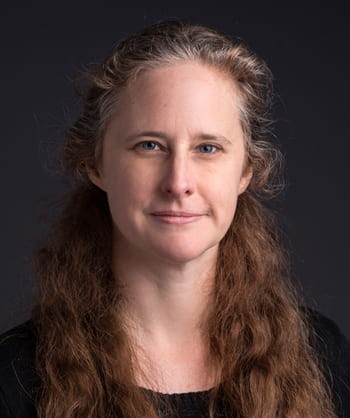
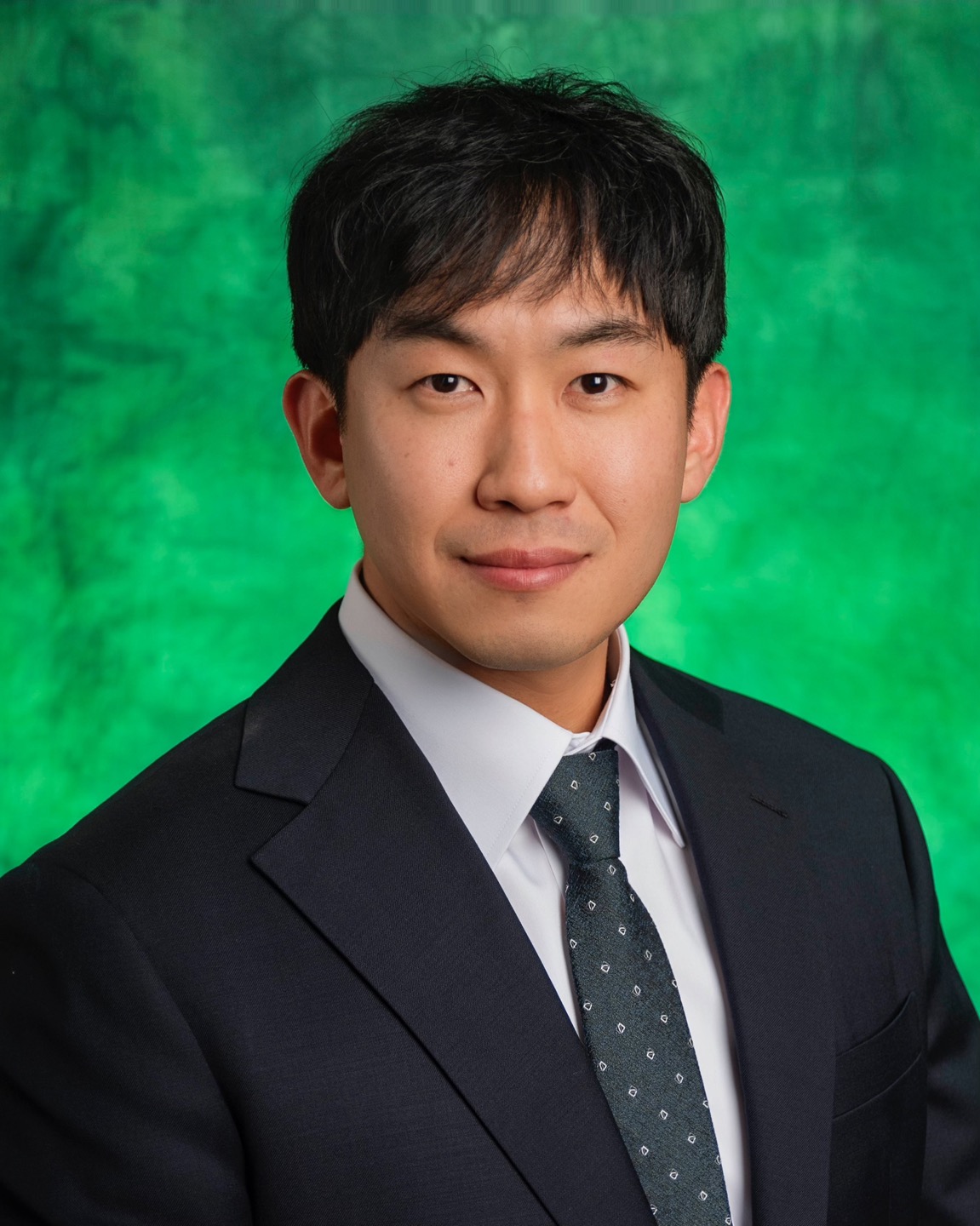
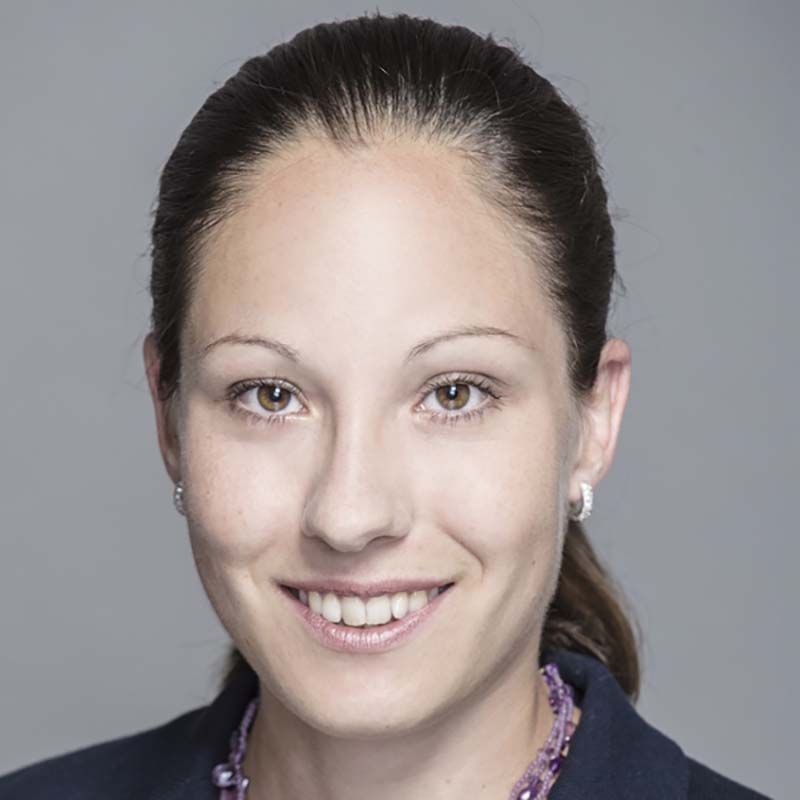
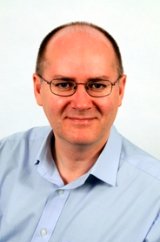
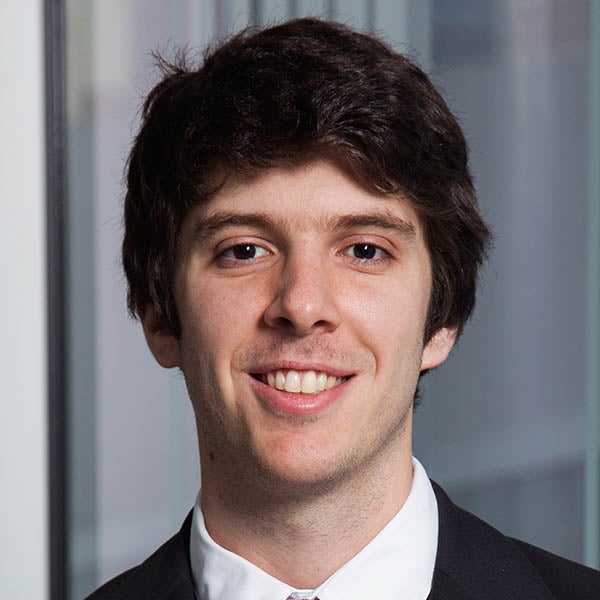
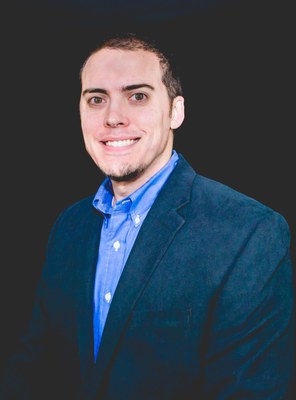
Dr. Kenneth S. Henry is an Associate Professor at the University of Rochester Medical Center (SMD) with joint appointments in the Departments of Otolaryngology, Biomedical Engineering, and Neuroscience. His research focuses on auditory neuroscience, cochlear synaptopathy, and neural mechanisms of hearing, using behavioral, neurophysiological, and histological approaches. Department of Otolaryngology Department of Biomedical Engineering Department of Neuroscience Research Interests: His lab investigates auditory nerve loss, hidden hearing loss, and neural bases of masked amplitude-modulation perception. Using avian and mammalian models, his work explores how cochlear neurodegeneration impacts behavioral and neural sensitivity to complex sounds in noise. Publications Trends: Recent research examines auditory nerve encoding, envelope processing in hearing loss, cochlear fluid dynamics, and neural mechanisms of speech-in-noise perception using avian models. Lab Members: Current researchers include graduate students Leslie Gonzales (Neuroscience) and Yingxuan Wang (Biomedical Engineering). Alumni include John Wilson (PhD student) and Steph Wong (ENT resident). Contact: Email kenneth_henry@urmc.rochester.edu or call (585) 275-4851 for collaboration/postdoc opportunities.
Emily Prud'hommeaux is an Associate Professor in the Computer Science Department at Boston College. She holds a B.A. from Harvard University, an M.A. from the University of California, Los Angeles, and a Ph.D. from Oregon Health & Science University. Her research focuses on natural language processing and speech signal processing, particularly in under-resourced and endangered language contexts, with applications to health and accessibility. Her work emphasizes community-centered approaches to language technology, including developing tools for endangered language documentation and supporting neurodiverse communication needs. She co-founded the Computational Linguistics and Speech Processing lab at RIT and leads a lab at Boston College, supported by an NSF DLI grant for corpus development in endangered languages. Recent achievements include student recognitions such as Gavin Zhang’s McCarthy Prize and Neuhauser Award, and Robbie Jimerson’s successful defense of a dissertation on Seneca language ASR. Collaborators include Dr. Eric Le Ferrand (postdoc, 2023) and former student Dr. Zoey Liu, now a faculty member at the University of Florida.
Donguk Lee is an Assistant Professor in the Department of Audiology and Speech Language Pathology at the University of North Texas. He holds a Ph.D. from the University of Tennessee Health Science Center (2023) and previously worked as an audiologist in clinical and hearing aid settings. He also served as a medic in the South Korean Navy, providing medical support in naval and land-based environments. His research focuses on preventing noise-induced hearing loss through studies of auditory efferent systems, leveraging techniques like otoacoustic emissions and auditory evoked potentials. Dr. Lee’s work addresses both clinical and environmental aspects of hearing conservation. His recent studies explore variability in medial olivocochlear reflex responses to noise exposure and the interplay between efferent unmasking and cortical processing. Earlier work assessed noise levels in stadiums, subways, and other public spaces, linking environmental noise to hearing health risks and public attitudes. He was awarded the 2022 Student Research Grant in Audiology from ASHA for his innovative contributions to hearing loss prevention. His articles span from 2014 to 2023, reflecting a trajectory from hearing aid technology development to advanced auditory physiology and environmental noise policy implications.
Jana Kainerstorfer is a Professor of Biomedical Engineering at Carnegie Mellon University (CMU), with courtesy appointments in the Neuroscience Institute and Electrical & Computer Engineering. She serves as Associate Department Head for Faculty and Graduate Affairs within the College of Engineering. Her research focuses on developing non-invasive optical imaging methods for disease detection and treatment monitoring, particularly in diffuse optical imaging. Key areas include cerebral hemodynamic monitoring in traumatic brain injury and handheld devices for breast cancer imaging. Dr. Kainerstorfer holds senior membership in the Optical Society of America and has received prestigious awards such as the NIH Trailblazer Award and AHA Scientist Development Grant. She leads the Biophotonics Lab, which bridges engineering and clinical applications, emphasizing translational research. Education: PhD from University of Vienna/NIH (2010), Postdoc at Tufts University Research Interests Her work revolves around biomedical optics , neurophotonics , and medical device innovation . Current projects include: Non-invasive cerebral hemodynamic monitoring Transabdominal fetal pulse oximetry Optical imaging in extreme environments (e.g., freediving physiology) Her lab develops tools like wearable NIRS for marine mammals and self-calibrating pulse oximetry algorithms. Research spans clinical translation and physiological mechanism discovery , with emphasis on microvascular imaging. Awards & Recognition NIH Trailblazer Award (2020) AHA Scientist Development Grant SPIE Fellow (2022) George Tallman Ladd Award (CMU) Lab & Collaborations The Biophotonics Lab collaborates with neurosurgery, oncology, and marine biology teams. Projects address clinical needs in neurocritical care and fetal monitoring, leveraging optical technologies for real-time diagnostics. Ongoing work includes: Optical assessment of cerebral metabolic rates Non-invasive intracranial pressure estimation Multi-modal EEG-NIRS fusion for neural source localization
Brian Roberts is a Professor at Aston University's School of Psychology within the College of Health and Life Sciences. His primary research focuses on auditory perception, particularly auditory scene analysis and speech perception. He holds a PhD in Experimental Psychology (Auditory Perception) from the University of Cambridge (1989) and has held academic positions at the University of Birmingham (1993-2001) and Aston University since 2005. His work explores perceptual grouping mechanisms, cochlear implant listening, and the neural bases of auditory phenomena. Affiliations: Cognition & Neuroscience Research Group (CNRG), Centre for Vision and Hearing Research Employment History: Reader at University of Birmingham (2001), Senior Lecturer (1999), Lecturer (1993) Research interests include auditory stream segregation, formant analysis, and the effects of stimulus properties on perceptual organization. He has collaborated internationally, including visiting appointments at Macquarie University (2019) and the University of British Columbia (2011). Notable achievements include being elected a Fellow of the Acoustical Society of America (2009). Recent publications investigate factors influencing stream segregation (2024), asymmetric timbre effects (2023), and lexical bias in consonant identification (2022). Current projects explore sudden changes in auditory stimuli and their impact on perceptual grouping. Grants & Funding: Extensive research grants supporting auditory perception studies (details not explicitly listed) Supervised Work: 4 documented supervisees, though names not provided Labs/Teams: Active in the Auditory Perception Laboratory at Aston University, focusing on psychophysical and computational modeling approaches.
Prof. Helen Blank is a Professor leading the Multisensory Perception Group and the Prediction in Communication Lab at the Institute for Systems Neuroscience, University Medical Center Hamburg-Eppendorf. Her work focuses on understanding how sensory information is integrated and predicted in contexts like speech perception and face recognition. She holds a Marie Curie Fellowship for her research on prior information's role in human communication. Fluent in German, English, and French, she contributes to experimental medicine and systems neuroscience. Her research spans predictive coding, neuroimaging, and clinical applications in Parkinson’s and developmental disorders. Education: Not explicitly stated in text, inferred as advanced degrees in neuroscience or related fields. Her research interests emphasize multisensory integration, predictive processing in speech and vision, and the neural bases of perception. Recent articles explore topics such as pupil responses to auditory surprise, face expectation hierarchies, and audio-visual speech processing. Awards include the Marie Curie Fellowship supporting her predictive communication work. She leads interdisciplinary teams within the Center for Experimental Medicine, advancing knowledge on perceptual mechanisms and their clinical implications.
Prof. Bernhard U. Seeber is an Extraordinary Professor at the Technical University of Munich (TUM), leading the Chair of Audio Signal Processing within the TUM School of Computation, Information and Technology. His work bridges auditory neuroscience and engineering, focusing on improving hearing aids, cochlear implants, and virtual acoustic systems. He holds affiliations with the Bernstein Center for Computational Neuroscience, Munich Institute of Biomedical Engineering, and others. Education: Studied and earned his PhD (2003) in Electrical Engineering and Information Technology at TUM. Postdoctoral research included time at UC Berkeley and the MRC Institute of Hearing Research (UK), where he pioneered studies on binaural hearing and cochlear implant optimization. Research Interests: Combines experimental and theoretical approaches to explore auditory scene analysis, binaural unmasking, and spatial hearing. Key areas include signal coding for cochlear implants, virtual acoustics, and non-destructive acoustic monitoring. His work emphasizes interdisciplinary collaboration with industry and academia. Awards: Lothar Cremer Award (2010), Emmy Noether Fellowship (2007), and recognition from the German Acoustical Society. Teaching: Offers courses on audio communication, computational neuroscience, and technical acoustics. Projects: Leads initiatives like HAPPAA and Auralization, advancing sound field synthesis and hearing aid algorithms. Current Roles: Head of Chair of Audio Signal Processing, Board Member of DEGA, and spokesperson for the ITG Technical Committee on Hearing Acoustics.
Santiago Segarra is the W. M. Rice Trustee Associate Professor in the Department of Electrical and Computer Engineering at Rice University, with courtesy appointments in Computer Science and Statistics. He joined Rice in 2018 and collaborates with Microsoft Research since 2022. His expertise spans network theory, machine learning, graph signal processing, and optimization. Segarra earned his B.Sc. in Industrial Engineering from ITBA (2011), and M.S. and Ph.D. in Electrical and Systems Engineering from the University of Pennsylvania (2014-2016), followed by a postdoc at MIT (2016-2018). Research Focus: His work integrates algebraic topology, signal processing, and machine learning to analyze networked systems. Key areas include social/technological network clustering, graph-based data analysis, and applications in neuroscience and communication networks. Recent projects address fair graph learning, distributed GNN training, and network topology inference. Awards: Penn’s Wolf Award for Best Dissertation (2017), Argentine National Engineering Honors (2011), and ITBA’s Best Thesis Award (2011). Grants/Sponsors: Supported by NSF, ONR, and industry collaborations. Labs/Groups: Leads the Rice Wireless group and collaborates with Microsoft Research on applied network science. Advises students in interdisciplinary research combining theory and real-world applications.
Dr. Ian Bruce is a Professor in the Department of Electrical and Computer Engineering at McMaster University, Hamilton, ON, Canada. He has been with the department since 2002, conducting interdisciplinary research that bridges electrical engineering with auditory neuroscience. His work has significant implications for hearing technologies and auditory rehabilitation. Education: B.E. (electrical and electronic) from The University of Melbourne (1991) Ph.D. from the Department of Otolaryngology, The University of Melbourne Dr. Bruce's research program focuses on auditory modeling, hearing aids, cochlear implants, tinnitus, neural coding of speech, and digital speech processing. His work centers on understanding the physiological mechanisms of auditory processing and applying this knowledge to develop improved hearing technologies. He has pioneered computational models of the auditory periphery that accurately predict speech intelligibility for hearing-impaired listeners, directly informing hearing aid and cochlear implant design. Analysis of Dr. Bruce's recent publications (2019-2025) reveals a consistent focus on cochlear implants and auditory nerve modeling, with increasing integration of machine learning techniques. His work demonstrates a sophisticated balance between physiological accuracy and computational efficiency, with recent papers exploring WaveNet-based approximations of cochlear models and DNN-based auditory processing. A significant portion of his research examines the relationship between neural responses and perceptual outcomes in hearing-impaired individuals, particularly regarding temporal processing and speech understanding. Scientific Awards and Recognitions: Fellow of the Acoustical Society of America Member of the Association for Research in Otolaryngology Registered Professional Engineer in Ontario Associate Editor of the Journal of the Acoustical Society of America Dr. Bruce has mentored numerous graduate students through various capstone design projects across multiple engineering disciplines including biomedical, electrical, mechanical, and software engineering. His teaching portfolio includes specialized courses in biomedical signals and systems, cellular bioelectricity, models of the neuron, and advanced signal processing. He has consistently supervised M.Eng. projects and independent studies, demonstrating commitment to training the next generation of engineers in auditory technology development. Dr. Bruce's research is conducted within McMaster University's interdisciplinary biomedical engineering framework, collaborating with clinicians and researchers in otolaryngology and audiology. His laboratory work focuses on developing and validating computational models that simulate auditory nerve responses to both natural and prosthetic stimulation, with direct applications to improving cochlear implant performance and hearing aid algorithms for real-world listening environments.
Andréanne Sharp, PhD, is Assistant Professor at Université Laval’s Faculty of Medicine, Department of Rehabilitation, where she leads the Clinical and Cognitive Neuroscience research axis. Her program explores auditory and multisensory processing across the lifespan, with emphasis on music perception, hearing loss, cochlear implants and vibrotactile technologies. Research interests: Auditory-vibrotactile interactions and sensory substitution Music cognition and neural plasticity in musicians Aging, hearing impairment and rehabilitation Temporal processing and EEG correlates of perception Clinical translation toward improved prosthetic and therapeutic devices Recent work (2023-2025) combines psychophysics, electrophysiology and qualitative methods to understand how musical experience protects perceptual skills in older adults with hearing loss, how frequency cues modulate auditory illusions, and how COVID-19 public-health measures affected communication in the hearing-impaired community. Sharp’s output appears in high-impact journals including Brain Research , Cerebral Cortex , Ear & Hearing , JSLHR and Psychological Research , demonstrating a trajectory that bridges basic cognitive neuroscience and clinical audiology. She maintains an active interdisciplinary laboratory, mentoring numerous graduate students and collaborating with engineering and rehabilitation teams to develop vibrotactile gloves and other sensory-augmentation devices. Grant and funding details are not disclosed in the supplied text.
Federico Bosia is Associate Professor at the Department of Applied Science and Technology (DISAT) of Politecnico di Torino, teaching Physics I in Aerospace Engineering. His research focuses on bioinspired materials, elastic wave control, fracture mechanics, and metamaterials, with applications in acoustic engineering and sustainable infrastructure. Current research projects include RAVEN (2024-2028) for atmospheric sensors and AMPHYBIA (2023-2025) on advanced metamaterials. He coordinates the COST Action European Network Bioadhesion (2016-2021) and participates in the Unite! University Alliance (2022-2028). His work spans mechanical and acoustical properties of condensed matter (ERC PE3_2), mechanical engineering (PE8_7), and metamaterials engineering (PE11_13). Recent publications highlight innovations in gradient-index phononic crystals, tunable waveguides, and vibration mitigation systems. Scientific awards include Open Badges Learning to Teach (L2T) and Mentoring Polito Project (M2P) , both issued by Politecnico di Torino in 2023. He supervises PhD students Eloi Perez Compte, Fabio Nistri, and Paolo Han Beoletto, and serves as Associate Editor for Frontiers in Materials since 2017. As Scientific Director , he leads projects like SILENCE (2021-2022) for MRI noise cancellation and BOHEME (2020-2023) under H2020. His lab, the Nonlinear Elasticity and Metamaterials Laboratory (DISAT) , explores nonlinear elasticity and soft matter applications.
David Lo is the OUB Chair Professor of Computer Science at Singapore Management University's School of Computing and Information Systems, where he directs the Information Systems and Technology Cluster and the Center for Research on Intelligent Software Engineering. An ACM Fellow, IEEE Fellow, and ASE Fellow, his research focuses on AI for Software Engineering (AI4SE), leveraging machine learning, data mining, and NLP to enhance software analytics and automation. Research Highlights: AI4SE, code LLMs, human-AI synergy in software engineering, software reliability, and empirical studies of practitioner pain points Awards: IEEE TCSE Distinguished Service Award, university-wide Teaching Excellence Award, Outstanding Graduate Supervisor Award, 2 Test-of-Time Awards, and 11 ACM SIGSOFT/IEEE TCSE Distinguished Paper Awards Leadership: General Chair of ASE'16 and MSR'22, PC Co-Chair for ASE'20, FSE'24, and ICSE'25, ACM SIGSOFT Executive Committee member His work has received over 20 awards, 37,000 citations, and an H-index of 100. As an educator, he has mentored trainees who became faculty and R&D experts globally.
Mario A. Svirsky is the Noel L. Cohen Professor of Hearing Science and Professor of Neuroscience at NYU Grossman School of Medicine. He leads the Laboratory for Translational Auditory Research, focusing on auditory neural prostheses like cochlear implants and their impact on speech perception and neuroplasticity. His work bridges clinical care and scientific discovery, addressing how the brain adapts to sensory deprivation and degraded auditory input. Education: PhD in Biomedical Engineering from Tulane University (1988). Postdoctoral training at MIT and prior academic appointments at Indiana University and Purdue University before joining NYU in 2005. Research: Explores cochlear implant performance optimization, speech perception in hearing-impaired individuals, and neuroplasticity mechanisms. Collaborates with the Froemke Lab on animal models of cochlear implantation. Active in developing computational models and signal processing techniques to improve implant efficacy. Funding: Principal investigator on multiple NIH grants (e.g., R01 DC016839, R01 DC016834) and industry partnerships. His lab’s work has advanced clinical management strategies for cochlear implant users, including those with contralateral hearing aids. Labs/Teams: Directs the Laboratory for Translational Auditory Research, collaborating with multidisciplinary teams including engineers, neuroscientists, and clinical audiologists. Mentors postdocs, audiologists, and medical students in auditory research.
Prof. Dr. Oliver Paul is a Full Professor at the Department of Microsystems Engineering (IMTEK), University of Freiburg, since 1998. He previously held roles such as Dean of Studies (1999–2002), Director of IMTEK (2006–2008), and Dean of the Faculty of Engineering (2016–2018). His research focuses on Microsystems for biomedical applications, MEMS technology, sensor systems, and advanced fabrication techniques. Key projects include the Excellence Cluster BrainLinks-BrainTools (2012–2017) and the Institute for Brain-Machine Interfacing Technology (IMBIT, 2015–present). Paul’s education includes a Diploma in Physics (1986, ETH Zurich) and a PhD in Solid-State Physics (1990, ETH Zurich). He has supervised numerous PhD students and postdocs, contributing to topics like neural probes, energy harvesting, and sensor calibration. His teaching spans courses in MEMS, semiconductors, and quantum mechanics. He co-founded Sensirion (1998) and Atlas Neuroengineering (2012), and holds editorial roles in journals like Sensors and Actuators A and IOP Journal of Micromechanics and Microengineering. His research interests include multisensory system calibration, biohybrid microsystems, and MEMS-based tools for neuroscience. Notable contributions include silicon neural probes, advanced microneedles, and telemetric smart orthodontic brackets. He has led large collaborative projects involving academia and industry, emphasizing interdisciplinary innovation in microsystems and biomedical engineering.
Christian Stilp, PhD, is an Associate Professor in the Department of Psychological and Brain Sciences at the University of Louisville. His research focuses on auditory perception, speech perception, and music perception, with an emphasis on how acoustic context and natural signal statistics influence perceptual processes. He leads the Auditory Perception and Processing (APP) Lab, which investigates perceptual learning, efficient coding, and the role of variability in speech and music perception. Dr. Stilp earned his B.S. in Psychology from the University of Wisconsin in 2003 and his Ph.D. in Perceptual Psychology in 2011, also from the University of Wisconsin. He completed a postdoctoral fellowship at Case Western Reserve University before joining the University of Louisville faculty in 2012. His research interests include spectral contrast effects, talker adaptation, expertise in speech and music perception, and the application of these principles to hearing-impaired listeners. He teaches courses such as Sensation and Perception, Music Perception and Cognition, and Advanced Statistics. Dr. Stilp has advised numerous graduate and undergraduate students, many of whom have contributed to his lab’s publications. His lab collaborates with researchers at institutions including the University of Connecticut, University of Minnesota, and University of Zurich.