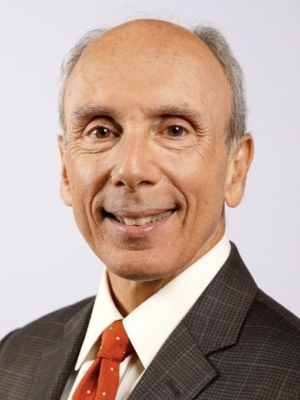
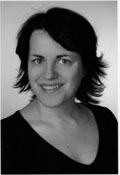
Prof. Dr. Fred Wolf is a leading scientist affiliated with the Campus Institute for Dynamics of Biological Networks (CIDBN) at Georg-August-Universität Göttingen. His research focuses on the intersection of neuroscience, computational biology, and epithelial morphogenesis, utilizing advanced imaging techniques and theoretical models to study neural circuits and tissue dynamics.
Associate Professor Yan Wong is a faculty member at Monash University's Department of Electrical and Computer Systems Engineering and Monash Biomedicine Discovery Institute. His research focuses on neural prosthetics, brain-machine interfaces, and restoring sensory functions through cutting-edge neural recording and stimulation techniques. He leads the Neurobionics Laboratory, advancing technologies like the Gennaris vision system, a wireless cortical implant for restoring vision in the blind. Yan holds a PhD in Biomedical Engineering from UNSW and has conducted postdoctoral research at New York University and the University of Melbourne. His work bridges engineering and medicine, addressing critical healthcare challenges such as quadriplegia, epilepsy, and hearing loss. He actively supervises students and contributes to teaching biomedical engineering courses at Monash, fostering the next generation of researchers. Key research interests include visual cortex stimulation, cochlear implants, spike-LFP interactions in movement planning, and endovascular neural interfaces. He has led or collaborated on multiple ARC-funded projects, including studies on neural prosthetic efficacy, chronic pain modulation, and visual attention mechanisms. His interdisciplinary approach integrates neuroscience, biomedical engineering, and clinical translation, aiming to deliver impactful medical technologies. Yan’s contributions have advanced neural prosthetics toward commercialization, with a focus on improving healthcare outcomes through innovative biomedical solutions.
Richard M. Rosenfeld is a Professor of Otolaryngology at SUNY Downstate Health Sciences University , Brooklyn, NY. He served as Department Chair and Residency Program Director for 13 years and is recognized globally as the #1 expert in tympanostomy tubes and #2 expert in otitis media (Expertscape.com). His expertise spans evidence-based medicine , guideline methodology , lifestyle medicine , and pediatric middle ear problems . Education : Hamilton College (undergraduate), University at Buffalo (MD), SUNY Oswego (MBA), University of Pittsburgh (MPH) Clinical Practice : 185 Montague Street, Brooklyn, NY 11201 Languages : Spanish, Russian Research Interests focus on systematic reviews , pediatric otolaryngology , chronic rhinosinusitis , and plant-forward nutrition . His work bridges ENT surgery with public health and guideline development . Recent Publications include guidelines on tympanostomy tubes , ankyloglossia , and opioid prescribing , with articles in The Lancet , NEJM , and Frontiers in Nutrition . Research trends emphasize quality improvement , non-opioid pain management , and lifestyle interventions . Scientific Awards : Five Distinguished Service Awards from AAO-HNS Legend in Otolaryngology, AAO-HNS Hall of Distinction Castle Connolly Top Doctor (1999–2023) New York Magazine Top Doctor (2002–22) Advising & Grants : No specific students or grants listed, but his leadership roles include Past Editor-in-Chief of Otolaryngology Head and Neck Surgery Journal and founder of the International Society for Otitis Media . Labs & Teams : Not explicitly mentioned, but his clinical work at SUNY Downstate integrates guideline development and quality improvement initiatives in otolaryngology.
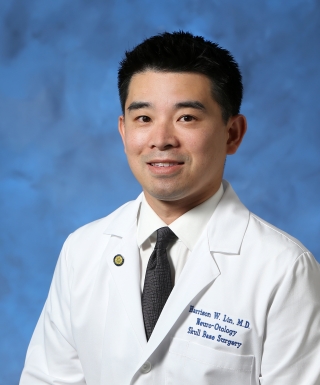
Harrison W Lin, MD is an Associate Professor in the Department of Otolaryngology-Head and Neck Surgery at the University of California, Irvine School of Medicine . He is a board-certified otolaryngologist with clinical expertise in hearing disorders, skull base surgery, and facial paralysis. Dr. Lin is a principal investigator at the UC Irvine Center for Hearing Research , focusing on translating basic science findings into clinical trials. Medical Education: Keck School of Medicine, University of Southern California Residency: Harvard Medical School Fellowship: UC San Diego School of Medicine Dr. Lin's research interests span hearing and balance disorders , neurotology , and skull base tumors . He investigates acoustic neuromas , meningiomas , cochlear implants , and facial nerve repair . His publications (over 50) focus on head and neck surgery , hearing loss , and ENT clinical case studies . Recent works include studies on sensorineural hearing loss , pediatric parapharyngeal tumors , and impact of dizziness on geriatric patients . Dr. Lin has received the Physicians of Excellence award from the Orange County Medical Association in 2019 and 2021-2023 . He leads clinical trials for auditory and vestibular disorders and contributes to medical education through pathology quiz case reports . As a principal investigator at the UC Irvine Center for Hearing Research , Dr. Lin's lab focuses on hearing restoration and balance disorder management . He also serves as a clinical mentor for otolaryngology trainees and contributes to pediatric ENT and head and neck oncology literature.
Wilhelmina Mulders is an Associate Professor at the University of Western Australia (UWA), based in the School of Human Sciences. She holds dual roles in teaching and research, coordinating neuroscience programs and the Master of Clinical Audiology. Her research focuses on auditory neuroscience, particularly brain plasticity linked to hearing loss, tinnitus, and cochlear implant fibrosis. She has secured over $3.5 million in grants since 2001 from organizations like the NHMRC and Telethon Trust. Education: PhD in Neuroanatomy (Nijmegen, 1997), followed by a postdoc in hippocampal anatomy. Joined UWA’s Auditory Lab in 1997, becoming a tenured faculty member in 2015. Research Interests: Explores auditory system dynamics, including how hearing loss impacts cognition and tinnitus. Techniques include electrophysiology, behavioral studies, and gene/protein expression analysis. Recent work addresses cochlear implant fibrosis and pediatric hearing assessment tools. Awards: School of Human Sciences Research Mentorship Award (2022) Channel 7 Telethon Grants (2021, 2022) Teaching & Grants: Coordinates multiple courses (e.g., NEUR5011, PHYL5501) and leads 15 active grants, including projects on auditory processing interventions and pediatric audiology equipment. Labs & Teams: Active in the Auditory Laboratory at UWA, collaborating on projects like silk-based tympanic membrane repair and auditory cued exercise for children.
Dr. S. Marshal Isaacs is a distinguished Professor of Emergency Medicine at the University of Texas Southwestern Medical School and a senior faculty member at Parkland Hospital's Emergency-Trauma Center. As Medical Director of the Dallas Fire-Rescue Department (DFR), he oversees one of the nation's busiest EMS systems (500 daily incidents, 400+ paramedics). His career includes 12 years as Medical Director for the San Francisco Fire Department, renowned for advancing prehospital care, AED programs, and clinical trials. He collaborates closely with EMS leaders like Drs. Ray Fowler and Kathy Rinnert to enhance Dallas' BioTel System, a 15-municipality EMS federation. Dr. Isaacs' academic roles include NIH-funded research through the ROC consortium and teaching EM residents. His clinical expertise spans otology/neurotology, surgical innovation (e.g., endoscopic ear surgery), and radiation oncology for skull base tumors. He co-authored key NAEMSP texts and pioneered bacteriophage therapy for mastoiditis. Awards include the prestigious Michael K. Copass Award for EMS excellence. Education: Union College, SUNY Stony Brook Medical School (1988), residency at Allegheny General Hospital (Pittsburgh), and a Stanford University EMS fellowship. He served as SFGH's Chief Flight Physician and UCSF faculty before joining UTSW. Current initiatives include the Dallas EMS Vision Process and interdisciplinary NIH projects.
Kristina Backer is an Assistant Professor in the Department of Cognitive and Information Sciences at the University of California, Merced. Her research focuses on cognitive neuroscience, auditory processing, and the intersection of sensory systems with higher-order cognition. She employs methods such as EEG, fMRI, and behavioral experiments to investigate topics like bilingualism effects, neuroplasticity in aging, and multisensory integration mechanisms. Her work explores how auditory and visual systems interact, particularly in phenomena such as the McGurk illusion and the continuity illusion in musicians. She also examines how auditory cues influence motor timing and the neural mechanisms underlying attentional modulation in short-term memory. Backer’s studies often involve clinical populations, such as children with cochlear implants and older adults with hearing loss, to understand the cognitive and neurophysiological impacts of sensory deficits. Key research themes include the temporal dynamics of sensory processing, the neural basis of cross-modal perception, and individual differences in cognitive abilities linked to language experience and aging. Her experimental methods emphasize electrophysiological techniques combined with computational modeling to dissect neural correlates of perception and cognition. Backer’s publications highlight advancements in understanding auditory-motor integration, neuroplasticity in bilingualism, and the development of rapid diagnostic tools for sensory pathway assessment. Her research bridges fundamental neuroscience with clinical applications, aiming to improve rehabilitation strategies for auditory and cognitive impairments.
Barbara Shinn-Cunningham is the Glen de Vries Dean of the Mellon College of Science at Carnegie Mellon University (CMU) and holds professorships in Psychology, Biomedical Engineering, and Electrical and Computer Engineering. She is also the founding director of CMU's Neuroscience Institute. Her research focuses on auditory neuroscience, particularly auditory attention, binaural hearing, and multisensory integration, with applications to hearing disorders and assistive technologies. Shinn-Cunningham earned her B.S. from Brown University and her M.S. and Ph.D. from MIT in Electrical and Computer Engineering. Education: B.S., Electrical Engineering, Brown University (1986) M.S., Electrical & Computer Engineering, MIT (1988) Ph.D., Electrical & Computer Engineering, MIT (1994) Research Interests: She investigates how the brain processes sound in complex environments, including spatial hearing, auditory attention deficits in aging and clinical populations, and the neural mechanisms underlying cochlear synaptopathy. Her work integrates behavioral studies, neuroimaging (EEG, fMRI), and computational modeling to bridge basic science and translational research. Awards & Recognition: Fellow, Acoustical Society of America (2009) Alfred P. Sloan Research Fellow (2000) National Security Science and Engineering Faculty Fellow (2008) Helmholtz-Rayleigh Interdisciplinary Silver Medal (2019) Advising & Grants: She mentors a diverse team of graduate students and postdocs, focusing on training the next generation of auditory neuroscientists. Her grants include funding from NSF, NIH, and the Department of Defense. She leads the LiMN Lab, which explores neural mechanisms of sensory processing and attention. Labs & Teams: Director of the Lab in Multisensory Neuroscience (LiMN) at CMU, part of the Carnegie Mellon Neuroscience Institute. Collaborates with engineers, clinicians, and marine biologists to advance auditory technology and neuroimaging techniques.
Evelina Fedorenko is an Associate Professor in the Department of Brain and Cognitive Sciences at the Massachusetts Institute of Technology (MIT) , with affiliations at Massachusetts General Hospital (MGH), Boston Campus . Her research focuses on the cognitive and neural mechanisms underlying language processing, including interactions with artificial systems like language models. Lab: Language Lab at MIT , exploring minds and brains creating language Key Research Areas: Cognitive Neuroscience of Language and Music, Neural Representations, Computational Models Her recent work examines how artificial language models map to human brain regions , investigates the universality of language networks across languages and individuals, and explores non-classical aspects like cerebellar involvement. She develops advanced methodologies for neuroimaging, including individualized brain mapping and standardized stimuli creation. Scientific contributions include debates on language localization, studies of language evolution, and frameworks for semantic analysis. Her team employs fMRI , MEG , and precision imaging to dissect the language-selective network and its interactions with other cognitive systems.
Dr. Nejra Van Zalk is an Associate Professor in Psychology and Human Factors at Imperial College London's Dyson School of Design Engineering. She directs the Design Psychology Lab, focusing on psychological mechanisms in product/service design for mental health. Her affiliations include the Human Behaviour and Experience Network and Robotics Forum. She holds a PhD from Örebro University, Sweden, with prior roles as Senior Lecturer and Visiting Scholar at institutions like Cambridge University. Her research spans design psychology, cognitive science, and human-robot interaction. Key articles explore VR therapy for OCD, age-related needle phobia, and social anxiety in adolescents. Her work emphasizes translating psychological insights into practical solutions for health and technology domains. Research interests include mental health interventions through virtual reality, social anxiety disorders, and human-AI interaction. Notable projects investigate robotic clinical tools and teleoperation interfaces. She has contributed to scoping reviews on cochlear implants and pediatric hearing outcomes. Her work bridges psychology with engineering to enhance human-centered design. Collaborations span robotics, healthcare, and education sectors. Her articles highlight trends in VR-based therapies and developmental psychology, with a focus on translating research into clinical and technological applications. No scientific awards are explicitly listed, but her extensive publication record reflects academic impact. She advises through the Design Psychology Lab, fostering interdisciplinary innovation in human factors and mental health.
Franco Lepore is a Full Professor in the Department of Psychology at the University of Montreal and Director of the Centre de recherche en neuropsychologie et cognition (CERNEC). His research focuses on sensory systems, brain plasticity, and cognitive neuroscience, particularly studying visual and auditory processing in individuals with sensory deprivation. He has held the Canada Research Chair in Cognitive Neuroscience since 2008 and leads a team of 40 researchers. Education: PhD in Psychology (1971, University of Montreal), postdoctoral training at the University of Pisa. He established CERNEC in 1988, equipped with state-of-the-art facilities like a magnetoencephalography system. Research Interests: Investigates how sensory deprivation (blindness/deafness) induces brain reorganization, cross-modal plasticity, and emotional processing in the insula. Key studies include superior sound localization in the blind and neural mechanisms underlying blindsight. Awards: Ordre national du Québec (2009), Fellow of the Royal Society of Canada (1988), Richard Tees Leadership Award (2005), and numerous grants from Canadian Institutes of Health Research and Fonds de recherche du Québec. Advising & Grants: Supervised over 70 graduate students and secured millions in funding for projects on sensory systems, cochlear implants, and video game impacts on hippocampal integrity. Leads major networks like Réseau de recherche en santé de la vision (RRSV). Labs/Teams: Directs CERNEC labs with advanced neuroimaging tools (fMRI, MEG) and collaborates with institutions like the Montreal Neurological Institute. Research spans clinical applications, developmental neurobiology, and cognitive rehabilitation.
Jonathan Simon is a Professor in the Department of Electrical and Computer Engineering at the University of Maryland (UMD), with affiliations in Biology, the Institute for Systems Research (ISR), and the Brain and Behavior Institute. He holds joint appointments in multiple departments, reflecting his interdisciplinary research in neuroscience and engineering. Simon earned his B.S. in Physics from Princeton University and his Ph.D. in Physics from UC Santa Barbara, followed by postdoctoral work in theoretical relativity before transitioning to auditory neuroscience. His research focuses on auditory neuroscience, particularly how the brain processes speech and complex sounds using non-invasive techniques like magnetoencephalography (MEG). Key interests include the 'cocktail party problem'—selective attention in noisy environments—and the neural mechanisms underlying speech comprehension. He co-directs the KIT-Maryland Magnetoencephalography Center and the Computational Sensorimotor Systems Laboratory (CSSL). Simon’s work bridges computational neuroscience and engineering applications, such as improving hearing aids and cochlear implants. His recent studies investigate aging-related changes in auditory processing, neural plasticity from auditory-cognitive training, and post-stroke cognitive recovery. He has published extensively on cortical responses to speech, neural decoding of attention, and functional connectivity in aging and clinical populations. His research has been featured in journals like *Neuron*, *Nature Communications*, and *Proceedings of the National Academy of Sciences (PNAS)*, and he collaborates internationally on projects funded by grants from NIH, NSF, and industry partners.
Dr. Shruti Deshpande serves as an Associate Professor and Vincentian Research Fellow in the Department of Communication Sciences and Disorders at St. John's College of Liberal Arts and Sciences, St. John's University. She also holds the leadership position of Director of the Doctor of Audiology Program and was named an ASHA Innovator in 2024. Dr. Deshpande is actively involved in the American Speech-Language-Hearing Association as a board member of the Multicultural Issues Board (2023-2025) and serves as a subject matter expert for the ASHA Practice Portal in Audiology. Her research focuses at the intersection of audiology and social justice, particularly on accessible and affordable hearing health services for diverse and vulnerable populations. Dr. Deshpande has pioneered community-based research approaches, developing innovative service-learning models that address hearing health disparities. Her work emphasizes cultural competence and aims to increase awareness of audiology as a profession among ethnically diverse adolescents through educational interventions. Analysis of Dr. Deshpande's publication record reveals consistent focus on health equity in audiology, with significant attention to representation in clinical research, social media's role in health information dissemination, and innovative approaches to hearing healthcare delivery. Her work spans multiple subfields including tinnitus research, central auditory processing disorders, electrophysiology, pediatric audiology, and cross-cultural assessment tools. ASHA Innovator (2024) Vincentian Research Fellow Faculty Excellence Award in Community-Based Outcomes and Poverty Research (2022) Multiple Faculty Recognition Awards for Excellence in Research & Scholarship (2017, 2019, 2020, 2021) Values and Inclusion Program Honoree (2020-21) Excellence in Teaching Award from National Society of Leadership and Success (2018) Dr. Deshpande has successfully mentored numerous undergraduate and graduate students, with many serving as co-authors on peer-reviewed publications and presenting at conferences. Her grant portfolio demonstrates significant external funding support, including awards from the Faculty Research Consortium, ASHA's Advancing Academic-Research Careers Award, HearX Group, and multiple internal university grants totaling over $25,000. Her current projects focus on hearing health access for diverse communities, community-based hearing assessment approaches, and innovative teaching methods that integrate technology with service learning. As Director of the Doctor of Audiology Program, Dr. Deshpande oversees a robust curriculum that includes specialized courses in Central Auditory Processing Disorder, Electrophysiology, Pediatric Audiology, and Hearing Science. Her community engagement extends beyond the classroom through partnerships with Liberty Partnership Program and other initiatives aimed at increasing awareness of hearing health and audiology careers among underserved populations.
Cynthia F. Moss is a Professor in the Department of Psychological and Brain Sciences at Johns Hopkins University (JHU), with joint appointments in Neuroscience and Mechanical Engineering. She directs the Comparative Neural Systems and Behavior Laboratory (Bat Lab), investigating neural mechanisms of sensory perception and spatial navigation in echolocating bats. Her work combines neurophysiology, behavioral ecology, and engineering to study how bats process auditory information for navigation, communication, and obstacle avoidance. Dr. Moss earned a B.S. (summa cum laude) from the University of Massachusetts, Amherst, and a Ph.D. from Brown University. She held prior faculty positions at Harvard University and the University of Maryland, where she directed the Neuroscience and Cognitive Science graduate program. Her research has received prestigious awards including the Hartmann Award (2017), James McKeen Cattell Award (2018), and Alexander von Humboldt Research Prize (2019). Her research focuses on sensory coding of natural stimuli, spatial perception, attention, and adaptive motor control. Key findings include discoveries about 3D auditory space representation in the midbrain, age-resistant hearing in bats, and the role of wing hairs in flight control. Her lab employs innovative techniques like wireless neural recording, two-photon imaging, and DREADDs-mediated inactivation to study neural circuits. Dr. Moss collaborates across disciplines, bridging neurobiology, robotics, and sensory systems engineering. Her work informs biomimetic technologies for sonar navigation and adaptive control systems. She actively mentors students and postdocs in the Krieger School of Arts and Sciences, Whiting School of Engineering, and School of Medicine at JHU.
Prof. Dr. Sabine Begall is a Researcher at the Department of General Zoology , Faculty of Biology , University of Duisburg-Essen. With over 25 years of experience, she focuses on the sensory ecology of subterranean mammals, particularly Fukomys anselli , exploring magnetoreception , acoustic communication , visual adaptations , and physiological responses to underground environments . Key Research Areas: Subterranean mammal sensory ecology Thyroid hormone regulation in aging Magnetic field orientation mechanisms Comparative auditory and visual systems Domestication syndrome in rodents Evolutionary adaptations in burrowing species Recent Article Trends: 2025 study on retinal ganglion cell diversity in microphthalmic mammals 2024 thyroid hormone and hypoxia research in mole-rats 2023 comparative analyses of burrow acoustics and dental structures Scientific Awards: Honor for outstanding dissertation (2001), University of Essen Fritz Frank Prize (2001), German Society for Mammalogy She serves as a reviewer for journals including Journal of Morphology , Animal Behaviour , and Scientific Reports , and has contributed to major publications on subterranean rodent ecology.