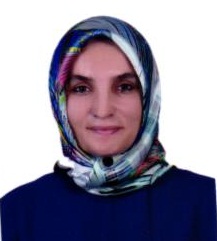
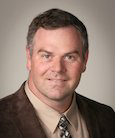
Staffan Lundström is a Docent (Associate Professor) affiliated with the Department of Oncology-Pathology at Karolinska Institutet . His research focuses on palliative care, symptom management in terminal cancer, and clinical research in oncology and hematology. Employment: Teaching/Tutoring, Department of Oncology-Pathology, Karolinska Institutet (2024–2027) Education: Doctor of Philosophy (2007), Docent (2017), both from Karolinska Institutet Research Interests: Lundström's work spans palliative care quality, opioid efficacy, coagulation in cancer, and end-of-life symptom management. He has extensively studied methadone use in palliative care and biomarkers like citrullinated histones for prognosis. Recent Publications (2024–2003) highlight his expertise in end-of-life care for cancer and dementia patients, pain management, and thromboembolic risk factors. Key themes include hydration therapy, opioid pharmacogenomics, and neutrophil extracellular traps. Awards: No scientific awards explicitly mentioned.
Dr. Ejaife Agbani is an Assistant Professor of Thrombosis and Haemostasis Cell Biology at the Cumming School of Medicine, Department of Physiology and Pharmacology, University of Calgary. He is also a Member of the Libin Cardiovascular Institute and the McCaig Institute for Bone and Joint Health, and a Child Health & Wellness Researcher at the Alberta Children's Hospital Research Institute. Dr. Agbani's educational background includes: Bachelor of Pharmacy (with Distinction) from Obafemi Awolowo University, Nigeria Master's in Clinical Pharmacy (with Distinction) from University College London, England PhD in peroxynitrite chemistry and cellular actions in pulmonary hypertension from Strathclyde University, Glasgow, Scotland (2010) Post-doctoral research at University of Edinburgh and University of Bristol Dr. Agbani's research focuses on platelet biology, specifically on membrane dynamics in thrombosis and hemostasis. His lab pioneers approaches to target procoagulant membrane dynamics to control platelet-driven thrombosis without blocking essential pro-hemostatic platelet secretions. This work opens pathways for developing new antithrombotics devoid of bleeding side effects. His research spans thrombo-haemorrhagic complications of pregnancy, drug-induced thrombosis, and sickle cell disease, coupling machine learning with systematic quantification of platelet procoagulant membrane dynamics. Analysis of Dr. Agbani's recent publications reveals a strong focus on platelet procoagulant membrane dynamics across multiple disease contexts. His work consistently explores the distinction between thrombosis and hemostasis mechanisms, with particular emphasis on pregnancy complications like preeclampsia, cancer-associated thrombosis, and viral infections including COVID-19. The research integrates advanced imaging, proteomics, and machine learning approaches to identify novel therapeutic targets and diagnostic biomarkers. Dr. Agbani's notable recognition includes: Member of CIHR Advisory Board for Institute of Circulatory and Respiratory Health (2024) Dr. Agbani's research program, the "AgbaniLab," is supported by multiple prestigious funding sources including the McCaig, Libin, ACHRI, and Snyder Institutes at the University of Calgary, the Cal Wenzel Family Foundation, and a Canada NSERC Discovery Grant. His work bridges basic science with clinical applications through collaborations with clinicians across multiple specialties. The Agbani Lab is actively engaged in several university strategic initiatives including Child Health and Wellness (2020-2025), Engineering Solutions for Health (2015-2021), and Infections, Inflammations and Chronic Diseases (2015-2021), reflecting the transdisciplinary nature of his research in platelet biology and thrombosis.
Dr. Alfred Ian Lee is Professor of Medicine (Hematology) at Yale School of Medicine and Chief of the Classical Hematology Program at Smilow Cancer Hospital. He serves as Program Director for the hematology/oncology fellowship program and maintains active roles in the Yale Cancer Center and Yale Medicine. His academic career demonstrates significant leadership in medical education and clinical hematology. Dr. Lee received his MD/PhD from Yale School of Medicine in 2004, completed residency in internal medicine at Brigham & Women's Hospital (serving as Chief Medical Resident), and finished fellowship in hematology/oncology at Dana-Farber Cancer Institute. His research portfolio reflects deep expertise in classical hematology with a focus on thrombosis, aplastic anemia, and venous thromboembolism. Analysis of Dr. Lee's recent publications (2024-2025) reveals three primary research thrusts: 1) Clinical investigations in classical hematology disorders including aplastic anemia and thrombosis; 2) Medical education innovations focusing on fellowship training, mentorship, and curriculum development; and 3) Practice pattern analyses examining geographic variations in hematology care and workforce issues, particularly regarding international medical graduates. His work spans both fundamental clinical research and practical applications to improve hematology practice and education. Yale Cancer Center Award for Mentorship Excellence (2022) Connecticut Top Doc (2021, 2020, 2019, 2017) David J. Lefell Prize for clinical excellence (2020) David S. Fischer Annual Award for teaching and mentoring (2019, 2015, 2012) Leah M. Lowenstein Award for humane medical education (2017) Charles W. Bohmfalk Prize for teaching (2016) Dr. Lee actively mentors hematology/oncology fellows through his role as Program Director and has developed several innovative educational initiatives including longitudinal wellness curricula and external mentorship programs. His grant activities focus on improving hematology education and understanding practice patterns in thrombosis management. He serves on multiple national committees including the National Comprehensive Cancer Network Cancer-Associated Venous Thromboembolic Disease Panel and the American Society of Hematology Committee on Training. Dr. Lee's research extends across multiple collaborative teams at Yale Cancer Center, particularly within the Classical Hematology Program and the Hematology/Oncology Fellowship Program. His work often involves multi-institutional collaborations, especially with colleagues at Dana-Farber Cancer Institute and other NCI-designated cancer centers. Future research directions appear to focus on optimizing thromboprophylaxis strategies and enhancing educational frameworks for hematology trainees.
Dr. SİBEL DOĞRU is an Assistant Professor at Gaziantep University's Department of Internal Medical Sciences, Chest Diseases division, where she has been affiliated since 2020. Previously, she served at Hatay Mustafa Kemal University (2013-2016). She holds a medical degree from Gaziantep University (1995-2001) and specialized in Chest Diseases at Selçuk University (2001). Her research spans pulmonology with emphases on tuberculosis epidemiology, cystic fibrosis, smoking cessation interventions, COVID-19 respiratory sequelae, and obstructive sleep apnea. She frequently employs clinical trials and cross-sectional methodologies to investigate treatment compliance, stigma, and novel therapeutics. Her recent publications (2022-2024) reveal a strong focus on respiratory epidemiology (smoking prevalence in medical communities), pandemic-related impacts on COPD/tuberculosis management, and clinical applications of mucolytic agents. Tuberculosis and cystic fibrosis are recurrent themes, alongside innovative work on exercise interventions for addiction. Achievements: ORAL PRESENTATION AWARD, Lung Respiratory Intensive Care Association (2023) Supervision & Projects: She mentors graduate researchers studying pulmonary embolism biomarkers and antifibrotic molecules. She has led projects on smokeless tobacco health effects (2023) and a GMP laboratory setup for stem cell research (2021-2023). Her collaborative network includes national consortia like the Turkish Cystic Fibrosis Registry. Teams/Labs: Contributes to respiratory medicine teams investigating interstitial lung diseases, tuberculosis prophylaxis, and post-COVID rehabilitation. Her bronchoscopy expertise supports oncology and pulmonary hypertension research groups.
Professor Dr. Erhan Tabakoğlu has been a full-time faculty member at Trakya University since 1992, currently serving as Rector of the university and Professor of Chest Diseases. He is also General Secretary of the Balkan Universities Association and a member of the Management Board of the Council of Higher Education Interuniversity Council. Education: Primary and secondary education – Alpullu, Kırklareli (1981–1984) Edirne High School – State Scholarship (1981–1984) Istanbul University, Cerrahpaşa Medical Faculty – MD (1990) Research Focus: Prof. Tabakoğlu’s research spans chest diseases , intensive care medicine , lung cancer , COPD , pulmonary embolism , tobacco control , and respiratory rehabilitation . He has published extensively on biomarkers such as sialic acid and D-dimer, mechanical ventilation outcomes, neuromuscular stimulation in ICU patients, and the epidemiology of asthma and tuberculosis among children and adults. Scientific Awards & Recognition: Hidroklorik Asit İçimine Bağlı Akut Mediastinit – Best Presentation Award, XXI. Ulusal Türk Tüberküloz ve Göğüs Hastalıkları Kongresi (2019) Göğüs Hastalıkları Uzmanlığı Yeterlilik Ödülü – Turkish Board of Thoracic Diseases (2004) Leadership & Institutional Roles: Since becoming Rector (2016–present) he has spearheaded: Accreditation of 36 university units under YÖKAK Growth of Trakya Teknopark from 17 to 135 companies and 500 master-level employees Establishment of five university museums, including the award-winning Sultan 2nd Bayezid Complex Health Museum Expansion of international collaborations, signing bilateral agreements with ~100 Balkan universities and increasing foreign student numbers to 5,000 Membership in University Hospitals Association Board (Vice Chair), Turkish University Sports Federation Board, and Turkish Exporters Assembly Advisory Board Innovation & Patents: Co-inventor of the “Microprocessor Controlled Electro-Pneumatic Respiratory Rehabilitation Device” (Patent No: 11486, 2023).
Prof. Dr. Mevlüt Sait Keleş is currently a Professor in the Department of Medical Biochemistry at Uskudar University Faculty of Medicine, where he has worked since April 2021. He previously held various academic and administrative positions at Atatürk University for over 25 years, including Head of the Department of Medical Biochemistry, Director of the Traditional and Complementary Medicine Application and Research Center (GETIPMER), and Vice-Rector. His career spans roles in medicine, sports sciences, and occupational health, with active contributions to research on oxidative stress, neurotoxicity, and clinical biochemistry. PhD in Medical Biochemistry (Atatürk University, 1995) Doctorate in Clinical Biochemistry (Atatürk University, 1995) Assistant Professor (1996), Associate Professor (2003), Full Professor (2009) at Atatürk University His research focuses on Medical Biochemistry , Clinical Biochemistry , and Oxidative Stress , with over 100 national and international publications. Recent work includes studies on neurotoxicity , respiratory biomarkers , and radioprotection . He has directed projects related to artificial intelligence in diagnostics, wearable medical devices, and metal toxicity. Prof. Keleş has served on multiple academic boards, including the Clinical Ethics Committee at Haydarpasa Numune Health Application and Research Center (2024–current), and as Student Adviser for groups of 31–60 students. He teaches undergraduate courses in biochemistry, dental sciences, and medical board exams, with over 200 students annually. His administrative roles include membership in University Board of Directors (2021–current) and coordination of academic activities at Uskudar University Faculty of Medicine.
Dr. Matt Hindle is a Senior Lecturer in the School of Health at Leeds Beckett University, specializing in Biomedical Science. He joined the university in 2023, bringing extensive expertise in platelet biology, flow cytometry, and cell signaling. His research focuses on understanding the roles of platelets in disease progression, particularly examining both direct actions like thrombosis and multi-cellular responses such as platelet-leukocyte interactions during inflammation. Dr. Hindle completed his academic journey with an IBMS-accredited BSc (Hons) in Biomedical Science from Nottingham Trent University in 2013, followed by an MSc in Infection Biology from the University of Glasgow in 2016. He earned his PhD from the University of Leeds in 2019, researching diverse platelet functions measured by fluorescent flow cytometry. After his doctoral studies, he served as a British Heart Foundation-funded postdoctoral research fellow at the University of Leeds, focusing on platelet bioenergetics and fatty-acid metabolism. His research expertise centers on: Platelet activation mechanisms in thrombosis Role of platelets in inflammatory responses Flow cytometry applications for platelet function analysis Impact of metabolic disorders on platelet function Platelet signaling pathways involving CD36, PDE3A, and reactive oxygen species Translational research using patient samples to understand disease mechanisms Dr. Hindle's work demonstrates significant impact in understanding how platelets contribute to cardiovascular diseases, particularly in the context of diabetes, inflammation, and dyslipidemia. His research bridges basic science with clinical applications, providing insights that could lead to improved diagnostic approaches and therapeutic interventions. He is affiliated with the Centre for Biomedical Science Research and teaches across multiple Biomedical Science programs: BSc (Hons) Biomedical Sciences: Practical Study Skills, Professional Scientific Practice, Haematology and Transfusion Science, Clinical Biochemistry, Blood Diseases, and Project Supervision MSc Biomedical Sciences: Diagnostic Biochemistry and Project Supervision Dr. Hindle has established a productive research career with numerous publications focusing on platelet function, particularly examining how metabolic conditions like diabetes and dyslipidemia affect platelet reactivity. His work often employs advanced flow cytometry techniques to analyze platelet responses with high precision. His research has important implications for understanding cardiovascular complications in metabolic disorders and developing targeted therapeutic approaches.
Professor John Greenman is a tumour immunologist at the University of Hull’s Centre for Biomedicine, specializing in microfluidic technology for cancer diagnostics and personalized medicine. With over 200 peer-reviewed publications, he leads an interdisciplinary team collaborating with clinicians, chemists, and engineers. His research targets head/neck cancers and glioblastoma, exploring immune system subversion during carcinogenesis and clinical applications of lab-on-a-chip platforms. Research Interests: Greenman’s work integrates immunobiology, microfluidics, and oncology. Key areas include: Developing ex vivo tumour tissue models for drug testing and biomarker discovery. Investigating immune evasion mechanisms in head/neck cancers and glioblastoma. Engineering point-of-care diagnostic devices (e.g., HCV sensors, CTC analyzers). Publication Trends (2020s): Recent articles emphasize microfluidic innovations for clinical oncology: Advanced biosensors for rapid cancer/hepatitis diagnostics. Ex vivo perfusion systems to study radiotherapy/treatment responses. Extracellular vesicle biomarkers in thyroid/breast cancers. Epigenetic targeting in glioblastoma using perfusion-based models. Grants & Advising: Secured £1.2M+ in active funding (e.g., Breast Cancer UK, CEPI, Brain Research UK) for projects on endocrine disruptors, SARS-CoV-2 variants, and bispecific therapeutics. Supervised 100+ postgraduate students; current team includes 11 researchers. External roles include REF panel membership (UoA3) and examinerships at De Montfort/Chester Universities.
Dr. James Eric Russell is an Associate Professor of Medicine specializing in Hematology-Oncology at the University of Pennsylvania's Perelman School of Medicine. He practices at the Penn Blood Disorders Center located at the Perelman Center for Advanced Medicine in Philadelphia, where he sees patients aged 18 and up and is currently accepting new patients. Dr. Russell's research spans hematology, molecular biology, and microbiology, with a primary focus on hemoglobinopathies including thalassemia and sickle cell disease. His work investigates the molecular mechanisms of mRNA stability related to globin genes, erythrocyte function, and blood disorders, while also contributing to bacterial genomics research on pathogens like Haemophilus haemolyticus and Enterococcus faecalis. With publications dating back to 1997, Dr. Russell has established a robust research program examining how post-transcriptional processes affect hemoglobin synthesis and contribute to blood disorders. His recent work includes studies on pathologically stiff erythrocytes and their impact on blood clot contraction (2021), structural determinants of globin mRNA stability, and genome-based characterization of bacterial pathogens. Dr. Russell received his medical degree from Stanford University School of Medicine and completed both his residency and fellowship at the Hospital of the University of Pennsylvania. His clinical expertise is reflected in his high patient satisfaction ratings, with an average of 5.0 out of 5 based on 60 reviews that consistently describe him as thorough, knowledgeable, and caring. His hospital privileges include the Hospital of the University of Pennsylvania, where he has authority to treat patients, while he is on the medical staff (though without treatment privileges) at Penn Presbyterian Medical Center, demonstrating his integration within the Penn Medicine healthcare system.
Serena Marchiò is an Associate Professor in the Department of Oncology at the University of Turin, specializing in biochemistry (SSD: BIO/10). She is affiliated with the Candiolo Cancer Institute, FPO-IRCCS, located in Candiolo, Italy. Her academic work spans teaching and research in oncology, with a particular focus on cancer biology and therapeutic development. Dr. Marchiò teaches Biochemistry, cellular and molecular biology across multiple programs including the Artificial Intelligence for Biomedicine and Healthcare program, Dental Hygiene degree, Veterinary Medicine program, and the Medicine and Surgery program at the University of Turin. Her teaching portfolio includes courses on structural biochemistry, proteomics, and multi-omics for precision medicine. Her primary research focus is on the tumor microenvironment, utilizing a phage display-based platform that integrates high-throughput screenings, next-generation sequencing, and bioinformatics. For over 25 years, her work has centered on identifying molecular markers and reconstructing protein-protein interactions in various tumor types. This approach has enabled her team to discover new blood-accessible targets and develop targeted theranostic nanosystems for cancer treatment. Analysis of her recent publications reveals a strong emphasis on advanced drug delivery systems, particularly nanoparticles and phage-based technologies for cancer therapy. Her work spans multiple cancer types including cholangiocarcinoma, prostate cancer, osteosarcoma, and neuroblastoma, with a consistent focus on overcoming drug resistance and improving targeted delivery. The integration of nanotechnology with molecular targeting represents a key thread throughout her research portfolio. Dr. Marchiò serves on several academic bodies including the Department Council and the Teaching Commission of the Department of Oncology at the University of Turin. She leads an AIRC-funded project (FRidA) focused on cancer research, demonstrating sustained external funding for her work. Her laboratory combines expertise in molecular biology, nanotechnology, and cancer biology to develop innovative approaches for cancer diagnosis and treatment. The research group maintains strong collaborations with clinical and basic science researchers, facilitating the translation of laboratory discoveries toward clinical applications.
Germán D. Carrasquilla is an Assistant Professor at the Faculty of Health and Medical Sciences (SUND) at the University of Copenhagen, Denmark, where he is affiliated with the Kilpeläinen Group. His research focuses on genetic epidemiology of metabolic disorders and cardiovascular disease risk factors. His primary research interests include: Genetic epidemiology of obesity and metabolic disorders Cardiovascular disease risk factors Mendelian randomization studies Body composition and health implications Type 2 diabetes etiology Genetic determinants of metabolic health Dr. Carrasquilla's work employs large-scale genetic studies and population-based approaches to establish causal relationships between risk factors and disease outcomes. His recent research has particularly focused on the complex relationships between abdominal obesity, triglyceride metabolism, and cardiovascular risk, often utilizing advanced genetic methodologies to determine causality rather than mere association. His publications have appeared in high-impact journals including European Journal of Preventive Cardiology, Diabetologia, Blood, and Addiction. One notable publication has received exceptional attention with coverage by 108 news outlets, highlighting the significance of his research to broader scientific and public health communities. Dr. Carrasquilla maintains extensive collaborative networks, participating in major international research consortia such as the Trans-Omics for Precision Medicine (TOPMed) program and the INVENT consortium. His collaborative work spans numerous institutions across multiple countries, reflecting the global nature of contemporary genetic epidemiology research.
Emil Daniel Bartels serves as a Clinical Associate Professor in the Department of Clinical Medicine at the University of Copenhagen's Faculty of Health and Medical Sciences, specializing in Clinical Biochemistry. His research spans multiple critical areas of medical science with particular emphasis on cardiac biochemistry, genetic disorders, and molecular diagnostics. Based at Blegdamsvej 3 in Copenhagen, he maintains active clinical and research responsibilities contributing significantly to the medical field. Dr. Bartels' research interests prominently feature cardiac biochemistry, with substantial work on hypertrophic and dilated cardiomyopathy, thrombosis mechanisms, and endocrine functions of the heart. His investigations extend into neurological biochemistry, particularly regarding epilepsy mechanisms, and hepatic biochemistry focusing on cirrhosis biomarkers. His work demonstrates a strong interdisciplinary approach bridging clinical practice with molecular research. His publication record shows consistent productivity with 28 research outputs documented, including high-impact articles in journals such as the Journal of the American College of Cardiology and European Journal of Human Genetics. His research demonstrates particular strength in translating genetic findings into clinical applications, especially regarding family screening protocols for cardiac conditions and genomic screening in pediatric cancer. Dr. Bartels collaborates extensively with leading researchers in cardiology and genetics at the University of Copenhagen, including Professor Henning Bundgaard and Professor Thomas V. O. Hansen. His work receives attention across academic platforms with multiple publications generating significant discussion on social media and academic networks.
Sisse Rye Ostrowski serves as a Clinical Professor in the Department of Clinical Medicine at the University of Copenhagen's Faculty of Health and Medical Sciences. She also holds the position of Senior Research Consultant for the Master of Personalized Medicine program. Her research focuses on translational medicine through large-scale biobanks and genomic/multiomic/biomarker cohort studies with particular emphasis on sex differences and inflammation in complex diseases. Her research interests span personalized medicine, large-scale genetic and biomarker studies, translational research, sex-differences in inflammation and disease, and immunopathogenesis of immune dysfunction. She has published extensively with 391 research outputs including 369 journal articles, 7 letters, 6 reviews, and other scholarly works. Analysis of her recent publications reveals a strong focus on genomic studies across multiple disease areas including dermatology, cardiology, HIV complications, transplantation medicine, and cancer. Her work frequently involves large-scale collaborative projects utilizing Danish biobanks and population studies, with particular attention to sex-specific differences in disease mechanisms and biomarker discovery. As a Senior Research Consultant for the Master of Personalized Medicine, she contributes to advanced training in precision medicine approaches. Her extensive publication record demonstrates leadership in multi-disciplinary research teams spanning immunology, genetics, and clinical medicine.
Zeinab Hajjarian, Ph.D., is an active Assistant Professor of Biomedical Engineering at the University of Massachusetts, Lowell within the Francis College of Engineering. Her research program bridges soft-matter physics, engineering, and medical diagnostics to develop advanced optical imaging platforms for understanding disease pathophysiology, with particular focus on breast carcinoma. Her educational background includes a Ph.D. in Electrical Engineering from Pennsylvania State University (2009), an M.S. in Electrical Engineering from the University of Tehran, and a B.S. in Electrical Engineering from Sharif University of Technology in Tehran, Iran. Hajjarian's research centers on developing optical imaging and sensing technologies that characterize biomechanical and optical properties of tissues, particularly in cancer microenvironments. Her work applies laser speckle micro-rheology to map mechanical properties in tumor microenvironments, investigate cardiovascular conditions, and develop point-of-care coagulation testing devices. She has pioneered techniques for characterizing tissue micromechanical properties using laser speckle fluctuations and has developed multiple apparatus and algorithms for mechano-pathology investigation. Her publication portfolio demonstrates consistent advancement in laser speckle rheology applications, with recent work focusing on tissue granularities, viscoelastic spectra of biological tissues, and tumor microenvironment characterization. The research trajectory shows evolution from fundamental optical communications during her doctoral work to sophisticated biomedical applications in disease diagnostics. Selected Awards and Honors: Eleanor & Miles Shore Foundation Fellowship (2020) American Society for Laser Medicine and Surgery Research Grant (2019) Biomedical Engineering Society Career Development Award (2018) MGH Office of Women's Career Scholarly Writing Award (2017) Gordon Research Conference Best Poster Award (2016) Hajjarian has an exceptional record of innovation with over 20 original manuscripts (14 as first author), two invited review articles, and more than 15 patent applications (6 granted). Her research has significant translational potential for improving diagnostic pipelines and patient outcomes through integration of optical technologies in clinical settings. She previously held positions at the Wellman Center for Photomedicine at Massachusetts General Hospital and was promoted to Instructor in the Department of Dermatology at Harvard Medical School in 2013. Her laboratory focuses on developing novel optical microscopes and sensing devices for characterizing biophysical properties of soft tissues and biofluids, with emphasis on translating these technologies to clinical diagnostic applications.
Randal J. Westrick is an Associate Professor in the Department of Biological Sciences at Oakland University. He joined the university in 2013 with funding from an American Heart Association Scientist Development grant and maintains an active research laboratory focused on cardiovascular genetics. Dr. Westrick holds a Ph.D. and is an internationally recognized researcher in the genetics of thrombosis, hemostasis, and cardiovascular disease whose work has been cited over 4,000 times. His research primarily focuses on the genetics of cardiovascular disease , with particular emphasis on thrombosis and hemostasis. His laboratory employs genome wide mutagenesis approaches in mice with genetically lethal blood clotting disorders to identify and characterize genetic variants that restore survival. His work explores how these variants alter biological activities such as cytoskeletal regulation, lipid biology, and extrinsic blood coagulation, providing innovative therapeutic targets for reducing blood clot risk. A significant portion of his research has centered on identifying genetic loci controlling the expression of platelet plasminogen activator inhibitor-1 (pPAI-1). Dr. Westrick's publication record shows a consistent focus on cardiovascular genetics with increasing emphasis on genomic approaches. His recent work (2021-2023) demonstrates expansion into tumor biology and RNA splicing mechanisms while maintaining his core focus on thrombosis and hemostasis. The integration of genomic techniques with traditional cardiovascular research represents a cutting-edge approach to understanding complex disease mechanisms. Fellow of the American Heart Association (FAHA) Dr. Westrick actively mentors students at various levels, with multiple undergraduate and graduate students contributing to his research publications. His laboratory is supported by multiple grants including: American Heart Association Strategically Focused Research Network Center on Inflammation in Cardiac and Neurovascular Disease, NIH R15 grant investigating Arl6ip5's roles in suppressing thrombosis, NSF grant on data analytics in STEM education, NIH U2C/TL1 Institutional Network Award, and American Heart Association undergraduate research programs. His lab occupies space in Dodge Hall rooms 301, 304, and 307 and includes graduate students, postdoctoral researchers, and undergraduates working collaboratively on projects related to cardiovascular genetics and thrombosis.