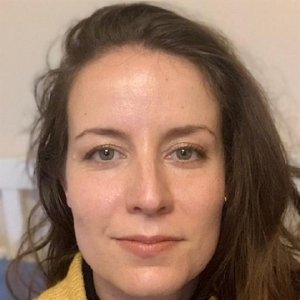
Matthew Mcfarling is an Assistant Clinical Professor in the Anesthesia department, focusing on perioperative care and critical care medicine. His work bridges clinical practice with research in anesthesia optimization and postoperative outcomes. Research Interests : Critical Care Anesthesia Cardiac Surgical Anesthesia Delirium Prevention in Surgical Patients Vascular Surgery Protocols Scholarly Activity : Recent publications include a 2023 protocol for benzodiazepine-free cardiac anesthesia and a 2018 case report on VA-ECMO management. His work spans clinical trials, surgical techniques, and perioperative care innovations.
Dr Jessica King is an Honorary Assistant Professor in the Department of Health Services Research and Policy within the Faculty of Public Health and Policy at the London School of Hygiene & Tropical Medicine (LSHTM). She is affiliated with the Antimicrobial Resistance Centre and the Global Health Economics Centre, reflecting her interdisciplinary research approach spanning public health, economics, and infectious disease control. Dr King's research expertise lies at the intersection of epidemiology and health economics, with particular specialization in evaluating healthcare quality, access, and affordability. Her work frequently employs innovative methodologies including standardized patient approaches to measure clinical quality in low- and middle-income country health facilities. She has developed significant expertise in analyzing routinely collected hospital data, as demonstrated in her MAP-CLD project examining emergency care for chronic liver disease patients. Her publication record reveals strong thematic focus on healthcare quality assessment in Tanzania, antimicrobial resistance, chronic disease management, and refugee healthcare access in Uganda. These publications appear in high-impact journals including The Lancet Global Health, Health Policy and Planning, and Social Science & Medicine, demonstrating methodological rigor through cluster-randomized trials, difference-in-differences analyses, and standardized patient studies. As an educator, Dr King delivers lectures on behavioral economics within the Economic Analysis for Health Policy MSc module and serves on advisory committees for two PhD students. Her recognition as an associate fellow of the Higher Education Academy underscores her commitment to teaching excellence. Her collaborative research approach involves working closely with clinicians, NGOs, and government bodies across multiple countries including Tanzania, Sierra Leone, and Uganda.
Professor John Roger Andersen serves as Professor in Nursing Science at the Department of Health and Caring Sciences, Western Norway University of Applied Sciences, while maintaining dual affiliation as a researcher at Førde Hospital Trust. His career spans over two decades of clinical and academic leadership in healthcare innovation. His educational background includes nursing studies at Sogn og Fjordane Nursing School, followed by Master and Doctorate degrees in Nursing Science from the University of Bergen, Faculty of Medicine. Andersen's research integrates questionnaires, wearables, and biochemical approaches to study health predictors, with particular emphasis on patient-reported outcomes and quality of life. His work bridges theoretical complexity with practical simplicity in clinical settings, focusing on obesity, bariatric surgery outcomes, chronic disease management, and clinical feedback systems. He leads the PERSONFORSK research group on Personalized Health Services and directs the Førde Hospital Obesity Study cohort tracking nearly 1,000 bariatric surgery patients since 2003. His clinical innovation programs develop novel healthcare delivery models emphasizing patient agency. Current supervision includes 13 PhD candidates across Western Norway University of Applied Sciences and University of Bergen, with completed projects spanning physical activity interventions, ostomy care, and neuropsychiatric outcomes. Teaches Bachelor in Nursing, Master in Cooperation and Public Health, and PhD Programme in Health, Function and Participation Coordinates courses including MS1-306 Master Thesis, MS1-320 Public Health, and MS1-325 Collaboration, Quality Improvement and Innovation
Ashleigh Guillaumier is an Honorary Lecturer at the School of Medicine and Public Health, University of Newcastle , focusing on translating health behavior research into practical outcomes for tobacco control and stroke prevention. Her work bridges Public Health , Behavioral Science , and Cardiology , with a particular emphasis on socioeconomically disadvantaged populations. Education : PhD in Behavioral Science (University of Newcastle, 2016), First Class Honours in Psychology (University of Newcastle) Key Projects : Prevent 2nd Stroke online program, Outback Quit Pack for rural smokers Her research explores the intersection of tobacco control, behavioral risk factors, and digital health interventions. Notable trends in her publications include: Effectiveness of electronic nicotine delivery systems in addiction treatment settings Cluster randomized trials to integrate smoking cessation into routine care Secondary stroke prevention through personalized online interventions Addressing health disparities in rural/remote populations Scientific Awards : CAPHIA Award for PhD Excellence in Public Health University of Newcastle Faculty Medal for First Class Honours Guillaumier collaborates with multidisciplinary teams across alcohol and drug services , stroke research , and digital health . Her work emphasizes coordinated policy approaches and user-centered intervention design , supported by grants from the Heart Foundation Australia and National Stroke Foundation .
Viviana Elizabeth Horigian serves as Professor and Vice Chair for Education in the Department of Public Health Sciences at the University of Miami Miller School of Medicine. She concurrently directs the Florida Node Alliance of the National Drug Abuse Treatment Clinical Trials Network (CTN), a collaborative partnership with community treatment agencies across Florida, Georgia, and Puerto Rico focused on advancing substance abuse interventions. Education: Other in Health Administration, College of Health Sciences and Professions, Ohio University (2018) Other in Psychiatry, School of Medicine, University of Buenos Aires (1991) MD, School of Medicine, University of the Savior (1985) Other in Clinical Research, Studies and Clinical Research Group, Buenos Aires (2001) Post-Doctoral Fellowship in Psychotherapy, Graduate School for Psychotherapy, Buenos Aires (1999) Psychiatry Residency, Italian Hospital of Buenos Aires (1996) Psychiatry Rotation, Harbor-UCLA, Torrance, Los Angeles (1992) Dr. Horigian's research centers on implementing clinical trials in real-world addiction treatment settings , with pioneering work in international research capacity building across Latin America. Her scholarship addresses critical gaps in substance abuse treatment accessibility , health disparities among Black, Latinx, and LGBTQ populations , and HIV prevention through behavioral interventions . As co-director of the CHANGE training program, she cultivates next-generation HIV behavioral scientists while leading the Florida Node Alliance's evidence-based practice initiatives through the NIDA CTN framework. Her 2024-2025 publications reveal a concentrated focus on opioid use disorder (OUD) treatment optimization , particularly examining nurse care management models, implementation barriers, and longitudinal treatment outcomes. These works consistently bridge public health methodology with clinical practice, emphasizing configurational analysis of staff support systems and stigma reduction in substance abuse care. Scientific Awards: NIDA International Award of Excellence in International Leadership Outstanding Mentorship award, Delta Omega Honor Diploma, School of Medicine, Universidad del Salvador Essay Award, University of Belgrano Oratory Competition Award, National Council of Private Institutes Outstanding Student Award, St Catherine’s High School Dr. Horigian actively mentors emerging researchers through the CHANGE program and international technology transfer initiatives, having trained investigators from Mexico's National Institute of Psychiatry and institutions in Ecuador/Chile. Her grant leadership includes directing NIDA-funded infrastructure projects and serving on Data Safety Monitoring Boards for major clinical trials. Professional engagements span editorial roles for Salud Mental journal, advisory positions with the Hispanic and Latino Addiction Technology Transfer Center, and leadership in ASPPH academic affairs. She directs the Florida Node Alliance's multi-state research consortium and oversees the Miller School's Public Health Education programs, including the Americas Initiative for Public Health Innovation which fosters cross-border capacity development in substance abuse treatment research.
Alina M. Allen, MD is an Associate Professor of Medicine at the Mayo Clinic College of Medicine , specializing in Gastroenterology and Hepatology . As Director of the NAFLD Clinic and Associate Editor for NAFLD at Hepatology, she leads innovative research in nonalcoholic fatty liver disease and its metabolic connections. Mayo Clinic, Rochester, MN Mayo Clinic College of Medicine National Institute of Diabetes and Digestive and Kidney Diseases (NIDDK) Grants Educational Background: MD from Grigore T. Popa University of Medicine and Pharmacy M.S. in Clinical and Translational Science from Mayo Graduate School Transplant Hepatology and Gastroenterology Fellowships at Mayo Clinic Research Focus: Dr. Allen's work bridges noninvasive imaging , artificial intelligence , and population health to combat NAFLD/NASH. Key projects include: Development of MRE-based biomarkers for early NASH diagnosis AI-enabled ECG scoring systems for cirrhosis detection Metabolic-liver disease interactions in obesity and diabetes Health disparities in liver transplantation access Publication Trends: Over 107 peer-reviewed works emphasize liver imaging , AI models , and epidemiological frameworks for NAFLD/MASLD. Scientific Distinctions: Future Leaders in NAFLD (2020) Vanguard Award for Best Manuscript (2015) National Institutes of Health Reviewer Roles Global NASH Council Participation Clinical Leadership: Dr. Allen directs the NAFLD Clinic while serving on multiple editorial and programming committees (AASLD, ACG, CLDF). Her work informs health policy and clinical guidelines for liver disease management. Labs & Collaborations: Key partnerships include the Center for Cell Signaling in Gastroenterology and Mayo Clinic's Data Analytics Team , focusing on multidisciplinary liver research with cardiologists and data scientists.
Dr. Alyce Barnes is a dynamic Early and Mid-Career Researcher (EMCR) at the National Centre of Implementation Science within the University of Newcastle's College of Health, Medicine and Wellbeing and School of Medicine and Public Health. With over 14 years of experience in health promotion research and more than $1.5 million in secured funding, she specializes in developing innovative physical activity interventions targeting child and family healthy lifestyle practices. Her academic journey began with a Bachelor of Physical Education and Bachelor of Teaching (Honours), culminating in a PhD from the University of Newcastle focused on improving physical activity levels, health, and wellbeing of mothers and their primary-school aged daughters. Dr. Barnes' research program centers on addressing gender disparities in physical activity, with particular emphasis on empowering girls through evidence-based interventions. Her seminal work includes the internationally acclaimed Daughters & Dads Active & Empowered (DADEE) program, which has expanded from Newcastle to global implementation across the UK and Europe. This pioneering initiative enhances girls' physical activity, sport skills, and father/father-figure-daughter relationships while addressing fundamental movement skill deficiencies that disproportionately affect girls. Her research spans community-based interventions, school physical education, obesity prevention, and parenting practices related to physical activity. The trajectory of Dr. Barnes' publications reveals a consistent focus on family-based physical activity interventions, with recent work examining long-term program outcomes, implementation science, and adaptation for diverse populations. Her research demonstrates how engaging fathers significantly improves girls' physical activity levels and social-emotional wellbeing, while mother-daughter interventions show promise for adolescent health outcomes. The DADEE program's effectiveness in community settings (with 88-89% follow-up rates) has established it as a model for evidence-based implementation. 3 Minute Thesis Winner - Faculty of Education and Arts Final (2012) Lake Macquarie City Council Ambassador (2025) Lake Mac Sports Leader of the Year (2025) Dr. Barnes has successfully secured 11 research grants totaling $1,590,062, including major projects like the $442,336 HMRI grant for embedding DADEE in local communities and the $399,947 Greater Charitable Foundation grant for Healthy Youngsters, Healthy Dads. Her collaborative approach spans disciplines including pedagogy, exercise science, psychology, dietetics, and behavioral science, with significant international partnerships in the UK and USA. She has mentored numerous research staff and students through her role as Co-Investigator on multiple projects. As lead of the National Centre of Implementation Science's physical activity research team, Dr. Barnes directs a multidisciplinary group focused on translating evidence into practice. Her current work emphasizes scaling successful interventions like DADEE through innovative partnerships, with ongoing projects examining program adaptability across different cultural contexts and age groups. Future directions include expanding the SOLE MATES program for mother-teen physical activity and developing new interventions targeting underserved communities.
Lars Wallin is a Senior Professor of Nursing at Dalarna University, affiliated with the Department of Medical Sciences and the Department of Health and Welfare. His career spans clinical work in pediatrics, academic research in implementation science, and leadership roles in healthcare innovation. Senior Professor of Nursing, Dalarna University Department of Medical Sciences & Health and Welfare Former Head of Neonatal Ward, Region Dalarna Postdoctoral Researcher, University of Alberta Dr. Wallin’s research focuses on implementation science, knowledge translation, and person-centered care. His work includes systematic reviews, instrument development, and cluster randomized trials. Recent projects emphasize person-centered care models in Swedish healthcare. Scientific contributions include systematic reviews of implementation frameworks, evaluations of facilitation strategies, and leadership in national/international research collaborations. He supervises doctoral students across multiple universities. Notable publications address online facilitation training, decommissioning programs in healthcare, and multifaceted implementation strategies in primary care. His methodological expertise includes randomized trials and qualitative studies.
Jorge Alexandre Gaspar Oliveira is an Associate Professor at Lusófona University's School of Psychology and Life Sciences in Lisbon, Portugal. He coordinates the Master's programs in Applied Neuropsychology, Cognitive Science, and Education, and serves as Vice-Director of the Master's programs in Cybertherapy and Neurocognitive Rehabilitation. He also leads the psychology branch of the Erasmus Mundus Joint Master in Cyberspace Behavior and E-Therapy. His educational background includes a PhD in Clinical Neuropsychology from the University of Salamanca in Spain, a DEA (Diploma de Estudios Avanzados), and a Bachelor's degree in Psychology. He has received recognition for his doctoral thesis at the University of Salamanca. Oliveira's research focuses on the application of virtual reality and serious games in neuropsychological assessment and rehabilitation. His work spans cognitive rehabilitation for dementia, stroke recovery, substance use disorders, and anxiety conditions. At HEI-Lab (Digital Human-Environment Interaction Lab), he investigates how technology can enhance therapeutic outcomes through immersive environments and biofeedback systems. His recent publications demonstrate a strong emphasis on developing ecologically valid assessment tools and interventions that translate to real-world functioning. Analysis of his 15 most recent publications reveals a consistent pattern of innovation in virtual reality applications across multiple domains of psychological intervention. His work bridges clinical psychology with technological innovation, particularly in creating adaptive VR environments that respond to user physiological data. The publications span clinical applications for diverse populations including police officers, elderly individuals with dementia, patients with brain injuries, and those with substance use disorders. Award for thesis at University of Salamanca Oliveira has supervised over 30 Master's dissertations and 3 doctoral theses, demonstrating his commitment to academic mentorship. His research extends beyond traditional academic boundaries through ImmersiveLives, a spin-off company he co-founded that likely translates his research into practical applications. He serves on the Ethical and Deontological Committee for Scientific Research (CEDIC) at Lusófona University's School of Psychology and Life Sciences, reflecting his engagement with research ethics. His work on health literacy, as seen in the 2022 Portuguese population study, shows his contribution to public health initiatives beyond clinical psychology. At HEI-Lab: Digital Human-Environment Interaction Lab, Oliveira leads a research team developing and testing virtual reality applications for cognitive assessment and rehabilitation. His projects often involve interdisciplinary collaboration across psychology, computer science, and healthcare fields, creating comprehensive intervention approaches that combine technological innovation with clinical expertise.
Dr. Tom Crocker is an Associate Professor of Stroke Care at the School of Medicine, University of Leeds, specializing in applied health research. Based at the Academic Unit for Ageing and Stroke Research (ASR), his work focuses on evidence synthesis, complex intervention development, and implementation science in post-stroke care contexts. MA (Hons) Economics, University of Edinburgh (2002) MSc Multidisciplinary Informatics (Healthcare), University of Leeds (2005) PhD, University of Leeds (2011) - ethnographic study of renal anaemia management Crocker's research spans multiple domains: Development and evaluation of complex interventions for stroke survivors and carers Network meta-analysis of community-based interventions for frail older people Proxy quality-of-life assessments across cultures Health inequality analysis in stroke care provision Systematic review methodology leadership Recent publications with the ASR team demonstrate expertise in: Frailty stratification approaches Stroke recovery communication frameworks Non-pharmacological pain management strategies Implementation challenges in clinical trial bias assessment Scientific accolades include: Elizabeth Brown Prize (2023) Society for Research in Rehabilitation award (2019) UK Stroke Forum best poster (2018) Public involvement recognition (2015) Crocker leads systematic review methodologies at ASR and manages multidisciplinary research teams. His teaching focuses on systematic review methods at postgraduate level. Current projects address: Reducing ethnic inequalities in TIA pathways Collaborative stroke research with South Asian communities Core outcome set development for post-stroke psychological treatments
Michelle Collinson is an Associate Professor in Clinical Trials (Complex Interventions) at the School of Medicine, University of Leeds . With over 15 years of experience, she specializes in designing and analyzing clinical trials, particularly for complex interventions in oncology, palliative care, and geriatrics. Qualifications: MSc in Statistics (University of Kent), BSc in Mathematics & Statistics (University of Newcastle Upon Tyne) Her research focuses on novel clinical trial designs such as cluster randomized and adaptive trials, leveraging routinely collected healthcare data to optimize interventions. She co-leads educational initiatives, including the Clinical Trials Research module and CTRU CPD Masterclass. Current grants include studies on medication adherence in breast cancer patients (ACTION), cancer pain assessment toolkits (CAPTURE), obesity prevention in children (HENRY III), and palliative care partnerships. Her collaborations span cancer, mental health, and lifestyle research. National roles: Member of NIHR Health Technology Assessment Programme’s General Funding Panel Leadership: Senior strategic/statistical lead for cancer/palliative care clinical trials portfolios
Erik Peterson, MD, is an Associate Professor of Medicine specializing in the Division of Rheumatic and Autoimmune Diseases. His research spans autoimmune disorders, oncology, cardiology, and neurology, reflecting a multidisciplinary approach to complex medical conditions. Dr. Peterson's work includes significant contributions to understanding cancer therapeutics (e.g., gliomas and metabolic pathways), cardiovascular disease management (lipid protocols, stroke prevention), and innovative clinical trial designs. His publications frequently explore molecular mechanisms, healthcare system efficiencies, and therapeutic interventions across diverse patient populations. While specific educational background, laboratory affiliations, or grant details are unavailable, his publication record demonstrates consistent engagement in translational research and collaborative studies.
Tricia Johnson, PhD is a Professor in the Department of Health Systems Management at the College of Health Sciences, Rush University Medical Center . Her work focuses on health systems research, maternal-child health, and socioeconomic disparities in healthcare outcomes. Expertise in health economics , clinical trials , and social determinants of health Active researcher in lactation cessation , preterm infant care , and health equity Conducts randomized controlled trials and longitudinal studies Current research explores health disparities in COVID-19 treatment , multiple sclerosis outcomes , and pediatric weight management for low-income families. Her publications emphasize economic modeling of healthcare costs and policy implications for marginalized populations. Contact: tricia_j_johnson@rush.edu
Per Kallestrup is a Professor of Family Medicine and Global Health at Aarhus University, affiliated with the Department of Public Health - Institute of General Medical Practice. He serves as Director of the Research Unit for General Practice and Founding Co-Director of the Center for Global Health. Specialist in Family Medicine President of the Danish NCD Alliance Advisor to the East African NCD Alliance His research focuses on strengthening Primary Health Care in low- and middle-income countries through integrated, community-oriented models. Key areas include non-communicable diseases, health equity, mental health, and volunteer-driven health systems. Recent projects span Nepal and Denmark , emphasizing resilience in NCD care, mental health interventions, and physical activity promotion. Notable scientific awards include the Medicines for People Award (2015), PhD-supervisor of the Year (2018), and recognition by HIFA (2013). He has supervised five PhD students and leads multidisciplinary research collaborations.
David A. Jaeger is a Professor at the School of Economics & Finance , University of St Andrews, UK. He is affiliated with the Applied Microeconomics Cluster , Handa Centre for the Study of Terrorism and Political Violence (CSTV), and Centre for Higher Education Research (CHER). His research spans applied microeconomics , labor economics , health economics , policy analysis , and conflict studies . David earned his PhD in Economics (University of Michigan, 1995), with prior MAs in Economics and Statistics. His work has been published in top journals like the American Economic Review and Journal of Public Economics . His recent publications focus on sheepskin effects , internship markets , conflict dynamics , and immigration impacts . These studies employ causal inference and applied econometrics to address policy-relevant questions. Scientific Awards : W.E. Upjohn Dissertation Award (1995), Fellow of the Royal Economic Society (2025), Humboldt Fellowship (2003), President-Elect, ESP (2025), NBER Research Associate (2012). David serves as Editor of the Scottish Journal of Political Economy and Associate Editor of the Journal of Wine Economics. He is a Research Fellow at CEPR, IZA, CESifo, and CReAM.