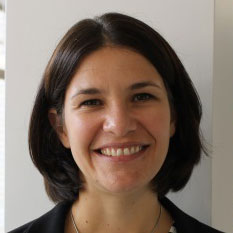
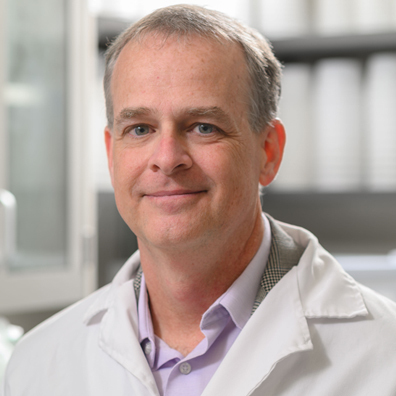
Adam Bennett is an Associate Professor of Epidemiology & Biostatistics at the University of California, San Francisco School of Medicine. His primary research focuses on malaria epidemiology, global health equity, and implementation science, with extensive field work in Southeast Asia (Laos, Thailand, Vietnam) and Africa (Zambia, Namibia). He is affiliated with UCSF's Institute for Global Health Sciences. Dr. Bennett's research examines innovative malaria control strategies including: Targeted interventions for high-risk populations (forest-goers, miners, agricultural workers) Reactive drug administration strategies Genomic epidemiology of malaria transmission Cost-effectiveness of elimination approaches Implementation science in low-resource settings His recent publications demonstrate a strong focus on malaria elimination methodologies, spatial epidemiology, and intervention studies in endemic regions. Research consistently addresses diagnostic approaches, drug administration protocols, and vector control methods tailored to specific transmission contexts.
Ellen Fitzsimmons-Craft is an Associate Professor in the Department of Psychological & Brain Sciences and the Department of Psychiatry at Washington University in St. Louis. She leads the ACCESS Lab, which focuses on scalable digital solutions for eating disorders and mental health disparities. Her work integrates technology, implementation science, and public health to bridge research-practice gaps. Ph.D., University of North Carolina at Chapel Hill M.A., University of North Carolina at Chapel Hill B.A., University of Notre Dame Her research centers on digital interventions for eating disorders, particularly through mobile apps and chatbots. She emphasizes equitable access to care, prevention, and evidence-based treatments using technology. Her work is grounded in cognitive behavioral therapy and implementation science, aiming to scale interventions across college campuses and broader populations. Recent publications highlight her leadership in chatbot development, online screening, and cluster randomized trials of digital CBT. Her work spans mobile health (mHealth) , implementation science , college mental health , and public health innovation . She has published in top journals such as JAMA Network Open , International Journal of Eating Disorders , and Contemporary Clinical Trials . Translational Impact Award, ISRII (2025) Transformation of Mental Health Care grant, Klingenstein Foundation (2024) She mentors graduate and undergraduate students and leads major funded projects, including an NIH R01 grant on chatbot optimization. She also serves as Director of the mHealth Research Core and Treasurer of the Academy of Psychological Clinical Science. Her lab collaborates with industry, non-profits, and government agencies to translate research into real-world impact. The ACCESS Lab develops and tests digital tools to expand access to eating disorder care. Current projects include state-wide university screening platforms, adolescent chatbots, and provider training in digital CBT. The lab emphasizes diversity, equity, and scalability in mental health innovation.
John S. Y. Ho is an Associate Professor in the Department of Electrical and Computer Engineering at the National University of Singapore. His research focuses on developing wireless medical devices for real-time monitoring and intervention in treatment-resistant medical conditions. Notably, he has pioneered work on vagus nerve stimulation (VNS) for depression and digital therapeutics. Ho holds a PhD in electrical engineering from Stanford University, where he was a National Defense Science and Engineering Graduate Fellow. Professional accolades include the NRF Fellowship, NUS Young Investigator Award, and recognition on MIT TR35 and Forbes 30 Under 30 Asia lists. His interdisciplinary work bridges engineering and medicine, addressing gaps in mental health treatment through innovative technologies. Education: PhD in Electrical Engineering, Stanford University Research interests center on neurostimulation therapies, depression biomarkers, and clinical outcome measurement. Key projects include large-scale trials evaluating VNS efficacy and digital tools like CT-152 for treatment-resistant depression. His work emphasizes translational research to improve patient care and reduce treatment resistance. Publications highlight advancements in antidepressant pharmacology, metabolomics, and suicide risk assessment. Ho collaborates globally on initiatives like the RECOVER trial (VNS efficacy) and TX-YDSRN (adolescent mental health). Current efforts focus on deploying AI-driven tools for mental health monitoring and optimizing measurement-based care in primary settings. No specific grants or labs are explicitly mentioned in the text.
Anisha I. Patel is a Professor at Stanford University School of Medicine, holding appointments in Pediatrics and Epidemiology and Population Health. She directs the Partnerships for Research in Child Health Lab and serves as Associate Dean of Research and Co-Director of the Office of Child Health Equity. Her work addresses health inequities through community-engaged research, focusing on chronic disease prevention in underserved populations. Undergraduate, Medical, and Public Health degrees from University of North Carolina, Chapel Hill (UNC-CH) Completed Clinical Scholars Program at UCLA and Health Policy Studies at UCSF Dr. Patel's research examines how community partnerships can improve child health outcomes through policy interventions related to school nutrition, drinking water access, and obesity prevention. She has led initiatives like Agua4All, which provided filtered water stations in schools, and evaluated universal free school meal policies. Her studies often involve randomized trials in schools and childcare centers. Recent publications analyze institutional barriers to community-engaged research, newborn temperature norms, and policy impacts of universal school meals. She has received national recognition for her work, including awards from the American Academy of Pediatrics and the National Heart Lung and Blood Institute. Outstanding Achievement Award, American Academy of Pediatrics (2025) Sidney S. Chipman Award, UNC-CH (2025) K24 Midcareer Investigator Award, NHLBI (2025) ELAM Program Fellow (2025) As a mentor, Dr. Patel supervises postdoctoral fellows and junior faculty in community-engaged research. Her projects have been funded by NIH, RWJF, and W.K. Kellogg Foundation. She also practices clinical pediatrics at Gardner Packard Children’s Health Center. Key collaborations include Stanford Maternal and Child Health Research Institute, Office of Community-Engaged Research, and partnerships with California and national school nutrition programs.
Anders Pousette is a Lecturer at the University of Gothenburg, affiliated with the Department of Organization, Health and Addiction. His academic work focuses on organizational psychology, leadership training, information security, occupational safety, and psychosocial working conditions in high-risk industries such as healthcare and construction. His research explores the interplay between organizational support climates and workplace safety, with a particular emphasis on ethical value conflicts in healthcare, leadership practices in construction, and security culture in nuclear and transportation sectors. He employs mixed-methods approaches and longitudinal studies to evaluate interventions and workplace dynamics. Recent publications highlight his work on managerial training programs, cross-cultural comparisons of safety practices, and the impact of psychosocial factors on information security behavior. His collaborations span multiple disciplines and institutions, particularly with Marianne Törner and Martin Grill.
Erin Comartin is a Professor at Wayne State University School of Social Work, where she has served on faculty since 2016 after transitioning from Oakland University. Her scholarship critically examines social welfare policies and interventions for vulnerable populations within the criminal legal system, with particular emphasis on behavioral health needs and systemic reform initiatives. Her educational foundation includes: Ph.D. in Social Work from Wayne State University MSW from Wayne State University Post-Graduate Diploma of Arts in Community & Family Studies from University of Otago, New Zealand BA in Sociology from Oakland University Comartin's research program integrates clinical expertise from her prior work with homeless youth and domestic violence survivors to address critical gaps in justice-involved behavioral health services. She specializes in sex offender management policies, jail diversion interventions, and Behavioral Threat Assessment teams designed to prevent mass violence. Her methodological expertise spans qualitative, quantitative, and mixed-methods program evaluation with strong community engagement components. Analysis of her 15 most recent publications (2023-2025) reveals intensified focus on suicide prevention in correctional settings, overdose response systems, and law enforcement behavioral health training efficacy. Her work increasingly employs journey mapping and multi-site trial designs to evaluate systemic interventions across rural-urban divides, reflecting evolving priorities in criminal legal health services research. As principal investigator for Center for Behavioral Health and Justice initiatives, Comartin leads community-engaged projects including veteran reentry evaluations and Sequential Intercept Model implementation assessments. Her teaching portfolio encompasses advanced policy analysis, macro practice theory, and program evaluation within Wayne State's social work curriculum.
Dr. Rico Ihle is an Associate Professor at Wageningen University's Agricultural Economics and Rural Policy Group, affiliated with the Wageningen School of Social Sciences (WASS). He holds a PhD from Georg-August-Universität Göttingen and is also an Adjunct Professor at Universitas Padjadjaran in Indonesia. His research focuses on achieving SDG2 (Zero Hunger), food system sustainability, and resilience in regions like the EU, Indonesia, and the Middle East. He teaches courses on econometrics, agricultural policy, and EU food systems, and has organized study tours to Slovakia, Morocco, Hungary, and Munich. He supervises 5 PhD students and advises numerous BSc/MSc students. Education & Career: PhD in Agricultural Economics, Georg-August-Universität Göttingen (Germany) Adjunct Professor at Universitas Padjadjaran (Indonesia) Elected Secretary General of the International Network for MBA Agribusiness and Commerce (AgriMBA) in 2024 Research Interests: Economic analysis of agricultural markets and food prices Effects of political conflict on food systems EU agricultural policy and sustainability transitions Food security and resilience in developing regions Quantitative methods including time-series econometrics Recent Work: His 2025 publications explore food waste reduction in school canteens and household resilience in West Africa. He also leads projects like ClimAgri4Ukraine for post-war agricultural recovery. He has co-authored over 100 conference contributions and serves as an associate editor for Food Security . Grants & Networks: Principal investigator for the Genetically Modified Food in Dutch Grocery Shelves project (COGEM) Member of the International Agricultural Trade Research Consortium (IATRC) Co-organizer of webinars on global food markets and Ukraine's agrarian policies Labs/Teams: Leads Work Package 4 of the e-AgriMBA project and collaborates with institutions like the Kyiv School of Economics and OECD.
Mona Mensmann is an Associate Professor of Innovation Management and Entrepreneurship at the University of Cologne's Faculty of Economics and Social Sciences (WiSo-Fakultät), Department of Corporate Development. She has been a Cluster member of ECONtribute: Markets & Public Policy since 2021, which is Germany's first Cluster of Excellence in economics, jointly funded by the University of Bonn and the University of Cologne. Her educational background includes a PhD from Leuphana University of Lüneburg (2013-2017), a Master of Science in Psychology from the University of Heidelberg (2011-2013), and a Bachelor of Science in Business Psychology from the University of Lüneburg (2007-2011). Professor Mensmann's research focuses on the psychology of entrepreneurship, entrepreneurial mindset, and entrepreneurship training. Her work primarily uses RCT-based methodologies to investigate how people can be helped to think and act in more entrepreneurial ways. Her main research topics include entrepreneurial mindset, entrepreneurship in low- and middle-income countries, and gender and entrepreneurship. Her research often examines how personal initiative training impacts entrepreneurial success, particularly in developing contexts. Her publications reveal a strong trend toward interdisciplinary research combining psychology, economics, and entrepreneurship. Many studies employ randomized controlled trials to assess the effectiveness of entrepreneurial training interventions, particularly in developing countries. Her work spans cognitive psychology aspects (examining how need for cognition affects entrepreneurial persistence), educational interventions (studying remote learning during the pandemic), and development economics (analyzing entrepreneurship training in West Africa). Professor Mensmann has contributed to high-impact journals including Science, Proceedings of the National Academy of Sciences, and Entrepreneurship Theory and Practice. Her work has received media attention from major outlets such as The Wall Street Journal, The Economist, and Wirtschaftswoche. Before joining the University of Cologne in July 2021, she served as an Associate Professor at Warwick Business School in the UK (2020-2021) and as an Assistant Professor there (2018-2020). She previously worked as a Research Associate at Leuphana University of Lüneburg and as a Consultant for Innovations for Poverty Action. As a member of the ECONtribute Cluster of Excellence, she contributes to research at the intersection of business, politics, and society, focusing on how markets function within broader societal contexts and how policy interventions can address challenges like economic inequality and political polarization.
Runar Barstad Solberg is a full-time researcher at the Norwegian School of Sport Sciences (School of Sport Sciences). He actively contributes to public health research with a focus on adolescent health, physical activity interventions, and mental health. His work often involves cluster randomized trials and collaborations with institutions like Folkehelseinstituttet. His research interests include: Physical activity's impact on academic performance Environmental factors affecting adolescent mobility Physical fitness and mental health links Public health interventions during pandemics Notable publications analyze: 2025 decision tree models for school travel modes 2024 face mask efficacy in respiratory health School-based fitness interventions and their health outcomes
Sharmistha Guha is an Assistant Professor in the Department of Statistics at Texas A&M University, part of the College of Arts & Sciences. Her research focuses on Bayesian methods for analyzing complex, high-dimensional data, with applications in neuroscience, network security, and social sciences. She develops techniques for supervised network data analysis, causal inference, and data privacy preservation. Education: Ph.D. in Statistical Science (Duke University, implied by dissertation recognition). Research Interests: Bayesian high-dimensional regression, object-oriented regression, causal inference in randomized trials, probabilistic record linkage, Bayesian nonparametric mixture models, and integration of heterogeneous data types like networks and functional data. Her work addresses challenges in neuroimaging (dMRI/fMRI) and big data analytics. Recent Contributions: Her articles span Bayesian methodologies for network analysis, differential privacy in treatment effect estimation, and applications in environmental health (e.g., PM2.5 exposure studies). Notable trends include leveraging Bayesian hierarchical models for complex data structures and advancing causal inference frameworks. Awards: 2022 Blackwell-Rosenbluth Award (ISBA) 2021 Savage Award Honorable Mention 2024 NSF-DMS Grant 2413721 Grants & Advising: Secured NSF funding for heterogeneous data integration research. Mentored students like Jose Rodriguez-Acosta (NSF GRFP Fellow) and Jacob Pagel (NIH-funded CoSIBS participant). Lab/Team: Leads a research group integrating statistical method development with domain collaborations in neuroscience and network security. Active in organizing workshops and serving on panels to foster academic engagement.
John Grieco is a Research Professor in the Department of Biological Sciences and a joint faculty member at the Eck Institute for Global Health at the University of Notre Dame. He serves as Associate Director of the Eck Institute and co-director of the Belize Vector and Ecology Center (BVEC), where he leads a multidisciplinary research program focused on the ecology, behavior, and control of vectors of diseases such as malaria, dengue, Chagas, and Japanese encephalitis. University: University of Notre Dame School: College of Science Department: Department of Biological Sciences Position: Research Professor Joint Appointment: Eck Institute for Global Health Leadership Role: Associate Director, Eck Institute for Global Health; Co-Director, BVEC Dr. Grieco completed his Ph.D. at the Uniformed Services University, an M.S. at Texas A&M University, and earned his B.S. from the University of Notre Dame. His research spans vector behavior, spatial repellency, insecticide resistance, and disease risk modeling using GIS and remote sensing. He has led and collaborated on field studies in Belize, Thailand, Nepal, Peru, Mexico, and South Korea, and maintains partnerships with industry leaders such as BASF, SC Johnson, and Olfactor Laboratories. His recent publications highlight innovations in spatial repellent deployment, mosquito trap efficacy, and novel vector control strategies. The research consistently emphasizes translational outcomes for public health, particularly in low-resource settings. His work is supported by major initiatives including the Spatial Repellents Program, IMPACTS, AEGIS, and BRICC, often in collaboration with WHO, PAHO, and the Mayo Clinic. Dr. Grieco actively mentors undergraduate and Master of Science in Global Health students, supervising numerous capstone projects on vector-borne disease interventions. His lab, the Achee/Grieco Lab, is known for its field-based, interdisciplinary approach and commitment to training the next generation of global health scientists. Medical Entomology Vector Ecology and Behavior Vector Control Strategies Spatial Repellents and Irritants Infectious Disease Dynamics Disease Risk Mapping (GIS/Remote Sensing) Arbovirus and Malaria Transmission Scientific awards and honors are not explicitly mentioned in the provided texts. Dr. Grieco advises numerous students at both undergraduate and graduate levels, particularly through the Master of Science in Global Health program. His lab supports student research on topics including insecticide resistance, community perceptions of vector control, disease surveillance, and behavioral effects of repellents. He also leads the High-Throughput Screening System (HITSS) for evaluating vector behavioral responses. The Achee/Grieco Lab operates the Belize Vector and Ecology Center (BVEC), which conducts extensive field research, community outreach, and surveillance in Belize. BVEC collaborates with the Ministry of Health, University of Belize, and international partners. The lab also participates in global networks such as the Worldwide Insecticide Resistance Network (WIN) and the Remote Emerging Disease Intelligence NETwork (REDI-NET).
Kirsty Garbett is a Senior Research Fellow at the Centre for Appearance Research, University of the West of England (UWE Bristol). She specializes in applied body image research, focusing on developing and validating interventions to improve body confidence across diverse populations. Her work spans cross-cultural adaptations of body image programs in India, Indonesia, and Brazil, emphasizing scalability and digital delivery. Key areas: Body image interventions, social media impact, cosmetic procedures, psychosocial measurement tools Collaborations: Dove Self-Esteem Project, international academics, media experts Methods: RCTs, cross-cultural validation, systematic reviews Kirsty's recent research includes systematic reviews of cosmetic surgery outcomes, social media-based interventions for Indonesian women, and school programs for adolescents. She also investigates the validation of psychological tools like the Body Esteem Scale and ChEDE-Q across languages and cultures. Her publications highlight trends in digital interventions , cross-cultural adaptation , and psychosocial measurement , with a focus on low- and middle-income settings. While no scientific awards are listed, her work demonstrates rigorous methodological innovation in scaling evidence-based programs. Qualifications: DPhil in Health Psychology (UWE Bristol, 2022), MSc in Health Psychology (Nottingham, 2013), BSc in Psychology (Strathclyde, 2011).
Clément De Chaisemartin is a Professor of Economics at Sciences Po since 2021, affiliated with the National Bureau of Economic Research (NBER) and J-PAL. His work focuses on econometric methods for policy evaluation and the economics of education. He holds a PhD from EHESS and Paris School of Economics (PSE), and previously taught at the University of Warwick and University of California, Santa Barbara (UCSB). Key research includes the evaluation of educational interventions, such as boarding schools for disadvantaged students, and methodological contributions to difference-in-differences (DID) estimators. Notable awards include the AFSE-Malinvaud Prize (2019) for his work on fuzzy DID. He co-authored influential papers in American Economic Review , Econometrica , and Review of Economic Studies , and developed Stata/R packages like did_multiplegt and twowayfeweights . Current projects include a textbook on DID methods and collaborations on multi-site randomized trials. Education: PhD in Economics (2013), École des Hautes Études en Sciences Sociales (EHESS) and Paris School of Economics (PSE). Research Interests: Causal inference, policy evaluation, educational disparities, and econometric methods. Grants & Projects: Research funded by French health/education authorities, including evaluations of early childhood programs like Parler Bambin. Teams: Maintains a research team and GitHub page for open-source econometric tools. His op-eds advocate for broader use of impact evaluation in public policy, critiquing private-sector dominance in applying such tools.
Jakob Eg Larsen is an Associate Professor at the Technical University of Denmark (DTU), affiliated with the Department of Applied Mathematics and Computer Science (DTU Compute) within the Cognitive Systems Section. He leads the Mobile Informatics and Personal Data Laboratory (MILAB). His research focuses on Human-Computer Interaction (HCI), Personal Informatics, Quantified Self, and Information Visualization, with applications in wearable technology, mental health, and healthcare. He teaches courses in Digital Media Engineering, including user experience, mobile application prototyping, and personal informatics. Education: PhD (2005) and MSc in Computer Science (1999) from the University of Copenhagen, with additional studies in cognitive psychology. Research emphasizes wearable devices for mental health interventions (e.g., PTSD treatment), physical activity tracking in pregnancy, and personalized hearing aid systems. Over 98 publications and 12 supervised PhD projects highlight his contributions to HCI, mHealth, and data-driven healthcare solutions. Labs/Teams: MILAB focuses on mobile informatics and personal data interaction. Collaborations span interdisciplinary fields like audiology, clinical psychology, and public health.
Dr. Jeroan Allison is Chair and Professor at UMass Chan Medical School's Department of Population and Quantitative Health Sciences. Trained as a primary care physician and epidemiologist (Harvard SPH), he leads research in narrative interventions for health behavior change, with continuous funding from NIH, AHRQ, and RWJF. His work spans hypertension control in Vietnam, AI-driven health communication, and implementation science for non-communicable diseases. Harvard School of Public Health: Master of Science in Epidemiology University of Alabama at Birmingham: MD Samford University: BS in Chemistry Research interests include narrative medicine , health disparities , mHealth , and health services research . He has published extensively on hypertension interventions in Vietnam, digital health tools, and tobacco cessation strategies using peer engagement. Recent publications focus on AI applications , global implementation science , and social determinants of health . His team has developed culturally adapted interventions for HPV vaccination and hypertension management using community storytelling methods. Scientific contributions include: Co-Editor-in-Chief of Medical Care Developing simulation-based training for research assistants Designing peer recruitment models for smoking cessation Dr. Allison holds multiple grants and leads the UMMS-Vietnam research collaboration , focusing on late-stage translation research in low-resource settings.