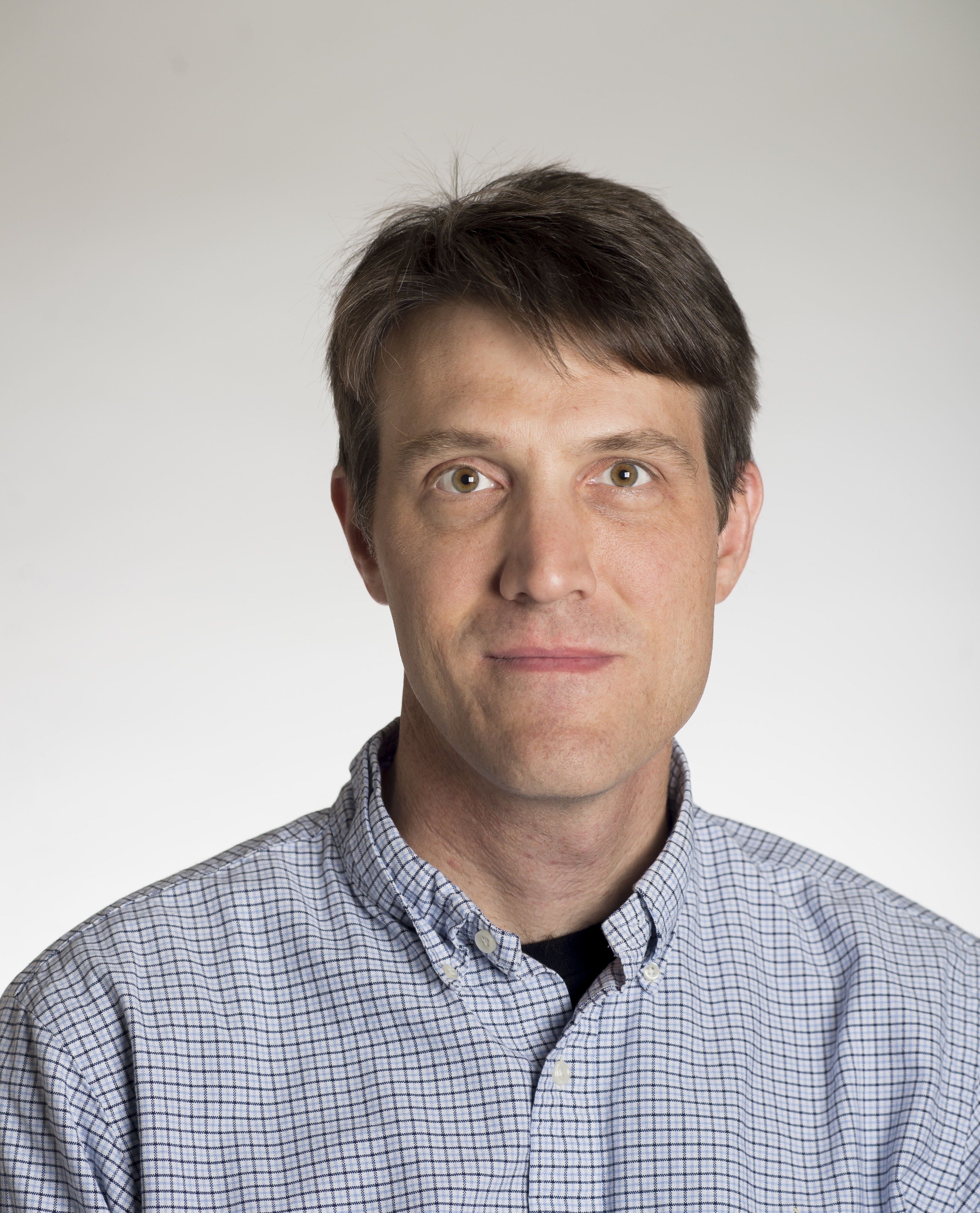
Professor Ian Hall is a leading scholar of International Relations at Griffith University's School of Government and International Relations. He holds adjunct roles at the Australia India Institute (University of Melbourne) and has previously taught at the University of St Andrews, Adelaide, and ANU. His research focuses on India's foreign policy, Indo-Pacific security dynamics, and international thought. Education: Bachelor of Arts, University of Oxford Master of Letters, University of St Andrews Doctor of Philosophy, University of St Andrews Research Interests: Professor Hall's work examines India's strategic engagement with the Indo-Pacific, including China-India dynamics, multilateral institutions, and the evolving geopolitical order. His 2019 book Modi and the Reinvention of Indian Foreign Policy analyzes leadership's impact on diplomatic strategy. Recent publications address Xi Jinping's China, AUKUS dynamics, and maritime security frameworks. Grants & Projects: DFAT-funded 'Foreign Policy: Strategic Equilibrium in the Indo-Pacific' (2023-2024) ARC Discovery Grant exploring Indian international thought (2015-2017) Australia-Japan Foundation collaboration on Indo-Pacific partnerships Advising: Supervises doctoral research on nuclear policy, aid coordination, energy diplomacy, and middle-power multilateralism. Labs/Initiatives: Co-leads Griffith Asia Institute's Indo-Pacific research cluster and coordinates the Australia-India-Japan Trilateral initiative.
Assoc Prof Ivo Labbe is an Associate Professor and ARC Future Fellow at Swinburne University of Technology's School of Science, Computing and Emerging Technologies. His research focuses on galaxy formation and evolution, particularly at high redshifts, leveraging JWST observations to study quiescent galaxies, active galactic nuclei (AGN), and cosmic reionization. He leads the UNCOVER Treasury Survey, analyzing over 700 galaxies using JWST/NIRSpec and NIRCam data. His work includes uncovering reddening in cosmic noon galaxies, AGN contributions to reionization, and the discovery of ultra-massive spiral galaxies at z ~5.2. Labbe has secured ARC grants totaling $A millions to study first stars/galaxies and dark matter via microlensing. He supervises PhD students on topics like primordial black holes and early galaxy evolution. His team's findings challenge traditional models of galaxy growth and shed light on early Universe processes. Education: Not explicitly stated in text. Grants: ARC Future Fellowship funding (2023–2027). "Unveiling the Dead and Dusty Universe with JWST" (2023–2026). "Uncovering the First Stars and Galaxies with JWST" (2023–2027). Awards: ARC Future Fellow. Key Projects: UNCOVER Survey: Explores high-redshift galaxies via JWST spectroscopy. PANORAMIC Survey: Unveils galaxy structures in early Universe. FRESCO Survey: Maps Hα emission in z>5 galaxies. Research Themes: Cosmic Dawn, Galaxy Quenching, AGN Feedback, Dust Extinction, Gravitational Lensing. Labbe's work bridges observational astrophysics with theoretical modeling, emphasizing spatially resolved studies of galaxy components. His teams collaborate globally, using cutting-edge facilities like JWST and ALMA to probe galaxy evolution across cosmic time.
Yannick Meurice is a Professor in the Department of Physics and Astronomy at the University of Iowa. He joined the faculty in 1990 after postdoctoral research at CERN and Argonne National Laboratory, and a visiting professorship at CINVESTAV in Mexico City. His research focuses on lattice gauge theory, quantum computing, and quantum simulations. He is the Principal Investigator of a multi-institutional DOE HEP QuantISED grant and collaborates with the Fermilab theory group on B-meson decays. His work integrates tensor renormalization group methods, quantum field theory, and numerical simulations on high-performance clusters. Education: PhD in Physics from Université catholique de Louvain (UCL) in 1985, supervised by Jacques Weyers and Gabriele Veneziano. His research spans Lattice field theory (QuLat Collaboration) Quantum computing applications in high-energy physics Quantum simulations of condensed matter systems Renormalization group techniques Research highlights include Developing tensor network methods for real-time quantum field theory evolution Exploring quantum floating phases in Rydberg atom arrays Advancing quantum algorithms for entanglement entropy estimation Grants and Funding: $2.3M federal award (2020) for quantum computing research in theoretical high-energy physics. Student involvement includes weekly seminars, participation in Fermilab theory group projects, and opportunities to attend summer schools and conferences. Labs/Teams: Part of the QuLat collaboration and leads the DOE-funded QuantISED initiative.
John R. Hott is an Associate Professor in the Department of Computer Science at the University of Virginia. He holds a Ph.D. from the University of Virginia (2018) and degrees from the College of William and Mary (B.S. 2005, M.S. 2007). His research focuses on improving CS education through AI integration, analyzing student collaboration dynamics, and social network evolution. He also explores data visualization and interdisciplinary applications in the humanities and education. Education: Ph.D. Computer Science, University of Virginia, 2018 M.S. Computer Science, College of William and Mary, 2007 B.S. Computer Science and Mathematics, College of William and Mary, 2005 Research Interests: CS Education innovations Collaboration policies and academic integrity Social network analysis in evolving systems AI-driven classroom tools Data visualization techniques CS integration in humanities His recent work emphasizes equitable course design, leveraging community software, and pandemic-era educational adaptations. Notable contributions include the ASCI initiative and analysis of Piazza engagement patterns. Awards: ACM@UVA Teacher of the Year (2024) ACM@UVA Rising Star Faculty (2023) Raven Fellowship (2015) John teaches courses like CS4730 (Game Design), CS4640 (Web Programming), and foundational algorithms and data structures. His work bridges pedagogical theory with practical classroom implementation, emphasizing scalable solutions for large enrollments.
David Rasmussen serves as an Assistant Professor in the Department of Plant Pathology at North Carolina State University and is affiliated with the Bioinformatics Research Center. He joined NC State in January 2018 through the Chancellor’s Faculty Excellence Program cluster hire in Emerging Plant Disease and Global Food Security, where he develops phylogenetic methods for tracking pathogen transmission across human and agricultural systems. His academic background includes: Bachelor's degree from Reed College Ph.D. from Duke University under Dr. Katia Koelle ETH Zürich Postdoctoral Research Fellowship with Dr. Tanja Stadler Rasmussen's research centers on computational phylogenetics to analyze pathogen evolution using genomic data. He investigates transmission dynamics of human viruses (dengue, HIV, influenza) and agricultural pathogens, with emphasis on fitness trade-offs during host adaptation and genetic mechanisms of pathogen emergence . His group integrates experimental plant virus work with phylogenetic modeling to address food security threats, developing methods for genomic epidemiology that quantify evolutionary constraints. Key innovations include algorithms for recombination-aware inference and frameworks for optimizing genomic surveillance. Analysis of his 2022-2025 publications reveals three dominant themes: (1) Methodological advances in phylodynamic modeling (e.g., recombination-aware phylogeography, Markov decision processes for sampling optimization), (2) Quantification of viral fitness trade-offs across host species through meta-analyses and experimental evolution, and (3) Applications to critical pathogens including SARS-CoV-2, tomato viruses, and antimicrobial-resistant bacteria. His work bridges computational theory with agricultural and public health applications. Scientific recognition includes: ETH Zürich Postdoctoral Research Fellowship NSF CAREER Award (2022) for "Deconstructing the Fitness Tradeoffs that Limit Viral Host Range" Supported by NSF funding and the Chancellor’s Faculty Excellence Program, Rasmussen leads an active research group focused on genomic epidemiology of emerging pathogens. His work involves extensive international collaboration through workshops across Africa, Asia, and Europe. As a core member of the Emerging Plant Disease cluster, he contributes to NC State's mission of combating agricultural threats through interdisciplinary research, developing tools for pathogen surveillance and host adaptation prediction. Current projects couple experimental evolution of plant viruses with phylogenetic analysis to identify genetic determinants of host jumps. Rasmussen operates within NC State's Emerging Plant Disease and Global Food Security research cluster, which integrates plant pathology, genomics, and agricultural science to address crop-threatening pathogens. His laboratory develops computational pipelines for pathogen genome analysis while collaborating with experimentalists on plant virus systems, contributing to NC State's leadership in agricultural biosecurity and food supply protection.
Dr. Timothy Cribbin is a Senior Lecturer in the Department of Computer Science within the College of Engineering, Design and Physical Sciences at Brunel University London. He has been with the university since 2001, initially joining as a lecturer and advancing to his current position. His academic home is firmly rooted in the intersection of information science, human-computer interaction, and data analytics. His educational background includes: PGCert Learning and Teaching in Higher Education, Brunel University (2007) PhD Information Science, Brunel University (2005) for research exploring spatial-semantic interfaces for exploratory document search MSc Industrial Psychology, University of Hull (1996), where he was awarded the Tom Hoyes Memorial Prize BSc (Hons) Psychology, University of Portsmouth (1994) Dr. Cribbin's research focuses on information visualization, interactive search interfaces, and text analytics, with particular expertise in processing and modeling large text collections to uncover meaningful insights. His work spans the design and evaluation of algorithms, interaction models, and end-user tools that support search, navigation, exploration, and sense-making within connected information spaces like scholarly publications and social media platforms. Early in his career, he pioneered work on interactive visualization using distance-similarity and spatial-semantic metaphors, making key contributions through the application of geodesic distance and second-order similarity transformations. More recently, his research has centered on citation-enhanced information retrieval and social media analytics, including the development of the Chorus Twitter analytics project. His scholarly output reveals a consistent trajectory from foundational work in information visualization to increasingly applied research in social media analytics and text mining. Throughout his career, Dr. Cribbin has maintained a strong focus on human-centered approaches to information processing, with particular attention to how users interact with and make sense of complex information spaces. His recent work demonstrates growing interest in psychological aspects of information processing, author classification, and the analysis of linguistic patterns in online radicalization. Dr. Cribbin has received notable recognition including: Tom Hoyes Memorial Prize for his MSc in Industrial Psychology Fellowship of the Higher Education Academy (FHEA) He has secured research funding for projects including "Predicting online radicalisation" and "Facilitating social media research in social sciences." Dr. Cribbin serves as a Deputy Senior Tutor (Academic Misconduct) and provides supervisory duties for final year undergraduate and Masters dissertation projects. He regularly acts as a reviewer for conferences and journals in information science, social media analytics, and information visualization. Dr. Cribbin is a key contributor to the User Centred Design research group and is the founder and lead programmer of the Chorus Twitter analytics project. His work bridges theoretical research with practical applications, particularly in the areas of social media analytics and text mining.
Dr. Rebeca Gomez Castillo serves as Group Leader of the Time Resolved Spectroscopy research group within the Inorganic Spectroscopy department at the Max Planck Institute for Chemical Energy Conversion (MPI CEC) since 2024. Her work bridges ultrafast optical and X-ray spectroscopic methodologies to investigate dynamic processes in catalytic and energy conversion systems, with emphasis on plasmonic nanomaterials and metalloenzyme mechanisms. Her academic foundation includes: B.Sc in Chemistry from Complutense University of Madrid, Spain (2015) M.Sc from Ruhr University Bochum / MPI CEC, Germany (2016) Phil(Hons) in Chemistry from Ruhr University Bochum / MPI CEC, Germany (2017-2021) Gomez Castillo's research integrates time-resolved spectroscopy with computational modeling to unravel electronic and structural dynamics in inorganic systems. Key investigations span plasmon-induced hot carrier generation in gold nanoparticles, reaction mechanisms in iron-catalyzed amino functionalization, and electronic structure analysis of metalloenzyme intermediates like nitrogenase and methane monooxygenase. Her experimental approach leverages synchrotron radiation and free-electron laser facilities for sub-picosecond resolution. Recent publications reveal a cohesive trajectory toward elucidating energy conversion pathways through advanced spectroscopic interrogation of transient states. Her 2023-2025 work demonstrates particular innovation in correlating ultrafast photodynamics with catalytic function across nanomaterial and biological platforms, establishing foundational insights for renewable energy applications. Her scholarly recognition includes: NCCR MUST and Cluster of Excellence Fellowship (2021-2023) International Max Planck Research School Fellowship (2016-2021) UCr scholarship for young scientists, Krakow (2017) UCM ERASMUS internship fellowship (2015) Imperial College London-UROP fellowship (2013) She currently mentors PhD candidate Utkarsh Prakash while collaborating with visiting researchers like Christopher Kim. Her group maintains active partnerships with Swiss FEL and Paul Scherrer Institute for beamtime access, driving methodological advances in time-resolved X-ray techniques. Current projects focus on real-time observation of charge transfer processes in electrocatalytic systems and plasmonic energy conversion mechanisms.
Alexandre Almeida is a Research Fellow in the Department of Veterinary Medicine at the University of Cambridge, affiliated with the School of Biological Sciences. His research focuses on metagenomic analysis of the human gut microbiome, particularly uncultured microbial species across multiple kingdoms. Educational background: PhD in Microbiology from Institut Pasteur Current affiliations: Cambridge Infectious Diseases group Research Themes His work addresses fundamental questions about: Role of uncultured microbiome in aging and neurodegeneration Pathogen colonization mechanisms Multi-kingdom interactions in human microbiota Biomedical applications of microbiome biomarkers Scientific Contributions Key achievements include: Tripling known gut bacterial diversity through MAGs Leading discovery of 140,000 novel gut viruses Developing improved reference databases for metagenomic analysis Awards and Recognition EBI-Sanger Postdoctoral Fellowship MRC Career Development Award Academic Service His group accepts PhD students and maintains active collaboration with: Dr Lucy Weinert Professor Cinzia Cantacessi Professor Julian Parkhill Professor Mark Holmes Technological Impact Developed widely used resources: GitHub repositories for microbiome analysis Comprehensive gut microbiome reference catalog
Chad M. Schafer is an Associate Professor in the Department of Statistics & Data Science at Carnegie Mellon University , specializing in statistical methodology for astronomy and cosmology. He co-chairs the LSST Informatics and Statistics Science Collaboration and is affiliated with the McWilliams Center for Cosmology at CMU. His research focuses on rigorous handling of complex models and high-dimensional data in the sciences, particularly astronomy. Ph.D. in Statistics, University of California, Berkeley (2004) M.S. in Statistics, University of Illinois at Urbana-Champaign B.S. in Statistics, Western Michigan University Former staff at Argonne National Laboratory (Mathematics and Computer Science Division) His research spans topics such as likelihood-free inference, Bayesian computation, photometric redshift estimation, and semi-supervised learning for supernova classification. He has applied statistical methods to cosmological surveys like SDSS and LSST, as well as climate modeling and hurricane track analysis. Recent publications highlight applications of statistical techniques to astrophysics, including Approximate Bayesian Computation for supernovae, SCA-based photometric redshift estimation , and high-dimensional density modeling . His work intersects astronomy, data science, and computational statistics. He has served in multiple educational roles, including: Teaching data science courses for CMU's Master of Science in Computational Finance (MSCF) program Steering Committee member for MSCF Instructor for the Summer School in Statistics for Astronomers at Penn State's Center for Astrostatistics Moderator of the methodology subsection of the arXiv Statistics area (2007-2018) Director of CMU's Summer Undergraduate Research Experience in Statistics program (2015-2018) His departmental affiliations and committee roles underscore his interdisciplinary approach, bridging statistical theory with practical applications in astronomy and finance.
Prof. Dr. Bernhard Truffer is a Professor of Innovation Sciences at Utrecht University's Copernicus Institute of Sustainable Development. He also serves as Head of the Environmental Social Sciences department and leader of the Cirus research cluster at Eawag (Swiss Federal Institute of Aquatic Science and Technology) in Dübendorf. His academic journey includes significant positions at the University of Bern where he was an Adjunct Professor (2011-2014) and previously a Lecturer in Economic Geography (2002-2010). Truffer's research focuses on sustainability transitions, particularly examining Technological Innovation Systems, the Geography of Transitions in Urban Infrastructures, and Institutional dimensions of transition processes. His work spans sustainable transformation of infrastructure sectors (especially urban water management), foresight and strategic planning, and Science and Technology Studies (STS). He pioneered transdisciplinary approaches to address complex sustainability challenges, notably winning the Swiss Transdisciplinarity Award in 2000. His publication trends reveal a strong emphasis on global innovation systems, urban sustainability transitions, and methodological advancements in transition studies. Recent work increasingly addresses challenges in informal settlements, earth-space sustainability, and the directionality of technological change, particularly in water and energy sectors across diverse geographical contexts from Africa to China. Chris Freeman award (2012) for Special Issue in Research Policy on sustainability transitions Top 50 authors in technology and innovation management (IAMOT, 2014) Best Paper award of Regional Studies (2013) Swiss Transdisciplinarity Award (2000) Dutch KSI price for Outstanding paper (2010) As an advisor, Truffer has supervised numerous PhD candidates focusing on sustainability transitions in diverse contexts including urban water management in China, sanitation regimes in Africa, and renewable energy transitions. His externally funded research projects since 2010 address critical sustainability challenges in urban water management, sanitation in developing countries, and energy innovation systems. He has served on the editorial boards of key journals including Research Policy and as founding editor of Environmental Innovation and Societal Transitions. Truffer leads the Cirus research cluster at Eawag focused on Environmental Innovation and Sustainability Transitions, and is actively involved with the Sustainable Transitions Research Network (STRN) and scientific advisory boards including Lund University's Circle research institute. His work bridges academic research with practical implementation through transdisciplinary collaborations with water utilities, municipalities, and international organizations.
Daniel Schultz is an Associate Professor at the Geisel School of Medicine at Dartmouth College , where he holds the John G. Kemeny Professorship in the Neukom 1964 Academic Cluster in Computational Science. His research focuses on quantitative approaches to gene networks in bacteria, particularly antibiotic resistance mechanisms . Education: PhD in Chemistry & Biochemistry (UC San Diego), Engineering in Electronics Engineering (ITA) His work combines mathematical modeling, bioinformatics, experimental evolution , and microfluidics to study bacterial responses to environmental stressors. He investigates how gene regulatory circuits coordinate cellular processes, how antibiotic resistance evolves in clinical environments, and how microbial communities reorganize under environmental changes. Scientific contributions include: Decoding dynamic gene regulation in antibiotic resistance Modeling fitness landscapes for bacterial evolution Developing predictive models for microbial community behavior His lab reveals evolutionary trade-offs between resistance costs and benefits , showing how mobile genetic elements and repression mechanisms optimize bacterial survival. He also explores stochastic gene expression as a driver of phenotypic diversity. Scientific awards: John G. Kemeny Professorship (Neukom 1964 Cluster) Teaching: Course: Introduction to Quantitative Biology
Marcus Claesson is a Lecturer in the Department of Microbiology at University College Cork (UCC), Ireland. He is also a Principal Investigator and Funded Investigator at the Alimentary Pharmabiotic Center, managing the BioIT platform. His research focuses on microbiota analysis, particularly in inflammatory bowel disease (IBD) and the gut microbiome of elderly Irish subjects via metagenomics and 'omics' methods. Education: BSc in Chemical Engineering, Chalmers University of Technology MSc in Bioinformatics, Chalmers University of Technology PhD in Bioinformatics, University College Cork Marcus specializes in bioinformatics method development for analyzing gut microbiota composition and function. His work includes the ELDERMET project (metagenomic analysis of elderly microbiomes) and sequencing Lactobacillus salivarius and Bifidobacteria to identify probiotic traits. He has explored the role of flagellin proteins in inflammation and the impact of antibiotics on elderly microbiota. His peer-reviewed publications (15 most recent) reflect a strong focus on microbiome analysis , metagenomics , and probiotic discovery , with applications in human health and microbial ecology . Scientific Awards: UCC Early Stage Researcher of the Year (2012) Alimentary Pharmabiotic Centre Young Scientist of the Year (2010) Bioscience Institute PhD Student of the Year (2007) Marcus supervises doctoral students in microbiome research and teaches modules including Computational Biology , Computational Systems Biology , and Genomic Data Analysis . He coordinates the MSc program in Bioinformatics and Computational Biology.
Michael L Weiss is a Professor at Cornell University, affiliated with the Department of Linguistics, Department of Classics, and Medieval Studies Program within the College of Arts and Sciences. His work spans multiple disciplines in historical linguistics. Research Focus: Indo-European linguistics, historical phonology/morphology of Greek, Latin, and Sabellic languages, Tocharian and Old Irish historical grammars Key Contributions: Author of foundational textbooks including Kuśiññe Kantwo for Tocharian B and the Outline of the Historical and Comparative Grammar of Latin Recent Publications: 2024 work on Indo-European vocabulary of institutions, 2023 analysis of Latin uncia , 2022 studies on Venetic sound changes and Oscan epigraphy Interdisciplinary Approach: Combines philological, linguistic, and ritual analysis in works like Language and Ritual in Sabellic Italy His scholarship demonstrates consistent engagement with Proto-Indo-European reconstructions, measurement terminology evolution, and agricultural technology lexicon analysis. Publications in venues like Die Sprache and Classical Philology show his commitment to both detailed case studies and broad theoretical questions.
Dominik Deffner serves as a Qualifikationsprofessur (W1, Tenure Track W2) for Computational Modeling of Behavior at the Department of Psychology, Philipps University of Marburg. His research group, Computational Modeling of Behavior (AG Deffner), is housed in the Institute Building at Gutenbergstraße 18 in Marburg. Deffner's work bridges cognitive science, evolutionary anthropology, and social psychology through interdisciplinary approaches combining dynamic group experiments, cultural evolution studies, and computational modeling. Deffner's educational background includes a PhD (Dr.rer.nat.) from the Max-Planck-Institute for Evolutionary Anthropology in Leipzig (2018-2021), an MSc in Evolutionary and Comparative Psychology from the University of St Andrews, UK (2016-2017), and dual undergraduate degrees in Psychology and Comparative Cultural and Religious Studies, Philosophy from Philipps-University Marburg (2012-2016). Prior to his current position, he worked as a postdoc at the Max-Planck-Institute for Human Development and Science of Intelligence Cluster in Berlin (2021-2024). His research interests focus on understanding how individuals and collectives adapt to changing and uncertain environments through cognitive processes and social/cultural dynamics. Deffner's work primarily investigates collective dynamics and cultural evolution, cognitive modeling and Bayesian statistics, causal inference, cross-cultural comparative methods, and collective foraging. He combines immersive computer games, field research, and statistical modeling to study social cognition in naturalistic groups, particularly examining how visual-spatial dynamics drive adaptive social learning in complex environments. Analysis of Deffner's recent publications reveals a strong emphasis on interdisciplinary research that bridges theoretical frameworks with empirical data. His work spans computational approaches to cultural evolution, collective decision-making processes, risk-sensitive learning strategies, and causal inference methodologies. A notable trend is his integration of Bayesian statistics with agent-based modeling to understand social learning dynamics across different contexts, from human groups to animal behavior studies. His research increasingly focuses on developing statistical workflows that enable robust causal inferences in cross-cultural research. As an academic advisor, Deffner offers thesis opportunities in both empirical work (interactive group experiments, data analysis) and statistical/theoretical modeling (cognitive modeling, collective behavior, cultural evolution). His research group welcomes students interested in social learning, decision research, cultural evolution, group processes, and advanced Bayesian data analysis methods. While specific grant information isn't detailed in the provided texts, his affiliation with the Max Planck Society and publication in high-impact journals suggest successful funding acquisition for his research program. Deffner leads the Computational Modeling of Behavior research group, which investigates cognitive decision-making processes in groups interacting in natural and complex environments. The group combines immersive computer games and field research with statistical modeling to better understand collective dynamics in real-world contexts. Current research directions include social cognition in naturalistic groups, social learning and cultural evolution, causal inference and statistical workflows, and flexibility and adaptation in both human and non-human animals.
Dana Petcu is a Professor at the Computer Science Department of the Faculty of Mathematics and Computer Science at West University of Timisoara. She serves as Director of both the Institute for Advanced Environmental Research and Institute e-Austria Timisoara. With expertise in distributed and parallel computing, she has published over two hundred papers on Cloud, Grid, Cluster, and HPC computing. She is also the chief editor of the open-access journal Scalable Computing: Practice and Experience (SCPE) and has coordinated multiple European Commission-funded projects. Education: Ms. Degree in Computer Science Ph.D. in Numerical Analysis Dana Petcu's research focuses on distributed and parallel computing systems. Her current interests include Cloud & Grid computing, and HPC & Cluster computing. Previously, she worked on Mathematical software, Numerical methods, and Computer graphics. Her work bridges theoretical foundations with practical implementations, particularly in resource management, scheduling algorithms, and scalable computing architectures. She has developed significant expertise in applying these technologies to scientific computing, data-intensive applications, and multi-cloud environments. Her scholarly output demonstrates consistent focus on cloud and distributed computing evolution. Over the past decade, her research has shifted from foundational grid computing to modern cloud technologies, edge computing, and exascale systems. Key themes include resource management across heterogeneous environments, autonomic systems, security SLAs, and multi-cloud portability. Her work shows increasing interdisciplinary connections, particularly with AI/ML techniques applied to resource optimization and anomaly detection in large-scale systems. Scientific Awards: Maria Sibylla Merian-Award (2005) IBM Faculty Award (2009) MLNR Award "Spiru Haret" (2015) Romanian Academy Award "Gheorghe Cartianu" (2015) Dana Petcu has advised numerous graduate students through various master's programs in Distributed and Parallel Computing. She has secured substantial research funding as coordinator of FP7 projects HOST and SPRERS, and as scientific coordinator of mOSAIC. Her grant portfolio includes multiple European Commission-funded initiatives focused on cloud computing infrastructure, resource management, and multi-cloud environments. She has also contributed to EU Research Activities in Cloud Computing as an editor, demonstrating her leadership in shaping European research agendas in this field. She leads the Computer Science Research Center (CCI) and High Performance Computing Service Center (HPC-UVT) at West University of Timisoara. Her teams develop and maintain significant infrastructure for distributed computing research, including simulation environments like CloudSim and iFogSim. She has established strong connections between academic research and practical applications through Institute e-Austria Timisoara, fostering technology transfer and innovation in cloud computing solutions.