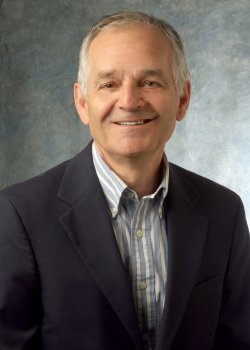
Dominique Durand is a Professor of Biomedical Engineering at Case Western Reserve University and Director of the Neural Engineering Center. His research focuses on neural engineering, computational neuroscience, and neuromodulation, particularly for epilepsy treatment and neural interface development. Professor, Biomedical Engineering Director, Neural Engineering Center Research interests include: Neural interfacing and prostheses Non-linear dynamics of neural systems Control of epilepsy via electrical stimulation Carbon nanotube (CNT) yarn electrodes for chronic neural recording Computational modeling of neural activity Ephaptic coupling mechanisms in seizure propagation Recent work examines: Transcranial direct current stimulation (tDCS) effects on seizures Low-frequency stimulation for seizure suppression Neural activity in tumors for cancer-state determination Advanced electrode designs for peripheral nerve interfaces Autonomic nervous system modulation in disease Laboratory affiliations include the Neural Engineering Center, which develops technologies for neural system analysis and therapeutic interventions.
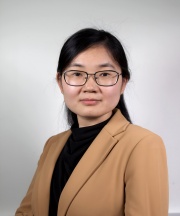
Yunyun Wu is an Assistant Professor in the Department of Biomaterials & Applied Oral Sciences and the School of Biomedical Engineering at Dalhousie University. Her research focuses on developing cost-effective, sustainable, and scalable biomaterials and structures for healthcare applications, including eco/bioresorbable electronics, biosensors, and energy storage solutions. Her work emphasizes wearable and implantable devices for health monitoring and disease treatment. Research interests include electroactive biomaterials, biosensors, electronic textiles, and stretchable electronics. Key projects involve skin-interfaced microfluidic biosensors and sewing-based fabrication of bioresorbable electronics. Recent publications highlight innovations in wearable sensors, implantable devices, and textile-based electronics. These contributions address challenges in medical monitoring, energy storage, and biocompatible materials. The Wu Lab actively explores sustainable materials and scalable manufacturing techniques to advance wearable and bioresorbable technologies. No scientific awards are explicitly listed in the provided texts, but her extensive publication record reflects her impactful contributions to biomedical engineering. Advising and grants details are not provided in the current data. The lab’s activities are centered on interdisciplinary approaches to biomedical device development, as detailed on their website (www.yyunwulab.com).
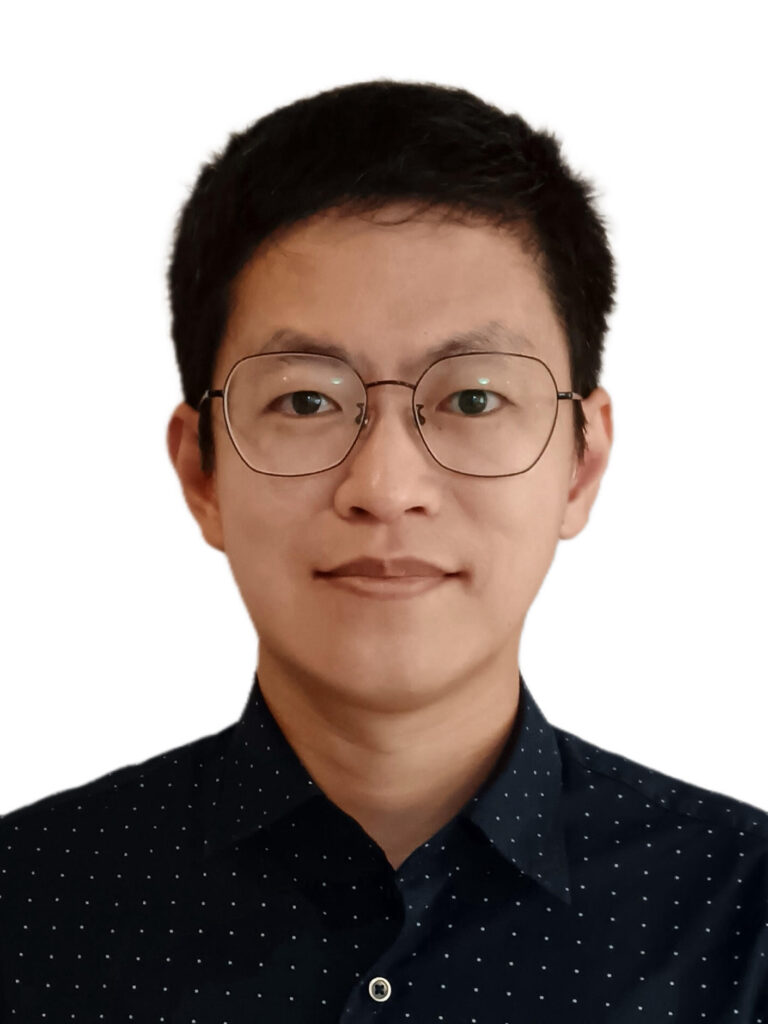
Wei Ouyang is an Assistant Professor of Engineering at the Thayer School of Engineering, Dartmouth College. His research focuses on bio-integrated microsystems for neuroscience and healthcare innovation, leveraging MEMS, wearables, and implantables. He holds a BS from Peking University (2013), and SM/PhD from MIT (2016/2019). His work spans bioelectronics, microfluidics, and digital health, with notable contributions to implantable systems and molecular diagnostics. Education: BS in Microelectronics, Peking University, 2013 SM in Electrical Engineering and Computer Science, MIT, 2016 PhD in Electrical Engineering, MIT, 2019 Research Interests: Bioelectronics, MEMS, wearables, implantables, microfluidics, digital health, neuroengineering. His lab develops systems for wireless, battery-free neural recording/neuromodulation and closed-loop health monitoring. Awards: Chinese Government Award for Outstanding Self-Financed Students Abroad (2020) Siebel Scholar (2016) Ernst A. Guillemin Thesis Award (2016) Multiple MIT and Peking University honors Advising & Labs: Mentors students/postdocs in interdisciplinary engineering. Leads the Bio-Integrated Microsystems Group , focused on wearable/implantable systems for healthcare and neuroscience. Recent team members include Ben Fu, Jianyu Gu, and Yunxiang Huang. Key Projects: Injectable bioresorbable pacemakers, wireless neural implants, and multiparametric respiratory monitoring for pandemic response.
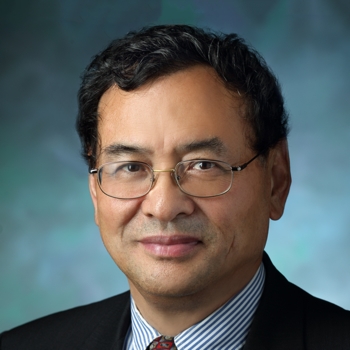
Dr. Yang Yi, a researcher at the National University of Singapore (NUS), has a multidisciplinary background in civil engineering, sustainability, and biomedical device development. He earned his BEng (1st Class Honours) and PhD in 2013 and 2017 respectively from NUS, focusing on lightweight sustainable construction materials and dynamic responses under blast loading. PhD, National University of Singapore, 2017 BEng (1st Class Honours), National University of Singapore, 2013 His research spans two distinct domains: sustainable construction and flexible bioelectronic devices . At NUS, he contributes to advancing implantable and wearable technologies for neuroscience applications, while previously driving sustainability initiatives at JTC Corporation and structural design at Meinhardt. The 15 most recent publications highlight his work on implantable optogenetic devices , flexible bioelectronics , and neural interfaces . These studies integrate materials science, neuroscience, and wireless engineering for applications in neuromodulation and biomedical systems. Scientific Awards: IES Sustainability Awards (Engineering Projects, 2023) Public Sector Engineering Innovation Challenge Award (2022) Silver Prize, ACI Singapore Chapter (2022) President Graduate Fellowship (2013-2017) Class of 1977 Silver Medal (2013) Multiple book prizes and medals (2010-2012) Contact: yangyi@nus.edu.sg
Jiande Chen, Ph.D., is a Professor in the Department of Internal Medicine at the University of Michigan Medical School, affiliated with the Division of Gastroenterology and Hepatology and Biomedical Engineering (BME). His research focuses on neuromodulation, gastrointestinal motility disorders, and autonomic nervous system mechanisms in conditions such as irritable bowel syndrome, functional dyspepsia, and diabetes. He explores noninvasive therapies like transcutaneous electrical stimulation and vagal nerve stimulation to address visceral pain, motility dysfunction, and metabolic disorders. His research interests include biomedical computation and modeling, imaging, and neural engineering applications in gastroenterology. Key areas of investigation involve optimizing electrical stimulation modalities for treating gastrointestinal diseases and understanding the physiological and mechanistic pathways underlying these interventions. Recent articles highlight studies on rectal sensory function assessments, closed-loop intestinal stimulation for diabetes management, and the role of autonomic nervous system responses in gastrointestinal disorders. His work bridges clinical applications and engineering innovations, with a focus on translational research to improve patient outcomes. No scientific awards are explicitly listed in the provided information. Dr. Chen’s advising and grants are not detailed here, but his extensive publications indicate active collaboration in interdisciplinary projects. His lab and team are likely part of the University of Michigan’s Department of Internal Medicine and affiliated clinical and engineering research groups.
Jiahua Xu serves as a Visitor (Faculty) in the Department of Neuroscience and Biomedical Engineering, actively contributing to academic research in 2024. Research focuses on neural interface technologies and adaptive neuromodulation , with core expertise in closed-loop brain-computer systems . Key methodologies integrate electroencephalography (EEG) for neural monitoring and transcranial magnetic stimulation (TMS) for targeted intervention, enabling real-time brain state modulation. This work bridges clinical neurophysiology and engineering to develop responsive neurotherapeutic platforms. Current research demonstrates a clear trajectory toward personalized neuromodulation , as evidenced by the 2024 Clinical Neurophysiology publication on EEG-TMS integration. This approach represents a paradigm shift from open-loop to adaptive stimulation protocols, addressing critical challenges in precision timing and state-dependent intervention efficacy.
Andrew J. Spence is an Associate Professor in the Department of Bioengineering at Temple University's College of Engineering, where he leads the Spence Lab focused on locomotor neuromechanics and spinal cord injury. His work integrates experimental biology, mathematical modeling, robotics, and molecular genetic tools to understand how animals move and how movement can be restored after injury. PhD in Applied and Engineering Physics, Cornell University Postdoctoral training at UC Berkeley with Bob Full and Eileen Hebets Former RCUK Fellow and faculty at the Royal Veterinary College, London Joined Temple University in 2013 His research interests center on the control of locomotion, gait analysis, spinal cord injury, neuroprosthetics, and the application of optogenetics and chemogenetics (DREADDs) in neuromuscular disorders. He also explores biomechanics in diverse species, from insects to racehorses, seeking general principles of movement. The 15 most recent publications reveal a strong trend toward integrating genetic tools with biomechanical analysis, particularly in rodent models of spinal cord injury. His work spans fundamental questions in animal locomotion and applied research in rehabilitation, with increasing emphasis on closed-loop systems, automated tracking, and neuromodulation. RCUK Tenure Track Research Fellowship W.M. Keck Foundation predoctoral fellowship Spence advises a multidisciplinary team of students and postdocs, collaborates with Professors Michel Lemay and George Smith on spinal cord injury projects, and leads NIH-funded research. His lab develops open-source tools for locomotion analysis and has contributed significantly to understanding stability, gait transitions, and sensory feedback in movement. He teaches courses in neuroengineering and biomechanics at both undergraduate and graduate levels. The Spence Lab is actively involved in developing neurogenetic interventions for spinal cord injury, studying gait adaptation in complex environments, and creating innovative instrumentation for neuromechanical research.
Diego V. Bohorquez is an Associate Professor at Duke University School of Medicine with cross-appointments in Medicine, Molecular Genetics and Microbiology, Cell Biology, Pathology, and Neurobiology. He is a Faculty Network Member of the Duke Institute for Brain Sciences, focusing on gut-brain neural communication mechanisms. His educational background includes a Ph.D. from North Carolina State University (2010), a Postdoctoral Fellowship in Neurogastroenterology at Duke University (2010-2014), and a Grass Fellowship in Neurosciences at the Marine Biological Laboratory (2014). Dr. Bohorquez pioneered the discovery of neuropod cells – specialized enteroendocrine cells that convert gut nutrient signals into neural activity via glutamatergic synapses, forming a direct gut-brain circuit. His research reveals how this pathway discriminates real sugar from artificial sweeteners, regulates feeding behavior, and transmits microbial signals. This work fundamentally challenges the hormone-mediated model of gut-brain communication, establishing a hardwired neural mechanism for visceral sensation. His 15 most recent publications (2018-2025) consistently advance gut-brain axis understanding, with landmark studies in Nature , Cell , and Science demonstrating neuropod cell function, sugar preference mechanisms, and microbial pattern recognition. The research spans neuroscience, gastroenterology, and microbiology, increasingly incorporating bioengineering approaches for neural circuit modulation. His scientific recognition includes the 2024 Presidential Early Career Award for Scientists and Engineers (PECASE) from the National Science Foundation, honoring exceptional promise in research and education. Dr. Bohorquez mentors students through NEUROSCI independent study courses (493-495) and leads 15+ active grants including "Gut epithelial control of nutrient reward" (2024-2028), "Bacteria sensory transduction from gut to brain" (2023-2028), and "Harnessing the gut-brain circuit in binge eating disorder" (2024-2026), totaling over $10M in funding. He directs a multidisciplinary lab within the Duke Institute for Brain Sciences, collaborating with neuroscientists, gastroenterologists, and bioengineers to develop neuromodulation therapies for obesity, diabetes, and eating disorders through gut-brain circuit manipulation.
James Morizio serves as an Adjunct Professor in the Department of Electrical and Computer Engineering at Duke University, leveraging 35+ years of expertise in analog CMOS microelectronics for biomedical applications. His research bridges electrical engineering with neuroscience through disruptive sensor interface technologies for neural recording/stimulation and ultrasonic microfluidics. His educational background includes a Ph.D. in Electrical Engineering from Duke University (1995) M.S. in Electrical Engineering from University of Colorado, Boulder (1984) B.S. in Electrical Engineering from Virginia Polytechnic Institute and State University (1982) Morizio's research focuses on developing high-performance neural interfaces and acoustofluidic systems. Key areas include wireless neural instrumentation for closed-loop electrophysiology, CMOS-based ultrasonic transducers for microfluidic manipulation, and low-power VLSI design for implantable devices. His work emphasizes translating microelectronics innovations into biomedical solutions for neuroscience and diagnostics. His publication portfolio demonstrates consistent contributions to neural engineering and microfluidics, with recent trends showing increased focus on acoustofluidic diagnostics (e.g., AIMDx chip) and osseointegrated neural interfaces for prosthetic control. The research spans fundamental circuit design to translational applications in cancer metabolism and neuroprosthetics. Scientific recognition includes 15-year service award from Triangle BioSystems International/Harvard Bioscience Inc. (2016) Current research is supported by major grants including Neuro-CROWN (ultra-flexible electrode arrays), digital acoustofluidic systems for biomedical automation, and osseointegrated neural interfaces for prosthetic control. His teaching portfolio spans advanced VLSI design and special topics courses, though specific advising roles are not documented. Collaborative work involves interdisciplinary teams in neuroscience and biomedical engineering, particularly through partnerships with Triangle BioSystems International and translational projects using ovine models for neural interface validation.
Madeleine Lowery is a Professor in the School of Electrical and Electronic Engineering at University College Dublin. She leads the Personal Sensing research group, focusing on engineering approaches to study the human nervous system in health and disease, with applications in therapies for impaired motor function. Her interdisciplinary research integrates neural engineering, electromyography, and biomedical signal processing. Specializes in neuromuscular systems and neural control of movement Develops myoelectric control systems for artificial limbs Designs high-density electrode systems for neural activity recording Investigates deep brain stimulation mechanisms in Parkinson’s disease models Her research spans neurodegenerative disorders (ALS, Huntington’s disease) and rehabilitation technologies , including wearable sensors for gait and sleep analysis. Key methodologies involve computational modeling , adaptive control systems , and biomedical signal analysis .
Lothar Krinke serves as an Adjunct Assistant Professor at West Virginia University School of Medicine with dual appointments in the Department of Neuroscience and the Rockefeller Neuroscience Institute. He concurrently holds executive leadership as CEO of Magstim Inc., a transcranial magnetic stimulation technology company, and serves on the Board of the UCLA Brain Mapping Medical Research Organization, demonstrating significant integration of academic research with industry innovation in neuromodulation. His educational foundation includes: PhD in Molecular Biology from the University at Albany, State University of New York Dr. Krinke's research program spans two distinct yet complementary domains: contemporary neuromodulation therapies and foundational molecular biology. His current work focuses on advancing transcranial magnetic stimulation (TMS) technology, particularly navigated TMS systems for substance abuse disorders, chronic pain, OCD, and dementia. He actively pursues closed-loop TMS development using neurophysiological biomarkers for patient stratification. His historical research contributions center on RNA-mediated gene regulation mechanisms in bacteriophage lambda, establishing expertise that bridges molecular neuroscience and clinical applications. Analysis of his publication record reveals a clear evolution from molecular biology (1987-1991) to clinical neuromodulation (2016-2022). Recent work emphasizes collaborative, interdisciplinary approaches to psychiatric neurosurgery and neuromodulation technology development, with strong representation in consensus-building initiatives like the Deep Brain Stimulation Think Tank. His research consistently addresses translational challenges in moving neuromodulation from laboratory to clinical practice. No scientific awards or fellowships are documented in the available materials. While specific student mentorship details are not provided, Dr. Krinke's leadership roles indicate significant involvement in research direction and team building. His position as CEO of Magstim Inc. suggests substantial engagement with research commercialization and technology development funding, though specific grant details are not disclosed in the source material. Dr. Krinke's primary research infrastructure includes Magstim Inc., where he drives TMS technology innovation, and the UCLA Brain Mapping Medical Research Organization, facilitating large-scale neuroimaging collaborations. His work environment integrates academic neuroscience departments with industry R&D, creating a unique ecosystem for accelerating neuromodulation therapies from concept to clinical implementation.
Dr. Valeria Jaramillo is a Wellcome Trust Early Career Fellow at the University of Surrey and an Emerging Leader at the UK DRI Care Research & Technology Centre. She holds affiliations with the School of Biosciences and School of Psychology. Her research focuses on REM sleep mechanisms, particularly using closed-loop auditory stimulation to modulate brain oscillations. She leads the REM sleep & neuroModulation (REMnM) Lab, investigating how REM sleep contributes to cognition and developing interventions for ageing and dementia. Education: BSc in Biochemistry, MSc in Neuroscience, PhD in Sleep Research (ETH Zurich). Postdoctoral work included a Swiss National Science Foundation fellowship at the Baby Sleep Lab (University Hospital Zurich) and Surrey University under Prof. Derk-Jan Dijk and Dr. Ines Violante. Research interests span REM sleep dynamics, neuromodulation techniques, and translational applications. Key areas include REM sleep's role in memory, mood, and neurodegenerative diseases like Alzheimer’s. Collaborations involve UK DRI and ETH Zurich. Awards: Wellcome Early Career Award, Swiss National Science Foundation Postdoc Mobility Fellowship Lab Focus: Multimodal assessment of REM sleep features, closed-loop interventions, and clinical translation Her work bridges basic science and clinical practice, aiming to improve REM sleep quality through innovative stimulation protocols and biomarker development.
Prof. Dr. Martin Paul Nawrot is a faculty member at the Institute of Zoology , University of Cologne . His research focuses on neural information processing , reinforcement learning , and synaptic plasticity in biological and artificial systems. He also develops large-scale brain simulations to study attractor dynamics for sensory-motor integration, motor control, and decision-making in primates and insects. Current research areas include neuromorphic computing , spiking neural networks , and computational neuroscience Key projects involve modeling insect behavior , neural coding , and cross-species AI applications His recent publications (2023-2025) explore Drosophila larva locomotion , synaptic plasticity mechanisms , and neuromorphic hardware for real-time simulations. These works span neural circuits , behavioral modeling , and computational tools like GeNN and NEST. Despite his academic prominence, no scientific awards are mentioned in the available texts.
Sana Amoozegar is a Research Fellow at the Department of Neurology within the University of Minnesota Medical School . Her work bridges Neuroscience , Biomedical Engineering , and Neurotechnology through deep brain stimulation (DBS) research. Her research focuses on: Therapeutic applications of DBS in Parkinsonian models Neural network modulation in subthalamic pathways Development of closed-loop neuromodulation systems Neuroimaging techniques for seizure localization Recent publications demonstrate expertise in Neuroengineering , including DBS optimization (2025), subthalamic coherence analysis (2024), and LFP-based stimulation systems (2022). She also contributes to Cardiac Risk Prediction (2018) and Neurological Signal Processing (2013).
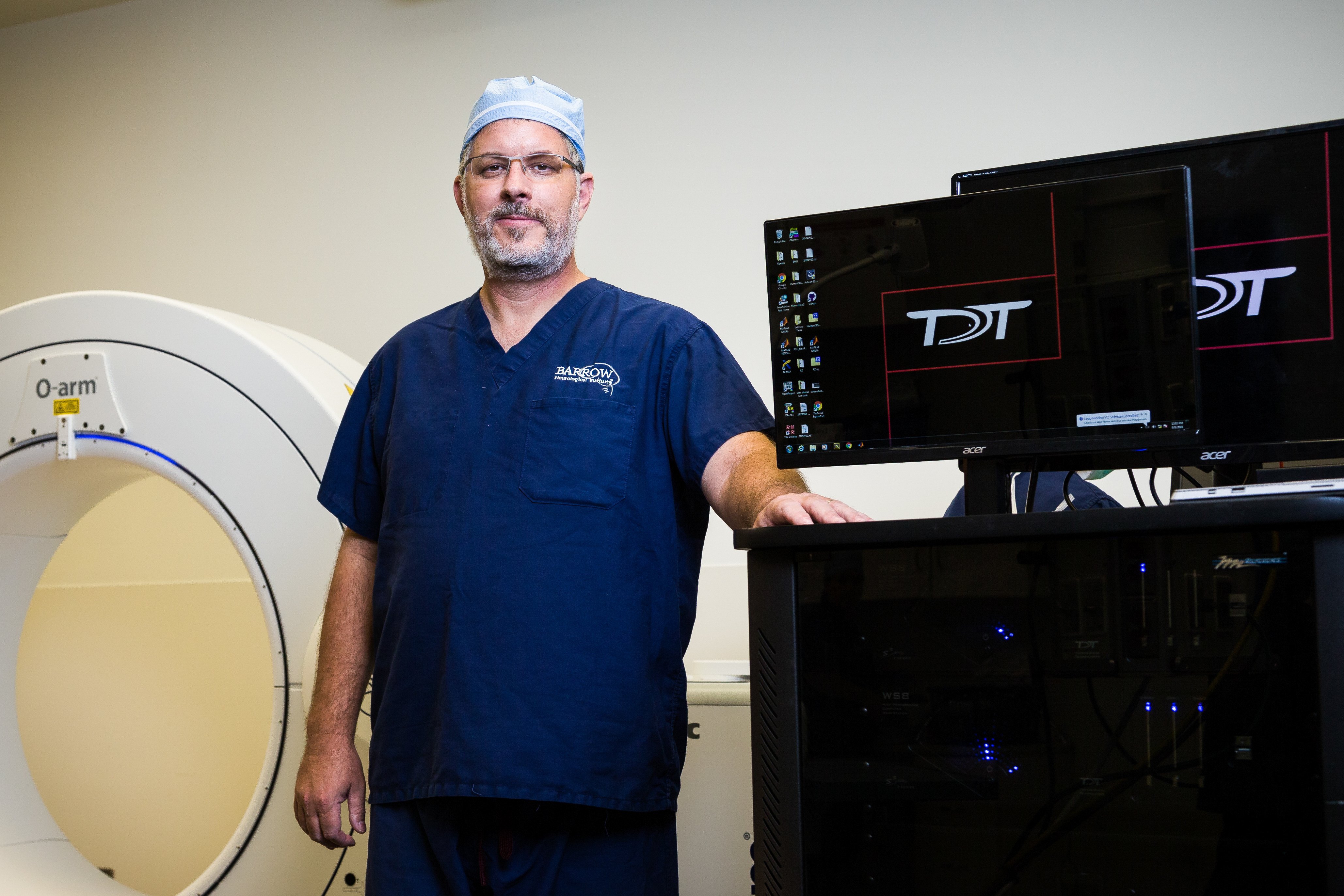
Bradley Greger is an Associate Professor at Arizona State University's School of Biological and Health Systems Engineering. His research focuses on translating clinical needs into neural engineering solutions, particularly for sensory, motor, and cognitive disorders. He collaborates with clinicians at Barrow Neurological Institute and Phoenix Children’s Hospital. Key Research Areas: Neural prosthetics, deep brain stimulation, epilepsy, traumatic brain injury, sensory-motor integration. Clinical Collaborations: Barrow Neurological Institute, Phoenix Children’s Hospital. Technologies: Microelectrode arrays, neural signal processing, closed-loop stimulation systems. Research Trends: Recent publications emphasize electrophysiological signal analysis, non-oscillatory traveling wave detection, and optimizing neural stimulation for rehabilitation. His work bridges cortical mapping, neuromodulation, and biomedical device development. 2025 Projects: Automatic vagus nerve stimulation for stroke recovery, cortical information processing analysis. 2024 Studies: DBS sub-harmonic activity as a biomarker, seizure transition dynamics. Historical Work: Microelectrode array development (2016–2020), intrafascicular interfaces (2014). Affiliations: School of Biological and Health Systems Engineering, ASU; School of Medicine and Advanced Medical Engineering.