Dr. Parth Chansoria is a Lecturer at the Department of Health Sciences and Technology at ETH Zürich, where he leads biofabrication research within the Tissue Engineering and Biofabrication (TEB) group. His work focuses on structured light technology for regenerative medicine applications, including in vivo bioprinting and microgravity-based tissue engineering. He holds Ambizione and Spark grants from the Swiss National Science Foundation and has pioneered innovations in light-guided biofabrication, collagen-based resins, and anisotropic tissue design. Research domains include: Filamented light biofabrication for aligned tissues Minimally invasive light-based in vivo bioprinting Musculoskeletal tissue engineering in microgravity Isotonic collagen-based photocrosslinkable resins He has secured over 6 patents and received prestigious awards including the ISBF Early Career Investigator Award (2022), Marie Curie Actions Fellowship (2021), and SME 30 Under 30 recognition (2021). His interdisciplinary research bridges bioengineering, materials science, and clinical applications. Key collaborations include projects at UNC Chapel Hill (USA) and NC State (USA), where he developed biomimetic patches for dynamic organ pathologies and ultrasound-assisted cell patterning. His lab explores novel bioinks, hybrid fabrication techniques, and translational applications in regenerative medicine.
Dr. Timothy H. Murphy is a Professor in the Department of Psychiatry at the University of British Columbia's Faculty of Medicine. He is also an Associate Member of the School for Biomedical Engineering and a Member of the Djavad Mowafaghian Centre for Brain Health. Dr. Murphy leads the Dynamic Brain Circuits in Health and Disease initiative and the Division of Neuroscience and Translational Psychiatry at UBC. Dr. Murphy received his Ph.D. from Johns Hopkins University in 1989 and his B.Sc. from Saint Mary's College Maryland in 1984. His research focuses on understanding brain circuit structure-function relationships in relation to stroke recovery, psychiatric disorders, and neurological diseases. He specializes in mesoscale imaging techniques to study cortical activity patterns and develop automated approaches for brain imaging and stimulation. His laboratory develops innovative tools including open-source hardware for automated mouse brain imaging, synthetic data generation for behavioral analysis, and chronic recording systems that enable simultaneous mesoscale cortical imaging with subcortical or peripheral nerve activity monitoring. Research from the Murphy Lab has significantly advanced our understanding of how brain circuits reorganize after stroke and in models of psychiatric disorders. Dr. Murphy's recent publications reveal trends in mesoscale cortical imaging, development of synthetic data for behavioral analysis, and exploration of circuit-level changes in neurological and psychiatric disease models. His work bridges basic neuroscience with potential clinical applications for stroke recovery and mental health treatments. Dr. Murphy has mentored numerous students and postdoctoral fellows who have gone on to successful careers in neuroscience and related fields. His laboratory has received funding to support innovative approaches to understanding brain circuit function and recovery mechanisms. The Murphy Lab maintains strong collaborative ties across UBC and develops open-source tools that are widely adopted by the neuroscience community. Their work on automated home-cage imaging systems, synthetic behavioral data generation, and chronic recording technologies represents significant methodological advances in the field.
Dr. Manuel Carro Dominguez is a Researcher at the Department of Neural Control of Movement, ETH Zürich. His work focuses on understanding the neural mechanisms underlying sleep dynamics, arousal regulation, and their impact on motor performance and cardiovascular function. He specializes in techniques such as auditory stimulation, pupil-based neurofeedback, and EEG/ECG monitoring to explore sleep oscillations, cortical excitability, and their clinical applications. His research bridges neuroscience, biomedical engineering, and sleep medicine, with a particular emphasis on enhancing human physiology through targeted interventions during sleep. Key research interests include: sleep modulation via auditory stimuli, pupilometry as a marker of arousal states, and the development of medical devices for gas sensing and closed-loop biofeedback systems. His studies often integrate multidisciplinary approaches to address translational challenges in neurophysiology and cardiovascular health. Recent publications highlight advancements in auditory stimulation effects on cardiac function, the role of K-complexes in sleep dynamics, and the design of gas sensing technologies for biomedical applications. His work contributes to both fundamental neuroscience and applied biomedical engineering, aiming to improve clinical outcomes through innovative sleep-based interventions.
Professor Dario Farina is Chair in Neurorehabilitation Engineering at the Department of Bioengineering, Faculty of Engineering, Imperial College London. He has previously served as Full Professor at Aalborg University, Denmark, and at the University Medical Center Göttingen, Germany, where he founded and directed the Institute of Neurorehabilitation Systems. His research spans biomedical signal processing, neural control of movement, and neurorehabilitation technology, with extensive contributions to electromyography, motor unit analysis, and neural interfaces. Chair in Neurorehabilitation Engineering, Imperial College London Former Full Professor, Aalborg University and University Medical Center Göttingen Founder and Director, Institute of Neurorehabilitation Systems Key Affiliations: Centre for Neurotechnology, Artificial Intelligence Network, Robotics Forum, Neuromechanics and Rehabilitation Technology His research focuses on biomedical signal processing , neural control of movement , and neurorehabilitation technology . He investigates how neural signals control muscles, develops methods to decode motor unit activity from EMG, and designs neural interfaces for prosthetics and rehabilitation. His work integrates computational modeling, signal processing, and clinical applications to improve bionic systems and neurorehabilitation outcomes. The recent publications (2024–2025) show a strong emphasis on high-density EMG , real-time motor unit decomposition , peripheral and cortical neural interfacing , closed-loop control systems , and AI-driven biosignal analysis . Key themes include decoding spinal and cortical signals, improving prosthetic control, understanding tremor mechanisms, and developing open-source tools for motor unit analysis. The work bridges neuroscience, engineering, and clinical practice. Scientific awards and honors include: Royal Society Wolfson Research Merit Award (2016) IEEE EMBS Early Career Achievement Award (2010) Nightingale Prize for best paper in MBEC (2007) Elected Fellow of EAMBES (2016) Elected Fellow of AIMBE (2012) Professor Farina has advised numerous researchers and students in neuroengineering and rehabilitation technology. He has led major research grants in neural interfaces and neurorehabilitation. He is Editor-in-Chief of the Journal of Electromyography and Kinesiology , an editor for IEEE Transactions on Biomedical Engineering and The Journal of Physiology , and has held editorial roles in multiple journals. He was President of ISEK (2012–2014) and is a Senior Member of IEEE. He leads a research group focused on neuromechanics, neural decoding, and bionic systems. The team develops tools like I-Spin live and MUedit for real-time motor unit identification and contributes to open-source platforms such as NeuroMotion . The lab collaborates internationally on projects involving spinal cord stimulation, prosthetic control, and wearable robotics, aiming to translate neural engineering advances into clinical rehabilitation.
Rikky Muller is an Associate Professor of Electrical Engineering and Computer Sciences at UC Berkeley, holding the S. Shankar Sastry Professorship in Emerging Technologies. She is Co-director of the Berkeley Wireless Research Center (BWRC), a Core Member of the Center for Neural Engineering and Prostheses (CNEP), and an Investigator at the Chan-Zuckerberg Biohub. Her research focuses on implantable/wearable medical devices, low-power wireless systems, and neurotechnology for neurological applications. Education: PhD (2013), UC Berkeley; BS and M.Eng. (2004), MIT, all in EECS. Prior roles include IC designer at Analog Devices and co-founder of Cortera Neurotechnologies (acquired). Research interests include neural interfaces, closed-loop neuromodulation, and biomedical microelectronics. Notable contributions include Neural Dust (ultrasonic implants), wireless EEG systems, and seizure prediction hardware. Awards: MIT TR35 Innovator, NAE Gilbreth Lectureship, NSF CAREER Award, IEEE SSCS New Frontier Award Grants: Bakar Fellows, Hellman Fellowship, NSF CAREER Labs: Muller Lab (UC Berkeley EECS), Chan-Zuckerberg Biohub collaborations
Professor Tim Denison FREng holds a joint appointment in the Department of Engineering Science and Nuffield Department of Clinical Neurosciences at the University of Oxford, where he serves as the Royal Academy of Engineering Chair in Emerging Technologies and an MRC Investigator. His research focuses on the fundamentals of physiologic closed-loop systems and developing next-generation neural interface technologies for treating chronic neurological diseases. Professor Denison received his A.B. in Physics from The University of Chicago, followed by M.S. and Ph.D. degrees in Electrical Engineering from MIT. He later completed an MBA at The University of Chicago, where he was named a Wallman Scholar. His research spans neural engineering, closed-loop neuromodulation systems, and computational neuroscience, with particular emphasis on deep brain stimulation, neural oscillations, and adaptive neurostimulation techniques. His work integrates engineering principles with clinical neuroscience to develop innovative treatments for neurological disorders. Professor Denison's approach combines computational modeling with experimental validation to optimize brain stimulation parameters for individual patients. Professor Denison has received numerous prestigious awards, including membership in the Bakken Society (2012, Medtronic's highest technical honor), the Wallin leadership award (2014), election to the College of Fellows for the American Institute of Medical and Biological Engineering (2015), and recognition as a Fellow of the Royal Academy of Engineering (FREng). As a former Technical Fellow at Medtronic PLC and Vice President of Research & Core Technology for the Restorative Therapies Group, Professor Denison brings significant industry experience to his academic work. His research group focuses on developing advanced neurostimulation technologies that incorporate chronobiology principles and adaptive algorithms to improve treatment outcomes for neurological conditions.
Professor Andrew Jackson of Newcastle University is a leading researcher in neuroscience and neuroengineering, focusing on neural interfaces, optogenetics, and epilepsy. His work spans brain-computer interfaces, spinal cord stimulation, and sleep-dependent memory processes. Key research areas: closed-loop optogenetic systems, motor cortex dynamics, cerebellar-neocortical communication, and seizure pathway analysis. Collaborations with experts like Dr. Boubker Zaaimi, Professor Yujiang Wang, and Dr. Wei Xu. Develops implantable low-power platforms for real-time neural monitoring and stimulation. His recent publications highlight advancements in neuroprosthetics for motor recovery post-stroke/spinal injury, cortical chloride homeostasis in epilepsy, and mechanisms of brain self-regulation during movement and sleep. Technologies pioneered include flexible neural electrodes, temperature self-monitoring optoelectronics, and wearable bioelectrical signal systems. His work integrates computational neuroscience with clinical applications in motor disorders and epilepsy.
Peter A. Tass is a Professor of Neurosurgery at Stanford University's School of Medicine, where he leads the Tass Lab within the Department of Neurosurgery. His research focuses on developing groundbreaking neuromodulation techniques designed to impact the course of neurological diseases including Parkinson's disease, stroke, epilepsy, and tinnitus. The Tass Lab is part of several prestigious Stanford initiatives including Bio-X, the Wu Tsai Human Performance Alliance, the Maternal & Child Health Research Institute (MCHRI), and the Wu Tsai Neurosciences Institute. MD from Universities of Ulm and Heidelberg, Germany (1989) PhD in Physics from University of Stuttgart, Germany (1993) Diploma (master's degree) in Mathematics from University of Stuttgart, Germany (1993) Habilitation thesis in Physiology from RWTH Aachen University, Aachen, Germany (2001) Dr. Tass's primary research interests center around computational neuroscience approaches to understanding and treating neurological disorders. His lab pioneers neuromodulation techniques based on thorough computational modeling that employs dynamic self-organization, plasticity, and other neuromodulation principles to produce sustained therapeutic effects after stimulation. He specifically focuses on developing stimulation methods that cause sustained neural desynchronization by unlearning abnormal synaptic interactions. His work spans both invasive techniques like deep brain stimulation and non-invasive approaches such as vibrotactile and acoustic stimulation. Current projects involve developing novel therapies for Parkinson's disease, epilepsy, tinnitus, and other neurological conditions using comprehensive computational neuroscience methods derived from non-linear dynamics, statistical physics, and numerics. Analysis of Dr. Tass's recent publications reveals a strong focus on coordinated reset stimulation techniques, neural network modeling with plasticity mechanisms, and computational approaches to brain stimulation. His work consistently bridges theoretical computational neuroscience with clinical applications, particularly for Parkinson's disease treatment. A significant portion of his recent research examines how stimulation parameters, sequences, and timing affect long-lasting desynchronization effects in neural networks. His publications demonstrate an interdisciplinary approach combining physics, mathematics, neuroscience, and clinical medicine to develop novel therapeutic interventions. Member of the European Academy of Sciences and Arts (2012) Nicolaus August Otto Innovation Prize (2011) German Innovation Award in Medicine (2011) Rapid Response Innovation Awards from The Michael J. Fox Foundation (2009, 2010) Runner-up for the German future prize (2006) Erwin Schrödinger prize (2005) Fritz Winter prize (2000) Dr. Tass actively mentors a diverse team of researchers including staff scientists, postdoctoral fellows, clinician-scientists, and students. His lab currently includes researchers with backgrounds in physics, computational neuroscience, biomedical engineering, and clinical neurology. The lab is involved in multiple clinical trials, including studies on coordinated reset spinal cord stimulation and vibrotactile coordinated reset stimulation for Parkinson's disease. His research is supported by various funding sources including foundations focused on neurological disorders and innovation in medical technology. Dr. Tass collaborates extensively with both internal Stanford researchers and external collaborators worldwide. The Tass Lab at Stanford is a multidisciplinary research group comprising physicists, neuroscientists, engineers, and clinicians working together to develop novel neuromodulation therapies. The lab team includes staff scientists like Justus Kromer (theoretical physicist), postdocs like Daniel Ehrens and Kanishk Chauhan, clinician-scientists like Tina Munjal, and clinical research coordinators. The lab maintains active collaborations with Stanford colleagues across departments including Kwabena Boahen, Vivek P. Buch, and Jaimie Henderson, as well as external collaborators like Alexander Neiman and Kęstutis Pyragas. Current research directions include developing non-invasive vibrotactile treatments for Parkinson's disease, acoustic coordinated reset therapy for tinnitus, and responsive deep brain stimulation for conditions like loss-of-control eating.
Dr. Boubker Zaaimi is a Lecturer in Neuroscience at Aston University, affiliated with the School of Life & Health Sciences under the College of Health and Life Sciences. His 15+ years of experience focus on implanting electrodes in animal models (rodents to primates) to study brain activity modulation, particularly in stroke and epilepsy contexts. He specializes in brain-machine interfaces, optogenetics, and closed-loop protocols to regulate neural activity. Key projects include the CANDO project (Newcastle University) and collaborations with DARPA and industry partners like Autifony Therapeutics. His research uses magnetoencephalography (MEG) to advance human brain activity recording and modulation techniques. Employment History: Multiple postdoctoral roles at Newcastle University, Northwestern University, and City College, NY, culminating in his current faculty position. Research Interests: Optogenetic control, neural dynamics in primates, spinal cord plasticity, and neuromodulation therapies. His work bridges basic science and clinical applications, with recent focus on non-invasive neurostimulation (e.g., brain-responsive music) and closed-loop systems for epilepsy management. Over 19 peer-reviewed articles highlight his contributions to understanding neural pathways and developing therapeutic interventions.
Dr. Eric Meyers is an Assistant Professor in the Department of Bioengineering at the Erik Jonsson School of Engineering and Computer Science, University of Texas at Dallas. He holds a Ph.D. in Biomedical Engineering and dual Bachelor's/Master's degrees in Electrical Engineering from the same institution. His research focuses on closed-loop neurotechnology, neuromodulation, and bioelectronic medicine to enhance recovery from nervous system injuries. Key projects include developing wearable EMG sleeves for stroke rehabilitation and closed-loop neuromodulation systems to restore motor function. Education: B.S. (2012), M.S. (2018), Electrical Engineering; Ph.D. (2017), Biomedical Engineering – all from UTD His research interests span machine learning applications in neurorehabilitation, biomarker discovery for neurological conditions, and clinical translation of bioelectronic therapies. Recent work emphasizes wearable devices for real-time motor function assessment and neuromodulation-driven recovery strategies. Publications highlight advancements in EMG-based neural interfaces, closed-loop algorithms for stroke therapy, and innovative FES systems. His lab actively collaborates on projects funded by NIH and industry partnerships, with a focus on translating technologies to clinical settings.
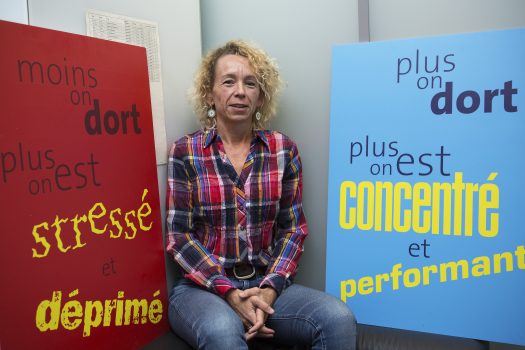
Prof. Sophie Schwartz is a leading neuroscientist at the University of Geneva , where she heads the Sleep & Cognition Lab within the Faculty of Medicine . Her research integrates neuroimaging (fMRI, hd-EEG, MEG) , behavioral testing , and computational modeling to unravel the neural mechanisms underlying memory consolidation , emotion processing , and dreaming during sleep, while also developing clinical interventions to enhance sleep in neurological and psychiatric disorders.
Kelly Bijanki is an Associate Professor of Neurosurgery, Director of Intracranial Monitoring Research, and holds joint appointments in Psychiatry and Neuroscience at Baylor College of Medicine. Her work bridges clinical neurosurgery and neuroscience, focusing on understanding the neural basis of affective disorders and developing neuromodulation therapies. She directs the Translational Neuromodulation Lab, where she leverages stereotactic electroencephalography (sEEG) to study deep brain structures critical to emotional functioning. Dr. Bijanki's research explores the electrophysiological, neurobiological, and behavioral correlates of neuromodulation of affective neural circuits. Her lab primarily works with patients undergoing intracranial monitoring for epilepsy or depression, using this unique platform to conduct in-vivo studies of neural correlates to affective function. Her work has identified novel stimulation-based strategies for evoking positive affect and anxiolysis, including the discovery that stimulation to the cingulum bundle evokes changes in anxiolysis, mirth, and euphoria, which was featured as a cover article in the Journal of Clinical Investigation and highlighted in the NIH Director's Blog. Analysis of her recent publications reveals a consistent focus on mapping neural circuits involved in emotion processing, particularly using stereo-EEG informed deep brain stimulation approaches. Her work spans multiple psychiatric conditions including depression, obsessive-compulsive disorder, and anxiety disorders, with a strong emphasis on translating electrophysiological findings into therapeutic applications. The integration of computational approaches, particularly machine learning for decoding neural activity related to mood states, represents a growing trend in her research program. Her scientific achievements include: United States Patent (US:11,241,575) for a novel stimulation-based strategy for evoking positive affect and anxiolysis Journal of Clinical Investigation cover article (March 2019) on cingulum stimulation enhancing positive affect NIH Director's Blog feature highlighting her groundbreaking work Multiple NIH grants including R01, R21, and K01 awards Dr. Bijanki mentors a diverse team including graduate students, postdoctoral fellows, and undergraduate researchers. Her research program is generously funded by multiple NIH grants (R01-MH127006, R01-MH130597, K01MH116364, R21NS104953, UH3NS103549), as well as support from the ARCO Foundation, Caroline Wiess Law Fund, American Foundation for Suicide Prevention, and NARSAD. She maintains strong collaborations with researchers at institutions including UTSW, Iowa, Duke, UCLA, Brown, UPenn, and WashU. The Translational Neuromodulation Lab operates at the intersection of clinical neurosurgery, neuroscience, and engineering, utilizing stereo-EEG as a research platform to study deep brain structures involved in emotional processing. The lab employs multiple methodologies including advanced surgical neuroimaging, affective electrophysiology, autonomic surveillance, facial motor analysis, and pulse-evoked potentials to comprehensively characterize mood-relevant neural circuits. Their current flagship project involves using explainable artificial intelligence to map the relationship between mood and intracranial neural activity, with the goal of developing naturalistic patterns of intracranial stimulation for therapeutic applications.
Professor Francois Ladouceur is a distinguished academic at the University of New South Wales (UNSW), where he serves in the Faculty of Engineering, specifically within the School of Electrical Engineering and Telecommunications. With a career spanning over three decades, Professor Ladouceur has established himself as a leading expert in photonics, optical engineering, and neural interfaces. His educational background includes: Ph.D. in Optical Communication from The Australian National University (1992) Masters in Solid State Physics from École Polytechnique, Montréal, Canada (1987) B. Eng. in Engineering Physics from École Polytechnique, Montréal, Canada (1985) Professor Ladouceur's research spans several cutting-edge areas in photonics and optical engineering. His work focuses on integrated optics, silica and diamond-based photonics, optical sensing networks, and photonics-based brain/machine interfaces. He has made significant contributions to both fundamental waveguide theory and applied integrated optics, introducing innovative approaches to waveguide path design that have improved the size and ease of design of integrated optics devices. His recent work has particularly emphasized the development of liquid crystal-based optical electrodes for neural interfacing and brain/machine interfaces. Analysis of his recent publications reveals a strong trend toward biomedical applications of photonics, particularly in neural interfaces and optrode technology. His research has evolved from fundamental optical engineering to practical applications in healthcare, with a focus on developing novel optical sensing technologies for electrophysiological measurements. The interdisciplinary nature of his work combines optical engineering, materials science, and biomedical engineering to create innovative solutions for neural interfacing. Professor Ladouceur has secured significant research funding through multiple prestigious grants: ARC Discovery (DP200102825): "A Multi-Optrode Array for Closed-Loop Bionics" ($495k) NHMRC Ideas Grant (APP2002282): "Re-engineering the Future of Electrophysiological Measurements" ($732k) ARC Discovery 2016 (DP160104625): "Design of an optrode for next generation brain-machine interfaces" ($457.6k) CRC Project 2016: "High performance optical telemetry system for ocean monitoring" ($1,014,320) US Office of Naval Research: "Multi-Optrode Array for Neural Interfacing" (US$360,000) Professor Ladouceur has extensive experience in translating research into practical applications, having founded Bandwidth Foundry Pty Ltd after raising approximately $20 million from private and public sources. His work bridges the gap between academic research and commercial applications, with a particular focus on developing novel hybrid opto-electronics devices from initial design through to commercial realization. He collaborates extensively with researchers across disciplines, particularly with Professor Nigel Lovell and other colleagues in biomedical engineering. His laboratory focuses on developing optical technologies for neural interfaces, with current projects including multi-optrode arrays for brain-machine interfaces, optical telemetry systems for various sensing applications, and diamond-based photonic structures. The research group maintains strong connections with industry partners and defense organizations, applying photonics solutions to real-world problems in healthcare, mining safety, and ocean monitoring.
Allon Guez is a Professor in the Department of Electrical and Computer Engineering at Drexel University. His research focuses on control systems, robotics, artificial intelligence, medical robotics, and automated decision making. He actively bridges academia and industry through high-tech entrepreneurship. Education PhD in Electrical Engineering, University of Florida MS in Electrical Engineering, University of Florida MBA in Finance, Drexel University BS in Electrical Engineering, Technion - Israel Institute of Technology His research portfolio spans medical robotics, automated decision making systems, and advanced control algorithms. Key areas include wearable safety devices, radiation control in imaging systems, and closed-loop brain stimulation technologies. Notable contributions include founding ControlRad (radiation reduction systems) and GraceFall (fall detection technology). His work demonstrates a strong emphasis on translating academic research into commercial medical devices. Recent publications highlight innovations in: Fetal brainwave monitoring Postural disturbance detection Seizure prediction algorithms Magnetic microrobotics Dynamic CT collimation Cardiac tissue modeling
Karim Oweiss is a Pre-eminent Professor at the University of Florida, with joint appointments in the Department of Biomedical Engineering (Herbert Wertheim College of Engineering), Electrical and Computer Engineering, and Neuroscience (McKnight Brain Institute). He holds a Ph.D. in Electrical Engineering and Computer Science from the University of Michigan (2002). His research focuses on neural mechanisms of sensorimotor integration and the development of clinically viable brain-machine interfaces (BMIs) to restore damaged neurological function. His work spans computational neuroscience, neural decoding, optogenetics, and advanced neurotechnology, with a strong emphasis on closed-loop systems and neural plasticity. 2025 : Chemogenetic stimulation of phrenic motor output and diaphragm activity 2024 : Chemogenetic phrenic motoneuron activation enables increased tidal volume 2023 : Compressive sensing of functional connectivity maps from patterned optogenetic stimulation Oweiss has received the NSF Excellence in Neural Engineering Award (2001) and is a Senior Member of the IEEE. He has published extensively on topics including neural decoding, compressive sensing, and multiscale neural interfacing. As editor of Statistical Signal Processing for Neuroscience and Neurotechnology (2010), he has contributed significantly to the field's methodological foundations. His lab develops tools like NeuroQuest for large-scale neural data analysis and implantable neuroprocessors for wireless BMI applications.