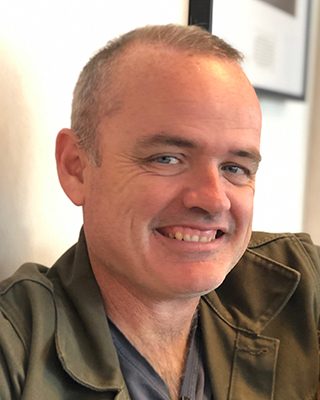
Teresa E. Pawlowska is a Professor in the Plant Pathology and Plant-Microbe Biology Section of Cornell University's School of Integrative Plant Science. Her research focuses on fungal-bacterial symbioses and evolutionary mechanisms in early-divergent fungi. Her research interests span Fungal evolutionary biology Evolutionary and population genomics Innate immunity in fungi Arbuscular mycorrhizae systems Fungal-bacterial interactions with particular emphasis on symbiotic associations between Mucoromycota fungi and their bacterial endosymbionts. Analysis of her 15 most recent publications reveals dominant trends in microbial symbiosis evolution, with strong focus on genomic adaptations in bacterial endosymbionts (particularly 'Candidatus Moeniiplasma' ), metabolic integration mechanisms, and evolutionary consequences of host-symbiont coevolution. Key research areas include lipid metabolic changes governing mutualism establishment, defense mechanisms against antagonistic bacteria, and the role of mobile genetic elements in symbiont longevity. Scientific recognition includes Donald C. Burgett Distinguished Advisor Award (2018) NSF-funded REU program leadership for underrepresented minorities Multiple student awards at international conferences USDA pre-doctoral fellowship for lab members Professor Pawlowska actively mentors PhD students including Meg Branine, Delia Tota, and Nicole Reynolds, with research supported by NSF and USDA grants. She directs the "Microbial Friends & Foes" REU program and maintains active collaborations with international institutions including North-West University (South Africa) and Oregon State University. Her lab, located in Plant Science Building, focuses on experimental evolution, genomics, and ecological studies of fungal-bacterial systems.