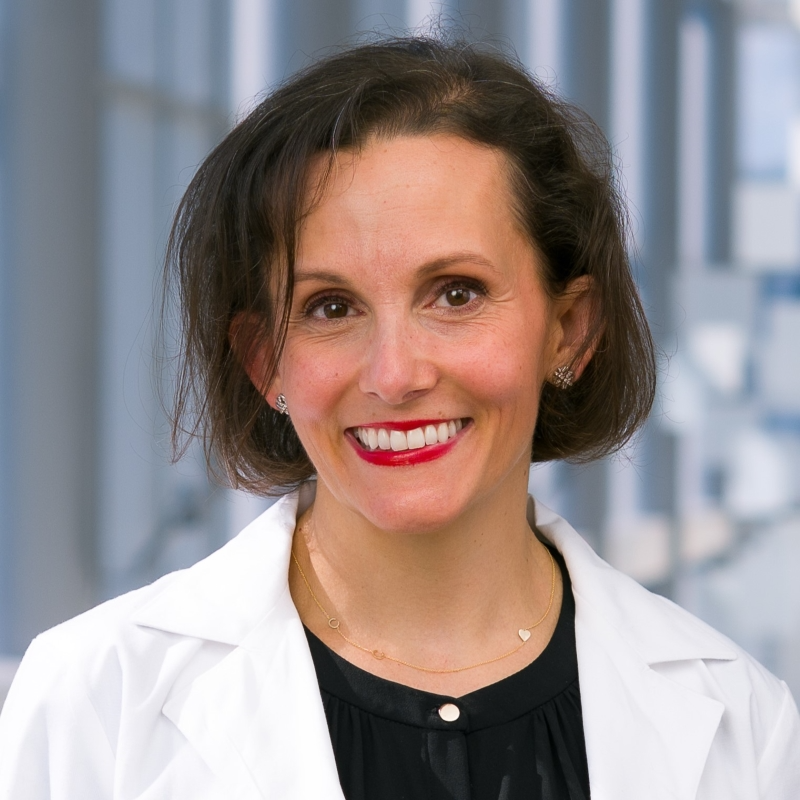
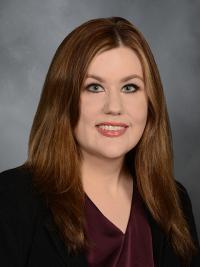
Owen O'Donnell is a Full Professor of Applied Economics at the Erasmus School of Economics and Erasmus School of Health Policy & Management , Erasmus University Rotterdam. He is a Research Fellow at the Tinbergen Institute and an Editor of the Journal of Health Economics . Education: DPhil, University of York (UK) Research Interests: His work focuses on health economics, including health inequality, health insurance, financial protection, and labor economics, with applications in low-, middle-, and high-income countries. He employs cross-sectional analyses, equity-sensitive frameworks, and global health policy evaluation. Publications & Collaborations: He has published extensively in top journals like Lancet , PLOS Medicine , and Demography , addressing cardiovascular disease, hypertension screening, and healthcare access in India, Philippines, and Sub-Saharan Africa. His recent research emphasizes equity-sensitive welfare weights and treatment gain inequality. Professional Activities: He has served as an Editor for the Journal of Health Economics since 2007 and is actively involved in peer-review and editorial work until 2026.
Janani Thillainadesan is an NHMRC Senior Research Fellow at the Sydney Medical School/Concord Clinical School and the Centre for Education and Research on Ageing, affiliated with the Faculty of Medicine and Health at the University of Sydney. She is also a member of the Charles Perkins Centre. Her research focuses on optimizing healthcare delivery for older adults, particularly in geriatric surgery, perioperative care, and dementia interventions. Key research areas include frailty assessment, deprescribing strategies, collaborative care models, and leveraging technology (e.g., mobile health) in geriatric medicine. She has contributed to multidisciplinary studies involving clinical datasets, quality indicators, and mixed-methods analyses of patient experiences and care expectations. Awards: 2023 RACP Vincent Fairfax Research Fellowship 2021 ANZSGM Career Investigator Prize 2021 UK Age Anaesthesia Association Best Oral Presentation Prize 2019 Evidence Based Perioperative Medicine Asia Congress Runner Up Prize Her work bridges clinical practice, education, and policy through grants like the 2024 electronic frailty index project. Media engagement includes a 2019 Studio 10 segment highlighting her contributions to aging-related healthcare innovations.
Sapha Barkati, MD, MSc is an Assistant Professor at the Department of Medicine, Faculty of Medicine and Health Sciences, McGill University , and an Investigator at the RI-MUHC Glen site . Her work bridges clinical practice and research in tropical medicine, focusing on parasitic diseases affecting vulnerable populations. Affiliations: Assistant Professor, McGill University Investigator, Research Institute of the McGill University Health Centre (RI-MUHC) McGill International Tuberculosis Centre Research Focus: Specializes in neglected tropical diseases like strongyloidiasis and tegumentary leishmaniasis, particularly among migrants and immunocompromised individuals. Studies include: Physician awareness of Strongyloides screening Prevalence patterns in non-endemic countries HTLV-1 co-infection treatment response Cost-effective screening strategies Scientific Contributions: Key publications address tropical disease management in non-endemic settings, mpox outbreak dynamics, and SARS-CoV-2 immunity patterns. Her work emphasizes evidence-based guidelines for: Parasite screening in transplant recipients Leishmaniasis treatment protocols Traveler disease prevention Collaborative Networks: Partners with institutions like Universidad Peruana Cayetano Heredia and participates in GeoSentinel surveillance. Leads studies on: Covid-19 health disparities Vaccine effectiveness against variants Remote patient monitoring systems
Dr Virginia Hagger is a Senior Lecturer in Nursing at Deakin University's School of Nursing & Midwifery, part of the Faculty of Health and the Institute for Health Transformation. She specializes in diabetes education, self-management, and psychological wellbeing. Her research focuses on structured education programs, diabetes distress, and workforce development. She holds a PhD and Master of Public Health from Deakin University. Dr Hagger has led numerous national and international studies, including interventions targeting diabetes distress, insulin therapy barriers, and telehealth support. She is affiliated with the Quality and Patient Safety (QPS) Strategic Research Centre and the Australian Centre for Behavioural Research in Diabetes . Awards include the 2019 Alfred Deakin Medal and 2017 Vice-Chancellor's Award for Teaching Excellence. Her teaching spans undergraduate and postgraduate nursing, including units on diabetes pathophysiology and psychosocial contexts. Current doctoral students focus on diabetes distress, social support in Ethiopia, and autonomy in insulin management. Over 30 peer-reviewed articles and grants (e.g., MRFF-funded HypoPAST and LISTEN trials) underscore her contributions to diabetes care innovation and workforce training.
Susan Holmes is Professor at the School of Media, Language and Communication Studies at the University of East Anglia (UEA), where she joined as Reader in Television in 2007 and was appointed to Professor in 2018. She is an active member of several research groups including Media Equality, Film, Television and Media, Gender and Its Intersections Steering Committee, and HealthUEA. Her work spans television studies, celebrity culture, and feminist approaches to eating disorders. Professor Holmes received her academic training at the University of Sussex (BA in English and Media Studies), followed by an MA in Film from the University of Southampton, and completed her PhD on British film and television in the 1950s at the same institution. Prior to joining UEA, she taught Media and Cultural Studies at the Southampton Institute (now Southampton Solent University) and television and film at the University of Kent. Her research focuses on several interconnected areas that challenge traditional disciplinary boundaries. In television studies, she has made significant contributions to understanding British television history, particularly through her books 'British TV and Film in the 1950s' and 'Entertaining TV: the BBC and Popular Programme Culture in the 1950s,' where she challenges canonical ideas about early BBC television. Her work on reality TV examines historical development, generic labeling, and celebrity. Since 2014, she has conducted important empirical research on feminist approaches to eating disorders, analyzing media representations and working directly with people with lived experience. A key focus of this research examines how feminist approaches are neglected in contemporary eating disorder treatment, with implications for both clinical practice and cultural understanding. She co-founded the influential Celebrity Studies journal in 2010 and edited it for the first eight years of its publication. Analysis of Professor Holmes' recent publications reveals a clear trajectory where her expertise in media and television studies converges with her feminist scholarship on eating disorders. Her most recent work (2023-2025) increasingly focuses on cross-cultural applications of feminist approaches to eating disorders (including work in China), the use of innovative methodologies like Photovoice, and examinations of therapeutic alliance in treatment settings. Simultaneously, she continues to analyze contemporary media representations, particularly focusing on motherhood, true crime television, and reality TV through feminist lenses. This dual focus demonstrates how media representations shape cultural understandings of both celebrity and health conditions. Professor Holmes' significant contributions to academia have been recognized with several prestigious awards: Senior Fellowship from Advance HE (2024) UEA engagement award (2017) ALPSP award nomination for Celebrity Studies as best new journal (2011) She currently runs the Feminist Media Studies research cluster at UEA and is actively supervising postgraduate research in areas including popular television, television/film history, British TV history, stardom/celebrity, and feminist approaches to eating disorders. Her current major research project is the 'ALLIANCE study' (2024-2026), funded by the National Institute for Health and Care Research, which aims to develop practice and policy recommendations to support effective therapeutic alliance in inpatient treatment for eating disorders. This builds on her earlier British Academy-funded research on 'Entertaining Television: British TV, the BBC and Popular Programme Culture in the 1950s' (2007-2008). Professor Holmes plays a significant role in the academic community through her editorial work, serving on the boards of journals including Archives of Psychology, Big Data & Society, and Critical Studies in Television, and previously as co-founder and editor of Celebrity Studies. She has also been active in media engagement, contributing expert commentary on topics ranging from Netflix's portrayal of eating disorders to Celebrity Big Brother.
Nick Bansback is an Honorary Visiting Professor in the School of Population and Public Health at the University of British Columbia (primary affiliation) and affiliated with NUS Saw Swee Hock School of Public Health. His research focuses on maximizing healthcare value through economic evaluation, patient preference measurement, and decision analysis. He holds a PhD in Health Economics and Decision Sciences (University of Sheffield, 2010), an MSc in Health Economics (2004), and a BSc in Mathematics (2001). Key research areas include health technology assessment, patient-reported outcomes, and cost-effectiveness analysis of treatments for chronic conditions like rheumatoid arthritis and multiple sclerosis. He has pioneered methods for incorporating patient preferences into healthcare decisions, including developing decision aids and discrete-choice experiments. His work has been recognized with awards such as the UBC Killam Research Award (2020) and the Canadian Agency for Drugs and Technology in Health Rising Star Award (2016). He has contributed to over 30 peer-reviewed publications, emphasizing practical applications of health economics to improve healthcare resource allocation and patient-centered care. Prof. Bansback’s career spans postdoctoral research at UBC, health economics roles at the Centre for Health Evaluation and Outcomes Sciences, and early research at the University of Sheffield. His interdisciplinary approach bridges clinical practice, policy, and quantitative methods to address complex healthcare challenges.
Dr. Lucian Sulica is the Sean Parker Professor of Laryngology and Director of the Sean Parker Institute for the Voice at Weill Cornell Medical College. He is an attending Otolaryngologist at NewYork-Presbyterian Hospital with a clinical practice exclusively focused on voice disorders. Dr. Sulica served as the 2023 President of the American Laryngological Association and is a Fellow of the American Laryngologic, Rhinologic and Otologic Society (the Triologic Society). His educational background includes: A.B. from Dartmouth College (1989) M.D. from Georgetown University School of Medicine (1993) Residency at Georgetown University Medical Center Fellowship at New York Center for Voice & Swallowing Disorders, St. Luke's-Roosevelt Hospital Center Dr. Sulica's research focuses on evidence-driven principles for treating voice conditions, with particular emphasis on vocal fold injuries from voice use (especially in performers), neurologic voice disorders (including vocal fold paralysis, spasmodic dysphonia, and tremor), and in-office procedures for voice disorders that don't require general anesthesia. His work has addressed critical aspects such as gender differences in vocal fold injury, pathophysiology of laryngeal nerve injury, and diagnostic accuracy in voice disorders. Analysis of Dr. Sulica's recent publications reveals a strong focus on advancing diagnostic techniques through artificial intelligence, improving surgical outcomes for vocal fold lesions, understanding performers' unique voice care needs, and developing evidence-based protocols for vocal fold hemorrhage and other voice disorders. His research increasingly incorporates technology-driven approaches while maintaining a strong clinical focus on patient-centered outcomes. Dr. Sulica has received numerous prestigious awards including: Casselberry Award of the American Laryngological Association (2021) Felix Semon Lectureship in Laryngology, Royal Society of Medicine (2022) American Academy of Otolaryngology – Head & Neck Surgery Honor Award (2008) Consistent recognition as one of "Best Doctors in America" (2005-2024) Designation as one of "America's Top Physicians in Voice Disorders/Laryngology" (since 2006) Inclusion in "New York Magazine Best Doctors" list annually since 2013 As an educator, Dr. Sulica has authored more than 110 journal articles and 40 book chapters, and has edited three books including "Vocal Fold Paralysis," "Classics in Voice and Laryngology," and "Patologia Laringea y Fonocirugia" (in Spanish). He is passionate about teaching and has lectured extensively across the United States, Europe, Latin America, and Australia. His clinical work at the Sean Parker Institute for the Voice represents a comprehensive approach to voice care, incorporating innovative in-office procedures that have helped establish new standards in laryngology.
Emily D. Gottfried, PhD, is an Associate Professor at the Medical University of South Carolina (MUSC) in the Department of Psychiatry and Behavioral Sciences, College of Medicine. She serves as Director of the MUSC Sexual Behaviors Clinic and Lab (SBCL) and CPSPD Student Education & Research, conducting forensic evaluations, physiological sexual arousal assessments, and mentoring students. She is licensed in South Carolina and Georgia, and a National Register Health Service Psychologist. Bachelor’s in Psychology, San Diego State University Master’s in Psychology, Teachers College, Columbia University PhD in Clinical Psychology, Florida State University Her research focuses on sex offender risk assessment , malingering detection (PPG/VPP technology), female offender psychology , and forensic evaluation validity . Recent work includes dimensional personality models and QAnon-related threat analysis . She has published extensively on psychopathy , penile/vaginal plethysmography , and mental health court outcomes . Notable publication trends include Forensic validity of symptom detection tools Psychopathy in female offenders Technology's role in sexual behavior assessment Telehealth adaptation during pandemics MMPI-2-RF applications in correctional settings Psychological factors in civil commitment She leads ongoing funded studies on female sexual arousal and police officer behavioral outcomes , operating at the intersection of forensic science and clinical psychology .
Ping He is a Professor in the Department of Molecular, Cellular, and Developmental Biology (MCDB) at the University of Michigan in Ann Arbor. His research focuses on plant immunity mechanisms, particularly using Arabidopsis as a model system to study pathogen defense activation, signaling pathways, and the interplay between immunity and environmental stress responses. He also leads the Molecular, Plant-Microbe Interaction Laboratory, applying interdisciplinary approaches (genetics, biochemistry, cellular biology) to enhance crop resilience through foundational plant science discoveries. His work bridges plant biology and computational biology, with recent contributions to AI-driven medical imaging applications such as bladder cancer treatment response assessment, lung cancer early detection, and breast tomosynthesis denoising. These efforts emphasize integrating machine learning into clinical workflows and establishing best practices for AI in healthcare. Research Highlights: Plant immunity signaling and environmental stress crosstalk Radiomics and deep learning for cancer diagnosis/prognosis AI model validation and multi-institutional clinical trials Medical imaging artifact correction (e.g., motion blur, noise) Publications emphasize AI applications in oncology imaging, radiologist decision support systems, and multimodal data fusion. He has contributed to AAPM task group guidelines for AI in computer-aided diagnosis and advocates for rigorous quality assurance frameworks in medical AI deployment.
Professor David Alldred is a Professor of Medicines Use and Safety at the University of Leeds' School of Healthcare, within the Faculty of Medicine and Health. His expertise spans medicines optimisation, patient safety, deprescribing, and care home medication management. He leads key research initiatives such as the NIHR Yorkshire and Humber Patient Safety Research Collaboration's 'Decluttering Safely for Safety' theme and co-leads the School of Healthcare's Quality and Safety research theme. Education: PhD (clinical research on care home medication review), MSc in Clinical Pharmacy, PGCert in Learning and Teaching, and BPharm (Hons). Professional memberships include Fellowships of the Royal Pharmaceutical Society and the Higher Education Academy. Research focuses on improving medication use for older adults in care homes and underserved populations, employing systematic reviews, qualitative studies, and RCTs. Notable projects include the CHUMS study (Department of Health-funded medication error analysis in care homes) and leadership roles in NIHR Programme Grants like CHIPPS and CHARMER. He collaborates with NHS England to implement medicines optimisation programs and co-designed multilingual medication review resources to reduce health inequalities. Awards include the Pharmacy Practice UK Research Award (2015) and NIHR Senior Investigator status (2025). His work emphasizes translating evidence into clinical practice, with over 150 publications and supervising NIHR-funded doctoral students in critical care, diabetes, cystic fibrosis, and geriatrics. Led the Care Homes' Use of Medicines Study (CHUMS), contributed to NICE guidelines for care home medicines management, and developed interventions like the Medicines at Transitions Intervention (MaTI) for heart failure patients. His research themes address polypharmacy reduction, medication safety across care transitions, and pharmacist-led deprescribing strategies.
Dr. Justin Belsky is an Assistant Professor of Emergency Medicine at Yale School of Medicine, serving as the COVID-19 Safety Officer and Co-Director of Resident Research in Emergency Medicine. He holds an MD from Wayne State University School of Medicine (2011) and an MPH from Harvard School of Public Health (2016). His research focuses on sepsis diagnosis and treatment, including biomarkers, clinical trials, and risk stratification tools. He led the Yale site for the VICTAS trial evaluating vitamin C, thiamine, and hydrocortisone in septic shock. Dr. Belsky directs the Yale Emergency Medicine Specimen Biobank, collecting samples from critically ill patients for future research. His awards include the Partners in Excellence Team Award (2016) and an Outstanding Poster Award (2015). He is actively involved in resident research training and clinical guideline adherence studies. Education: MD: Wayne State University School of Medicine (2011) Emergency Medicine Residency: Henry Ford Hospital (2014) Research Fellowship: Massachusetts General Hospital (2016) MPH: Harvard School of Public Health (2016) Research Interests: Early sepsis identification and treatment Biomarker development for critical illness Fluid management strategies in septic shock Micronutrient therapies in sepsis Emergency department quality improvement Recent Work Focus: Fluid resuscitation protocols and guideline adherence Long-term outcomes of sepsis therapies Actin cytoskeleton as a sepsis biomarker Antibiotic timing in sepsis Awards: 2016: Sepsis Care Redesign, Partners in Excellence Team Award 2015: Outstanding Poster Award (Shock Symposium) Grants & Mentorship: Principal investigator for CLOVERS trial (fluid management in sepsis) Co-Director of Yale’s Emergency Medicine Research Training Program Leadership in resident research mentorship and biobank initiatives
Professor Joy Ho is a Clinical Professor of Medicine at the University of Sydney’s Central Clinical School and a Senior Staff Specialist in Haematology at Royal Prince Alfred Hospital (RPAH). She serves as Director of Research and Head of the Multiple Myeloma Research Unit and Thalassemia/Haemoglobinopathy Unit at the Institute of Haematology, RPAH. Her research focuses on multiple myeloma, lymphoma, thalassemia, and iron metabolism, with a strong emphasis on clinical trials and translational medicine. She has led numerous multi-centre trials, including pioneering studies on CAR-T cell therapy for lymphoma and novel therapies for myeloma. Prof Ho’s education includes MB.BS. (Hons) from Sydney, D.Phil (Oxford), and fellowships from the Royal Australasian College of Physicians (RACP) and Royal College of Pathologists of Australasia (RCPA). She has held leadership roles in major hematology organizations, including the International Myeloma Working Group (IMWG) and the American Society of Hematology (ASH). Her international collaborations span Singapore, Thailand, and the United States. Her research interests include: Multiple Myeloma: Developing therapies targeting tumor microenvironment and immune modulation. Lymphoma: Pioneering CAR-T cell therapy in Australia. Thalassemia: Gene therapy and iron chelation advancements, including the landmark Northstar trial. Iron Metabolism: Investigating hepcidin and its role in transfusion-dependent anemias. Her recent publications highlight breakthroughs in CAR-T efficacy, myeloma biomarkers, and thalassemia management. Awards include the 2019 Sydney Local Health District Clinical Trial Award and election to the International Myeloma Society Board. She has secured over $2 million in grants for cutting-edge equipment and research. Prof Ho’s academic contributions extend to teaching and supervision, training fellows for RACP/RCPA certifications. Her leadership in national registries (e.g., Australian Haemoglobinopathy Registry) and guidelines (e.g., iron chelation protocols) underscores her commitment to advancing hematology care globally.
Veronica Bordes Edgar is a Professor in Psychiatry and Pediatrics at UT Southwestern Medical Center. She holds dual roles as co-Director of the Division of Developmental-Behavioral Pediatrics and Director of Clinical Training for the Doctoral Program in Clinical Neuropsychology. Her academic journey includes a PhD in counseling psychology from Arizona State University, clinical training at Harvard Medical School, and a postdoctoral fellowship in neuropsychology at the University of Minnesota. Dr. Edgar specializes in pediatric neuropsychology, focusing on neurodevelopmental disorders (both acquired and genetic) and cultural/bilingual neuropsychological assessment. She is board certified in Clinical Neuropsychology and Pediatric Neuropsychology, and currently serves as President of the American Board of Clinical Neuropsychology. Her research emphasizes culturally competent assessment practices, neurodevelopmental disorder interventions, and the application of teleneuropsychology. Notable contributions include studies on autism spectrum disorder, ADHD caregiver burden, and genetic syndromes like CLN7 and aspartylglucosaminuria.
Christine Clark, MD, MSc is an attending laryngologist at Weill Cornell Medicine’s Sean Parker Institute for the Voice and Assistant Professor in the Department of Otolaryngology-Head and Neck Surgery at Weill Cornell Medical College. She earned her B.A. from the University of Pittsburgh (2011) and her M.D. from Pennsylvania State University College of Medicine (2017), followed by residency at Georgetown University Medical Center and a fellowship in Laryngology at Weill Cornell, where she also obtained a master’s degree in Clinical and Translational Science. B.A. - University of Pittsburgh (2011) M.D. - Pennsylvania State University College of Medicine (2017) Residency - Georgetown University Medical Center Fellowship - Sean Parker Institute for the Voice (Laryngology) Master’s - Clinical and Translational Science at Weill Cornell Dr. Clark specializes in evaluating and treating swallowing, voice, and airway disorders. Her research focuses on chronic cough, laryngeal hypersensitivity, and benign phonotraumatic vocal fold lesions. She has developed clinical tools like the 3D-printed injection laryngoplasty simulator and quality improvement initiatives for surgical airway management. Her clinical work and research span topics such as vocal fold hemorrhage management, pharyngeal residue quantification in dysphagia, and granuloma as markers of malignancy. Recent publications emphasize global otolaryngology capacity building and performer-specific voice injury care. Scientific awards include: Teaching awards for excellence in medical student education during residency Dr. Clark is affiliated with the Sean Parker Institute for the Voice at Weill Cornell Medicine and serves as an Assistant Professor of Otolaryngology.
Dr. Kenji Fujita is a Research Fellow at the Kolling Institute, University of Sydney, specializing in ageing, pharmacology, and pharmaceutical care quality. He holds a PhD, MScMed (ClinEpid), and BPharm from the University of Sydney. Previously a pharmacist in Japan, he leads international initiatives in the Pharmaceutical Care Network Europe (PCNE) and the International Pharmaceutical Federation (FIP). His work focuses on deprescribing strategies, polypharmacy, and developing quality indicators for healthcare services. Dr. Fujita’s research integrates big data analysis, statistical modeling, and machine learning to address challenges in geriatric pharmacotherapy. Current projects include validating frailty indices, evaluating deprescribing interventions in older adults, and developing NLP tools for clinical documentation analysis. He has also contributed to assessing organizational readiness for guideline implementation in community pharmacies. Awards include the 2023 Outstanding Poster Presentation Award at the IAGG Asia/Oceania Congress and 2022 Best Poster at the Japanese Society of Social Pharmacy. He has secured grants such as the 2024 electronic frailty index project and the 2021 systems-approach to medication review initiative. Dr. Fujita collaborates with global networks like J-HOP (Japan Home Visiting Pharmacy Association) and leads multidisciplinary teams across Australia and Europe. His lab focuses on translating data-driven insights into actionable clinical practices to improve medication safety and quality in ageing populations.