Janani Thillainadesan is an NHMRC Senior Research Fellow at the Sydney Medical School/Concord Clinical School and the Centre for Education and Research on Ageing, affiliated with the Faculty of Medicine and Health at the University of Sydney. She is also a member of the Charles Perkins Centre. Her research focuses on optimizing healthcare delivery for older adults, particularly in geriatric surgery, perioperative care, and dementia interventions. Key research areas include frailty assessment, deprescribing strategies, collaborative care models, and leveraging technology (e.g., mobile health) in geriatric medicine. She has contributed to multidisciplinary studies involving clinical datasets, quality indicators, and mixed-methods analyses of patient experiences and care expectations. Awards: 2023 RACP Vincent Fairfax Research Fellowship 2021 ANZSGM Career Investigator Prize 2021 UK Age Anaesthesia Association Best Oral Presentation Prize 2019 Evidence Based Perioperative Medicine Asia Congress Runner Up Prize Her work bridges clinical practice, education, and policy through grants like the 2024 electronic frailty index project. Media engagement includes a 2019 Studio 10 segment highlighting her contributions to aging-related healthcare innovations.
Caroline K. Milne, M.D., is Professor (Clinical) of Internal Medicine at the University of Utah School of Medicine, where she also serves as Vice Chair for Education and Program Director of the Internal Medicine Training Program. In addition, she directs the fourth-year sub-internship and leads clinical-skills education for medical students. Education & Training M.D., University of Wisconsin School of Medicine Residency & Chief Residency, Internal Medicine, University of Utah School of Medicine Fellowship in General Medicine / Medical Education Research, University of Pennsylvania M.B.A., Business Administration, University of Utah Fellowship in Executive Leadership in Health Care, Drexel University Research Focus Dr. Milne’s scholarly work centers on medical education research, particularly the assessment and development of clinical skills, evaluation of residency training programs, and policy studies on resident wellness and parental leave. Her investigations employ mixed-methods and multi-institutional survey designs to inform best practices in graduate medical education. Clinically, she practices general internal medicine at the VA Medical Center, integrating bedside teaching with outpatient and inpatient care. This dual role informs her research on optimizing educational experiences within clinical environments and improving systems of care for veterans. Publication Themes Across more than two decades, her peer-reviewed articles reveal consistent themes: evaluating learner performance, refining feedback mechanisms, exploring health-system responses (e.g., during COVID-19), and analyzing policies affecting residents’ well-being. The work bridges education science, health-services research, and quality improvement. Scientific Awards No specific awards are listed in the provided material. Advising & Grant Activity While formal student advisees are not enumerated, Dr. Milne’s roles as Program Director and Director of Clinical Skills imply extensive mentorship of residents and medical students. Grant details are not provided. Laboratories & Teams She collaborates with the Internal Medicine residency leadership team and the School of Medicine’s clinical-skills educators, operating primarily within the University of Utah’s academic medical center and the affiliated VA Medical Center.
Dr. Laila Ingrid Muderspach is a Clinical Professor of Obstetrics & Gynecology at the University of Southern California (USC) on a part-time basis. She specializes in the diagnosis and treatment of gynecologic malignancies, emphasizing patient-centered care that addresses physical, emotional, and socioeconomic needs. Her clinical expertise spans surgical and medical interventions for cancers of the female reproductive system, with a focus on improving outcomes through advanced techniques like Enhanced Recovery After Surgery (ERAS) pathways and sentinel lymph node biopsies. Dr. Muderspach’s research spans epidemiological trends in gynecologic cancers, including adolescent and young adult (AYA) populations, and the optimization of surgical and chemotherapy protocols. She has contributed to pivotal studies on endometrial and cervical cancer staging, palliative care utilization, and the management of complications in vulvar cancer surgery. Her work also addresses healthcare disparities, such as accessibility to obstetric care and adherence to cancer treatment in underserved communities. Education: Medical degree from an unspecified institution, with training at USC and UCLA. Awards: Over 30 awards including Best Doctors recognition (2009–2014), National Faculty Award (2007), and multiple teaching accolades. Labs/Teams: Active in multidisciplinary gynecologic oncology teams at LAC+USC Medical Center, focusing on surgical innovation and patient safety. Her publications (over 150 listed) reflect a commitment to translational research, including clinical trials for novel therapies like eribulin for cervical cancer and investigations into HPV vaccine impact on cervical lesions.
Brendan T. O'Connor is an Associate Professor at the College of Information and Computer Sciences, University of Massachusetts Amherst, where he directs the SLANG Lab and serves as Associate Director of the Computational Social Science Institute. His research bridges statistical machine learning and natural language processing with social science applications, particularly using text data from news and social media to understand societal patterns. His work focuses on developing text analysis methods to answer social science questions in domains like political science and sociolinguistics. Current collaborative projects include combating misinformation, analyzing bias in news coverage, and developing tools for clinical discourse assessment using large language models. O'Connor's publications demonstrate a consistent focus on computational social science, with recent work exploring multilingual analysis, legal discourse patterns, and sociolinguistic variation. His methodological contributions span coreference resolution, event extraction, and argument mining. At UMass, he contributes to multiple research centers including the Computational Social Science Institute, UMass NLP group, and Centers for Data Science and Intelligent Information Retrieval. He teaches graduate seminars in natural language processing and maintains active collaborations across disciplines.
Dr Virginia Hagger is a Senior Lecturer in Nursing at Deakin University's School of Nursing & Midwifery, part of the Faculty of Health and the Institute for Health Transformation. She specializes in diabetes education, self-management, and psychological wellbeing. Her research focuses on structured education programs, diabetes distress, and workforce development. She holds a PhD and Master of Public Health from Deakin University. Dr Hagger has led numerous national and international studies, including interventions targeting diabetes distress, insulin therapy barriers, and telehealth support. She is affiliated with the Quality and Patient Safety (QPS) Strategic Research Centre and the Australian Centre for Behavioural Research in Diabetes . Awards include the 2019 Alfred Deakin Medal and 2017 Vice-Chancellor's Award for Teaching Excellence. Her teaching spans undergraduate and postgraduate nursing, including units on diabetes pathophysiology and psychosocial contexts. Current doctoral students focus on diabetes distress, social support in Ethiopia, and autonomy in insulin management. Over 30 peer-reviewed articles and grants (e.g., MRFF-funded HypoPAST and LISTEN trials) underscore her contributions to diabetes care innovation and workforce training.
Susan Holmes is Professor at the School of Media, Language and Communication Studies at the University of East Anglia (UEA), where she joined as Reader in Television in 2007 and was appointed to Professor in 2018. She is an active member of several research groups including Media Equality, Film, Television and Media, Gender and Its Intersections Steering Committee, and HealthUEA. Her work spans television studies, celebrity culture, and feminist approaches to eating disorders. Professor Holmes received her academic training at the University of Sussex (BA in English and Media Studies), followed by an MA in Film from the University of Southampton, and completed her PhD on British film and television in the 1950s at the same institution. Prior to joining UEA, she taught Media and Cultural Studies at the Southampton Institute (now Southampton Solent University) and television and film at the University of Kent. Her research focuses on several interconnected areas that challenge traditional disciplinary boundaries. In television studies, she has made significant contributions to understanding British television history, particularly through her books 'British TV and Film in the 1950s' and 'Entertaining TV: the BBC and Popular Programme Culture in the 1950s,' where she challenges canonical ideas about early BBC television. Her work on reality TV examines historical development, generic labeling, and celebrity. Since 2014, she has conducted important empirical research on feminist approaches to eating disorders, analyzing media representations and working directly with people with lived experience. A key focus of this research examines how feminist approaches are neglected in contemporary eating disorder treatment, with implications for both clinical practice and cultural understanding. She co-founded the influential Celebrity Studies journal in 2010 and edited it for the first eight years of its publication. Analysis of Professor Holmes' recent publications reveals a clear trajectory where her expertise in media and television studies converges with her feminist scholarship on eating disorders. Her most recent work (2023-2025) increasingly focuses on cross-cultural applications of feminist approaches to eating disorders (including work in China), the use of innovative methodologies like Photovoice, and examinations of therapeutic alliance in treatment settings. Simultaneously, she continues to analyze contemporary media representations, particularly focusing on motherhood, true crime television, and reality TV through feminist lenses. This dual focus demonstrates how media representations shape cultural understandings of both celebrity and health conditions. Professor Holmes' significant contributions to academia have been recognized with several prestigious awards: Senior Fellowship from Advance HE (2024) UEA engagement award (2017) ALPSP award nomination for Celebrity Studies as best new journal (2011) She currently runs the Feminist Media Studies research cluster at UEA and is actively supervising postgraduate research in areas including popular television, television/film history, British TV history, stardom/celebrity, and feminist approaches to eating disorders. Her current major research project is the 'ALLIANCE study' (2024-2026), funded by the National Institute for Health and Care Research, which aims to develop practice and policy recommendations to support effective therapeutic alliance in inpatient treatment for eating disorders. This builds on her earlier British Academy-funded research on 'Entertaining Television: British TV, the BBC and Popular Programme Culture in the 1950s' (2007-2008). Professor Holmes plays a significant role in the academic community through her editorial work, serving on the boards of journals including Archives of Psychology, Big Data & Society, and Critical Studies in Television, and previously as co-founder and editor of Celebrity Studies. She has also been active in media engagement, contributing expert commentary on topics ranging from Netflix's portrayal of eating disorders to Celebrity Big Brother.
Nick Bansback is an Honorary Visiting Professor in the School of Population and Public Health at the University of British Columbia (primary affiliation) and affiliated with NUS Saw Swee Hock School of Public Health. His research focuses on maximizing healthcare value through economic evaluation, patient preference measurement, and decision analysis. He holds a PhD in Health Economics and Decision Sciences (University of Sheffield, 2010), an MSc in Health Economics (2004), and a BSc in Mathematics (2001). Key research areas include health technology assessment, patient-reported outcomes, and cost-effectiveness analysis of treatments for chronic conditions like rheumatoid arthritis and multiple sclerosis. He has pioneered methods for incorporating patient preferences into healthcare decisions, including developing decision aids and discrete-choice experiments. His work has been recognized with awards such as the UBC Killam Research Award (2020) and the Canadian Agency for Drugs and Technology in Health Rising Star Award (2016). He has contributed to over 30 peer-reviewed publications, emphasizing practical applications of health economics to improve healthcare resource allocation and patient-centered care. Prof. Bansback’s career spans postdoctoral research at UBC, health economics roles at the Centre for Health Evaluation and Outcomes Sciences, and early research at the University of Sheffield. His interdisciplinary approach bridges clinical practice, policy, and quantitative methods to address complex healthcare challenges.
Maria J. Redondo is a Professor at Baylor College of Medicine and leads the Maria J. Redondo Lab at Texas Children’s Hospital, focusing on Type 1 Diabetes across four core areas: Genetics for prediction models and trial candidate selection Heterogeneity in diabetes pathogenesis Prevention through clinical trials Atypical Diabetes and Racial/Ethnic Influences Research Trends: Her recent articles emphasize genetic risk modeling, BMI correlations in pediatric diabetes, and HLA studies. The work integrates autoimmunity , metabolic research , and epidemiological analysis . Scientific Awards: Elected to the Society for Pediatric Research (2014) JDRF Early Career Development Award (2002) JDRF Postdoctoral Fellowship (2000) Immunology of Diabetes Society Junior Investigator Award (1998) Mentoring: Dr. Redondo mentors fellows and students in projects like COVID-19 and Diabetes and Racial Differences in Insulin Pump Uptake , with grants from NIH , Medtronic , and Hemsley Charitable Trust .
Dr. Lucian Sulica is the Sean Parker Professor of Laryngology and Director of the Sean Parker Institute for the Voice at Weill Cornell Medical College. He is an attending Otolaryngologist at NewYork-Presbyterian Hospital with a clinical practice exclusively focused on voice disorders. Dr. Sulica served as the 2023 President of the American Laryngological Association and is a Fellow of the American Laryngologic, Rhinologic and Otologic Society (the Triologic Society). His educational background includes: A.B. from Dartmouth College (1989) M.D. from Georgetown University School of Medicine (1993) Residency at Georgetown University Medical Center Fellowship at New York Center for Voice & Swallowing Disorders, St. Luke's-Roosevelt Hospital Center Dr. Sulica's research focuses on evidence-driven principles for treating voice conditions, with particular emphasis on vocal fold injuries from voice use (especially in performers), neurologic voice disorders (including vocal fold paralysis, spasmodic dysphonia, and tremor), and in-office procedures for voice disorders that don't require general anesthesia. His work has addressed critical aspects such as gender differences in vocal fold injury, pathophysiology of laryngeal nerve injury, and diagnostic accuracy in voice disorders. Analysis of Dr. Sulica's recent publications reveals a strong focus on advancing diagnostic techniques through artificial intelligence, improving surgical outcomes for vocal fold lesions, understanding performers' unique voice care needs, and developing evidence-based protocols for vocal fold hemorrhage and other voice disorders. His research increasingly incorporates technology-driven approaches while maintaining a strong clinical focus on patient-centered outcomes. Dr. Sulica has received numerous prestigious awards including: Casselberry Award of the American Laryngological Association (2021) Felix Semon Lectureship in Laryngology, Royal Society of Medicine (2022) American Academy of Otolaryngology – Head & Neck Surgery Honor Award (2008) Consistent recognition as one of "Best Doctors in America" (2005-2024) Designation as one of "America's Top Physicians in Voice Disorders/Laryngology" (since 2006) Inclusion in "New York Magazine Best Doctors" list annually since 2013 As an educator, Dr. Sulica has authored more than 110 journal articles and 40 book chapters, and has edited three books including "Vocal Fold Paralysis," "Classics in Voice and Laryngology," and "Patologia Laringea y Fonocirugia" (in Spanish). He is passionate about teaching and has lectured extensively across the United States, Europe, Latin America, and Australia. His clinical work at the Sean Parker Institute for the Voice represents a comprehensive approach to voice care, incorporating innovative in-office procedures that have helped establish new standards in laryngology.
Sapha Barkati, MD, MSc is an Assistant Professor at the Department of Medicine, Faculty of Medicine and Health Sciences, McGill University , and an Investigator at the RI-MUHC Glen site . Her work bridges clinical practice and research in tropical medicine, focusing on parasitic diseases affecting vulnerable populations. Affiliations: Assistant Professor, McGill University Investigator, Research Institute of the McGill University Health Centre (RI-MUHC) McGill International Tuberculosis Centre Research Focus: Specializes in neglected tropical diseases like strongyloidiasis and tegumentary leishmaniasis, particularly among migrants and immunocompromised individuals. Studies include: Physician awareness of Strongyloides screening Prevalence patterns in non-endemic countries HTLV-1 co-infection treatment response Cost-effective screening strategies Scientific Contributions: Key publications address tropical disease management in non-endemic settings, mpox outbreak dynamics, and SARS-CoV-2 immunity patterns. Her work emphasizes evidence-based guidelines for: Parasite screening in transplant recipients Leishmaniasis treatment protocols Traveler disease prevention Collaborative Networks: Partners with institutions like Universidad Peruana Cayetano Heredia and participates in GeoSentinel surveillance. Leads studies on: Covid-19 health disparities Vaccine effectiveness against variants Remote patient monitoring systems
Emily D. Gottfried, PhD, is an Associate Professor at the Medical University of South Carolina (MUSC) in the Department of Psychiatry and Behavioral Sciences, College of Medicine. She serves as Director of the MUSC Sexual Behaviors Clinic and Lab (SBCL) and CPSPD Student Education & Research, conducting forensic evaluations, physiological sexual arousal assessments, and mentoring students. She is licensed in South Carolina and Georgia, and a National Register Health Service Psychologist. Bachelor’s in Psychology, San Diego State University Master’s in Psychology, Teachers College, Columbia University PhD in Clinical Psychology, Florida State University Her research focuses on sex offender risk assessment , malingering detection (PPG/VPP technology), female offender psychology , and forensic evaluation validity . Recent work includes dimensional personality models and QAnon-related threat analysis . She has published extensively on psychopathy , penile/vaginal plethysmography , and mental health court outcomes . Notable publication trends include Forensic validity of symptom detection tools Psychopathy in female offenders Technology's role in sexual behavior assessment Telehealth adaptation during pandemics MMPI-2-RF applications in correctional settings Psychological factors in civil commitment She leads ongoing funded studies on female sexual arousal and police officer behavioral outcomes , operating at the intersection of forensic science and clinical psychology .
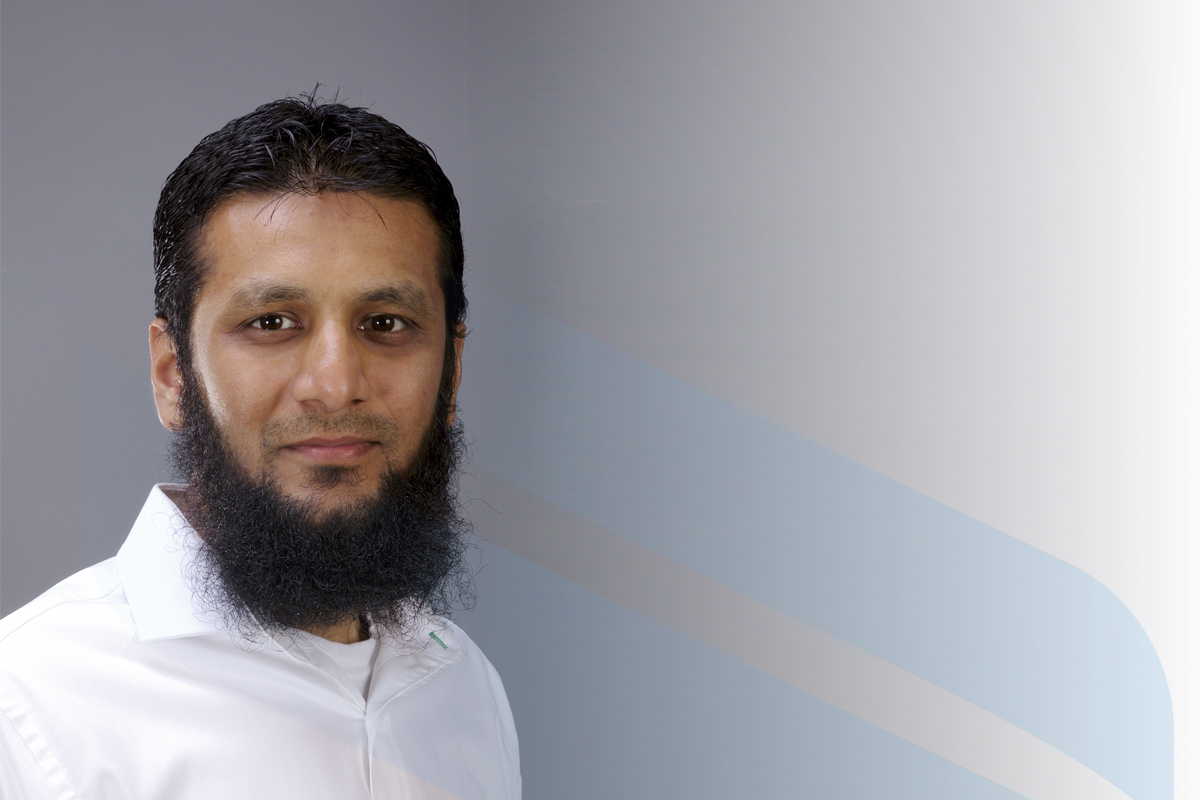
Noman Mohammed is an Associate Professor of Computer Science at the University of Manitoba’s Faculty of Science, leading the Data Security & Privacy (DSP) laboratory. He specializes in privacy-preserving techniques for data sharing, addressing challenges in healthcare, genomic, and financial data. In 2020, he received the Terry G. Falconer Memorial Rh Institute Foundation Emerging Researcher Award for his contributions to bridging privacy and data utility gaps. His research focuses on balancing data accessibility and individual privacy through technical solutions like federated learning, differential privacy, and secure genomic data processing. He emphasizes integrating policy guidelines with advanced technologies to mitigate privacy risks from interconnected data sources. Notable achievements include developing toolkits for data anonymization and federated learning frameworks, as well as advancing methods to secure cloud-based data storage and analysis. His work aligns with societal needs for robust privacy mechanisms in an era of expanding personal data collection. Future objectives involve addressing privacy challenges in emerging technologies, such as heterogeneous data integration and scalable systems for personal data management. Despite his research focus, he notably avoids social media platforms.
Eileen Klein is an Associate Professor of Social Work and Convener of the BSW Program at Ramapo College of New Jersey's School of Social Science and Human Services. Her work focuses on LGBTQ mental health treatment , community support systems , and policy reform for marginalized populations. Klein has presented extensively at international conferences on topics like cultural competency in social work education and LGBTQ health disparities . Ph.D., M.S., and M.S.W. from New York University and SUNY Buffalo Key research areas: LGBTQ Mental Health, Community Health Disparities, Forensic Social Work Published 15+ works (2013-2021) on topics ranging from polypharmacy to support programs for LGBTQ clients Active in professional development: Delivered presentations at conferences across the U.S. and Italy on topics including integrated treatment and supervision of student interns
Dr. Fnu Aakash serves as Interim Director of Hematopathology and Assistant Professor in the Department of Pathology at the University of Texas Medical Branch. His research focuses on hematopathology, oncology diagnostics, and clinical significance of neoplastic disorders. With an h-index of 55, Aakash has contributed significantly to cancer classification systems through publications in Modern Pathology and American Journal of Surgical Pathology. His recent work includes developing international consensus guidelines for myelodysplastic neoplasms and characterizing non-neoplastic changes associated with breast implants. Research collaborations span multiple institutions including MD Anderson Cancer Center, with specialization in malignant hematology and lymphoma diagnostics.
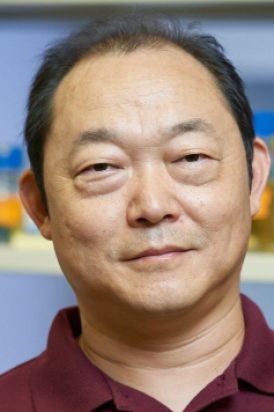
Ping He is a Professor in the Department of Molecular, Cellular, and Developmental Biology (MCDB) at the University of Michigan in Ann Arbor. His research focuses on plant immunity mechanisms, particularly using Arabidopsis as a model system to study pathogen defense activation, signaling pathways, and the interplay between immunity and environmental stress responses. He also leads the Molecular, Plant-Microbe Interaction Laboratory, applying interdisciplinary approaches (genetics, biochemistry, cellular biology) to enhance crop resilience through foundational plant science discoveries. His work bridges plant biology and computational biology, with recent contributions to AI-driven medical imaging applications such as bladder cancer treatment response assessment, lung cancer early detection, and breast tomosynthesis denoising. These efforts emphasize integrating machine learning into clinical workflows and establishing best practices for AI in healthcare. Research Highlights: Plant immunity signaling and environmental stress crosstalk Radiomics and deep learning for cancer diagnosis/prognosis AI model validation and multi-institutional clinical trials Medical imaging artifact correction (e.g., motion blur, noise) Publications emphasize AI applications in oncology imaging, radiologist decision support systems, and multimodal data fusion. He has contributed to AAPM task group guidelines for AI in computer-aided diagnosis and advocates for rigorous quality assurance frameworks in medical AI deployment.