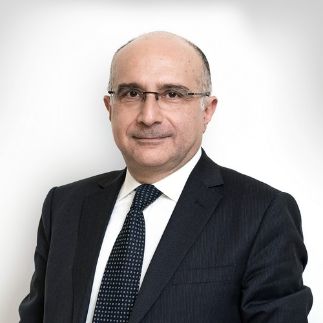
Dr. Young Sub Kwon is a Full Professor in the Department of Kinesiology at Cal Poly Humboldt, affiliated with the School of Applied Health. His research focuses on temperature regulation in high-intensity exercise physiology, virtual exercise laboratories, and fitness assessments for first responders. He holds a Ph.D. in Sports & Exercise Science from the University of New Mexico and has pioneered studies on cooling technologies for military and athletic applications, widely covered by major media outlets like NBC and the Wall Street Journal. Dr. Kwon teaches graduate courses including Exercise Testing and Physiology of Exercise. He has developed innovative virtual labs to enhance accessibility in exercise science education and co-authored a textbook on Exercise Physiology. His work includes collaborations with local fire departments and law enforcement to create fitness programs, involving over 20 students in research projects. Over 30 peer-reviewed publications and presentations at international conferences highlight his contributions to firefighter fitness, HIIT optimization, and thermal physiology. He has secured grants including the CSU Faculty-Student Collaborative Research Grant and led projects funded by the College of Professional Studies. His teaching philosophy emphasizes critical thinking, hands-on lab experiences, and student support through certification exam preparation. Dr. Kwon actively mentors students, fostering their academic and professional growth in kinesiology.
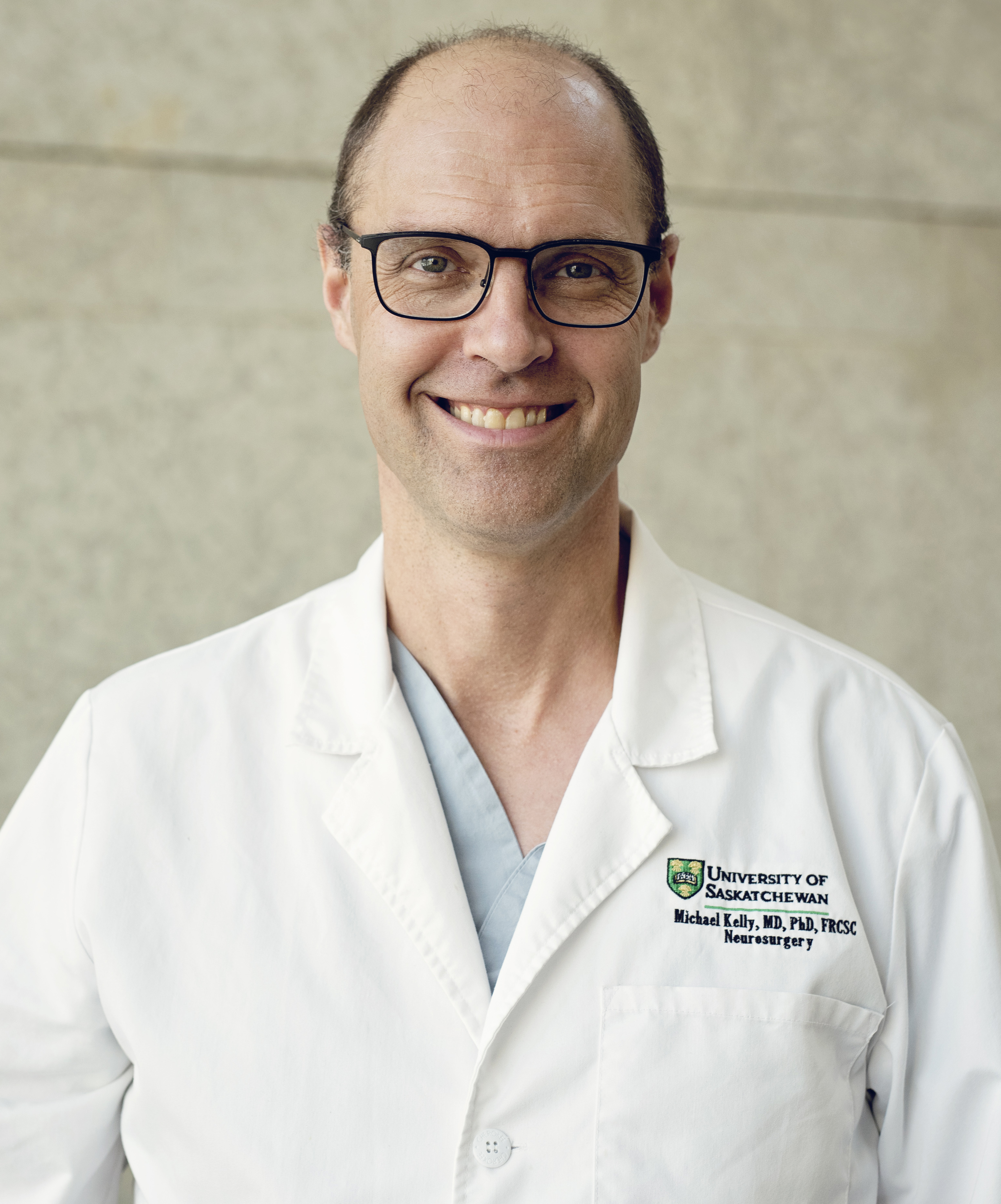
Dr. Michael Kelly is a Professor and Fred H. Wigmore Professor of Surgery at the University of Saskatchewan, serving as Provincial Department Head of Surgery and Knight Family Enhancement Chair in Neurological Surgery. He completed his BSc, MD, PhD, and neurosurgery residency at the University of Saskatchewan, followed by cerebrovascular and endovascular fellowships at Stanford University and Cleveland Clinic. His career spans clinical leadership, including roles as Saskatchewan Chair in Clinical Stroke Research (2012–2022) and program director for neurosurgery. Research Interests : Dr. Kelly specializes in cerebrovascular surgery, endovascular thrombectomy, and stroke management, with a focus on aneurysm treatment, cardiac dysfunction's impact on brain health, and advanced imaging techniques like X-ray fluorescence and FTIR. His work bridges neurosurgery and cardiac tissue engineering, exploring scaffold fabrication for vascular applications. Neurosurgery Stroke Treatment Medical Imaging Cardiac Tissue Engineering Recent Publications : His 2024–2025 studies address thrombectomy anesthesia protocols, long-term aneurysm outcomes, smartphone stroke diagnostics, and trace element dysregulation in stroke. These papers emphasize clinical trials, comparative analyses, and multisystem interactions (e.g., heart failure affecting neurogenesis). Scientific Awards : Fellow of the Royal College of Surgeons of Canada (FRCSC) Fellow of the American College of Surgeons (FACS) Knight Family Enhancement Chair in Neurological Surgery Fred H. Wigmore Professor of Surgery Leadership and Collaborations : Dr. Kelly leads Saskatchewan's provincial stroke pathway and contributes to international stroke registries like OPTIMISE. His research integrates clinical practice, device innovation (e.g., stentrievers), and translational studies on stroke biomarkers.
Dr Stuart Miller is an Associate Professor (Reader) in Human Biomechanics and Academic Lead for Equality, Diversity, and Inclusion (EDI) at Queen Mary University of London's William Harvey Research Institute, Faculty of Medicine and Dentistry. He leads the Sports and Exercise Medicine Centre, managing the Human Performance Lab and teaching biomechanics, research methods, and rehabilitation modules. His academic background includes a BSc from Bath University and a PhD from Brunel University focusing on EMG-driven modeling of tibialis anterior force. He is a Fellow of the Higher Education Academy since 2012. Research focuses on neuromuscular and biomechanical aspects of human movement, particularly in populations with musculoskeletal injuries/diseases like tendinopathy, knee injuries, and post-traumatic osteoarthritis. He collaborates with internal researchers (Dr Ildar Farkhatdinov, Prof Francesco Dell'Accio) and external experts (Prof Anthony Blazevich). His work integrates clinical biomechanics, sports science, and statistical analysis to improve diagnostic frameworks and rehabilitation strategies. Teaching includes coordinating the Medical pathway for MSc Sport and Exercise Medicine and leading modules on Biomechanics and Rehabilitation (iBSc), Research Methods, and Research Projects (MSc). His applied research bridges theory and practice, addressing real-world sports medicine challenges through innovative technologies like robotic balance augmentation and advanced kinematic analysis.
Professor Sandra Bucci is a NIHR Research Professor and Clinical Professor of Psychology at The University of Manchester , UK. She holds a Honorary Consultant Clinical Psychologist position at the Greater Manchester Mental Health NHS Foundation Trust and co-directs the Complex Trauma and Resilience Research Unit there. She is also Editor-in-Chief of the Psychology and Psychotherapy: Theory, Research and Practice journal, published by the British Psychological Society . Doctor of Clinical Psychology, University of Newcastle, Australia (2006) Bachelor of Science (Psychology), University of Wollongong, Australia (1998) Bachelor of Science (Exercise Science), University of Wollongong, Australia (1998) Her research focuses on digital care pathways and remote monitoring technologies to enhance detection and treatment of severe mental health issues . She investigates psychological and social mechanisms in psychosis, schizophrenia, bipolar disorder, and trauma. Her work aligns with the UN Sustainable Development Goals , particularly in education and health . Recent publications highlight her expertise in digital mental health and implementation challenges across diverse populations (youth, inpatient settings, acute wards). Key subfields include digital therapeutics , user engagement , wearable sensors , and systematic reviews . Aurora Women in Leadership (2017) Social Economy Award (2016) AXA PPP Health and Tech Awards Finalist (2015) Making a Difference Award - Commendation (2017) Northern Health Science Alliance Honour’s List (2019) She supervises postgraduate research students and collaborates with NHS clinicians and international researchers . Her funded projects include NIHR Manchester Biomedical Research Centre (2022–2027) and iCHARTS (adverse event monitoring in digital platforms).
Professor Daniel Galvão is a leading academic in exercise oncology at Edith Cowan University (ECU), Australia. He serves as Director of the Exercise Medicine Research Institute and holds a Professorship in Exercise and Sports Science within the School of Medical and Health Sciences. His research focuses on optimizing exercise interventions to mitigate treatment-related toxicities and improve outcomes for cancer patients, particularly those with prostate cancer. Galvão has secured over $26 million in grants from bodies like the NHMRC, Movember Foundation, and Cancer Australia, supporting multidisciplinary trials and survivorship programs. Education: PhD (Edith Cowan University, 2006), Master of Applied Science in Clinical Exercise Science (University of Queensland, 2003). His career includes roles as Co-Director of ECU’s Health and Wellness Institute and Fellowships with the American College of Sports Medicine and Exercise and Sports Science Australia. Research emphasizes exercise as medicine in oncology, with over 200 peer-reviewed publications. Key contributions include guidelines for exercise in cancer patients and landmark trials like ERADICATE (prostate cancer radiotherapy adjuncts) and TelEX (weight management for prostate cancer). Notable awards include the 2021 Asian Pacific Prostate Cancer Conference Best Poster, 2014 Edith Cowan Vice-Chancellor’s Award, and 2007 ESSA PhD Medal. He chairs national research committees and reviews for high-impact journals like Journal of Clinical Oncology and European Urology . Current initiatives include nationwide exercise programs for prostate cancer survivors and translational research on myokine mechanisms in cancer suppression. His work bridges clinical practice with evidence-based interventions to enhance patient quality of life and survival outcomes.
Dr. Faith Kwa is a Senior Lecturer and Course Director for the seven Bachelor of Health Science degrees at Swinburne University of Technology's School of Health Sciences. Her teaching interests include Research Methods, Pathology, and Molecular Biology. She leads the Drug Discovery for Chronic Diseases Laboratory and has been recognized as one of Australia's leading educators, receiving the 2024 citation for Outstanding Contributions to Student Learning by the Australian Awards for University Teaching. Her educational background includes: Doctor of Philosophy from The University of Melbourne, Australia Graduate Certificate in Tertiary Teaching and Learning from RMIT University, Australia Bachelor of Biomedical Science from The University of Melbourne, Australia Bachelor of Science (Honours - First Class) from The University of Melbourne, Australia Fellow of the Higher Education Academy, United Kingdom (2020-present) Dr. Kwa is a molecular biologist whose research focuses on drug discovery for chronic diseases, particularly in the areas of epigenetic medicine, molecular mechanisms of action, and chronic disease prevention and management. Her laboratory has made significant contributions to understanding treatment strategies for leukemia, posterior eye diseases, and Friedreich's ataxia using natural compounds with epigenetic properties. She has made novel observations regarding low doses of epigenetic modifiers in combination therapies that potentiate cytotoxicity in leukemia cells resistant to conventional chemotherapeutic drugs. Her work with sulforaphane (a broccoli-derived compound) has shown therapeutic benefits across multiple disease models, particularly for neurodegenerative and ocular conditions. Analysis of her recent publications reveals a strong focus on neurodegenerative disorders (particularly Friedreich's ataxia), ophthalmic diseases, and molecular approaches to disease treatment. Her work consistently bridges basic science with clinical applications, often examining epigenetic mechanisms and oxidative stress pathways. A recurring theme across her research is the therapeutic potential of natural compounds like sulforaphane, which appears in multiple disease contexts from mitochondrial myopathies to posterior eye diseases. Her scientific recognition includes: 2024 citation for Outstanding Contributions to Student Learning by the Australian Awards for University Teaching 2023 Vice-chancellor's Award for Teaching Excellence (Higher Education - Individual) 2023 School of Health Science Teaching Excellence Award Fellow of the Higher Education Academy in the UK 18 other teaching accolades throughout her academic career Dr. Kwa supervises PhD and Master's students in areas related to molecular mechanisms of disease and therapeutic interventions. She has coordinated and taught eleven different subjects with student numbers ranging from 20 to over 300. As a Chief Investigator, she has secured various learning and teaching grants from Australian universities. Currently, she holds funding for 'Pre-clinical investigations on sulforaphane to advance the cure for Friedreich's ataxia' from the University of Melbourne (2022-2025). She is passionate about developing pedagogical methods to enhance teaching and learning environments and has received positive student feedback throughout her career. Dr. Kwa leads the Drug Discovery for Chronic Diseases Laboratory, where her team investigates potential treatments for various chronic disorders. She also serves as the Swinburne Women Academic Network Leader in the Career Development Team, where she develops programs supporting women academics in progressing their careers. Her laboratory work utilizes pre-clinical disease models to evaluate therapeutic approaches, with a particular emphasis on targeted therapies with superior efficacy for treating human diseases.
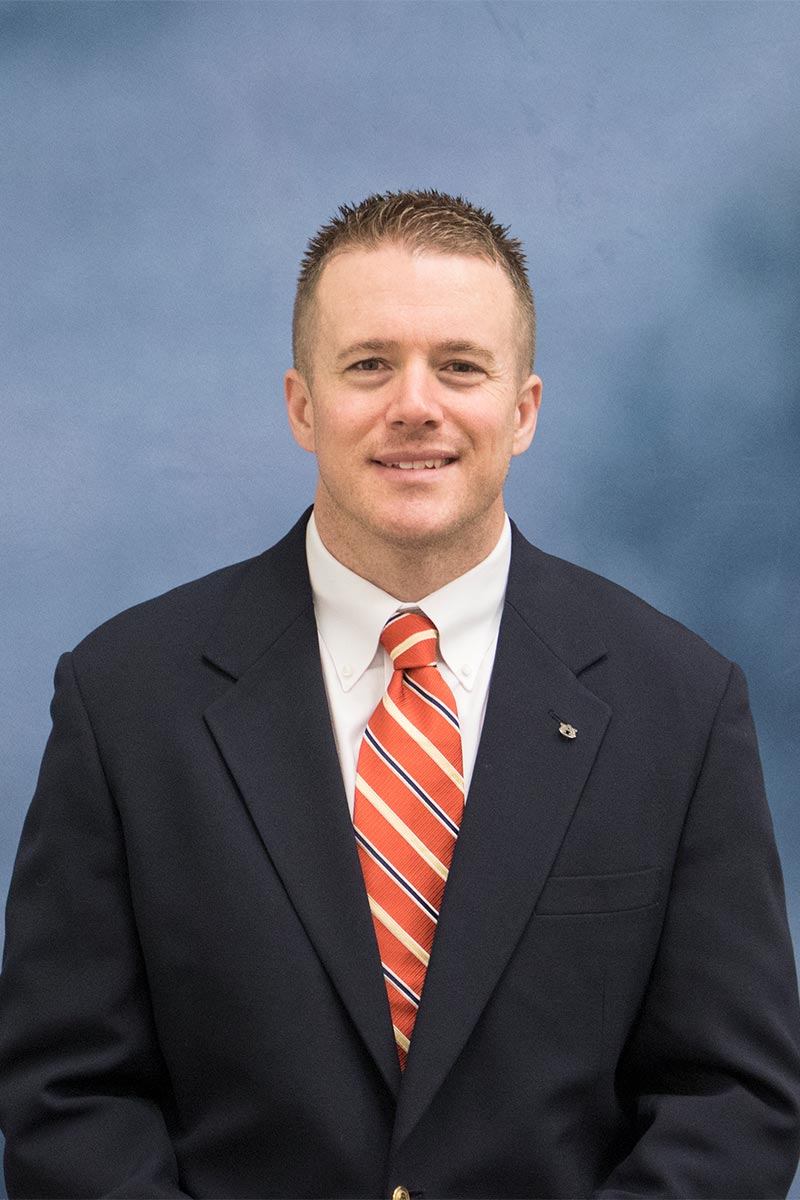
Dr. C. Brooks Mobley is an Assistant Clinical Professor at the School of Kinesiology, Auburn University. He directs the TigerFit Health & Fitness Laboratory and serves as Associate Director of the Nutrabolt Applied and Molecular Physiology Lab. With a Ph.D. in Kinesiology from Auburn University and postdoctoral training at the University of Kentucky, he specializes in skeletal muscle physiology and sports nutrition research. B.S. in Animal & Dairy Sciences (Auburn University) M.Ed. in Exercise Physiology (Auburn University) Ph.D. in Kinesiology (Auburn University) Postdoctoral Fellowship at University of Kentucky's College of Medicine His research explores molecular mechanisms of muscle plasticity, focusing on: Cellular adaptations to exercise training Ergogenic effects of sports supplements Muscle atrophy prevention strategies Mechanisms of skeletal muscle hypertrophy Angiogenesis in recovery scenarios Muscle-bone interaction dynamics Recent publications demonstrate expertise in: Mitochondrial adaptations to resistance training Epigenetic regulation of muscle growth Microbiome-exercise interactions Proteomic responses to disuse atrophy Firefighting occupational physiology Supplement efficacy studies Laboratory Leadership: TigerFit Health & Fitness Laboratory Nutrabolt Applied and Molecular Physiology Lab
Michael Roberts is a Professor in the School of Kinesiology at Auburn University, serving as Director of both the Molecular and Applied Sciences Laboratory and the Applied Physiology Laboratory. His research integrates nutrition and exercise science to investigate cellular biomarkers and whole-body physiological responses using cell culture, rodent models, and human studies. His primary research interests include Exercise Physiology , Nutrition Science , and Skeletal Muscle Adaptation , with emphasis on resistance training mechanisms, dietary supplementation, and molecular pathways underlying muscle hypertrophy/atrophy. His work employs advanced techniques in molecular biology to address questions relevant to athletic performance, aging, and clinical rehabilitation. Analysis of his recent publications reveals consistent focus on resistance training adaptations, creatine/nitrate supplementation, skeletal muscle remodeling, and microbiome-exercise interactions. His research demonstrates methodological diversity spanning cellular models, rodent studies, and human clinical trials, with particular attention to molecular mechanisms in aging populations and performance optimization. Dr. Roberts actively mentors through laboratory leadership roles, though specific student names aren't documented in provided materials. His editorial positions in physiology journals and frequent conference lectures indicate significant academic influence beyond direct research outputs. The Molecular and Applied Sciences Laboratory and Applied Physiology Laboratory form collaborative hubs for interdisciplinary research, utilizing techniques ranging from molecular analysis to whole-body physiological assessment. These facilities support investigations into exercise-nutrition interactions across diverse populations from athletes to older adults.
Dr. Vini Fernandes Cruzat is a Lecturer in Human Anatomy and Physiology at Southern Cross University’s Faculty of Health. He holds a PhD in Biomedical Science/Nutritional Biochemistry from the University of São Paulo and is a registered Nutritionist in Australia. His roles include Chair of the Queensland group of the Nutrition Society of Australia and Adjunct Senior Researcher at Griffith University. Academic Background: Bachelor in Exercise and Sport Science (Lutheran University of Brazil) Graduate Certificate in Learning and Teaching (Torrens University Australia) Master of Science in Nutritional Biochemistry (University of São Paulo) Dr. Cruzat’s research focuses on the metabolic, antioxidant, and anti-inflammatory effects of nutrient supplementation, particularly amino acids like glutamine, arginine, and leucine, as well as vitamin D and bioactive compounds from spent coffee grounds. He investigates cellular mechanisms in diabetes associated with obesity, emphasizing oxidative stress, insulin resistance, and heat shock protein pathways. His recent work explores the therapeutic potential of coffee byproducts and vitamin D in metabolic disorders. His publications over the past five years highlight a consistent focus on amino acid metabolism, oxidative stress in diabetes, and the intersection of nutrition/exercise with inflammation. Key trends include molecular studies of beta-cell dysfunction, clinical trials on supplementation, and applications of coffee compounds in functional food development. Dr. Cruzat has supervised 3 PhD, 6 MSc, and 5 Honours students across Australian and international institutions. He teaches human anatomy, physiology, and metabolic biochemistry and contributes to research networks in diabetes and exercise physiology.
Professor Lisa Wood is the Pro Vice Chancellor of the College of Health, Medicine and Wellbeing at the University of Newcastle. She holds a PhD in Nutrition and Dietetics and has over 20 years of research experience in nutritional biochemistry, focusing on the interplay between diet, inflammation, and respiratory diseases like asthma and cystic fibrosis. Her work bridges nutrition science and respiratory medicine, emphasizing dietary guidelines for disease management. She leads the Nutrition and Metabolism Theme at HMRI and has supervised 22 PhD and 2 Masters students. Education: BSc (Honours) from the University of Sydney, PhD in Nutrition & Dietetics from the University of Newcastle. Professional roles include former Head of the School of Biomedical Sciences and Pharmacy (2020–2025) and interim Pro Vice Chancellor Student Engagement (2023–2024). Leadership in national organizations includes President of the Nutrition Society of Australia (2016–2021) and Chair of Asthma Australia’s Research Advisory Committee. Research Interests: Mechanisms of dietary factors (e.g., antioxidants, fatty acids, soluble fiber) on airway inflammation; obesity-related asthma; translational nutrition interventions. Key contributions include demonstrating that high fruit/vegetable diets reduce asthma exacerbations and identifying saturated fatty acids’ impact on bronchodilator efficacy. Her work informs clinical guidelines, including the Australian Asthma Handbook. Awards: 2022 Nutrition Society of Australia Medal, 2006 NSW Tall Poppy Award, and multiple mid-career recognitions. Over 210 publications (H-index 57/Scopus). Labs/Teams: Leads the Nutrition Research group in the Priority Research Centre for Asthma and Respiratory Diseases at HMRI. Collaborates with bariatric surgeons and clinical trial networks.
Miles De Blasio is a Research Fellow in Drug Discovery Biology at Monash Institute of Pharmaceutical Sciences (MIPS), Monash University. He also holds adjunct and honorary roles as an Adjunct Research Fellow in Pharmacology at MIPS, Honorary Research Collaborator at the Baker Heart and Diabetes Institute, and Honorary Research Fellow at Monash Clayton’s Department of Pharmacology. His research focuses on novel therapies for diabetic cardiomyopathy, leveraging pharmacological agents and cardiac-selective gene therapies targeting pathways like the hexosamine biosynthesis pathway and adiponectin signaling. De Blasio earned his PhD in 2004 from the University of Adelaide, studying diabetes and obesity origins in fetal growth-restricted sheep. He later worked at the University of Cambridge, exploring fetal leptin’s role in lung and heart development, before shifting to diabetic cardiomyopathy in 2015. Since 2020, he leads MIPS’ efforts to develop cardioprotective treatments. His research interests emphasize translational cardiology and metabolic disease, with a focus on sex-specific differences, preclinical models, and therapeutic interventions. Projects include developing mouse models for diabetic cardiomyopathy and investigating next-generation glucose-lowering therapies’ cardiac benefits. He has secured over $7 million in grants as a Chief Investigator and supervised 10 PhD and 15 Honours students. His work contributes to UN Sustainable Development Goals related to health and well-being. Key Awards: Novartis Junior Investigator Award (Finalist, 2001) Ross Wishart Award (Finalist, 2001) Second Place, IGF Down Under Symposia Oral Presentation (2006) Second Place, GH-IGF International Conference Oral Presentation (2004) New Investigator Award, PSANZ (2002) Advising & Grants: De Blasio has supervised numerous students and secured major funding through NHMRC grants and Diabetes Australia. His labs, including the Cardio-Metabolic Physiology Lab and co-headed Heart Failure Pharmacology Lab, drive interdisciplinary research in drug discovery and cardiac protection. Labs & Collaborations: He leads the Cardio-Metabolic Physiology Laboratory at MIPS, collaborating with institutions like the Baker Heart and Diabetes Institute. Research spans cellular/molecular cardiology, mitochondrial function, and gene therapy applications in diabetes-related heart failure.
Professor Steve Bain is a Professor in Medicine (Diabetes) at Swansea University, affiliated with the School of Biomedical Sciences and the Swansea University Medical School. He holds dual roles as Assistant Medical Director for Research & Development at Swansea Bay University Health Board and Clinical Director of the Diabetes Research Unit. His career spans academic research, clinical practice, and healthcare policy. Prof. Bain completed his undergraduate studies at St John's College, Cambridge, and clinical training at King's College Hospital, London. He has held academic positions at the University of Birmingham (Reader in Diabetic Medicine) before moving to Swansea in 2005 as a Chair in Medicine. His clinical expertise includes diabetes management, nephropathy, and novel therapies. Research interests focus on diabetes genetics, cardiovascular outcomes, and kidney disease. He leads multi-center trials (e.g., ONWARDS, SOUL) and chairs the ILS Joint Clinical Research Facility Board. Awards include Fellowship of the Royal College of Physicians (1996). He advises national bodies like the UK Human Genetics Commission and contributes to guidelines (e.g., ABCD-UKKA kidney disease management). His teaching includes leading the Diabetes Practice Masters program and courses on diabetes epidemiology and therapeutics.
Liam Heaney is a Senior Lecturer in Bioanalytical Science at Loughborough University's School of Sport, Exercise & Health Sciences. He joined in 2018 through the Loughborough Excellence 100 scheme and was promoted in 2022. His expertise lies in high-throughput metabolite biomarker analysis using mass spectrometry, with applications in clinical diagnostics, sports anti-doping, and exercise performance monitoring. He holds a BSc/MSc in Sport and Exercise Science/Exercise Physiology and a PhD in Analytical Chemistry from Loughborough University. Research Interests: Development of analytical methods for small molecule metabolites Clinical and sports-related biomarker discovery Gas/Liquid Chromatography-Mass Spectrometry applications Anti-doping analysis and ethical biomonitoring Publications: Liam's work emphasizes metabolomics and ambient ionization techniques, contributing to both clinical and sports science. Recent studies focus on cannabidiol pharmacokinetics, SCFA supplementation, and TMAO metabolism in health/disease. Recipient of The Analytical Scientists 40 Under 40 Power List (2022) Labs/Teams: Active in Sport Performance and Lifestyle for Health & Wellbeing research groups. Collaborates with the John van Geest Biomarker Facility (Leicester) and NIHR Cardiovascular Biomedical Research Centre.
Roberto Cavallaro is a Full Professor of Psychiatry at the Faculty of Medicine and Surgery of Vita-Salute San Raffaele University. He serves as President of the Degree Course in Medicine and Surgery and leads the General Psychiatry Rehabilitation Unit and Disease Unit for Psychotic Disorders at IRCCS Ospedale San Raffaele. With a career spanning over three decades, he specializes in clinical psychopharmacology, neuropsychology, and neurocognitive rehabilitation, particularly in schizophrenia and psychotic disorders. Education: Graduated in Medicine (1987) and specialized in Psychiatry (1991) from the University of Milan. Research Interests: Focuses on schizophrenia pathophysiology, clinical psychopharmacology, neuropsychological rehabilitation, and the genetic modulation of cognitive performance. His work integrates neurobiological, pharmacological, and psychological approaches to address cognitive deficits in psychiatric disorders. Publications & Conferences: Authored/co-authored over 100 peer-reviewed articles and organized international conferences like the 'Cognition in Schizophrenia Satellite Meeting' since 2008. Recent research explores psychedelic drug effects, neuroinflammation in schizophrenia, and integrated translational studies combining genomic and microbiome data. Awards: Fellow of the European College of Neuropsychopharmacology (ECNP). Leadership Roles: Director of the Master's Degree in Clinical Psychopharmacology, member of the Schizophrenia Research: Cognition editorial board, and reviewer for DSM-V. Teaching: Leads courses in Psychiatry, Clinical Psychology, and Psychopharmacology across undergraduate and graduate programs at Vita-Salute University. Labs/Teams: Oversees clinical and research activities in the General Psychiatry Rehabilitation Unit and collaborates with multidisciplinary teams in neurocognitive rehabilitation and pharmacotherapy.
Professor Melanie Wilke is a leading figure in cognitive neurology at the University Medical Center Göttingen, where she serves as Director of the Department of Cognitive Neurology and Head of the MR Research Unit. She is also a Co-Investigator in the 'Decision and Awareness' group at the German Primate Center. Her work bridges human and non-human primate neuroscience to investigate the neural basis of perception, awareness, and movement planning. Her research focuses on understanding how distributed neural activity supports spatial awareness and decision-making. Key areas include thalamocortical interactions, neural mechanisms of spatial neglect, and translational models of cognitive disorders. She employs multimodal methods such as fMRI, electrophysiology, brain stimulation (tACS, tDCS, TMS), and inactivation techniques in both human and monkey models. Analysis of her recent publications reveals a strong emphasis on visual consciousness, neural connectivity, and sensorimotor integration. Her work frequently explores the role of the pulvinar and parietal cortex in attention and awareness, using innovative paradigms including no-report tasks and microstimulation. There is a clear translational trajectory from basic mechanisms to clinical applications in stroke and Parkinson’s disease. Fellows Award for Excellence in Biomedical Research, National Institutes of Health, USA (2008) Prof. Wilke leads a dynamic research group and mentors students within several graduate programs, including Systems Neuroscience and the International Max Planck Research School (IMPRS). Her team conducts cutting-edge research using advanced imaging and stimulation techniques. She has secured long-term support through the Herman and Lilly Schilling Foundation Professorship (2011–2022) and continues to lead major projects in cognitive neurology and brain network dynamics. Her laboratory, embedded in the Heart & Brain Center Göttingen, fosters interdisciplinary collaboration and focuses on developing novel therapeutic interventions for cognitive deficits following brain injury. The MR Research Unit under her leadership is central to advancing non-invasive brain imaging and stimulation in both research and clinical contexts.


.jpg)