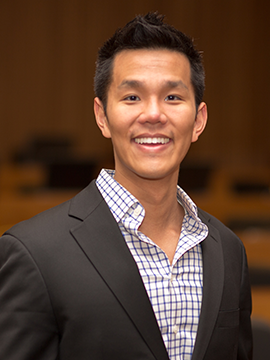
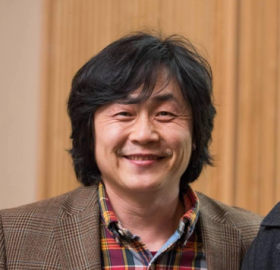
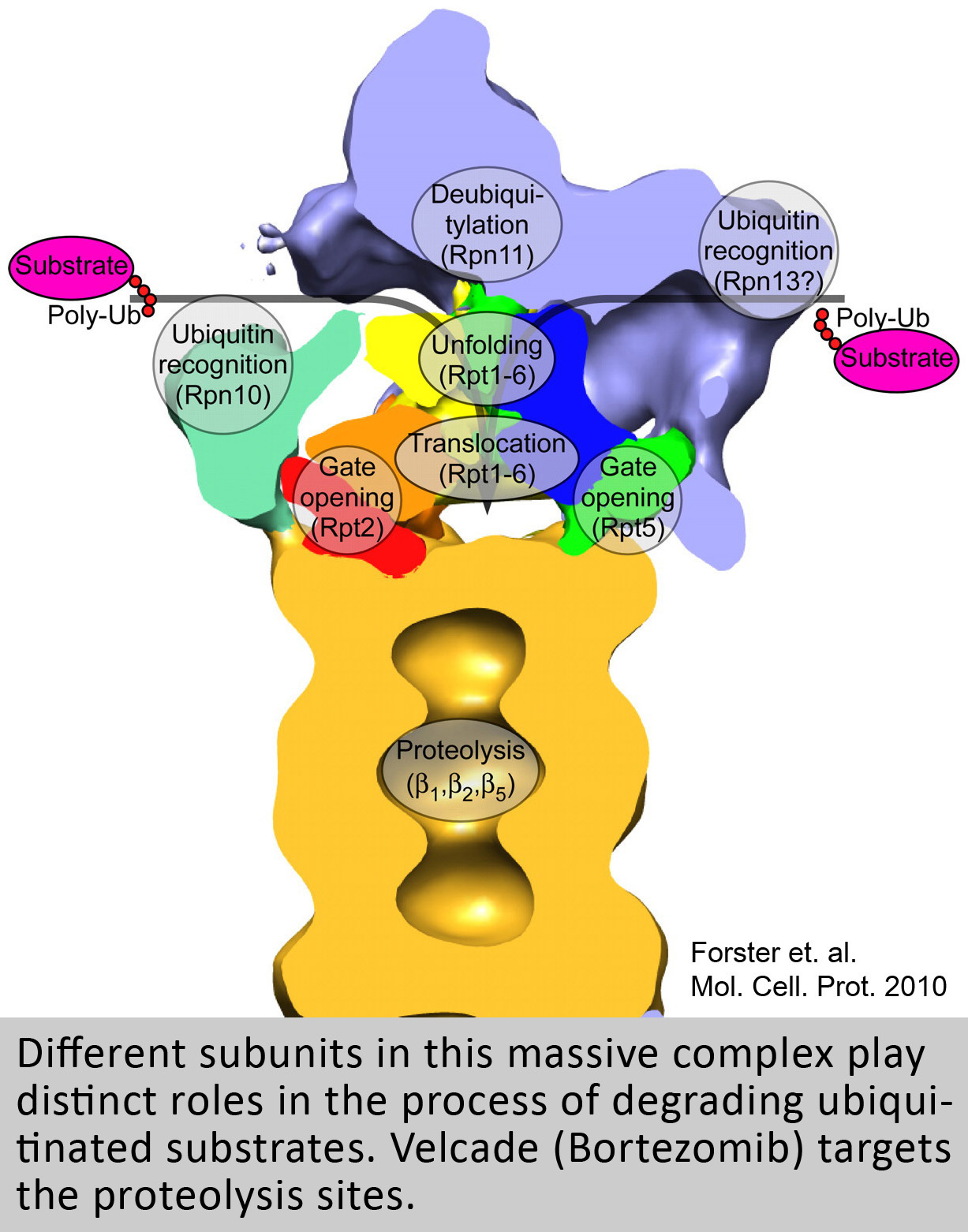
David M. Smith is a Professor at the West Virginia University School of Medicine , holding dual appointments in the Biochemistry and Molecular Medicine and Neuroscience departments. He is also a member of the WVU Cancer Institute and affiliated with the Rockefeller Neuroscience Institute . PhD from the University of South Florida School of Medicine Postdoctoral training at Harvard Medical School Research Focus : Molecular mechanisms of proteasome function, including substrate recognition, unfolding, and degradation. His work bridges fundamental enzymology with translational applications in cancer therapy and neurodegenerative diseases like Alzheimer's and Parkinson's. Key Article Trends : Recent publications emphasize proteasome activation mechanisms , neurodegenerative disease models , and structural insights into ATPase function . Grants : NIH R01 GM107129 (Mechanisms regulating proteasomal degradation), NIH R01 AG064188 (Proteasome function in Alzheimer's), and collaborations on projects like Protein-unfolding chaperones for blindness treatment . Lab Personnel : Includes graduate students Thomas Bradley, David Salcedo-Tacuma, Giovanni Howells, and Md Qamrul Islam, along with research technicians and undergraduates. Training emphasizes biochemical, biophysical, and computational techniques.
Laura E. Martin, PhD, is a Professor in the Department of Population Health at the University of Kansas Medical Center (KUMC) and serves as the Executive Associate Director at Hoglund Biomedical Imaging Center. Her academic journey began with undergraduate training in psychology and dance at the University of Kansas, followed by a Ph.D. in psychology with an emphasis in cognitive neuroscience from Rice University, and a postdoctoral fellowship at KUMC. Dr. Martin is a cognitive neuroscientist whose research focuses on applying neuroimaging methods to understand health behaviors, particularly addictive behaviors such as smoking and eating. Her work examines self-regulation, impulsivity, reward processing, and decision making through functional neuroimaging techniques. As Executive Associate Director at Hoglund Biomedical Imaging Center, she provides technical expertise to investigators and trainees interested in incorporating neuroimaging into their research programs. Her collaborations span diverse areas including aging, depression, obesity, gambling, social neuroscience, decision-making, resting state fMRI, and neuroeconomics. Her research is currently funded by the National Institutes of Health, with a recent focus on using guided episodic future thinking to increase physical activity adherence and promote healthy brain aging among mid-life adults. Dr. Martin is passionate about mentoring students at all levels and sharing her enthusiasm for research methodology, critical evaluation of research, and appropriate method selection for specific research questions. Current research emphasizes health neuroscience examining how health behaviors change the brain and how the brain can be changed to change health behaviors Leads and contributes to team science approaches addressing complex research questions Helps conceptualize research projects and brings specialized data collection and analytic tools to interdisciplinary teams Dr. Martin has published extensively in high-impact journals, with recent work focusing on dementia prevention, neuroimaging methodology, eating disorders, addiction research, and physical activity interventions. Her approach combines cognitive neuroscience with practical applications for improving health behaviors across the lifespan. As an educator and mentor, Dr. Martin works with trainees from high school to faculty level, emphasizing the integration of neuroimaging research with broader research questions and training students in research methodology and critical thinking.
Christopher Grainge is a Conjoint Associate Professor at the University of Newcastle's School of Medicine and Public Health, and a Staff Specialist in Respiratory and General Medicine at John Hunter Hospital. Previously, he served as a Consultant Physician and Senior Lecturer at the University of Southampton. His extensive clinical background includes service in the Royal Navy, specializing in diving and remote medicine, and deployments to Antarctica and Southern Iraq. Dr. Grainge maintains active research collaborations with institutions worldwide, focusing on respiratory medicine. Dr. Grainge completed his undergraduate training at Imperial College, University of London, with an intercalated BSc. He earned his PhD from the University of Southampton in 2011, with research published in the New England Journal of Medicine. His thesis examined the effect of repeated bronchoconstriction on airways in asthma. He also holds membership in the Royal College of Physicians and was awarded the Diploma in the Medical Care of Catastrophes, specializing in remote and refugee medicine. Dr. Grainge's research focuses on the role of mechanical forces in asthma pathophysiology, environmental dusts in lung disease development, and platelet antagonists' effects on allergen challenge. His work demonstrates that mechanical forces play a crucial role in determining long-term changes in human airways. He leads investigations into how environmental exposure to inhaled particles leads to conditions like constrictive bronchiolitis, and explores novel therapeutic pathways for asthma through platelet activation inhibition. His research has significant clinical implications for difficult asthma and interstitial lung disease management. Dr. Grainge's recent publications reflect strong trends in interstitial lung disease research, particularly idiopathic pulmonary fibrosis, and asthma mechanisms. His work increasingly incorporates advanced technologies like artificial intelligence for disease stratification and deep learning for predicting disease progression. Collaborative research with international teams examines biomarkers for disease progression and novel treatment approaches for fibrotic lung diseases, with a particular focus on quantitative CT analysis and patient-reported outcome measures. Leatherdale Prize for Clinical Teaching: Finalist (2013) Military and Civilian Health Partnership Awards Winner (2011) University of Southampton Translational Medicine Research Prize (2011) Michael Arthur Clinical Research Prize (2014) British Lung Foundation Travel Fellowship (2011) Gilbert Blane Medal (2010) Colt Foundation Prize: Finalist (2010) Asthma UK Travel Fellowship (2009) Dr. Grainge has received significant research funding from the British Lung Foundation, the Southampton Marine and Maritime Institute, the Institute for Life Sciences, and the Gerald Kerkut Foundation. His projects investigate the effects of physical and environmental stress on lung disease, mechanisms underlying lung disease development following environmental particle exposure, and potential therapies. He has collaborated extensively with research teams across Australia, the UK, the Netherlands, and South Africa, contributing to the training of numerous students and junior researchers through his supervision and mentorship roles. Dr. Grainge collaborates extensively with the Respiratory Research group at the University of Southampton, the Asthma and COPD Research Group at the University of Groningen in the Netherlands, and the Microbiome group at the South Australia Medical Research Institute. His current work at the Hunter Medical Research Institute (HMRI) focuses on mechanical forces within airways and their impact on acute and long-term lung changes in patients with airway diseases. He is also involved in the Australian IPF Registry, contributing to multicenter studies on idiopathic pulmonary fibrosis progression and treatment outcomes.
Sylvie Dufour is an Associate Research Scientist in the Department of Endocrinology at Yale School of Medicine, part of Yale University. Her research focuses on metabolic disorders, mitochondrial dysfunction, and insulin resistance, with a particular emphasis on liver and muscle metabolism in diabetes and fatty liver disease. She collaborates closely with prominent researchers like Gerald I. Shulman and Kitt Petersen. Key research themes include the role of glucagon in hepatic mitochondrial oxidation, the impact of genetic variants (e.g., PNPLA3 I148M) on lipid metabolism, and interventions like carbohydrate restriction or SGLT2 inhibitors to reverse metabolic dysfunction. Her work bridges basic science and clinical translation, addressing mechanisms underlying insulin resistance, hepatic steatosis, and cardiometabolic risk. Publications span topics such as mitochondrial protonophore therapies, ketogenesis modulation, and the effects of burosumab on muscle function. Her studies frequently employ human and animal models to elucidate metabolic pathways and therapeutic targets.
Gregory Dick, PhD, is a Research Professor in the Department of Physiology & Anatomy at the University of North Texas Health Science Center's College of Biomedical and Translational Sciences. His research focuses on ion channel regulation in coronary arteries, particularly how potassium channels control vascular tone under normal and pathological conditions (e.g., obesity, diabetes). He has led multiple NIH-funded projects exploring coronary vascular dysfunction and metabolic signaling. Education: Bachelor of Science in Physiology, Oklahoma State University Doctor of Philosophy in Physiology, University of Missouri Research Interests: Electro-metabolic signaling in coronary vasodilation Role of K+ channels in coronary blood flow regulation Impact of metabolic syndrome and obesity on cardiovascular health Vascular smooth muscle plasticity in disease states Key Projects (2024–2026): Role of potassium as a coronary metabolic vasodilator (Principal Investigator) Disentangling the Mechanisms of Coronary Dysfunction (Co-Investigator) Grants & Funding: NIH R01 Grant: Mineralocorticoid Receptor-Dependent Coronary Vascular Dysfunction in Obesity Multiple collaborative grants with University of Michigan and University of Missouri Collaborations: Active partnerships with institutions studying coronary autoregulation, metabolic syndrome, and swine models of cardiovascular disease.
Dawson Kidgell is an Associate Professor in the Department of Physiotherapy at Monash University, Faculty of Medicine. He is an active researcher and PhD supervisor with a strong focus on the neurophysiology of exercise, particularly neuroplasticity and motor cortex responses to strength training and non-invasive brain stimulation techniques such as Transcranial Magnetic Stimulation (TMS) and transcranial direct current stimulation (tDCS). His research interests include understanding how the nervous system adapts to exercise, rehabilitation, and neuromodulation. He employs advanced electrophysiological methods—TMS, tDCS, EMG, and spinal reflex testing—to explore corticospinal excitability, intracortical inhibition, and motor learning. His work has significant implications for sports science, rehabilitation of neuromuscular injuries, and aging populations. Recent publications (2020–2024) highlight a strong trend in systematic reviews and meta-analyses on tDCS, corticospinal responses to training, and clinical applications in tendinopathy, concussion, and aging. His research frequently investigates bilateral transfer, cross-education of strength, and the neural mechanisms underlying rehabilitation interventions. Scientific Awards: University of Jyväskylä Visiting Fellow grant (2023) Research Funding and Supervision: Associate Professor Kidgell has secured over $2.5 million in research funding. He has successfully supervised 11 PhD students to completion and currently mentors 5 additional PhD candidates. His research projects include NHMRC-funded studies on neurophysiological markers of balance and equipment grants for advanced neurostimulation tools. Laboratories and Research Teams: His work is conducted within neurophysiology and exercise neuroscience labs at Monash, often in collaboration with interdisciplinary teams focusing on motor control, rehabilitation, and sports medicine.
Troy McDaniel is an Assistant Professor at Arizona State University's School of Manufacturing Systems and Networks, specializing in haptic interfaces and assistive technologies for people with disabilities. With over 50 peer-reviewed publications and two authored books, his work bridges engineering, computer science, and healthcare to develop innovative rehabilitation solutions. Ph.D. from Arizona State University His research focuses on haptic perception and human augmentation through wearable technologies, with emphasis on assistive devices for motor and cognitive rehabilitation. Key areas include vibrotactile communication systems, social robotics for elderly care, and machine learning applications for activity recognition. His work prioritizes user-centered design for real-world disability challenges. Recent publications (2023-2025) demonstrate strong trends in haptic neuro-spatial rehabilitation, executive function therapy apps, and social robot companionship systems. His research increasingly integrates privacy-preserving AI for smart city health applications while maintaining clinical validity through partnerships with institutions like Mayo Clinic. Multiple Top 5% teaching awards for faculty at the Ira A. Fulton Schools of Engineering Dr. McDaniel advises graduate students in manufacturing systems and robotics through dissertation committees (MFG 799, CSE 799), with recent projects spanning haptic training simulations to PERACTIV activity monitoring systems. His research funding includes significant NSF grants like the IGERT program on person-centered technologies for disabilities and collaborations with Intel Corp on smart stadium applications. He contributes to ASU's Smart Living Research initiative, developing haptic neuro-spatial rehabilitation devices and social robotics frameworks within interdisciplinary teams focused on translating lab innovations to community health solutions.
Emanuel Petricoin is a Professor and Co-Director of the Center for Applied Proteomics and Molecular Medicine (CAPMM) at George Mason University's School of Systems Biology, a position held since 2005 with prior leadership at the FDA-NCI Clinical Proteomics Program (1993-2005). His academic affiliation spans proteomics, molecular medicine, and precision oncology within GMU's research ecosystem. His educational background includes: Ph.D. in Microbiology from the University of Maryland, College Park (1990) Dr. Petricoin pioneers clinical proteomics for personalized therapy and biomarker discovery, with seminal work in cancer signaling pathways, tumor microenvironment analysis, and diagnostic assay development. His research integrates proteogenomics, phosphoproteomics, and functional protein analysis to address therapeutic resistance in breast and pancreatic cancers. As a translational scientist, he bridges laboratory innovation with clinical implementation through FDA-regulated platforms. Analysis of his 2024-2025 publications reveals dominant themes in proteogenomic tumor characterization, KRAS/HER2 pathway dynamics, and biomarker-guided immunotherapy. Key trends include spatial proteomics of tumor heterogeneity, extracellular vesicle-mediated signaling, and quantitative assessment of drug targets for precision oncology decision-making. The work consistently emphasizes clinical applicability through CLIA-certified assays and molecular tumor boards. His scientific recognition includes: University Professorship at George Mason University NIH Director’s Award FDA Distinguished Scientist Award 2015 Innovator of the Year Award GAP50 Top Virginia Entrepreneurs Nifty 50 Award American Society of Cytopathology Basic Research Award Roche Diagnostics/CLAS Distinguished Scientist Award Harvard University Leading Edge Award Dr. Petricoin drives research commercialization as co-founder of four biotech firms (Theranostics Health, Ceres Nanosciences, C-4 Diagnostics, Perthera) and co-inventor of 40+ patents. His editorial leadership spans Proteomics, Cancer Epidemiology Biomarkers and Prevention, and other high-impact journals. He actively shapes national initiatives as a HUPO founding member and Virginia Health Research Biosciences Corporation board representative. The CAPMM under his co-direction serves as a national hub for clinical proteomics, specializing in reverse-phase protein array (RPPA) technology, laser capture microdissection, and biomarker validation for direct patient care applications. The center integrates multi-omic data to advance personalized cancer therapy through industry partnerships and clinical trial support.
Adam Olshen, PhD, MA is a Professor in the Department of Epidemiology & Biostatistics at the University of California, San Francisco School of Medicine. His research program bridges advanced statistical methodology with cancer genomics and clinical applications, focusing on developing computational approaches to analyze complex genomic data and understand cancer biology and patient outcomes. Dr. Olshen's research spans multiple critical areas in computational biology and cancer genomics. He is best known for developing the circular binary segmentation algorithm, a foundational method for analyzing DNA copy number data that has become standard in cancer genomics research. His work consistently applies sophisticated statistical models to address biological questions, particularly in cancer research where he examines tumor biology, treatment response mechanisms, and patient symptomatology. Recent work demonstrates expertise in multi-omic analyses, single-cell sequencing methodologies, and machine learning applications for understanding cancer stem cells, treatment resistance mechanisms, and symptom biology. His research has particular strength in translating complex genomic data into clinically relevant insights. Analysis of Dr. Olshen's recent publications reveals a strong focus on applying cutting-edge computational methods to understand cancer biology at increasingly granular levels. His work spans multiple cancer types including breast cancer, leukemia, prostate cancer, and others, with particular attention to genomic alterations, epigenetic changes, and their relationship to clinical outcomes. A notable trend is the application of advanced computational techniques to analyze single-cell and multi-omic data to uncover novel biological insights about cancer heterogeneity, progression, and symptom biology. His publications frequently appear in high-impact journals across computational biology, oncology, and clinical medicine. Dr. Olshen maintains an active collaborative research program across UCSF, working extensively with clinicians and basic scientists to apply sophisticated statistical methods to complex biological questions. His work has contributed significantly to the development of novel biomarkers, improved understanding of cancer biology, and better methods for analyzing genomic data in clinical contexts. He has been instrumental in numerous studies examining the relationship between genomic alterations and clinical outcomes, as well as the development of novel computational methods for genomic data analysis that have been widely adopted by the research community.
Lionel Hebbard is a Professor in the Department of Molecular and Cellular Biology at James Cook University's College of Medicine and Dentistry. His research spans hepatocellular carcinoma mechanisms, metabolic liver disease, and cancer therapeutics with significant contributions to adiponectin biology and sarcopenia assessment in cardiac surgery. James Cook University (Current) Department of Molecular and Cellular Biology College of Medicine and Dentistry Senior Researcher in Liver Cancer Biology His research focuses on hepatocellular carcinoma pathogenesis , particularly adiponectin signaling pathways and liver cancer stem cells. He investigates non-alcoholic fatty liver disease progression to cancer, metabolic drivers of tumorigenesis, and therapeutic targeting using aptamer-based delivery systems. Recent work explores sarcopenia quantification via CT imaging for cardiac surgery risk prediction, demonstrating clinical translation of his molecular findings. His lab employs advanced techniques including CRISPR screening (TARGET-SL platform), in vitro cancer models, and murine tumor systems. Analysis of his 15 most recent publications reveals strong emphasis on translational liver cancer research (60%), cardiac surgery complications (20%), and emerging biotechnologies (20%). Key trends include adiponectin's dual roles in fibrosis and tumorigenesis, sarcopenia as a surgical biomarker, and aptamer-based targeting of cancer stem cells. His work consistently bridges molecular mechanisms with clinical applications, particularly in hepatocellular carcinoma diagnostics and treatment. He mentors multiple doctoral students and early-career researchers including Rhys Gillman and Miriam Wankell. His research is supported by continuous funding from Australian NHMRC and international collaborations with George Jacob (Westmead Institute), Qiao Liang (Bentham Books), and Ranscht Barbara (T-cadherin studies). He leads the Hepatic Cancer Biology laboratory focusing on: Liver cancer stem cell characterization Adiponectin receptor signaling in HCC Metabolic drivers of tumor progression Novel drug delivery systems for liver cancer Translational sarcopenia assessment tools
Antonia Beitzen-Heineke is a Medical Specialist in Internal Medicine, Hematology, and Oncology at the University Medical Center Hamburg-Eppendorf (UKE). She holds dual affiliations in the II. Medical Clinic and Polyclinic (Center for Oncology) and the Institute of Tumor Biology within the Center for Experimental Medicine. Her expertise spans oncology, hematology, and hemostaseology , with a focus on cardio-oncology, chemotherapy-induced toxicity, and coagulation disorders in cancer patients. Her research emphasizes translational studies in tumor biology, including the molecular mechanisms of coagulation activation in acute myeloid leukemia and the role of AXL inhibition in myeloproliferative neoplasms. She also investigates long-term cardiovascular effects of cancer therapies, leveraging cardiac MRI for early detection of myocardial dysfunction. Publications highlight her work on thrombosis in paroxysmal nocturnal hemoglobinuria, checkpoint inhibitor immunotherapy’s impact on hemostasis, and athlete cardiac adaptations. She collaborates with multidisciplinary teams in radiology, immunology, and pharmacology. Her clinical roles involve managing patients with hematologic malignancies and complex coagulation pathologies. No scientific awards are explicitly noted, but her active research profile underscores contributions to cardio-oncology and thrombosis biology.
Professor Aideen Sullivan is Head of the Department of Anatomy and Neuroscience at University College Cork (UCC). With a career spanning over two decades at UCC, she leads research on neuroprotective therapies for Parkinson's disease, focusing on growth factors, stem cell applications, and epigenetic mechanisms. She established Ireland's first BSc in Neuroscience and co-developed the cross-College BSc in Medical and Health Sciences (CK707). BSc (First Class Honours) in Pharmacology, University College Dublin (1992) PhD in Neuropharmacology, University of Cambridge (1995) Her research program investigates Parkinson's disease through five key themes: viral vector delivery of neurotrophic factors, molecular mechanisms of neuroprotection, biomarker discovery, neuronal degeneration models, and stem cell-based treatments. She has secured significant grants from Health Research Board, Enterprise Ireland, and the Wellcome Trust. Recent publications (2022-2020) emphasize epigenetic regulation (HDAC inhibitors), microbiome-gut-brain axis interactions, and novel neurotrophic strategies. Articles highlight GDF5's neuroprotective effects, miRNA modulation, and molecular pathways like BMP-Smad and p38-MAPK. Scientific awards include: Postgraduate Certificate in Teaching and Learning (UCC, 2006) FETAC Certificate in Peer-Mentoring (2010) Leadership Foundation Aurora Programme Scholarship (2015) Over €2 million in research grants She mentors undergraduate and postgraduate students, chairs UCC's Athena SWAN 'Flexible Working' group, and serves as Editor-in-Chief of Neuronal Signaling . Her work spans laboratory research, public engagement, and educational innovation.
Prof. Dr. Katrien De Bock is a Full Professor and Deputy Head of the Department of Health Sciences and Technology at ETH Zurich. Her research focuses on angiogenesis, metabolic crosstalk in muscle microenvironments, and the impact of exercise on muscle regeneration. She leads a team investigating cellular interactions in skeletal muscle, particularly how metabolic signals regulate blood vessel growth and muscle repair. Key areas include understanding fibroadipogenic progenitors' role in muscle physiology, the role of histamine in exercise responses, and age-related muscle decline. Her work integrates molecular biology, single-cell transcriptomics, and computational approaches to dissect mechanisms underlying tendon pathologies, ischemic muscle injury, and metabolic adaptations to exercise. She supervises Master's programs in Human Movement Science and collaborates on projects involving muscle stem cell therapies and vascular engineering. Prof. De Bock also explores interventions like NAD+ precursors to counteract age-related sarcopenia and promotes translational research in regenerative medicine. Research Interests: Exercise-induced metabolic pathways in muscle repair Angiogenesis regulation in health and disease Hypoxia signaling in tendons and muscles Epigenetic modifications during tissue regeneration Stem cell fate determination in muscle microenvironments Notable Projects: Developing AI-driven histologic analysis for tendinopathy diagnosis Mapping the human brain vasculature at single-cell resolution Testing sulfur amino acid restriction to enhance exercise capacity
Dr. Eric S. Kim is an Assistant Professor of Psychology at the University of British Columbia (UBC) and a Visiting Scientist with the Lee Kum Sheung Center for Health and Happiness (Harvard T.H. Chan School of Public Health) and the Human Flourishing Program (Harvard University’s Institute for Quantitative Social Science). With a Ph.D. from the University of Michigan (2015) and postdoctoral training at Harvard (2017), he focuses on psychological well-being and social connection’s role in reducing age-related chronic conditions. His work spans health psychology, social epidemiology, gerontology, and translational science. Education: B.A. (2009), Ph.D. (2015) from University of Michigan; Postdoctoral Fellowship at Harvard (2017) Dr. Kim’s research examines biobehavioral pathways linking psychological well-being to physical health through health behaviors , biological mechanisms , and stress-buffering . He leverages population-based cohort studies , causal inference methods , and machine learning to assess psychosocial factors via social media footprints. His work addresses social adversities like racial disparities , neighborhood cohesion , and economic shocks . His 15 most recent publications reveal trends in using longitudinal designs to study adolescent well-being’s long-term health impacts , epigenetic aging , and social cohesion interventions . Key journals include PNAS , JAMA Psychiatry , and Health Psychology , with media coverage in New York Times , BBC , and Washington Post . Scientific Awards MSFHR Scholar (2020) APA Division 20 Early Career Award (2020) AJE Article of the Year (2020) NIH K99/R00 (2018) Forbes 30 Under 30 in Healthcare (2016) IPPA Early Career Researcher Award Dr. Kim provides pro bono statistical consulting to nonprofits and collaborates with AARP , UnitedHealth Group , and Chan Zuckerberg Initiative . His lab at UBC, the Psychosocial Flourishing and Health Lab , trains graduate and undergraduate researchers in healthy aging and population-level interventions .
Dr. Young Sub Kwon is a Full Professor in the Department of Kinesiology at Cal Poly Humboldt, affiliated with the School of Applied Health. His research focuses on temperature regulation in high-intensity exercise physiology, virtual exercise laboratories, and fitness assessments for first responders. He holds a Ph.D. in Sports & Exercise Science from the University of New Mexico and has pioneered studies on cooling technologies for military and athletic applications, widely covered by major media outlets like NBC and the Wall Street Journal. Dr. Kwon teaches graduate courses including Exercise Testing and Physiology of Exercise. He has developed innovative virtual labs to enhance accessibility in exercise science education and co-authored a textbook on Exercise Physiology. His work includes collaborations with local fire departments and law enforcement to create fitness programs, involving over 20 students in research projects. Over 30 peer-reviewed publications and presentations at international conferences highlight his contributions to firefighter fitness, HIIT optimization, and thermal physiology. He has secured grants including the CSU Faculty-Student Collaborative Research Grant and led projects funded by the College of Professional Studies. His teaching philosophy emphasizes critical thinking, hands-on lab experiences, and student support through certification exam preparation. Dr. Kwon actively mentors students, fostering their academic and professional growth in kinesiology.



/bilder/personen/beitzenheinekeantonia_20150813_05_kontaktbild.jpg)