

Andrea Carminati is a Full Professor at the Department of Environmental Systems Science, ETH Zurich. His research focuses on soil-plant hydraulics , rhizosphere dynamics , and drought adaptation mechanisms in crops and forest species. He investigates how root traits , soil texture , and biogenic substances like mucilage influence water uptake , gas exchange , and soil microbial activity . Key Research Areas: Soil-Plant Water Relations Rhizosphere Hydrology Drought Resistance in Maize and Trees Microplastics in Agricultural Soils Hydraulic Redistribution and Isohydricity Contact: Email: andrea.carminati@usys.ethz.ch Phone: +41 44 633 61 60 Recent studies highlight his work on soil texture-specific transpiration responses , rhizosheath properties under drought , and microplastic impacts on soil hydrology . He employs advanced techniques like X-ray computed tomography and neutron radiography to visualize root-soil interactions.
جستجوی استاد راهنمای دانشگاهی
برای مسیر پژوهشیتان، استاد راهنما، استاد دانشگاه و پژوهشگر مناسب را پیدا کنید و با آنها ارتباط بگیرید.
نمایش ۳۱-۴۵ از ۲٬۲۸۷ استاد راهنما
اطلاعات پروفایلها از صفحات عمومی دانشگاهها گرفته شده و ممکن است بهروز نباشد.
Robert Fletcher is a Researcher at the University of Cambridge, affiliated with the Department of Zoology and the C-CLEAR Doctoral Training Partnership . His work focuses on applied ecology and conservation science, utilizing landscape and population ecology to address biodiversity challenges globally. Research Areas : Conservation biology, population ecology, landscape ecology, environmental informatics Collaborations : Partners in North America, Europe, Africa, and Southeast Asia Key Themes : Species extinction prevention, landscape conservation prioritization, and rapid biodiversity data delivery Email : rf497@cam.ac.uk Fletcher's interdisciplinary approach integrates fieldwork (e.g., Everglades endangered species, African elephants) with advanced modeling of habitat loss, fragmentation, invasive species, and climate change impacts. His recent work emphasizes: Drivers of species decline and recovery strategies Landscape management and restoration techniques Interdisciplinary collaborations with engineers, social scientists, and computer scientists His publications span topics like savanna ecosystem dynamics, community science applications, and conservation forecasting, reflecting a commitment to actionable science for global biodiversity preservation.

Luca Sebastiani is a Full Professor in Horticultural Sciences (AGR/03) at Scuola Superiore Sant'Anna in Pisa, Italy, since 2014. He currently coordinates the PhD Course in AgroBioSciences and has previously served as Director of the Institute of Life Sciences (2016-2021). His academic career includes roles as Associate Professor (2002-2014) and Assistant Professor (1998-2002) at the same institution. PhD in Plant Biology from Scuola Superiore Sant'Anna (1996) MSc in Agricultural Sciences from University of Pisa (cum laude, 1991) Postdoctoral research in agricultural biotechnology (1996-1998) Research Interests: Focus on plant-environment interactions, particularly abiotic and biotic stress responses in crops. Key areas include: Physiological and molecular responses to climate change stressors Nutraceutical enhancement of food crops Plant germplasm conservation using molecular markers Agriculture 4.0 integrating AI, IoT, and robotics Phytoremediation using poplar and Brassica species Scientific Contributions: His work bridges molecular mechanisms (aquaporin function, heavy metal transport) with ecosystem-level applications (precision irrigation, contaminant phytoremediation). Recent publications emphasize genome sequencing, stress tolerance modeling, and nutraceutical food development. ISHS Medal for SapFlow Workshop organization (2011) Giovanni Spitali Foundation Award for PhD dissertation (1998) Collaborations: Extensive international collaborations with institutions like Beijing Forestry University, Comenius University, and Purdue University. Currently supervises projects in plant phenotyping, omics technologies, and sustainable crop management.
- Data Mining
- Machine Learning
- Clustering Algorithms
- +۶ مورد دیگر
Claudia Plant is a Professor in the Faculty of Computer Science , leading the Research Group Data Mining and Machine Learning . Her research focuses on clustering algorithms, data mining, and machine learning applications in areas like biomedical data, wind energy, and causality inference. She has contributed to projects such as Knowledge-infused Deep Learning for Natural Language Processing (2020–2028) and Hybrid Computational Sciences (2021–2021). Plant has authored over 160 publications, with recent work emphasizing deep learning, anomaly detection, and GPU-optimized algorithms. She actively engages in academic activities, including talks on clustering methods and interdisciplinary projects like Governing Algorithms: The Politics of Data and Decision-Making . Her research interests span clustering algorithms , graph neural networks , causality discovery , and ethical digital transformation . Notable projects include causal analysis of wind farm dynamics and AI-enhanced education tools. Plant’s work bridges computational methods with societal challenges, such as empowering marginalized communities through ethical technology adoption.
- Wildland Fire Science
- Fire Ecology
- Forest Ecology
- +۳ مورد دیگر
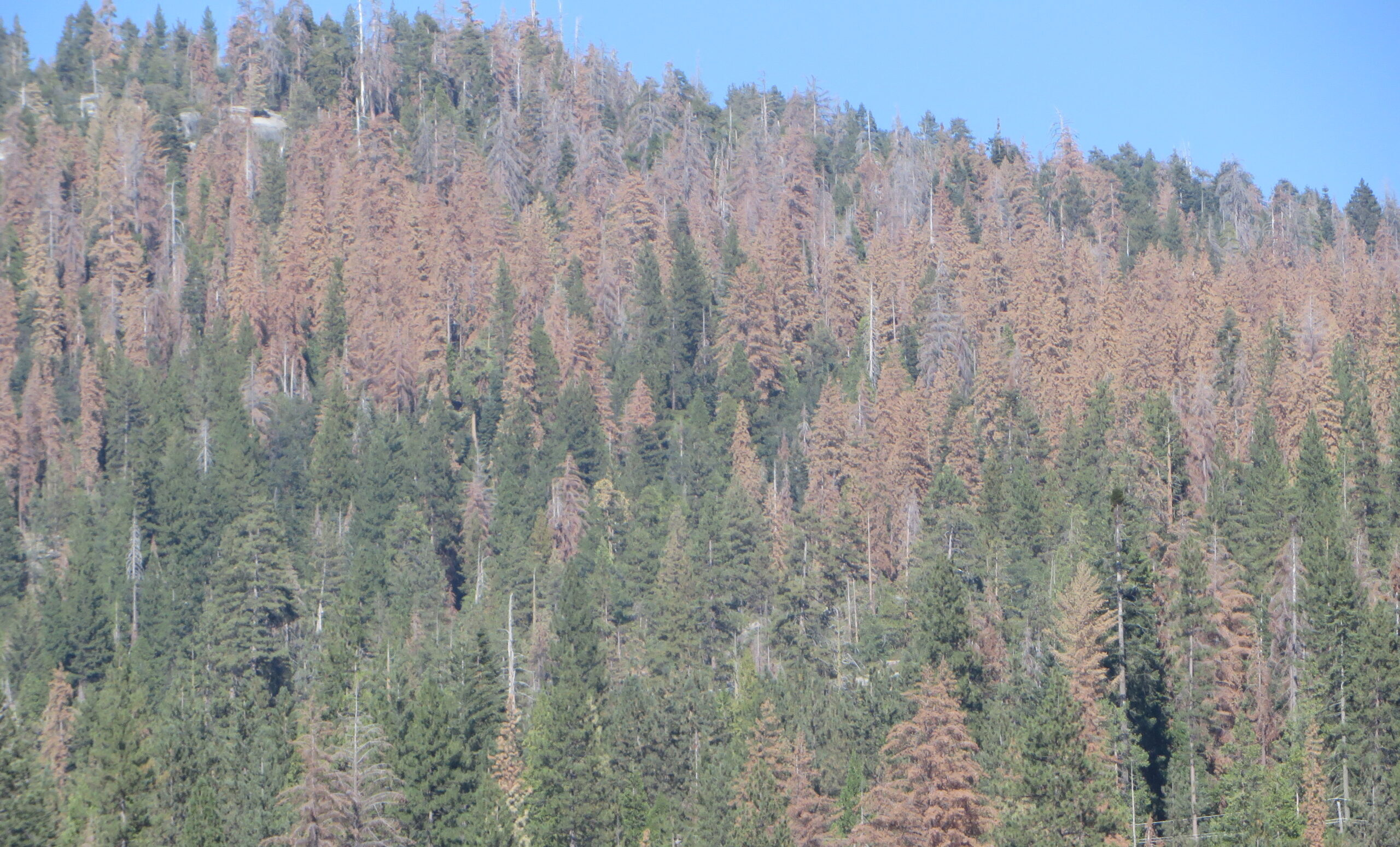
Scott L. Stephens is a Professor in the Department of Environmental Science, Policy, and Management (ESPM) at the University of California, Berkeley. He holds a Ph.D. in Wildland Resource Science from UC Berkeley (1995) and a B.S. in Electrical Engineering from Sacramento State University (1985). His research focuses on wildland fire science, fire ecology, and forest management, with an emphasis on how climate change and policy influence fire regimes. He leads the Stephens Lab, which conducts interdisciplinary studies on fire behavior, ecosystem resilience, and policy reform. Key contributions include advocating for prescribed burning and Indigenous stewardship practices to mitigate wildfire risks. Stephens has testified before congressional committees on forest health and has been recognized as a Clarivate Highly Cited Researcher (2024). His work integrates ecological, policy, and management perspectives to address contemporary fire challenges. Education: Ph.D., Wildland Resource Science, UC Berkeley, 1995 B.S., Electrical Engineering, Sacramento State University, 1985 Research Interests: Wildland fire behavior and effects Fire ecology and ecosystem interactions Climate change impacts on fire regimes Policy and management of fire-adapted landscapes Scientific Contributions: Stephens has authored or co-authored over 150 peer-reviewed articles, including seminal works on prescribed fire efficacy, forest restoration, and policy reform. His lab’s research has been featured in BioScience , Ecological Applications , and policy briefs for federal agencies. Lab and Collaborations: The Stephens Lab collaborates with Indigenous communities, federal agencies, and international researchers to advance fire science. Notable projects include the Fire and Fire Surrogate Study (FFS) and the Stewardship Project, which advocate for integrating Indigenous burning practices into federal policies.
Noel Michele Holbrook is the Charles Bullard Professor of Forestry at Harvard University, affiliated with the Department of Organismic and Evolutionary Biology and the Harvard University Center for the Environment. She directs the Harvard Forest, a Long-Term Ecological Research site. Her work focuses on plant vascular transport mechanisms, particularly the physics and physiology of water and solute movement in plants. Affiliations: Harvard Forest, Harvard University Center for the Environment, Environmental Science & Engineering (affiliate). Research Areas: Plant hydraulics, xylem and phloem transport, wood anatomy, cavitation resistance, and plant ecological adaptations. Her lab investigates how constraints on vascular transport influence ecological and evolutionary processes. Key projects include studying embolism propagation, stomatal mechanics, and the role of vascular networks in plant survival. Recent work involves analyzing conifer needle transfusion tissues and the structural basis of Carlquist’s Law in xylem anatomy. Notable contributions include discoveries about moss vascular function and the impact of environmental factors on plant water dynamics. Her team has also explored crop responses to elevated CO2 and agricultural climate effects. Advising & Grants: Supervises undergraduate researchers (e.g., Nya Nicholson and Addison Harris) and postdoctoral fellows (e.g., Cade Kane). Research is supported by grants from the National Science Foundation and other institutions. Labs/Teams: Holbrook Lab at Harvard and Harvard Forest, collaborating with interdisciplinary teams in plant biology and ecology.
Thomas Berger is a Professor at the University of Hohenheim , affiliated with the Faculty of Agricultural Sciences and leading the Department of Economics of Land Use . He also contributes to the Computational Science Hub and Hohenheim Tropics initiatives. Focus Areas: Climate change adaptation, land-use modeling, biodiversity-productivity trade-offs, agent-based simulation, and machine learning in agricultural systems. Key Projects: Simulation frameworks for smallholder resilience in Ethiopia, bioeconomic modeling in the Amazon, and hybrid intelligence applications in European agricultural policy. Recent Publications: 2025 study on climate change effects on insecticide reduction in Germany, 2024 work on reconciling biodiversity with productivity via hybrid models, and 2023 methodological contributions to surrogate modeling and seasonal forecast integration. Research Trends: Interdisciplinary integration of climate science, agricultural economics, and computational modeling, with increasing emphasis on AI-assisted decision support systems and sustainability policy validation. Teaching & Outreach: Offers Agricultural Economics seminars and Hohenheim Tropics discussions, requiring advance email registration for office hours.

Prof. Douglas Sheil is a Chairholder in Forest Ecology and Forest Management at Wageningen University & Research. He holds a MA in Natural Sciences from Cambridge and an MSc in Forestry from Oxford. His career includes roles at the University of Oxford, CIFOR (Indonesia), the Institute for Tropical Forest Conservation in Uganda, and the Norwegian University of Life Sciences (NMBU). His research focuses on tropical forest ecology, biodiversity conservation, and human-forest interactions, with over 200 publications. He co-authored the influential textbook Tropical Rain Forests: Ecology, Diversity, and Conservation (2010). Awards include the Biotropica Prize (2004) and the Queen’s Award for Forestry (2015). Education: MA (Natural Sciences, Cambridge), MSc (Forestry, Oxford) Key Roles: Director of Institute for Tropical Forest Conservation (2008–2012), Professor at NMBU (2013–2020) Research Interests: Tropical forest dynamics, climate change impacts, conservation strategies, and the socio-ecological dimensions of forest management. His work spans field studies in Africa, Southeast Asia, and Oceania, emphasizing interdisciplinary approaches to address deforestation, biodiversity loss, and sustainable land use. Recent Trends in Articles: Focus on mycorrhizal networks, oil palm impacts, lightning disturbance, and mammal population responses to human activity. He explores mechanisms linking forest structure to ecosystem services, such as carbon sequestration and water regulation, often integrating remote sensing and global datasets. Awards: Biotropica Prize, Queen’s Award for Forestry Grants/Projects: Studies on lightning effects in African forests, camera trap mammal surveys, and policy analyses for vegetable oil sustainability. Labs/Teams: Leads interdisciplinary groups at Wageningen, collaborating with CIFOR and international networks. Active in IUCN committees to translate science into conservation policy.
John Drakeمشاهده پروفایل
دانشیار
John Drake is an Associate Professor in the Department of Sustainable Resources Management at the State University of New York College of Environmental Science and Forestry (SUNY-ESF). His research focuses on plant physiology and ecosystem ecology, particularly the physiological mechanisms underlying tree function and their scaling to ecosystem processes under climate change. He holds a Ph.D. from the University of Illinois (2010) in Ecology, Evolution, and Conservation Biology and a B.S. from Hope College (2005) in Biology. Prior roles include Research Fellow and Postdoc positions at institutions like the Hawkesbury Institute for the Environment and Boston University. His work emphasizes tree responses to temperature and water availability, including photosynthetic acclimation, carbon allocation, and stable isotope analysis. He leads the Drake Lab, which investigates tree ecophysiology and forest resilience. Current advisees include Sofia Arreaga (MS), Leslie Morrison (PhD), Jacob Olichney (PhD), and Taylor Wegner (MS). Notable grants include studies on New York forest responses to environmental change and climate resilience strategies for American chestnut restoration. Dr. Drake has received the University Distinguished Fellow award and contributed to over 40 peer-reviewed publications since 2007. His lab supports interdisciplinary research on forest carbon dynamics, soil-microbe interactions, and climate adaptation, with projects funded by agencies like the USDA and SUNY-ESF.
Joséphine Gantoisمشاهده پروفایل
استادیار
Joséphine Gantois is an Assistant Professor in Human Dimensions of Biodiversity Conservation at the University of British Columbia, jointly appointed in the Institute for Resources, Environment and Sustainability (IRES) and the Food and Resource Economics Program within the Faculty of Land and Food Systems. Her work bridges economics, ecology, and data science to address ecological footprints in agricultural and natural landscapes. She holds a Ph.D. in Sustainable Development from Columbia University, an M.P.A. in International Development from the London School of Economics, and advanced degrees in economics and the sciences from École Polytechnique. Research Focus: Dr. Gantois investigates practical solutions for reconciling land use incentives with conservation goals, particularly in agricultural areas. Her research emphasizes causal inference methods, integrating remote sensing, machine learning, and qualitative tools like interviews. Key areas include biodiversity monitoring, policy impact assessment, and ecosystem function analysis. She has explored habitat restoration in Ontario grain farms during her postdoctoral work under Dr. Claire Kremen at UBC. Teaching & Engagement: She teaches in the Master of Food and Resource Economics (MFRE) program, focusing on interdisciplinary approaches to sustainability challenges. Her work highlights the intersection of human behavior, policy design, and ecological outcomes, aiming to inform actionable conservation strategies.
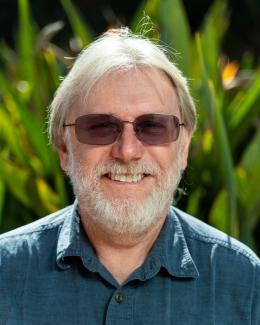
Dar Roberts is a Professor in the Department of Geography at the University of California, Santa Barbara, where he directs the Visualization & Image Processing for Environmental Research (VIPER) Lab. His research focuses on advanced remote sensing applications including: Imaging spectrometry for ecosystem analysis Wildfire fuel mapping and fire emissions modeling Drought impact assessment on vegetation Land use/land cover change detection Integration of remote sensing with climate modeling Roberts leads the Southern California Wildfire Hazard Center and has pioneered techniques for mapping wildfire fuels using remote sensing technologies. His work combines field measurements with satellite, airborne, and drone-based sensors to monitor environmental changes.
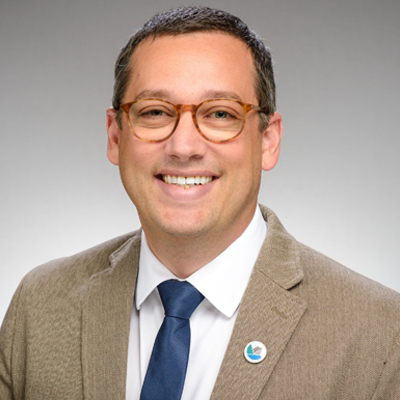
Nathan G. Swenson is a Professor in the Department of Biological Sciences at the University of Notre Dame and serves as the Gillen Director of the Environmental Research Center (UNDERC). He has held prior academic positions at the University of Maryland and Michigan State University, advancing from Assistant to full Professor. His research integrates genomics, ecology, and evolutionary biology to understand forest biodiversity and dynamics. Research Interests: Ecology and Environmental Biology Evolutionary Biology Genetics and Genomics Global Change Biology Forest Ecology Functional and Phylogenetic Ecology Tree Physiology and Demography His research focuses on leveraging intra- and interspecific variation in tree performance to predict forest biodiversity patterns. He employs integrative approaches from genomes to forest canopies and utilizes large-scale global datasets. Recent publications emphasize intraspecific trait variation, transcriptomic responses to drought, ecological forecasting, and functional group dynamics in tropical and temperate forests. Scientific Awards: Winner of 2017 British Ecological Society John Harper Prize (awarded to J. Zambrano; Swenson was senior author) Advising and Grants: Dr. Swenson has mentored numerous researchers, including M.N. Umana, S.J. Worthy, and J. Yang, who frequently co-author high-impact papers. His lab receives substantial research funding, evident from large collaborative projects and participation in global networks like ForestGEO and the TRY plant trait database. He has secured support for long-term ecological research, genomic studies, and international fieldwork. Labs and Teams: He leads the Swenson Lab, which conducts research on woody plant ecology in dynamic environments. The lab emphasizes community transcriptomics, functional trait analysis, and large-scale ecological modeling. It collaborates widely across institutions and is involved in major initiatives such as ForestGEO and NEON.

Gregory Michael Peck is an Associate Professor and Director of Undergraduate Studies for the Plant Sciences Major at Cornell University's School of Integrative Plant Science, Horticulture Section. His research focuses on sustainable tree-fruit production, particularly in organic apple systems , cider apple germplasm evaluation , and crop-load management through pollen tube growth modeling . Award-winning educator (2021 Cornell Teaching, Advising & Mentoring Award) 2018 Grower Advocate of the Year (American Cider Association) Active in outreach through field days, extension publications, and social media Peck's work spans tree-fruit physiology , soil health , and mechanization of orchard practices . He co-teaches Cornell's popular cider appreciation course with microbiologist Kathy Arnink, combining apple production science with fermentation expertise. His research explores phenolic development , nitrogen management , and yeast interactions in cider production systems. Recent publications highlight collaborations in rootstock effects , compost applications , and fermentation chemistry . Peck's career has included work in California, Washington, New York, and Virginia, with training spanning horticulture, plant physiology, soil science, and agricultural economics.
Professor Jill Edmondson serves as a Professor of Ecosystem Sustainability and NERC Knowledge Exchange Fellow at the School of Biosciences, University of Sheffield, where she has been a Senior Lecturer since 2021. Her research focuses on enhancing ecosystem sustainability and resilience in urban and agricultural contexts through interdisciplinary approaches bridging soil science, plant ecology, and social dimensions. Her core research pillars include: Urban Horticulture , where she leads the national MYHarvest citizen science project quantifying home-grown food production while assessing ecosystem co-benefits and soil pollutant risks; Soil Carbon Dynamics , specializing in black carbon's role in urban soil carbon sequestration; and Urban Forest Ecology , investigating how pollution and infrastructure encasement impact tree health and ecosystem services like heat mitigation. Her work consistently integrates field studies with policy-relevant applications for city planning. Analysis of her 2020-2025 publications reveals intensifying focus on climate adaptation, with dominant themes including urban food security quantification, soil contaminant bioavailability, green infrastructure performance, and urban tree resilience. Methodologically, she pioneers citizen science integration and interdisciplinary field measurements, yielding actionable insights for urban sustainability policy. Her major recognitions include: NERC Knowledge Exchange Fellow (2022-present) EPSRC Living with Environmental Change Fellow (2016-2021) Professor Edmondson supervises undergraduate literature reviews and research projects across multiple programs (MBiolSci, MEnvSci, MSc, MRes), mentoring the next generation of sustainability scientists. Her grant portfolio features competitive fellowships supporting urban ecosystem research with direct policy applications through partnerships with local governments and environmental NGOs. She directs the MYHarvest citizen science initiative and collaborates extensively with the University of Sheffield's Institute for Sustainable Food, leading a multidisciplinary team spanning soil science, ecology, and engineering to develop evidence-based strategies for resilient urban ecosystems.
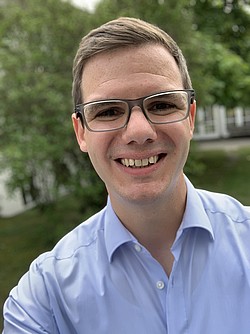
Prof. Ingo Grass is a Full Professor at the University of Hohenheim, heading the Department of Ecology of Tropical Agricultural Systems (490f) and serving as Deputy Head of the Department of Crop Production in the Tropics and Subtropics (490e). He is Director of the Hans Ruthenberg Institute for Tropical Agricultural Sciences and an Equal Opportunities Officer within the Faculty of Agricultural Sciences. His research focuses on agroecology, tropical agricultural systems, and biodiversity conservation in human-modified landscapes. Education: PhD in Biology from Philipps-Universität Marburg (2014). PostDoc at University of Göttingen (2014-2019) before moving to Hohenheim. Research Interests: Agroecosystem biodiversity, pollination ecology, land-use impacts on ecosystems, and sustainable farming practices. His work emphasizes reconciling productivity with biodiversity preservation, with a focus on tropical regions and temperate grasslands. Articles Trends: Recent work explores pesticide impacts on non-target insects, agroecological strategies to enhance pollination and biocontrol, and biodiversity benefits of diversified crops. He frequently collaborates on global studies involving tropical landscapes and urban agriculture dynamics. Awards: Maria Sibylla Merian Award (2013), Teaching Excellence Awards (2016 & 2018). Labs/Teams: Leads interdisciplinary teams in tropical agroecology, collaborating with institutes in Indonesia, Madagascar, and South Africa.
نمایش نتایج تا ۷۵۰ مورد اول. برای یافتن نتایج دقیقتر، جستجوی خود را با فیلترها محدود کنید.