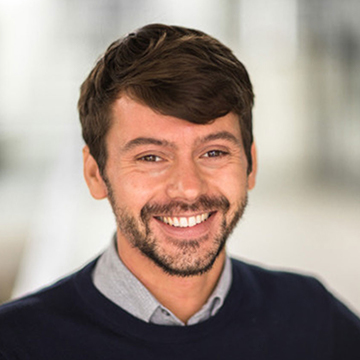
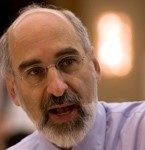
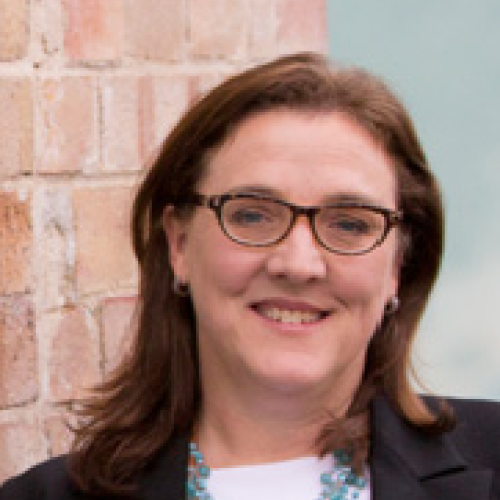
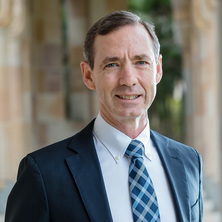
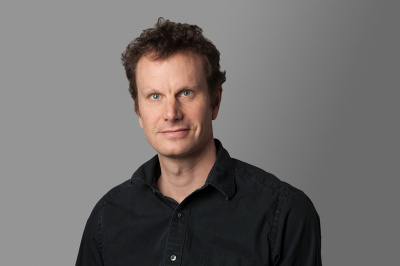
Stefano Caria is an Associate Professor in the Department of Economics at the University of Warwick. He will join the University of Oxford in 2025. His affiliations include J-PAL, CEPR (Development and Labour), BREAD, CAGE, and STICERD's EEE program. He serves as a trustee for the Global Change Data Lab (OWID), IGC lead academic for Ethiopia, and co-chair of J-PAL's Labor Sector. His research focuses on labor markets, development economics, and experimental methods, with recent projects addressing refugee employment in Jordan, garment sector dynamics in Ethiopia, and urban poverty in Bangladesh. Key publications include studies on labor market exclusion in African cities, firm growth constraints, and the impact of childcare subsidies in Egypt. He has received the Leverhulme Prize and contributes to policy through roles like editor at Econometrica and advisor to international organizations. Current work explores social structures in labor markets, climate migration, and adaptive policy interventions.
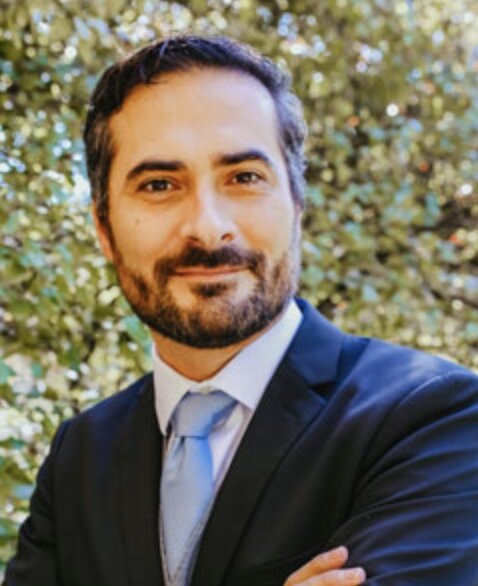
Sandy Dall'Erba is a Professor in the Department of Agricultural and Consumer Economics at the University of Illinois at Urbana-Champaign. He holds additional affiliations with the European Union Center, Center for Latin American and Caribbean Studies, Lemann Center for Brazilian Studies, and the Center for Digital Agriculture at NCSA. His research spans regional economic analysis, spatial econometrics, and climate change impacts on agriculture. PhD in Economics, University of Pau (2004) MSc in Economics, University of Pau (2000) Postdoctoral, Spatial Economics at Free University of Amsterdam (2005-2006) Postdoctoral, REAL at UIUC (2004-2005) Dall'Erba specializes in spatial econometric modeling to analyze regional growth, innovation systems, and climate change effects. His work integrates interregional input-output frameworks and structural gravity models to quantify economic spillovers. Recent studies address agricultural vulnerability to climate shocks, plastic waste embedded in trade, and tax revenue disruptions from natural disasters. His publications focus on regional economics, environmental accounts, and climate resilience, with applications in the U.S., Latin America, and China. Key trends include spatial heterogeneity in climate impacts, supply chain vulnerabilities, and policy design for disaster mitigation. RSPP Best Paper Award Regional Studies Association Best Paper Award Tiebout Prize Epainos Prize Dall'Erba has co-authored works with graduate students and secured grants from NSF, NASA, and USDA. He directs the Regional Economics Applications Laboratory (REAL) and co-founded the Center for Climate, Regional, Environmental and Trade Economics (CREATE) , advancing system-wide approaches to climate and trade challenges.
Miguel Ángel Sotelo Vázquez is a full Professor at the University of Alcalá, leading the INVETT Research Group (Intelligent Vehicles and Traffic Technologies). He holds the Department of Automatic Control and specializes in autonomous systems, particularly in path planning, sensor fusion, and human-vehicle interaction. His research integrates machine learning, robotics, and control theory to address challenges in intelligent transportation systems. He earned his Ph.D. in 2001 with a thesis on autonomous vehicle navigation in partially known environments. His work emphasizes real-world deployment, explainable AI, and safety-critical systems. Recent projects focus on lane change prediction, pedestrian behavior modeling, and cybersecurity for autonomous systems. Key contributions include neuro-symbolic frameworks for decision-making, real-time multi-physics field reconstruction, and cross-cultural studies of pedestrian interactions. He collaborates internationally on urban mobility resilience and hydrogen refueling infrastructure. Research Highlights : Development of knowledge graph-based prediction architectures Experimental validation of human-vehicle interaction in VR environments Creation of the SCOUT trajectory prediction framework
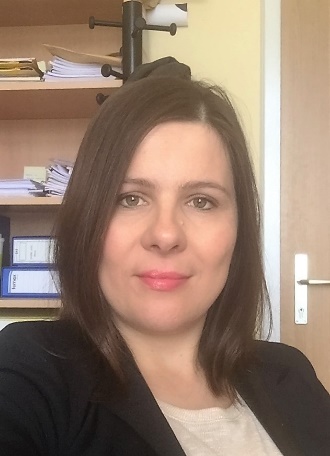
Scott Walbridge is the Chair of the Department of Civil and Environmental Engineering at the University of Waterloo, where he has been actively teaching and researching since 2006. He holds a Doctorate in Civil Engineering from the Swiss Federal Institute of Technology (EPFL), a Master's from the University of Alberta, and a Bachelor's in Civil Engineering from the same institution. His research focuses on enhancing structural safety and durability through fatigue assessment, retrofitting of welded metal structures, modular construction, and life-cycle cost analysis. He chairs the CSA aluminum structures technical subcommittee for bridge design codes (S6) and actively contributes to code development for structural welding and aluminum design. Walbridge has been Program Director for Waterloo’s Architectural Engineering program (2018–2022) and serves on editorial boards for journals like Structural Engineering International and ASCE Journal of Bridge Engineering . Education: PhD, Civil Engineering (Steel Structures), EPFL, Switzerland (2005) MSc, Structural Engineering, University of Alberta (1998) BSc, Civil Engineering, University of Alberta (1996) Research Interests: Fatigue assessment, welded metal structures, modular construction, structural reliability, fracture mechanics, and life-cycle cost analysis. His work bridges theoretical frameworks with practical applications, such as improving fatigue life prediction for aluminum bridge decks and optimizing material selection for corrosion resistance. Professional Engagement: Chair of CSA S6 Aluminum Structures Subcommittee, active member of welding code committees (W59, W59.2), and contributor to national bridge design standards. His leadership in code development ensures alignment with modern material technologies and sustainability goals. Teaching & Advising: Recently taught courses like CIVE 512 (Rehabilitation of Structures) and CIVE 704 (Bridge Design). He is currently accepting graduate students in structural engineering and bridge design.
Professor Katrin Vorkamp holds a position at the Department of Environmental Science, specializing in Environmental Chemistry and Toxicology at Aarhus University. Her research focuses on understanding the transport, exposure pathways, and impacts of persistent pollutants such as PFAS, POPs, and mercury in Arctic and Antarctic ecosystems, with a particular emphasis on wildlife and human health implications. She has contributed to projects addressing climate change effects on contaminant dynamics, policy-oriented monitoring frameworks (e.g., Water Framework Directive), and innovative methods like passive sampling and non-target screening. Her work spans interdisciplinary collaborations, including the AMAP Core 2025-2027 project tracking pollution in Greenland biota and the ArcSolution initiative exploring a One Health perspective in Arctic pollution. She also leads the NAMMINE project on non-target analysis in Nordic marine mammals. Key themes in her research include understanding local vs. long-range pollutant sources, climate-contaminant interactions, and developing early warning systems for emerging chemicals. Publications highlight her expertise in biochar applications for waste valorization, contaminant trends in Adélie penguin eggs, and computational tools for risk assessment. Her projects often bridge environmental science with policy, aiming to inform sustainable solutions for pollution challenges in sensitive ecosystems.
Robert Berrens is a Regents Professor in the Department of Economics at the University of New Mexico since 1994. He has held roles including Department Chair (2008-2012 and 2016-present), Special Assistant to the Dean of Arts & Sciences (2012-2013), and Director of the Water Resources Program (2013-2016). His research focuses on environmental economics, water resources, ecosystem services, and climate policy. He has advised over 50 graduate students and published extensively in journals like Ecological Economics and Environmental Management . Awards include the Regents Lecturer title and leadership roles in academic governance. Education: PhD in Economics (not explicitly stated but implied by academic rank). Affiliations: Nepal Study Center, Science Impact Lab, Water Resources Program, and multiple UNM institutes. Research interests include non-market valuation, wildfire risk mitigation, and sustainable development. His work addresses policy challenges in energy, environmental health, and natural resource management. Over 150 publications and grants from NSF, EPA, and others highlight his impact. Grants/Awards: National Science Foundation US Environmental Protection Agency UNM Budget Leadership Team member since 2012 His interdisciplinary approach bridges economics with environmental science, addressing real-world issues like Bitcoin’s environmental costs, fracking impacts, and wildfire smoke health effects.
Ulrika Persson-Fischier is a University Lecturer at the Department of Women's and Children's Health and the Center for Health and Sustainability at Uppsala University. She is based at Campus Gotland and plays a key role in interdisciplinary research and education focused on sustainability. She leads the international Master’s programme in Implementation, Transformative Learning, and Sustainability and has developed the Master’s in Sustainable Destination Development. Her academic background includes a PhD in Anthropology from the University of Oslo and foundational studies in anthropology, philosophy, and intellectual history at Uppsala University. Her research spans diverse fields including sustainable tourism, entrepreneurship, healthcare innovation, and risk management, unified through an anthropological lens emphasizing culture, complexity, and systemic change. She employs ethnographic methods and transdisciplinary collaboration to address wicked problems in sustainability. Her work is grounded in long-term fieldwork, from Siberia to Sweden, and she actively engages with societal actors to co-create knowledge. Her recent publications reflect a strong focus on sustainable tourism, cruise industry impacts, transformative learning, and innovation implementation. Themes include stakeholder co-creation, responsible governance, educational innovation for the SDGs, and the socio-cultural dimensions of sustainability transitions. Her work bridges theory and practice, particularly in island contexts like Gotland and Rapa Nui. Excellent teacher She supervises PhD and Master’s students, including Marije Poort and Fie Broker-Bulling, and leads multiple research projects on sustainable tourism and entrepreneurship. She has developed innovative educational tools such as the online module 'The Mission' for sustainability education. Her teaching spans anthropology, sustainability, CSR, qualitative methods, and entrepreneurship, and she is deeply committed to pedagogical development and Education for Sustainable Development (ESD). Ulrika is actively involved in Erasmus+ projects such as LISTO and VAMOS, promoting global virtual exchange and sustainable entrepreneurship education. Her research projects include 'Sustainable Arctic cruise communities', 'Hållbar turism i det nya normala', 'Cultural Heritage, Regional Development and Innovation', and 'Fishing for sustainability on Gotland'. She emphasizes collaboration between academia, industry, and local communities to foster resilient and regenerative systems.
Kim Talus is a Professor of European Energy Law at the Law School, University of Eastern Finland , with concurrent appointments as Professor of Energy Law at the University of Helsinki and Partner at Energy and Regulation Partners, Zug, Switzerland. His work focuses on EU energy law , climate change regulation , and international energy disputes , particularly in hydrogen, LNG, and renewable energy sectors. Research Trends: Talus’s recent articles (2024–2025) analyze Hydrogen Market Regulation (EU and Australia) State Aid in renewable energy LNG Market Evolution in Asia and EU Climate Legislation (methane regulation, carbon capture) Cross-Border Energy Trade complexities. His work frequently addresses tensions between climate policy and economic freedoms like investor protection. Leadership: Talus directs the Center for Climate Change, Energy and Environmental Law (CCEEL) and contributes to edited volumes such as Elgar Research Agendas and Edward Elgar Handbooks . He collaborates with institutions like the European Commission and University of Oslo.
Assoc. Prof. Dr. Matilda Karamatić Brčić is a dedicated academic at the Department of Pedagogy, Faculty of Philosophy, University of Zadar, where she has been employed since 2004, progressing from junior researcher to her current position as Associate Professor. She teaches courses including Basic Knowledge of Education, Introduction to Pedagogy, Theory of Education, and Theory of Education in Practice across undergraduate, graduate, and teacher competency programs. Her research focuses on inclusive education , educational integration , and curriculum development , with particular emphasis on implementing inclusive practices in Croatian primary schools. Her doctoral dissertation examined the organization, content, and methodology of inclusive education implementation in primary schools. She has been actively involved in the scientific research project 'Education and Education for Entrepreneurship' since 2007. Dr. Karamatić Brčić has participated in numerous international conferences across Europe, with her most recent publications (2013-2015) analyzing sociodemographic factors in inclusive education, bilingual education implications, and models for quality inclusive practices. Her scholarly work demonstrates a consistent trajectory toward understanding and improving inclusive educational systems in Croatia. She maintains active professional engagement through memberships in: Croatian Pedagogical Society NGO 'Interkultura' in Zagreb European Association for International Education (EAIE) since 2005 Young SIETAR (Young society for International Education, Training and Research) since 2005 Dr. Karamatić Brčić has participated in extensive professional development, including working visits to Swiss teacher training universities focusing on inclusive education, and various international seminars on educational innovation and entrepreneurship.
Stefano Merler is a Research Fellow at the Fondazione Bruno Kessler in Trento, Italy. He leads the Dynamical Systems research unit, focusing on the mathematical modelling of infectious diseases transmission, particularly analyzing the effects of population heterogeneity on disease spread and control.
John D. Sterman is the Jay W. Forrester Professor of Management at the MIT Sloan School of Management and a Professor in the MIT Institute for Data, Systems, and Society. He serves as Director of both the MIT System Dynamics Group and the MIT Sustainability Initiative at MIT Sloan. With decades of experience in systems thinking and sustainability, Professor Sterman is a leading expert in understanding complex systems dynamics in business, environmental, and social contexts. Professor Sterman's research focuses on systems dynamics, climate change, sustainability, business management, and energy systems. His work bridges academic theory with practical applications through interactive management flight simulators like the World Climate Simulation, Fishbanks, and the Beer Game. These tools help students, policymakers, and business leaders understand complex systems and develop effective strategies for sustainability challenges. His research emphasizes the interconnectedness of economic, environmental, and social systems, particularly in addressing climate change. Professor Sterman has received significant recognition for his work, including his named professorship as the Jay W. Forrester Professor of Management. His leadership extends to directing the MIT System Dynamics Group, which pioneered systems dynamics methodology at MIT in the 1950s, and the MIT Sustainability Initiative, which applies academic rigor to real-world sustainability problems. He has developed influential educational tools used globally for management education and climate policy understanding. Director, MIT System Dynamics Group Director, MIT Sustainability Initiative at MIT Sloan Professor, MIT Institute for Data, Systems, and Society Professor Sterman's work has been featured in numerous media outlets including The New York Times, Washington Post, Bloomberg, and MIT Sloan publications. He has advised policymakers and business leaders on climate change strategies and sustainability practices, emphasizing the urgent need for action on climate change through existing technologies and systemic approaches.
Basil Germond is a Professor of International Security at Lancaster University's School of Global Affairs , where he co-directs the interdisciplinary research institute Security Lancaster . He also holds a Visiting Fellowship at the Royal Navy Strategic Studies Centre and is affiliated with the Centre for War and Diplomacy and the ESRC Centre for Corpus Approaches to Social Science (CASS) . Education: PhD in International Relations (Graduate Institute of International Studies, Geneva), MA in History and International Politics, BA in International Relations (interdisciplinary 4-year degree). Leadership: Co-Director of Security Lancaster, former Faculty Leadership Team member (2018-2022), and ESRC NWSSDTP Institutional Politics Pathway Lead. His research bridges International Relations , Maritime Security , Geopolitics , and Corpus Linguistics , focusing on the evolving concept of seapower , maritime strategy , and climate-maritime security interactions. He works on UK Defence , Black Sea dynamics , and the representation of the sea in policy and media. Recent publications analyze the Strait of Hormuz crisis, Black Sea ceasefire implications, and climate security intersections. His work appears in Marine Policy , The Geographical Journal , and Science of the Total Environment , reflecting his cross-disciplinary approach. Scientific awards include Senior Fellow of the Higher Education Academy (SFHEA) and Fellow of the Royal Geographical Society (FRGS). He has advised House of Commons , House of Lords , and EU Council , with research cited in IPCC Sixth Assessment Report . PhD Supervision: Completed projects on maritime strategy , EU security policy , and climate-maritime interactions . Currently supervises 4 students in maritime security and outer space security .
Renate Egan is a Professor and Deputy Head of School (Engagement) at the School of Photovoltaics and Renewable Energy Engineering , University of New South Wales (UNSW). She leads UNSW's activities in the Australian Centre for Advanced Photovoltaics , a national research consortium involving multiple Australian institutions. Her research focuses on: Techno-economic analysis of photovoltaic technologies Energy data analytics for decentralized systems Electricity market restructuring Technology transfer and commercialization Recent work examines machine learning applications in energy demand forecasting, thermal storage optimization, and bushfire resilience. She collaborates extensively across academia, industry, and government sectors. Key affiliations include: Co-Founder of Solar Analytics (Australia's largest independent energy monitoring provider) Executive Committee member of the IEA PV Power Systems program
Professor Shaun Bond is the Frank Finn Professor of Finance at the UQ Business School, University of Queensland. He has held prior positions as the West Shell Professor of Real Estate at the University of Cincinnati (Director of the UC Real Estate Center) and as a lecturer at the University of Cambridge’s Department of Land Economy. He has also served as a visiting professor at Pennsylvania State University and George Washington University. Education: PhD and MPhil in Economics from the University of Cambridge; Bachelor of Economics (First Class Honours) from the University of Queensland. Research Interests: Real estate finance, financial economics, investment and risk management, and financial econometrics. Publications: Over 33 works including 28 journal articles, 2 book chapters, and 2 conference publications, focusing on real estate markets, financial forecasting, and ESG integration. Funding: Current Macoun Research Scholar Program (2021–2025); recent grants from Queensland Government and QIC Limited for short-term rental regulation and investment management research. Supervision: Available for PhD supervision in real estate asset pricing and financial market sentiment.
Frédéric Robert-Nicoud is Full Professor of Political Economy at the Geneva School of Economics and Management (GSEM) , University of Geneva. He has held academic positions at HEC Lausanne and the London School of Economics (LSE), with visiting roles at CEMFI, CERAS, CORE, Princeton, and other institutions. His research focuses on Economic Geography, Urban Economics, and International Trade , with significant contributions to agglomeration theory, trade liberalization, and spatial sorting. Education: PhD in Economics, London School of Economics (2002) Master's in Econometrics and Mathematical Economics (Summa Cum Laude, 1999) Master's in International Relations (HEID, 1996) Bachelor's in Economics (University of Geneva, 1994) His research interests explore the interplay between trade liberalization, urban inequality, tech clusters, and labor market dynamics. Recent work analyzes climate change's geographic implications and structural transformation in cities. He has developed frameworks for understanding highway impacts on spatial sorting, agglomeration effects, and trade's role in unemployment. Key scientific awards include: CEPR Fellow Affiliated with Spatial Economic Research Centre (SERC) Former Editor of Journal of Economic Geography (6 years) Former Associate Editor of Review of International Economics (4 years) Member of Conseil scientifique des économistes His grants and fellowships span NBER, CEPR, and SERC affiliations. He has presented at major conferences including the Urban Economics Association Annual Meetings, European Economic Association Congress, and World Trade Institute seminars.