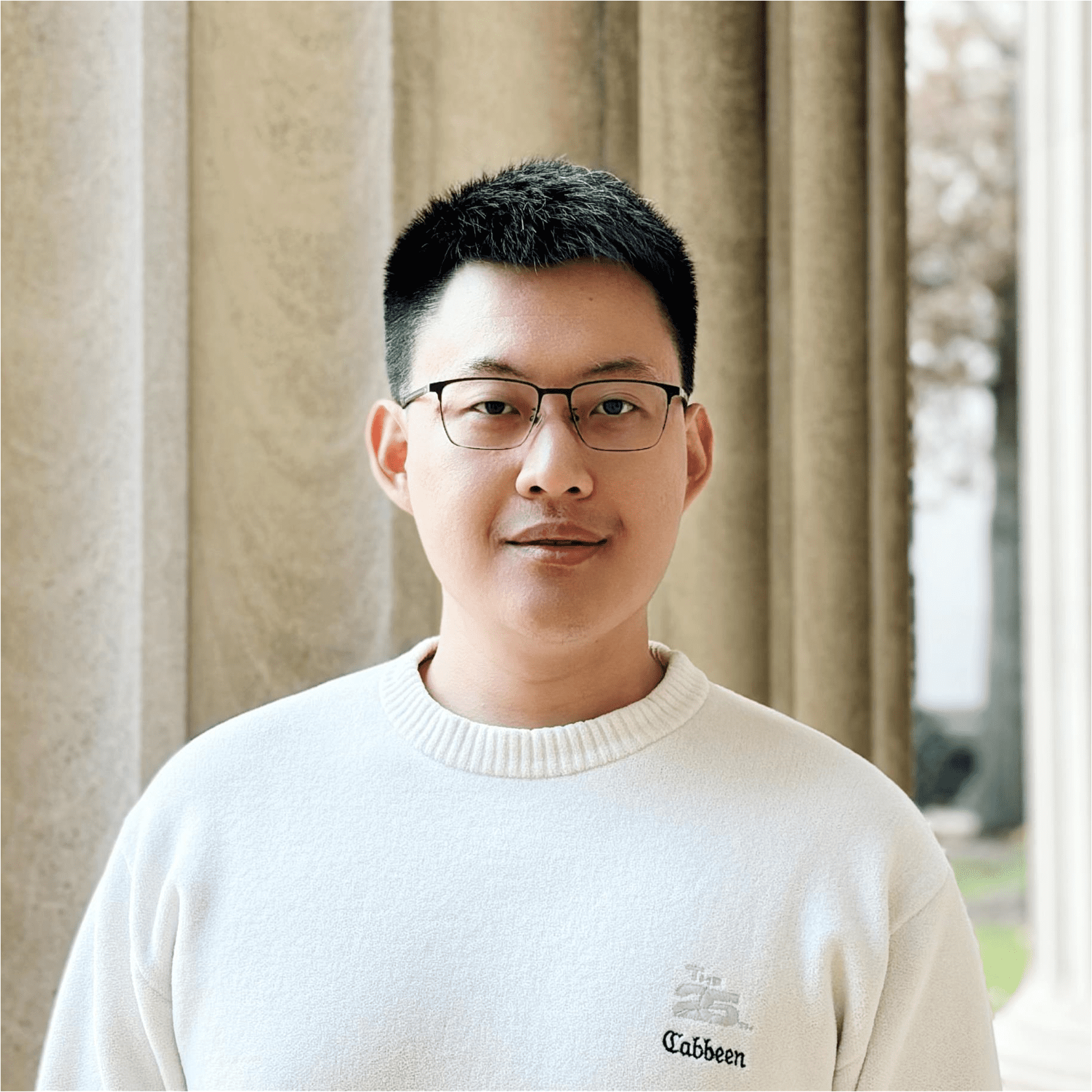
Yiguang Ju is the Robert Porter Patterson Professor of Mechanical and Aerospace Engineering at Princeton University, affiliated with the HMEI Grand Challenges Program. His research focuses on plasma-assisted combustion, alternative fuels, and nano-material synthesis via flame processes. He investigates energy-efficient systems for microscale energy conversion, catalytic reactions, and low-temperature plasma chemistry. Research interests include non-equilibrium plasma dynamics, ammonia synthesis, and high-pressure oxidation kinetics. He develops advanced diagnostics like hybrid laser spectroscopy and machine learning models to study reaction mechanisms. Recent work explores plasma-enhanced combustion for hydrogen and alternative fuels, with applications in energy storage and emission reduction. His studies address challenges in plasma-chemistry interactions, material synthesis, and high-pressure combustion systems. His articles highlight innovations in plasma catalysis, combustion kinetics, and atmospheric chemistry. Collaborative projects include plasma-based material recycling and supercritical-pressure reactor analysis. He leads initiatives in clean energy technologies and sustainable chemical processes.
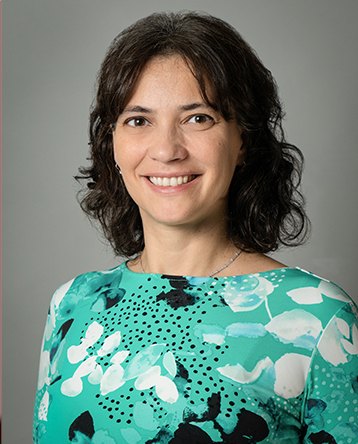
Mohammadreza Karamad is an Assistant Professor in the School of Sustainable Energy Engineering at Simon Fraser University (SFU), with a joint appointment in the Sustainable Energy Engineering department. His research focuses on computational materials discovery, leveraging quantum-mechanical methods (e.g., DFT) and machine learning (ML) to design advanced energy materials for clean technologies like hydrogen storage and catalysis. He holds a Ph.D. from the Technical University of Denmark (DTU) and completed postdoctoral research at Stanford University. His academic background includes leadership roles in the CMD Lab (Computational Materials Discovery), where he explores novel materials for electrochemical energy conversion processes. Key research areas include electrochemistry, heterogeneous catalysis, and material science, with a particular emphasis on CO2 reduction, ammonia synthesis, and sustainable energy storage solutions. Dr. Karamad collaborates with industry and academic partners to advance materials discovery through high-throughput computational screening and AI-driven approaches. He actively seeks motivated students (undergraduate and graduate) to join his research program, focusing on developing next-generation energy materials. His lab is located in room B8220, and he can be reached at mkaramad@sfu.ca. Notable technical contributions include pioneering work on transition metal nitrides for CO2 reduction, single-atom catalysts for ammonia synthesis, and machine learning frameworks for predicting material properties. His research bridges fundamental theory with practical applications, addressing global challenges in sustainable energy and environmental technology.
Professor Guoxiu Wang is a Distinguished Professor and Industry Laureate Fellow at the University of Technology Sydney (UTS), leading the Centre for Clean Energy Technology. His expertise spans battery technologies, materials chemistry, and electrochemistry, with a focus on lithium-ion, sodium-ion, and other advanced energy storage systems. He holds prestigious fellowships, including from the Royal Society of Chemistry and the European Academy of Sciences. His research has been recognized through numerous awards, including being listed as a Highly Cited Researcher since 2018. Research Interests: Professor Wang’s work addresses challenges in energy storage through innovative materials design, including electrode materials for sodium-ion and lithium-sulfur batteries, MXenes, and electrolyte development. His team explores strategies to enhance battery performance, such as heterostructure engineering and defect-rich catalysts. Publications & Impact: With over 750 refereed papers, including in Nature Energy , Advanced Materials , and Angewandte Chemie , his work has garnered >78,000 citations (H-index 153/165). Recent trends focus on sodium-ion battery materials, MXene-based capacitors, and sustainable energy solutions like osmotic energy harvesting. Awards & Leadership: Awards include Fellowships from the Royal Society of Chemistry (2017), International Society of Electrochemistry (2018), and European Academy of Sciences (2020). He serves as an Associate Editor for Energy Storage Materials and Electrochemical Energy Reviews , and leads international collaborations, including a Royal Society Wolfson Visiting Fellowship at the University of Manchester (2024–2026). Grants & Supervision: Secured significant external grants, with active supervision of PhD/Masters students in battery technologies. His labs prioritize sustainable energy solutions and advanced material synthesis. Labs & Teams: Directs the Centre for Clean Energy Technology, fostering interdisciplinary research to advance clean energy technologies, from novel battery designs to electrochemical catalysts for CO2 and nitrate conversion.
Dist. Professor Leslie Yeo is a distinguished faculty member at RMIT University's School of Engineering, where he leads the Micro/Nanophysics Research Laboratory (MNRL). With a PhD from Imperial College London (2002), he has held positions at Monash University and the University of Notre Dame before joining RMIT. His research focuses on the interactions between high-frequency sound waves and matter at micro and nanoscales. Leslie Yeo's educational background includes a PhD from Imperial College London (2002), where he received the Dudley Newitt prize for outstanding computational/theoretical work. Prior to his academic career, he worked as a Mathematical Modeller at Det Norske Veritas UK. He held prestigious Australian Research Fellowships (2009-2017) that supported his groundbreaking work in micro and nanophysics. Professor Yeo's research interests center around high-frequency (MHz order) sound waves interacting with various materials including fluids, two-dimensional and bulk crystals, biomolecules, cells and microorganisms. His work explores both fundamental physicochemical phenomena and practical applications in microfluidics, drug delivery, diagnostics, tissue engineering, and materials synthesis. His research has significant implications for health technologies, environmental applications, and sustainable energy solutions, aligning with UN Sustainable Development Goals 3 (Good Health and Well-Being) and 7 (Affordable and Clean Energy). Analysis of Professor Yeo's recent publications reveals a strong focus on acoustofluidics and its diverse applications. His work demonstrates expertise in using surface acoustic waves for bacterial inactivation, synthesis of metal-organic frameworks, cell membrane manipulation, and energy conversion technologies. The research spans multiple disciplines including biomedical engineering, materials science, and environmental technology, with particular emphasis on practical applications that address real-world challenges. 2023: Fellowship of the Institution of Engineering & Technology (FIET) 2021: RMIT University Science, Technology, Engineering & Medicine College Research Impact Award 2019: RMIT University Distinguished Professorship 2018: RMIT University Vice-Chancellor's Award for Research Excellence 2016: Johnson & Johnson World Without Disease Quickfire Challenge Award 2007: Young Tall Poppy Science Award Professor Yeo has supervised numerous research students across engineering and science disciplines, with current projects focusing on acoustomicrofluidic synthesis of nanomaterials, high-frequency mechanobiology applications, and diagnostic technologies. His editorial roles include Editor-in-Chief of the American Institute of Physics journal Biomicrofluidics and Associate Editor of Frontiers in Bioengineering & Biotechnology. His work has been widely featured in media outlets including ABC's Catalyst, The Economist, and Nature. The Micro/Nanophysics Research Laboratory under Professor Yeo's leadership is at the forefront of fundamental and applied research on nonlinear high-frequency electroacoustic interactions. The laboratory has discovered novel physicochemical phenomena and actively develops theories to explain the fundamental mechanisms behind these discoveries, with applications ranging from medical diagnostics to sustainable energy solutions.
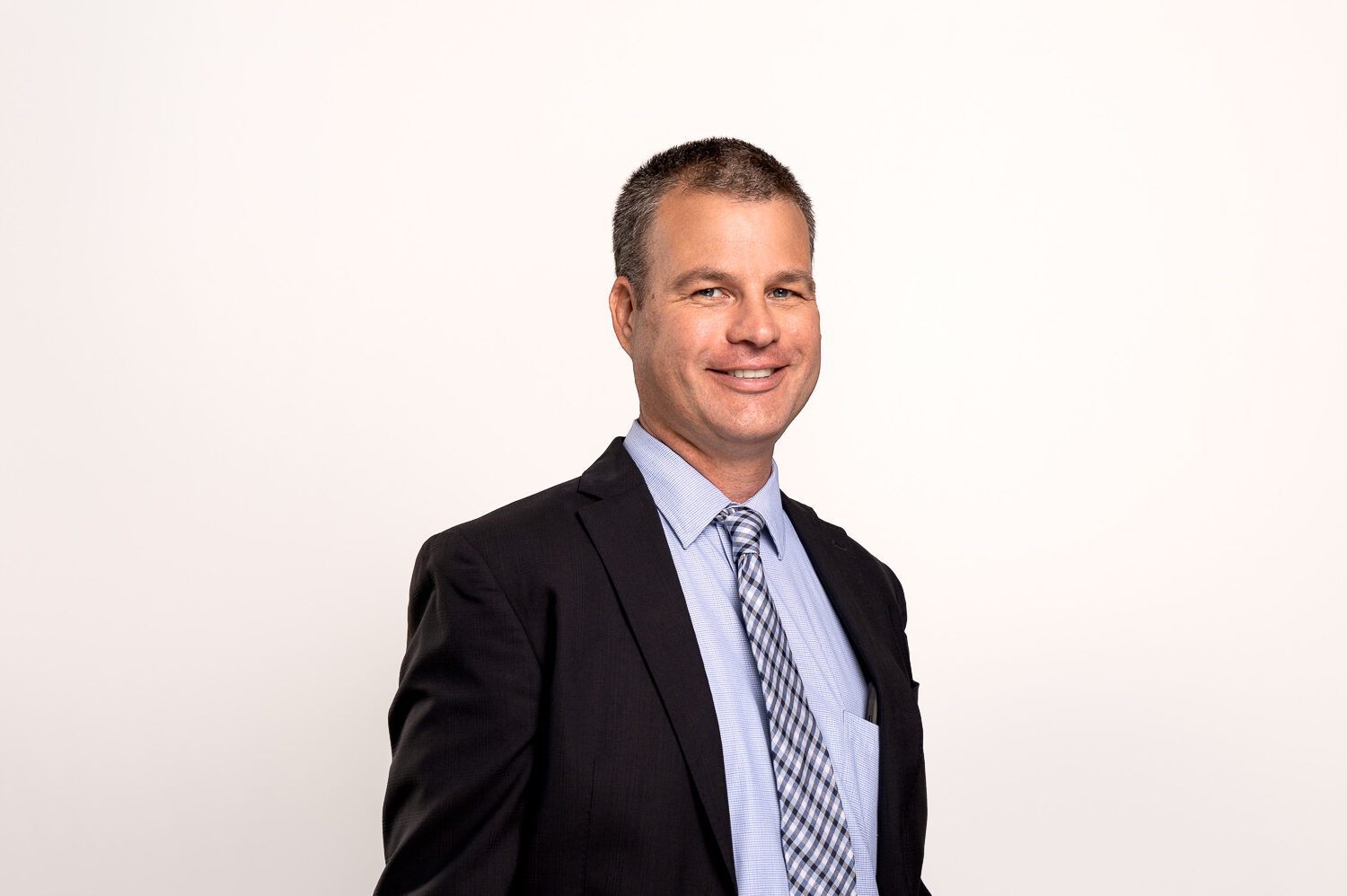
David Chester Upham is an Assistant Professor in the Department of Chemical & Biological Engineering within the Faculty of Applied Science at the University of British Columbia (UBC). He leads the Upham Lab, which focuses on developing catalysts and processes for sustainable energy production, greenhouse gas mitigation, and CO 2 -free chemical conversion. Dr. Upham received his education from prestigious institutions: Postdoctoral Scholar, Stanford University (2019) Ph.D., University of California Santa Barbara (2017) B.Eng., McGill University (2010) Dr. Upham's research focuses on heterogeneous catalysis for sustainable energy applications. His work centers on developing catalysts and processes that enable CO 2 -free production of chemicals, power, and materials. He specializes in liquid heterogeneous catalysts , particularly molten metal alloys, for methane conversion, CO 2 utilization, and hydrogen production. His lab employs advanced techniques including operando IR spectroscopy, pulsed and transient analysis of reaction mechanisms, isotopic labeling studies, and in-situ X-ray absorption spectroscopy. A key aspect of his research is understanding how liquid heterogeneous catalysts behave under reaction conditions, with applications in methane pyrolysis, dry reforming, and carbon fiber synthesis. Analysis of Dr. Upham's recent publications reveals a strong focus on CO 2 mitigation and clean energy production . His work spans multiple domains including methane conversion technologies, CO 2 -to-fuels processes, and carbon-negative fuel production. A significant portion of his research investigates molten metal catalysts for methane pyrolysis and dry reforming, with applications in hydrogen production and carbon capture. His publications demonstrate an interdisciplinary approach combining chemical engineering, materials science, and environmental engineering to address climate change challenges through innovative catalytic processes. Dr. Upham actively mentors a diverse group of graduate students and researchers. His lab currently includes multiple PhD and MASc students working on various aspects of catalysis and clean energy: PhD Students: Mark Tabbara, Genpei Cai, Natascha Miederhoff MASc Students: Michael Byun, Sawyer d'Entremont, Rami Jubeili, Wyatt Schnare Postdoctoral researcher: Sonit Balyan Multiple undergraduate and visiting students from institutions worldwide The Upham Lab operates within UBC's Catalysis Labs, utilizing advanced experimental techniques to study reaction mechanisms and develop new catalysts. The lab's research has significant implications for decarbonizing the energy and chemical sectors, with potential applications in hydrogen production, carbon fiber manufacturing, and CO 2 -to-fuels technologies.
Nikolay A. Kosinov is an Assistant Professor in Molecular Heterogeneous Catalysis at the Eindhoven University of Technology (TU/e), Department of Chemical Engineering and Chemistry. His research focuses on novel microporous catalytic materials for converting natural gas and CO2 into liquid fuels/chemicals. He holds a MSc from Novosibirsk State University (2010) and a PhD from TU/e (2014), followed by postdoctoral research at TU/e and TU Delft before joining TU/e as faculty in 2018. Education : MSc in Chemistry, Novosibirsk State University (2010) PhD in Chemical Engineering, TU Eindhoven (2014) Research Interests : Development of single-site catalysts, structure-activity relationships via operando spectroscopy, and catalytic mechanisms for unconventional gas transformations. Key areas include CO2 methanation, hydrogenation processes, and sustainable energy materials. Recent Research Trends : Recent work emphasizes bimetallic catalyst design, flame-synthesized materials, and operando studies to understand reaction mechanisms in real-time. His publications address challenges in CO2 utilization and methane activation through advanced catalytic systems. Awards : ERC Consolidator Grant (2024) NWO-M1 Grant (2024) NWO-XS Grants (2021, 2020) Teaching & Supervision : Teaches courses like Characterization of Materials and Modern Concepts in Catalysis. Supervises 43 research projects focusing on catalytic materials and sustainable processes. Labs/Teams : Active in the Inorganic Materials Chemistry research group at TU/e, collaborating on heterogeneous catalysis and sustainable development goals (SDGs) related to clean energy and climate action.
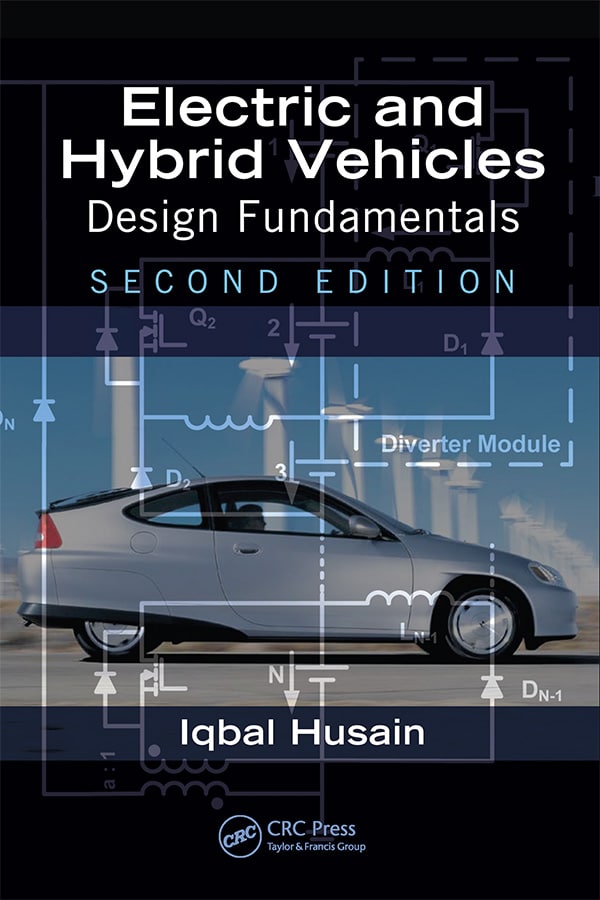
Dr. Iqbal Husain is the Director of the FREEDM Center and an ABB Distinguished Professor in the Department of Electrical and Computer Engineering at North Carolina State University. Previously, he served at the University of Akron for 17 years before joining NC State. He holds a Ph.D. (1993), M.S. (1989), and B.S. (1987) in Electrical Engineering from Texas A&M University and Bangladesh University of Engineering and Technology, respectively. His research focuses on power electronics, electric drives, and renewable energy systems, with applications in transportation, automotive, and aerospace. Notable contributions include advancements in electric machine design, inverter controls, and grid synchronization. He authored the textbook *Electric and Hybrid Vehicles: Design Fundamentals*, now in its third edition. Dr. Husain’s awards include the NSF CAREER Award (1997), SAE Vincent Bendix Award (2006), and IEEE Fellow (2009). His recent work includes developing AI-enabled tools for power grid cybersecurity and medium-voltage solid-state transformers for EV fast charging. He leads interdisciplinary projects at the FREEDM Systems Center, addressing challenges in clean energy and smart grid technologies.
Buyung Kosasih is a Professor in the School of Mechanical, Materials, Mechatronic and Biomedical Engineering at the University of Wollongong. He has held this position since 2000 and focuses on teaching and research in mechanical engineering, including Machine Dynamics, Finite Element Methods, and Renewable Energy Technology. His research spans fluid dynamics in industrial processes, renewable energy systems, and aqueous lubrication. Key projects include 3D-printed surfboard fin optimization and steel coating dynamics. Research interests emphasize experimental and computational fluid dynamics, particularly in renewable energy turbines and tribological systems. Notable awards include the 2013 Outstanding Contribution to Teaching and Learning Award. He has supervised numerous students and led over 20 funded projects, including ARC grants for steel innovation and renewable energy. Collaborative work includes the Steel Research Hub and HVAC/cool roof efficiency studies.
Wan Shou is an Assistant Professor in the Department of Mechanical Engineering at the University of Arkansas. His research focuses on multiscale manufacturing, advanced materials, and functional devices, with applications in wearables, robotics, and sustainable technologies. Ph.D., Mechanical Engineering, Missouri University of Science and Technology M.S., Mechanical Engineering, University of Louisiana at Lafayette B.E., Textile Engineering, Tianjin Polytechnic University, China Dr. Shou’s research spans laser-based manufacturing , nanomanufacturing , machine learning-assisted processes , and bioresorbable electronics . He explores 3D printing of polymer and metal composites, energy materials , and functional textiles for wearable sensors and environmental applications. Recent publications highlight his work in additive manufacturing , computational design of composites, and self-powered sensing systems . His team integrates machine learning with materials discovery to optimize performance. Editor’s pick of Science Magazine US Patent 11,752,700: Data-driven material formulation US Patent 11,993,850: Laser-assisted nanoparticle printing Dr. Shou’s patents and publications reflect a commitment to innovative manufacturing and environmentally conscious design . His work bridges materials science , robotics , and smart systems , advancing energy and water technologies.
Olli Dahl is a Professor at Aalto University's Department of Forest Products Technology, specializing in Clean Technologies and Environmental Management. His work focuses on waste valorization, biorefinery processes, and sustainable resource utilization. Key areas include microplastic dynamics in composting systems, biochar applications for heavy metal decontamination, and optimization of mineral processing with recycled water. Research highlights include an international award for biorefinery innovation and groundbreaking studies on nickel recovery in flotation processes. He leads interdisciplinary projects addressing water quality impacts on ore processing and thermochemical conversion of agricultural residues into bioenergy. Dahl's recent work emphasizes closing material loops through circular bioeconomy strategies and advancing sustainable industrial practices. Awards: 2015 International Biorefinery Competition 2nd Place (Ministry of Employment & Economy, Finland) Key Themes: Waste-to-resource systems, industrial water management, bio-based materials, and metallurgical sustainability
Dr. Kaushik Rajashekara is a Distinguished Professor of Engineering at the University of Houston, affiliated with the Department of Electrical & Computer Engineering. He holds leadership roles in academic and industry research, including prior positions at the University of Texas at Dallas, Rolls-Royce, and Delphi Corporation. His expertise spans power electronics, transportation electrification, and renewable energy systems. Education: MBA, Indiana Wesleyan University, 1992 Ph.D., M.S., B.S. in Electrical Engineering, Indian Institute of Science, 1984, 1977, 1974 B.S. in Science & Maths, Bangalore University, 1971 Research Interests: Power electronics and drive systems, subsea electrical systems, electric/hybrid vehicles, aircraft electrification, renewable energy, and microgrids. His work emphasizes sustainable energy solutions and advanced propulsion technologies. Awards: 2022 Global Energy Prize (highest international energy award) Member of U.S. National Academy of Engineering (2012) IEEE Medal for Environmental and Safety Technologies (2021) Multiple fellowships from IEEE, NAI, and SAE Grants & Advising: Extensive industry collaborations, including roles as Chief Technologist at Rolls-Royce and Chief Scientist at Delphi. His research focuses on cutting-edge technologies like flying cars and subsea power systems. Labs/Teams: Active in the PEMSEC lab at UH, advancing power electronics and energy systems. Collaborates globally on projects like offshore renewable energy integration and aircraft electrification.
Lenan Zhang is an Assistant Professor in the Sibley School of Mechanical and Aerospace Engineering at Cornell University, joining in July 2024. He directs the Energy Research Laboratory (ERL), focusing on energy sustainability through advanced materials and metrology tools. His research spans thermal and fluid transport phenomena at extreme scales, and he has developed innovative solutions for clean energy and water production. Education: B.S., Mechanical Engineering, Shanghai Jiao Tong University and Purdue University (2016) M.S. and Ph.D., Mechanical Engineering, Massachusetts Institute of Technology (2018 and 2022) Research Interests: Advanced Materials, Computational Fluid Dynamics, Sustainable Energy Systems, and Thermal Systems. His work integrates mechanistic modeling and high-resolution spectroscopy to address global challenges in energy and environment. Publications: Recent work emphasizes solar desalination, energy-efficient systems, and electrochemical processes. Key trends include optimizing thermal localization, developing novel materials for desalination, and advancing renewable energy applications. Awards: Best Inventions of 2023 (TIME Magazine) Wunsch Foundation Silent Hoist and Crane Award (2022) Luis de Florez Award in Science (2021) Martin Family Fellowship for Sustainability (2020) Advising and Labs: Leads the Energy Research Laboratory (ERL) at Cornell. Prior roles include Research Scientist at MIT’s Mechanical Engineering Department. Collaborates across disciplines to advance clean energy solutions.
Ana Inés Torres is an Associate Professor in the Department of Chemical Engineering at Carnegie Mellon University's College of Engineering. She leads an active research group focused on sustainable process systems engineering, with affiliations at the Center for Advanced Process Decision-Making and the Wilton E. Scott Institute for Energy Innovation. Her work bridges chemical engineering with sustainability challenges, particularly in decarbonization and circular economy applications. Dr. Torres earned her educational credentials from Universidad de la República Oriental del Uruguay and the University of Minnesota: Ph.D. in Chemical Engineering, University of Minnesota (2013) Diploma in Chemical Engineering, Universidad de la República Oriental del Uruguay (2005) B.S. in Chemistry, Universidad de la República Oriental del Uruguay (2003) Her research interests span process systems engineering with a sustainability focus, particularly in chemical industry decarbonization through electrification and biomass utilization, circular economy network analysis, and environmentally-friendly rare earth element recovery processes. She integrates modeling, analysis, and optimization to design clean and sustainable chemical processes, with growing emphasis on machine learning applications in process optimization. Analyzing her recent publications reveals a strong focus on decarbonization strategies for existing industrial infrastructure, particularly oil refineries, and circular economy network design. Her work demonstrates increasing integration of machine learning with traditional process systems engineering approaches to tackle complex sustainability challenges across multiple scales, from molecular recovery processes to entire supply chain networks. Dr. Torres has received several prestigious recognitions: NSF CAREER award (2024) Dean's Early Career Fellowships award (2025) Consultant for United Nations Industrial Development Organization (UNIDO) (2024) Associate editor of Clean Technologies and Environmental Policy She actively mentors a diverse group of graduate students working on cutting-edge sustainability challenges, with recent projects focusing on circular economy networks, rare earth element recovery, and bio-refinery design. Her research has attracted significant funding, including the NSF CAREER award, and she participates in multiple collaborative initiatives through CMU's energy research centers. Dr. Torres also serves as an invited speaker at major conferences including FOCAPD and FOCAPO/CPC. Dr. Torres leads the Torres Research Group at CMU, which maintains strong connections with industry partners and international organizations including UNIDO. The group operates within CMU's robust energy research ecosystem, collaborating with the Wilton E. Scott Institute for Energy Innovation and the Center for Advanced Process Decision-Making to address complex sustainability challenges through interdisciplinary approaches.
Dr. Paul G. O'Brien is an Associate Professor in the Department of Mechanical Engineering at York University, Canada, affiliated with the Lassonde School of Engineering. His research focuses on interdisciplinary clean energy solutions, including energy storage, thermophotovoltaic systems, decarbonization of buildings, and life cycle assessments. He leads the Advanced Materials for Sustainable Energy Technologies (AM-SET-Lab) and has authored over 50 journal articles. His work spans materials science, photonic crystal engineering, and radiative cooling technologies. Research interests include optimizing thermal energy storage systems, photonic crystal-based filters for solar applications, and CO2 capture via direct air capture systems. His lab develops materials for passive cooling, solar-thermal integration, and advanced photocatalytic CO2 reduction. Dr. O’Brien collaborates across engineering disciplines to address global energy challenges. Recent publications highlight innovations in ellipsoidal optical cavities for thermophotovoltaics, radiative cooling materials, and techno-economic assessments of carbon capture technologies. His work bridges fundamental material science with applied engineering solutions for sustainable energy systems.
Audrey Taylor is a Researcher at the National Renewable Energy Laboratory (NREL) within the Chemistry and Nanoscience department. Her work focuses on advancing electrochemical systems for energy conversion and carbon dioxide utilization. B.Sc. in Chemistry, Evergreen State College M.Sc. in Chemistry, Western Washington University Ph.D. in Chemistry, Simon Fraser University Dr. Taylor's research explores fuel cell diagnostics , electrode durability , and scalable CO2 reduction technologies. She investigates structure-property relationships in electrocatalytic materials and their transport properties. Recent publications reveal trends in electrochemical CO2 conversion , catalyst layer phenomena , and solid electrolyte systems . Collaborations span institutions including the University of Delaware and Stanford University. Scientific Awards Barbara Ferrier Research Award (2019) Mitacs Award for Outstanding Innovation (2020) Oral and Poster Award (2016) Simon Fraser University Graduate Fellowship (2018) S-STEM Scholarship (2012) Audrey contributes to professional networks through membership in the Canadian Society for Chemistry and The Electrochemical Society . Her work addresses critical challenges in clean energy technologies and electrochemical manufacturing.