Professor Kathryn Amos holds the Chair in GeoEnergy at the University of Adelaide, leading multidisciplinary research and education initiatives focused on subsurface energy resources in the context of net-zero emissions. Her academic affiliation is with the School of Physics, Chemistry and Earth Sciences within the Faculty of Sciences, Engineering and Technology. Previously, she served as Head of the Australian School of Petroleum and Energy Resources (2020-2022) and Associate Dean (Future Students and Student Experience) (2018-2019). Her research centers on clastic sedimentology, examining sediment transport and deposition across modern environments and the rock record, with applications in ancient depositional systems and engagement with industry and government stakeholders. Current projects, in collaboration with Dr. Rachelle Kernen, investigate salt-sediment interactions in South Australian basins, particularly the Flinders Ranges, which serve as critical analogues for subsurface energy applications and Snowball Earth glaciation studies. Recent publications highlight her expertise in geological storage of CO2 and hydrogen, salt basin dynamics, and Neoproterozoic stratigraphy. She has secured over $13 million AUD in grants for geological storage research. Professor Amos is eligible to supervise Masters and PhD students in sedimentology and geoenergy-related fields.
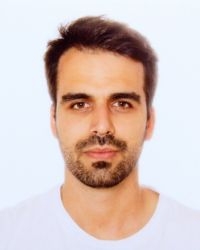
Ander Martinez-Doñate is a Research Assistant Professor at the Bureau of Economic Geology (BEG), Jackson School of Geosciences, University of Texas at Austin. He joined BEG in December 2022 and holds a PhD in Stratigraphy and Sedimentology from the University of Manchester (2022), a Master's in Reservoir Geophysics and Geology from the University of Barcelona (2018), and a Bachelor's in Geology from the University of Basque Country (2017).
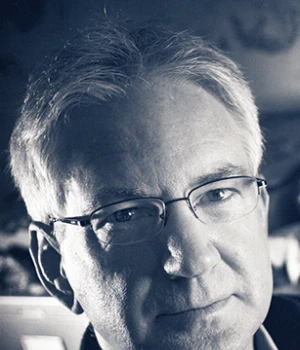
David Barbeau is an Associate Professor in the School of the Earth, Ocean and Environment at the University of South Carolina, within the College of Arts and Sciences. He leads the Geology & Geophysics program and serves as Director of the Geology Field Camp. His research integrates field geology and U-Pb zircon geochronology to investigate Earth system evolution across geologic time. Research Interests: Sedimentology & Stratigraphy: Analysis of sedimentary records to reconstruct tectonic, climatic, and biogeographic history. Tectonics & Provenance: Use of detrital zircon geochronology to trace sediment sources and evaluate terrane collisions. Climate Change: Study of eolian systems (e.g., Pampean loess) to understand paleoclimatic drivers and global climate linkages. Geochemistry & Geochronology: Application of U-Pb zircon dating to refine chronostratigraphy and petrogenetic models. His recent publications reveal a consistent focus on high-resolution geochronology applied to critical stratigraphic sections in Argentina, the western U.S., and India, often addressing large-scale questions about climate evolution, faunal turnover, and tectonic history. These works frequently appear in top-tier journals such as Nature Communications and Geological Society of America Bulletin , demonstrating strong interdisciplinary impact. Scientific Awards and Honors: Pearce Faculty Fellow, South Carolina Honors College Editorial Board Member, Geology Dr. Barbeau is actively engaged in academic service and mentoring. He teaches field-based courses and leads the Geology Field Camp. He advises students, as indicated by his reference to "my students" in research descriptions, and collaborates widely across institutions. His lab work is centered in the Center for Elemental Mass-Spectrometry and the Rock Preparation Facility, which he oversees. He is involved in grants supporting fieldwork and analytical work, particularly in Argentina and the western U.S., though specific grant titles are not listed. Laboratories and Research Teams: Leads Team Barbeau, focused on sedimentary records and Earth system evolution. Utilizes the Center for Elemental Mass-Spectrometry for laser-ablation U-Pb zircon analysis. Manages the Rock Preparation Facility at the University of South Carolina.
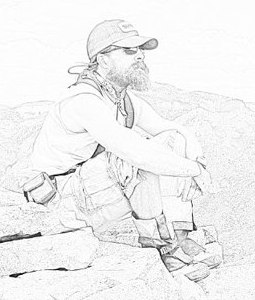
John Isbell is a Distinguished Professor in the Department of Geosciences at the University of Wisconsin-Milwaukee (UWM), affiliated with the College of Letters & Science. He holds a PhD from The Ohio State University, with postdoctoral research at the Byrd Polar Research Center. His research focuses on clastic sedimentology and sequence stratigraphy, examining glacial, fluvial, and marine deposits across Antarctica, Argentina, Australia, and other regions to reconstruct environmental changes during critical intervals in Earth history, such as the Late Paleozoic Ice Age and Permian-Triassic greenhouse periods. His work integrates field-based studies with geochronological and geochemical analyses, often in remote locations like the Transantarctic Mountains and Siberia. He has led 14 Antarctic expeditions and contributed to international collaborations through roles like Chief Scientist of the Beardmore Remote Research Camp. Publications emphasize glacial dynamics, basin evolution, and paleoclimatic reconstructions using sedimentological and stratigraphic methods. Teaching interests include sedimentology, stratigraphy, and field geology, with courses on clastic petrology and sequence stratigraphy. He has advised numerous graduate students on projects involving glacial-marine transitions and Paleozoic environmental shifts. His research has advanced understanding of icehouse-greenhouse transitions and the impact of climate extremes on ecosystems. Professional contributions include editorial roles for PALAIOS and leadership in the Gondwana Subcommission. Fieldwork highlights include documenting Permian Antarctic forests and reinterpreting diamictite deposits in Siberia. Current projects continue exploring the interplay between tectonics, climate, and sedimentation in high-latitude settings.
Ashley Manning-Berg is an Assistant Professor in the Department of Biology, Geology, and Environmental Science at the University of Tennessee at Chattanooga, College of Arts and Sciences. Her research focuses on using chemical sedimentary rocks to investigate Earth's surface environments and early diagenesis effects, particularly in Precambrian marginal marine settings relevant to early life studies and extraterrestrial analogs. Specializes in Proterozoic microbial mats and their silicification constraints Applies findings to NASA's Mars exploration for biosignature detection Studies modern cave sediments and microplastic deposition in rivers Recent work includes modeling microbial mat decay (2020), calcitized evaporites in Mauritania (2023), and taphonomic heterogeneity analysis in the Angmaat Formation (2021). Her lab conducts decomposition experiments to understand preservation biases in the rock record. Current projects explore: Microplastic transport in cave systems Algal mound stratigraphy Carbonate-water-microbe interactions
Jay Zambito is an Associate Professor of Geology and Department Chair at Beloit College, where he also serves as Director of the School of Environment & Sustainability. He holds a BS from SUNY College at Brockport, an MS from SUNY University at Buffalo, and a PhD from the University of Cincinnati. His teaching focuses on geology courses such as Earth’s Climate: Past and Future, Paleontology, and Field Methods, emphasizing hands-on learning through multi-week projects and field trips. Zambito’s research explores paleoclimatology, taphonomy, and environmental science, with a focus on Paleozoic climate dynamics, fossil preservation, and industrial sand mining impacts. His work integrates field studies and geochemical analysis, as seen in his research on Devonian carbon isotope patterns and groundwater contamination in sandstone aquifers. He leads the Beloit Paleo Lab, fostering student involvement in collaborative projects. His recent publications address topics like Devonian stratigraphy, microbial geochemistry, and Permian sedimentology. Zambito prioritizes an inclusive classroom environment, valuing diverse perspectives. Outside academia, he enjoys gardening, cooking, and experimenting with homemade hot sauce using peppers grown in his garden.
Professor Adrian Hartley is a faculty member at the University of Aberdeen, affiliated with the School of Geosciences and Department of Geology & Geophysics. His research focuses on clastic sedimentology, sequence stratigraphy, and tectonostratigraphic evolution, particularly in continental environments and Large Igneous Provinces. He leads industry-funded projects like the Triassic JIP Phase 2 & 3 and the Fluvial System Research Group, collaborating with institutions such as University of New Mexico and Royal Holloway. Research Highlights : Application of geomorphology to rock records, Central Andes uplift/climate reconstruction, stratigraphic controls on subsurface resources, geothermal favorability mapping, and virtual field trip efficiency. Teaching : Coordinates field-based courses including the Level 3 Torridon/Gairloch Fieldtrip, Level 4 Mapping Project, and Level 5 MSc sedimentology fieldwork in Utah and the Pyrenees. Collaborations : Works with Gary Weissmann & Louis Scuderi (University of New Mexico), Amanda Owen (University of Glasgow), Anne Mather (University of Plymouth), and Laura Evenstar (University of Brighton). Email : a.hartley@abdn.ac.uk
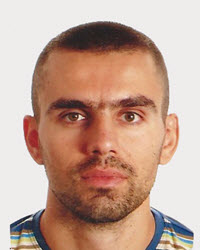
Dr. Branimir Segvic is an Assistant Professor in the Department of Geosciences at Texas Tech University, specializing in clay mineralogy and low-temperature geochemistry. His research focuses on clay mineral evolution in sedimentary basins, trace element behavior in volcanic and hydrothermal systems, and paleoenvironmental reconstruction. He holds a Ph.D. from the University of Heidelberg (2010) and an M.S. from the University of Zagreb (2003). His research interests include clay mineral diagenesis, rare earth element (REE) mobility in volcanic ash, hydrothermal alteration processes, and the interplay between mineralogy and fluid-rock interactions. He leads a vibrant research group involving Ph.D. and M.S. students working on projects ranging from shale diagenesis in the Permian Basin to REE enrichment mechanisms in lacustrine settings. Key research contributions include studies on the Dinaride Lake System’s Miocene tuffs, Anadarko Basin mudrocks, and hydrothermal chlorite systems. His work bridges mineralogical analysis with geochemical and petrological approaches, often employing cutting-edge techniques like LA-ICP-MS and SEM-EDS. Dr. Segvic’s advising record includes over a dozen graduate students who have explored topics such as siderite cementation in Carboniferous strata, potassium fertilizer impacts on soil mineralogy, and geochemical patterns in Egyptian Messinian sediments. His lab focuses on linking mineral science to geological processes, with applications in reservoir characterization, environmental geology, and resource exploration.
Peter P. Flaig is a Research Associate Professor at the Bureau of Economic Geology's State of Texas Advanced Resource Recovery (STARR) program within the Jackson School of Geosciences at The University of Texas at Austin. He also serves as an Affiliate Faculty member at the University of Alaska Fairbanks, Department of Geology. His expertise spans clastic sedimentology, paleoenvironmental reconstruction, and high-latitude depositional systems, with specialized knowledge in dinosaur-bearing strata and advanced imaging techniques for geological analysis. Dr. Flaig's educational background includes: Ph.D. in Geology (2010) from the University of Alaska-Fairbanks M.S. in Geology (2005) from the University of Wisconsin-Milwaukee B.S. in Geology with a Geography Minor (2002) from the University of Wisconsin-Milwaukee His research encompasses multiple dimensions of sedimentology and paleoenvironmental interpretation. Dr. Flaig has developed significant expertise in fluvial sedimentology, examining ancient river systems and their deposits to reconstruct past hydrological conditions. His work on paleoenvironmental reconstruction spans continental, deltaic, shoreface, and shallow-marine systems, providing holistic interpretations of ancient environments. A distinctive aspect of his research focuses on high-latitude clastic depositional sequences, particularly from Arctic regions, which offers critical insights into Earth's climate history during greenhouse periods. His investigations of dinosaur-bearing clastic successions connect sedimentological evidence with paleontological findings to understand extinction events and ecosystem dynamics. Dr. Flaig's innovative use of high-resolution imaging techniques, including photography and LiDAR, has advanced field methodologies in geology. His work in paleopedology (the study of ancient soils) and expertise in remote logistics demonstrate his comprehensive approach to geological research in challenging environments. Dr. Flaig's publication record reveals consistent contributions across sedimentology, paleoenvironmental science, and Arctic geology. His recent work demonstrates increasing interdisciplinary integration, combining sedimentological analysis with paleontological, climatological, and geochemical approaches. Many publications focus on Cretaceous systems, particularly in Arctic Alaska, providing valuable data about ancient greenhouse climates. His research typically involves extensive field work in remote locations followed by sophisticated laboratory analysis, reflecting both logistical expertise and analytical rigor. The collaborative nature of his work is evident in diverse author lists spanning multiple institutions. Dr. Flaig has actively mentored students and early-career researchers through his academic positions. His extensive publication record suggests successful acquisition of research funding, particularly for complex field operations in remote Arctic locations. His dual affiliation with UT Austin and University of Alaska Fairbanks indicates strong collaborative networks across institutions and geographical boundaries. As part of the Bureau of Economic Geology and the STARR program at UT Austin, Dr. Flaig contributes to a research ecosystem focused on both fundamental geological understanding and practical applications in resource recovery and environmental management. His affiliation with the Quantitative Clastics Laboratory suggests involvement in advanced analytical techniques for sedimentary systems, bridging traditional field geology with modern quantitative methods.
Prof. Flavio Anselmetti is the Managing Director and Professor of Quaternary Geology and Paleoclimatology at the Institute of Geological Sciences, University of Bern . With a career spanning three decades, he has held academic positions at ETH Zurich, University of Miami, and EAWAG Dübendorf. A corresponding member of the Swiss Academy of Natural Sciences since 2011, his research focuses on sedimentary records for climate/environmental change, paleoseismic hazard assessment, and source-to-sink sediment systems. Education : Diploma in Geology (University of Basel, 1990), PhD (ETH Zurich & University of Miami, 1994) Professional Timeline : Postdoc (1994-1997), ETH Zurich (1997-2007), SNSF Assistant Professor (2002-2007), EAWAG Head of Sedimentology Group (2007-2012), Full Professor at University of Bern since 2012 Research Interests center on using sedimentary archives to reconstruct environmental and climate changes, with particular emphasis on: Paleoseismology through lacustrine/marine sediment analysis Quantifying human-environment interactions via sediment records Petrophysical characterization of carbonate and clastic sediments Developing novel methods for sediment budget quantification Exploring marine/lacustrine subsurface architecture Climate-hazard linkages in alpine and tropical systems Recent publications (2024-2025) demonstrate his work across diverse systems from Switzerland to Central Africa, with methodological innovations in X-ray tomography , AMS dating , and multi-proxy sediment analysis . His group's research has significant implications for understanding long-term climate dynamics and geohazard assessment. Scientific Awards : Goldene Eule (Best Teacher Award, ETH Zurich) Silver Medal of ETH Zurich for PhD Thesis As leader of the Quaternary Geology and Paleoclimatology Research Group , he actively participates in international collaborations and serves on multiple scientific advisory boards including UNESCO Geopark Sardona and SwissSed. His ORCID identifier is 0000-0002-8785-3641 .
Dr. Peter Flaig is a Research Professor at the Bureau of Economic Geology within the Jackson School of Geosciences at The University of Texas at Austin. He holds an Affiliate Faculty position at the University of Alaska Fairbanks, Department of Geology. His research integrates clastic sedimentology , paleoenvironmental reconstruction , and high-resolution imaging technologies to study ancient fluvial-deltaic systems and their applications to petroleum reservoirs and paleoclimatology. Dr. Flaig earned a Ph.D. in Geology (2010) from the University of Alaska-Fairbanks, an M.S. in Geology (2005) and B.S. in Geology (2002) from the University of Wisconsin-Milwaukee. His fieldwork spans Alaska, Antarctica, Canada, Colorado, Patagonia, Svalbard, Texas, Utah, and Wyoming , focusing on high-latitude clastic depositional systems and dinosaur-bearing successions. Research Highlights: Analysis of fluvial-deltaic deposits as reservoir analogs Collaborative projects in detrital zircon geochronology, paleobotany, and 3D photogrammetry Studies on extinction event sedimentation changes and paleoclimatic indicators Development of digital outcrop preservation methods using drones and LiDAR His recent publications (2019-2025) explore topics such as tidally modified deltas , Arctic paleohydrology , and reservoir-scale sediment heterogeneity . Dr. Flaig's work emphasizes interdisciplinary integration, combining sedimentology with paleontology, geochemistry, and geophysics to solve complex stratigraphic problems. Contact: peter.flaig@beg.utexas.edu
Erich Draganits is a Researcher at the Institute of Geology , University of Vienna, and part of the Faculty of Geosciences, Geography and Astronomy . His work bridges earth sciences and archaeology, focusing on interdisciplinary research. Expertise in geoarchaeology, sedimentary processes, and climate change impacts Active in Eastern Alps and Pannonian Basin regions Key collaborations with archaeological institutes in Austria and abroad Research Interests: Draganits specializes in active tectonics , geoarchaeology , sedimentary geology , and climate change effects. His work integrates airborne laser scanning , geological mapping , and provenance analysis to study human-environment interactions in prehistoric and historic contexts. Publication Trends: Recent articles focus on the Badenian Salinity Crisis , Iron Age cattle trade , and LiDAR-based terrain analysis . Themes include millennial-scale geological processes , Roman quarrying , and medieval hydrology . Methodologies combine geochemical analysis , remote sensing , and archaeological prospection . Contact: Email erich.draganits@univie.ac.at for collaboration or inquiries.
Dr. Luca Caracciolo is a researcher at the Chair of Geology (Prof. Dr. Stollhofen) within the GeoZentrum Nordbayern at Friedrich-Alexander-Universität Erlangen-Nürnberg. He specializes in Quantitative Provenance Analysis (QPA), sediment routing systems, and diagenesis, with applications to hydrocarbon and geothermal reservoir characterization. His work integrates sedimentary petrology, detrital geochemistry, and low-temperature thermochronology to link sediment composition with tectonic and climatic drivers.
James Rine is an Adjunct Professor in the Department of Environmental Science and Geology at Wayne State University , affiliated with the College of Liberal Arts and Sciences. His academic career spans over four decades, with research focusing on marine geology, clastic sedimentology, and the intersection of petroleum industry economics with climate change. Ph.D., Marine Geology and Geophysics, Rosenstiel School of Marine and Atmospheric Science, University of Miami, 1980 B.S., Geology, University of Miami, Coral Gables, FL, 1969 Rine's research interests include shallow marine and deltaic sedimentation , groundwater hydrogeology , and climate change mitigation strategies . His publications highlight trends in sedimentary basin analysis , shale reservoir characterization , and environmental risk assessment , with keywords spanning geology, petroleum engineering, and environmental economics. Rine has received notable scientific recognition, including: Outstanding Paper award for 1985 in the Journal of Sedimentary Petrology (Rine and R.N. Ginsburg, 1985) Best Poster at American Association of Petroleum Geologists Annual Meeting in 1976 (H.R. Wanless and Rine, 1976)
Dr. Christopher K. Zahm is a Research Scientist at the Bureau of Economic Geology, The University of Texas at Austin. He holds a Ph.D. in Geology from Colorado School of Mines (2002), an M.S. in Geology from UT Austin (1998), and a B.S. in Geology from University of Wisconsin-Madison (1993). His professional experience includes roles as a Structural Geologist at ConocoPhillips (2002–2006), Geologic Consultant at iReservoir (2000–2002), and Adjunct Professor at Colorado School of Mines (2001). Zahm specializes in reservoir characterization, flow modeling in fractured systems, and porosity-permeability evolution. His research integrates field observations, geomechanical modeling, and advanced analytical techniques to address challenges in carbonate reservoirs, fault zone dynamics, and unconventional resource recovery. Key research focuses include: Stratal architecture and deformation in carbonate platforms Fracture network characterization using outcrop analogs and geophysical data Geomechanical properties of reservoir rocks (e.g., Austin Chalk Group) Impact of structural heterogeneity on reservoir compartmentalization Zahm is actively involved in consortia such as the Advanced Energy Consortium (AEC) and Fracture Research and Application Consortium (FRAC). His work has contributed to understanding basement-rooted faults in the Permian Basin, mechanical stratigraphy of anticlines, and the application of machine learning in carbonate reservoir classification. He has authored/co-authored over 50 peer-reviewed publications, emphasizing integration of field, lab, and subsurface data for reservoir optimization. Notable contributions include pioneering studies on fracture prediction using sequence stratigraphy in fault damage zones and quantitative analysis of rock strength in Gulf Coast carbonates. Zahm's expertise bridges academia and industry, with direct applications to oil and gas exploration, CO2 sequestration, and groundwater flow modeling.