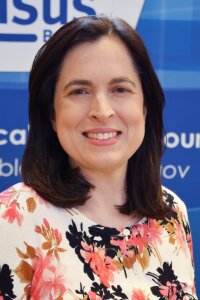
Julie A. Dowling is an Associate Professor in the Department of Latina/Latino Studies at the University of Illinois at Urbana-Champaign. She holds a Ph.D. in Sociology from the University of Texas at Austin (2004) and is also affiliated with the Department of Gender and Women's Studies. Her research examines racial identity construction, ethnic categorization, and sociocultural dynamics among Latino populations. Current projects focus on racial socialization in Mexican American families and gender identity negotiation among U.S.-born Latina women. She actively contributes to U.S. Census Bureau policy through her service on the National Advisory Committee (NAC). Dr. Dowling's scholarly work has received recognition, including: Distinguished Contribution to Research Award for 'Best Article' from the Latino/a Sociology Section of the American Sociological Association Honorable Mention for the 2009 Distinguished Contribution to Sociological Perspectives Award Her publications span interdisciplinary journals in sociology, linguistics, and ethnic studies, revealing a consistent focus on racial ideology, language politics, and immigrant experiences in triracial systems. Dr. Dowling's work also extends to policy-oriented research through edited volumes like Governing Immigration Through Crime .
Dr. Sebastian Birk is an environmental scientist and researcher at the Aquatic Ecology department within the Faculty of Biology at the University of Duisburg-Essen. His work focuses on the science-policy interface for aquatic ecosystems in Europe, emphasizing large-scale bioassessment and management under multiple stressors. He served as coordinator for the EU project MARS (2014-2018) and currently manages freshwater science initiatives at the European Topic Centre for Inland, Coastal and Marine Waters (ETC-ICM) supporting the European Environment Agency (EEA). Research Interests : Multiple stressors, ecosystem services, restoration ecology, environmental policy assessment, bioassessment methods, and climate change impacts. Teaching : Scientific writing, surface water ecology, taxonomic identification, and fieldwork in river/lake systems. Recent publications highlight integrated frameworks for freshwater restoration, stressor interactions, and policy-driven water management. Key themes include agricultural land use effects on rivers, diversification of restoration funding, and challenges in harmonizing ecological assessment across Europe. His work bridges ecological theory with practical implementation for sustainable water resource management. Projects like MARS and MERLIN reflect his leadership in addressing complex environmental issues through collaborative science and stakeholder engagement. Dr. Birk's role in the Water Framework Directive intercalibration exercises underscores his technical expertise in standardizing ecological assessment across national borders.
Alberto Rodrigues da Silva is a Professor at the Institute Superior Técnico , part of the University of Lisbon . He teaches Fundamentals of Information Systems , primarily during the 1st Semester of the 2025/2026 academic year. His scientific interests revolve around Information Systems , Model-Driven Engineering (MDE), Requirements Engineering (RE), Social Computing , and Software Engineering . He has extensively contributed to the development of rigorous requirements specification languages like RSL (Requirements Specification Language) and its extensions (e.g., RSL-IL4Privacy for privacy policies). His collaborative work spans automated acceptance testing, GDPR compliance, and domain-specific languages (DSLs) for applications such as mobile development , digital twins , and legal contexts (e.g., LegalLanguage ). His research trends focus on integrating model-driven engineering with privacy policies , IoT applications , and low-code platforms . He has also explored tools like Maestro for data classification and usability testing, and RiverCure for flood simulation. Email: alberto.silva@tecnico.ulisboa.pt .
Jacob Young, MD, is an Assistant Professor in the Department of Neurological Surgery at the University of California, San Francisco (UCSF) School of Medicine and a Principal Investigator in the UCSF Brain Tumor Center. His clinical practice focuses on neurosurgical management of adult brain tumors including gliomas, metastatic tumors, and meningiomas, utilizing advanced brain mapping techniques to preserve critical motor, language, and sensory functions during resection. Dr. Young's educational background includes a BS in Neuroscience from Duke University (2012), an MD from the University of Chicago Pritzker School of Medicine where he was elected to Alpha Omega Alpha Honor Medical Society (2017), and a neurosurgery residency at UCSF (2017-2024). His research program integrates laboratory investigations with clinical trials to address fundamental challenges in brain tumor treatment. His primary research interests center on understanding glioblastoma immune microenvironment dynamics and developing innovative therapeutic strategies. Key focus areas include: First-in-human clinical trials of novel immunotherapies Focused ultrasound-mediated blood-brain barrier disruption to enhance drug delivery Longitudinal molecular profiling of tumor evolution during treatment AI-driven tools for patient care navigation and clinical trial assessment Prospective outcomes research through the RANO resect group and NeuroPoint Alliance His work bridges fundamental tumor biology with translational applications to overcome treatment resistance. Analysis of Dr. Young's 15 most recent publications (2023-2025) reveals a strong emphasis on surgical innovation, tumor immunology, and molecular characterization. Key trends include: development of prognostic classification systems for resection extent, investigation of glioma-neuronal circuit interactions driving immunosuppression, and optimization of drug delivery strategies. His collaborative work within the RANO consortium establishes evidence-based surgical guidelines while his lab's focus on microenvironmental factors informs next-generation immunotherapies. Dr. Young has received significant recognition including: Chan-Zuckerberg Physician Scientist Fellowship (2021-2022) ASCO Young Investigator Award (2022-2023) Andrew J. Lockhart Focused Ultrasound Fellowship (2023) Multiple Harold Rosegay Teaching Awards from UCSF Howard Naffziger Award for Clinical Excellence His research is supported by NIH, NCI, Focused Ultrasound Foundation, and AANS grants. As lab director, Dr. Young mentors a diverse team including PhD candidates like Edward Valenzuela (DSCB program) and specialists in immunology and neuro-oncology. His lab participates in the RANO resect group, ENCRAM research program, and NeuroPoint Alliance to advance clinical protocols. Current projects include developing intraoperative focused ultrasound prototypes, single-cell analysis of tumor evolution, and AI tools for patient navigation through care pathways. Future work focuses on translating microenvironment discoveries into combination therapies targeting treatment resistance mechanisms.
Dr. Xiaopeng Li is the Harvey D. Spangler Professor in the Department of Civil and Environmental Engineering at the University of Wisconsin-Madison, with an affiliation in the Department of Electrical and Computer Engineering. He leads the USDOT Rural Autonomous Vehicle Program and previously directed the National Institute for Congestion Reduction. He earned his B.S. in Civil Engineering from Tsinghua University (2006), M.S. in Civil Engineering (2007), M.S. in Applied Mathematics (2010), and Ph.D. in Civil Engineering (2011) from the University of Illinois at Urbana-Champaign. His research focuses on modeling and field experiments for connected, electric, and automated vehicles (CAVs), infrastructure systems analysis, and interdependent network modeling. He has pioneered physics-enhanced machine learning frameworks for vehicle control and developed simulation tools for CAV deployment. His 2025-2024 publications highlight advancements in Connected vehicle trajectory modeling Energy consumption optimization Edge computing for autonomous operations Residual learning control systems Equity analysis in AV deployment Communication technologies for V2X Awards include: TRB Best Paper Award (2025) NSF CAREER (2015) ASCE Fellow (2024) IEEE Senior Member (2022) Multiple institution-specific fellowships He has advised 15+ graduate students, secured $35M+ in grants from NSF, USDOT, and industry partners, and chairs the IEEE ITSS Emerging Transportation Technology Testing committee. His work addresses real-world AV implementation, safety validation, and sustainable transportation systems.
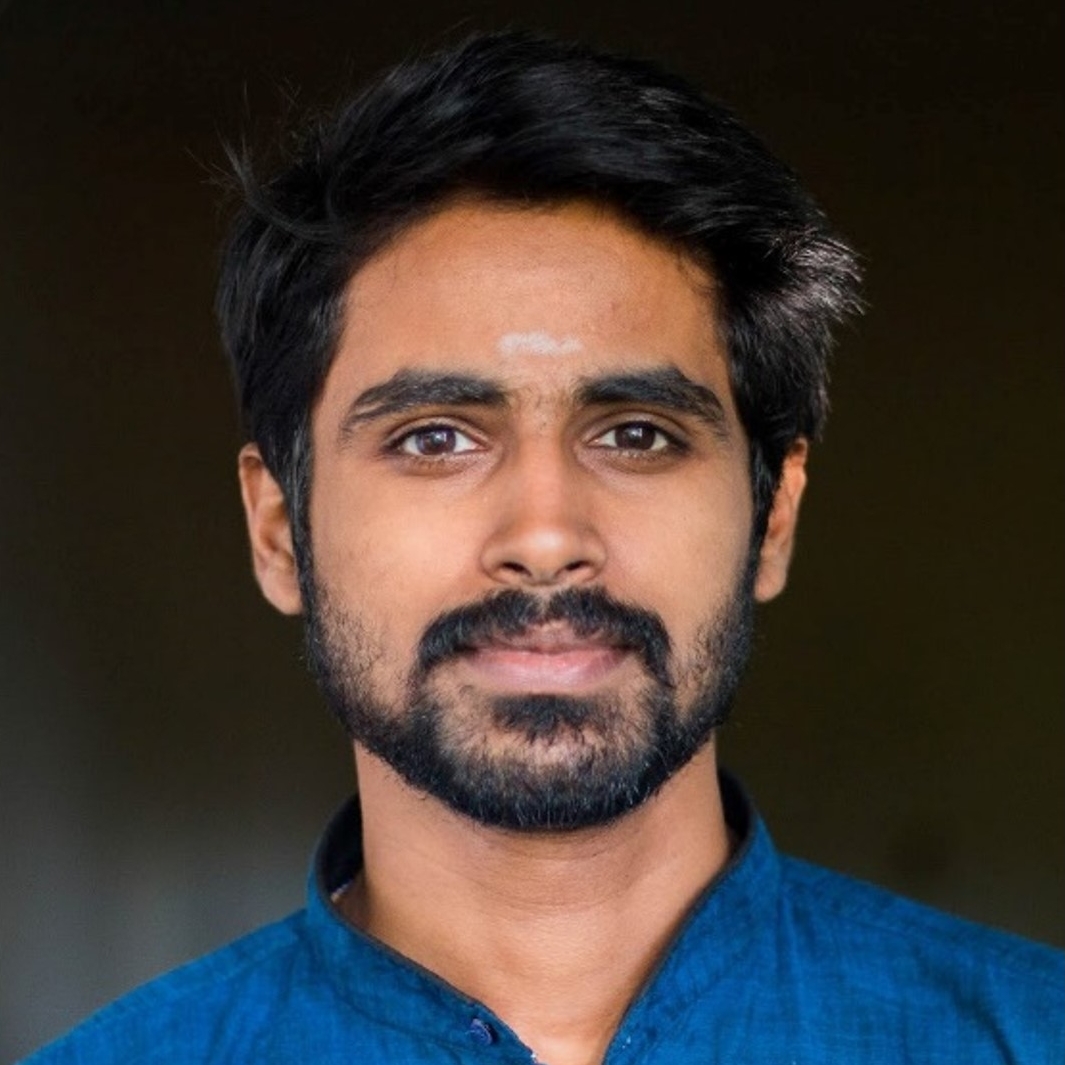
Dr. Prasanth Valayamkunnath serves as Assistant Professor Grade I in the Department of Earth, Environmental and Sustainability Sciences at the Indian Institute of Science Education and Research Thiruvananthapuram (IISER TVM), having joined in December 2022 after working as an associate scientist at the National Center for Atmospheric Research (NCAR). His research integrates climate modeling, land-atmosphere interactions, and hydrology to address climate extremes and water security challenges. His educational background includes: Bachelor's in Land Surface Hydrology from Kerala Agricultural University Master's in Climate Change and Hydrology from IIT Kharagpur Ph.D. in Climate Science from Virginia Tech (2019) Valayamkunnath's research employs convection-permitting climate models and hydrology frameworks to investigate anthropogenic and natural influences on regional hydrology. Key focus areas include Indian Summer Monsoon dynamics, agricultural water management impacts, and flood modeling under climate change. His work bridges observational data with model development to enhance predictive capabilities for climate extremes. Analysis of his 2018-2023 publications reveals strong emphasis on land surface model development (particularly Noah-MP), with recurring themes in agricultural water management, tile drainage systems, and groundwater-surface water interactions. His research consistently connects climate modeling advancements with practical applications in food and water security. Scientific recognition includes: Ministry of Education STARS grant (2023) DST INSPIRE Faculty Fellowship (2022) Pratt Fellowship at Virginia Tech (2014) He actively recruits PhD students for projects in land-atmosphere interactions and climate change impacts on hydrometeorology, supported by his DST INSPIRE Fellowship and STARS grant. His research program focuses on developing modeling frameworks to assess climate resilience in Indian agricultural systems. Valayamkunnath founded and leads the Hydrometeorology and Climate Research Laboratory (HyCResLab) at IISER TVM, which specializes in convection-permitting climate simulations and integrated hydrology modeling for watershed-scale climate impact assessments.
Dr. Miguel Rico-Ramirez serves as Associate Professor of Radar Hydrology and Hydroinformatics at the University of Bristol's School of Civil, Aerospace and Design Engineering. His research integrates advanced radar technology with hydrological modeling to address critical water resource challenges including flood forecasting, drought management, and precipitation measurement across diverse global contexts from South Korea to Mexico City. Education: Bachelor of Engineering (Eng.) Master of Engineering (M.Eng.) Ph.D. in Engineering, University of Bristol His research program focuses on radar-based precipitation estimation, hydroinformatics, and flood prediction systems. He pioneers deep learning applications for rainfall nowcasting and develops innovative methods for uncertainty quantification in hydrological modeling. Current work emphasizes cosmic-ray neutron sensor validation, satellite-based flood mapping, and seasonal forecast applications for reservoir operations, with strong emphasis on translating research into operational water management solutions. Recent publications (2023-2025) reveal three dominant research thrusts: (1) deep learning frameworks for spatiotemporal rainfall prediction, (2) global validation of precipitation and soil moisture datasets using novel sensor networks, and (3) operational implementation of seasonal forecasts for drought mitigation in South Korea. His work consistently bridges radar meteorology with practical hydrological applications across urban and data-scarce environments. Scientific Awards: No specific awards documented in source materials Dr. Rico-Ramirez supervises postgraduate researchers in radar hydrology and hydroinformatics, with projects spanning flood early warning systems, precipitation nowcasting, and climate adaptation strategies. His research receives funding for international collaborations focused on water security challenges, particularly in drought-prone regions and data-scarce basins like the Nile Delta. Current grants support development of integrated forecasting systems combining global datasets with machine learning for extreme event management. He leads the Radar Hydrology research group within Bristol's Water and Environmental Engineering division, collaborating closely with Professor Dawei Han on hydroinformatics and Dr. Rafael Rosolem on water-climate interactions. The team maintains active partnerships with meteorological agencies and water authorities globally, particularly in flood forecasting system implementation across South Korea and Mexico.
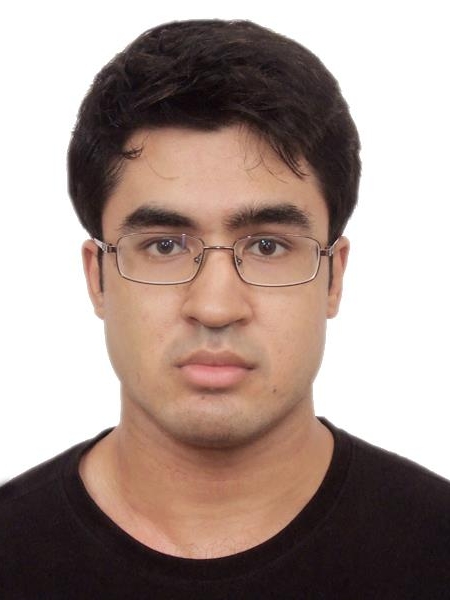
Roop Aparajita Subhra Purushottam is an Associate Professor in the Department of Computer Science and Engineering at the Indian Institute of Technology Kanpur. His research focuses on machine learning foundations and applications, particularly in extreme classification, optimization techniques, robust learning, and educational technology. He has developed scalable algorithms for web-scale applications and innovative teaching tools for programming education. His research interests span: Design and analysis of machine learning algorithms Statistical learning theory and online optimization Non-convex optimization for large-scale problems Robust learning against adversarial corruptions Applications in information retrieval, education, and environmental monitoring Recent publications demonstrate a strong focus on extreme classification techniques, efficient deep learning architectures, and educational technologies. His work consistently appears in top-tier conferences including KDD, ICML, NeurIPS, and CVPR, with innovations in scaling machine learning systems to handle millions of labels and users. Significant Awards: Gopal Das Bhandari Distinguished Teacher Award (2024) PK Kelkar Faculty Fellowship (2024-2027) Microsoft Bing Ads Greatness Award (2021) Computer Society of India Faculty Award (2018) Multiple best paper awards and nominations at major conferences He leads several research grants and consults for industry partners including Microsoft Research and Tower Research. His team develops open-source tools like Prutor for programming education and DEFRAG for efficient feature agglomeration in extreme classification. He has advised numerous PhD and Master's students who have received prestigious awards for their research contributions.
Dr. Guangliang Cheng is an Associate Professor in the Department of Computer Science at the University of Liverpool. His research focuses on deep learning, computer vision, and perception algorithms with applications in remote sensing, medical imaging, and autonomous systems. Prior to his current role, he served as a vice research director in the Autonomous Driving Group at SenseTime and completed postdoctoral research at the Aerospace Information Research Institute, Chinese Academy of Sciences. Ph.D. in Pattern Recognition from the National Laboratory of Pattern Recognition (NLPR), Institute of Automation, Chinese Academy of Sciences (CASIA) Postdoctoral Researcher at Aerospace Information Research Institute, Chinese Academy of Sciences (2017–2019) Dr. Cheng’s research integrates computer vision and deep learning to address challenges in semantic segmentation, domain adaptation, and robust detection. Recent work explores wavelet-based multimodal fusion for remote sensing and attention-guided architectures for medical imaging. His 2025 publications span journals like GIScience & Remote Sensing and Knowledge-Based Systems , emphasizing scalable solutions for geospatial and biomedical applications. In 2025, Dr. Cheng’s article trends highlight remote sensing semantic segmentation, cross-domain medical imaging, and drone-based fire detection. His collaborations span institutions such as SenseTime, Chinese Academy of Sciences, and University of Liverpool teams, focusing on frequency-domain fusion, attention mechanisms, and GPU optimization. As a supervisor, Dr. Cheng seeks highly motivated PhD students to join projects supported by scholarships including the Centres for Doctoral Training (CDT) and Duncan Norman Scholarship. He serves as Module Co-ordinator for COMP338: Computer Vision (2024–2025) and actively reviews for top-tier journals and conferences.
Khiet P. Truong is an Associate Professor affiliated with the Digital Society Institute and the Human Media Interaction group. Their research focuses on the intersection of artificial intelligence, robotics, and human-computer interaction, with particular emphasis on speech emotion recognition, conversational agents for children, and multimodal interaction analysis. Recent work includes exploring how robots can restore trust through apologies, benchmarking Dutch automatic speech recognition systems, and developing child-friendly interfaces for cultural heritage archives. Truong has also investigated physiological signals like laughter and stress markers in speech across diverse contexts. Scientific Awards : Best Functional Design Award (2019) Research Trends : Analysis of speech patterns, emotion recognition, robot-human dialogue, and multimodal behavioral cues dominate their recent publications. Key subfields include Dutch language processing, laughter classification, trust indicators in child-robot interactions, and healthcare applications of speech technology. Academic Activities : Chair of the 26th ACM International Conference on Multimodal Interaction (2024) Examiner roles for PhD defenses and research evaluations (2024–2023) Contributions to workshops on emotion representation and social signal processing
Dr. Richard Y. Zhao is a tenured Professor in the Department of Pathology and Microbiology-Immunology at the University of Maryland School of Medicine. His research combines molecular biology, fission yeast genetics, mammalian biology, and virology to study virus-host interactions, particularly for HIV and Zika virus. He previously held academic positions at Northwestern University and Columbia University and has contributed to over 120 peer-reviewed articles. B.S., China Oceanography University (1981) M.S., Oregon State University (1995) Ph.D., Oregon State University (1991) Postdoctoral Training, Columbia University (1991-1992) Dr. Zhao's research focuses on: Virus-host interactions and pathogenicity High-throughput drug screening for antivirals Role of viral proteins in neuroinflammation and cancer Translational genomics in precision medicine His recent publications highlight SARS-CoV-2 ORF3a, Zika envelope proteins, and HIV protease inhibitors, emphasizing host-pathogen mechanisms across species. He has served on NIH panels and editorial boards for journals like Cell Research and Retrovirology . Scientific awards include: Fellow, American Academy of Microbiology (2019) Bernard L Mirkin Endowed Chair (2001-2004) Honorary Director, Shandong Gallo Institute (2009) Distinguished Service from SCBA (2015) Outstanding Service from CBA-USA (2016) Dr. Zhao also contributes to clinical diagnostics and personalized medicine through molecular testing and pharmacogenetics programs.
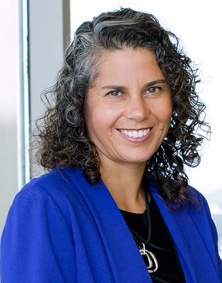
Virginia de Sa is a Professor in the Department of Cognitive Science at the University of California, San Diego. Her research integrates computational modeling, psychophysics, and machine learning to investigate visual and multi-sensory perception, with a focus on understanding how humans learn and perceive through neural mechanisms. Her work emphasizes the synergy between human learning and machine learning, applying insights from both fields to advance understanding of perception. Notable projects include developing brain-computer interface (BCI) systems and analyzing biases in facial expression recognition algorithms. She leads the de Sa Lab, which explores the neural basis of learning through interdisciplinary methods, including EEG analysis and biologically inspired algorithms. Key research directions include improving BCI usability through adaptive spatial filtering, investigating pain assessment via facial and electrophysiological data fusion, and enhancing AI fairness in facial expression analysis. Dr. de Sa has contributed to grants such as the NSF-funded CHS project to enhance BCI reliability and collaborates on initiatives like AI-READI to improve healthcare data practices. Her lab’s BCI division focuses on interpreting EEG data for assistive technologies, while her work on divisive normalization bridges biological insights with artificial neural network design. Ongoing efforts explore zero-shot learning and the generalization of neural models to unseen tasks. Dr. de Sa’s interdisciplinary approach spans neuroscience, computer science, and engineering, with a commitment to advancing both theoretical understanding and practical applications in human-computer interaction.
Dr Harrison Smith is a Lecturer in Digital Media & Society at the University of Sheffield's School of Sociological Studies, Politics and International Relations. He holds a PhD from the University of Toronto’s Faculty of Information, alongside MA and BA degrees in Sociology from Queen’s University, Canada. His research focuses on the political economy of data analytics, particularly in smart cities and consumer surveillance contexts. Education: PhD in Information Studies, University of Toronto (Canada) MA in Sociology, Queen’s University (Canada) BA (Hons) in Sociology, Queen’s University (Canada) Smith’s research examines how data infrastructures shape socio-economic inequality through processes like surveillance, classification, and market segmentation. Key areas include location-based marketing, 5G data infrastructures, and industry consolidation in data analytics. His work critiques how digital technologies reconfigure urban spaces and labor markets, particularly in 'smart city' contexts. Recent publications explore the metaverse's industrial implications, blockchain’s role in dispute resolution, and surveillance practices at music festivals. His teaching includes leading the module SCS2016: The Sociology of the Media. Smith’s expertise bridges media theory, urban informatics, and critical data studies, emphasizing ethical and political dimensions of digital technologies in everyday life.
Professor Karin Verspoor is the Dean of the School of Computing Technologies at RMIT University in Melbourne, Australia. She previously held roles as Director of Health Technologies and Deputy Head of the School of Computing and Information Systems at the University of Melbourne, and as Scientific Director of Health and Life Sciences at NICTA's Victoria Research Laboratory. Her research focuses on applying artificial intelligence methods to biomedical discovery and clinical decision support, particularly through natural language processing of clinical texts and biomedical literature. Affiliations: RMIT University (STEM College), Australian Alliance for Artificial Intelligence in Health (Victorian Node Lead) Industry Experience: Intelligenesis/Webmind Corp., Applied Semantics, Los Alamos National Laboratory, National ICT Australia Research Interests: Artificial Intelligence in Medicine Biomedical Natural Language Processing Health Informatics Computational Biology Cheminformatics Her work emphasizes cross-modal data integration, EHR analytics, and AI-driven clinical tools to address challenges in healthcare outcomes, musculoskeletal disorders, and infectious disease surveillance. Advising & Grants: Supervises research on AI-based decision-making frameworks, EHR data quality, and chemical knowledge extraction. Leads projects funded by initiatives like CANAIRI (Collaboration for Translational AI in Healthcare). Labs & Collaborations: Co-founder of the Australian Alliance for AI in Health, advancing national AI healthcare policy and translational research.
Noura Limam is a Research Assistant Professor at the University of Waterloo's Cheriton School of Computer Science. Her research spans network operations, with emphases on software-defined networking (SDN), 5G/6G architectures, network security, and autonomous network management. Recent work focuses on AI-driven solutions for encrypted traffic analysis, network slicing security, and satellite communication systems. She develops frameworks like Monarch for network slice monitoring and 5Guard for secure slicing. Contributions include blockchain-assisted authentication protocols, meta-reinforcement learning for threat mitigation, and novel handover mechanisms for non-terrestrial networks. Her publications demonstrate consistent innovation in making networks more adaptive, secure, and efficient.