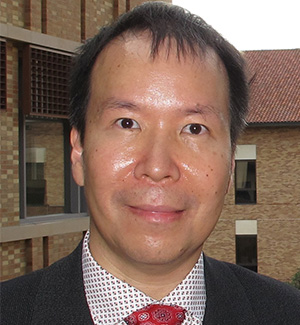
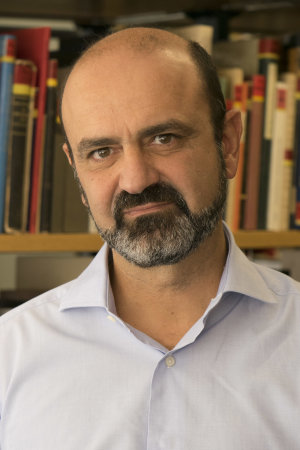
Professor Albert Cheng is a faculty member in the Department of Computer Science at the University of Houston. His research focuses on real-time systems, cyber-physical systems, smart cities, and embedded systems with societal impacts. He has authored over 270 publications and a textbook on real-time systems. Cheng holds roles as an Associate Editor for the IEEE Transactions on Knowledge and Data Engineering and ACM Computing Surveys. His research interests span real-time scheduling, machine learning applications, and systems optimization. Recent work includes vehicular traffic modeling for epidemiological risk reduction, quantum computing response time analysis, and satellite mission planning. Awards include Fulbright Specialist, Distinguished ACM membership, and IEEE Senior Member status. Cheng’s articles demonstrate expertise in real-time scheduling algorithms, cyber-physical systems development, and smart city infrastructure. His contributions bridge theoretical computer science with practical implementations in transportation, healthcare, and aerospace domains. Ongoing efforts include fault-tolerant systems, energy-efficient scheduling, and CPS education initiatives. Awards: Fulbright Specialist, ACM Distinguished Member, IEEE Senior Member, Institute of Physics Fellow Labs/Teams: Hewlett Packard Enterprise Data Science Institute (HPE DSI), Research Computing Data Core (RCDC)
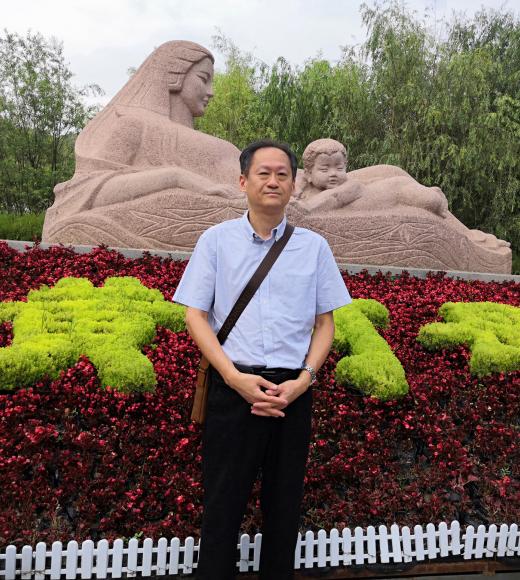
Sheldon Lu is a Distinguished Professor of Comparative Literature at the University of California, Davis. He holds affiliations with East Asian Studies, Performance Studies, Cultural Studies, Film and Media Studies, Critical Theory, and Environmental Humanities. His academic career includes roles as Chair of the Department of Comparative Literature, Director of the Graduate Program in Comparative Literature, and Founding Co-Director of the Film Studies Program. Lu has taught at institutions including the University of Pittsburgh and Beijing Normal University, and served as a Fulbright scholar in Ukraine (2004-2005). Education: B.A. (1984) and Ph.D. (1990) in Comparative Literature from Indiana University and University of Wisconsin-Madison, respectively. His research bridges literary studies, visual culture, film, and China studies. Key publications include Contemporary Chinese Cinema and Visual Culture (2021, BAFTSS Honorable Mention) and Chinese Modernity and Global Biopolitics (2007). He edited the Critical Interventions book series (2009-2019). Lu's work has appeared in journals like New Literary History , Journal of World Literature , and Cinema Journal . Awards include the 2005 Choice Award for Chinese-Language Film: Historiography, Poetics, Politics . He has organized special journal issues on topics ranging from ecocinema to transnational Chinese cinemas. Teaching focuses on Asian literature, film studies, critical theory, and urban culture. Notable courses include World Cinema and East-West Literary Relations .
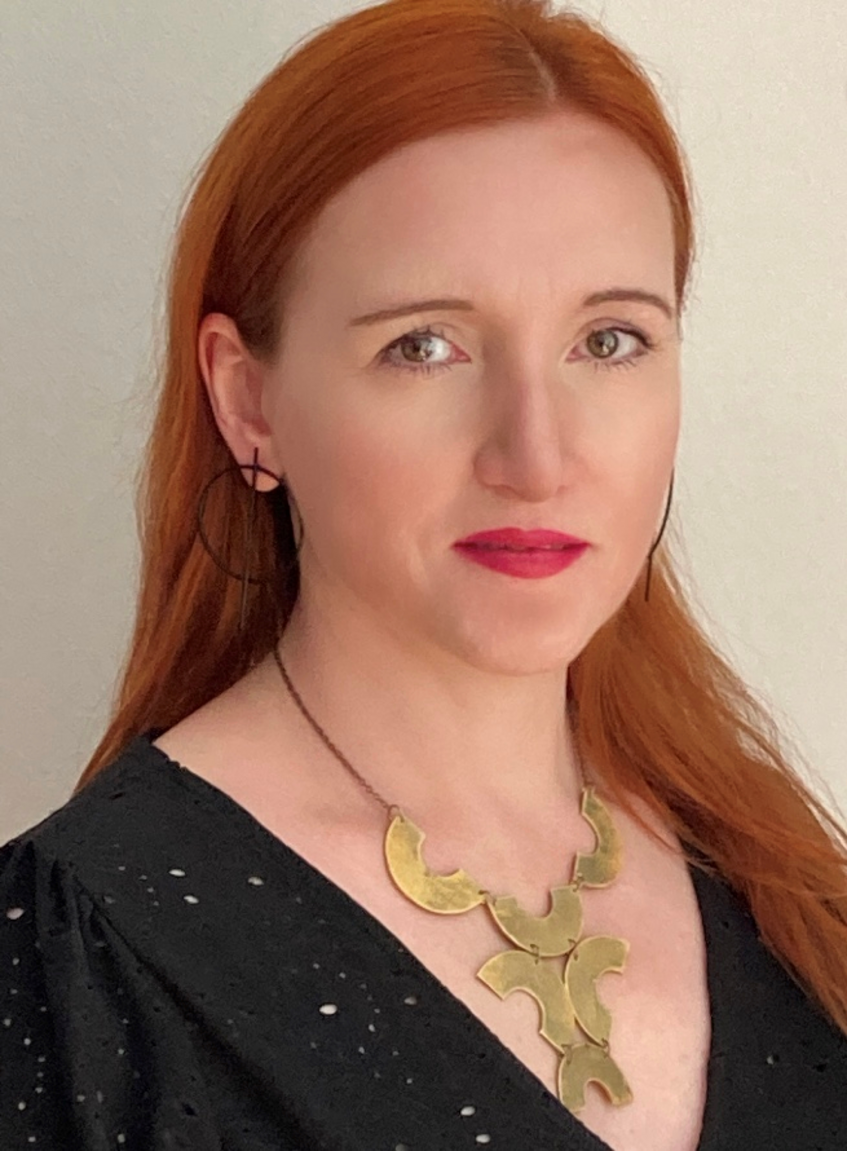
Prof. Rossella Ferrari holds a professorship in Chinese Studies at the Department of East Asian Studies, University of Vienna. Her research explores performance cultures across the Chinese-speaking world, with a focus on avant-garde theatre, transnational networks, and postsocialist transformations. Key contributions include the concept of 'pop avant-garde' and 'Xiqu 2.0,' examining how classical performance interacts with digital media. She co-edited Asian City Crossings (2021) and authored Transnational Chinese Theatres (2020). Current projects investigate 'performing postsocialism' and intercultural collaborations. Her work bridges disciplines like architecture, visual arts, and film, emphasizing methodologies rooted in Asian perspectives to challenge Eurocentric paradigms. Recent studies analyze pandemic impacts on transnational theatre networks and the role of cities as analytical frameworks. Collaborations with groups like Hong Kong's Zuni Icosahedron highlight her focus on boundary-crossing performance practices. Publications span monographs, edited volumes, and peer-reviewed articles addressing topics such as Brechtian influences in China, intertextuality in global performance, and avant-garde adaptations of classical works like Mudan Ting . Her research underscores the socio-political dimensions of artistic expression in East Asia, particularly in contested historical contexts.
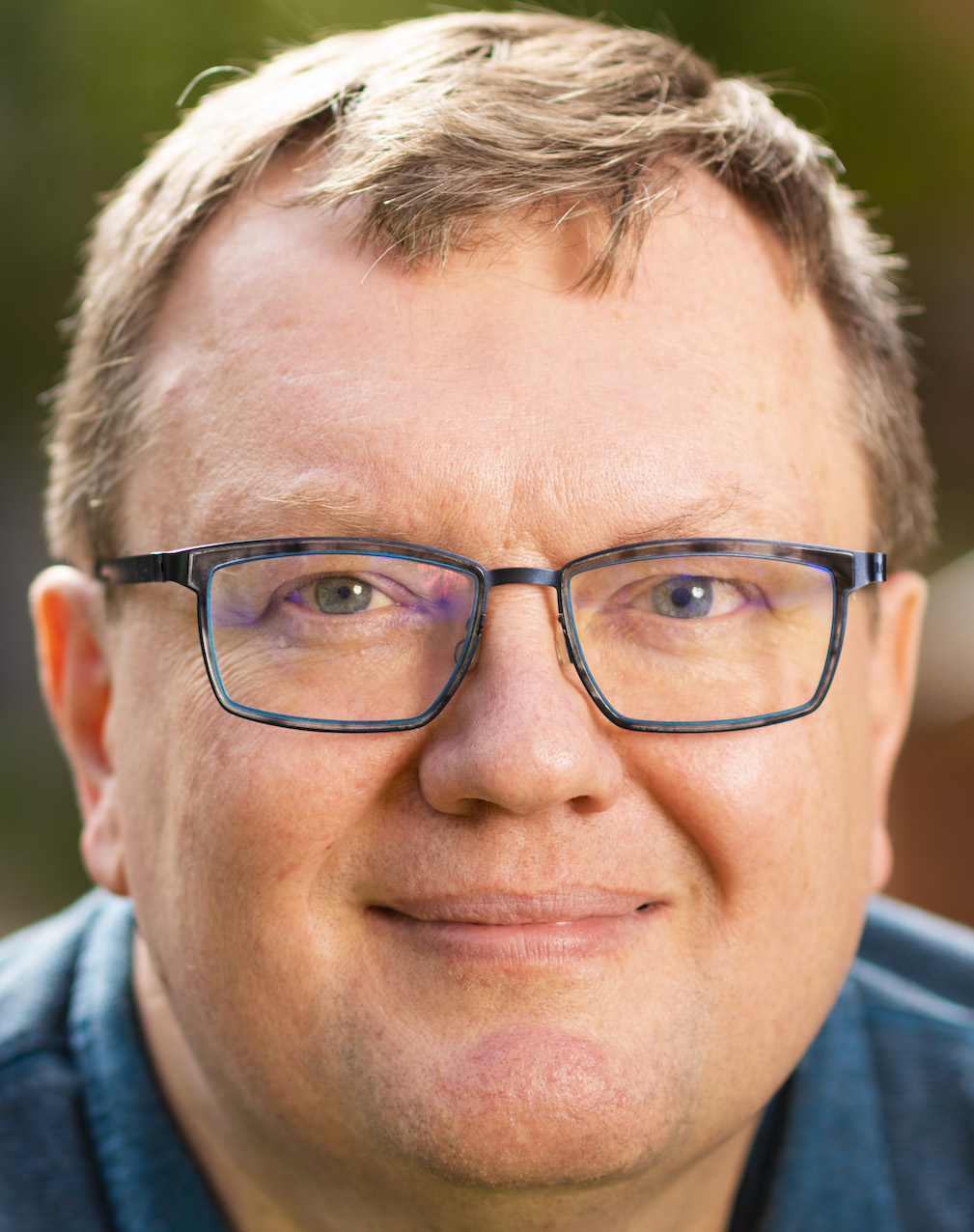
Dr. Hester Lees-Jeffries is a University Associate Professor at the University of Cambridge and Fellow of St Catharine's College, where she serves as Director of Studies in English. She earned her BA and MA (Hons.) from the University of Canterbury, New Zealand, before completing her PhD at Cambridge as a Commonwealth Scholar. Her academic career includes a Research Fellowship at Magdalene College (2003-2006) and ongoing fellowship at St Catharine's since 2006. Her research focuses on Shakespeare and early modern literature, with particular expertise in performance studies, visual culture, and material textuality. She investigates topics including Renaissance textiles, costume semiotics, garden symbolism, and material objects in literature. Her interdisciplinary approach connects literary analysis with cultural history and performance theory. Lees-Jeffries maintains an active publication record with scholarly works spanning Shakespearean criticism, material culture studies, and Renaissance literature. Her research demonstrates consistent focus on textual materiality, performance interpretation, and interdisciplinary methodologies bridging literary analysis with visual and material culture. Her forthcoming publications include monographs on textile symbolism in Shakespeare and an introduction to Shakespeare's histories. Honors and Awards: Commonwealth Scholarship Research Fellowship, Magdalene College (2003-2006) Fellowship, St Catharine's College (since 2006) She coordinates exhibitions for the Centre for Material Texts and regularly contributes to Shakespeare Survey as London theater reviewer. Her innovative #SlowShakespeare projects provide daily literary analysis of Shakespeare's plays through social media platforms.
Francis Y. Yan is an Assistant Professor of Computer Science at the University of Illinois Urbana-Champaign (UIUC), holding an affiliate appointment in Electrical & Computer Engineering within the Grainger College of Engineering. He leads the Illinois Networked Systems and AI (NSAI) research group, focusing on building intelligent networked systems that are safe, robust, and performance-optimized through practical machine learning integration. Prior to joining UIUC in January 2025, he served as a Senior Researcher at Microsoft Research Redmond under Victor Bahl. His educational background includes: Ph.D. in Computer Science from Stanford University (2020), advised by Keith Winstein and Philip Levis B.S. in Computer Science (Yao Class) and B.A. in Economics from Tsinghua University (2015) Additional undergraduate studies at MIT Yan's research adopts a holistic approach to practical machine learning for networked systems, emphasizing judicious application rather than indiscriminate use. He builds real-world systems and research platforms to lay ML foundations, devises deployable algorithms using domain insights, and validates performance through extensive empirical evidence. His work consistently addresses operator concerns regarding ML deployment—focusing on safety, robustness, generalization, and efficiency—while strategically combining ML with classical networking and systems techniques. Analysis of his 15 most recent publications (2023-2025) reveals dominant themes in resource allocation for microservices (DeDe, Autothrottle), real-time video optimization (Mowgli, GRACE), and LLM-driven network algorithm design. His work bridges theoretical advances with industrial deployment, evidenced by platforms like Puffer (400,000+ users) and OpenNetLab that have become community standards for validating congestion control algorithms. His research has been recognized with top honors: USENIX NSDI Outstanding Paper Award (2024) for Autothrottle APNet Best Paper Award (2022) IRTF Applied Networking Research Prize (2021) USENIX NSDI Community Award (2020) USENIX ATC Best Paper Award (2018) for Pantheon Yan actively recruits master's and undergraduate researchers for his NSAI group, prioritizing self-motivated students for projects in networked systems and AI. His research is supported by industry collaborations (notably Microsoft) and manifests in deployable platforms like Puffer—which has enabled award-winning research at NSDI and SIGCOMM—and OpenNetLab for real-time communications. His work directly impacts production systems including Microsoft Teams and Bing. He founded and directs the Illinois Networked Systems and AI (NSAI) research group, which operates critical infrastructure including Puffer (a live TV service and research platform) and OpenNetLab. These platforms facilitate community-wide validation of novel algorithms, with Puffer alone supporting multiple best-paper awards at top conferences. Current workstreams span cloud resource management (Teal, Autothrottle, DeDe), low-latency video (Puffer, Tambur, Mowgli), and LLM-augmented systems (Nada, Designing Network Algorithms via LLMs).
Martin Müller is a Professor in the Department of Computing Science at the University of Alberta, where he conducts research in artificial intelligence, game theory, and heuristic search. He holds the Canada CIFAR AI Chair at Amii and is an Amii Fellow, underscoring his leadership in AI. His research group focuses on Monte Carlo tree search, reinforcement learning, combinatorial game theory, and automated planning, with applications in games such as Go, Hex, and NoGo. His research interests span Monte Carlo and exact methods in game-tree search , exploration in heuristic search and machine learning , and algorithms in combinatorial game theory . He has developed open-source software like MCGS (Minimax-based Combinatorial Game Solver) and contributes to game-playing systems such as Fuego for Go. His work bridges theoretical foundations with practical implementations in AI-driven game solvers. Recent publications show a strong trend in reinforcement learning , particularly in deep Q-learning, policy gradient methods, and anomaly detection in deep RL. His team also explores combinatorial game solving , sparse reward environments , and imperfect information games . The research integrates machine learning with classical AI techniques, emphasizing empirical validation and algorithmic innovation. Canada CIFAR AI Chair Amii Fellow Best student paper award at IEEE Conference on Games 2024 Best paper award at IEEE COG 2021 Outstanding paper award at AAAI-18 Faculty of Science Dissertation Award (2016) Dissertation Award from the Canadian Artificial Intelligence Association (2013) Müller has supervised numerous PhD and MSc students, including Hongming Zhang, Henry Du, and Timo Bertram, many of whose theses focus on game AI, reinforcement learning, and combinatorial optimization. He is funded by NSERC, Mitacs, and Compute Canada. His group collaborates on projects involving neural networks for game playing, SAT solving, and planning algorithms. He is currently on sabbatical but remains academically active, teaching a graduate course on combinatorial games in 2025 and hosting visiting researchers. His lab is involved in the development of MCGS, a solver for sum games, and contributes to open-source AI software. The team publishes regularly in top venues such as NeurIPS, ICML, AAAI, and IEEE Transactions on Games. Future work includes advancing combinatorial game solvers, improving deep RL robustness, and exploring generalization in game representations.
Leslie V. Kurke is a Professor in the Department of Classics at the University of California, Berkeley. Her work focuses on archaic and classical Greek literature, particularly Pindar, Herodotus, and early prose, emphasizing the interplay between literature and its social, economic, and cultural contexts. She holds a Ph.D. from Princeton University. Her research explores the economics of literature, poetry as ritual, and the relationship between text and popular culture. Notable works include *Coins, Bodies, Games, and Gold* (1999) and *Aesopic Conversations* (2011), which earned the Goodwin Award. She is co-authoring a new book, *Pindar’s Sites*, with Richard Neer. Awardees of the MacArthur Fellowship (1999–2004), Kurke’s scholarship bridges literary analysis with broader societal questions, redefining understandings of ancient Greek cultural practices.
Aqsa Ijaz is an Assistant Professor (Teaching Stream) at the Department of Language Studies and teaches the popular course Being Human in South Asia in the Department of Historical Studies at the University of Toronto Mississauga. She is a literary scholar specializing in Persianate literatures and multilingualism, with a focus on classical Persian poetry reception in South Asia. Education: PhD in Islamic Studies (McGill University), MPhil in Translation Studies (G.C. University, Pakistan), BA Hons in English Literature and Philosophy (minor in French). Her research explores the transcultural and temporal resonance of Nizami Ganjavi's Khusrau u Shirin across Persian, Urdu, and Punjabi traditions. She is the architect of the Global Past Research Initiative and serves on the editorial board of The Marginalia Review of Books . Key publications include her monograph Shaping the Language of Love and annotated translations of the 18th-century Persian history The Gift of the Generous and the French graphic novel Majnun and Laila: Songs from Beyond the Grave . Her work intersects premodern manuscript studies, oral performances, lithographs, and modern graphic novels. She teaches Introductory Persian , Urdu , and Punjabi courses while actively translating and performing as a cellist.
Claudia Lehmann is a University Professor of Film Art & Visual Communication at the Institute for Open Arts, Department of Scenography at Mozarteum University Salzburg. She has been a professor at Mozarteum University since 2019 and previously served as a visiting professor at the Berlin Weissensee Art Academy. As a faculty member, she contributes to the Institute management, teaches as a Teacher, and serves on the Curricular Commission. Dr. Lehmann holds a doctorate in physics (Dr. rer. nat.) with her dissertation "GAUGE COVARIANT MULTISCALE ANALYSIS OF COMPLEX SYSTEMS" published through DESY-Publications in 2004. Her academic journey reflects a unique interdisciplinary trajectory from scientific research to artistic practice. Claudia Lehmann's research interests center around the intersection of art and science, with particular focus on perception, reality, and systemic phenomena. Her work spans documentaries, feature films, music videos, art videos, installations, and performances, constantly searching for new forms and formats. She develops visual concepts, video stage sets, and unique live video performances, often in collaboration with Nicolas Stemann. Through her work, she explores diverse possibilities for new structures, especially in the form of artistic collaboration. Her recent artistic output shows a consistent trend toward interdisciplinary work that blends theater, film, and digital media. Lehmann frequently collaborates with Nicolas Stemann and Konrad Hempel, creating innovative performances that integrate video technology with traditional stagecraft. Her work often addresses social and political themes while experimenting with form and presentation. The Institute for Experimental Affairs (IXA), which she co-founded with Konrad Hempel, serves as a platform for exploring the interfaces between science and art through various projects and research initiatives. Dr. Lehmann has received several prestigious awards for her work: Samsung Smartfilm Award 2013 Shocking Shorts Award 2007 Nomination for German Documentary Film Music Prize 2013 Nomination for Studio Hamburg Young Talent Prize for Best Screenplay As an educator and researcher, Lehmann has developed numerous collaborative projects and performances that have been featured at major international festivals including the Berlin International Film Festival, Leipzig Documentary Film Festival, and various theater festivals. Her work with IXA represents a significant research initiative at the intersection of science and art. Lehmann co-founded the Institute for Experimental Affairs (IXA) with visual artist and composer Konrad Hempel. Through IXA, she conducts research and realizes projects at the interfaces between science and art. Her collaborative work spans theater productions, film projects, and interactive installations that have been presented at venues including the Schauspielhaus Zürich, Münchner Kammerspiele, Opéra Comique Paris, and various international festivals.
Paul Christesen serves as the William R. Kenan Professor of Ancient Greek History in the Department of Classics at Dartmouth College and holds a Life Fellowship at Clare Hall, University of Cambridge. His academic leadership includes chairing the Classics Department while maintaining active research and editorial commitments. Education B.A. from Dartmouth College M.A. from Columbia University M. Phil. from Columbia University Ph.D. from Columbia University His research integrates ancient Greek political systems with sport historiography , featuring groundbreaking work on Spartan society and Olympic victor lists. He pioneers geospatial methodologies through Geographic Information Systems to analyze archaeological settlement patterns, bridging traditional philology with digital humanities. Current projects examine sport's relationship to democratic development across historical eras. Christesen's publications reveal evolving focus from foundational Olympic chronology studies toward interdisciplinary analyses of sport's societal impact, increasingly incorporating digital archaeological approaches and comparative political frameworks. His editorial work shapes contemporary discourse in classical reception studies. Scientific Awards William R. Kenan Professorship (prestigious endowed chair) Life Fellowship at Clare Hall, University of Cambridge As an educator, Christesen teaches core courses including Classical Studies 1: Antiquity Today and specialized seminars on Greek athletics and Archaic history. His departmental leadership and editorial projects demonstrate significant institutional impact, though specific grant details and student mentorship records aren't provided in source materials.
Byron Boots is the Amazon Professor of Machine Learning in the Paul G. Allen School of Computer Science and Engineering at the University of Washington, where he directs the UW Robot Learning Laboratory. He also serves as a Principal Research Scientist in the Seattle Robotics Lab at NVIDIA Research and co-chairs the IEEE Robotics and Automation Society Technical Committee on Robot Learning. Dr. Boots received his Ph.D. from the Machine Learning Department in the School of Computer Science at Carnegie Mellon University, where he was a member of the Sense, Learn, Act (SELECT) Lab co-directed by Carlos Guestrin and his advisor Geoff Gordon. Prior to joining the University of Washington faculty, he was an Assistant Professor in the School of Interactive Computing within the College of Computing at Georgia Tech, and before that, he completed a post-doc in the Robotics and State Estimation Lab directed by Dieter Fox at the University of Washington. Professor Boots' research focuses on the intersection of machine learning, artificial intelligence, and robotics, with particular emphasis on developing theory and systems that tightly integrate perception, learning, and control. His work spans computer vision, state estimation, localization and mapping, high-speed navigation, motion planning, and robotic manipulation. His group develops algorithms drawing from deep learning and neural networks, nonparametric statistics, graphical models, nonconvex optimization, quantum physics, online learning, reinforcement learning, and optimal control. The research demonstrates a strong theoretical foundation while maintaining practical relevance to real-world robotic systems. His recent publications reveal a clear trend toward integrating advanced machine learning techniques with robotics, particularly in model predictive control, motion planning, and learning-based approaches to robot control. His work shows increasing focus on developing theoretically grounded methods that can handle the complex, nonlinear dynamics of real-world robotic systems while maintaining computational efficiency. The publications span top venues including ICRA, CoRL, IROS, and NeurIPS, demonstrating broad impact across multiple subfields of robotics and AI. Finalist for Best Systems Paper at Conference on Robot Learning (CoRL-2021) Multiple papers selected for oral presentations at top robotics conferences Work recognized for theoretical contributions and practical applications in robot learning As director of the UW Robot Learning Laboratory, Boots leads a vibrant research group focused on fundamental and applied research in robot learning. The lab maintains strong collaborations with NVIDIA Research and has produced numerous high-impact publications that bridge theory and practice. Professor Boots teaches courses in autonomous robotics, machine learning, and reinforcement learning, contributing to both undergraduate and graduate education at the University of Washington.
Professor Stephen Broad is a musicologist and educator serving as Director of Research and Knowledge Exchange at the Royal Conservatoire of Scotland. He holds a DPhil from the University of Oxford and has extensive experience in historical musicology, music education, and policy development. His research focuses on Olivier Messiaen, 1930s French music culture, and music practice in Scotland. Broad has authored/co-authored influential reports like What’s Going On? , which informed the Scottish Youth Music Initiative, and chairs the European Platform for Artistic Research in Music (EPARM). Education: DPhil in Historical Musicology, University of Oxford (2001) MA in Music and Physics, University of Glasgow (1997) Research Interests: Historical Musicology: Messiaen’s early career, French musical traditions, and music historiography Music Education: Pedagogy in diverse contexts, policy development, and workforce training Practice-Based Research: Philosophical frameworks and interdisciplinary methodologies Awards & Roles: External Examiner at Royal Academy of Music, Royal College of Music, and others Editorial boards for Music Education Research and Practice-Based Research Journal Recipient of grants including the Scottish Government’s £1m Musical Instrument Fund Advising & Grants: Supervised over 10 doctoral projects in musicology, performance, and education Contributed to policy initiatives like Creative Scotland’s music development programs Labs/Teams: Leads the Sciences, Humanities and Arts Research Exchange (SHARE) and chairs EPARM, fostering international collaboration in artistic research.
Anne-Sophie Noel is a Lecturer in Greek language and literature at École Normale Supérieure de Lyon since 2018, with a focus on Greek theatre , cognitive approaches to tragedy , and material culture . She serves as a Junior member of the Institut Universitaire de France (2023–2028) and holds leadership roles in the InSpectA and KINSPECTA research projects. Research Themes : Materiality in Greek drama (tragic objects, prosthetics, textiles) Cognitive science intersections (audience empathy, kinesthetic resonance) Postcolonial and ecocritical readings of classical texts Academic Leadership : Co-head of Master in Ancient Worlds (2023–2024) Coordinator of sub-axis B3: 'Reception of past cultures' (2021–2025) Member of HiSoMA Laboratory Council and Scientific Council Her scientific awards include: Institut Universitaire de France (IUF) Junior membership (2023–2028) Eighth section of the CNU: Elected member (substitute) (2024–2028) Notable research collaborations include: Theatre practice and interpersonal synchronization (2024, Frontiers in Human Neuroscience) Co-edited special issues on ancient object life (2024, Cahiers du Théâtre Antique) Contributions to cognitive studies in Greek tragedy (OUP, Routledge)
Prof. Dr. Diamantis Panagiotopoulos is a Professor of Classical Archaeology at Heidelberg University's Institute of Classical Archaeology, serving as its Managing Director since 2012. His academic foundation includes a doctorate from Heidelberg University (1996) and a habilitation from Salzburg University (2003), both focused on Aegean Bronze Age archaeology. Panagiotopoulos's research explores Aegean Bronze Age societies, with emphasis on seal practices, iconography, cultural interactions, and archaeological landscapes. His work integrates theoretical frameworks with material culture analysis to examine Minoan-Mycenaean administration, transcultural exchanges in the Eastern Mediterranean, and heritage preservation strategies. His publications reflect a strong trajectory toward computational methods in archaeology and interdisciplinary approaches, with recent articles leveraging digital tools for seal analysis and landscape modeling. Earlier works established foundations in ritual studies and cross-cultural encounters. Awards include fellowships from the German Archaeological Institute (DAI), DAAD, and DFG, recognizing his contributions to Bronze Age archaeology. He directs excavations at Koumasa (Crete) and co-leads the Heidelberg Corpus of Minoan and Mycenaean Seals.
Rita Aiello is an Adjunct Associate Professor in the Department of Psychology at New York University's College of Arts & Science. Her research focuses on the cognitive and perceptual processes involved in musical listening, with particular emphasis on neuroaesthetics, music learning, and memory. She holds an Ed.D. from Columbia University and has held faculty positions at institutions including the Juilliard School and the Manhattan School of Music. Her work bridges music theory, cognitive science, and education, with a lifelong background as a classical pianist. Education: Columbia University (Ed.D.), Manhattan School of Music (M.M., B.M.), Conservatorio San Pietro a Maiella (Diploma in Music Theory) Certifications: Kodály and Orff Methods Her research explores how musical training influences cerebral dominance, the relationship between mental representations and emotional responses to music, and the cognitive underpinnings of musical memory. She has published widely on topics ranging from musical expectation to pedagogical strategies for memorization. Recent work investigates evolutionary perspectives on singing and the psychological mechanisms behind musical communication. Publications reflect interdisciplinary engagement with music's structural rules, metaphorical dimensions, and its role in human cognition. While no specific grants or awards are listed, her extensive international teaching experience includes visiting roles at institutions in Rome and Lugano, Switzerland, and an honorary appointment at Columbia University's Teachers College.