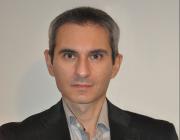
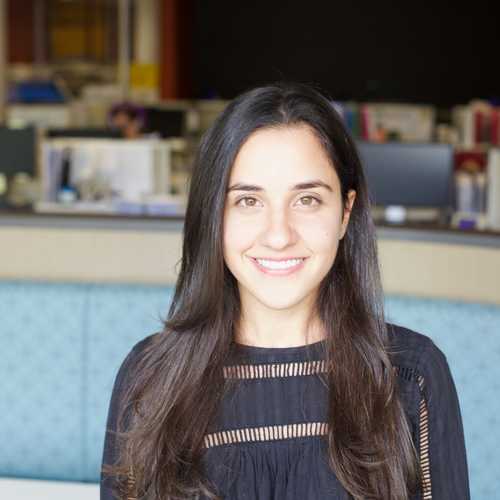
Dr. James Cannon is a Lecturer in French Studies at La Trobe University, where he has coordinated the French Studies Program for 30 years. His academic credentials include a PhD from Monash University, MA and BA (Hons) from the University of Melbourne, and NAATI Level 3 certification for French-English translation. He is fluent in both English and French. His research examines the cultural history of marginalized Parisian spaces from 1840-1946. Key focuses include: The urban periphery ('zone') as metaphor for class, gender, and national identity Luna-Park (1909-1946) as a site of Freudian expression and political discourse Representations of bodily difference and animal welfare in public spaces Interwar cultural narratives linking war memory with urban marginalization Publication analysis reveals consistent themes: 75% of works focus on Parisian spatial politics (2016-2025), with 62% analyzing interwar periods. Recent articles show growing emphasis on gender/freakshow representations (2025) and amusement park cultural politics (2024). Teaches French language courses (FRE3005-FRE4010) and European history (EST3001/EST3TET), emphasizing translation and cultural context. No research grants, awards, or supervised students are documented.
Marina Näsman is a Senior Lecturer in Social Sciences at the Faculty of Humanities and Social Sciences, Åbo Akademi University. She holds a Doctor of Politics degree and works as a postdoctoral researcher in social policy at the Faculty of Education and Welfare Studies. Her academic career focuses on gerontological research with particular emphasis on the very oldest population. Dr. Näsman defended her doctoral thesis in April 2021 on perceived well-being among the very oldest, examining conceptualizations of well-being, age group differences, and temporal changes. Her research interests span social gerontology, well-being, social inclusion, linguistic minorities, and civic engagement among older adults. She actively contributes to understanding how older populations, particularly linguistic minorities, experience social participation and inclusion. Näsman's research portfolio demonstrates a consistent focus on aging populations, with particular attention to civic engagement patterns across 32 European countries, social inclusion from linguistic minority perspectives, and the complex relationship between social capital and political participation among older adults. Her work often employs multi-level analysis approaches and utilizes major European datasets like SHARE (Survey of Health, Ageing and Retirement in Europe). She has received a postdoctoral scholarship from the Swedish Literature Society in Finland to investigate social inclusion and perceived well-being from a linguistic minority perspective. Her research contributes to Sustainable Development Goals related to well-being, reduced inequalities, and sustainable communities. Dr. Näsman is actively involved in several major research projects including CIVEX (Exclusion from civic engagement of a diverse older population), AgeMin (Social inclusion of older people from a minority perspective), and GERDA (Gerontological Regional Database). These projects examine exclusion from civic participation, social inclusion from minority perspectives, and brain health among the very oldest population. Her collaborative approach is evident through her work with researchers like Nyqvist, Nygård, and others across multiple projects. She also contributes to public discourse through media appearances discussing her research findings on aging, social inclusion, and civic participation of older adults.
Nishtha Lamba serves as Senior Lecturer in Psychology at Middlesex University Dubai and Visiting Senior Fellow in Trauma and Marginalised Communities at University of Southampton. As Founder and Head of the Social Psychology Research Lab, she leads research on underrepresented populations across South Asia and Gulf regions with emphasis on trauma-informed approaches and cultural context. Her academic foundation includes: PhD and MPhil in Psychology from University of Cambridge BA in Psychology and Sociology from Hunter College, City University of New York Dr. Lamba's research examines mental health disparities through mixed-methods frameworks, with signature work on Indian surrogacy arrangements, autism support systems in UAE, and gender-based trauma in South Asia. She investigates how religious contexts influence death anxiety among Hindu elders and develops culturally adapted assessment tools for marginalized communities. Her methodological expertise bridges quantitative analysis of large-scale datasets with deep qualitative engagement. Recent publications reveal thematic evolution toward decolonizing psychological science, challenging WEIRD-centric models through studies of moral judgment in non-Western samples and pandemic compliance behaviors across 20+ countries. This work consistently centers community voices while generating policy-relevant insights for mental health systems in resource-constrained settings. Through the Social Psychology Research Lab, she cultivates international collaborations with NGOs and academic partners across seven countries. Current initiatives include digital interventions for maternal mental health in rural India and longitudinal studies tracking refugee trauma recovery in Gulf states, emphasizing participatory research design that empowers community stakeholders.
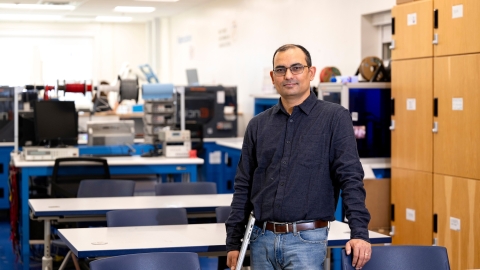
Rajesh Kumar is an Assistant Professor of Computer Science at Bucknell University, where he conducts research on behavioral biometrics and teaches foundational computer science courses. His work focuses on how data recorded by smart devices can be used to design systems that solve human-centered security problems through analyzing user interactions like typing, swiping, and walking patterns. Dr. Kumar earned his Ph.D. in Computer and Information Science and Engineering from Syracuse University in July 2021, following an M.S. in Mathematics from Louisiana Tech University (2014) and an M.S. in Computer Applications from Jawaharlal Nehru University, New Delhi (2009), where he ranked #1 in his class. His educational journey began with a B.S. in Computer Applications from Makhanlal Chaturvedi National University of Journalism and Communication in India (2005), also with top honors. His research examines the trustworthiness of biometric systems, emphasizing performance in real-world applications, security, and fairness. Kumar investigates whether behavioral biometric systems show demographic bias and whether they can withstand sophisticated attacks while securing private information. His recent work includes analyzing typing patterns to detect fake social media profiles and studying how wearable technology can monitor vital signs and track conditions like Parkinson's disease. Dr. Kumar's scholarly work spans behavioral biometrics, computer security, and human-computer interaction, with publications focusing on gait authentication, smartphone user authentication, keystroke dynamics, and algorithm evaluation. His GitHub repositories demonstrate active research in dictionary attacks on IMU-based gait authentication, sensor data collection, and string matching algorithms. Ph.D. in Computer and Information Science and Engineering, Syracuse University (2021) M.S. in Mathematics, Louisiana Tech University (2014) M.S. in Computer Applications, Jawaharlal Nehru University (2009) B.S. in Computer Applications, Makhanlal Chaturvedi University (2005) As an educator, Kumar teaches Introduction to Computer Science, Data Structures, and Computer Architecture, with interests in developing courses in applied data science, computer security, and biometrics. He believes in creating collaborative learning environments that accommodate students from diverse backgrounds and experiences, drawing from his own journey from a village in India with limited resources. His teaching philosophy centers on Dr. Ambedkar's belief that 'cultivation of mind should be the ultimate aim of human existence.'
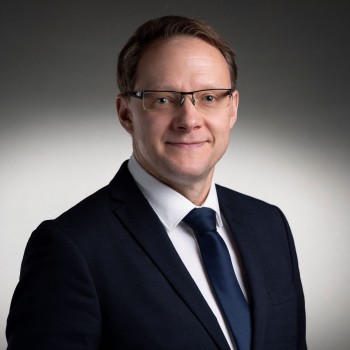
Valdis Bernhofs is Professor of Systematic Musicology at the Jāzeps Vītols Latvian Academy of Music in Riga, Latvia, serving as head of the music theory class since 2016 and collaborating with the University of Heidelberg's 'Music and Brain' research team since 2014. His academic credentials include an MA in Choir Conducting from the Riga Music Academy (1992), an MA in Music Therapy from Heidelberg University of Applied Sciences (2006), and a PhD in Systematic Musicology (2013) focused on aural attention development. Professor Bernhofs' research centers on neurocognitive music learning, musical abilities, and ear training pedagogy. He pioneered the digital training systems AuTra (pitch/rhythm parameters) and AuTra2 (scale/interval/chord perception), alongside authoring Latvia's national curricula for music theory teacher education. His recent publications reveal interdisciplinary trends examining ADHD's impact on music-language perception, emotion recognition in performance via BCMI, and dyslexia-related musical deficits—integrating psychological experimentation, neuroimaging, and computational modeling across 4 high-impact journals (2022-2023). As an active ear training instructor and methodological developer, he bridges cognitive theory with practical music education through Latvia's teacher training programs and international research collaborations.
Associate Professor Quah Ee Ling is a fire dragon feminist of Singaporean Chinese-Hokkien and Indonesian-Peranakan heritage at Western Sydney University's School of Humanities & Communication Arts. She serves as the Deputy Academic Lead of WSU Science in Australia Gender Equity (SAGE) and is a member of the Institute for Culture & Society, Writing & Society Research Centre, and Sexualities & Genders Research Centre. Previously, she was a senior lecturer in Sociology at the University of Wollongong (2016-2022), where she received the Vice-Chancellor's Rosemary Cooper Equity, Diversity & Inclusion Award in 2020. Quah earned her PhD in Sociology from the University of Sydney, along with an MSocSci and BA from the National University of Singapore. After completing her PhD in 2013, she held a postdoctoral fellowship and research fellowship with the National University of Singapore's Asia Research Institute. Quah developed Fire Dragon Feminism as a framework to challenge coloniality and racial capitalism while building solidarities for more just and sustainable futures. Her research critically examines white supremacy, imperialism, racism, patriarchy and heteronormativity through the lenses of race, gender, sexuality and migration. She has published extensively in journals including the Journal of Ethnic & Migration Studies, Journal of Intercultural Studies, Gender, Work and Organisation, and Journal of Sociology. She serves on the editorial boards of Emotions and Society (Bristol University Press) and Journal of Sociology (Sage). Her research has been presented through diverse creative and literary platforms including Queerstories, OzAsia, Melbourne Fringe, Casula Powerhouse, and Sydney Mardi Gras. She currently leads an Australian Research Council Linkage project on Place-based Employment and Enterprise of Newly-Arrived Young Migrant Women and recently completed a community engagement project on Forcibly Displaced Chinese LGBTIQA+ migrants in Australia. Vice-Chancellor's Rosemary Cooper Equity, Diversity & Inclusion Award 2020 (University of Wollongong) Member, City of Parramatta Council's Social Sustainability and Inclusion Advisory Panel (2025-2028) Editorial Board Member, Journal of Sociology (Sage) Editorial Board Member, Emotions and Society (Bristol University Press) Quah actively mentors HDR candidates and has coordinated the first-year core Bachelor of Arts subject Diversity, Language and Culture at WSU. Her community-engaged research demonstrates strong connections between academic scholarship and practical interventions for marginalized communities, particularly focusing on migrant women and queer populations. She has developed innovative approaches to disseminate academic knowledge through creative platforms, expanding the reach and impact of sociological research beyond traditional academic channels. Her current research activities include leading an Australian Research Council Linkage project on Place-based Employment and Enterprise of Newly-Arrived Young Migrant Women, and she maintains active collaborations through her visiting fellowship at the University of Auckland. Quah's work significantly contributes to multiple UN Sustainable Development Goals, particularly those related to gender equality, reduced inequalities, and peaceful and inclusive societies.
Hanan SFALTI is a PhD student at the Interdisciplinary Laboratory for Solidarity, Societies, Territories (LISST) at Université Toulouse - Jean Jaurès, where she also serves as a part-time lecturer in anthropology. Her doctoral research examines political and moral tensions in migrant motherhood support systems, focusing on institutional care frameworks and their impact on maternal practices among vulnerable populations. Education: M2 Social and Historical Anthropology, Toulouse Jean Jaurès University (Highest honors) Bachelor's degree in History, University of Angers Research Focus: Her work explores intersections of migration, gender, and social policy, with emphasis on how institutional support systems transform maternal practices among migrant women. Key themes include vulnerability constructions, social downgrading, and the moral dimensions of care frameworks. Publications: Her recent articles analyze migrant women's experiences through sociological and anthropological lenses, examining themes of social downgrading, institutional violence, and gendered migration trajectories across different cultural contexts. Awards & Responsibilities: Research grant recipient from Mustela Foundation (2021) Co-head of Junior Cresub laboratory (Labex SMS-funded) Doctoral student representative (2022-2024) Teaching: Part-time anthropology lecturer for degree programs and professional training courses.
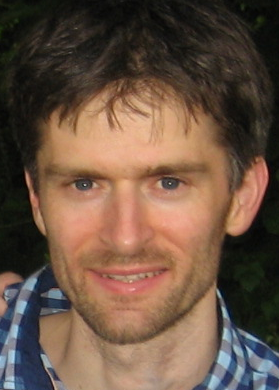
Tom Claeys is a Professor of Mathematics at UCLouvain (Université catholique de Louvain), Belgium, where he works in the GPP research group (Geometry, Physics, and Probability) within the Institute for Research in Mathematics and Physics. His research focuses on Random Matrix Theory , Integrable Systems , and Mathematical Physics . Dr. Claeys employs advanced techniques in asymptotic analysis, Riemann-Hilbert problems, and Painlevé equations to investigate critical phenomena in random matrices, universality properties, and connections to other areas of mathematics and physics. His work spans theoretical developments and applications to physical phenomena described by integrable partial differential equations. Analysis of his recent publications reveals a strong focus on biorthogonal ensembles, determinantal point processes, and connections between random matrix theory and integrable partial differential equations like the Korteweg-de Vries equation and KPZ equation. His work demonstrates deep connections between probability theory, mathematical physics, and asymptotic analysis, with particular attention to critical phenomena and universality across different mathematical structures. Scientific recognition includes: ERC Starting Grant CRaMIS EOS Programme PRIMA Dr. Claeys has supervised several PhD students to completion and has hosted numerous postdoctoral researchers. His research group actively investigates connections between random matrices, integrable systems, and asymptotic analysis. Current research directions include the study of critical phenomena in random matrix ensembles and their applications to mathematical physics, with particular emphasis on the behavior at phase transitions and the emergence of universal patterns.
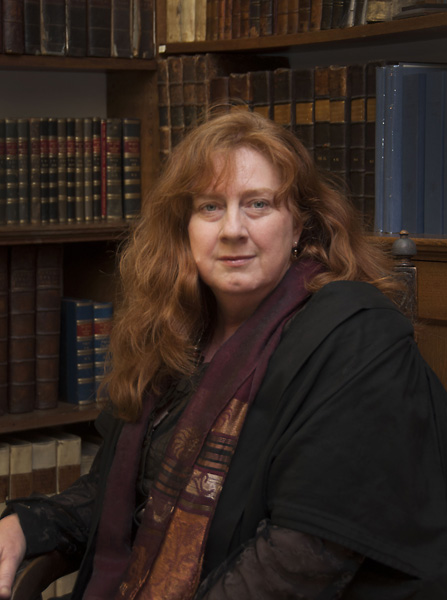
Ros Ballaster is Professor of Eighteenth-Century Studies in the Faculty of English at the University of Oxford and Professorial Fellow in English at Mansfield College, positions she has held since 2009. Her distinguished academic career spans over three decades, including previous roles as College and University Fellowship and lecturer in English Literature at Mansfield College (1995-2009), Lecturer in English Literature at the University of East Anglia (1989-1993), and Visiting Fellow at Harvard University (1988-1998). Ballaster earned her D.Phil in English Literature from the University of Oxford in 1989 and completed her First Class Honors B.A. in English Language and Literature from St Hilda's College in 1984. In 2004, she furthered her teaching credentials with a Diploma in Teaching and Learning in Higher Education from the UK Higher Education Academy. Professor Ballaster's research focuses on the intersection of several key areas within eighteenth-century literary studies. Her work prominently features the eighteenth-century novel , with special attention to women's writing and oriental fiction . She has made significant contributions to understanding Georgian theatre and exploring popular and mass cultural forms including romance fiction, soap opera, and women's magazines. Her scholarship often intersects with feminist criticism , examining gender dynamics and women's voices in historical contexts. A recurring theme in her work is the examination of Eastern representations in Western literature, particularly how eighteenth-century English writers engaged with Oriental tales and motifs. Analysis of Ballaster's publications reveals a consistent focus on cross-cultural literary exchanges, particularly between Eastern and Western traditions. Her work demonstrates how eighteenth-century British writers appropriated and transformed Oriental narratives, creating hybrid literary forms that reflected both fascination with and anxiety about cultural difference. There is also a strong thread examining women's contributions to literary history, with attention to how female writers navigated and shaped literary traditions. Her scholarship moves fluidly between textual analysis, historical context, and theoretical frameworks, showing particular strength in connecting eighteenth-century literary forms to contemporary cultural concerns. British Academy Rose Mary Crawshay prize (2006) for "Fabulous Orients: Fictions of the East in England 1660-1785" Leverhulme Major Research Fellowship (2003-2006) Judge for Clifford Prize awarded by American Society of Eighteenth-Century Studies (2006) Award for teaching excellence from Humanities Division, Oxford University (2007) Peer Review College Member of the Arts and Humanities Research Council (2007) Throughout her career, Professor Ballaster has demonstrated significant commitment to academic service and mentorship. She served as Director of Graduate Studies in English Language and Literature (2009-2011) and as Humanities Division co-ordinator for CETL funded by UK Higher Education Academy (2006-2009). Her teaching excellence was formally recognized with an Oxford University award in 2007. Ballaster has contributed extensively to academic publishing, serving as one of five editors of The English Review from 1994-2009, regularly reviewing manuscripts for major academic presses, and examining numerous doctoral theses across multiple institutions. She has also engaged with theater production through a Knowledge Exchange Fellowship at Royal and Derngate Theater in 2014, demonstrating her commitment to connecting academic scholarship with practical artistic applications.
George Latsas is an Assistant Professor in the Department of Physics at the National and Kapodistrian University of Athens. His research develops computational methods for electromagnetic systems, specializing in high-power microwave devices including gyrotrons for fusion energy applications. Research focuses on: Megawatt-class gyrotron design for nuclear fusion reactors Numerical modeling of corrugated waveguides and resonant cavities Beam-wave interaction physics in vacuum electronic devices Terahertz radiation sources for industrial applications Latsas contributes to European fusion projects including EU-DEMO's electron cyclotron heating systems. His computational work advances electromagnetic theory and microwave engineering methodologies.
Dr Sarah Barakat is a Postdoctoral Research Associate and Acting Research Stream Lead at the InsideOut Institute for Eating Disorders , affiliated with the Sydney Medical School at the University of Sydney . As a Clinical Psychologist, she combines research with clinical practice across outpatient, community, and private settings. PhD in Clinical Psychology (University of Sydney, 2023) Master of Clinical Psychology (University of Sydney) Bachelor of Psychology (First Class Honors, University of Sydney) Sarah specializes in digital interventions for eating disorders, focusing on enhancing therapeutic alliance and personalization through online platforms. Her work bridges implementation science with clinical innovation to improve accessibility of evidence-based treatments. Recent publications highlight her research on digital CBT for bulimia and binge-eating disorders, therapeutic alliance in online treatment, and implementation strategies for scalable mental health solutions. She leads the development of the InsideOut eClinic platform. Scientific Awards 2023: Rachel Bryant Waugh Excellence in Child and Adolescent Eating Disorders Award 2022: Peter Beumont Young Investigator Award 2020: Emerging Researcher Prize eHealth@Sydney Grants: 2024 MRFF grant for personalized youth mental health care, Brain and Mind Centre grant for personalized digital interventions, and Charles Perkins Centre funding for obesity-related research.
Dr Jonathan Kaplan is an Adjunct Fellow at the School of Design, University of Technology Sydney. His academic work focuses on the intersection of fashion, cultural history, and Jewish studies, with particular emphasis on men's fashion in historical contexts. His educational background includes: PhD from University of Technology Sydney (2015-2019) Bachelor of Design (First Class Honours) in Fashion and Textiles from University of Technology Sydney (2011-2014) Dr Kaplan's research primarily explores Jewish men's fashion history, particularly in fin-de-siècle Vienna and early 20th century Europe. His work examines how clothing functioned as a tool for Jewish assimilation, identity formation, and cultural expression within European societies. He investigates the complex relationship between sartorial practices and Jewish identity, analyzing how dress both facilitated and negated the process of acculturation for Jewish communities in Central Europe. His research often focuses on specific historical periods and figures, using visual and written sources to uncover the nuanced ways clothing communicated social status, national belonging, and cultural identity. A recurring theme is how anti-Semitic stereotypes were visually constructed and how these historical patterns continue to resonate today. His recent publications demonstrate a consistent focus on the intersection of Jewish identity and fashion history, with particular attention to Vienna during the late 19th and early 20th centuries. His work spans academic journals, book chapters, and editorial contributions to the field of men's fashion studies. Notably, he serves as co-editor for Critical Studies in Men's Fashion, where he has contributed multiple editorials introducing thematic issues. His scholarship reveals how clothing functioned as both markers of difference and tools for assimilation within Jewish communities facing social and political challenges, particularly during periods of rising nationalism and anti-Semitism.
Maria Cho, PhD, RN, FNP-BC is a Professor in the Department of Nursing at California State University, East Bay. Her expertise focuses on oncology nursing, symptom management, and exercise interventions for cancer patients. She holds advanced certifications as a Family Nurse Practitioner and has conducted extensive research on sleep disturbances, fatigue, and nutritional outcomes in oncology populations. Dr. Cho’s work emphasizes improving quality of life for cancer survivors through evidence-based interventions. Her research spans clinical trials evaluating treatments for oral mucositis, interdisciplinary symptom cluster analysis, and the psychosocial impacts of cancer therapies on both patients and caregivers. Her contributions have advanced understanding of exercise physiology applications in oncology rehabilitation and bioimpedance analysis post-treatment. Key areas of investigation include: Effectiveness of exercise programs in mitigating cancer-related fatigue Longitudinal evaluation of radiation/chemotherapy side effects Latent class analysis of symptom clusters in biotherapy patients Caregiver burden and sleep disruption in oncology contexts Functional status metrics for breast cancer survivors Her research portfolio demonstrates a commitment to translational science bridging clinical practice and patient-centered outcomes. Dr. Cho’s studies have informed multimodal care strategies addressing both physical and psychosocial dimensions of cancer treatment.
Valeria Rigobon is a Lecturer within the Faculty of Education and Arts, focusing on reading development, dyslexia, and bilingual education. Her research explores orthographic learning mechanisms, the impact of bilingualism on spelling, and early identification of reading difficulties. She collaborates extensively on studies involving lexical quality, set-for-variability theory, and the role of socioeconomic status (SES) in literacy development. Key research contributions include pioneering work on spelling-to-pronunciation transparency in English, cross-linguistic effects in bilingual spelling, and predictive models for reading risk in children. Her work bridges cognitive psychology, linguistics, and educational practice, with implications for educational interventions targeting dyslexia and literacy challenges. Rigobon’s publications span high-impact journals like Scientific Studies of Reading and Reading Research Quarterly , reflecting her commitment to advancing evidence-based strategies in education. Current research emphasizes translational applications of cognitive theories to classroom settings and early childhood literacy programs.
Bo Zhang is an Assistant Professor at the University of Illinois, holding dual appointments in the School of Labor and Employment Relations and the Psychology Department. His research focuses on psychometrics, personality assessment, and predictive modeling, with a particular emphasis on forced-choice measurement, bifactor models, and item response theory. He has contributed to developing innovative assessment tools, such as game-based evaluations for complex problem-solving and chatbot-driven career guidance systems. His work addresses challenges in measurement validity, response process heterogeneity, and the integration of AI in psychological assessments. Collaborations span organizational behavior, educational psychology, and special education, reflecting his interdisciplinary approach. Media contributions highlight his work on personality assessment tools and stress perception in professional settings. Education details are not explicitly provided but inferred from his academic role. Research interests include faking detection in assessments, contextualization strategies for validity, and the application of statistical models to psychological phenomena. He has published over 48 peer-reviewed articles and actively engages in media dissemination of scholarly findings.