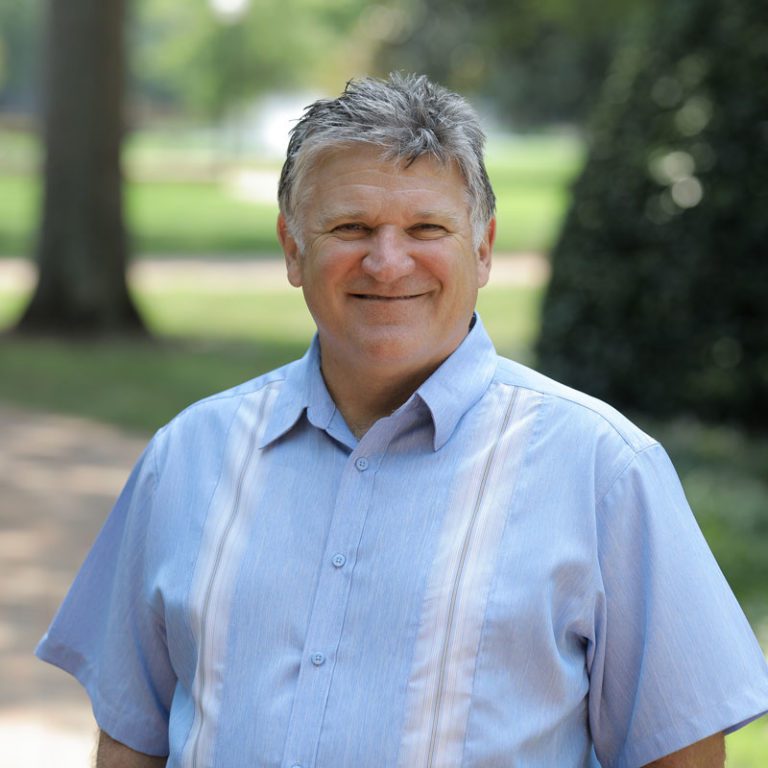
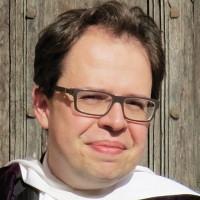
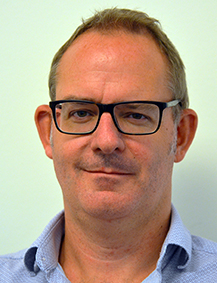
Russell G. Murphy is a Research Professor of Law at Suffolk University Law School , with a career spanning over four decades. He has held teaching roles at institutions including Boston College, Gonzaga, and Lund University, and served as Associate Dean at Boston College (1978-80) and Suffolk University (1990-94). Education: BA from University of Massachusetts, JD from Suffolk University His research focuses on International Human Rights , Capital Punishment , and Legal Education , often integrating film and storytelling into pedagogical practices. Recent publications analyze intersections between international law and U.S. death penalty debates, maritime law challenges, and judicial reforms. Key trends in his scholarly work include Death Penalty Reform , Transnational Legal Influences , and Legal Pedagogy . His scientific awards include memberships in prestigious honor societies: Phi Beta Kappa Phi Kappa Phi Pi Sigma Alpha Murphy has taught diverse courses such as Admiralty & Maritime Law , International Human Rights , and Death Penalty Seminar , and actively participates in professional activities including alumni leadership and international academic collaborations.
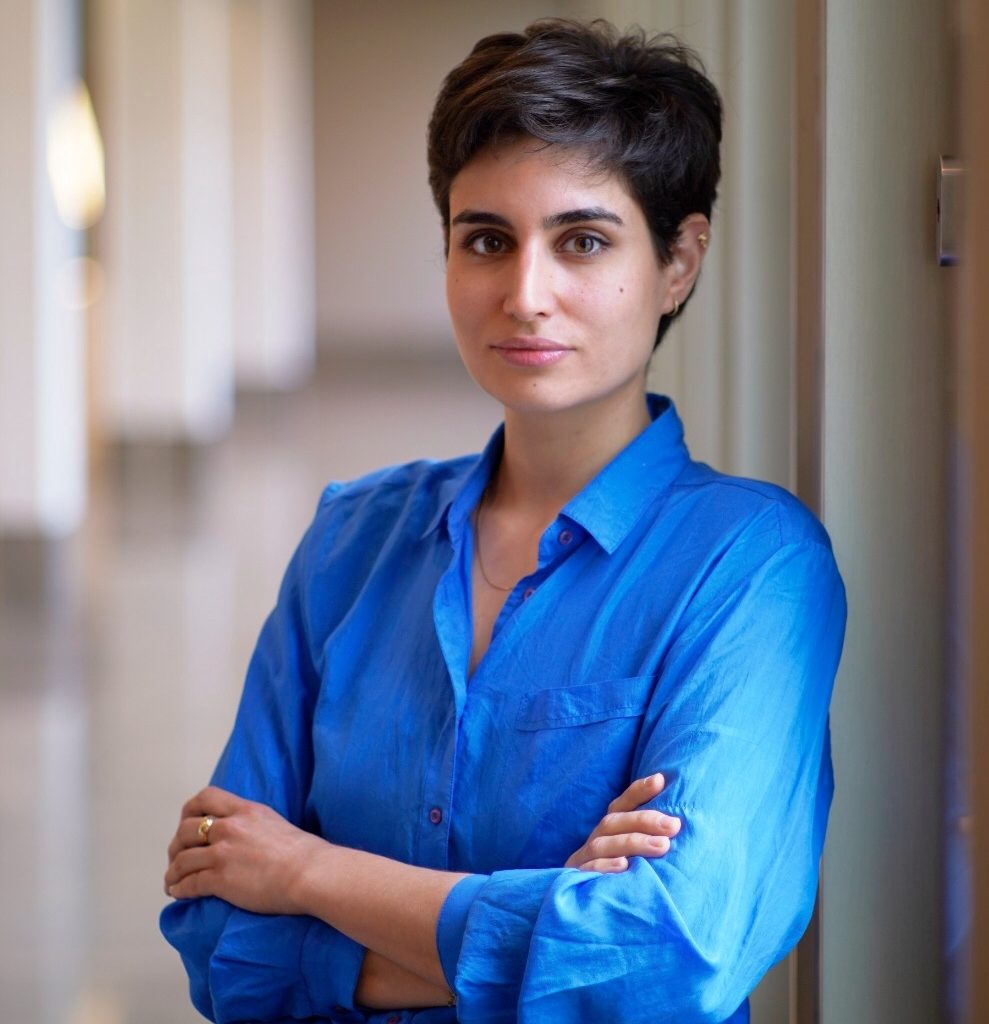
Samira Akbarian serves as a Research Associate at the Chair of Public Law and Legal Philosophy at Goethe University Frankfurt/Main, led by Prof. Dr. Uwe Volkmann. She also works as an Associate Editor at Verfassungsblog, contributing to constitutional discourse through both academic and practical roles. Her research explores intersections between legal philosophy and political theory, focusing on civil disobedience, public space governance, and fundamental rights dynamics. Key themes include: Democratic functions of non-compliant protest Attention economy in climate activism Constitutional balancing of symbolic conflicts Legal integration of emerging technologies Political aesthetics in public realm decisions Her work critically examines how legal frameworks interact with evolving societal challenges while maintaining constitutional integrity.
Anindya Sekhar Purakayastha is a Professor at the Department of English, Kazi Nazrul University, India, and currently affiliated with the School of Translation and Cultural Studies at the Institute of Language Studies and Research (ILSR), Kolkata, India. He has held visiting positions at institutions such as the Institute for Critical Social Inquiry at the New School for Social Research (New York), Linnaeus University (Sweden), and the University of Massachusetts, Amherst as a Fulbright Fellow. Research focuses on postcolonial literature and cultural practices Specializes in critical theory, violence studies, and citizenship rights Co-coordinator of the Centre for Critical Social Inquiry at Kazi Nazrul University Co-founder of the Postcolonial Studies Association of the Global South (PSAGS) His joint research project with Pavan Malreddy, Anarchiving Social Change , examines caste, ethnic, and racial conflicts through the philosophies of B.R. Ambedkar and W.E.B. DuBois. Selected publications include works on Deleuze and Guattari, social movements, and violence in South Asia. Notably, he advocates for the concept of 'anarchiving' to reimagine archives as tools for social critique. Fulbright Fellow (University of Massachusetts, Amherst) Editorial contributions to Violence in South Asia and Deleuze and Guattari and Terror
Aldo Schiavello is a Full Professor of Philosophy of Law at the University of Palermo, where he currently serves as Director of the Department of Law. With a distinguished academic career spanning over two decades, Professor Schiavello has established himself as a leading scholar in legal philosophy, particularly in the areas of legal positivism, legal interpretation, and constitutional theory. His extensive administrative experience includes serving as Director Vicario of the Department of Law, Society and Sport, and as Rector's delegate to PhD Programs at the University of Palermo. Professor Schiavello's educational background includes a Law Degree from the University of Palermo (1992) with highest honors, an LL.M from the European Academy of Legal Theory in Brussels (1993), and a PhD in Analytical Philosophy and General Theory of Law from the University of Milan (1997). His academic journey began with research positions at the University of Palermo, progressing to Associate Professor in 2005 and Full Professor in 2013. Professor Schiavello's research focuses primarily on legal positivism, legal interpretation and reasoning, neo-constitutionalism, theories of justice, public reason, and legal normativity . His scholarly work critically engages with major legal philosophers including Hart, Dworkin, Raz, and MacCormick, examining the foundations of legal reasoning, the relationship between law and morality, and the theoretical underpinnings of constitutional democracy. His research has evolved to address contemporary challenges to legal systems, particularly in the context of human rights, migration, and pandemic-related constitutional issues. The analysis of Professor Schiavello's recent publications reveals a consistent focus on the theoretical foundations of law while increasingly engaging with pressing contemporary issues. His work demonstrates a progression from foundational questions of legal positivism toward more applied concerns regarding constitutionalism in crisis, human rights in practice, and the relationship between legal theory and real-world challenges. A significant thread throughout his work is the examination of legal reasoning and interpretation, particularly how legal systems balance certainty with flexibility in addressing novel challenges. Premio Unesco 2006/Club Unesco di Trapani (December 2, 2006) Professor Schiavello has been actively involved in academic mentoring and research supervision. He has served as coordinator of the PhD Program in "Human Rights: Evolution, Protection and Limits" and has supervised numerous doctoral students, including international collaborations such as the joint PhD program with the University of Valencia. His research has been supported by various funding sources including CNR grants, University of Palermo research projects, and international collaborations. He has organized numerous academic conferences and summer schools, particularly focusing on human rights and legal interpretation. Professor Schiavello plays a significant role in the academic community through his editorial work as co-director of "Diritto & Questioni pubbliche," assistant editor of "Ragion Pratica," and advisory board member of "Ethics & Politics." He has been instrumental in establishing academic collaborations, particularly through the "Global Rule of Law & Constitutional Democracy" Master's program with the University of Genoa and the doctoral methodology program with Albanian University. His leadership in organizing conferences and summer schools has created important platforms for scholarly exchange on human rights, constitutionalism, and legal theory.
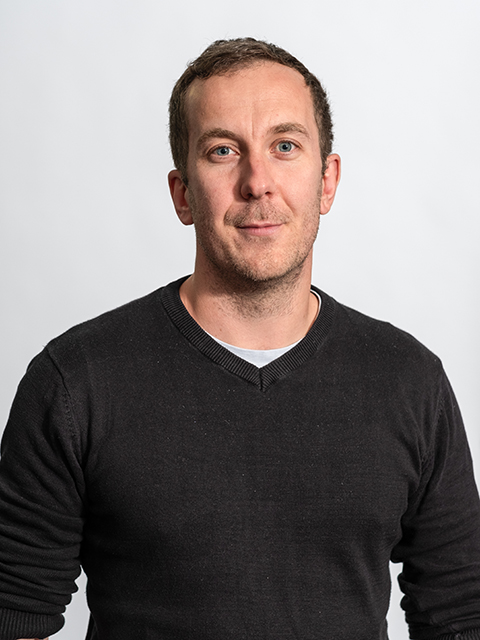
Professor David Nash is a faculty member at Cardiff Business School , specializing in Employment Relations. His research focuses on employment regulation , workplace conflict resolution , and the impact of corporate governance on employment relationships with a strong emphasis on UK and international projects. His work has been supported by institutions such as the Living Wage Foundation , Advisory, Conciliation and Arbitration Service (Acas) , and the Labour Relations Agency . In 2019, he served as a visiting fellow at the Industrial and Labor Relations School at Cornell University . Key publications appear in journals like the British Journal of Industrial Relations , Industrial and Labor Relations Review , and Employee Relations . His recent articles analyze trends in living wage policies , workplace dispute resolution , and remuneration systems across sectors. He also supervises postgraduate researchers, including Xiao Han . Contact details: NashD@cardiff.ac.uk | Aberconway Building, Room F01, Cardiff.
Dr Guy Aitchison is a Senior Lecturer in Politics and International Studies at Loughborough University. He holds a PhD in Political Philosophy from University College London (2015). Prior to his current role, he was a postdoctoral fellow at University College Dublin (Irish Research Council) and a Max Weber Fellow at the European University Institute in Florence. His teaching and research focus on political ethics, resistance movements, immigration law, and democratic theory. Key areas of study include the ethics of protest, structural harms in institutional contexts, and alternatives to coercive systems like policing. Education background: PhD in Political Philosophy (UCL), followed by postdoctoral work in Ireland and Italy. His research integrates normative political theory with empirical analysis of social movements and policy frameworks. Research interests emphasize the intersections between rights, resistance, and state power. Notable themes include the moral dimensions of hunger strikes, critiques of immigration detention practices, and climate justice activism. His work challenges conventional understandings of coercion, exploring how marginalized groups reclaim agency through ethical resistance strategies. Recent publications (2020–2024) critically examine topics like pandemic governance, police abolition, and the ethics of online shaming. These works highlight tensions between individual freedoms and systemic structures while advocating for transformative political frameworks. Prior professional experience includes teaching philosophy at King’s College London and extensive engagement with international academic networks. His interdisciplinary approach bridges philosophy, political science, and sociology to address contemporary global challenges.
Glenn Eskew is a Professor in Southern History at Georgia State University's College of Arts & Sciences, affiliated with the institution since 1993. His work bridges academic scholarship with public engagement, focusing on the interplay between local and national civil rights movements, African-American religious practices, and Southern cultural identity. PhD in History from Emory University (2000) MA in History from Emory University (1996) Bachelor's degree from Wesleyan University Research interests span the Civil Rights Movement , Southern labor history , race and religion , and heritage tourism . His acclaimed book But For Birmingham: The Local and National Movements in the Civil Rights Struggle (1997) redefined understanding of grassroots activism. The 2013 biography Johnny Mercer: Southern Songwriter for the World explored cultural identity through music. His publications include edited volumes, journal articles, and chapters analyzing topics like Birmingham's civil rights legacy, African-American religion, and urban Southern dynamics. He has led 12 National Endowment for the Humanities Summer Workshops for Schoolteachers and secured grants for Teaching American History. Malcolm and Muriel Barrow Bell Award (Georgia Historical Society) Francis Butler Simkins Prize (Southern Historical Association and Longwood College) Eskew lectures globally on Southern topics and supports historic preservation initiatives. His academic contributions connect historical analysis with contemporary cultural discourse.
Andrew L. Stewart is an Associate Professor in the Psychology Department at Clark University's Hiatt School of Psychology. Specializing in social psychology and political psychology, his work focuses on intergroup relations across gender, race, ethnicity, nationality, sexual orientation, and class dimensions. Ph.D. and M.A. in Social Psychology from University of Connecticut (2014) B.S. in Psychology and Mathematics from Colorado State University (2009) Stewart's research investigates how societal beliefs about social groups perpetuate violence and discrimination, while also developing interventions to mitigate these issues. His work spans: Sexist ideology and gender-based violence Hegemonic masculinity norms Collective action motivations Sexual assault prevention programming Advanced multilevel statistical modeling Recent publications examine power dynamics in tight/loose cultures and cross-cultural parenting differences. Stewart has received funding from the Spencer Foundation for his work on critical consciousness measurement and actively consults with universities on violence prevention initiatives. Measurement of Parent and Teacher Critical Consciousness (Spencer Foundation) As a committed educator, he teaches courses including: Advanced Social Psychology Psychology of Prejudice Structural Equation Modeling Masculinities and Violence
Stephen O'Neill is a Professor of History at Furman University, specializing in the American South, South Carolina history, and public history. He holds a Ph.D. and M.A. from the University of Virginia and a B.A. from Furman University. His research examines historical memory, civil rights movements, and the intersection of past and present in Southern society. Notably, he led Furman's desegregation commemoration efforts and contributed to the Abraham Project. Education: Ph.D., University of Virginia; M.A., University of Virginia; B.A., Furman University His work bridges academic scholarship and public engagement, including museum exhibit design and community lectures. Awards include the Mayo Prize (1987) and Governor's Fellowship (1985-87). He has organized interdisciplinary conferences and served as a consultant for historical projects like the Upcountry History Museum's permanent exhibits. Awards: Includes Summer Research Fellow (1995), Faculty Invitation Award (1991-92), and National Merit Scholar (1982) O’Neill has advised on Greenville’s civil rights history and explored topics like Charleston’s slavery attitudes (1776–1806) and media’s role in school desegregation. His publications address historical commemoration, public memory, and labor movements in the South.
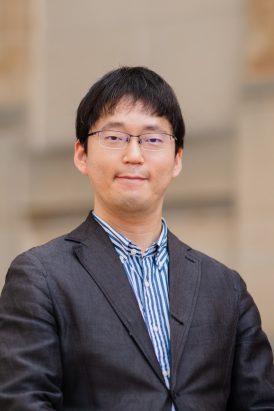
Yuki Shiraito is an Assistant Professor of Political Science at the University of Michigan, with affiliations to the Center for Political Studies (CPS), Center for Japanese Studies (CJS), and the Michigan Institute for Data Science (MIDAS). He holds a PhD in Politics from Princeton University (2017) and previously served as a postdoctoral fellow at Dartmouth College’s Program of Quantitative Social Science. His research focuses on political methodology, particularly Bayesian statistical models and large-scale computational algorithms for data analysis, with applications to international relations and comparative politics. Shiraito’s scholarly work addresses topics such as autocratic legitimacy, public opinion on immigration and international law, and the methodological challenges in text classification and conjoint analysis. His contributions span academic journals including the American Political Science Review , Political Analysis , and European Political Science Review . He has also developed open-source software for improving text classification efficiency (e.g., the R package activeText ). His educational background includes an LLM and LLB from the University of Tokyo, reflecting interdisciplinary training in law and political science. Shiraito’s research and teaching emphasize the intersection of computational methods with substantive political questions, particularly in contexts involving Japan and other East Asian democracies. His current projects explore topics such as gendered policy preferences and the role of international organizations in shaping domestic policy support.
Mary Linehan is an Associate Professor of History at the University of Texas at Tyler (UTT), where she has served as Department Chair since 2009. She introduced UTT’s first gender studies course, established an internship program, and promoted faculty equity. Previously, she taught the first Women’s History course at the University of Notre Dame and co-founded its Gender Studies program. She holds a PhD from Notre Dame, focusing on gender, politics, race, and sexuality. Her research has been published by major academic presses and funded by the National Endowment for the Humanities (NEH). B.A., Illinois Wesleyan University M.A., University of Notre Dame Ph.D., University of Notre Dame Her research emphasizes intersections of gender with political systems, race, and sexuality. Notable works include studies on Chicago’s prostitution history, Catholic institutions’ roles in racial justice, and cultural analyses of Nancy Drew narratives. She has advised First Ladies on historical contexts through a presidential historians’ committee. Mary is a recipient of six campus-wide teaching awards, specializing in post-Civil War U.S. history. She prioritizes inclusive pedagogy, fostering student communities that engage critically with U.S. historical narratives. Her courses emphasize historical relevance to contemporary issues.
Lewis Grossman is the Ann Loeb Bronfman Professor of Law at American University's Washington College of Law, where he has taught since 1997 and served as Associate Dean for Scholarship during 2008–2011 and 2022. His expertise spans food and drug law, health law, American legal history, and civil procedure. He has held visiting positions at Harvard Law School (January 2025), Cornell Law School, Princeton University as a Law and Public Affairs Fellow, and Texas A&M University’s Institute for Healthcare Access. His educational background includes: B.A. from Yale University (1986, summa cum laude) J.D. from Harvard Law School (1990, magna cum laude) Ph.D. in History from Yale University (2005) Grossman's research critically examines the historical evolution of medical regulation, patient autonomy, and the politicization of health expertise. His work reveals persistent tensions between regulatory authority and individual freedom in therapeutic choice, analyzing how social movements—from AIDS activism to contemporary abortion rights advocacy—reshape drug regulation. He investigates the historical roots of medical mistrust and the shifting boundaries between professional authority and patient empowerment. His recent publications demonstrate a sharp focus on reproductive health law post-Dobbs, particularly mifepristone regulation and over-the-counter abortion access, while expanding into emerging areas like psychedelic medicine regulation and the weaponization of health expertise in political discourse. This reflects a trajectory from historical analysis toward urgent interventions in current regulatory battles. His notable honors include: George Washington Egleston Prize for Best Dissertation in American History (Yale University) Law and Public Affairs Fellowship at Princeton University Grossman has provided significant advisory impact through service on five committees of the National Academies of Sciences, Engineering, and Medicine, focusing on medical product regulation and supply chain security. He recently represented food and drug law scholars in Supreme Court amicus briefs defending FDA's mifepristone regulations. His scholarly influence extends through co-authoring foundational textbooks including Food and Drug Law: Cases and Materials and A Documentary Companion to A Civil Action , which shape legal education nationwide. Through National Academies committees and scholarly networks, Grossman collaborates with interdisciplinary teams of physicians, pharmacologists, and policy experts to address systemic challenges in healthcare regulation, particularly regarding drug access, supply chain vulnerabilities, and the intersection of law with public health emergencies.
Paul Martin is an Associate Professor of Politics at the University of Oxford's Department of Politics and International Relations (DPIR) and a Tutorial Fellow in Politics at Wadham College. He holds a CUF University Lecturer position in Politics. His academic roles include Deputy Head of the DPIR in the past. His research focuses on the US Supreme Court and school desegregation, the intersection of courts, law, and technological change, as well as the institutionalization of the US Supreme Court and its consequences. He explores topics such as judicial narratives, legal strategy, and the impact of technology on judicial processes and public engagement. Paul Martin has not listed any scientific awards or honors in the provided information. No information on advising students or grants is available in the provided texts. There is no mention of specific labs or research teams associated with Paul Martin's work.
Augustus C. Wood is an Assistant Professor in both the Department of History and the School of Labor and Employment Relations at the University of Illinois, Urbana-Champaign. His research focuses on 20th-century African American urban history, with specializations in race, political economy, social movements, and gentrification. He holds affiliations in multiple academic units, including the College of Liberal Arts & Sciences. Wood’s recent publications explore labor dynamics in Chicago’s restaurant industry, theories of super-exploitation in Black labor contexts, and historical figures like Floyd B. McKissick, Sr. His work bridges labor studies with urban and racial justice frameworks. Despite not listing formal advising relationships, his research collaborations include co-authored works with scholars like Adia Dickson and Sundiata Cha-Jua. Affiliations: Department of History, School of Labor and Employment Relations Key Research Themes: Political economy of race, labor rights, urban inequality, civil rights historiography Wood contributes to interdisciplinary dialogues on systemic inequities through empirical studies and historical analysis, reflecting his dual appointment in history and labor relations.
Peris Sean Jones is a **Professor** at the Norwegian Centre for Human Rights, part of the Faculty of Law at the **University of Oslo**. He holds expertise in human rights, development studies, and urban geographies, with over 20 years of academic and applied research experience across Africa, Nepal, and Western Europe. His work focuses on the transformative potential of human rights, their interplay with law, space, and development, particularly in cities globally. **Education & Previous Roles**: He has held academic positions at institutions including the University of London, University of Liverpool, and University of Pretoria. Notably, he directed the Masters in Human Rights in Theory and Practice program until 2023 and coordinated the Global Challenges in Human Rights Law, Policy and Practice Research Group. He served as editor of the *Nordic Journal of Human Rights* and currently sits on the board of Scholars at Risk (UiO). **Research & Projects**: Current projects include a Guild/ARUA initiative on Peace and Conflict in collaboration with African universities. Past work includes SDG localization in Nordic countries, evaluations of child rights reporting in East Africa, and research on extrajudicial killings in Nairobi’s Mathare settlement (supported by Antipode Foundation grants). His 2023 book *Human Rights and Development* explores the contested intersections of rights and development frameworks. **Awards & Recognition**: Received the **Antipode Foundation Scholar-Activist Grant (2016)** for community research in Nairobi. His work bridges academia and activism, emphasizing participatory approaches in rights advocacy. **Teaching**: Leads courses on human rights in practice, rights and development, methods, and Asian human rights. His courses emphasize practical applications of human rights frameworks in diverse global contexts.