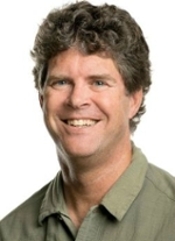
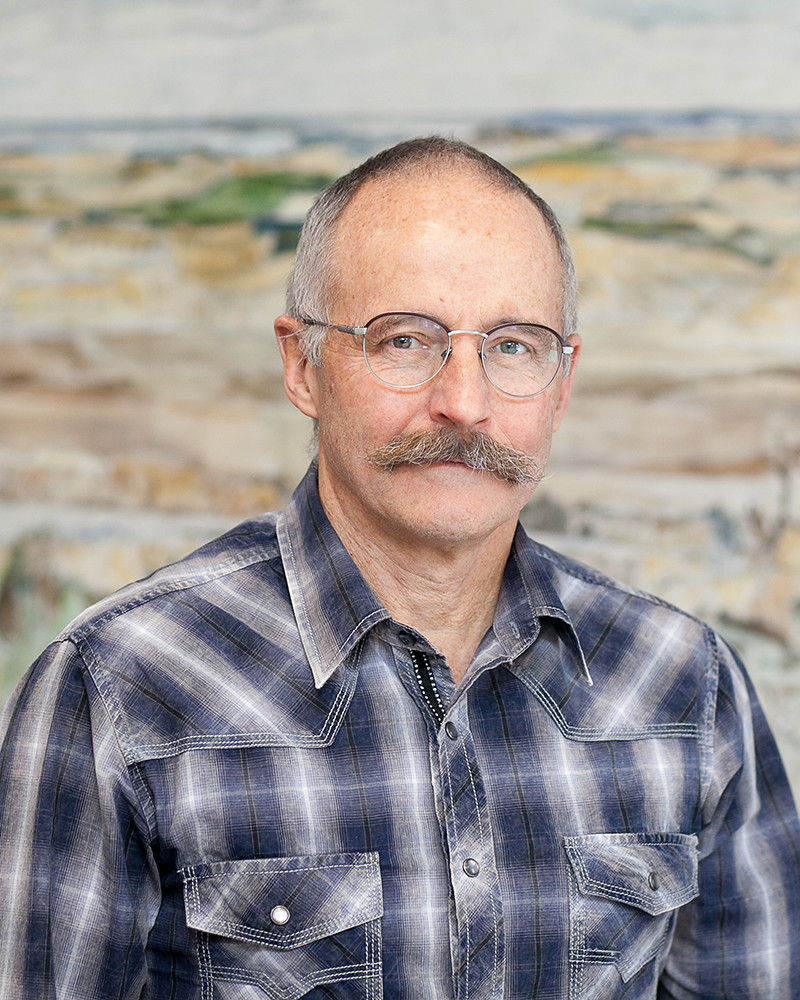
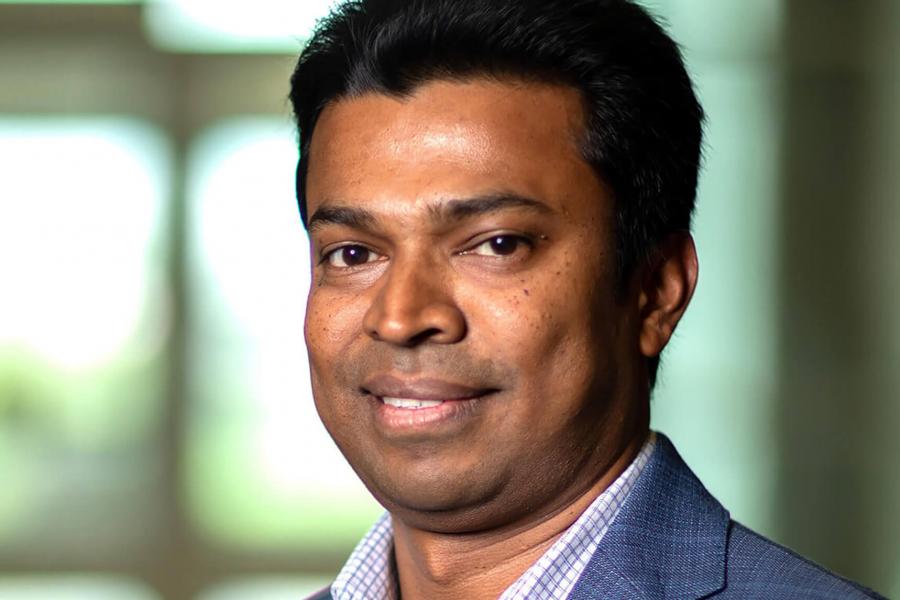
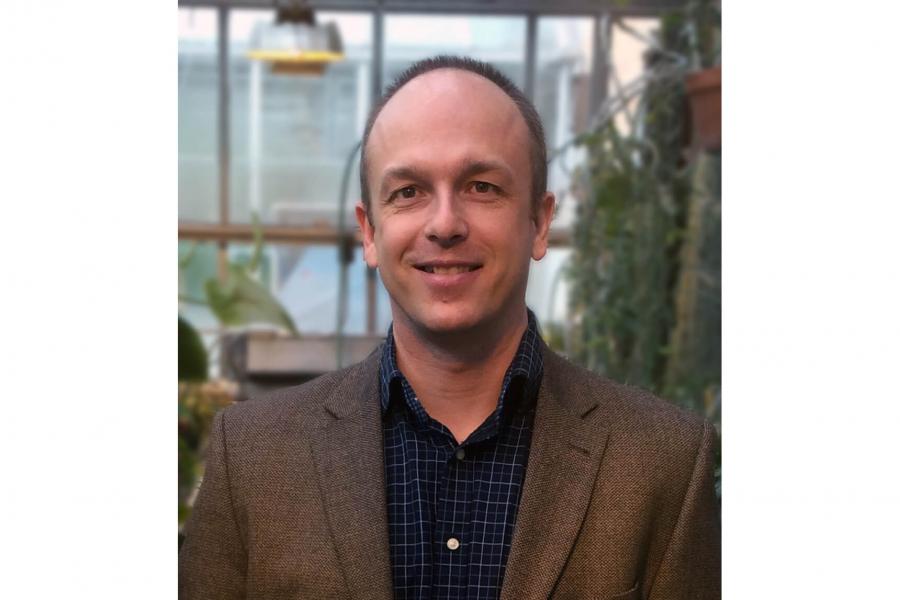
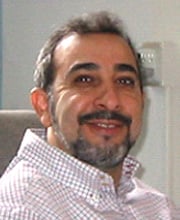
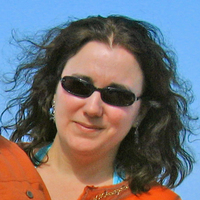
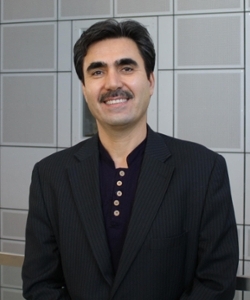
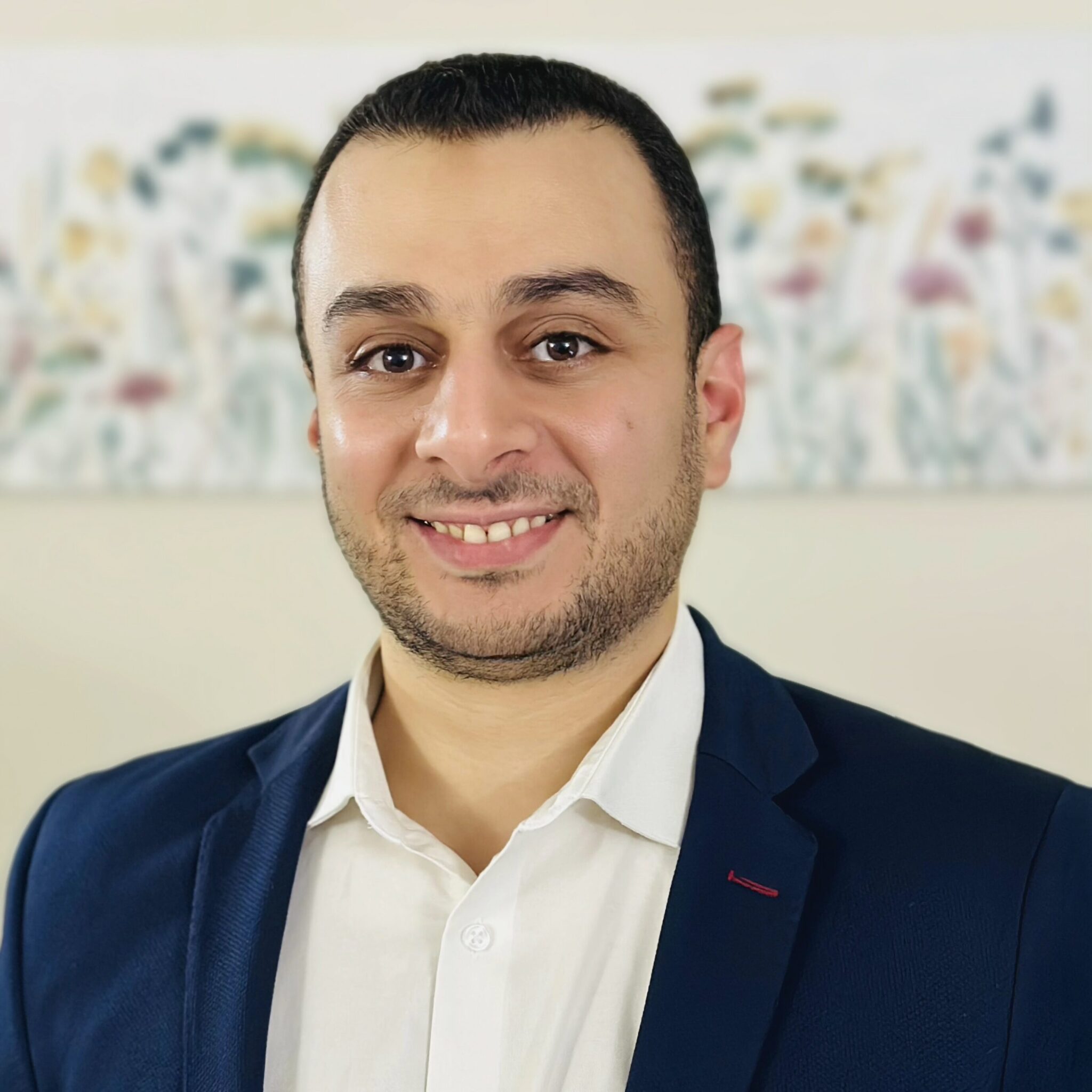
Mark Lewis is the Kennedy Chair in Mathematical Biology at the University of Victoria, holding joint appointments in the Departments of Mathematics and Statistics and Biology. His research focuses on spatial ecology and mathematical modeling, addressing ecological challenges such as animal movement, invasive species, and disease dynamics. Lewis earned his D.Phil. in Mathematical Biology from the University of Oxford and has been elected a Fellow of the Royal Society UK. His work integrates mathematical analysis, field studies, and interdisciplinary approaches to solve ecological problems. Current projects include modeling polar bear populations, cyanobacteria dynamics, and the impact of climate change on wildlife. Lewis supervises students across both UVic and his former University of Alberta lab. Education: D.Phil. in Mathematics (Mathematical Biology), University of Oxford Awards: Royal Society Fellowship, CRM-Fields-PIMS Prize, and Okubo Prize Key Research Areas: Animal movement modeling, aquatic ecology, wildlife disease, and invasive species management Publications highlight his contributions to understanding disease spread, parasite dynamics, and ecological responses to environmental changes. Lewis collaborates widely, applying mathematical tools to real-world conservation and health challenges.
Maher Elshakankiri is an Assistant Professor, Teaching Stream at the University of Toronto's Faculty of Information. He holds a Ph.D. in Computer Engineering from Ain Shams University (Egypt), followed by a postdoctoral fellowship at the University of Regina. His research focuses on IoT, Wireless Sensor Networks (WSN), and pedagogical integration of technology and gaming. He has supervised over 100 student projects and authored a book on WSNs. Education: Ph.D. in Computer Engineering, Ain Shams University, Egypt M.Eng., B.Eng. in Engineering, Ain Shams University, Egypt Postdoctoral Fellowship, University of Regina, Canada Research Interests: IoT in healthcare, agriculture, and sports Active learning classrooms and technology in education Wireless communication protocols (V2V, UAV, RFID) Leadership & Grants: Director, Bachelor of Information (BI) Program (2024–present) Coordinator, Information Systems and Design (ISD) Concentration (2023) SSHRC Grant: 'Gaming in teaching towards a more inclusive class' (2022–2023) Professional Activities: Member, SCC IoT & Digital Twins Standards Committee Reviewer for journals including Wireless Networks , Telematics and Informatics , and Computational Intelligence Technical Program Committee member at multiple conferences Teaching: Courses include INF1340 (Programming for Data Science), INF1005/1006 (IoT Workshops), and INF452 (Information Design Coding).
Trent K. Bollinger is a Professor in the Department of Veterinary Pathology at the University of Saskatchewan's Western College of Veterinary Medicine (WCVM), and serves as Regional Director for the Western/Northern Region of the Canadian Wildlife Health Cooperative (CWHC). His academic credentials include a BSc (Honours) from the University of Saskatchewan (1984), a DVM (Distinction) from the University of Saskatchewan (1988), and a DVSc in Pathology from the Ontario Veterinary College (1992). Dr. Bollinger's research focuses on the pathology and epidemiology of diseases in wildlife and fish, with particular emphasis on chronic wasting disease in deer/elk and white-nose syndrome in bats. He has conducted extensive studies on disease transmission dynamics, wildlife population health, and the ecological impacts of emerging pathogens. His work bridges veterinary science, ecology, and conservation biology. His publications demonstrate expertise in viral and bacterial zoonoses, fungal pathogens affecting bats, and spatial epidemiology of wildlife diseases. Recent research highlights include investigating sylvatic plague in prairie dogs, coronavirus persistence in hibernating bats, and landscape connectivity's role in chronic wasting disease spread. His studies often combine molecular diagnostics, field observations, and ecological modeling. Dr. Bollinger collaborates with national and international wildlife agencies, contributing to disease surveillance and management strategies for endangered species. His work emphasizes the interconnectedness of wildlife health, ecosystem health, and public health concerns.
Dr. Nandika Bandara serves as Associate Professor and Tier 2 Canada Research Chair in Food Proteins and Bioproducts at the University of Manitoba's Department of Food and Human Nutritional Sciences within the Faculty of Agricultural and Food Sciences. Her research program focuses on advancing sustainable protein technologies for food, materials, and bioproduct applications through integration of material science and nanotechnology. Education: CFS (Certified Food Scientist), Institute of Food Technologists / International Food Science Certification Council PhD (Food Science & Bioresource Technology), University of Alberta, Canada MSc (Food Science & Technology), University of Alberta, Canada BSc (Agriculture), University of Peradeniya, Sri Lanka Dr. Bandara's research explores protein and biopolymer-based nanostructures for bioactive delivery, sustainable protein extraction from Canadian crops and byproducts, and renewable biopolymers for food packaging and biomedical materials. Her lab investigates novel processing technologies' effects on protein structure-function relationships using advanced characterization techniques. Current projects include protein-lipid conjugation for nanodelivery systems, feather keratin-based wound-healing materials, and deep eutectic solvents for protein extraction. Her publication record demonstrates strong focus on plant protein valorization, nanodelivery systems, and functional materials. Key trends include development of electrospun nanofibers, protein-based packaging films reinforced with nanocellulose, and metabolomics approaches for bioactive compound analysis in Canadian berries. The research bridges fundamental protein chemistry with industrial applications in sustainable food systems. Awards and Honors: Outstanding Volunteer Service Award of the Food Chemistry Division at Institute of Food Technologists (IFT) - 2019/2020 Institute of Food Technologists (IFT) Emerging Leaders Network (ELN) Program finalist - 2019 Natural Science and Engineering Research Council (NSERC) of Canada Postdoctoral Fellowship - 2018 Agricultural Institute of Canada Foundations' (AICF) Karl C Iverson Agricultural Scholarship - 2016 MITACS Accelerate Graduate Scholarship - 2015 Queen Elizabeth II Doctoral Graduate Scholarship - 2015 American Oil Chemist Society Honored Student Award - 2015 Graduate Student Teaching Award of the Faculty of Graduate Studies and Research/ Faculty of Agricultural, Life and Environmental Sciences, University of Alberta - 2015 Alberta Innovates Technology Futures Graduate Student Doctoral Scholarship Dr. Bandara actively supervises graduate students through the University of Manitoba's Food and Human Nutritional Sciences program and holds an adjunct professorship at Dalhousie University. She serves as Associate Editor for Food Chemistry Journal and on the editorial board of Food Research International. Her research is supported by her Canada Research Chair position and industry partnerships focused on Canadian agricultural innovation. She directs the Food Proteins and Bioproducts Lab at the Richardson Centre for Food Technology and Research, which specializes in protein characterization, nanomaterial development, and sustainable extraction technologies. The lab collaborates with researchers across Canada and internationally to translate fundamental discoveries into industrial applications for food, packaging, and biomedical sectors.
Sunita Mathur is an Associate Professor in the School of Rehabilitation Therapy at Queen's University, affiliated with the Faculty of Health Sciences. She holds a cross-appointment as Associate Director of the School of Rehabilitation Therapy. Her research focuses on improving skeletal muscle function in chronic diseases, including COPD, cystic fibrosis, and critical illness, using non-invasive techniques like MRI, ultrasound, and dynamometry. She co-founded CAN-RESTORE to promote exercise in solid organ transplant recipients and leads the Canadian Donation and Transplantation Research Program (CDTRP) Theme 5. Education: BSc Physiotherapy (Dalhousie University), MSc Rehabilitation (Dalhousie), PhD Human Kinetics (University of British Columbia), and a postdoc at the University of Florida. She supervises students in AGHE PhD and RHBS MSc/PhD programs. Research interests span sarcopenia, muscle dysfunction in chronic illness, and rehabilitation strategies. Her work integrates clinical and translational approaches to enhance patient outcomes through tailored exercise programs and advanced imaging. Key contributions include studies on ICU-acquired weakness, lung transplant rehabilitation, and the role of exercise in improving post-transplant outcomes. She has collaborated on international initiatives like the RECOVER Program to address long-term outcomes of critical illness survivors.
Dr. Jared G. Carlberg is a Professor in the Department of Agribusiness and Agricultural Economics at the University of Manitoba , with an adjunct appointment in the Department of Economics. He focuses on applied agricultural economics research and teaching in food systems analysis. PhD in Agricultural Economics, Oklahoma State University MSc in Agricultural Economics, University of Saskatchewan BA (Honors) in Economics, University of Saskatchewan B Commerce in Finance, University of Saskatchewan His research spans agricultural marketing (cattle/beef sectors, grain/pulses/oilseeds), nutrition economics (healthcare costs of food-related chronic diseases), and sustainable agrifood systems (conservation easements, pea coproducts, durum wheat supply response). Key projects examine beef quality grade pricing, grain supply dynamics, and health-economic policy linkages. Dr. Carlberg’s 15 most recent publications demonstrate interdisciplinary expertise bridging agricultural markets, food policy, and health economics. Recurring themes include value chain optimization, sustainable practices, policy frameworks, and quantitative analysis of food-health linkages. Professor of the Year Award, Faculty of Agricultural and Food Sciences Student Organization Outstanding Teacher in Agricultural and Food Sciences (twice awarded) He has advised 13 graduate students since 2001, covering topics from flax/corn/oat supply responses to growth-enhancing technologies in cattle feeding. His teaching portfolio includes econometrics (ABIZ 3080) and agricultural marketing research (ABIZ 7240).
Prof. Diana Mager is an Adjunct Professor in the Department of Pediatrics (Faculty of Medicine & Dentistry) and holds a primary appointment as Professor in the Department of Agricultural, Food & Nutritional Science (Faculty of Agricultural, Life & Environmental Sciences) at the University of Alberta. Her research focuses on pediatric nutrition, particularly addressing sarcopenia in children with chronic liver disease, outcomes following organ transplantation, and optimizing gluten-free dietary guidelines for celiac disease patients. She teaches advanced clinical nutrition courses (AFNS/NUTR 568, 578, 468, 476) emphasizing practical nutritional care for diverse populations. Her work integrates clinical, biochemical, and dietary interventions to improve health outcomes in pediatric and adult populations with chronic conditions. Key areas include muscle wasting syndromes, metabolic disorders, and the impact of dietary patterns on disease progression. She has contributed to evidence-based guidelines for pediatric liver transplant patients and pioneered studies on exercise rehabilitation in transplant populations. Publications highlight translational research on sarcopenia diagnostics, nutritional management of celiac disease, and the role of medium-chain triglycerides in neurological recovery post-infection. Her interdisciplinary approach addresses gaps in nutrition screening tools for malnutrition-sarcopenia syndromes and evaluates practical bioimpedance techniques for clinical use.
Sabah Hussain, MD, PhD, is Distinguished James McGill Professor in the Department of Medicine, Faculty of Medicine and Health Sciences at McGill University and Senior Scientist in the Translational Research in Respiratory Diseases Program of the Research Institute of the McGill University Health Centre (RI-MUHC, Glen site). She leads an integrated bench-to-bedside program focused on skeletal-muscle wasting, autophagy, and angiogenesis. Education & Training: MD – University of Baghdad, 1978 PhD (Physiology) – McGill University, 1989 Research Focus: Dr Hussain’s laboratory investigates the molecular machinery governing skeletal-muscle mass in health and disease. Using transgenic models of angiopoietin signaling, sepsis, COPD and mechanical ventilation, her team has dissected how autophagy, mitophagy and proteasomal pathways drive diaphragmatic and locomotor muscle atrophy. A second axis of work explores gene-therapy delivery of angiopoietins to accelerate muscle regeneration after injury or in Duchenne Muscular Dystrophy models. More recently, her group is mapping epigenetic regulators—microRNAs and long non-coding RNAs—that fine-tune these degradative pathways. Scientific Awards & Funding: Distinguished James McGill Professorship CIHR Project Grant – Fall 2024 competition NSERC Discovery Grant – 2024 competition Advising & Mentorship: Dr Hussain mentors graduate students, post-doctoral fellows and clinical research trainees. Sami Sedraoui, a PDF in her group, received the April 2025 Relève-Étoile Jacques-Genest Award from CIHR. Laboratory & Affiliations: Her laboratory is located in the Meakins-Christie Laboratories, RI-MUHC Block E, Glen site (1001 Decarie Blvd, Montréal). The group is embedded within the Centre for Translational Biology and benefits from the RI-MUHC Technology Platforms including Proteomics, Small-Animal Imaging and Molecular Imaging Services.
Geneviève Mercille is an Associate Professor in the Department of Nutrition at Université de Montréal's Faculty of Medicine. Her research focuses on food environments, social inequalities in nutrition, and public health interventions to improve food security and dietary habits.
Dr. Peter Eck serves as an Associate Professor in the Department of Food and Human Nutritional Sciences within the Faculty of Agricultural and Food Sciences at the University of Manitoba. His research program bridges molecular nutrition and clinical applications, focusing on nutrient-gene interactions and membrane transport physiology. His academic credentials include: MSc in Nutritional Sciences from Justus-Liebig-University Giessen, Germany PhD in Nutritional Biochemistry and Physiology from Justus-Liebig-University Giessen, Germany Dr. Eck's research explores gene-nutrient interactions through investigations of nutrient membrane transporters , particularly vitamin C (SVCT1/SVCT2) and ammonia transport systems. His work examines how genetic variations influence nutrient metabolism in diseases like Fabry disease and inflammatory bowel disorders. He investigates bioactive food components (e.g., phenolics, avenanthramides) and their effects on glucose transport and oxidative stress, contributing to understanding dietary prevention of chronic diseases . His methodologies integrate molecular biology, human intervention trials, and genomic analysis. Analysis of his 15 most recent publications reveals dominant themes in transporter physiology (40%), nutrigenomics of lipid/glucose metabolism (35%), and bioactive food compound characterization (25%). Key trends include elucidation of novel transporters (HIAT1), pharmacogenomic responses to dietary interventions, and waste valorization of agricultural byproducts for bioactive compounds. Dr. Eck actively supervises graduate students through formal inquiry channels, with research often involving multicenter collaborations like the Manitoba Personalized Lifestyle Research (TMPLR) study. His work demonstrates consistent focus on translating molecular mechanisms into personalized nutrition strategies. While specific laboratory infrastructure isn't detailed publicly, his research scope implies capabilities in molecular cloning, cell culture transport assays, human clinical trials, and advanced analytical chemistry for nutrient and bioactive compound quantification.
Dr. Carla Prado is a Distinguished University Professor and Canada Research Chair in Integrative Nutrition, Body Composition, and Energy Metabolism at the University of Alberta's Faculty of Agricultural, Life and Environmental Sciences. She leads the Human Nutrition Research Unit, a globally recognized facility for body composition and energy metabolism assessments. Her research focuses on nutritional status evaluation in chronic diseases, particularly cancer, and developing precision nutrition interventions to optimize muscle health. Dr. Prado has authored over 200 peer-reviewed articles and co-authored the award-winning High Protein Cookbook , which guides cancer patients in dietary choices. She holds prestigious honors including Fellow of the Canadian Academy of Health Sciences and Clarivate's Highly Cited Researcher distinction (top 1%). Education and Training: PhD in Nutrition & Metabolism (University of Alberta) Postdoctoral Fellowships: NIDDK (NIH), Cross Cancer Institute (U of Alberta) Visiting Professorships: University of Hawaii Cancer Center, Newcastle University (UK) Research Interests: Dr. Prado investigates body composition abnormalities in chronic illnesses, with emphasis on cancer cachexia, sarcopenia, and malnutrition. Her work bridges clinical practice and research, emphasizing translational strategies for personalized nutrition. Key areas include: Muscle health biomarkers Protein intake optimization Imaging-based diagnostics Prehabilitation strategies Awards: Canada’s Top 40 Under 40 (2015) Clarivate Highly Cited Researcher (2024) Member, Royal Society of Canada College of New Scholars (2020) Lab Activities: The PradoLab develops clinical tools and educational resources, including: Body composition educational modules (ANHI) Clinical decision-support algorithms Public health campaigns on muscle health
Dr. Kathryn Walton is an Assistant Professor in the Department of Family Relations & Applied Nutrition at the University of Guelph. She holds a PhD from the University of Guelph (2018) and completed a postdoctoral fellowship at the Hospital for Sick Children (SickKids). Her research focuses on promoting healthy eating habits in children, particularly those at high risk (e.g., preterm infants, neurodevelopmental disorders). She leads the Guelph Family Health Study, exploring early-life risk factors for chronic disease and healthy behavior strategies. Education: BASc (2011), MSc (2013) in Applied Human Nutrition from the University of Guelph; Dietetic Internship at Sunnybrook Health Sciences Centre (2014); Postdoc at SickKids (2018–2022). Research interests include pediatric nutrition, food parenting practices, and family meal dynamics. She investigates how home environments, parental stress, and social media use influence child nutrition. Key projects include the GrEAT Babies Pilot Study and the OptiMoM initiative examining preterm infant nutrition. Dr. Walton has received the Ontario Graduate Scholarship (2015) and collaborates on grants like the Guelph Family Health Study. She advises graduate students (e.g., Alyssa Ramuscak) and teaches courses on nutrition communication and lifecycle nutrition.
Brigitte Vachon is a Full Professor at the Université de Montréal, affiliated with the Faculty of Medicine and School of Rehabilitation. She holds a position at the Institut universitaire en santé mentale de Montréal (IUSMM) research center. Her work focuses on improving patient participation in healthcare quality initiatives, interprofessional collaboration, and strategies to enhance healthcare professional practices in primary care and rehabilitation settings. She is a member of the Ordre des ergothérapeutes du Québec. Her research expertise includes developing interventions to empower patients in chronic disease management, optimizing telehealth solutions for stroke rehabilitation, and advancing recovery-oriented mental health services. She leads/co-leads over 20 national research projects, including the COMPAS+ quality improvement collaborative and the P1LIERR-TMC occupational therapy program for mental health recovery. Key Projects: COMPAS+ Collaborative (2025-2030): Improving chronic disease management in primary care P1LIERR-TMC (2024-2029): Occupational therapy interventions for mental health recovery Stroke telerehabilitation trials (2020-2025) Recovery College online learning models (2020-2025) Grants: Over $6M in funding from CIHR, FRQSC, and other agencies for projects addressing interprofessional practice, chronic disease management, and implementation science. Labs/Teams: Principal member of REPAR (Adaptation-Rehabilitation Network) and CR-IUSMM (Mental Health Research Center).
Dr. Hassan Vatanparast is a Professor at the University of Saskatchewan, specializing in Nutritional Epidemiology , Public Health Nutrition , and Food Security for at-risk populations including immigrants, refugees, and Indigenous communities. Research focuses on Global Health , Vitamin D and Chronic Diseases , and Dietary Interventions . Teaches courses: NUTR 350 , NUTR 811 , and PUBH 854 . Recent grants (2018-2021) include projects on bone health , pulse consumption , and school food policies . Develops tools like MenuPlanPro and Plate Waste Apps for nutrition monitoring. His work spans nutritional disparities , policy evaluation , and community-based interventions , particularly during crises like the COVID-19 pandemic and Taliban takeover .
Amro Soliman is an Assistant Professor in Microbiology at the Department of Biological Sciences , Concordia University of Edmonton. He holds a PhD in Biological Sciences (Immunology) from the University of Alberta, an MSc in Medical Sciences (Anatomy and Cell Biology) from the National University of Malaysia, and an MD from Mansoura University. His postdoctoral research focused on Medical Microbiology and Immunology at the University of Alberta. PhD: Biological Sciences (Immunology), University of Alberta MSc: Medical Sciences (Anatomy and Cell Biology), National University of Malaysia MD: Mansoura University Dr. Soliman's research spans fever and behavioral thermoregulation , inflammation and tissue repair , and cancer immunology . His work explores inflammatory signaling in fish, NLRP3 inflammasome activation, cancer cachexia mechanisms, and diabetic wound healing. Recent publications highlight studies on teleost immunology , inflammatory mediators in tissue repair , microRNA regulation , and natural product anti-inflammatory applications . His research integrates comparative biology with translational immunology.