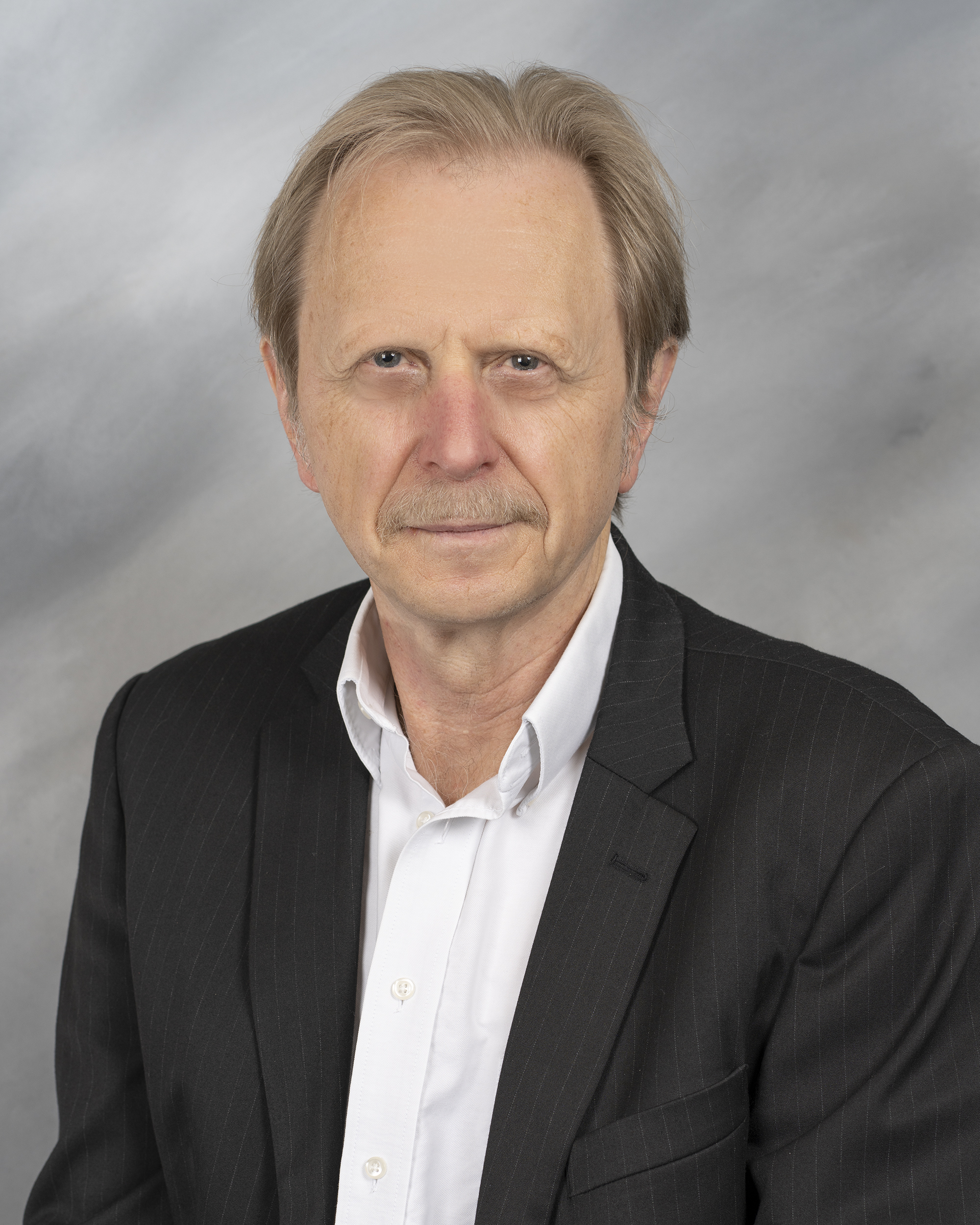
Arunika Das is an Assistant Professor in the Department of Biomedical Sciences at the Cornell University College of Veterinary Medicine , where she leads the Das Lab. Her research focuses on the genetic and epigenetic mechanisms governing chromosome inheritance during meiosis and early development, with a particular emphasis on centromere biology and aneuploidy. Education: PhD in Cell and Developmental Biology (Rutgers University, 2016), MS in Biochemistry (University of Calcutta, 2009), BS in Chemistry (St. Xavier’s University, 2007) Research Highlights: Investigates centromere inheritance through reproductive and embryonic challenges Studies aneuploidy mechanisms in early embryos Uses mouse, fly, and horse models for comparative genome stability analysis Active in Cornell Center for Reproductive Sciences and Center for Vertebrate Genomics Scientific Awards: Society for the Study of Reproduction - Emerging Investigator Award (2024-2025) S. Walter Englander Postdoctoral Research Award (2022) Keith R. Porter Award Honorable Mention (2022) Marine Biological Laboratory Fellowship (2017) Teaching: Leads curriculum development for a reproductive medicine MS program and teaches in Cornell’s Veterinary School. Mentors graduate, undergraduate, and capstone projects.
Stephen A. Krawetz is a Professor at Wayne State University with dual appointments in the Departments of Obstetrics and Gynecology and Molecular Medicine and Genetics . He serves as the Charlotte B. Failing Professor of Fetal Therapy and Diagnosis and Associate Director of the C.S. Mott Center for Human Growth and Development .
Job Dekker is a Professor holding the Joseph J. Byrne Chair in Biomedical Research at UMass Chan Medical School, where he serves as faculty across multiple departments including Systems Biology, Biochemistry and Molecular Biotechnology, and Bioinformatics and Integrative Biology. His work bridges the T.H. Chan School of Medicine and Morningside Graduate School of Biomedical Sciences, with significant contributions to understanding the three-dimensional organization of genomes. Utrecht University, Utrecht, Netherlands: MS Biology Utrecht University, Utrecht, Netherlands: PhD Physiological Chemistry Dekker's research focuses on the fundamental question of how chromosomes are organized in three-dimensional space and how this organization influences gene regulation. As a pioneer in chromosome conformation capture technologies (particularly Hi-C), his laboratory investigates long-range gene regulation, higher-order chromosome organization, and the mechanisms of chromatin folding. The lab employs a multidisciplinary approach combining cell culture, protein biochemistry, microscopy, genomics, and computational modeling to address these questions. Analysis of Dekker's recent publications reveals a continued focus on the structural principles governing chromosome organization, with particular emphasis on mitotic chromosome formation, loop extrusion mechanisms, and the role of cohesin and condensin complexes. His work spans multiple model systems and has increasingly incorporated multi-omics approaches to understand how 3D genome architecture relates to cellular function in both normal and disease states. Member, National Academy of Sciences (2022) Member, National Academy of Medicine (2021) EMBO Associate Member (2020) International Award of the Biochemical Society (2018) Novitski Prize of the Genetics Society of America (2018) Investigator, Howard Hughes Medical Institute (2015) Fellow, American Association for the Advancement of Science (2014) As Principal Investigator of the Dekker Lab within the Program in Systems Biology, Dekker has secured substantial funding including his HHMI Investigator position, which supports his research into chromosome organization. His laboratory offers multiple rotation projects for graduate students focusing on long-range gene regulation and chromosome organization using high-throughput genomics technologies. Dekker's work has been instrumental in developing and refining chromosome conformation capture techniques that are now widely used across the genomics field. The Dekker Lab is a leader in the 4D Nucleome field, contributing significantly to our understanding of how chromosomes fold in three-dimensional space and how this organization changes over time (the fourth dimension). His research group continues to push the boundaries of chromosome conformation capture technologies, developing new methodologies to investigate genome architecture at increasingly higher resolutions and across diverse biological contexts.
Professor Anne Ferguson-Smith is a leading mammalian developmental geneticist and epigeneticist at the University of Cambridge, holding the Arthur Balfour Professorship of Genetics. As Pro-Vice-Chancellor for Research, she oversees the university's research strategy while maintaining her laboratory's focus on genomic imprinting and epigenetic inheritance . Her work bridges experimental and computational approaches through affiliations with the Cambridge Stem Cell Institute, Cambridge Neuroscience, and the Centre for Trophoblast Research. Research in her lab investigates epigenetic mechanisms in developmental processes , particularly through the lens of Dlk1-Dio3 imprinted domain studies. Current themes include: Stem cell epigenetic programming Environmental modulation of epigenetic states Role of repetitive elements in genomic regulation Her group integrates mouse and zebrafish models with high-throughput genomics and mathematical modeling . Key collaborations include: Wellcome Trust UKRI Medical Research Council BBSRC NIH Scientific honors include: Elected EMBO Member (2006) Academy of Medical Sciences (2012) Fellow of the Royal Society (2017) Commander of the Order of the British Empire (CBE) The lab maintains family-friendly research practices and actively participates in interdisciplinary collaborations across Cambridge and internationally.
Ralph G. Meyer is a Professor and Department Head at the College of Veterinary Medicine , Utah State University (USU). He holds a PhD in Molecular Cell Biology (University of Kaiserslautern, 1998) and completed postdoctoral training in Molecular Toxicology at University of Tuebingen and University of Arizona. Education : PhD (1998), MS (1994) in Molecular Cell Biology Academic Roles : Faculty at University of Pennsylvania, Interim Head at USU CVM’s VCLS department Research Interests focus on: Reproductive toxicology and developmental biology Epigenetic regulation of sperm chromatin NAD+ metabolism in aging and disease Scientific Awards : Biology of Reproduction Top Reviewing Editor (2017, 2018) NIH Ruth-Kirschstein-NRSA Fellowship (T32, 2002-2004) Edward A. Smuckler Memorial AACR Poster Award (2004) Teaching : Course director for Fundamentals of Pharmacology (VM7522) and Veterinary Toxicology (VM7523) since 2013. Mentored graduate students including Renata Hoskova and Chelsea Ketchum.
Professor Adele Murrell is a Professor of Epigenetics in the Department of Life Sciences at the University of Bath's Faculty of Science. She serves as Co-Director of the Centre for Therapeutic Innovation and is affiliated with both the Centre for Mathematical Biology and the Centre for Bioengineering & Biomedical Technologies (CBio). She is currently accepting doctoral students and maintains an active research program with multiple ongoing projects. Her research focuses on understanding how cells establish and maintain their specific identities through epigenetic mechanisms. Her work centers on epigenetic barriers and cell identity, genomic imprinting as a model epigenetic system, long-range epigenetic silencing in cancer, and epigenetic reprogramming during metastasis. She investigates how higher-order chromatin structure and epigenetic modifications shape the genome within the nucleus to constitute cell identity and provide memory of developmental origins. Her current work examines colon cancer and liver metastasis, focusing on changes in DNA methylation and its demethylation intermediates such as 5-hydroxymethylcytosine. Analysis of Professor Murrell's recent publications reveals a strong focus on DNA hydroxymethylation patterns in cancer progression, particularly in colorectal cancer metastasis. Her work bridges molecular epigenetics with clinical applications, exploring how epigenetic changes during metastasis could be targeted to prevent cancer spread. She has developed novel techniques for detecting epigenetic modifications and has made significant contributions to understanding allele-specific chromatin domains and genomic imprinting mechanisms. Professor Murrell leads multiple research projects including 'Two stages of genome wide 5-hydroxymethylcytosine (5hmC) reprogramming during colorectal carcinogenesis and liver metastasis' funded by the MRC until February 2024, and 'Modelling the fits and starts of how genes burst into expression' funded by The Leverhulme Trust until June 2024. She was also a Co-Investigator on the 'Multi User High-Content Confocal Microscope' project funded by the Biotechnology and Biological Sciences Research Council. Her laboratory work connects with UN Sustainable Development Goals, particularly those related to health and well-being. Her fingerprint analysis shows strong activity in Epigenetics (100%), DNA Methylation (94%), Allele research (73%), Methylation studies (69%), Genomic Imprinting (60%), CTCF research (56%), Promoter Region analysis (44%), and Differentially Methylated Regions (34%).
Professor Nynke Dekker leads the Nynke Dekker Lab at the Department of Bionanoscience, Kavli Institute of Nanoscience, Delft University of Technology. Her research focuses on unraveling the dynamics of DNA and RNA replication through single-molecule biophysics and advanced biochemical approaches. The lab will relocate to the University of Oxford in summer 2024. BSc (Physics & Applied Mathematics) - Yale University MSc (Physics) - Leiden University PhD (Physics) - Harvard University Using state-of-the-art single-molecule fluorescence and force spectroscopy techniques, her lab investigates: Real-time tracking of replication machinery Interactions in eukaryotic, bacterial, and viral systems Chromatin and epigenetic replication dynamics Biomedical applications of replication studies Drug-induced mutation mechanisms Physiological condition monitoring The lab's publications highlight technological innovations (e.g., integrated force-fluorescence microscopy) and mechanistic studies of replication processes, with applications in both fundamental biology and biomedical research.
Yi Zhang serves as the Fred Rosen Professor of Pediatrics at Boston Children's Hospital and Professor of Genetics at Harvard Medical School, leading pioneering research in epigenetic regulation and disease mechanisms. His academic journey includes: BS from China Agriculture University (1984) PhD from Florida State University (1995) Postdoctoral training at Robert Wood Johnson Medical School of UMDNJ Dr. Zhang's work centers on epigenetic modifications , particularly DNA methylation and histone dynamics, investigating their critical roles in: Chromatin structure and gene expression control Embryonic development and cell lineage specification Stem cell pluripotency and reprogramming Disease pathogenesis including cancer, diabetes, and neurological disorders His lab's identification of key enzymes (Tet family, EZH2, JmjC proteins) established foundational knowledge for epigenetic drug development, directly enabling Epizyme's creation and FDA-approved therapy tazemetostat. Publications consistently focus on epigenetic enzyme mechanisms, with recent work examining DNA methyltransferases' developmental roles and advancing single-cell epigenomic analysis techniques. Major recognitions include: National Academy of Medicine election (2023) Howard Hughes Medical Institute Investigator (2005) Gertrude B. Elion Cancer Research Award Kimmel Scholar Award Chinese Biological Investigators’ Society Senior Investigator Award While specific grant details and student mentorship records aren't provided in source materials, his lab maintains significant research operations through institutional affiliations. The Zhang Laboratory employs cutting-edge methodologies including single-cell live imaging, stem cell differentiation systems, and advanced mouse genetics to dissect epigenetic mechanisms in disease contexts.
Prof. Dr. Felix Jonas is an Assistant Professor of Biochemistry at the School of Science, Constructor University Bremen, Germany. He leads research on the biochemistry of gene regulation , focusing on molecular mechanisms governing transcription factor function and chromatin dynamics in Saccharomyces cerevisiae . His work integrates CRISPR-Cas9, Next-Generation Sequencing, and computational data analysis. Education: B.Sc. in Molecular Life Sciences (University of Luebeck), M.Sc. in Biology: Cell Biology (ETH Zurich), Ph.D. in Bioengineering (Imperial College London) Work Experience: Postdoc/Senior Postdoc at Weizmann Institute of Science (2017-22), Visiting Student at Weizmann Institute (2015-16), International Program Associate at RIKEN (2011) Teaching: General Biochemistry (CH-100-B), Introduction to Bioinformatics (JTMS-10), Current Topics in Life Sciences (CA-BCCB-801), Advanced Biochemistry II - Molecular Genetics (CO-403-A) His research explores transcription factor target search , histone dynamics , and chromatin structure-function relationships . Recent publications highlight discoveries in nucleosome replacement, protein disorder grammar, and histone acetylation impacts on replication. Articles emphasize interdisciplinary approaches to eukaryotic gene regulation and systems biology. Visit his lab’s PhD recruitment page or watch his Fragile Nucleosome Talk for deeper insights into his work.
Katherine A. Hoadley, PhD, is an Associate Professor in the Department of Genetics at UNC School of Medicine and a member of the UNC Lineberger Comprehensive Cancer Center. Her lab specializes in cancer biology through gene expression analyses and integrative genomic approaches , with a focus on breast cancer and pan-cancer projects. Key Affiliations : UNC Lineberger Comprehensive Cancer Center Computational Medicine Program Research Themes : Multi-omics cancer characterization Immune landscape mapping Proteogenomic therapeutic targeting Clinical trial genomic analysis Scientific Recognition : Clarivate Analytics Highly Cited Researcher (2018–2024) Breast Cancer Research Foundation Award (2020) Clinical Research Forum Awards (2015) Her work contributes to precision oncology through large-scale initiatives like The Cancer Genome Atlas (TCGA) and the Genomic Data Analysis Network (GDAN) , with applications in RNA sequencing analysis and clinical trial optimization .
Xu Shi is an Associate Professor in the Department of Biostatistics at the University of Michigan. Previously, they held a postdoctoral fellowship at Harvard’s Data Science Initiative (2017) under Tianxi Cai and Eric Tchetgen Tchetgen. Their research focuses on statistical methods for administrative healthcare data, electronic health records (EHR), and causal inference. Key projects include developing scalable pipelines for EHR curation, causal inference methods for comparative effectiveness studies, and co-leading the FDA’s Sentinel Initiative Innovation Center’s Causal Inference Core. Education: Ph.D. in Biostatistics from University of Washington (201?), B.S. in Mathematics & Applied Mathematics from Zhejiang University, China. Research emphasizes harmonizing distributed EHR data, addressing unmeasured confounding in air pollution studies, and rare adverse event analysis through flexible propensity score methods. They also explore medical knowledge extraction from ICD code patterns and natural indirect effect estimation robust to measurement errors. Awards: None explicitly listed. Grants & Advising: No specific grants or students listed, but their work involves collaborative initiatives like the FDA Sentinel Program. Labs/Teams: Active in the Causal Inference Core and distributed healthcare data partnerships with institutions like Henry Ford Health System and Kaiser Permanente.
Effie Apostolou serves as Associate Professor of Molecular Biology in Medicine at Weill Cornell Medicine's Department of Medicine, Division of Hematology/Oncology and Cancer Center. She leads the Chromatin Organization & Cell Fate Decisions laboratory within the vibrant Tri-Institutional research community (Weill Cornell, Rockefeller University, Memorial Sloan Kettering). Her research focuses on the critical interplay between transcription factors, 3D chromatin architecture, and transcriptional regulation during cell fate decisions. Key areas include somatic cell reprogramming to induced pluripotent stem cells (iPSCs), epigenetic inheritance of cell identity, and dysregulation in cancer. Her lab utilizes cutting-edge 4D genomics approaches including Hi-C, ChIP-seq, and CRISPR-based technologies to build molecular roadmaps of cellular transitions. Analysis of her publication record reveals consistent focus on chromatin topology mechanisms across developmental and disease contexts. Her work spans fundamental discoveries in mitotic bookmarking (2021), enhancer-promoter networks (2019), and epigenetic barriers to reprogramming (2012-2013), demonstrating interdisciplinary integration of computational and experimental genomics. Scientific recognition includes: NIH Director's New Innovator Award Emerging Leader Award from the Mark Foundation EMBO Postdoctoral Fellowship Jane Coffins Child Foundation Fellowship As a dedicated mentor, she advises multiple PhD students across BCMB, PBSB, and Tri-I CBM programs while maintaining a multicultural lab environment with members from over 10 nationalities. Her research is supported through the 4D Nucleome Consortium and focuses on translating chromatin architecture insights into therapeutic applications for cancer and regenerative medicine.
Professor Ian Henderson is a leading academic in the Department of Plant Sciences at the University of Cambridge, affiliated with the School of Biological Sciences. He holds the title of Professor of Genetics and Epigenetics and has been a Royal Society University Research Fellow and Gatsby Resident Fellow since 2008. Education: BA in Biological Sciences (University of Oxford, 1997-2000); PhD in Plant Genetics (John Innes Centre, 2000-2004) under Prof. Caroline Dean His research focuses on genetic and epigenetic control of meiotic recombination in plant genomes, with an emphasis on crossover frequency, chromatin interactions, and centromere evolution. His group uses model organisms like Arabidopsis thaliana , wheat, potato, and oak trees. Key trends in his recent publications include centromere genomics , epigenetic regulation of recombination , and application of long-read sequencing to resolve complex genomic regions. Collaborations with agro-biotech companies (Bayer Biosciences, Solynta) aim to translate findings into crop breeding technologies. Scientific Awards EMBO Member (2022) Society for Experimental Biology President's Medal (2013) Royal Society University Research Fellow (2008-2016) Gatsby Research Fellow (2008-2016) EMBO Long Term Fellowship (2004-2008) Professor Henderson's work bridges fundamental research on plant genome evolution with applied strategies to control recombination for climate-resilient crops. His lab employs advanced techniques including nanopore sequencing , ChIP , and high-performance computing for genome analysis.
Julie Ahringer is Professor of Genetics and Genomics at the University of Cambridge and Director of the Wellcome Trust/Cancer Research UK Gurdon Institute. She leads a research group investigating chromatin structure and gene regulation using C. elegans as a model system. Her work integrates genomics, super-resolution microscopy, and computational approaches to understand epigenetic controls in development and disease. She holds fellowships from the Royal Society (FRS) and Academy of Medical Sciences (FMedSci). Research Focus: Her laboratory studies chromatin regulation mechanisms including heterochromatin formation, Polycomb domain function, genome architecture, and enhancer/promoter interactions. Key approaches include single-cell multiomics, high-throughput genomics, and super-resolution microscopy to analyze developmental trajectories. Research areas span: H3K27me3 domain formation and Polycomb repression Constitutive heterochromatin organization Regulatory element characterization 3D genome architecture via ARC-C technology Single-cell resolution developmental mapping Awards & Honors: Fellow of the Royal Society (FRS) Fellow of the Academy of Medical Sciences (FMedSci) Wellcome Senior Research Fellowship Academic Leadership: She mentors PhD students and postdoctoral researchers, with funding from Wellcome, MRC, and CRUK. Her lab develops open-source bioinformatics tools (VplotR, periodicDNA) and maintains the genome-wide C. elegans RNAi feeding library. Lab & Collaborations: The Ahringer Lab is based at the Gurdon Institute and collaborates widely on chromatin dynamics, nuclear organization, and developmental genomics projects across model organisms.
Wendy P. Robinson is a Professor in the Department of Medical Genetics at the University of British Columbia Faculty of Medicine , and a Senior Scientist at the BC Children’s Hospital Research Institute . She holds the CIHR Sex and Gender Science Chair . Research Interests: Genetics and epigenetics of early human development, placental function in pregnancy complications (fetal growth restriction, preterm birth), DNA methylation, non-coding RNA, sex differences, and polymorphisms. Her lab employs genomic and bioinformatic tools to study placental health and its impact on newborn outcomes. Recent Publications (2025-2024) focus on X-chromosome inactivation patterns in placenta, cell-type specific DNA methylation, maternal socioeconomic effects on placental epigenetics, and modeling placental development with organoids. Key themes include sex-specific epigenetic regulation , maternal-fetal interactions , and human placental methylome . Awards: UBC Faculty of Medicine Distinguished Achievement Award (2018), with trainees receiving the James Miller Memorial Prize and Mary-Jane Carroll Trainee Award. Students & Collaborations: Supervised PhD/MSc students include Li Qing Wang, Icíar Fernández Boyano, Giulia Del Gobbo, Victor Yuan, and Magda Price. Collaborators span the Alex Beristain Lab and University of Toronto institutions. Laboratory Activities: Regular team-building events like mountain hikes, climbing outings, and kayaking trips, alongside providing open access to epigenetic tools (e.g., Bisearch, SeqDoc) for the research community.