

G. Petur Nielsen, MD is a Professor of Pathology at Harvard Medical School and serves as Subspecialty Head, Bone and Soft Tissue Pathology at Massachusetts General Hospital . With a clinical focus on bone and soft tissue tumors, his expertise spans diagnostic pathology, molecular genetics of neoplasms, and ancillary testing applications. Research interests center on Pathology and biology of bone/soft tissue tumors Molecular genetics of bone and soft tissue neoplasms Chordoma and sarcoma research Epithelioid vascular tumor differentiation Mesenchymal tumors of the female genital tract His work includes landmark studies on tumor misdiagnosis rates, immunohistochemical profiling, and genomic analysis of chordomas. Scientific contributions appear in leading journals like Nature and American Journal of Surgical Pathology , with major emphasis on Molecular tumor classification Mutational signature analysis Translational oncology Diagnostic accuracy improvement Genomic instability mechanisms
جستجوی استاد راهنمای دانشگاهی
برای مسیر پژوهشیتان، استاد راهنما، استاد دانشگاه و پژوهشگر مناسب را پیدا کنید و با آنها ارتباط بگیرید.
نمایش ۱-۵ از ۵ استاد راهنما
اطلاعات پروفایلها از صفحات عمومی دانشگاهها گرفته شده و ممکن است بهروز نباشد.
Professor J. Debus is a distinguished academic in Radiation Oncology at Heidelberg University's Medical Faculty, with extensive research focused on particle therapy, medical physics, and cancer treatment optimization. His work spans clinical trials, radiobiology, and technical innovations in radiation delivery systems. Primary Affiliation: German Cancer Research Center (DKFZ), Heidelberg Research Focus: Particle therapy, radiation oncology, medical physics Key Collaborations: Mein S., Liew H., Tessonnier T., and other leading researchers in radiation oncology Professor Debus' research interests center on advancing particle therapy techniques including proton, carbon ion, and emerging modalities like helium and oxygen ion therapy. His work addresses critical challenges in radiation oncology such as normal tissue sparing, hypoxia-induced radioresistance, and precision treatment delivery. He has made significant contributions to understanding the biological effects of different radiation types and optimizing treatment protocols for various cancer types including head and neck cancers, brain metastases, and prostate cancer. His recent publications demonstrate leadership in clinical trials (GUARD, ESTRON, PROBASE) and technical innovations in radiation delivery systems, particularly in the emerging field of FLASH radiotherapy and ultra-high dose rate treatments. Professor Debus has published extensively on treatment planning optimization, radiation-induced biological effects, and imaging techniques for precise radiation delivery. Leading clinical trials in particle therapy Developing novel techniques for normal tissue protection Advancing understanding of radiation biology across different modalities Professor Debus has secured significant research funding for his work in radiation oncology and particle therapy. His research has contributed to clinical implementation of advanced treatment techniques at the Heidelberg Ion-Beam Therapy Center (HIT), one of the world's leading facilities for particle therapy. He supervises numerous doctoral students and postdoctoral researchers in the radiation oncology field. His laboratory and research team focus on translational research bridging basic radiobiology with clinical applications, with particular emphasis on optimizing treatment protocols for challenging tumor types and improving patient outcomes through precision radiation therapy.

Ivan Chebibمشاهده پروفایل
دانشیار
Ivan Chebib, MD is an Associate Professor of Pathology at Harvard Medical School and serves as Director of the Cytopathology Laboratory and Fine-Needle Aspiration Biopsy Service at Massachusetts General Hospital. He is board certified in Anatomic Pathology and Cytopathology by the American Board of Pathology and is certified as a fellow of the Royal College of Physicians of Canada. Dr. Chebib's educational background includes an MD from the University of Alberta, residency training at Foothills Medical Center, and fellowship training at Massachusetts General Hospital. His clinical focus encompasses cytopathology and bone and soft tissue surgical pathology. His research interests center on cytopathology and bone and soft tissue pathology, with particular expertise in immunohistochemistry. Dr. Chebib currently serves as the medical director of the Immunohistochemistry Laboratory at Massachusetts General Hospital. His publications span a range of topics including sarcoma diagnostics, bone pathology, and molecular characteristics of rare tumors. His recent work shows a strong focus on molecular pathology approaches to sarcoma diagnosis and classification, with publications in high-impact journals including Nature Medicine and Nature Communications. His research often addresses diagnostic challenges in bone and soft tissue tumors, with emphasis on improving diagnostic accuracy and understanding molecular mechanisms. As Director of the Cytopathology Laboratory, Dr. Chebib oversees all types of cytologic specimens including gynecologic and non-gynecologic cytology and fine needle aspiration biopsy services. The laboratory is staffed by eight cytopathologists, seven cytotechnologists, and other technical personnel, and is accredited for three cytopathology fellows. Dr. Chebib actively participates in teaching programs for residents and fellows at the hospital and medical school, contributing to the development of future pathology leaders. His work bridges clinical practice, diagnostic innovation, and research to advance the field of cytopathology and surgical pathology.

Prof. Dr. Sebastian Bauer is a leading oncologist and academic researcher at the University of Duisburg-Essen, affiliated with the Medical Faculty and the West German Cancer Center (WTZ) at University Hospital Essen. He leads the Translational Sarcoma Research group, focusing on soft-tissue sarcomas, particularly gastrointestinal stromal tumors (GIST). His work integrates molecular oncology, preclinical modeling, and clinical trials to advance targeted therapies. Research Interests: His research spans translational cancer research , oncogenetic signaling pathways , tyrosine kinase inhibitors , preclinical cancer models , and drug development . He investigates mechanisms of resistance in GIST and evaluates novel therapeutic agents in clinical settings. The recent publication trends highlight a strong focus on targeted therapies (e.g., avapritinib, ripretinib), biomarker discovery (ctDNA, neoantigens), and combination therapies in sarcomas. His work frequently appears in high-impact journals such as Nature Communications and Clinical Cancer Research , reflecting significant contributions to clinical oncology and molecular therapeutics. Scientific Awards: No specific awards mentioned in the provided text. Advising and Grants: While specific student names are not listed, Prof. Bauer leads a research group and participates in PhD programs through the ZMB (Center for Molecular Biomedicine), indicating active mentoring. His research is supported by national and international collaborations, including DFG, EU programs, and industry partnerships, particularly in drug licensing and clinical trials. Labs and Teams: He heads the Translational Sarcoma Research group at WTZ Essen, collaborating closely with institutions like TU Dortmund and the Max Planck Institute. His team works on drug discovery, proteogenomics, and clinical trial design, contributing to the development of novel therapies for rare cancers.
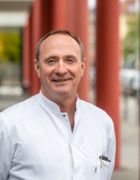
Prof. Bernhard Meyer is a Professor of Neurosurgery at the Technische Universität München (TUM), leading the Chair of Neurosurgery since 2006. His research focuses on vascular, oncological, and spinal neurosurgery, with notable contributions to stereotactic radiotherapy for brain metastases and spinal tumor management. Meyer studied medicine at the Universities of Padua and Erlangen-Nürnberg, with international training at institutions like the Northwestern University in Chicago and completed his habilitation in neurosurgery at the University of Bonn. Professional roles include former President of the Deutsche Gesellschaft für Wirbelsäulenchirurgie (2019) and leadership in EuroSpine and the European Association of Neurosurgical Societies. His work emphasizes translational research, surgical innovation, and clinical outcomes in neuro-oncology and spinal disorders. Key publications address tumor control strategies, surgical techniques for spinal pathologies, and the impact of biotic factors on neurological conditions. Education: MD: Universities of Padua (Italy) and Erlangen-Nürnberg (Germany) PhD: Institute of Human Genetics, University of Erlangen-Nürnberg (1989) Neurosurgical Training: Tübingen, Duisburg, Bonn, with international stints in Zurich and Phoenix, AZ Meyer’s research integrates clinical practice with cutting-edge technologies, such as radiomics and robotic-assisted surgery. His studies on postoperative outcomes, such as in cerebellar infarction and spinal infections, highlight his commitment to improving patient care through evidence-based practices.