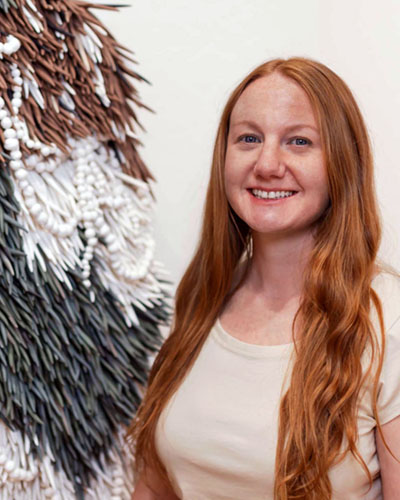
TUĞBA ÖZTÜRK is a Lecturer at Gaziantep University's Naci Topcuoglu Vocational School, Department of Textile, Clothing, Shoes and Leather, where she has taught since 2014. She holds a Proficiency in Arts (2023) from Halic University in Textile and Fashion Design, a Master's (2004) in Garment Industry and Clothing Arts Education from Gazi University, and a Bachelor's (2001) in Clothing Teaching from Gazi University. Her research explores the intersections of art, sustainability, and cultural heritage in fashion. Key interests include: Sustainable fashion practices and biomaterials Art movements (Minimalism, Pop Art, Punk) influencing design Textile innovation and experimental surface treatments Cultural motif applications from historical artifacts Öztürk's publications show strong thematic evolution: recent works (2023-2025) emphasize sustainability and educational research, while earlier outputs (2018-2022) focus on art movement influences and technical processes like draping and weaving. Over 50% of her work addresses ecological or cultural preservation themes. She has led two EU-funded projects: ŞEHRİNİN AYAKKABISINI SEN TASARLA (2022): Designing culturally resonant footwear reflecting Gaziantep heritage AYAKKABI TASARIM VE İMALATI (2021): Shoe design/manufacturing training initiative Öztürk actively curates exhibitions (e.g., Zeugma Defilesi) and participates in international art workshops, with over 50 documented artistic engagements showcasing textile art, mail art, and cultural installations.
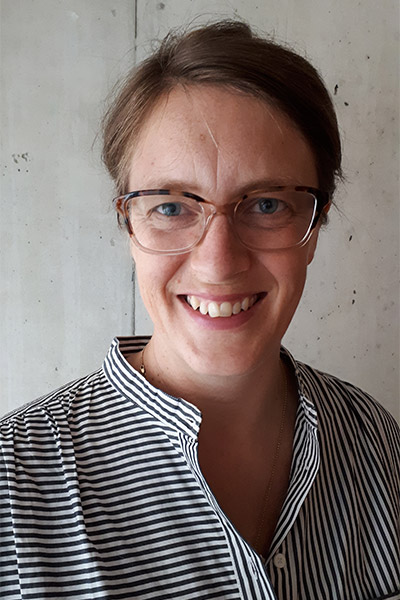
Øyvind Rabbås is a Professor of Philosophy at the University of Oslo, specializing in ancient philosophy with a focus on Plato and Aristotle. He has held this position since 2007, following an associate professorship since 1997, and is affiliated with the Department of Philosophy. MA in Philosophy (1988), University of Oslo PhD in Philosophy (1996), Princeton University His research spans ethics, metaphysics, and methodology in ancient philosophy, emphasizing intersections between historical and systematic approaches. Key interests include Kant and Wittgenstein, alongside skepticism about rigid distinctions between historical and analytical philosophy. Recent projects explore eudaimonia (happiness) in Plato and Aristotle, connecting classical ethical theories to modern debates. His work integrates textual analysis with contemporary philosophical relevance. Academic service includes teaching and supervision at all levels, with courses on ethics, history of philosophy, and specialized seminars on pre-1600 thought. He has translated Aristotle's Nicomachean Ethics and Plato's Theaetetus into Norwegian. Publications emphasize close readings of Platonic dialogues, Aristotle's ethical psychology, and metaphysical frameworks. Collaborations include co-authored works with Nordic scholars in the history of philosophy.
Aleksandra Niemyjska is a researcher at SWPS University's Faculty of Psychology in Sopot, where she works within the Department of Clinical and Health Psychology. She is affiliated with the Institute of Psychology, the Center for Research on Social Behavior, and the Center for Research on Cognition and Behavior. Her work bridges multiple research centers focusing on human cognition, behavior, and social relationships. Dr. Niemyjska's research explores the constructive capacities of the mind from both cultural (folklore, fairy tales, mythologies) and individual perspectives (fantasy-based coping mechanisms). Her work encompasses anthropomorphization, magical thinking, personality susceptibility to fantasy, and mechanisms of kind behavior toward animals, including caring for farm animals and refraining from meat consumption. She has led significant research projects including 'Cognitive and Motivational Determinants of Sympathetic Magic in Close Relationships' (2015-2017) and 'Animal Individualization and Its Relationship to Children's Instrumental Treatment of Animals' (2019-2022), with findings published in journals like the Journal of Social and Personal Relationships. Her extensive publication record demonstrates consistent research output across multiple domains, particularly examining how magical thinking functions in romantic relationships, how people anthropomorphize animals affecting dietary choices, and the psychological mechanisms behind keeping keepsakes as substitutes for human connection. Her recent work has expanded into areas such as religious coping during the pandemic and the psychological effects of unemployment. Dr. Niemyjska teaches courses in personality psychology, psychology of individual differences, and the impact of spirituality and religiosity on health at SWPS University.
Brooke Armstrong is an Assistant Professor of Instruction at the University of Texas in San Antonio , affiliated with the College of Liberal and Fine Arts and the Art & Art History Department . Her practice bridges ceramic sculpture with community engagement , exemplified by collaborative beaded murals. MFA in Ceramic Art, University of Montana (2021) Post-Baccalaureate in Ceramics, University of Colorado (2013) Bachelor of Arts in Political Science and Communication, SUNY Potsdam (2012) Her research focuses on sculptural forms derived from traditional craft, with emphasis on community collaboration , ceramic residencies , and public art installations . Recent works explore the intersection of ceramic beadwork and identity narratives . Key trends in her artistic output include community-driven clay art , interactive installations , and material experimentation . Her exhibitions span international juried shows and collaborative mural projects . Best In Show Award, Greater Denton Arts Council (2024) Juror’s Choice Award, Clay National XVII (2023) Strategic Investment Grant, Montana Arts Council (2022) Armstrong has conducted ceramic workshops at institutions like The Clay Studio of Missoula and BluSeed Studios, fostering community art education . She received a National Endowment for the Arts Fellowship for collaborative mural projects.
Sabine Nöbel is a researcher at the Martin Luther University Halle-Wittenberg, affiliated with the Faculty of Natural Sciences I - Biosciences, Institute of Biology, Zoology, Animal Ecology group. Her work focuses on mate copying, cultural evolution, and social learning mechanisms in insects, particularly Drosophila melanogaster. Current affiliation: Institute of Biology, Zoology, Animal Ecology group, University of Halle Research areas: Mate copying, cultural evolution, social learning in insects Email: sabine.noebel@zoologie.uni-halle.de Nöbel's research explores how social behavior and learning influence mate choice, with studies on neural substrates like mushroom bodies, neurotransmitters (dopamine, serotonin), and genetic factors (Rutabaga). Her work has implications for understanding cultural transmission mechanisms across species. Recent publications demonstrate her focus on mate copying localization in Drosophila brains, comparative studies across species, and theoretical frameworks for cultural evolution. Collaborations include Étienne Danchin, Guillaume Isabel, and others. Her laboratory investigates animal ecology and evolutionary behavioral patterns, using experimental and comparative methods to uncover the biological basis of social learning.
Professor Ilya Parkins serves as Associate Department Head and Professor in the Gender, Women and Sexuality Studies department within the Irving K. Barber Faculty of Arts and Social Sciences at the University of British Columbia's Okanagan campus. With a PhD in Social and Political Thought from York University, Parkins holds multiple leadership roles including Undergraduate Program Advisor and Program Coordinator for GWST. Parkins' research focuses on feminist theories, particularly epistemologies; the history and theory of fashion; modernity studies; early twentieth-century cultural formations; femininities; and periodical media. Their current SSHRC-funded project (2020-2024) examines wedding apparel imaginaries and stories of feminist and queer individuals through the lens of political values and fashion, with a companion podcast series available at redressingweddings.com. Analysis of Parkins' recent publications reveals consistent engagement with feminist fashion theory, wedding culture, and the affective politics of dress. Their work explores how clothing functions as both political expression and emotional experience, particularly within queer and feminist contexts. Key themes include the commodification of feminism, the emotional economies of wedding culture, and the relationship between fashion and feminist epistemologies. Provost's Award for Teaching Excellence and Innovation (2013) Parkins teaches courses including Gender, Race, Sexuality and Power I; Women and Popular Culture; Critical Foundations: Feminism and Difference; Perspectives on Gendered Bodies; Feminist Research Methodologies; and Gender, Dress and Fashion: Histories and Theories. They supervise graduate students and have published extensively, including multiple books such as Fashion and Feeling: The Affective Politics of Dress (2023), Fashion, New Feminist Essays (2020), and Poiret, Dior and Schiaparelli: Fashion, Femininity and Modernity (2012).
Dr. Andrew Costanzo is a Senior Lecturer at Deakin University's School of Exercise and Nutrition Sciences , where he serves as Deputy Course Director for undergraduate nutrition science courses. His research focuses on sensory nutrition, particularly how taste perception influences eating behavior and dietary health. PhD, Deakin University Master of Human Nutrition, Deakin University Bachelor of Science, Monash University His work spans fat taste sensitivity , macronutrient sensing , and taste receptor dynamics , with significant contributions to understanding how fat taste detection thresholds relate to dietary fat consumption and satiety responses. His research includes developing novel methodologies for measuring taste sensitivity and analyzing the impact of protein fortification on plant-based milk alternatives. Key publication trends include temporal taste variation , fat replacers in food products , and cross-modal taste interactions (e.g., salt-fat relationships). He has co-authored studies on gustatory physiology , oral-gut chemoreception , and nutritional implications of altered taste perception . Supervised doctoral research on protein-flavor dynamics Teaches units HSN211 and HSN106 Recipient of contract research funding from Wide Open Agriculture Ltd (2023) for lupin protein analysis
Dr. Osvaldo F. Morera is a Professor in the Department of Psychology within the College of Liberal Arts at The University of Texas at El Paso. He serves as the department's primary methodologist and directs the Health, Applied Psychometrics and Judgment/Decision Making Laboratory (HAPPY JDM Lab). His academic profile demonstrates extensive expertise in quantitative methods, psychometrics, and decision science with particular focus on Hispanic populations along the US-Mexico border. Dr. Morera's research interests center on applied psychometrics, with special emphasis on measurement invariance across cultural groups, particularly Hispanic populations. His work spans multi-criteria decision making, test validation, and statistical methodology including regression, experimental design, multilevel modeling, and latent variable modeling. A significant portion of his research examines health decision aids, developing tools based on decision disaggregation principles to help patients make informed healthcare choices. His recent work has expanded into examining health decision-making for blind populations and diabetes management in online communities. His publication record reveals a strong focus on methodological rigor across diverse health contexts. Early work examined statistical mediation analyses and coefficient α reliability, while more recent publications demonstrate expansion into disability studies, particularly regarding blind populations and healthcare access. His research consistently applies advanced quantitative methods to address measurement challenges in cross-cultural and clinical contexts, with particular attention to US Hispanic populations along the border region. The trend shows increasing application of his methodological expertise to health disparities research. As the director of the HAPPY JDM Lab, Dr. Morera oversees research examining judgment and decision-making processes in health contexts. His lab has conducted significant work on culturally adapted interventions, including an after-school health promotion program for Hispanic elementary school children and surveys examining healthcare utilization among Hispanic households in El Paso. The lab's focus on applied psychometrics supports the development and validation of measurement tools that function equivalently across diverse populations.
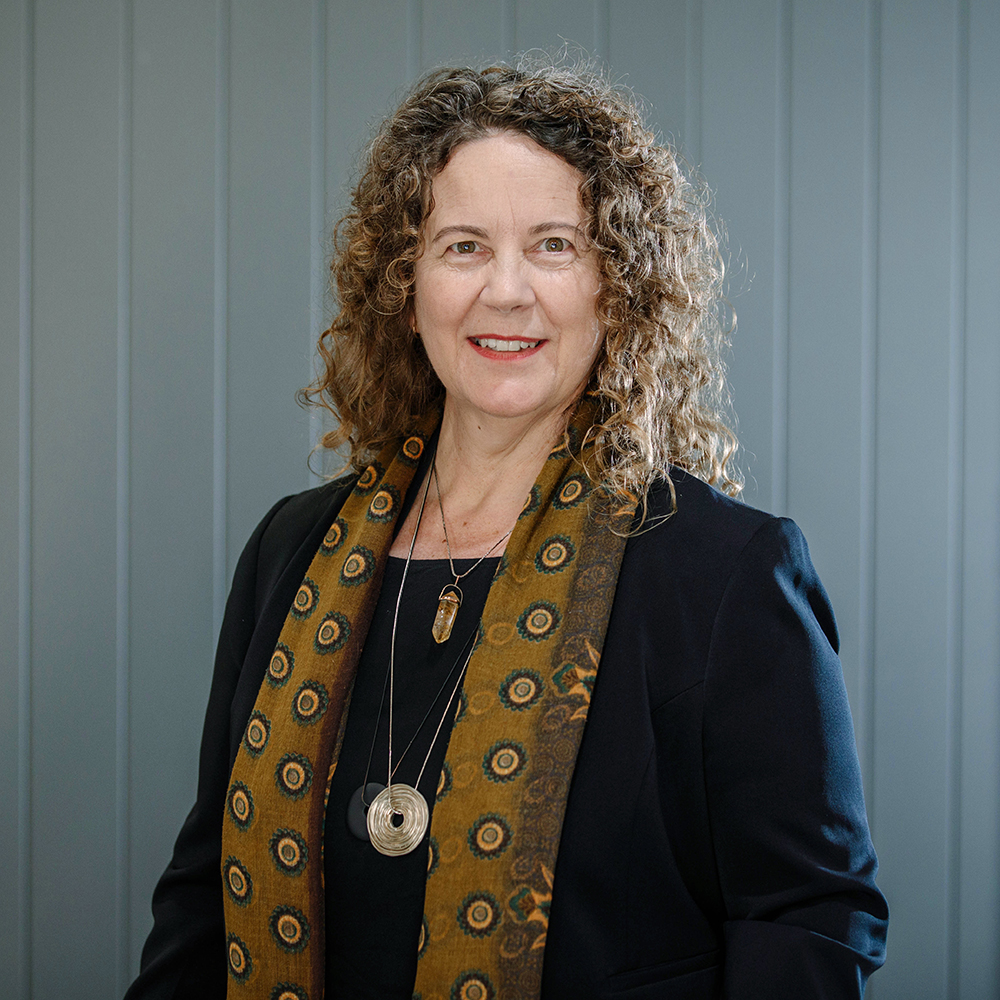
Cristina Noacco is a Lecturer in Medieval French Literature at the University of Toulouse - Jean Jaurès, where she has been employed since September 2002. She serves as Head of Tutoring for Modern Literature, Cinema and Occitan, and coordinates ERASMUS students from Southern Europe for the Heritage, Literature, History (PLH) department. She is affiliated with the Literature and Hermeneutics Research Team (ELH) and maintains an office in Building 18 at the university. Dr. Noacco specializes in French Literature of the Middle Ages (11th-15th centuries), with particular focus on poetics of metamorphosis, courtly-chivalrous literature and ideology, medieval novels of the 12th and 13th centuries, and the reception and adaptation of ancient and Celtic mythology in medieval literature. Her research explores the intersection of writing and the marvelous in medieval texts, with significant contributions to the study of metamorphosis narratives and Grail literature. She has developed a distinctive approach to analyzing how medieval authors transformed classical myths and integrated them into their literary works. Her extensive publication record demonstrates consistent scholarly activity across multiple domains of medieval studies. The most recent works show a growing interest in environmental humanities, particularly in how natural elements like forests, rivers, and specific trees function symbolically in medieval literature. There's also a clear pattern of interdisciplinary work connecting literary analysis with religious studies, cultural geography, and psychological interpretations of medieval texts. Her scholarship frequently bridges French, Italian, and broader European medieval traditions, reflecting her international collaborations and multilingual approach. Cristina Noacco has been actively involved in academic community building through co-organizing numerous scientific events, including seminars and conferences on topics such as allegorical castles, the wild man figure, and metamorphosis in medieval literature. Her collaborative work with scholars like Sophie Duhem, Christophe Imbert, and Jean-Luc Lévrier demonstrates strong research partnerships that have produced significant collective volumes. She has also contributed to public scholarship through radio broadcasts discussing medieval literature for broader audiences.
Nathaniel Daw holds the Huo Professorship in Computational and Theoretical Neuroscience at the Princeton Neuroscience Institute , Princeton University. His research integrates computational, neural, and behavioral approaches to study decision-making through trial-and-error learning and reward/punishment processing. Research Interests: Computational Neuroscience Decision-Making Under Uncertainty Model-Based and Model-Free Learning Neural Mechanisms of Self-Control Publications (2025-2019) explore intersections of machine learning and neuroscience, focusing on reward-guided behavior, memory systems, and psychiatric implications like anorexia nervosa and obsessive-compulsive disorder. Key themes include neural replay, cognitive effort allocation, and predictive modeling of human and animal learning. Scientific Awards: Princeton-Rutgers $16M Research Grant for mental illness studies Grants and Collaborations: Highlighted by a major interdisciplinary grant with Rutgers University to advance understanding of mental illness through computational frameworks. Labs and Teams: Leads the Daw Lab at Princeton Neuroscience Institute, focusing on neurocomputational models of decision-making and self-control.
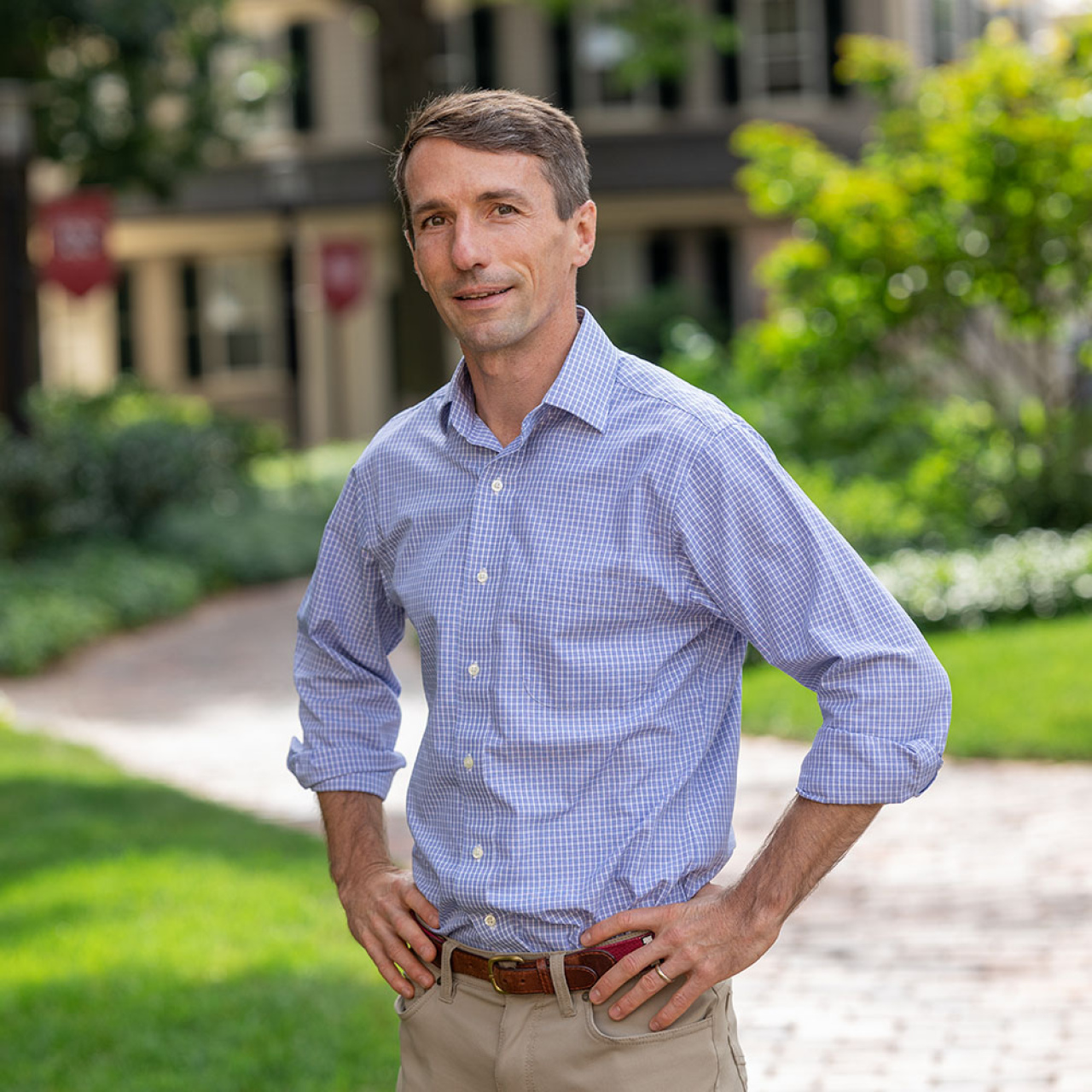
Martin West serves as the Academic Dean and Henry Lee Shattuck Professor of Education at the Harvard Graduate School of Education. He holds multiple significant roles including faculty research fellow at the National Bureau of Economic Research, editor-in-chief of Education Next journal, and deputy director of the Program on Education Policy and Governance at the Harvard Kennedy School. West also contributes to educational governance as a member of both the Massachusetts Board of Elementary and Secondary Education and the National Assessment Governing Board. His research expertise spans critical areas of contemporary education: Education Policy and Reform Assessment and Student Achievement Education Finances and Resource Allocation Inequality and Education Gaps Social Emotional Learning Teachers and Teaching K-12 Education Politics West's scholarly work employs rigorous quantitative methods to analyze how education policies affect student learning and non-cognitive development. His research often examines school choice mechanisms, accountability systems, and the complex relationship between federal, state, and local education governance. His forthcoming work on school consolidation reflects his ongoing interest in how school organization impacts student outcomes. Analysis of West's publications reveals a consistent focus on evidence-based education policy. His work spans comparative international studies of education systems, analyses of U.S. education law and policy, and examinations of how political dynamics shape educational decision-making. Recent publications show increasing attention to the role and structure of federal education policy, culminating in his February 2025 EdCast discussion about the U.S. Department of Education. West maintains active engagement with education policy through multiple channels. His work with the Brookings Institution as a nonresident senior fellow connects his academic research to practical policy development. His service on state and national education boards demonstrates how his scholarship directly informs educational governance. As Academic Dean, West oversees the academic direction of HGSE while continuing his research agenda. His background includes significant policy experience, having served as senior education policy advisor to the U.S. Senate Committee on Health, Education, Labor, and Pensions during 2013-14, and prior teaching positions at Brown University.
Patricia Frances Moore Johansen (known as Pat Moore) is a Full Professor at Pablo de Olavide University in the Department of Philology and Translation . Her work focuses on bilingual education, particularly Content and Language Integrated Learning (CLIL) pedagogy, and translanguaging practices in multilingual classrooms. PhD in Philology and Translation (2009) from Pablo de Olavide University Research areas: Applied Linguistics, Discourse Analysis, Language Policy Co-editor of the book Conceptualising Integration in CLIL and Multilingual Education (2016) Her research explores: Language integration mechanisms in CLIL Teacher role evolution in bilingual contexts Language choice motivations in multilingual classrooms Native-speaker norms critique in EFL Geopolitical dimensions of English in academia Competence-based assessment in language education Key collaborations include work with Dr. Francisco Lorenzo Bergillos and Kyria Rebeca Finardi (Brazil). She actively contributes to understanding how communicative needs drive language acquisition and how institutions can support realistic bilingual attainment models.
Professor Gail Robinson is a distinguished clinical and cognitive neuropsychologist with a joint appointment at the Queensland Brain Institute (QBI) and the School of Psychology at the University of Queensland. She serves as a Professorial Research Fellow at QBI and Professor at the School of Psychology within the Faculty of Health, Medicine and Behavioural Sciences. Professor Robinson founded the Neuropsychology Research Clinic at the University of Queensland and has been Director of the Clinical Neuropsychology Doctoral programme during two separate periods (2010-2018 and again from 2023). Professor Robinson completed her academic training with a Bachelor of Science (Advanced) and Masters at the Australian National University, followed by a PhD in clinical neuropsychology from University College London. Her career spans over 25 years, with 14 years spent at the National Hospital of Neurology and Neurosurgery in London (1996-2010) before transitioning to an academic position at the University of Queensland in 2010. Her research program bridges theoretical neuroscience with clinical application, focusing on the executive control of language, cognitive assessment methodologies, and management strategies for various neurological conditions. Professor Robinson's work particularly emphasizes neurodegenerative disorders (including dementia), neurodevelopmental disorders, brain tumors, and stroke rehabilitation. She has developed innovative assessment tools, most notably a brief executive language screening test that can predict stroke recovery outcomes in just 20 minutes, demonstrating her commitment to translating research findings into practical clinical applications. Analysis of Professor Robinson's recent publications (2023-2025) reveals a strong focus on executive functions across various neurological conditions, particularly in stroke recovery, dementia diagnosis, and neurodegenerative diseases like ALS. Her work consistently integrates cognitive assessment with neural mechanisms, often using advanced neuroimaging techniques. A notable trend is her development and validation of efficient clinical tools that can be implemented in acute care settings, reflecting her commitment to practical applications of neuropsychological research. ARC Discovery Early Career Researcher Award (DECRA) in 2012 NHMRC Boosting Dementia Research Leadership Fellowship in 2018 Professor Robinson leads the Neuropsychology Core of the large-scale Prospective Imaging Study of Ageing (PISA), a longitudinal NHMRC Dementia Team Research grant. She has successfully attracted both internal and national funding to support her research program. In terms of mentoring, she has supervised numerous students and early-career researchers, with frequent collaborators including Amelia Ceslis, Megan Barker, and Philip Mosley appearing as co-authors on multiple publications. Her leadership extends to directing the Clinical Neuropsychology Doctoral programme, shaping the next generation of clinical neuropsychologists. Professor Robinson's work is conducted through the Neuropsychology Research Clinic at the University of Queensland, which she founded. Her research team spans multiple disciplines, collaborating with experts in neurology, neurosurgery, speech pathology, and cognitive neuroscience. As part of the Queensland Brain Institute, her work benefits from access to state-of-the-art neuroimaging facilities and multidisciplinary research environments. She is also affiliated with the Centre for Motor Neuron Disease Research and the Centre for Health Outcomes, Innovation and Clinical Education (CHOICE), reflecting the breadth of her research impact.
David Gordon serves as Professor and Chair of BBA programs in Accounting, Entrepreneurship, Finance, and Healthcare Management at the University of St. Francis since 2008. Holding a D.B.A. from Argosy University, he has established significant scholarly contributions in economics and finance, recognized by the University of St. Francis Achievement in Scholarship Award (2015). His educational background includes: B.A., University of South Florida M.A., University of South Florida D.B.A., Argosy University Gordon's research critically examines intersections between economic theory and practical applications, with particular focus on behavioral economics deficiencies, Federal Reserve policy mechanisms, and financial education methodologies. His work challenges lexicographic preference models while analyzing thick indifference curves in consumer behavior. He has extensively documented the global ramifications of monetary policy tools and developed pedagogical frameworks for capital asset pricing applications in economic contexts. His publication trajectory reveals consistent emphasis on real-world economic problem-solving, evolving from foundational work on production functions (2010-2011) toward contemporary analyses of healthcare surcharges (2021) and Fed policy tools (2019-2020). Behavioral economics critique remains a throughline, complemented by growing attention to student financial literacy and real estate economics. Key recognitions include: Acton Institute Good Society Grant (2019) University of St. Francis Achievement in Scholarship Award (2015) Multiple 'Best Paper' selections at American Society of Business and Behavioral Sciences conferences across General Economics, Applied Economics, and National/International Issues tracks While specific student mentorship details aren't provided, his research demonstrates sustained grant support through awards like the Acton Institute grant. His scholarly output shows consistent conference participation and journal publications addressing both theoretical economic questions and practical financial education needs. The 2014 'Best Manuscript' selection for work on long-term financial theories highlights the applied relevance of his research.
Amani M. Allen is a Professor of Community Health Sciences and Epidemiology at the University of California, Berkeley School of Public Health, where she also serves as Executive Associate Dean. Her research focuses on race and socioeconomic health disparities, with particular emphasis on the measurement and study of racism as a social determinant of health. Dr. Allen integrates concepts, theories, and methods from epidemiology and the social and biomedical sciences to examine racial inequalities in health across populations, places, and the life course. Dr. Allen considers herself more "exposure" than "outcomes" focused, examining social factors such as race and socioeconomic position as foundational exposures that create and preserve health disparities. Her work employs mixed methods approaches to understand how social exposures determine life experiences differently for various social groups and how these differences become embodied to impact mental and physical health. Research Focus: Race, stress, and health; racism as a social determinant; health disparities; mixed methods research Key Projects: African American Women's Heart & Health Study; Bay Area Heart Health Study; National Validation Study on Measures of Anticipatory Racism Stress Methodological Approach: Integrates quantitative and qualitative data to address internal validity challenges in health disparities research Dr. Allen's publications appear in top scientific journals including the American Journal of Public Health, American Journal of Preventive Medicine, and Psychoneuroendocrinology. Her recent paper examining racial discrimination and biological dysregulation among African American women was named Editor's Choice. Her work has been featured in major media outlets including NPR, CBS, The Guardian, and the SF Chronicle. Chancellor's Award for Institutional Excellence and Equity (2025) Distinguished Graduate Student Mentoring award at UC Berkeley Editor's Choice award in Psychoneuroendocrinology As Principal Investigator of the HEARTs Research Group, Dr. Allen mentors a diverse team of undergraduate and graduate students, postdoctoral scholars, and faculty collaborators. She recently assumed leadership of the Evidence for Action program (E4A) as its Director, succeeding Dr. Nancy Adler. Dr. Allen is actively involved in developing restorative justice training programs through RePAIR and advancing Berkeley Public Health's antiracism-focused curriculum transformation.