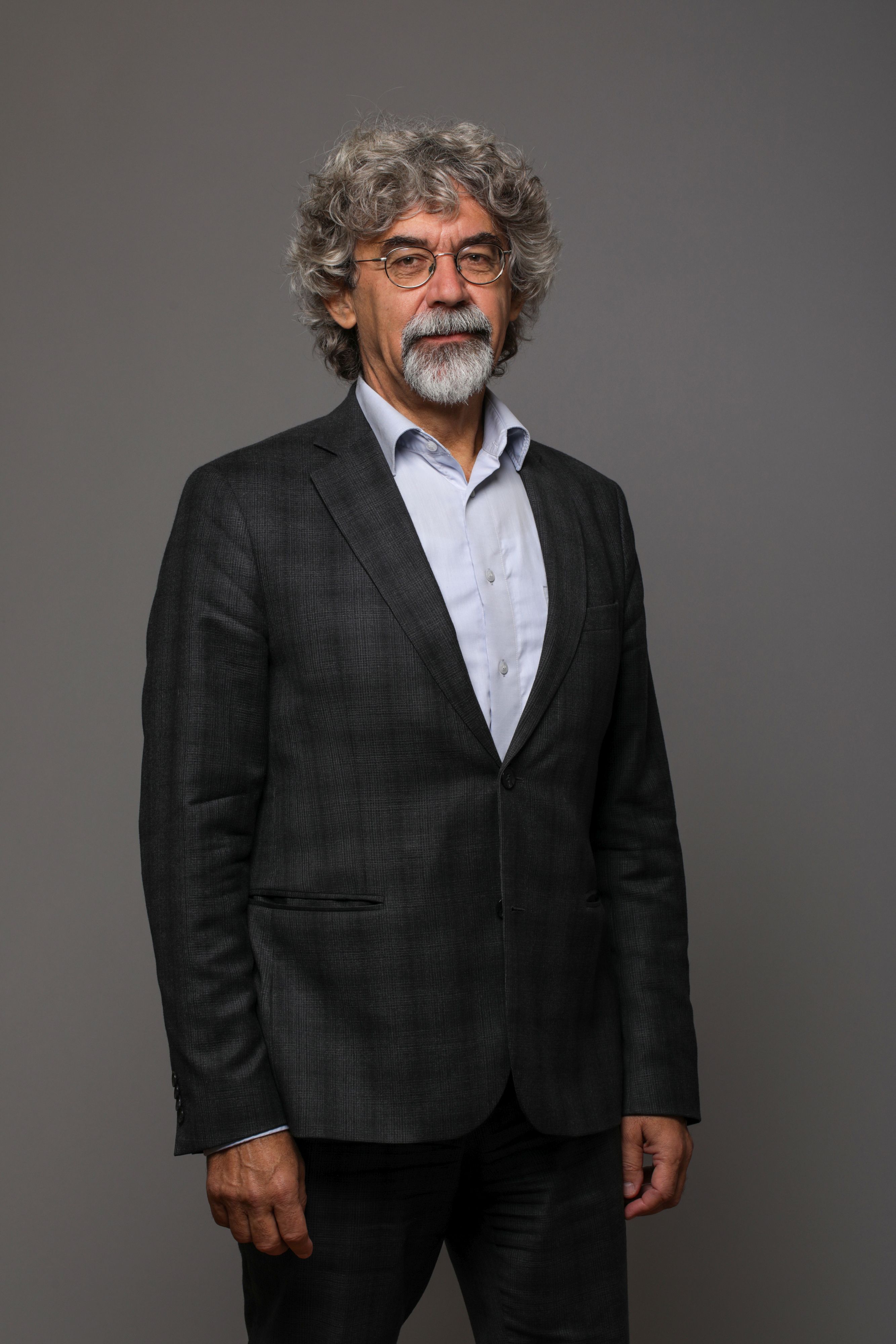
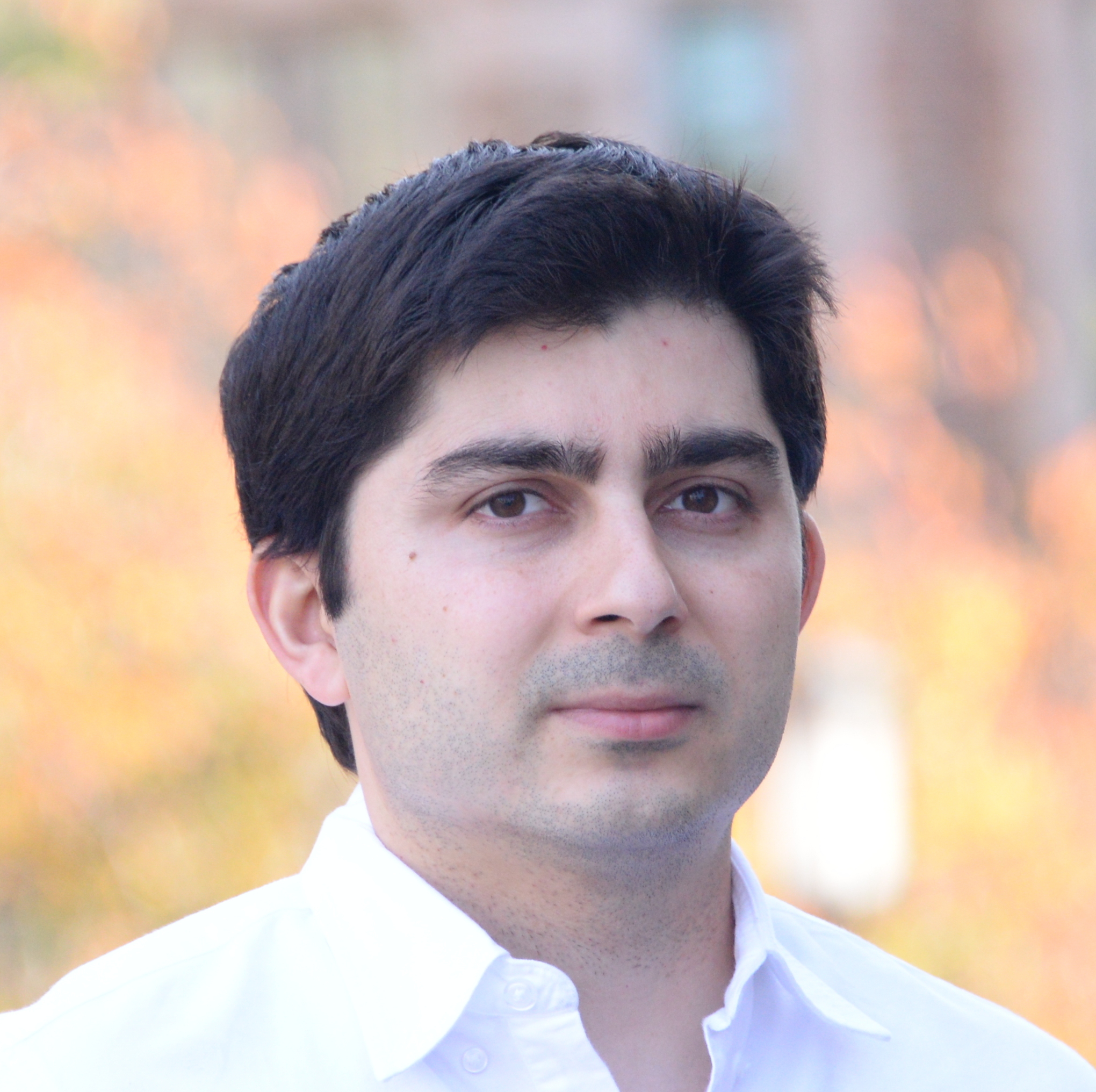
Bram Verstockt is an Assistant Professor at KU Leuven and a staff member in the Department of Gastroenterology and Hepatology at University Hospitals Leuven since 2021. He serves as a member of the LISCO - KU Leuven Institute for Single Cell Omics and holds multiple leadership roles, including Chair of the Young European Crohn's and Colitis Organization (Y-ECCO) (2024-25) and Vice-President of the European Microscopic Colitis Group (EMCG) (2024-present). His research focuses on non-invasive IBD monitoring through intestinal ultrasound and radiomics, alongside translational studies in predictive/prognostic markers for personalized medicine. He investigates IBD heterogeneity (perianal disease, fibrostenotic disease, fatigue) using multi-omic and organoid models and co-founded the international proteomics consortium COLLIBRI in IBD . Prof. Dr. Jan De Grootte Prize (2013) Horlait-Dapsens Prize (2020) KU Leuven Research Council Award (2022) Recent publications highlight his work on IBD comorbidities , predictive biomarker assays , and international guideline development with organizations like ECCO-ESGAR . His clinical and research contributions bridge gastroenterology with advanced imaging technologies .
Jun-Chau Chien is an Assistant Professor of Electrical Engineering and Computer Science at the University of California, Berkeley, and holds the Weber Family Engineering Faculty Fellowship. He is affiliated with the Berkeley Sensor & Actuator Center (BSAC) and the Berkeley Wireless Research Center (BWRC). His research bridges integrated circuits with bio- and quantum technologies, focusing on biosensors, molecular engineering, and mm-wave ICs for biomedical and quantum applications. Education: B.S. and M.S., National Taiwan University Ph.D. in Electrical Engineering, UC Berkeley (2015) Postdoctoral Training, Stanford University (2016–2017) Prior Experience: Research Engineer, Stanford EE (2017–2021) Assistant Professor, National Taiwan University Industrial roles at Xilinx, InvenSense, LifeSignals, and INanobio Research Interests: Analog/mixed-signal IC design for biomedical applications Bioelectronics and implantable/ wearable sensors RF/mm-wave circuits for quantum interfaces and medical imaging CMOS-microfluidics integration for point-of-care diagnostics Advanced calibration techniques for high-frequency devices Awards: 2022 IEEE BioCAS Best Paper Award 2019 IEEE CICC Outstanding Paper Award NSF CAREER Award (2025) MTT-S Graduate Fellowship (2014) Lab & Outreach: Chien Lab focuses on bio-IC convergence and quantum interfaces Develops wearable/implantable biosensors and mm-wave imagers Hosts community outreach programs for junior high/high school students He teaches EE 194 and EE 290 on integrated circuit testing and is actively involved in ISSCC technical committees.
Jennifer Listgarten is a Professor in the Electrical Engineering and Computer Science (EECS) Department, the Center for Computational Biology, and the Bioengineering program at the University of California, Berkeley. She serves as a member of the steering committee for the Berkeley AI Research (BAIR) Lab and holds the Jeffrey Huber and Angel Vossough Chancellor's Chair in Computational Biomedicine. Her multidisciplinary appointments reflect her work at the intersection of computer science, statistics, and biological sciences. Professor Listgarten completed her Ph.D. in Computer Science from the University of Toronto in 2007, following undergraduate degrees in Physics and Computer Science from Queen's University in Canada. Prior to joining UC Berkeley, she spent a decade (2007-2017) at Microsoft Research with positions in Cambridge, MA, Los Angeles, and Redmond, WA. Her research focuses on developing and applying machine learning methods to solve problems in biology and medicine, with current emphasis on protein design, optimization, and engineering for properties such as expression, fluorescence, binding, and stability. She also works on computational chemistry methods, drug repositioning, and machine learning methodology at the intersection of graphical models, neural networks, and variational inference. Her earlier work addressed statistical genetics methods for correcting confounding factors in GWAS, epigenome-WAS, and eQTL studies, as well as immunoinformatics problems including HLA class I epitope prediction. Her recent publications demonstrate a strong trajectory in applying machine learning to protein engineering, with numerous high-impact papers in Nature Biotechnology, Science Advances, and top machine learning conferences. Her work shows increasing integration of computational methods with experimental validation, particularly in CRISPR technology and protein design applications. Bakar Fellows Spark Award (2024) Professor Listgarten actively mentors PhD students through EECS, the Center for Computational Biology, and Bioengineering programs. She maintains scientific advisory roles with several biotechnology companies including Dayzero Diagnostics, Deep Apple Therapeutics, Inscripta, and Fable Therapeutics (where she serves as Academic co-founder). Her research group collaborates with prominent scientists including Chris Garcia (Stanford), Phil Romero (U Wisconsin), David Savage (UC Berkeley), and David Schaffer (UC Berkeley). The Listgarten lab operates within the Berkeley Artificial Intelligence Research Lab (BAIR) and the Center for Computational Biology (CCB), focusing on developing computational methods that enable new biological insights and therapeutic applications, particularly in the areas of protein engineering and CRISPR technology.
Brice Lapin is a Post-Doctoral Researcher at the Institut Curie in Paris, affiliated with the MMBM team (Macromolecules and Microsystems in Biology and Medicine) within the UMR168 unit (Physics of Cells and Cancer). His work bridges biophysics, microsystem design, and cancer cell behavior analysis. Research Focus: Development of multitubular kidney-on-chip models Methodologies: Microfabrication, tissue engineering, biofluidics Applications: Studying renal diseases and cystic pathophysiology
Adrijan Barić is a Researcher at the Department of Electronics, Microelectronics, Computer and Intelligent Systems, Faculty of Electrical Engineering and Computing (University of Zagreb). His work focuses on integrated circuit design, electromagnetic compatibility (EMC), and sensor systems. Expertise in CMOS technology and FPGA-based systems Developed on-chip sensors for stress effects and electromagnetic emissions Contributed to wireless sensor nodes and power converter design His research involves behavioral modeling of integrated circuits, time-domain simulations, and EMC-aware design methodologies. Key projects include: Smart temperature sensors using ring oscillators Conducted emissions analysis in DC-DC converters High-frequency modeling of surface-mount components Contact: adrijan.baric@fer.unizg.hr
Cristina Ionica Øie is a Senior Researcher at the Department of Medical Biology, UiT The Arctic University of Norway, specializing in liver biology and advanced microscopy. She leads the Sugar Crush project (2018-2024), investigating metabolic mechanisms in non-alcoholic fatty liver disease (NAFLD) progression, funded by RCN FRIPRO. As Co-PI of InterNASH , she explores intercellular pathways for NASH treatment, supported by RCN FORNI, Novo Nordisk, and UiT Innovation. Her work bridges cell biology and engineering, using optical nanoscopy to study liver sinusoidal endothelial cell (LSEC) dysfunction. Research focuses: LSEC metabolism, NASH pathogenesis, and super-resolution microscopy. Key techniques: Structured illumination microscopy, photonic chip-based nanoscopy, and transcriptomics. She holds the 2018 Young Researcher Prize from UiT’s Faculty of Health Sciences. Her labs collaborate across disciplines, integrating nanoscopy with functional assays to dissect liver disease mechanisms. Current grants total ~9.6 MNOK, supporting projects like GenSEC (CRISPR screening in LSECs) and equipment acquisition (e.g., Seahorse metabolic analyzer). Publications emphasize LSEC morphology, bacterial phage interactions, and fenestration dynamics, with contributions to journals like npj Gut and Liver and Nature Photonics . Her work advances understanding of liver endothelial biology and therapeutic targets for metabolic liver diseases.
Professor Antoniadis Aristomenis is a faculty member at the Technical University of Crete, affiliated with the School of Production Engineering and Management. His work focuses on advanced manufacturing processes, CAD/CAM simulation, laser engraving, and emerging technologies in materials science and augmented reality applications. He holds a prominent role in the Vice-Chancellor Office, indicating leadership responsibilities within the institution. Key research areas include: Process optimization of machining operations (drilling, hobbing, skiving) Laser-material interaction and surface engineering Development of serious games for manufacturing education Finite element modeling of cutting processes Additive manufacturing of composite materials Recent publications highlight contributions to: Enhanced drilling performance using RSM and ANN Innovative AR interfaces for industrial guidance Laser engraving quality control methodologies Simulation of complex machining processes No specific awards or grants are explicitly mentioned in the provided text, though his extensive publication record indicates sustained research activity. His work integrates theoretical models with practical industrial applications, emphasizing both innovation and educational dissemination through gamified training systems.
Joris Van Kerrebrouck is a postdoctoral researcher at Ghent University within the Faculty of Engineering and Architecture , affiliated with the Department of Information Technology (EA05) . His work focuses on high-speed optical and electronic systems. Research Themes: Silicon photonics, radio-over-fiber technology, neuromorphic photonic circuits, heterogeneous integration, and millimeter-wave communication systems. Key Contributions: Development of ultra-high bandwidth modulator drivers, Tb/s optical transceivers, programmable photonic neurons, and advanced beamforming networks. Collaborations: Active partnerships with IMEC, academic institutions, and industry leaders in photonics and semiconductor technologies. Technical Expertise: SiGe BiCMOS, III-V integration, micro-transfer printing, and optical-electrical co-design.
Kamlesh K Yadav is an Associate Professor in the Department of Molecular & Cellular Medicine at Texas A&M University's School of Medicine. He holds an MTech in Environmental Engineering & Management (IIT Kanpur, 2004) and a PhD in Cell and Molecular Biology (NYU, 2010). His research spans cell signaling (RAS-MAPK pathway), prostate cancer biology, and digital health applications like clinical data mining and genomic analysis. Dr. Yadav has pioneered large-molecule inhibitors targeting the RAS oncogene (Nature Genetics 2007, Nature Chemical Biology 2011). He leads translational research on prostate cancer biomarkers (GATA2 mRNA urine test) and combinatorial therapies. Awards include the 2014 Prostate Cancer Foundation Young Investigator Award and 2012 DoD PCRP Postdoctoral Award. Professional roles include Co-Director of the Foundation of Medicine II course and medical education innovation through Team-Based Learning (TBLC-certified). Patents include Ras/Sos modulators (WO2012122059A1) and pseudouridine biomarkers. His recent work integrates AI with radiomics for cancer aggressiveness prediction (2022) and develops organ-on-a-chip models for drug testing (2022). He also addresses health disparities via genomic analysis of African-American prostate cancer cases (Cancer Reports 2018).
Dr. Ali Osman ER serves as an Assistant Professor in the Department of Mechanical Engineering at Kırıkkale University's Faculty of Engineering and Natural Sciences, specializing in advanced machining technologies and hard-to-machine materials. His academic journey began with third-place graduation from Kırıkkale University's Mechanical Engineering Department in 1999, followed by research assistantship and subsequent academic promotions. His educational background includes: B.S. in Mechanical Engineering (1999), Kırıkkale University (3rd rank) M.S. in Mechanical Engineering (2003), Kırıkkale University Ph.D. in Mechanical Engineering (2008), Kırıkkale University Postdoctoral Research (2014-2015), Purdue University Dr. ER's research focuses on cutting-edge manufacturing processes including laser-assisted turning of titanium composites, high-speed machining of hardened materials, and sustainable manufacturing techniques. His work bridges theoretical innovation with industrial applications, particularly in domestic manufacturing development. Current research trends show increasing emphasis on machine learning applications for machining optimization, hybrid composite material processing, and environmentally conscious manufacturing methods like Minimum Quantity Lubrication. His scientific recognition includes: TÜBİTAK Postdoctoral Research Scholarship (2014) As an academic leader, Dr. ER has served as Deputy Department Head (2012), Director of Kırıkkale University Hacılar Hüseyin Aytemiz Vocational School (2019-2024), and University Senator. He actively contributes to national manufacturing initiatives through consultancy for İmalET Community, technical expertise for Vocational Qualifications Authority, and evaluation roles for TÜBİTAK and Ministry of Industry. His science communication efforts include TÜBİTAK-organized school talks on National Technology Move. Dr. ER maintains active engagement with student communities through Mechanical Engineering Club and previously co-founded Kırıkkale University Mountaineering Club. His patent applications in Smart Kitchen Systems and Toy Production demonstrate practical technology transfer.
Asst. Prof. Emre Kara is a faculty member at Gaziantep University Faculty of Aviation and Aeronautical Sciences , Department of Aeronautical and Aerospace Engineering. With a Ph.D. in Mechanical Engineering (2015), he specializes in Computational Fluid Dynamics (CFD) , Synthetic Jet Actuators , and Coanda Effect-based Thrust Vectoring Systems . His work bridges aerospace engineering and biomedical applications through microfluidic experimental setups for glaucoma drainage devices. Ph.D. & M.Sc. in Mechanical Engineering (Gaziantep University) B.Sc. in Mechanical Engineering (Middle East Technical University) Research focuses on active flow control for aerodynamic efficiency and CFD-driven biomedical device design . His 2025 parametric SJA study and 2023 Coanda optimization paper highlight his methodology. Recent projects include portable test rigs for EDF propulsion and glaucoma implant evaluation . 18 journal articles and 29 conference proceedings demonstrate technical depth. Recipient of TÜBİTAK Yayın Teşvik Ödülü (2024, 2022, 2011). Supervised M.Sc. theses on synthetic jet CFD , hydrogen recovery , and glaucoma device modeling . Courses taught span Aerodynamics , Viscous Flow , and Computational Fluid Dynamics at undergraduate and graduate levels.
Armin Alaghi serves as a Research Scientist at Oculus Research (Redmond, WA) and holds an Affiliate Assistant Professor position at the University of Washington. His dual affiliation enables valuable knowledge transfer between cutting-edge industrial research and academic pursuits in computer systems engineering. Dr. Alaghi's research spans the intersection of embedded systems, digital circuits, and mathematics. His primary focus involves building low-power augmented reality (AR) and virtual reality (VR) systems while developing novel computation methods for unreliable beyond-CMOS technologies. His previous research contributions include significant work in stochastic computing (where he developed the STRAUSS synthesis methodology), reliable Network on chip (NoC) design, FPGA testing methodologies, NoC testing techniques, artificial neural networks implementations, asynchronous circuit design, and multi-valued logic systems. He has made his spectral-transform-based synthesis tool publicly available on GitHub, demonstrating commitment to open research. Analysis of Dr. Alaghi's publication record reveals a clear research trajectory from foundational circuit-level work toward practical applications in AR/VR systems. His publications from 2020-2025 demonstrate expertise spanning computer architecture, security for immersive technologies, neural network compression techniques, and homomorphic encryption methods. A recurring theme throughout his work is the exploration of quality-energy tradeoffs and error-resilient computing approaches, with increasing focus on security aspects of AR/VR systems in his most recent work. Dr. Alaghi maintains active connections with the broader research community, as evidenced by his Erdős number of 3 (Armin Alaghi John P. Hayes Frank Harary Paul Erdős) and his ongoing contributions to open-source research tools. His GitHub repository for stochastic computing synthesis shows community engagement with multiple contributors. At Oculus Research, Dr. Alaghi applies his theoretical expertise to practical challenges in next-generation AR/VR system development. His work bridges academic research with real-world product development, particularly in addressing energy efficiency challenges for wearable computing platforms through innovative circuit design approaches.
Dr. Yuefei Cai serves as an Assistant Professor in the Department of Electronic and Electrical Engineering within the School of Engineering at Southern University of Science and Technology (SUSTech), a position he assumed in July 2022. His research expertise lies in wide bandgap semiconductor technology, with a specialization in gallium nitride (GaN) devices encompassing design, fabrication, characterization, and monolithic integration for advanced electronic and optoelectronic applications. His academic qualifications are as follows: Ph.D. in Electronic and Computer Engineering, Hong Kong University of Science and Technology (2013-2018) M.S. in Physical Electronics, Harbin Institute of Technology (2011-2013) B.E. in Electronic Science and Technology, Harbin Institute of Technology (2007-2011) Dr. Cai's primary research areas include wide bandgap semiconductors, particularly GaN-based high-electron-mobility transistors (HEMTs) and light-emitting diodes (LEDs). He explores monolithic integration of these devices for microdisplays, novel acousto-optoelectronic systems, and photonic-electronic fusion chips. His work bridges fundamental semiconductor physics with practical applications in high-efficiency lighting, high-speed communication, and integrated optoelectronics. His publication record demonstrates consistent innovation in compound semiconductor technology, with research trends emphasizing GaN-based monolithic integration for optoelectronic systems. Key fields span semiconductor device physics, micro-LED technology, and photonic integration, with recent work focusing on resonator-waveguide systems and high-bandwidth microdisplay architectures. His articles frequently address challenges in material interfaces, device performance optimization, and novel integration methodologies. Professional recognition includes features in leading technology media such as IEEE Spectrum and Semiconductor Today. His conference presentations at premier venues like IWN and ICNS highlight his active engagement with the compound semiconductor research community. Dr. Cai contributes to academic service as a reviewer for Photonics Research and Nature Electronics. His professional affiliations include Senior Membership in IEEE and membership in Optica, reflecting his commitment to advancing semiconductor research and education. Dr. Cai's research activities are centered within SUSTech's Department of Electronic and Electrical Engineering, leveraging institutional resources for semiconductor device development and characterization.
Dr. Alexander Johan Nederbragt ("Lex Nederbragt") is a Senior Lecturer at the University of Oslo's Faculty of Mathematics and Natural Sciences, affiliated with the Centre for Ecological and Evolutionary Synthesis (CEES) and former member of the Centre for Computational Inference in Evolutionary Life Science (CELS). He leads the "Computing in Science Education" initiative within the Bioscience bachelor's program, developing courses like BIOS1100 that integrate Python programming with biological modeling. His educational philosophy emphasizes reverse instructional design and constructive alignment, with a focus on student-active learning and AI-driven pedagogical innovation. Researchwise, Nederbragt specializes in Bioinformatics and Genomics , particularly Evolutionary genomics of fish (Atlantic cod, haddock, grayling) Graph-based reference genome methodologies Genomic repeat element analysis Horizontal gene transfer in diatoms Computational microbiome studies His work spans comparative genomics, genome assembly validation, and bioinformatics software development (NucDiff, NucBreak). Scientific contributions reveal expertise in High-throughput sequencing Genomic architecture Evolutionary adaptation Computational methods Publication trends from 2012-2023 His research frequently intersects with ecological and evolutionary questions, particularly in teleost fishes. Scientific Awards Merittert Utdanner (Excellent Teaching Practitioner), University of Oslo (2023) Olav Thon Foundation National Award for Excellence in Teaching (2025)
Roberto Burioni serves as Full Professor of Microbiology and Virology at Vita-Salute San Raffaele University's Faculty of Medicine and Surgery in Milan, a position he has held since 2004 after joining as Associate Professor. Previously, he was Senior Researcher at Rome's Catholic University Gemelli Polyclinic (1995-1999) and Chair of Virology at University of Ancona's Faculty of Science (2000-2004). His academic credentials include: Classical studies high school diploma from Urbino's "Raffaello" Liceo (1981) Medical degree from Catholic University of Sacred Heart, Rome (1987) PhD in Microbiological and Virological Sciences, University of Genoa Burioni's research centers on pathogen immune responses, with specialization in developing recombinant human monoclonal antibody therapeutics and molecular diagnostic tools for infectious diseases. His work bridges fundamental virology, clinical immunology, and antimicrobial resistance, particularly addressing emerging viral threats and diagnostic innovation in microbiology. Analysis of his 2021-2024 publications reveals dominant themes in SARS-CoV-2 variant evolution, antimicrobial resistance surveillance (especially Neisseria gonorrhoeae), and structural immunology for universal vaccine design. His work demonstrates consistent focus on clinical translation, from herpes virus reactivation modeling to optimizing doxycycline protocols for sexually transmitted infections. As former Director of Microbiology and Virology Specialization School (2010-2017) and current President of Dental Hygiene Degree Course, Burioni mentors next-generation clinicians while leading research initiatives. His laboratory maintains active international collaborations and patent portfolios in immunological drug development. His immunological research laboratory drives three core initiatives: pathogen immune response characterization, recombinant monoclonal antibody drug development, and molecular diagnostic tools for early infectious disease detection, with ongoing projects in viral evolution and antimicrobial resistance mechanisms.