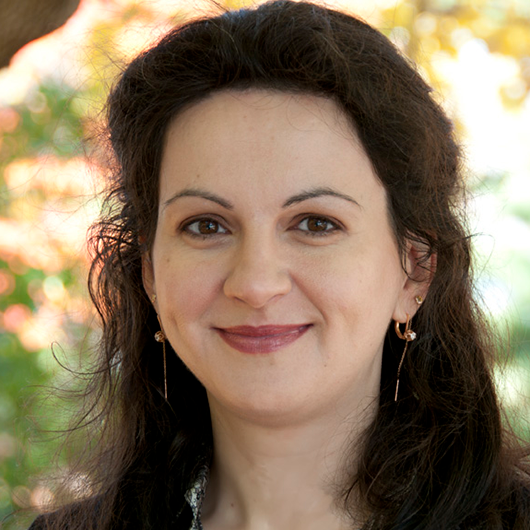
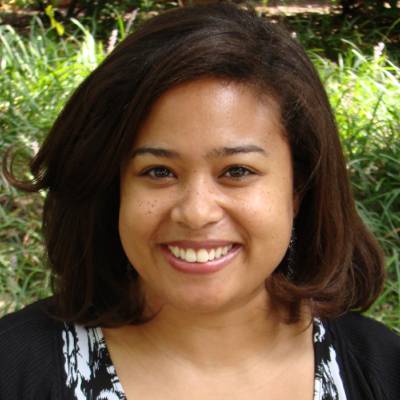
Dr. Ginger Mills is a board-certified bilingual (English/Spanish) clinical neuropsychologist and Assistant Professor of Neurology at Yale School of Medicine. She specializes in assessing neurological disorders and neurodegenerative conditions through comprehensive cognitive and emotional evaluations that integrate developmental and cultural contexts. Specializes in neuropsychological evaluations for diagnostic clarity Focuses on memory disorders and cognitive rehabilitation Active in clinical research on prospective memory mechanisms Her research spans prospective memory assessment across diverse populations including children with epilepsy, brain injury patients, and healthy adults. Publications highlight methodological innovations like the MISTY testing framework and visual imagery interventions for memory disorders. Clinical expertise includes: Dementia and Alzheimer's disease Developmental neuropsychology Psychological assessment of children Dr. Mills emphasizes patient-centered care, stating: 'You are the expert on you. Trust your instinct and gut.' She maintains active clinical practice at Yale Medicine Neurology while contributing to translational research through peer-reviewed publications in journals like Child Neuropsychology and Clinical Neuropsychologist .
Viorica Marian is the Ralph and Jean Sundin Endowed Professor of Communication Sciences and Disorders at Northwestern University's School of Communication. Her research focuses on bilingualism/multilingualism, the neurocognitive mechanisms underlying language processing, and the interplay between language, memory, and cultural factors. She holds a PhD in Experimental Psychology from Cornell University, alongside multiple MA and BA degrees in psychology-related fields. Education: PhD (Cornell), MA (Cornell), MA (Emory), BA (University of Alaska). Research Interests: Bilingualism, cognitive neuroscience, language processing, memory, psycholinguistics, and cross-cultural communication. Labs: Bilingualism and Psycholinguistics Research Group. Marian's work bridges behavioral, cognitive, and neurological methodologies. Her studies reveal how bilingualism enhances executive control, influences memory retrieval, and shapes cross-modal perception. Recent research highlights cultural differences in mother-child communication and the cognitive benefits of multilingualism. Her awards include the 2019 JSLHR Editor’s Award and recognition for teaching excellence. She actively contributes to translational research through grants like the NIH-funded Cognitive Architecture of Bilingual Language Processing project. Courses taught include CSD 309: Culture, Language, and Learning, and CSD 551: Topics in Bilingualism. Key Grants: NIH RO1 HD059858 (2022-2027), NIH R21 DC018349 (2021-2023). Prominent Publications: The Power of Language (2023), LEAP-Q methodology (2007), and foundational bilingualism studies in Bilingualism: Language and Cognition .
Heather A. Jones, Ph.D., serves as Associate Professor in the Department of Psychology within Virginia Commonwealth University's College of Humanities and Sciences, holding joint appointments with the Department of African American Studies, Department of Pediatrics, and Institute for Women's Health. As a licensed clinical psychologist in Virginia, she maintains an active research program focused on reducing mental health disparities through culturally responsive interventions. Ph.D. in Psychology, University of Maryland at College Park (2006) Dr. Jones' research centers on three interconnected pillars: Black children and families' mental health, maternal mental health across the perinatal spectrum, and training culturally competent clinical psychologists. Her work specifically examines ADHD manifestations in Black youth, impacts of racial discrimination on adolescent mental health, and integration of behavioral health services within primary care settings. She employs mixed-methods approaches to address systemic barriers in mental healthcare access for underserved communities. Analysis of her 2023-2025 publications reveals consistent emphasis on health equity through studies of cultural competence in cancer survivorship, ADHD treatment representation gaps, and digital interventions for perinatal depression. Her methodological approaches span latent class analyses of service utilization, content analyses of historical research biases, and clinical trials of integrated care models, all contextualized within structural determinants of health. Dr. Jones has received significant recognition for her contributions: VCU College of Humanities and Sciences Distinguished Teaching Award (2023) VCU Department of Psychology Outstanding Mentoring Award (2023) Elizabeth Fries Young Investigator Award (2016) Clinical and Translational Research Award (2016) She actively mentors students, particularly supporting Black graduate trainees in pediatric psychology as evidenced by numerous student co-authorships. As Principal Investigator, she directs the $1.4M HRSA-funded Primary Care Psychology Training Collaborative providing pro bono services to urban Richmond and rural Virginia communities, recently expanded through an additional $1.1M grant serving Latinx immigrants and refugees. Her federally funded work consistently bridges research, clinical service, and community engagement. Dr. Jones co-directs the Families and Mental Health Research Lab and Primary Care Psychology Training Collaborative, leading interdisciplinary teams comprising psychology graduate students, pediatric residents, and community health workers. These initiatives operate within VCU's integrated primary care clinics, focusing on implementation science to scale evidence-based practices for underserved populations while training the next generation of healthcare providers.
Melanie Wadkins is a Professor and Director of the School-Clinical Child Psychology Program at Yeshiva University's Ferkauf Graduate School of Psychology. She holds a PsyD degree and maintains an active role in research, clinical practice, and teaching. Dr. Wadkins co-directs the Scarsdale Village Cognitive Behavioral Therapy center in New York. PhD, Fordham University (2009) MA, Fordham University (2005) BS, Davidson College (2002) Her research focuses on the role of disgust in anxiety disorder development and maintenance, with emphasis on evidence-based treatment approaches. She leads the Ferkauf Anxiety Research Lab and has presented nationally/internationally on these topics. Dr. Wadkins teaches graduate courses in cognitive assessment, CBT principles, and evidence-based interventions for youth. She specializes in psychoeducational assessment, consultation, and treatment of anxiety/mood disorders. Member, Association for Behavioral and Cognitive Therapies Co-Director, Scarsdale Village Cognitive Behavioral Therapy center
Robin Weersing is a Professor of Psychology at San Diego State University's College of Sciences and Co-Director of the SDSU/UC San Diego Clinical Psychology Joint Doctoral Program. With a focus on child and adolescent mental health, her research emphasizes development of efficient psychosocial interventions for anxiety and depression, particularly in underserved populations. PhD in Clinical Psychology, University of California, Los Angeles (2000) MA in Clinical Psychology, University of California, Los Angeles (1995) BA in Psychology, Linfield College (1993) Her work bridges clinical psychology and health services research, prioritizing transdiagnostic behavioral therapies that address comorbid anxiety and depression in youth. Key areas include: Telehealth adaptation for diverse populations Parental influences on treatment outcomes Racial/ethnic disparities in mental health care Cost-effectiveness analysis of community interventions Implementation science for primary care settings Recent publications highlight therapeutic mechanisms like avoidance reduction and parent-child interaction modifications. Her lab examines: Neural reactivity changes during treatment Implementation barriers in low-resource settings Minority stress in LGBTQ+ youth Interpersonal conflict mediation
Dr. Basak Tas is a Research Fellow at King's College London, based in the Institute of Psychiatry, Psychology & Neuroscience within the Department of Addictions Sciences. She has been working at King's since 2014, initially as a PhD student and then as a Post-doctoral Research Associate, before taking up her current role in 2021. Her work focuses on opioid overdose and related interventions, collaborating with Professor Sir John Strang and Dr. Will Lawn. Her educational background includes an undergraduate degree in Neuroscience from King's College London and an MSc in Neuroscience from the University of Edinburgh. She completed her PhD at King's College London under the supervision of Professor Sir John Strang, Dr. Caroline Jolley, and Dr. James Bell. Her PhD thesis was titled "Clinical and Laboratory Investigation into Heroin and Opioid Overdose Risk". Dr. Tas's research centers on opioid overdose mechanisms, opioid use disorder treatments, and health interventions to reduce drug-related deaths. She investigates experimental drug studies and develops wearable technologies for overdose detection. Her work aims to understand the physiological underpinnings of overdose and create practical tools for real-world overdose prevention, particularly in high-risk populations. Her recent publications (2020-2025) focus on innovative approaches to prevent opioid overdose deaths, including wearable biosensors (e.g., PneumoWave) and mHealth technologies. She explores risk factors for respiratory depression and the acceptability of detection devices among people who use opioids. Her work bridges laboratory models of overdose with clinical applications in supervised injecting facilities and community settings. Dr. Tas was awarded the following scientific award: Addictions Clinical Academic Group (CAG) Early Career Research Prize (2022) She contributes to teaching by supervising MSc Addiction Studies projects and teaching in the BSc Psychology "Addictions" and "Choices" modules. Additionally, she has been involved in public engagement, including school workshops and the art-science project "Heroin Bodies". Dr. Tas is part of the Drugs Research Group within the Addictions Department at King's, led by Professors John Strang and John Marsden. Her current work involves collaboration on projects related to opioid overdose and wearable technologies.
Dr. Georgie Agar is a Lecturer at the School of Life & Health Sciences, Aston University , affiliated with the College of Health and Life Sciences and the Applied Health Research Group . Her research focuses on sleep disorders, self-injurious behavior, and caregiver impact in individuals with intellectual disabilities and rare genetic syndromes like Smith-Magenis and Angelman syndromes. Research Interests : Dr. Agar specializes in developing inclusive clinical assessment tools for sleep, pain, and behavior in neurodevelopmental populations. She employs mixed-methods, meta-analytic approaches, and longitudinal studies to explore sleep trajectories, behavioral conditioning models, and caregiver experiences. Publications : Her work spans sleep management in Smith-Magenis syndrome, overactivity metrics in genetic conditions, and systematic reviews on self-restraint in autism. Key journals include Molecular Autism , Orphanet Journal of Rare Diseases , and Research in Developmental Disabilities . Labs & Collaborations : She collaborates with the Aston Institute of Health & Neurodevelopment , focusing on neurodevelopmental research and cross-institutional partnerships in sleep and behavioral science.
Aida Maria de Oliveira Cruz Mendes is a distinguished academic and researcher at the Coimbra School of Nursing, where she has maintained a continuous appointment since 1987. With over three decades of academic service, she has established herself as a leading expert in nursing science with particular specialization in mental health, occupational health, and sleep quality among healthcare professionals. She currently serves on the Scientific Council for Life and Health Sciences at the Foundation for Science and Technology, demonstrating her significant contribution to Portuguese scientific policy. Education background: PhD from University of Minho (1996-2000) Master's in Occupational Health and Hygiene from University of Coimbra Medical School (1992-1995) License in Mental Health and Psychiatric Nursing (1990-1991) Bachelor's degree in Nursing (1977-1980) Multiple specialized certifications in psycho-oncology, cognitive therapy, and qualitative research Dr. Mendes' research program demonstrates remarkable consistency in addressing critical issues in nursing practice and healthcare delivery. Her work spans mental health services evaluation, occupational health challenges faced by nursing staff, sleep quality determinants in healthcare settings, and innovative programs for healthy aging and retirement transition. She has developed expertise in both qualitative and quantitative methodologies, with numerous systematic reviews and intervention studies to her credit. Her research bridges clinical practice with health promotion initiatives, creating tangible impacts on nursing education and healthcare policy. Analysis of her recent publication trajectory reveals a sophisticated evolution in research focus. While maintaining consistent attention to nursing staff wellbeing (particularly regarding sleep quality and stress biomarkers), she has expanded into developing and evaluating health promotion programs, most notably the REATIVA program for retirement transition. Her work increasingly incorporates international collaborations and demonstrates methodological sophistication, with publications appearing in multiple languages (Portuguese, English, and Spanish) across diverse healthcare contexts. Research funding highlights: Active Retirement: study of a healthy ageing promotor program (2013-2015) funded by Foundation for Science and Technology Mental Health Education and Sensibilization: A School-based Intervention Program for Adolescents and Young (2011-2014) funded by Foundation for Science and Technology Dr. Mendes has supervised numerous graduate students and collaborated extensively with international research teams, particularly in European nursing education contexts. Her work on nurse professional competence assessment among newly graduated nurses demonstrates her commitment to advancing nursing education standards. She maintains active research partnerships with institutions across Portugal and internationally, contributing to both clinical practice improvements and healthcare policy development.
Duncan Astle is the Gnodde Goldman Sachs Professor of Neuroinformatics at the Department of Psychiatry, University of Cambridge. He serves as a Programme Leader at the Medical Research Council's Cognition and Brain Sciences Unit (MRC CBU) and is a Fellow of Robinson College. Astle heads the 4D Lab (Development, Dynamics, Disorders, Data Science), which provides a research home for approximately 15 Early Career Researchers working at the intersection of developmental cognitive neuroscience and advanced data science methodologies. Astle's research focuses on understanding childhood development through innovative analytical approaches. His work employs transdiagnostic methods to study children with attention, learning, and memory difficulties, moving beyond traditional diagnostic categories. He investigates how neural systems develop in childhood, how they relate to developmental disorders, and how they respond to intervention. His research integrates network science, machine learning, and generative modeling to capture the complexity of neurodevelopmental diversity, examining how cognitive skills, literacy, numeracy, and mental health interrelate over developmental time. His publication record reveals a strong focus on brain connectivity and organization across development. Recent work explores structural and functional neurodevelopmental trajectories, brain wiring economics, and the impact of environmental factors on neural development. Astle's research frequently employs advanced data science techniques to identify sub-populations of children with different cognitive or brain profiles, regardless of diagnosis, and to map non-linear relationships between brain organization and cognitive difficulties. His work has increasingly focused on transdiagnostic approaches to understanding developmental disorders and the application of computational models to developmental neuroscience. Astle actively supervises PhD students and has built a substantial research group that contributes to major projects including the Centre for Attention Learning and Memory (CALM) and Resilience in Education and Development (RED). His work has been supported by prestigious funding bodies including the Royal Society, the British Academy, the Medical Research Council, and the Economic and Social Research Council, as well as multiple charitable foundations. The 4D Lab, under Astle's leadership, utilizes state-of-the-art facilities at the University of Cambridge, including on-site magnetic resonance imaging and magnetoencephalography scanners. The lab contributes to building specialist cohorts such as CALM (800 children with cognitive difficulties plus 200 comparison children) and RED, which study children's development, resilience, and educational outcomes. Astle's team explores how growing up in adverse environments affects children's brains, behavior, and mental health, with the aim of identifying early markers of risk and resilience.
Dr. Jeannine Baumgartner is a Lecturer in the Department of Nutritional Sciences at King's College London and an Extraordinary Associate Professor at North-West University, South Africa. She holds an MSc and PhD in Human Nutrition from ETH Zurich, Switzerland. Key Appointments : Lecturer at King's College London (2022–present), Senior Scientist at ETH Zurich (2018–2022), Associate Professor at North-West University (2018). Research Focus : Optimal early-life nutrition for maternal/child health, iron and omega-3 fatty acid interventions, stable isotope methodologies, HIV-metabolic interactions, and mental health-diet links. Her recent work explores iron absorption dynamics in Thai children, maternal iron status in South Africa, and omega-3 fatty acids in depression. She leads an NIHR-funded project to reassess UK iron reference values. Scientific Leadership : Board Member, International Society for the Study of Fatty Acids and Lipids (ISSFAL) Editorial Board, European Journal of Clinical Nutrition
Dr. Matthias Gruber is a Reader (Associate Professor) in Cognitive Neuroscience at Cardiff University's School of Psychology. He leads the Cardiff University Motivation and Memory Lab at CUBRIC, where his research investigates the neuroscience of motivation and its effects on memory using multimodal neuroimaging techniques (structural/functional MRI, M/EEG). His work focuses on how intrinsic motivational states like curiosity enhance learning and memory consolidation. Education includes: PhD in Cognitive Neuroscience, University College London (2007-2011) Research Assistant position at University of Regensburg (2003-2006) Research explores: Neural mechanisms of curiosity and motivation Effects of reward anticipation on memory encoding Hippocampal-prefrontal interactions during learning Developmental aspects of curiosity from childhood to adulthood Real-world applications of motivation research His publications consistently demonstrate how motivational states modulate memory systems, with recent work focusing on spatial exploration dynamics and educational applications. Awards and honors: Sir Henry Dale Fellowship (Wellcome/Royal Society, 2019-2024) Laird Cermak Award (2016) Michael S. Gazzaniga Prize for Cognitive Neuroscience (2015) Elected to Memory Disorders Research Society (2017) Research funding includes major grants from Wellcome Trust, Royal Society, and European Commission. He leads the Motivation and Memory Lab at CUBRIC and is currently accepting expressions of interest from potential research trainees.
James Tung is an Associate Professor at the University of Waterloo’s Faculty of Engineering, Department of Mechanical and Mechatronics Engineering. His research focuses on assistive technology, rehabilitation engineering, and mobility solutions for individuals with disabilities. He leads the Neural and Rehabilitation Engineering (NRE) Lab, which develops wearable sensors, robotics, and machine learning tools to enhance mobility and monitor motor rehabilitation. He teaches courses including BME 355 (Physiological Systems Modelling), BME 540 (Neural and Rehabilitation Engineering), and ME/MTE engineering modules. The lab collaborates with clinical and industry partners to translate research into practical solutions, addressing real-world mobility challenges and aging demographics. His research spans real-world gait analysis, fall risk assessment, and prosthetic design, with a focus on pediatric neurodevelopmental disorders and elderly mobility. The NRE Lab emphasizes interdisciplinary work, combining biomechanics, robotics, and data science to improve healthcare outcomes. Lab Alumni: Includes researchers like Robin Murdock (Myant Inc.), Andrew Hart, and Raj Senthilkumar, contributing to prosthetics and gait analysis. Partnerships: Engages clinical and industry stakeholders for knowledge translation and commercialization. Current projects include developing smart rollators, biofeedback prosthetics, and sensor-based assessment tools to address mobility limitations in aging populations and individuals with disabilities.
Barbara Landau is the Dick and Lydia Todd Professor of Cognitive Science at Johns Hopkins University (since 2001). She previously served as Vice Provost for Faculty (2011-2014) and Director of the Science of Learning Institute (2013-2018). Her research focuses on the interplay between language and spatial cognition, studying typical and atypical development through experimental psychology, linguistic analysis, and brain imaging. PhD in Cognitive Science, University of Pennsylvania Landau investigates the cognitive primitives underlying early development, including how children learn spatial language (e.g., prepositions), how spatial impairments affect word learning in Williams syndrome, and how language and spatial cognition interact. Her work spans typical development, congenital blindness, Williams syndrome, and post-stroke spatial representation. She leads the Language and Cognition Lab, part of the JHU Vision Sciences Group (Cognitive Science, Psychological and Brain Sciences, Neuroscience). Her research has been featured in Time , New York Times , NPR, and The New Yorker, with a focus exhibit at the Walters Art Museum (2011). She received the Guggenheim Fellowship (2009), William James Fellow Award (2018), and is a member of the National Academy of Sciences. Cognitive Science Society Fellow American Academy of Arts and Sciences Fellow American Association for the Advancement of Science Fellow Landau’s lab collaborates with University of Pennsylvania researchers (John Trueswell, Lila Gleitman) on NSF-funded projects connecting symmetry to linguistic/perceptual development. She trains students like Zihan Wang (2023 Glushko Award) and Rennie Pasquinelli (Science of Learning Fellow). Her studies involve participants aged 18 months to 18 years, including Williams syndrome individuals.
Pamela Y. Collins is a Bloomberg Centennial Professor and Chair of the Department of Mental Health at the Johns Hopkins Bloomberg School of Public Health. She holds an affiliate professorship at the University of Washington's Department of Psychiatry and Behavioral Sciences. Her work bridges global mental health, HIV care, and stigma reduction. She leads initiatives in low-resource settings, including integrating mental health into HIV programs and developing scalable interventions like the WHO-UNICEF EQUIP initiative. Her research focuses on marginalized populations, including adolescents in urban environments and communities affected by conflict. Education: MD from Cornell University Medical College (1991), MPH from Columbia University (1997), BA from Purdue University (1986). She has held leadership roles at the National Institute of Mental Health (NIMH) and global health organizations like I-TECH. She chairs the American Psychiatric Association’s Council on International Psychiatry and co-chairs the Connecting Climate Minds initiative. Research Interests: Global mental health systems, HIV/mental health integration, stigma reduction, adolescent mental health in urban contexts, and culturally adapted interventions. She pioneered studies on mHealth in Ghana’s prayer camps and co-led the MindKind study on youth data governance. Awards: Over 20 honors including the NIH Merit Award, NIMH Director’s Awards, and the Jeanne Spurlock Minority Fellowship. Her work emphasizes equity and capacity-building in global health. Grants/Advising: Principal investigator on NIH-funded projects like the Kenya adolescent HIV-mental health trial and co-investigator on Ghana’s mHealth/nurse intervention. She advises on climate change and mental health linkages through her role with the Lancet Commission on Adolescent Health. Labs/Teams: Leads the Johns Hopkins Mental Health Department’s global initiatives, collaborating with WHO, UNICEF, and institutions in Kenya, Ghana, and India. Her teams include interdisciplinary experts in implementation science and digital health.
Angela Book is a Professor in the Department of Psychology at Brock University. She holds a Ph.D. from Queen’s University and specializes in Forensic Psychology, with a focus on psychopathy and its relationship to victim selection, emotion perception, and deceptive behavior. Her research explores how psychopathic traits influence vulnerability judgments and social manipulation. She is affiliated with Brock’s Psychology Department and has contributed extensively to forensic assessment methodologies and youth psychopathy research. Education: Ph.D. in Psychology, Queen’s University Research Interests: Forensic Psychology, psychopathy, emotion perception, victim selection, deception detection, vulnerability assessment. Grants & Advising: No specific grants or advisee records explicitly mentioned in the provided text. Labs/Teams: Not explicitly detailed in the text, though her work aligns with forensic and clinical psychology research groups at Brock.