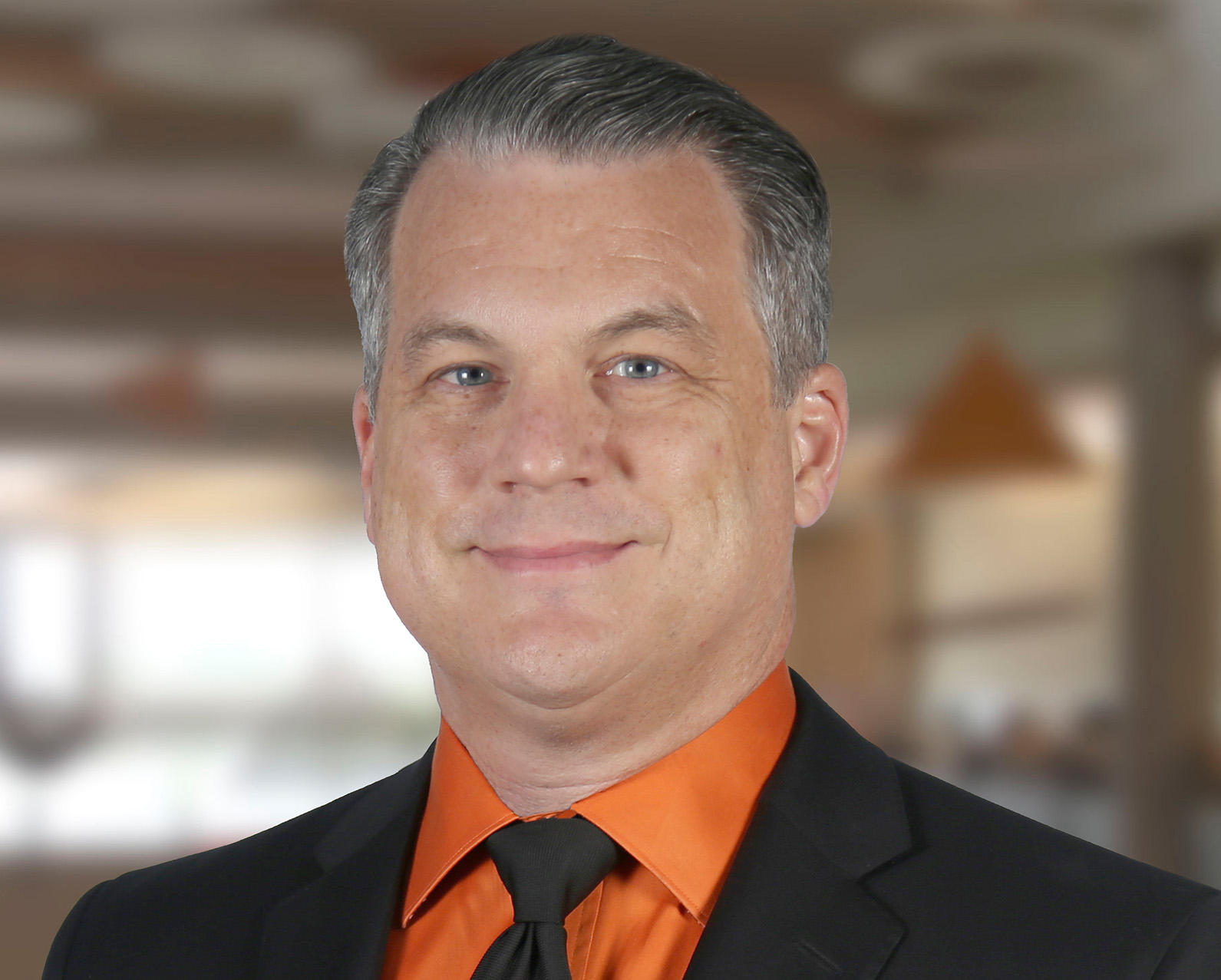
Professor F. Handan Tezel is a Full Professor of Chemical and Biological Engineering at the University of Ottawa since 1988, with promotions to Associate Professor (1993) and Full Professor (2003). She holds a Ph.D. and M.Sc.E. from the University of New Brunswick (1986, 1981) and a B.Sc. from Worcester Polytechnic Institute (1979). Her research focuses on adsorption-based technologies for energy storage, CO₂ capture, membrane development, and sustainable materials. She has collaborated with industries like Air Products and Chemicals Inc., Axens, and international institutions. Her professional activities include roles such as Director of Conferences for the Canadian Society of Chemical Engineering and membership in the International Adsorption Society Executive Board. Awards include the John V. Marsh Teaching Award (2010), FCIC (2016), and FEIC (2017). She has also held part-time academic roles at institutions like Ecole des Mines de Nantes (France) and Tianjin University (China). Research interests span thermal energy storage, adsorption separations, and biofuel production. Current projects include landfill gas recovery, inorganic adsorbent membranes, and CO₂-to-fuel conversion. She supervises graduate students in these areas and actively engages with industry partnerships.
Dr. Amin Reza Rajabzadeh is an Associate Professor at the W Booth School of Engineering Practice and Technology, McMaster University, with affiliate roles in the McMaster School of Biomedical Engineering and Mechanical Engineering. He specializes in biochemical engineering, focusing on biosensors, bioseparation processes, and bioprocess monitoring. His research includes developing biosensors for biological process monitoring and nanotechnology-based cancer therapies. He holds a Professional Engineer license (P.Eng.) and is a member of the Canadian and American Engineering Education Associations. Dr. Rajabzadeh's teaching spans core biochemical engineering courses like Bioreactor Design and Bioprocess Control. He has received the McMaster President’s Award for Teaching and a MacPherson Leadership in Teaching Fellowship. His research clusters span Energy, Environment, Health & Bio-innovation, and Micro-Nano Systems. Recent work includes nanoplatforms for photothermal cancer therapy (ACS Applied Materials & Interfaces, 2021) and innovations in sustainable protein enrichment via tribo-electrostatic separation. Collaborations span biomaterials, environmental engineering, and nanotechnology. Awards: Teaching Excellence Awards, Leadership Fellowships Research Themes: Biosensors, Nanomedicine, Bioseparation Technologies Labs/Teams: Biomedical Engineering Research Group, Nanotechnology Applications Lab
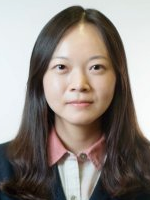
Dr. Shuya Wei is an Assistant Professor in the Department of Chemical and Biological Engineering at the University of New Mexico (UNM). She holds a Ph.D. in Chemical Engineering from Cornell University (2017) and a B.Eng. in Bioengineering from Nanyang Technological University (2013). Her research focuses on advancing electrochemical energy storage technologies, including next-generation batteries for energy and environmental applications. Key areas include developing high-energy batteries using earth-abundant materials, carbon capture through electrochemical processes, and nanomaterials design. Education: Ph.D., Chemical Engineering, Cornell University, 2017 B.Eng., Bioengineering, Nanyang Technological University, 2013 Research Interests: Electrochemical fundamentals and interfaces Rechargeable batteries (e.g., Li-CO₂, Al-CO₂, iron batteries) Carbon capture and conversion via electrochemical systems Design of nanocomposites and biomaterials for energy storage Notable Awards: Materials Research Society (MRS) Graduate Student Silver Award (2017) UNM Women in STEM Awards (2022) NASA MPLAN Prize (2024) NSF EPSCoR Track 2 Funding (2021) Advising & Grants: Advises graduate students (e.g., Chris Fetrow, Jianda Wang) and postdocs (e.g., Raju Vadthya). Secured grants including NSF awards for electrochemical methane conversion and carbon dioxide management. Lab Activities: The Wei Lab at UNM emphasizes interdisciplinary research, with projects like developing low-cost chemical waste batteries and optimizing porous zinc anodes. Recent achievements include breakthroughs in aluminum-CO₂ batteries and gel polymer electrolytes for sodium-sulfur systems.
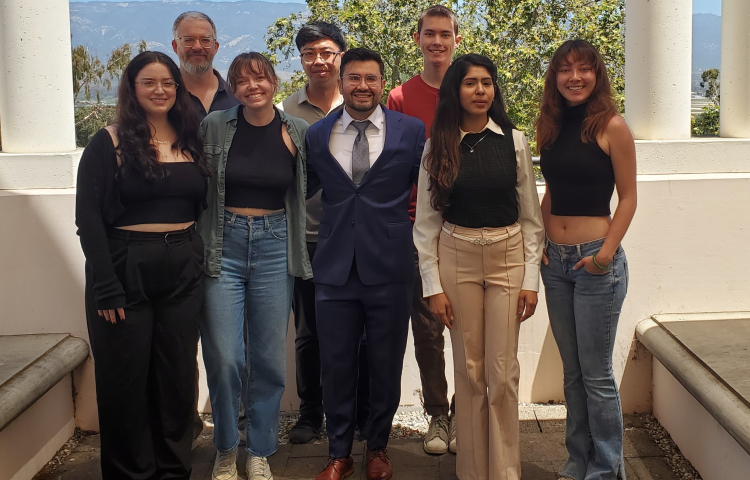
Professor Trevor W. Hayton is a faculty member in the Department of Chemistry and Biochemistry at the University of California, Santa Barbara. He leads the Hayton Research Group, which focuses on solving problems in energy science, nanochemistry, and nuclear fuel clean-up through the synthesis and characterization of transition metal, lanthanide, and actinide complexes, as well as metal nanoclusters. Dr. Hayton's research spans several key areas in inorganic and organometallic chemistry: Actinide chemistry, particularly uranium and thorium complexes Synthesis of transition metal nanoclusters Molecular activation of small molecules Investigation of metal-ligand bonding and covalency Energy-related materials and processes Analysis of Professor Hayton's recent publications (2023-2025) reveals a strong focus on actinide chemistry, particularly uranium and thorium complexes with various ligands. His group has made significant contributions to understanding actinide-ligand bonding, especially through NMR spectroscopy. They also continue to advance the field of transition metal nanoclusters, with recent work on nickel, copper, and iron systems. A notable trend is the increasing use of advanced spectroscopic and computational methods to probe electronic structure. Professor Hayton mentors numerous graduate students and postdoctoral researchers, as evidenced by successful PhD defenses and award-winning research presentations. His group members learn advanced synthetic techniques including air-free procedures, and various spectroscopic and analytical methods. The Hayton Research Group operates state-of-the-art laboratories at UCSB, with dedicated spaces for air-sensitive synthesis and characterization. Group meetings are held weekly to discuss ongoing research and foster collaboration among members.
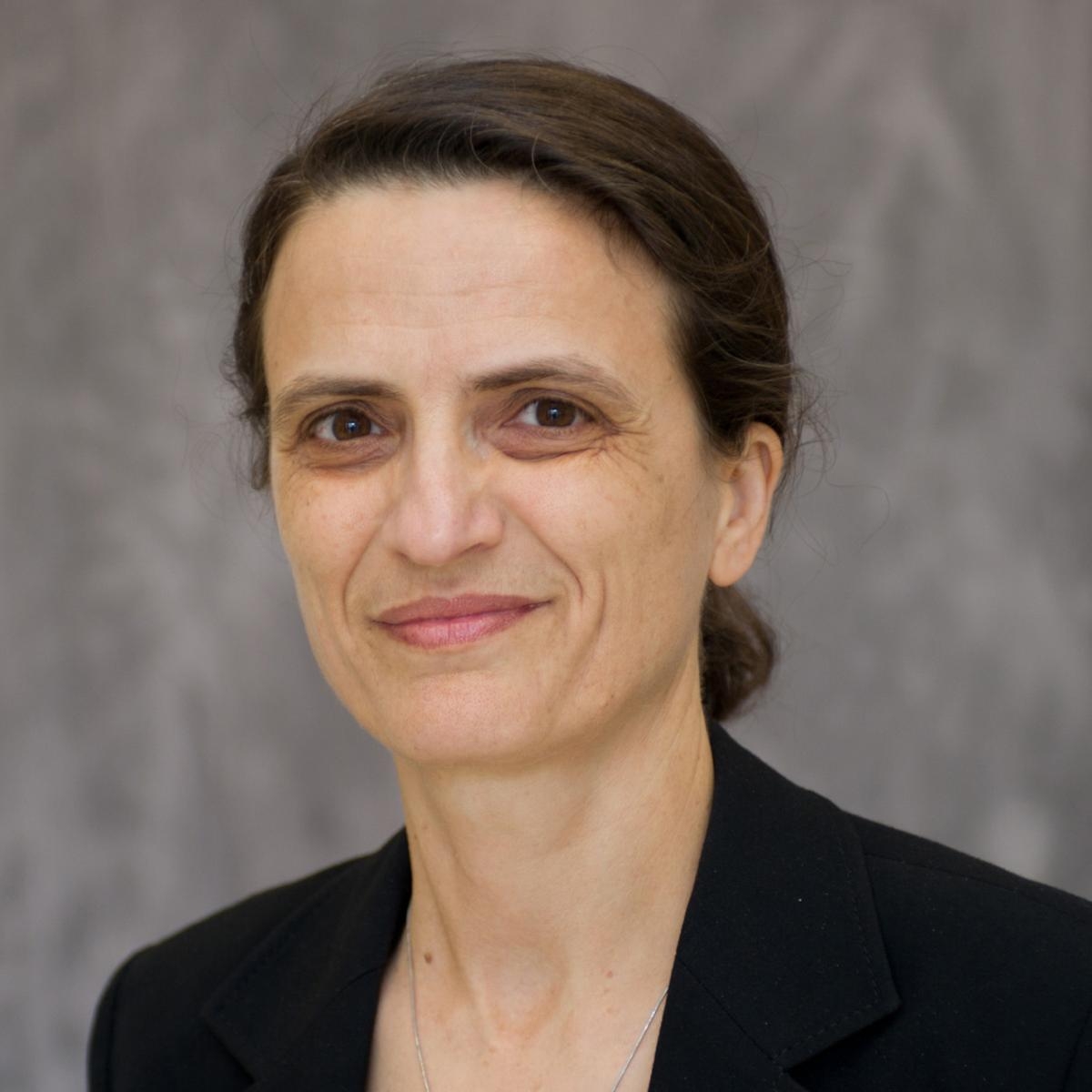
Dr. Sotira Yiacoumi serves as a Professor in the School of Civil and Environmental Engineering at the Georgia Institute of Technology, where she leads research at the intersection of colloidal science, environmental systems, and nuclear applications. Her work bridges fundamental interfacial phenomena with critical challenges in nuclear waste treatment and carbon capture, positioning her as a key contributor to sustainable environmental engineering solutions with global implications. Education Diploma of Engineering, Aristotle University, Greece (1985) M.S. in Engineering, Syracuse University (1987) Ph.D. in Engineering, Syracuse University (1992) Research Focus Professor Yiacoumi's research centers on colloidal and interfacial phenomena within environmental and energy systems, with dual emphasis on nuclear waste remediation and carbon capture technologies. She investigates sorption mechanisms of metal ions and organic compounds, particle interactions in aquatic environments, and bubble dynamics in reactive systems. Her experimental and modeling approaches reveal how sorption kinetics influence colloidal stability and flocculation behavior, providing foundational insights for developing novel environmental processes. Publication Trends Her recent publications (2023-2025) demonstrate a strategic pivot toward climate mitigation and nuclear safety, with 60% focused on CO 2 capture (particularly direct air capture using amino acid solvents and phase-changing compounds) and 40% on nuclear applications (radioactive iodine capture and uranium recovery). This dual focus reveals an integrated approach where colloidal science principles are leveraged across energy and environmental domains, with recurring themes of solvent optimization, magnetic separation techniques, and atmospheric particle dynamics. Scientific Recognition National Science Foundation Career Award (1997) for research on sorption rates and particle flocculation kinetics Top Teacher Award at Georgia Tech (2021) recognizing excellence in engineering education Organizing Chair for the 77th American Chemical Society Colloid and Surface Science Symposium (2003) Academic Leadership Professor Yiacoumi has secured sustained research funding including her foundational NSF Career Award, directing projects that translate fundamental colloidal science into practical environmental solutions. Her teaching excellence is evidenced by the 2021 Top Teacher Award, while her leadership in organizing major scientific symposia demonstrates commitment to advancing her field. She actively mentors graduate students in experimental techniques spanning adsorption modeling, magnetic separation, and atmospheric particle analysis.
Professor Rita Henderson is a Professor in the School of Chemical Engineering at UNSW and Deputy Dean (Societal Impact & Translation) at UNSW Engineering. Her research focuses on water quality and treatment, algal biotechnology, and sustainable engineering solutions. She leads the Algal and Organic Matter (AOM) Lab, collaborating closely with the Australian water industry to address challenges in algal blooms, membrane fouling, and cyanobacteria management. She serves as Editor for Water Research and AWWA Water Science , and chairs UNSW’s Sustainable Development Goal (SDG) Steering Committee. Education: PhD in Water Sciences (Cranfield University, 2008), MSc in Water Pollution Control Technology (2004), and MChem in Environmental Chemistry (University of Edinburgh, 2002). Her work integrates advanced analytical techniques, machine learning, and innovative separation methods to improve water treatment efficiency. Research interests include organic matter characterization, membrane technology optimization, and real-time monitoring of cyanobacterial blooms. Her contributions span algal harvesting via PosiDAF flotation systems, disinfection by-product formation, and sustainable wastewater pond technologies. She actively promotes equity, diversity, and inclusion in engineering education. Grants and collaborations highlight her industry partnerships, particularly in developing scalable solutions for water security. Her lab’s innovations aim to bridge gaps between research and practical applications, ensuring robust water treatment strategies for global challenges.
Dr. Pascale Champagne is a Professor in the Department of Civil Engineering at Queen’s University with a cross-appointment to the Department of Chemical Engineering. She serves as Director of the Beaty Water Research Centre (on leave) and holds roles such as Scientific Director at the Institut National de la Recherche Scientifique (INRS). Her research focuses on sustainable bioresource management, integrating environmental engineering, chemical engineering, and green chemistry to develop novel waste management strategies and water treatment solutions. Key areas include wastewater treatment, bioenergy production, and the application of microalgae in environmental remediation. Dr. Champagne holds a PhD (2001) and M.A.Sc (1996) in Environmental Engineering from Carleton University, and a B.Sc.Eng (1993) in Water Resources Engineering from the University of Guelph. She has been recognized with prestigious awards, including the NSERC Brockhouse Canada Prize for Interdisciplinary Research (2021) and the Canada Research Chair in Bioresources Engineering (Tier II, 2012). Her research explores innovative technologies for nutrient recovery from wastewater, CO2-responsive polymers for forward osmosis, and the use of cyanobacteria for mine tailings stabilization. Collaborative projects span biofuel development, biorefinery sustainability, and interdisciplinary partnerships with researchers in biology, chemistry, and engineering. Dr. Champagne’s work emphasizes systems approaches to sustainability, addressing challenges in water resource management, circular economy principles, and the mitigation of environmental contaminants such as pharmaceuticals and heavy metals. She actively contributes to policy through roles at Queen’s Institute for Energy and Environmental Policy and has published extensively on topics ranging from algal bioremediation to polymer-modified nanomaterials.
James E. Smay is a Professor and Head of the Materials Science and Engineering department at Oklahoma State University. He holds a Ph.D. in Materials Science and Engineering from the University of Illinois and a B.S. in Mechanical Engineering from Oklahoma State University. Ph.D. Materials Science and Engineering, University of Illinois B.S. Mechanical Engineering, Oklahoma State University Dr. Smay’s research focuses on colloidal assembly processes, particularly direct write manufacturing, to create novel devices. His work spans 3D printing of photonic band gap crystals , bone scaffolds , all-ceramic dental crowns , and metal-ceramic composites , leveraging colloidal gel inks with ceramic, metallic, and polymer particles in aqueous media. His publications highlight advancements in additive manufacturing , bioactive ceramics , rheological control of complex fluids , and sanitation engineering . Key trends include the application of direct printing to biomedical and photonic fields, alongside studies on emulsion stability and pathogen deactivation. The Smay lab is equipped for powder processing , advanced rheology , thermal treatment of ceramics/metals/polymers, and particle size/zeta potential measurements , supporting interdisciplinary research in sustainable manufacturing and biomedical materials.
Professor Ian Jefferson is a Professor in Geotechnical Engineering at the Department of Civil Engineering, University of Birmingham. He has held academic positions at Loughborough University (lecturer from 1992–1995) and Nottingham Trent University (Lecturer/Senior Lecturer from 1995–2001, Principal Lecturer from 2001–2002, and Reader until 2004 before joining Birmingham). His roles include teaching and research in civil engineering disciplines, with a focus on sustainability and geotechnical practices. He is affiliated with the School of Engineering at the University of Birmingham, located in Edgbaston, Birmingham, UK. Education: BEng (Hons) in Civil Engineering, Loughborough University PhD in Geotechnical Engineering Professor Jefferson’s research interests revolve around collapsible soils , particularly loess , and their geotechnical implications across Eastern Europe, Central Asia, and the UK. He explores ground improvement techniques , including chemical stabilization and vibro-stone columns, with a focus on sustainability. His work also addresses geohazards such as rising groundwater and problematic soils like glacial tills. He investigates sustainability in urban development , sustainable geotechnical processes, and the application of geophysical methods for assessing improved ground conditions. These areas highlight his commitment to integrating environmental and geotechnical challenges in engineering solutions. Professor Jefferson’s recent publications emphasize the intersection of geotechnical engineering and sustainability. His work explores sustainable infrastructure planning, emissions reduction in soil improvement techniques, and geophysical methods for ground assessment. Key themes include the mitigation of collapsible soils, optimizing ground improvement technologies, and sustainability indicators for urban redevelopment. His research frequently addresses environmental impacts, particularly in transportation and utility infrastructure contexts, alongside advancing methodologies for geotechnical practices. Fellow of the Geological Society (FGS) In terms of grants and funding, Professor Jefferson has secured over £4 million in research grants. While his role in advising students is not explicitly stated, he contributes to academic governance through his positions as a Marker/Moderator for the Postgraduate Teaching Certificate and as the Plagiarism Officer for Civil Engineering since 2013. Professor Jefferson is actively involved in several research initiatives, including Loess soil stabilisation , collapsibility in loess soils , and Ground Improvement using stone columns . He also leads projects on Assessment of improved ground using geophysics , Shear strength of glacial tills , and Sustainability Assessments in urban Development . His work contributes to the Sustainable urban redevelopment - Eastside project in Birmingham. These projects reflect his collaboration with interdisciplinary teams and his focus on practical, sustainable solutions in geotechnical engineering.
Simon Colreavy Donnelly is an Associate Professor in the Department of Computer Science & Information Systems at the University of Limerick. He is a member of the Interaction Design Centre and focuses on interdisciplinary research at the intersection of artificial intelligence, educational technology, and healthcare informatics. His work spans machine learning applications in medical data analysis, virtual reality (VR) and extended reality (XR) for inclusive education, and deep learning techniques in chemical analysis and spectroscopy. Research Interests: His primary areas of investigation include generative AI for education equity, semisupervised learning algorithms, virtual learning environments design, and the ethical deployment of immersive technologies in healthcare and palliative care. He also explores NMR spectroscopy analysis using deep learning and develops tools for nutritional content estimation through image processing. Collaborations: His recent collaborations span international teams addressing challenges in toxicity-free online discourse (PAN 2024), semisupervised learning distribution mismatches, and VR applications for post-pandemic blended learning. His work integrates computational methods with real-world applications in education, healthcare, and chemical analysis. Labs/Teams: Active within the Interaction Design Centre at UL, his research group develops practical solutions for accessibility in digital education and healthcare systems, emphasizing user-centered design principles for extended reality applications.
Carolyn Mills is an Assistant Professor in the Department of Bioengineering at the University of California, Santa Barbara, specializing in molecular engineering of proteins for spatial organization in biological systems with applications in plastic remediation and oral vaccine delivery. Education: PhD, Chemical Engineering, Massachusetts Institute of Technology (MIT) BS, Chemical Engineering, UC Santa Barbara Her research integrates protein engineering, synthetic biology, and polymer science to manipulate spatial organization. Key focus areas include bacterial microcompartments for PET waste remediation, liquid-liquid phase separation characterization using cell-free systems, anaerobic platforms for lignin breakdown, and probiotic-based oral vaccine delivery using virus-like particles. The Mills Lab employs high-throughput screening and cell-free protein synthesis to develop closed-loop plastic degradation systems and low-cost vaccine scaffolds. Recent publications (2022-2025) demonstrate consistent innovation in protein self-assembly mechanisms, bacterial organelle engineering, and environmental/medical applications, with strong emphasis on scalable solutions for plastic pollution and global vaccine access. Scientific awards: Distinguished Postdoctoral Service Award, Northwestern University Dr. Mills leads collaborative projects with Prof. Michelle O'Malley and ExFAB (UCSB's NSF Biofoundry), focusing on anaerobic fungal pathways. Her lab bridges fundamental protein dynamics with real-world applications in environmental sustainability and biomedical engineering through engineered spatial organization strategies.
Frederic Meunier is a CNRS researcher based at IRCELYON (Institute of Chemistry of Lyon), part of the University of Lyon. He holds a European PhD in Physical Chemistry from the Universities of Strasbourg (France) and Limerick (Ireland), and a Habilitation to Direct Research from the University of Caen (France). His research focuses on heterogeneous catalysis, with expertise in operando FT-IR spectroscopy and reaction mechanisms, particularly in syngas chemistry and CO₂ conversion. He leads the ATARI team (Integrated thermodynamic, analytical, and reactional approaches) and has published over 100 papers (H-factor 35) and holds two worldwide patents. Key research interests include catalytic materials for environmental applications, such as CO₂ capture/methanation, water treatment, and sustainable chemistry. He has supervised 16 PhD theses and is an editorial board member of Catalysis Today and Applied Catalysis B: Environmental . In 2009, he received the Catalytic Division Award from the French Chemical Society. His work also explores microwave-assisted catalysis, nanomaterial synthesis, and advanced oxidation processes for pollutant remediation. Collaborative projects include studies on biochar-based materials, microwave-enhanced reactions, and catalyst stability under industrial conditions.
Prof. Dr. Fatma Arslan is a Professor in the Department of Mineral Processing Engineering at Istanbul Technical University (ITU). She holds a PhD from Columbia University. Her research focuses on metallic minerals, industrial raw materials, and chemical-biological recovery techniques. She has held significant administrative roles, including Head of Department (2000–present), Dean (2012–2016), and Director of Research and Application Center (2013–2017). Her work emphasizes sustainable mineral processing, with contributions to flotation, leaching, and recycling of metals from secondary sources. She has authored over 35 publications and led projects on metal recovery from electronic waste and copper refining slags. Key research areas include hydrometallurgical processes, ion flotation, and environmental remediation. Prof. Arslan has advised numerous students and collaborates internationally on mineral processing innovations. Education: PhD in Metallurgical Engineering from Columbia University (1987–1991); License in Metallurgical and Materials Engineering from ITU (1977–1982). Research Interests: Flotation, leaching, cyanidation, metal recovery from waste, and sustainable mineral processing. Her recent work explores HPGR preprocessing for gold ore cyanidation and ion flotation for metal recovery. She has pioneered methods for recycling metals from printed circuit boards and copper slags. Prof. Arslan also contributes to UN Sustainable Development Goals related to resource efficiency and environmental protection.
Dr. Amit Goyal is the SUNY Empire Innovation Professor and SUNY Distinguished Professor in the Department of Chemical and Biological Engineering at the University at Buffalo. He serves as Director of the UB Initiative on Plastics Recycling and Innovation (a New York State Center of Excellence) and previously founded and led the RENEW Institute (2015–2021), focusing on interdisciplinary research in energy, environment, and water. His academic roles include leadership in both research and industry, with expertise spanning clean energy technologies, superconducting materials, and flexible electronics. Education: B. Tech in Metallurgical Engineering, Indian Institute of Technology (1996) MS in Mechanical & Aerospace Engineering, University of Rochester (1988) PhD in Materials Science & Engineering, University of Rochester (1991) Executive MBA, Purdue University International Executive MBA, Tilburg University Research Interests: Dr. Goyal’s work focuses on heteroepitaxial growth , strain-driven self-assembly , and advanced energy materials . He develops clean energy technologies, including superconducting devices and photovoltaic systems, while pioneering innovations in plastics recycling. His recent projects involve high-throughput plastic sorting techniques using molecular vibrational signatures and nanoscale defect optimization in superconducting wires. Advising & Industry: He co-founded TapeSolar Inc. and TexMat LLC, demonstrating expertise in venture capital engagement and technical project management. His RENEW Institute has attracted multidisciplinary collaborations across six schools at UB, advancing solutions for global sustainability challenges. Labs & Initiatives: Leads the NYS Center for Plastics Recycling & Innovation and oversees the UB Initiative on Plastics Recycling, integrating engineering, economics, and communication strategies to address plastic waste challenges.
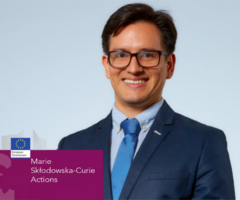
Pablo Jiménez-Calvo is a Marie Skłodowska-Curie Post-doctoral Fellow and Research Fellow in the Department of Chemistry and Pharmacy, leading the 'Carbon-Inorganic Interface Materials' project since 2023. His research focuses on energy materials for solar fuel production, particularly photoelectrocatalysis, artificial photosynthesis, and carbon nitride-based systems. He has held postdocs at the Max Planck Institute, University of Paris Saclay, and previously earned his Dr.-Ing. from the University of Strasbourg (2019). Research interests include carbon nitride heterojunctions, metal nanoparticle integration, and sustainable hydrogen production. His 2025 work highlights advancements in photocatalytic stability and organic synthesis, while 2023/2024 studies emphasize strategic hydrogen value chains and device engineering for carbon neutrality. Awards include the 2024 Materials Today Catalysis Rising Stars Award and Marie Curie Fellowship (2023). His articles span 15+ peer-reviewed publications since 2020, focusing on photocatalytic efficiency, nanomaterial design, and energy systems innovation. Collaborations include the Bachmann Group and institutions like the Solid-State Physics Laboratory (University of Paris Saclay).